
How do custom subscription boxes compare to standard mailers, poly mailers, and RSC boxes?
Short answer: Choose two-sided custom RETF subscription boxes (from 250 units) when multi-item protection and camera-ready unboxing retention matter. Use flexible poly mailers only for soft single-garment clubs, standard exterior-only mailers for one-time DTC orders, and taped RSC shipping boxes when insulated meal or drink clubs exceed 20 lb.
On this page
- How do custom subscription boxes, standard mailers, poly mailers, and RSC cartons compare
- When should a membership brand pick a poly mailer, standard mailer, or RSC shipper instead
- How do box structure and interior staging impact transit damage and subscriber churn
- What is the 4-step checklist to pick the right container for your subscription launch
- Common mistakes
- FAQs
Request a custom quoteFree dieline & 3D mockup
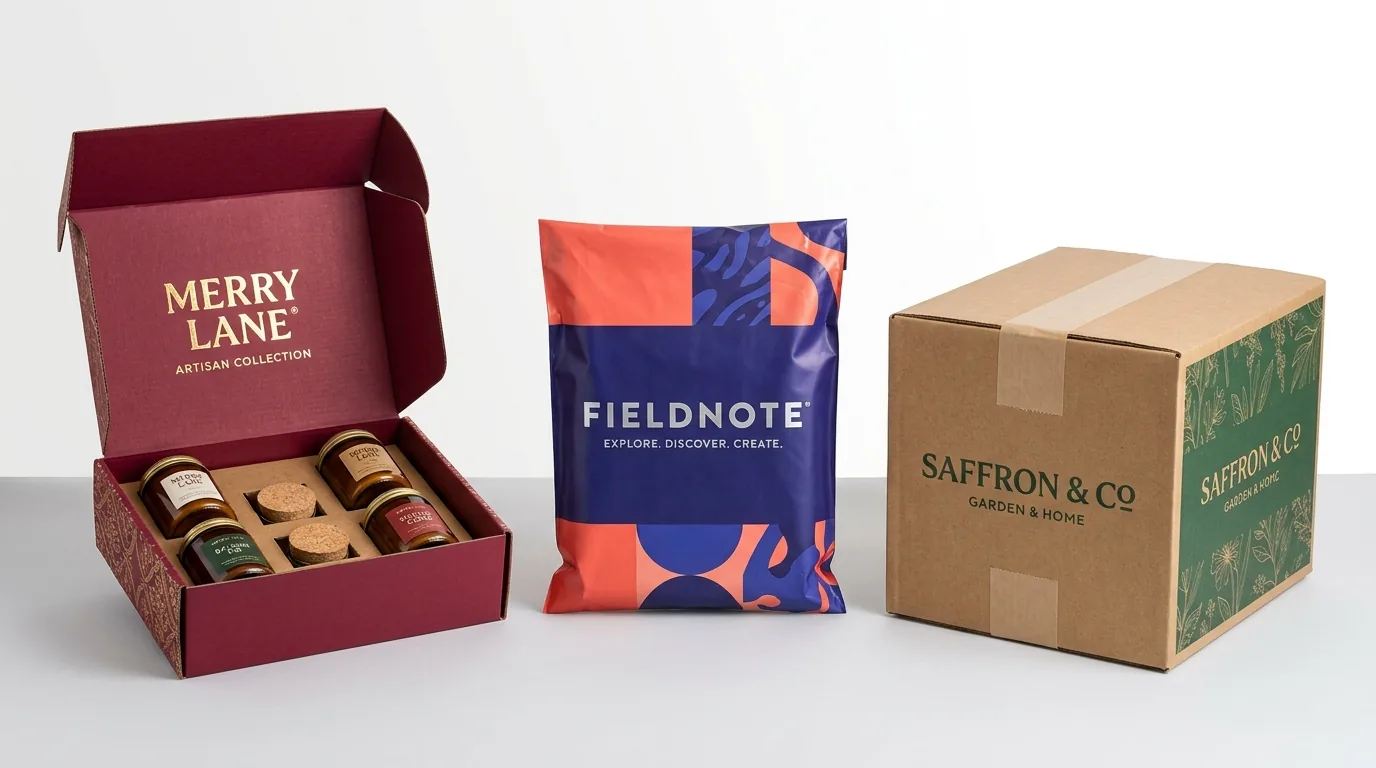
Founders launching a recurring membership program usually debate four shipping formats: curated two-sided custom subscription boxes (built on the FEFCO 0427 Roll End Tuck Front architecture with interior print and fitted inserts), exterior-only custom mailer boxes, flexible custom poly mailers, or four-flap custom shipping boxes (FEFCO 0201 RSC). While a poly bag weighs less on a postal scale, it offers zero corner crush protection for glass serums, coffee valves, or snack bars and turns a recurring gift ritual into an ordinary parcel tear-open. Conversely, a taped RSC carton handles 30 lb insulated meal kits with ease yet lacks the hinged theater-stage lid that drives subscriber social sharing and 90-day retention. CubitPack manufactures all four packaging families from 250 units on mailers with zero die or plate setup fees and free shipping across all 50 US states.
How do custom subscription boxes, standard mailers, poly mailers, and RSC cartons compare?
Recurring commerce differs fundamentally from transactional e-commerce because every shipment serves as next month's renewal pitch. When a one-time shopper receives a slightly dented carton, they rarely return a healthy product inside; when a monthly club member receives a crushed pouch or uninspired brown parcel three months in a row, they hit pause in their account portal. At the same time, packing operations for subscription clubs run in concentrated 48-to-72-hour monthly waves rather than steady daily trickles, making bench assembly speed and flat KDF pallet storage critical. Evaluate all four parcel containers side-by-side across structural crush armor, multi-SKU presentation, fulfillment bench labor, and carrier billing
- Why poly mailers hurt multi-SKU clubs: Shipping three supplement pouches or snack bags inside a flexible poly mailer crushes foil gussets, wrinkles labels, and signals 'cheap commodity' right when subscribers decide whether to skip next month.
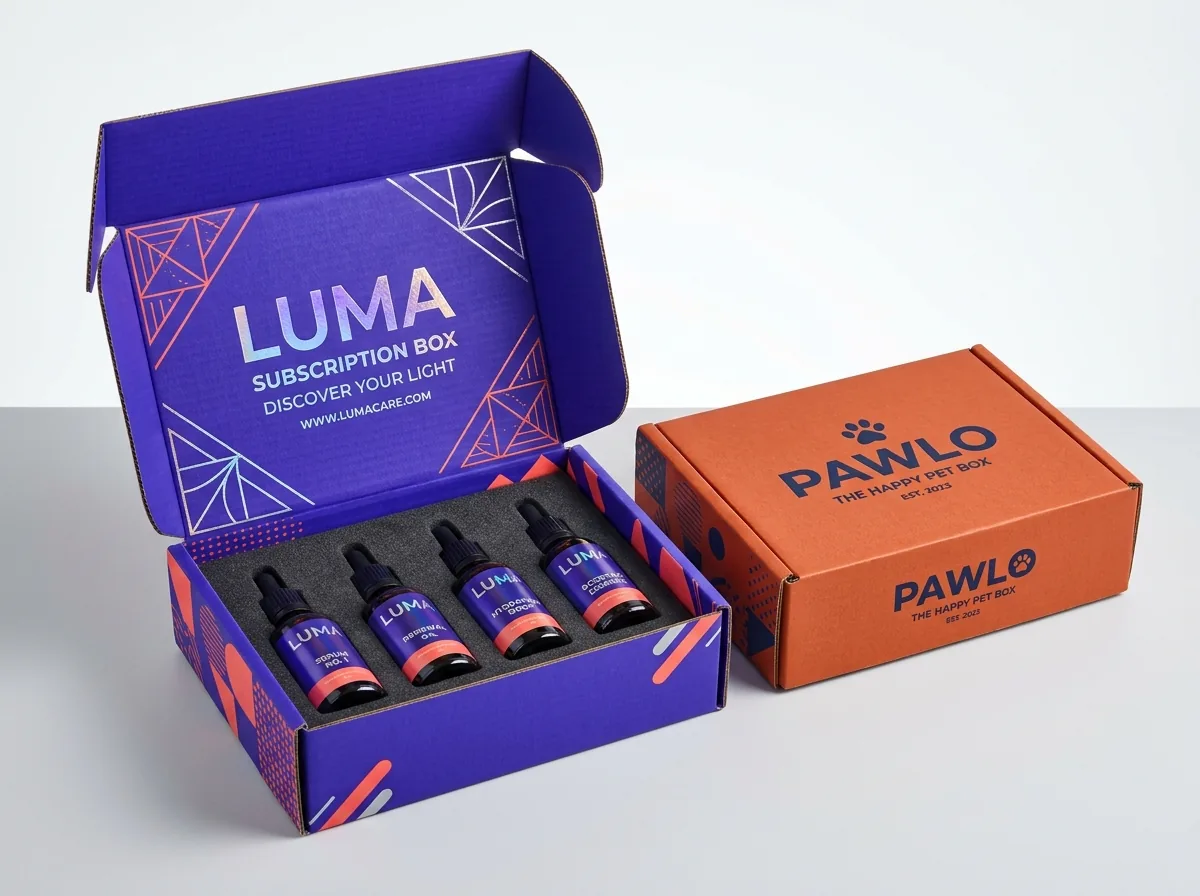
- Why two-sided RETF beats one-sided mailers for memberships: Subscribers spend 3 seconds looking at the closed exterior box on the porch and 60+ seconds looking directly at the open interior lid while exploring their monthly curation.
- Zero tape speeds fulfillment blitzes: Most subscription clubs ship their entire subscriber base during a 3-day monthly fulfillment window. Self-locking RETF tabs eliminate tape dispensers on the packing line and keep outside brand colors unobstructed.
| Comparison factor | Custom Subscription Box (2-Sided RETF) | Standard Mailer (1-Sided RETF) | Custom Poly / Bubble Mailer | RSC Shipping Box (FEFCO 0201) |
|---|---|---|---|---|
| Crush & drop armor | High: double-rolled corrugated walls + insert | High: double-rolled corrugated walls | Minimal: soft film flexes on conveyor chutes | High to heavy-duty (32–51+ ECT) |
| Unboxing ritual | Stage lid + inside storytelling + framed items | Clean hinged cover, plain kraft/white interior | Peel-and-tear strip; items tumble loose | Four slotted flaps cut open with a blade |
| Multi-item staging | Fitted card, EVA, or EPE cavities hold 3–8 SKUs | Tissue wrap or single-SKU card collar | None: items shift & rub in transit | Bulk dividers, liners, or void fill |
| Packing bench speed | 12–18 sec self-locking fold (zero tape) | 10–15 sec self-locking fold (zero tape) | 5–8 sec peel-and-seal strip | 20–30 sec bottom + top H-taping |
| Minimum order | 250 boxes | 250 boxes | ||
| Ideal club model | Beauty, wellness, coffee, snacks, pets, VIP | Single-item auto-ship refills | T-shirt, sock, or underwear-only clubs | 20–50 lb chilled meal kits & case clubs |
When should a membership brand pick a poly mailer, standard mailer, or RSC shipper instead?
Although curated two-sided RETF mailers dominate the DTC subscription landscape, specific product physics and weight brackets genuinely favor one of the other three formats. A single cotton t-shirt needs zero vertical crush walls and qualifies for sub-pound parcel rates in a tear-strip bag, whereas 28 pounds of frozen grass-fed beef and gel packs will overwhelm an untaped front tuck flap. Smart operators often pair two formats across the subscriber lifecycle so Month 1 delivers theatrical onboarding and Month 2+ optimizes refill postage. Match each edge case below to the right container so you never over-engineer or under-protect
| Subscription product scenario | Winning container format | Engineering reason |
|---|---|---|
| Single t-shirt, pair of socks, or leggings | Custom printed poly mailer | Unbreakable fabric ships under 8–12 oz USPS First-Class / Ground rates |
| Single-bottle 30-day vitamin auto-refill | Compact E-flute mailer or padded pouch | Returning customers already know the SKU; low postage wins |
| 3 to 7 curated beauty, coffee, pet, or snack items | 2-sided RETF subscription box + insert | Double walls + insert prevent clinking while inside lid tells the monthly story |
| Frozen proteins or 25 lb insulated meal kits | 32–48 ECT RSC or double-wall shipping box | Tall cubic cavity fits insulated liners, ice packs, and H-taped seams |
| Annual VIP founder or luxury collectible tier | Wrapped magnetic closure rigid box inside outer mailer | Permanent bookshelf keepsake chest for VIP subscribers |
How do box structure and interior staging impact transit damage and subscriber churn?
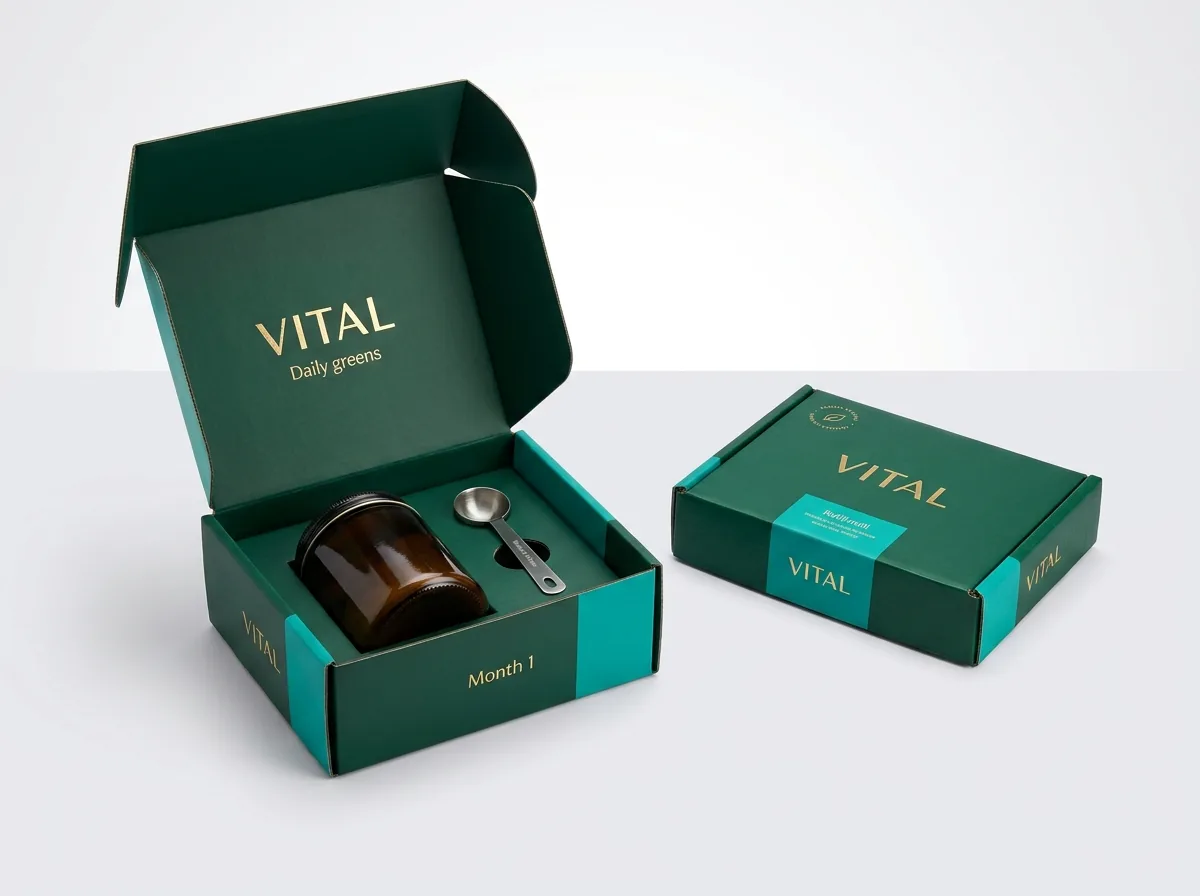
Evaluating packaging solely by unit container cost ignores the two biggest hidden leaks in recurring revenue: replacement reships from parcel sorting damage and involuntary churn after a lackluster unboxing. Every damaged delivery eats the margin of three to four healthy subscription cycles once reshipment inventory, expedited postage, and customer-support tickets are tallied. Meanwhile, members who receive a curated stage box are far more likely to film tabletop unboxings or gift a membership to friends. Whether you pack custom meal kit boxes, custom apparel boxes, custom unboxing boxes, custom cosmetic boxes, or custom coffee boxes, structural presentation protects lifetime value (LTV) in four measurable ways
- Double-rolled side walls stop conveyor crush: Folding corrugated side walls 180 degrees creates four layers of linerboard and two layers of flute at the corners, withstanding heavy sorting-bin drops that flatten single-ply folding cartons or pierce poly bags.
- Fitted inserts eliminate 'porch scramble': Even inside a sturdy box, loose items slide to one corner when mail carriers stand parcels on end. Adding custom box inserts or custom eva foam inserts locks every item face-up for the moment the lid lifts.
- Organic user-generated content lowers CAC: Subscribers rarely film themselves tearing open a plain brown RSC carton or plastic poly bag, whereas a bold interior-printed custom corrugated subscription box acts as a built-in tabletop photo studio.
- Right-sized cubic footprints keep postage flat: Designing your RETF mailer around USPS Ground Advantage Tier 0.20 or Tier 0.30 keeps shipping within pennies of an unpadded mailer once weight exceeds 1 lb across every US delivery zone.
- Zero die or plate fees enable seasonal variety: Because CubitPack charges zero die or plate setup fees from 250 boxes, clubs can rotate limited holiday, autumn, or summer artwork editions without expensive tooling write-offs.
Know your size? Compare pricing across up to 3 quantities.
Request a Quote →What is the 4-step checklist to pick the right container for your subscription launch?
Combine this four-step selection checklist with our companion guides on sizing custom subscription boxes for cubic shipping and inserts and subscription box inside printing, dielines, and unboxing retention, plus our structural breakdown of Roll End Tuck Front mailers vs Regular Slotted shipping boxes. Testing custom printed subscription mailers against real packed weights and 3PL assembly benches before committing to high-volume inventory ensures every membership tier in your catalog ships in the right container
- Step 1: Weigh and drop-check your monthly kit. Soft single-apparel items under 12 oz suit poly mailers; curated 1 to 15 lb kits belong in E-flute or B-flute RETF subscription mailers; chilled 20+ lb boxes belong in taped RSC or custom double wall boxes.
- Step 2: Map your Month 1 onboarding versus Month 2+ refill experience. Invest in two-sided outside/inside print, metallic foil or Spot UV, and fitted inserts wherever unboxing excitement drives referrals, user-generated video, and 90-day retention.
- Step 3: Time your fulfillment bench assembly across 50 sample packs. If a 3PL charges per touch or your team packs 1,000+ boxes over a single weekend, self-locking RETF mailers with drop-in card dividers cut assembly and taping time dramatically while keeping packing benches free of water-activated tape dispensers.
- Step 4: Audit carrier cubic volume before approving your dieline. Verify that your exterior dimensions land cleanly inside USPS Ground Advantage Tier 0.10, 0.20, 0.30, or 0.40 so corrugated armor adds pennies rather than dollars to postage.
- Step 5: Order CubitPack's $50 material & finish sample kit (credited toward your first production order) or request a free 3D digital mockup and custom quote from 250 boxes with free delivery across all 50 US states.
What container-choice mistakes hurt monthly subscription brands?
Avoid these five packaging format mismatches before locking in your recurring fulfillment supply chain
- Shipping glass dropper bottles, roast-valve coffee bags, or fragile cookies inside unpadded poly mailers that crush in automated postal sorters.
- Packing a high-margin curated discovery club inside a plain four-flap RSC shipping box that requires a box cutter and hides products under crumpled kraft paper.
- Using a thin paperboard folding carton (meant for indoor retail shelves) as an unbagged postal mailer where corners split open in transit.
- Over-building a 10-oz single t-shirt club into a oversized 14 × 12 × 5 inch B-flute box when a slim E-flute folder or printed poly mailer hits First-Class weight.
- Skipping interior lid printing on a Month 1 welcome kit, missing the highest-attention 60-second touchpoint in the entire subscriber journey.
Packaging for this
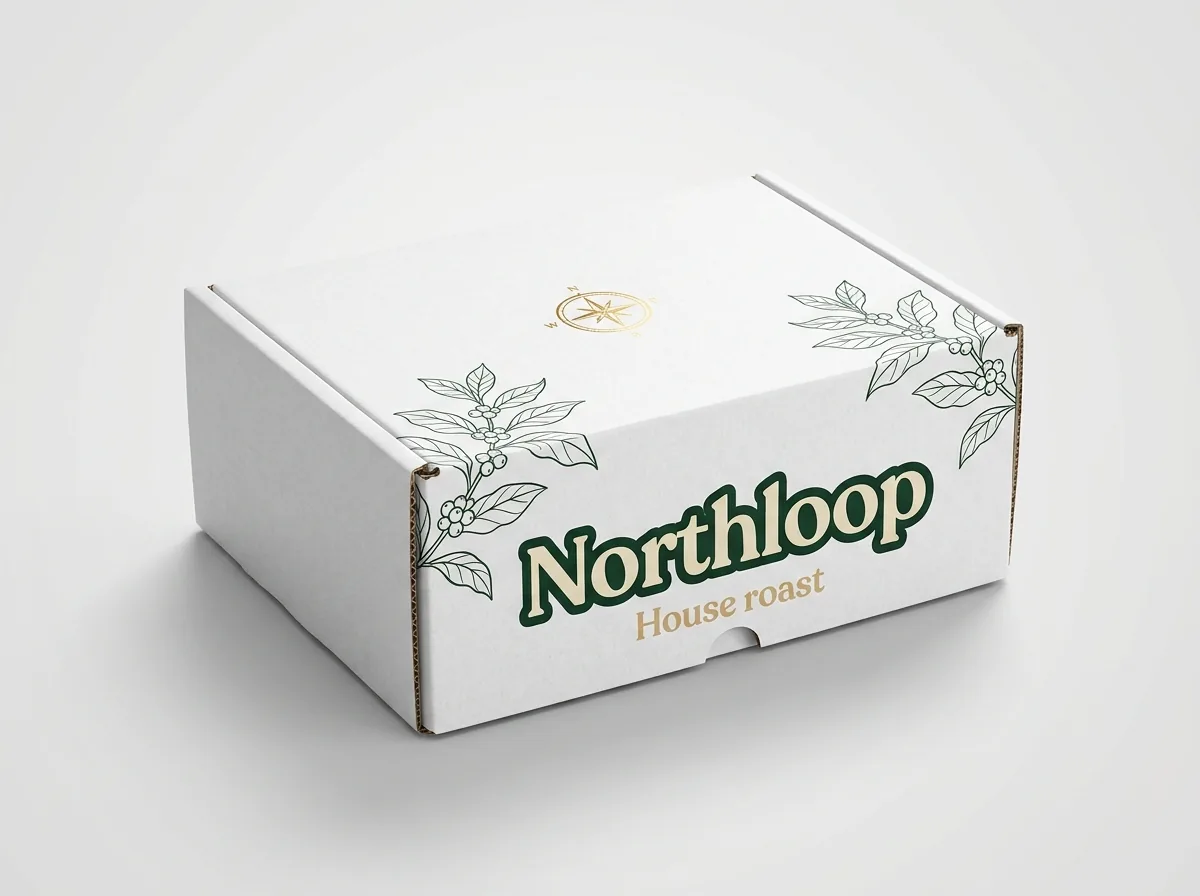
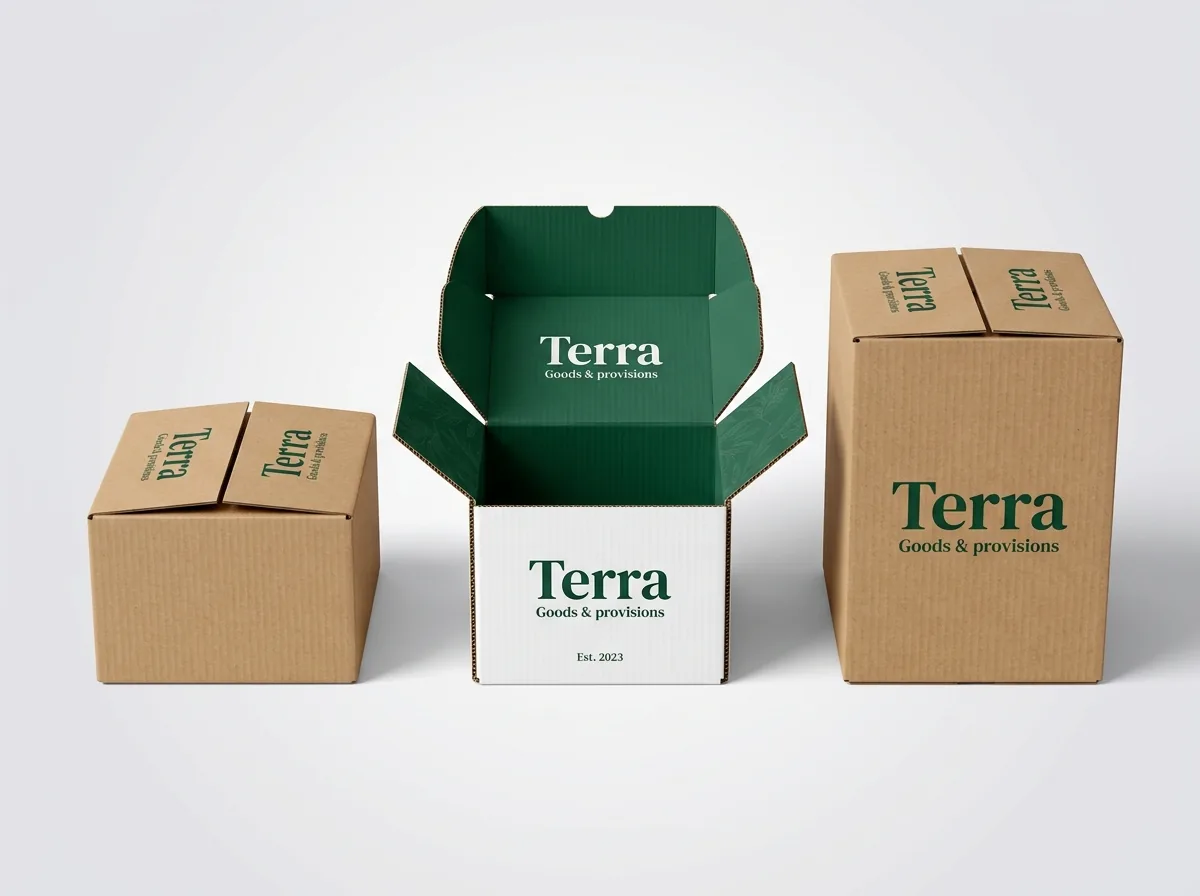
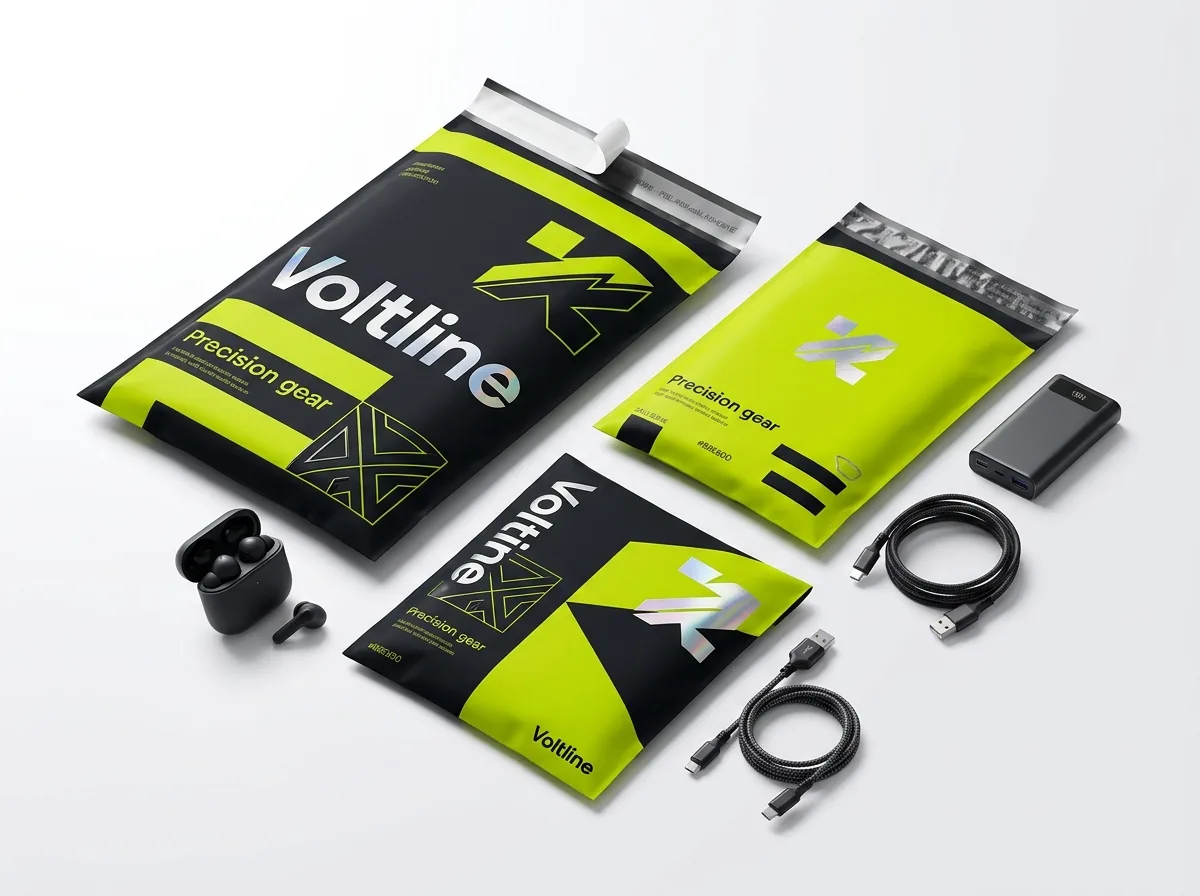

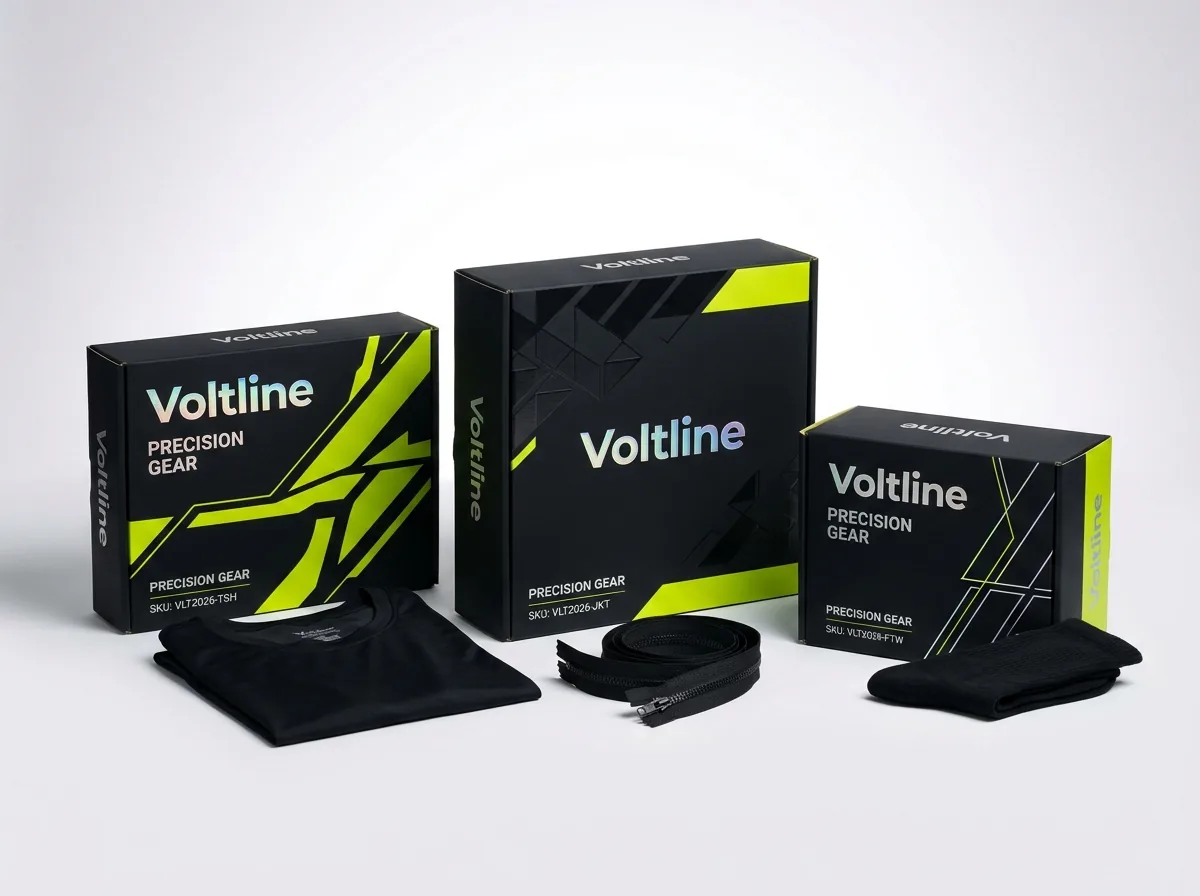
Ready to order subscription boxes? Compare up to 3 quantities with a free 3D mockup.
Request a Quote →Questions about subscription boxes
What is the difference between a custom subscription box and a standard custom mailer box?
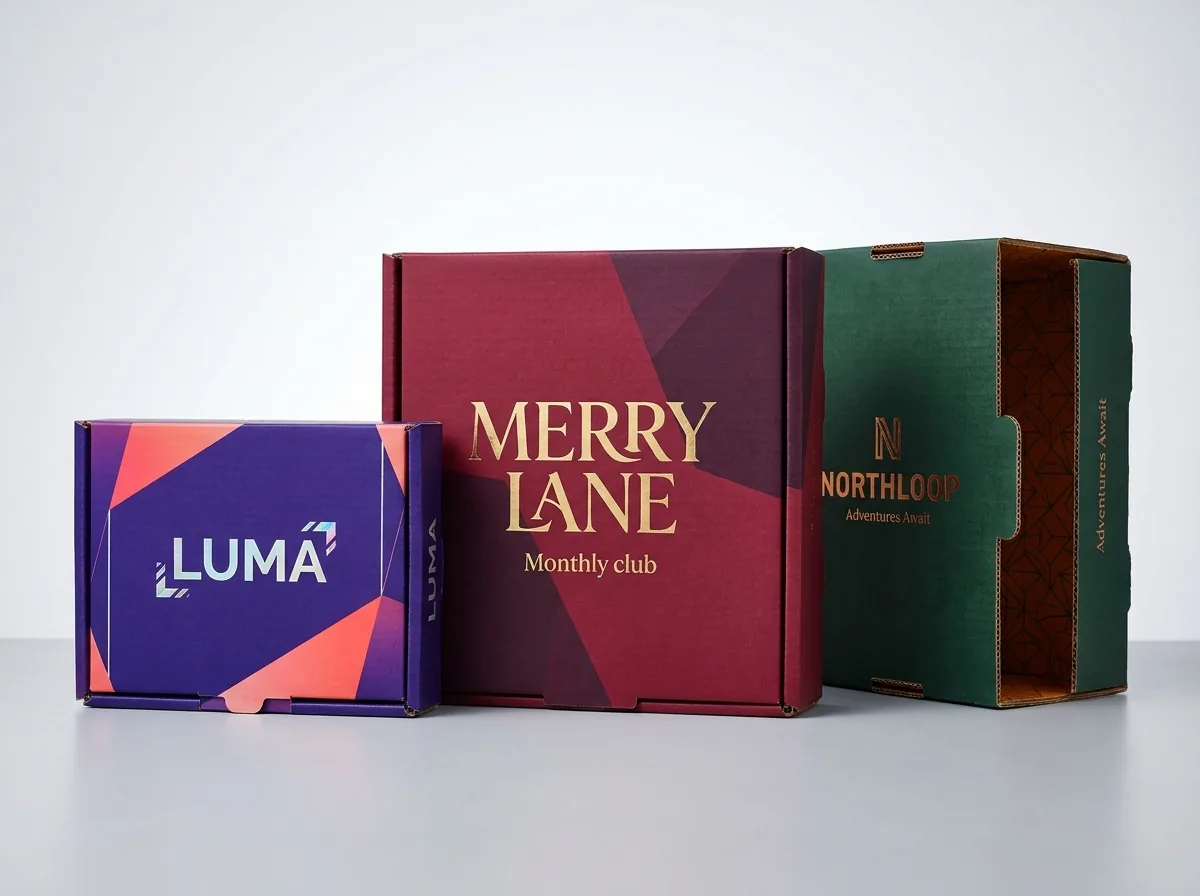
Both share the durable Roll End Tuck Front (FEFCO 0427) corrugated structure and 250-box minimum, so the difference is how the interior stage is engineered. Subscription boxes combine two-sided outside/inside storytelling print with fitted multi-SKU card or foam inserts and cubic-tier dimensions tailored for recurring monthly drops.
Can a corrugated RETF subscription box mail without an outer poly bag?
Yes. Both E-flute and 32 ECT B-flute RETF corrugated mailers are engineered to travel directly through USPS, UPS, and FedEx parcel networks without an outer bag. Adding matte or gloss lamination protects rich exterior colors from conveyor scuffs and porch rain.
When should a meal-kit or beverage club use an RSC shipping box instead of a mailer?
Switch from an RETF mailer to a 32–48 ECT RSC or 5-ply double-wall shipping box once your packed kit exceeds 18 to 20 lb or requires thick insulated cooler liners and gel ice packs that stack vertically over 6 inches tall.
Can we order custom subscription boxes for Month 1 and custom pouches or poly mailers for refills?
Yes. CubitPack manufactures custom corrugated subscription mailers, custom stand-up pouches, custom poly mailers, tissue paper, and stickers under one roof with zero die or plate setup fees and coordinated Pantone color matching.
How quickly can we launch a 250-box pilot run for a new subscription club?
Standard production takes 10–14 business days after approving your free interactive 3D mockup and payment, with 4–5 business day rush available and free shipping across all 50 US states.
Still have a question? Ask a packaging specialist.
Request a Quote →Request your subscription boxes quote
Tell us your size and quantities, and one dedicated account manager prepares pricing for each tier.
- Free design & AI-to-print studio + 3D mockup
- No die or plate charges · 4–5 day rush available
- Free shipping to all 50 states
- 10% off your first order
We compared two-sided FEFCO 0427 Roll End Tuck Front subscription mailers, single-sided standard mailers, flexible poly mailers, and FEFCO 0201 RSC shipping boxes against Fibre Box Association (FBA) corrugated specs, ISTA 3A parcel survivability tests, and USPS Ground Advantage cubic standards. Spot something wrong? Tell us and we fix it.
Sources
What changed
- November 5, 2026: First published with 4-format subscription container matrix, hybrid Month-1/refill strategy, and transit breakage analysis.
More guides
New packaging guides by email
Sizes, materials and design tips. Unsubscribe anytime.