
Roll end tuck front mailer vs regular slotted shipping boxes: which should you pick?
Short answer: Pick custom mailer boxes when you ship direct-to-consumer kits, apparel, cosmetics, or gifts and want a self-locking hinged lid with inside-and-outside branding. Choose a regular slotted shipping box (RSC) when you ship heavy bulk master cases, oversized goods, or warehouse freight sealed with packing tape.
On this page
- How do mailer boxes, shipping boxes, and subscription boxes compare side by side
- Why does a roll end tuck front mailer resist crushing differently than an RSC box
- How does inside-and-outside printing compare across the three styles
- What turns a standard mailer box into a subscription or PR box
- Which corrugated box style is faster to pack and ship at your warehouse
- How do I decide whether my product needs a mailer box or a shipping box
- Common mistakes
- FAQs
Request a custom quoteFree dieline & 3D mockup
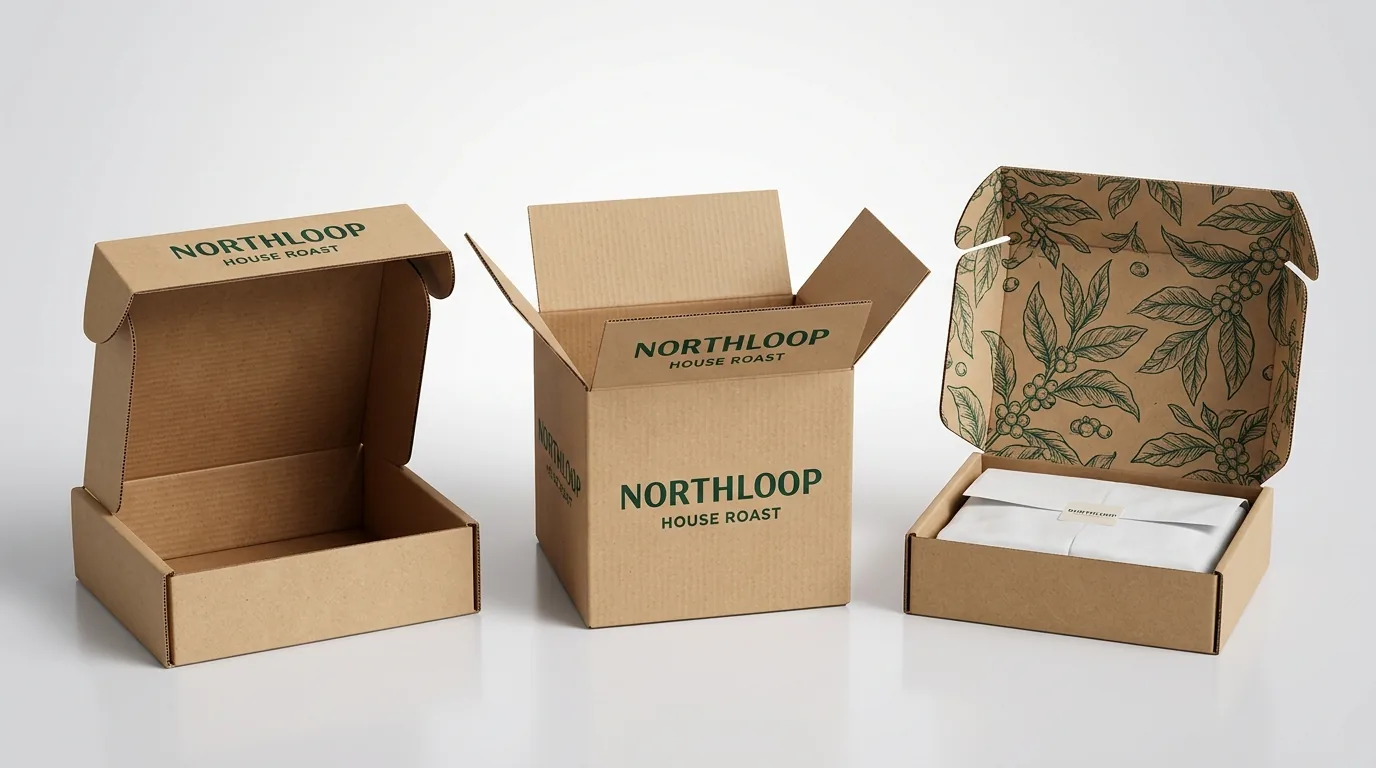
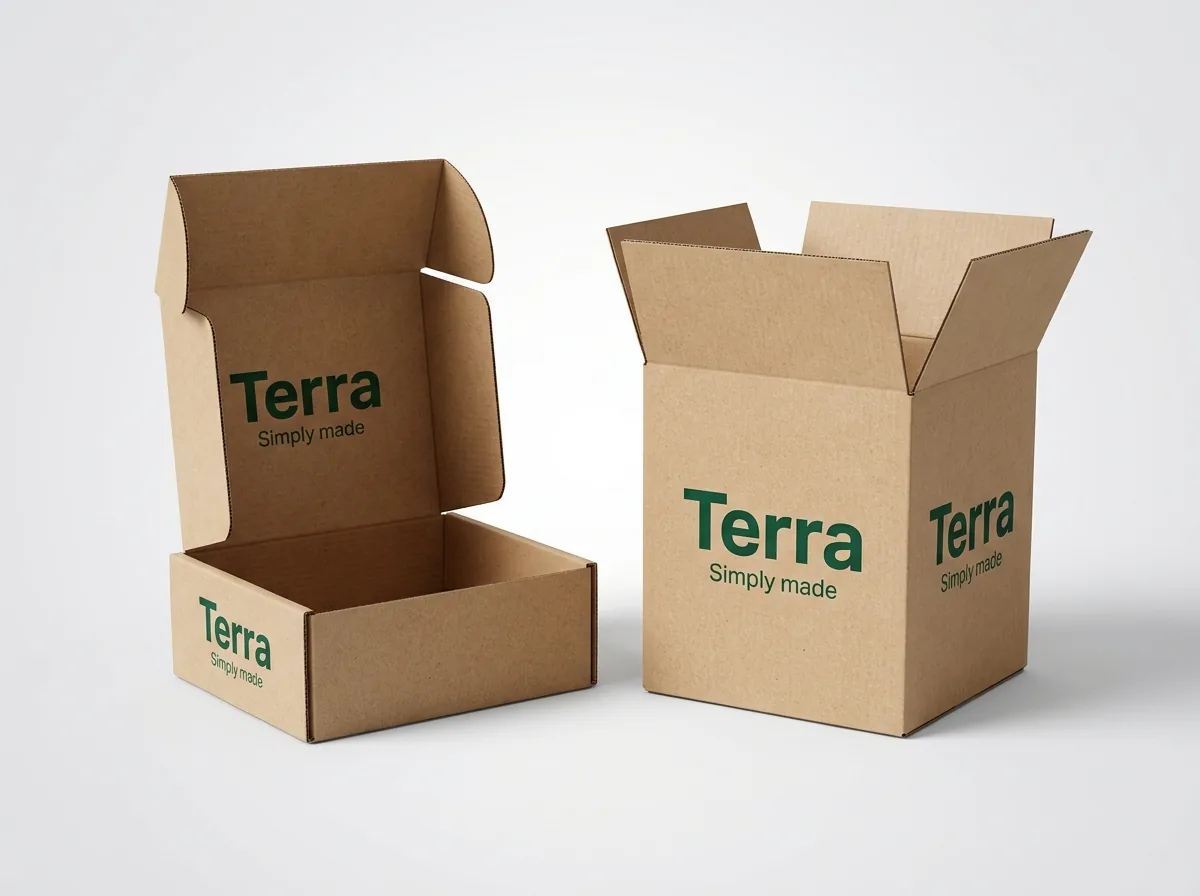
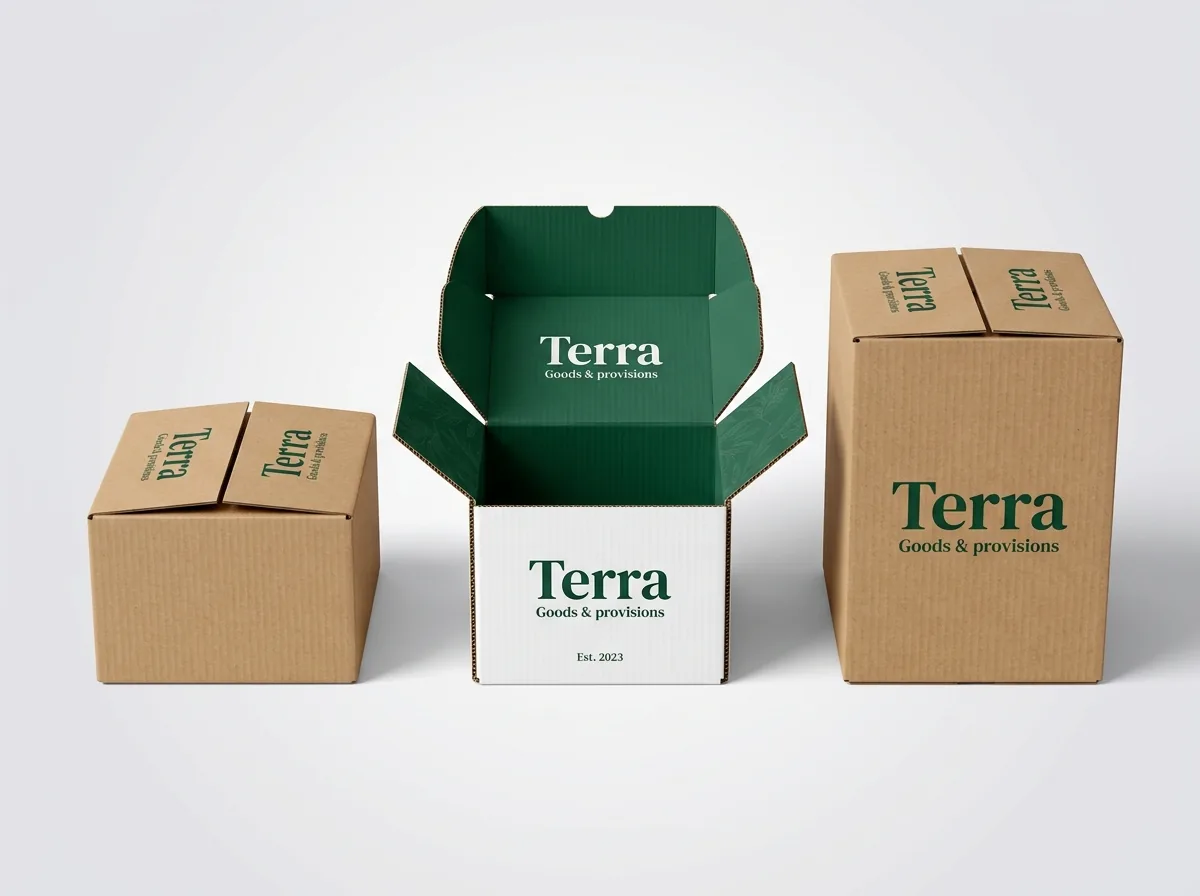
Both roll end tuck front (RETF) mailers and regular slotted containers (RSC) are manufactured from fluted corrugated board, but their structural engineering serves completely different moments in e-commerce and retail logistics. A roll end tuck front mailer (standardized as FEFCO 0427) is rotary or flatbed die-cut from a single sheet that folds without glue into double-thick side walls, a hinged back lid, side dust flaps, and rounded front locking ears. When a customer lifts the lid, the entire inside cover and tray open like a presentation chest. By contrast, a regular slotted shipping box (standardized as FEFCO 0201) is a pre-glued four-wall tube with four meeting flaps at the top and bottom that require packing tape on both ends. Subscription boxes build on the RETF mailer chassis with recurring inside storytelling and custom inserts. Compare all three styles below or request a free 3D mockup.
How do mailer boxes, shipping boxes, and subscription boxes compare side by side?
Choosing between a die-cut mailer and a slotted shipping carton comes down to four operational variables: how the box locks shut, where your brand graphics appear, how heavy the contents are, and how your fulfillment team packs orders at the bench. Review the structural comparison table below before locking in your specification for printed corrugated mailer boxes, custom shipping boxes, or custom subscription boxes.
| Feature | Roll end tuck front mailer (RETF / FEFCO 0427) | Regular slotted shipping box (RSC / FEFCO 0201) | Custom subscription box (RETF kit variant) |
|---|---|---|---|
| Wall construction | Double-layered rolled left and right side walls, single back wall, double front wall | Four single-layer or double-wall vertical panels joined at one glued manufacturer joint | Double-layered rolled side walls paired with custom card or foam dividers |
| How the box closes | Hinged top lid with side dust flaps and front locking ears (optional tamper seal) | Two outer flaps meet at the center seam over two inner flaps; sealed with packing tape | Front locking ears plus a branded security sticker or tear strip |
| Glue or tape needed to assemble | Zero glue or tape required to fold the box; optional 1 strip/sticker for postal transit | Requires H-taping or center-seam tape on both the bottom and top flaps | Zero glue to fold; 1 tamper-evident seal across the front tuck lip |
| Unboxing experience | Chest-style hinged lid opens 100+ degrees to reveal inside lid graphics and inserts | Utilitarian four-flap top opening suited for bulk cartons and outer protection | High-impact inside lid artwork, QR codes, tissue paper, and compartmentalized trays |
| Ideal parcel weight and size | Small to medium-heavy DTC orders, apparel, beauty sets, candles, and PR kits | Medium to heavy bulk shipments, master cases, large appliances, and wholesale pallets | Curated multi-item monthly boxes, welcome kits, and VIP drops |
| Minimum order at CubitPack | 250 boxes | 250 boxes |
Why does a roll end tuck front mailer resist crushing differently than an RSC box?
In parcel networks, small and medium packages face side-impact compression on conveyor chutes and corner drops in delivery vans, while large warehouse cartons face vertical pallet stacking loads. A roll end tuck front mailer concentrates extra corrugated board right where small parcels need it most: along the left, right, and front perimeters. When you fold the side walls over 180 degrees over the corner extensions and click the tabs into the floor slots, each side wall becomes two flutes thick, and the four corners hold three overlapping layers of board. When the hinged lid closes, its side dust flaps slide down inside those double walls, creating a rigid box-beam frame. A regular slotted container (RSC) instead relies on four continuous vertical walls with vertical flutes oriented top-to-bottom for tall column stacking, and can be upgraded to custom double wall boxes when pallet loads are extreme.
- RETF perimeter stiffness: Rolled double side walls plus tucked side dust flaps create up to three layers of corrugated board at the sides.
- RETF front lock: Rounded locking ears (cherry locks) slot into the double-layered front wall so the lid stays shut without wide strips of plastic tape.
- RSC vertical stacking: Unbroken vertical panels and four meeting flaps distribute top-to-bottom warehouse pallet weight.
How does inside-and-outside printing compare across the three styles?
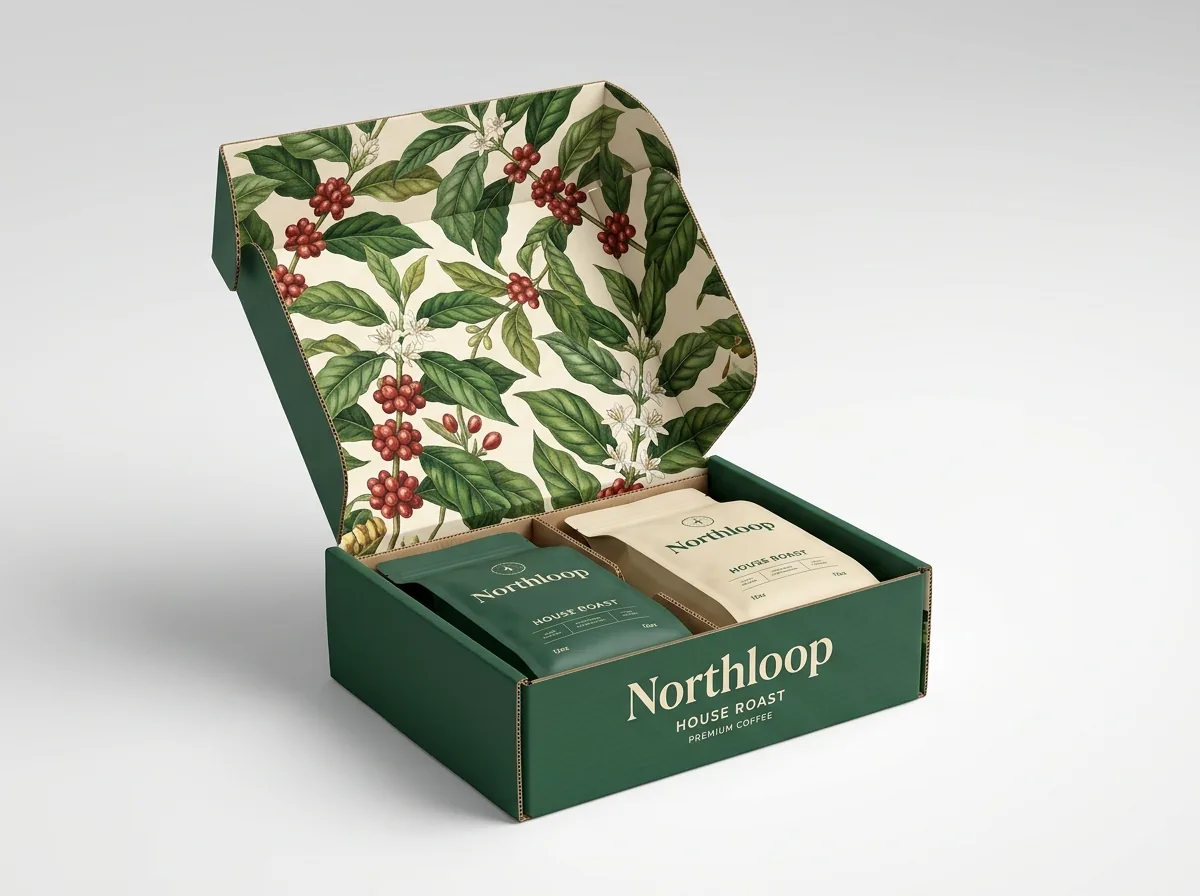
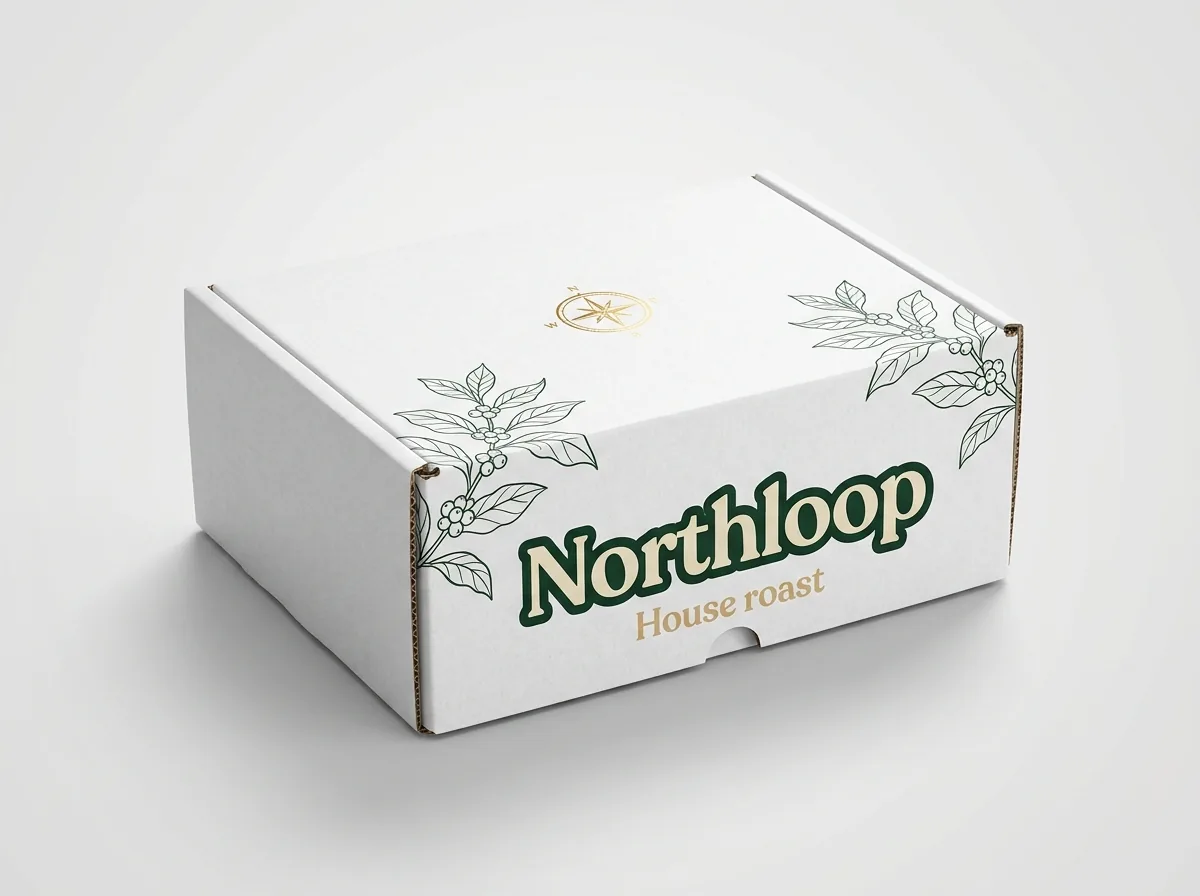
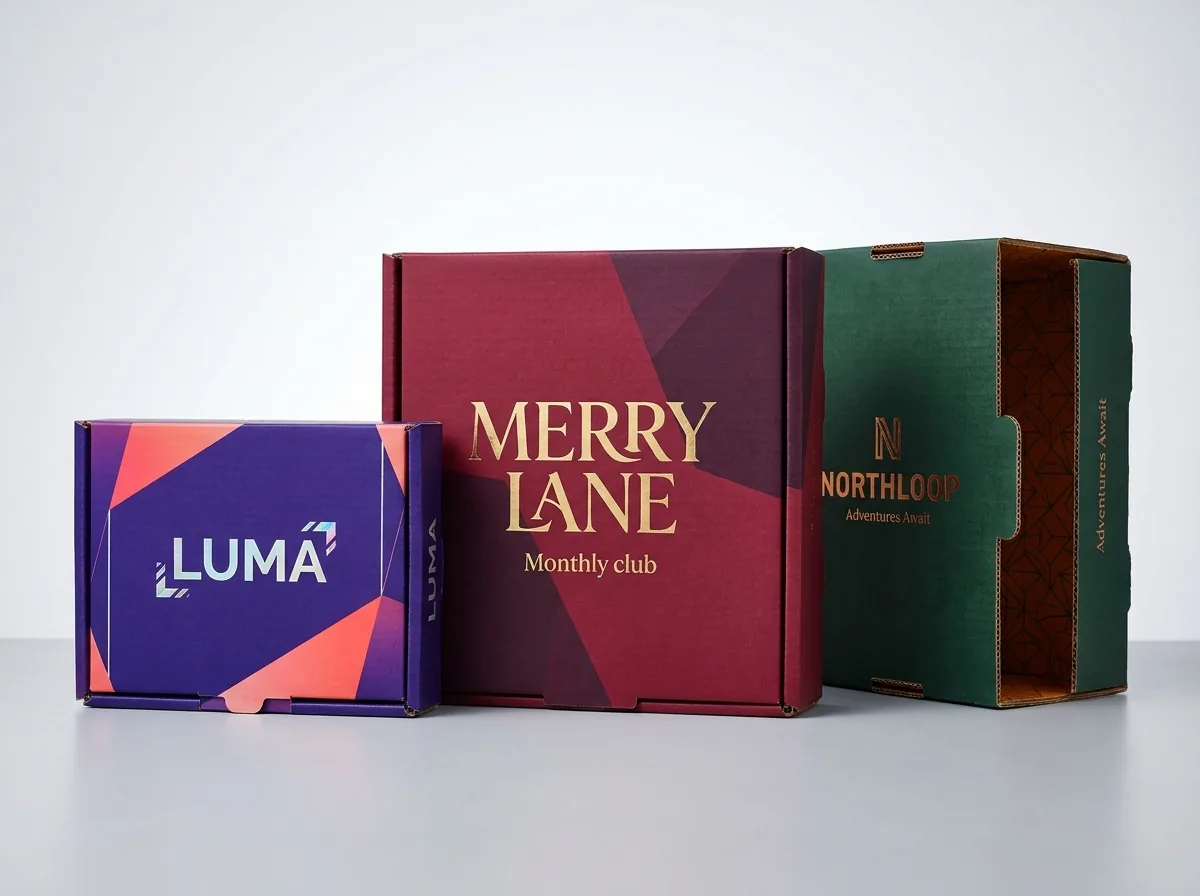
When a shopper cuts through plastic packing tape on a regular slotted shipping box and folds back four narrow flaps, the first thing they see is raw brown board and void fill. By contrast, a roll end tuck front mailer turns the lid itself into a stage curtain. Because the mailer is die-cut from a single flat sheet, we can print full-color CMYK or Pantone artwork across the outside panels and run a coordinated secondary design across the inside of the lid, inside tray floor, and rolled inner walls. When the recipient lifts the front tuck flap and swings the lid back, the underside of the lid stands upright facing them like a billboard. Brands that want maximum contrast often pair a minimalist exterior with a vibrant interior, as shown on our custom printed inside mailer boxes and custom unboxing boxes pages.
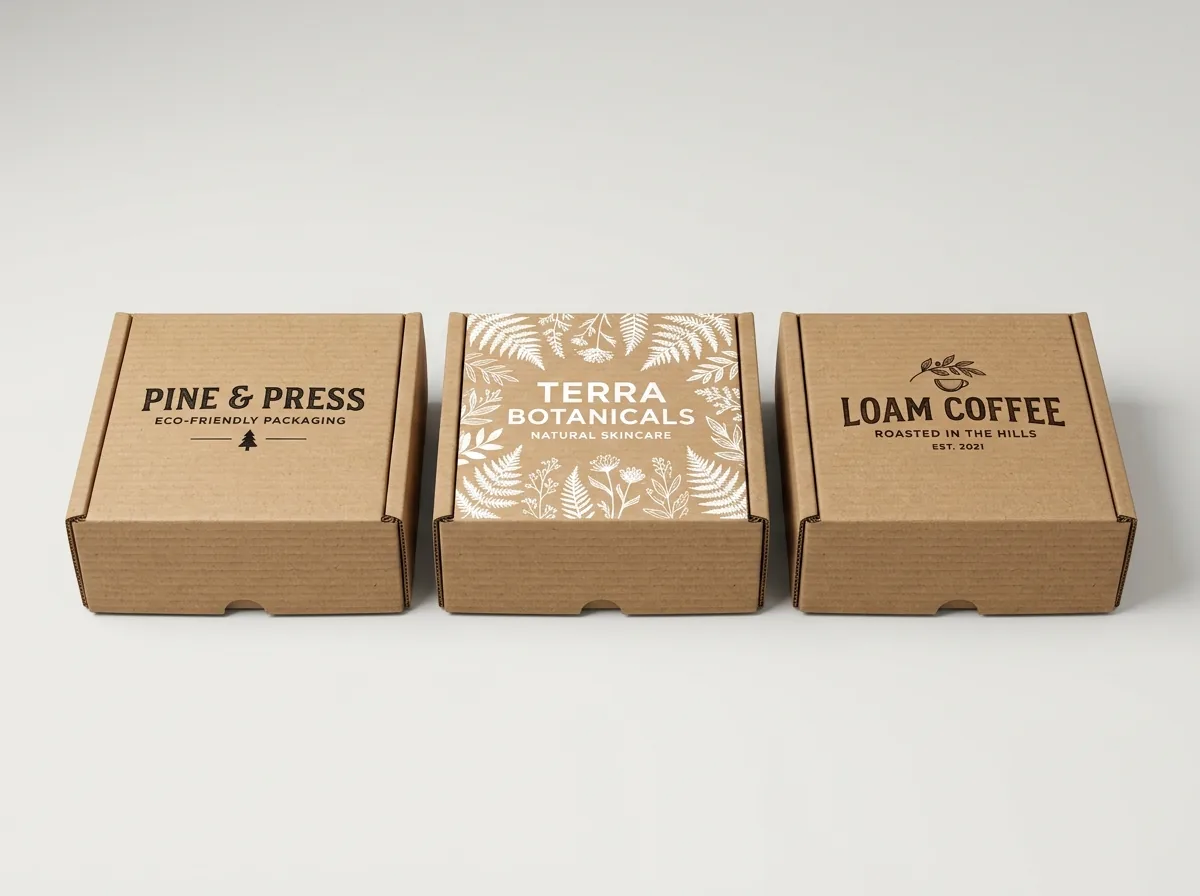
- Outside lid and walls: Print a bold centered logo on natural kraft, a clean white background, or an edge-to-edge flood coat with matte or soft-touch lamination.
- Inside lid canvas: Add a welcome message, founder note, care instructions, or a QR code that links to a reorder page or tutorial.
- Inside tray and insert: Coordinate the interior tray color with a printed card divider, EVA foam tray, or branded tissue paper.
Know your size? Compare pricing across up to 3 quantities.
Request a Quote →What turns a standard mailer box into a subscription or PR box?
Structurally, most subscription boxes, influencer seeding kits, and corporate onboarding packages use the exact same FEFCO 0427 roll end tuck front dieline as an everyday e-commerce mailer. What separates a dedicated subscription or PR mailer is how the interior space and print runs are planned across recurring drops. Because CubitPack allows you to select 2 designs or 3+ designs in a single order, subscription brands frequently keep one proven inside dimension and dieline while rotating seasonal artwork or inside-lid themes across quarterly runs. Adding a custom card or foam insert keeps five or six different sample bottles, pouches, and gifts facing forward the moment the lid opens.
Which corrugated box style is faster to pack and ship at your warehouse?
At a hand-packing station, every tape gun pass adds seconds and consumable cost. A regular slotted shipping box (RSC) requires the packer to square the tube, fold the two minor bottom flaps, fold the two major bottom flaps, run a strip of water-activated or acrylic tape across the bottom seam, load the items and dunnage, fold four top flaps, and run a second strip of tape across the top. A roll end tuck front mailer folds from flat in about five to eight seconds with zero tape gun passes during tray setup: fold up the front and back walls, roll the left and right walls over to click into the floor slots, place the product inside, and tuck the front locking ears shut. Before handing the closed mailer to a parcel carrier, most fulfillment teams apply a single tamper-evident sticker across the front lip and press the 4 by 6 inch shipping label onto the bottom or top panel.
- RETF mailer setup: Pre-fold a stack of trays at the start of the shift; they nest neatly upright on the packing table without tape.
- RSC shipping setup: Best when your line uses an automatic case erector and top-and-bottom carton sealer for high-volume bulk cases.
- Master case packing: Many brands pack retail folding cartons inside an RETF mailer for DTC orders, and pack 24 or 48 unit cartons inside an RSC box for wholesale retail shipments.
How do I decide whether my product needs a mailer box or a shipping box?
Use a simple three-question check: First, is this box the presentation package your customer opens at home, or is it a bulk outer carton moving multiple units to a warehouse? Second, does your kit fit comfortably inside a handheld parcel with an inside height between 1.5 and 6 inches, or is it a tall, heavy item that needs taped top and bottom flaps? Third, do you want inside lid printing, foil stamping, or a fitted insert? If your goal is direct-to-consumer presentation starting from 250 units, choose a roll end tuck front mailer. If you need both DTC mailers and outer wholesale cartons, your CubitPack account manager can quote both styles together in 5-7 minutes, with free design help, no die or plate charges, and free shipping to all 50 states.
What are the most common mistakes when choosing between mailers and shipping boxes?
Avoid these five selection pitfalls when planning your corrugated packaging
- Using a taped RSC shipping box for a premium PR or gift kit. Four taped flaps hide inside graphics and require a box cutter to open.
- Overloading a shallow mailer with loose heavy hardware. Heavy unbraced weights belong in a regular slotted container or a double wall shipping box.
- Covering a custom-printed mailer in wide strips of brown or clear plastic tape. Let the locking ears hold the structure and use one clean security sticker on the front lip.
- Ordering oversized stock shipping boxes filled with plastic air pillows when a custom-sized RETF mailer eliminates void fill and lowers dimensional weight.
- Forgetting that retail folding cartons are not shipping mailers. Thin paperboard cartons need either a corrugated mailer or an outer shipping box to survive parcel transit.
Packaging for this


Ready to order mailer boxes? Compare up to 3 quantities with a free 3D mockup.
Request a Quote →Questions about mailer boxes
What is the main structural difference between an RETF mailer and an RSC shipping box?
An RETF mailer (FEFCO 0427) is die-cut from one sheet and folds without glue into double-thick side walls and a hinged lid that locks with front ears. An RSC shipping box (FEFCO 0201) has a glued side seam and four meeting flaps at the top and bottom that must be sealed with packing tape.
Can a roll end tuck front mailer ship through USPS, UPS, and FedEx without an outer box?
Yes. Corrugated roll end tuck front mailers are built specifically to travel through parcel networks as their own outer shipping container. Adding a single tamper-evident sticker across the front tuck edge and matte lamination helps protect the box from sorting scuffs.
Which style is better for printing inside the box?
The roll end tuck front mailer is much better for inside printing because its hinged lid opens wide like a chest, placing the inside cover artwork directly in front of the customer. On an RSC shipping box, the four top flaps fold outward and obscure the interior walls.
Is a mailer box or a shipping box faster to assemble by hand?
For hand-packing stations without automated taping machinery, a roll end tuck front mailer is faster and cleaner because the tray locks together in seconds without a tape gun. RSC shipping boxes require taping all bottom seams before loading and taping all top seams after loading.
What is the minimum order quantity for custom mailer boxes?
Custom mailer boxes and custom subscription boxes start at 250 units at CubitPack, with lower unit pricing at 500, 1,000, and 2,500 boxes. Standard turnaround is 10–14 business days after proof approval and payment, with a 4–5 day rush option available.
Can I order both custom mailer boxes and outer shipping boxes from CubitPack?
Yes. Many brands use custom printed mailer boxes for direct-to-consumer e-commerce orders and custom regular slotted shipping boxes for wholesale retail master cases. Tell your account manager what you need in the quote form and we will price both together.
Still have a question? Ask a packaging specialist.
Request a Quote →Request your mailer boxes quote
Tell us your size and quantities, and one dedicated account manager prepares pricing for each tier.
- Free design & AI-to-print studio + 3D mockup
- No die or plate charges · 4–5 day rush available
- Free shipping to all 50 states
- 10% off your first order
We compared FEFCO 0427 (roll end tuck front mailer) and FEFCO 0201 (regular slotted container) structural specifications, wall-layer counts, closure methods, and fulfillment workflows against independent corrugated packaging standards. A packaging specialist verified every detail. Spot something wrong? Tell us and we fix it.
Sources
What changed
- October 24, 2026: First published with side-by-side comparison of RETF mailers, RSC shipping boxes, and subscription boxes.
More guides
New packaging guides by email
Sizes, materials and design tips. Unsubscribe anytime.