
How Do Custom Micro Inserts Protect Miniature Fragile Products?
Short answer: Custom micro inserts secure compact fragile products using laser-cut closed-cell EVA foam, die-cut folded paperboard cradles, or thermoformed PET cavity trays. Precision-milled cavities prevent transit movement, absorb drop shocks, and present merchandise upright for an elevated unboxing reveal in retail environments.
On this page
- What are custom micro inserts and why are they necessary
- How does high-density EVA foam absorb transit impact shocks
- How do die-cut paperboard cradles provide a plastic-free alternative
- What are the advantages of thermoformed clear and flocked PET trays
- How do laser cutting and CNC waterjet milling create micro cavities
- Why are finger access cutouts critical for compact product removal
- How do clearance tolerances balance product security and insertion speed
- What decorative top surface laminations elevate interior presentation
- Common mistakes
- FAQs
Request a custom quoteFree dieline & 3D mockup
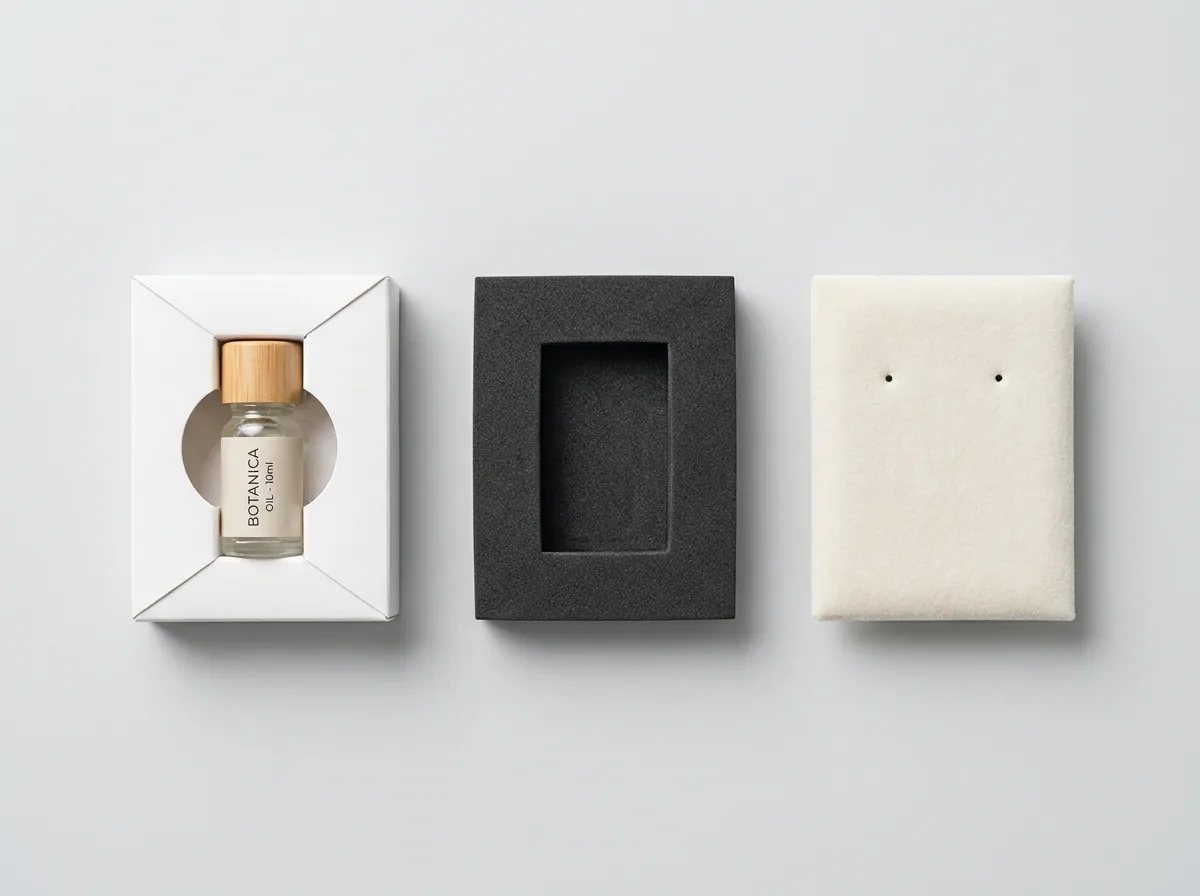
Packaging delicate miniature consumer goods like glass perfume vials, cosmetic dropper bottles, diamond rings, and precision tech sensors inside custom small boxes requires specialized interior retention engineering. Without a dedicated custom insert, loose products rattle, collide against carton sidewalls, and scuff exterior finishes during postal distribution and retail handling. Custom micro inserts solve this challenge by anchoring merchandise flush within calibrated cavity cutouts. High-density closed-cell ethylene-vinyl acetate (EVA) foam provides superior shock absorption and zero particulate shedding, with optional plush velvet flocking that creates opulent luxury appeal. For brands pursuing plastic-free, curbside recyclable packaging initiatives, precision die-cut paperboard cradles fold into rigid multi-tiered platforms that lock items securely. By incorporating engineered finger access notches and 0.03125-inch clearance allowances, custom micro inserts ensure effortless consumer removal while guaranteeing pristine, damage-free delivery across all commercial transport and retail shipping channels.
What are custom micro inserts and why are they necessary?
Custom micro inserts are precision-engineered structural platforms positioned inside miniature packaging to immobilize, protect, and prominently display compact merchandise. When products have non-rectangular contours, such as cylindrical dropper bottles or irregular jewelry pieces, standard rectangular cartons leave excessive void space. Unsecured merchandise experiences vibrational friction and impact shock during transit, leading to scratched glass, broken dropper pipettes, or damaged electrical contacts. Micro inserts eliminate movement, ensuring that products arrive safely and remain perfectly framed upon opening. Custom cavity geometry transforms ordinary product boxes into premium branded gift sets, enhancing perceived retail value from the very first unboxing moment.
How does high-density EVA foam absorb transit impact shocks?
Closed-cell ethylene-vinyl acetate (EVA) foam is the premier shock-absorbing material for luxury and technical packaging inserts. Unlike open-cell polyurethane sponge that compresses unevenly and degrades over time, EVA foam features micro-cellular closed walls with densities ranging from 38 kg/m3 to 45 kg/m3. This dense structure absorbs and dissipates kinetic energy from drops and rough handling. In addition, EVA foam does not shed dust or particulate debris, keeping delicate optical glass, watch bezels, and cosmetic nozzles spotless throughout distribution cycles. EVA foam maintains its resilient springiness over thousands of compression impacts, providing reliable drop dampening for fragile merchandise.
How do die-cut paperboard cradles provide a plastic-free alternative?
For eco-conscious brands committed to zero plastic packaging, die-cut paperboard cradles offer a sustainable, fully recyclable interior solution. Engineered from 16 pt to 24 pt solid bleached sulfate (SBS) or natural kraft card, these inserts are cut and creased into multi-faceted folding trays. Apertures are custom-profiled to grip bottles by their shoulders or bases. Because the insert shares the identical paper substrate as the outer box, consumers can dispose of the entire packaging assembly directly into curbside paper recycling bins. Modern CAD folding geometries provide impressive top-load crush strength using minimal paperboard material, aligning with environmental brand initiatives and plastic reduction goals across commercial distribution networks.
Know your size? Compare pricing across up to 3 quantities.
Request a Quote →What are the advantages of thermoformed clear and flocked PET trays?
Thermoformed cavity trays are manufactured by heating thin plastic sheets (typically 0.012 to 0.020-inch PET) over precision aluminum vacuum molds. Thermoforming produces intricate, razor-sharp 3D undercuts that snap securely around product contours, providing firm mechanical retention. Clear PET trays allow bottom graphics or transparent window viewing, while black or white flocked styrene sheets deliver a velvet-like hand feel at a lower unit cost than hand-assembled EVA foam inserts on high-volume production runs. Thermoformed trays nest tightly during transport, drastically cutting inbound shipping freight costs and warehouse shelf storage requirements.
How do laser cutting and CNC waterjet milling create micro cavities?
Manufacturing micro inserts requires specialized tooling adapted to miniature dimensions. While high-volume orders utilize rotary steel-rule dies, prototyping and short-to-medium production runs leverage precision CNC laser cutting and high-pressure waterjet milling. Laser cutters vaporize EVA foam along CAD vector contours with a beam width of just 0.005 inches, producing perfectly vertical sidewalls, crisp internal corners, and custom multi-depth stepped pockets that cradle multi-tiered cosmetic components. Digital cutting workflows eliminate steel-rule die tooling costs for fast product iterations and seasonal launches, allowing rapid physical prototyping and agile structural packaging revisions without upfront tooling investments.
Why are finger access cutouts critical for compact product removal?
One of the most frequent consumer complaints regarding custom foam inserts is the difficulty of lifting tightly nested products out of the cavity. When a compact lipstick tube or perfume vial is recessed flush within dense foam, fingernails cannot grip the smooth surface, forcing consumers to pry or shake the box violently. Packaging engineers resolve this by incorporating semicircular finger relief cutouts (typically 15 to 20 mm in diameter) on opposing sides of the cavity, allowing effortless thumb-and-forefinger retrieval. Proper finger access design preserves a calm, luxurious unboxing ceremony that delights shoppers.
How do clearance tolerances balance product security and insertion speed?
Determining cavity dimensions requires careful tolerance calibration. If a foam cavity is cut to the exact nominal size of the product, manufacturing variances in glass container wall thickness (which can vary by 0.5 mm) will cause bottles to jam or refuse to enter the insert. Packaging engineers apply a standard perimeter clearance tolerance of 0.5 mm to 0.8 mm (0.020 to 0.03125 inches). This margin accommodates manufacturing bottle variances and allows rapid manual loading while maintaining snug hold. Adequate clearance prevents line workers from tearing foam inserts during high-speed fulfillment shifts in commercial packing operations.
What decorative top surface laminations elevate interior presentation?
The top surface of an insert frames your merchandise and sets the tone for the unboxing reveal. Raw black or white EVA foam provides a modern, clean, tech-oriented look. For luxury cosmetics and fine jewelry, inserts can be electrostatically flocked with plush black, navy, or cream velvet fibers. Alternatively, a printed paperboard card face laminated to the foam surface allows full-color CMYK brand messaging, gold foil stamped typography, or usage instructions to surround the product. Incorporating miniature product boxes with matching custom inserts creates a cohesive brand experience across all touchpoints.
What common packaging mistakes should you avoid on small boxes?
Developing miniature packaging requires exacting structural tolerances and prepress expertise. Packaging specialists identify four frequent errors
- Failing to add finger access cutouts, forcing consumers to shake or pry tightly nested products out of the foam cavity.
- Using cheap open-cell sponge foam that flakes particulate dust onto cosmetic glass and degrades over time.
- Designing zero clearance tolerances around glass containers, causing bottles to jam during rapid packing assembly.
- Specifying lightweight 12 pt paperboard for folded inserts, resulting in weak internal platforms that collapse under product weight.
Packaging for this
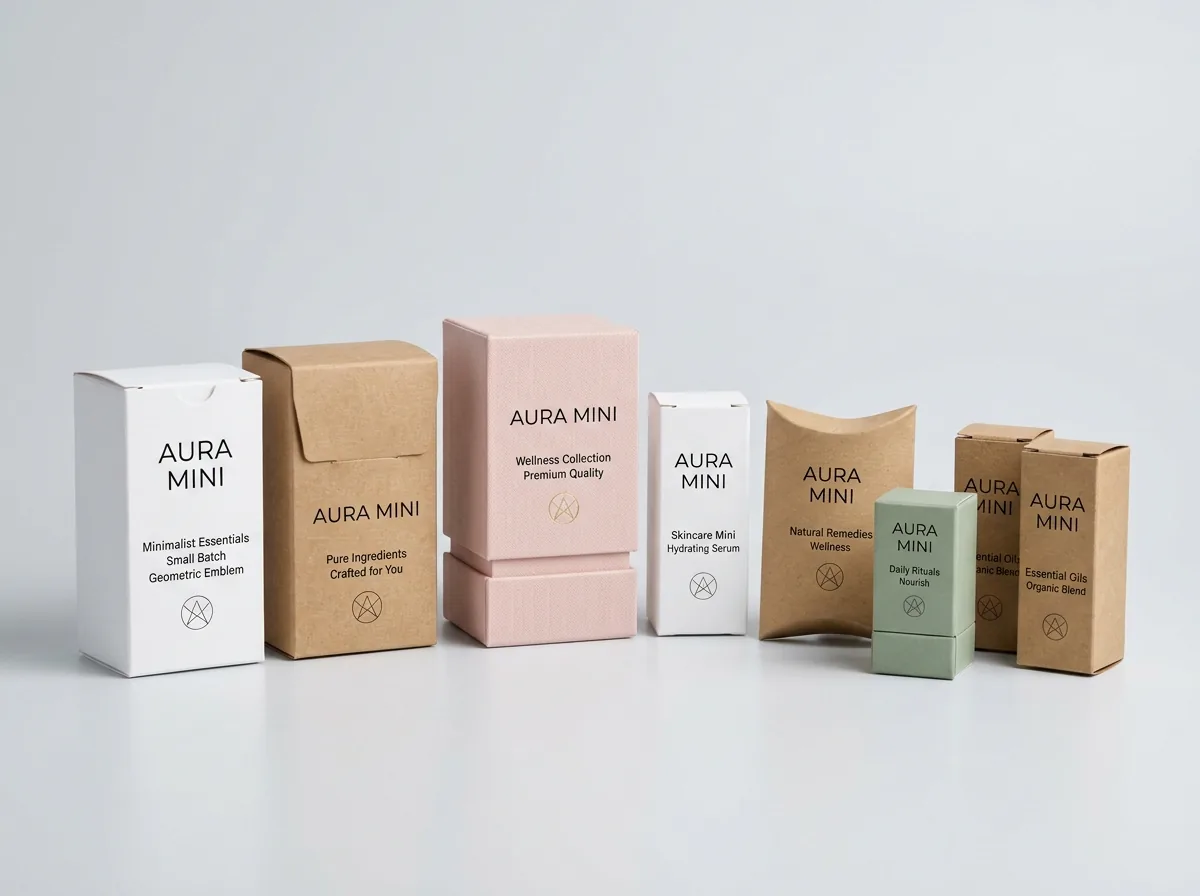
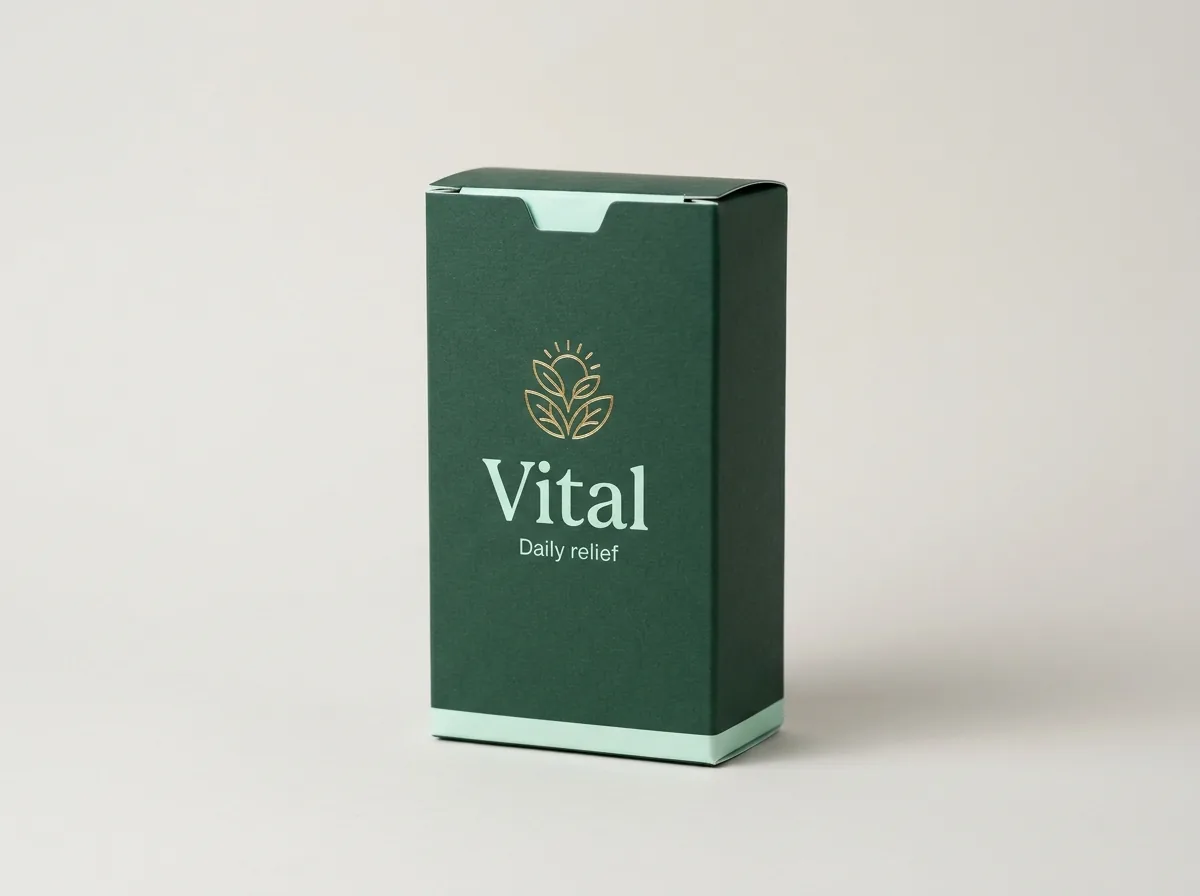
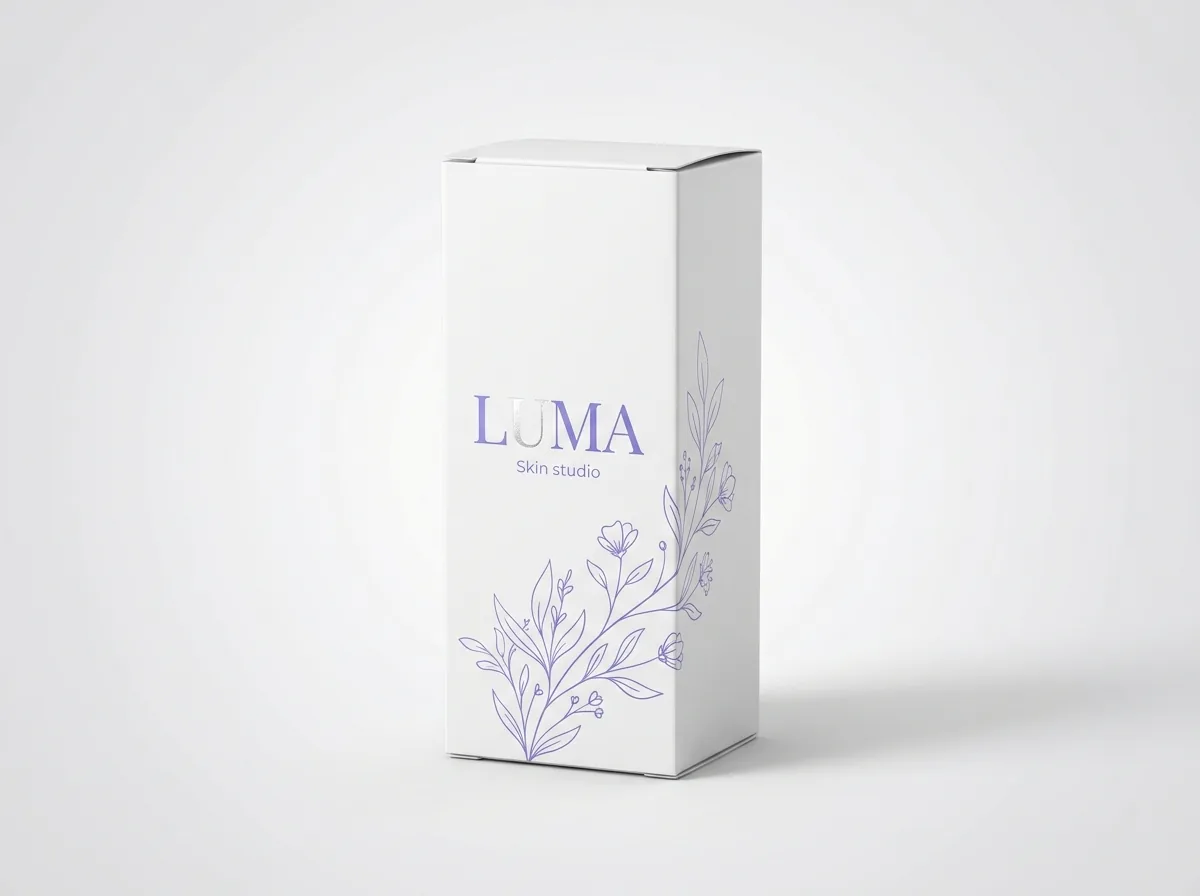
Ready to order small boxes? Compare up to 3 quantities with a free 3D mockup.
Request a Quote →Questions about small boxes
What is the best insert material for small glass dropper bottles?
High-density 38 kg/m3 closed-cell EVA foam is the best choice. It provides exceptional impact shock absorption, zero dust shedding, and holds glass dropper pipettes securely upright during transit, vibration, and retail handling.
Can paperboard inserts be made 100% curbside recyclable?
Yes. Our die-cut paperboard cradles are manufactured from 18 pt to 24 pt SBS or kraft card, allowing the entire packaging unit to be recycled together in standard curbside municipal paper recycling streams without disassembly.
Why are finger access notches necessary on micro inserts?
Semicircular finger relief cutouts allow consumers to easily grasp and lift compact products out of snug cavities without shaking or damaging the box, creating an effortless, elegant unboxing experience on delicate items.
What is the minimum order quantity for custom box inserts?
Custom inserts ordered alongside our folding cartons or rigid boxes start from 500 units for folding cartons and 250 units for rigid setup boxes, with zero die tooling charges across all standard cavity layouts and custom contours.
How precise are the cavity cutouts for miniature products?
Our CNC laser cutting and steel rule dies maintain cavity cut tolerances within 0.005 inches, ensuring exact snug fits around delicate cosmetics, jewelry, and technical sensors without unsightly gap margins or loose rattling.
Can you print branding or instructions directly on custom inserts?
Yes. Paperboard inserts and foam trays with laminated card faces can be printed with full CMYK graphics, metallic foil stamping, and instructional diagrams to guide consumers through initial product usage and dosage instructions.
Still have a question? Ask a packaging specialist.
Request a Quote →Request your small boxes quote
Tell us your size and quantities, and one dedicated account manager prepares pricing for each tier.
- Free design & AI-to-print studio + 3D mockup
- No die or plate charges · 4–5 day rush available
- Free shipping to all 50 states
- 10% off your first order
Engineering specifications, paperboard caliper standards, and micro creasing tolerances were verified against Paperboard Packaging Council (PPC) guidelines and ISO 12647-2 prepress standards. Reviewed by senior packaging engineers.
Sources
What changed
- November 11, 2026: Published technical engineering guide analyzing custom micro inserts for small boxes for custom small boxes, including 5 custom SVG diagrams.
More guides
New packaging guides by email
Sizes, materials and design tips. Unsubscribe anytime.