
Clear vs white juice bottle labels: which works better in cold cases?
Short answer: Choose clear labels with opaque white ink when you want vibrant cold-pressed green, beet, carrot or orange juice to act as your bottle's background color. Choose opaque white or metallic foil custom juice labels for pale lemonades, nut milks or full-wrap illustrations.
On this page
- How do clear, white and metallic foil juice bottle labels compare
- How does juice color affect ink readability on clear bottle labels
- How do cold cases, ice bins and HPP water tanks affect juice labels
- Should I choose matte, gloss or foil stamping for juice bottles
- How can I preview clear vs white labels on my bottles before paying
- Common mistakes
- FAQs
Request a custom quoteFree dieline & 3D mockup
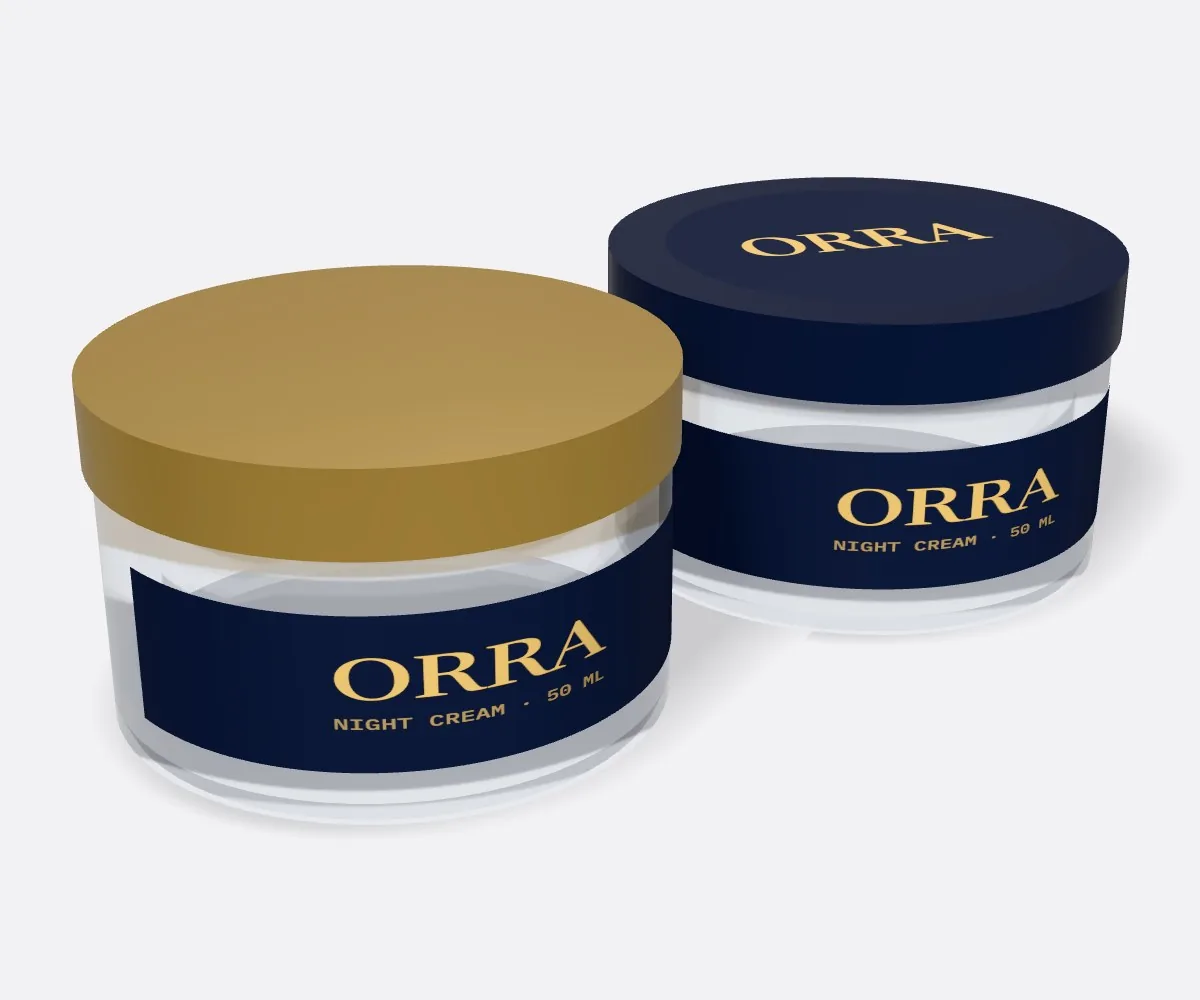
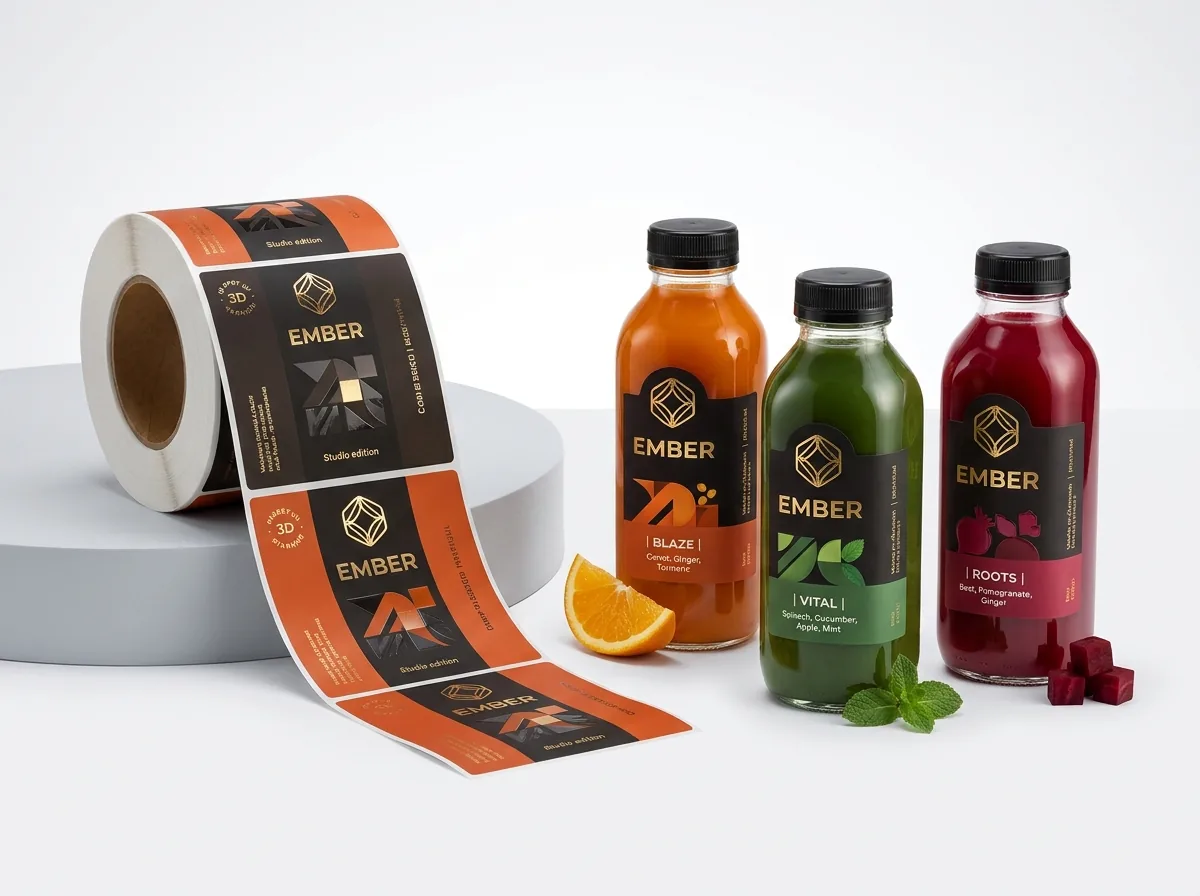
Cold-pressed juices, smoothies and functional wellness shots sell on visual freshness inside 36°F grab-and-go coolers. Transparent clear labels give clear PET French squares and glass carafes a minimalist juice-bar look where the liquid inside fills every square inch behind your logo and stacked ingredient list. That transparent approach works best when your drink has deep, saturated color (such as kale-spinach green, beet-berry red or turmeric-carrot orange) that contrasts sharply against printed white ink. Opaque white and metallic foil stocks give you a solid canvas that keeps typography readable even on pale coconut water, lemonade or almond milk, and hide natural pulp separation at the bottom of the bottle. When you order custom printed juice labels from CubitPack, we map a 3D mockup onto your bottle before you pay.
How do clear, white and metallic foil juice bottle labels compare?
Beverage buyers scan a refrigerated grab-and-go case in two seconds. Whether they reach for your bottle depends on how clearly your flavor stack reads against the liquid inside and how crisp the label looks after hours of cold condensation. Use the table below to compare our decided Clear and Foil label stocks alongside opaque beverage stocks and finishes across visual style, juice color pairing, pulp coverage and cooler moisture performance.
| Label stock & finish | Look inside a cold case | Best beverage & bottle uses |
|---|---|---|
| Clear + white ink (decided) | Minimalist no-label look; liquid is the background | Dark green, ruby beet, carrot-ginger and berry cold-pressed juices |
| Clear + dark ink (decided) | Dark charcoal or green text floating over pale drink | Lemonade, pineapple-mint, ginger beer and light apple juice |
| Opaque white / cream | Solid high-contrast panel for fruit art and fine text | Almond milk, protein shakes, smoothies and coconut water |
| Foil stock / foil stamp (decided) | Metallic gold or silver reflection under cooler LEDs | 2 oz immunity shots, adaptogen elixirs, kombucha and tonics |
| Matte finish (decided) | Smooth, non-reflective surface with zero LED glare | Modern juice bars, 6-bottle cleanse kits and wellness shots |
| Gloss finish (decided) | High-shine coat that sheds water droplets quickly | Ice-bucket lemonades, festival drinks and kids' fruit juices |
How does juice color affect ink readability on clear bottle labels?
A cold-pressed juice menu spans the entire color wheel: near-black activated charcoal lemonade, deep forest green kale juice, crimson beet juice, bright marigold turmeric-orange, and cloudy white cashew milk. If you print the exact same clear label with only black ink across all six bottles, the text will disappear completely on the charcoal, green and beet bottles. Conversely, if you print only white ink on clear stock, the lettering will vanish against cloudy lemonade, coconut water or almond milk. Our prepress team solves this on custom clear labels in two ways. Either we print a solid opaque white ink underbase behind colored brand bands and barcodes so every SKU reads cleanly regardless of liquid shade, or we split your multi-SKU run so dark juices receive opaque white typography and pale juices receive deep charcoal or Pantone colored typography on the same dieline.
- Dark green, beet, berry & charcoal juices: print opaque white ink or metallic gold foil on clear stock.
- Pale lemonade, coconut water & pear juice: print dark charcoal, navy or forest green ink on clear stock.
- Cloudy nut milks & oat shakes: use a colored front badge or opaque stock so white milk does not wash out light text.
- Natural pulp & sediment settling: place a solid bottom band on your label to hide the 0.5 in sediment layer at the base of the bottle.
- UPC barcodes on clear bottles: always back the barcode with a solid white rectangle so retail scanners read it on the first pass.
How do cold cases, ice bins and HPP water tanks affect juice labels?
Juice bottles face three moisture challenges that dry pantry jars never see. First, bottles are often filled at 34°F to 38°F in a humid cold room and immediately sweat when moved into warmer air. Second, many commercial cold-pressed brands run sealed PET bottles through High Pressure Processing (HPP), where bottles are submerged in cold water vessels pressurized up to 87,000 psi (6,000 bar), compressing the plastic bottle wall by several percent before it rebounds. Third, cafe and grocery bottles sit in wet ice tubs or 36°F open-air coolers where condensation clings to the bottle wall all day. When you request your quote for cold-pressed juice labels, tell your account manager whether you label dry empty bottles before filling, label cold filled bottles, or run labeled bottles through HPP water tanks. We pair your order with a protective matte or gloss finish and recommend the appropriate flexible stock and cold-temperature adhesive so corners stay bonded when the PET wall flexes. If you apply labels after HPP or cold filling, passing bottles under an air knife or blower tunnel before the labeling head removes surface water beads so the pressure-sensitive adhesive wets out evenly across the plastic.
Know your size? Compare pricing across up to 3 quantities.
Request a Quote →Should I choose matte, gloss or foil stamping for juice bottles?
Both Matte and Gloss finishes protect your printed ink from condensation droplets and cold-box rub when bottles slide against metal wire dividers in grocery coolers. A Matte finish is the signature look of modern cold-pressed juice bars: it eliminates harsh specular reflections from vertical LED cooler strips so customers can read your stacked ingredient list and nutrition facts through glass cooler doors from any angle. A Gloss finish makes saturated fruit illustrations, citrus splashes and dark berry colors look wet and vibrant, and water droplets bead off its slick surface. Many beverage brands also pair a matte background with raised spot UV over the brand mark or fruit icons so the bottle catches light when lifted from the cooler shelf. For functional 2 oz wellness shots, kombucha and adaptogen tonics, adding hot foil stamping or printing on custom foil labels gives a compact bottle instant shelf authority.
How can I preview clear vs white labels on my bottles before paying?
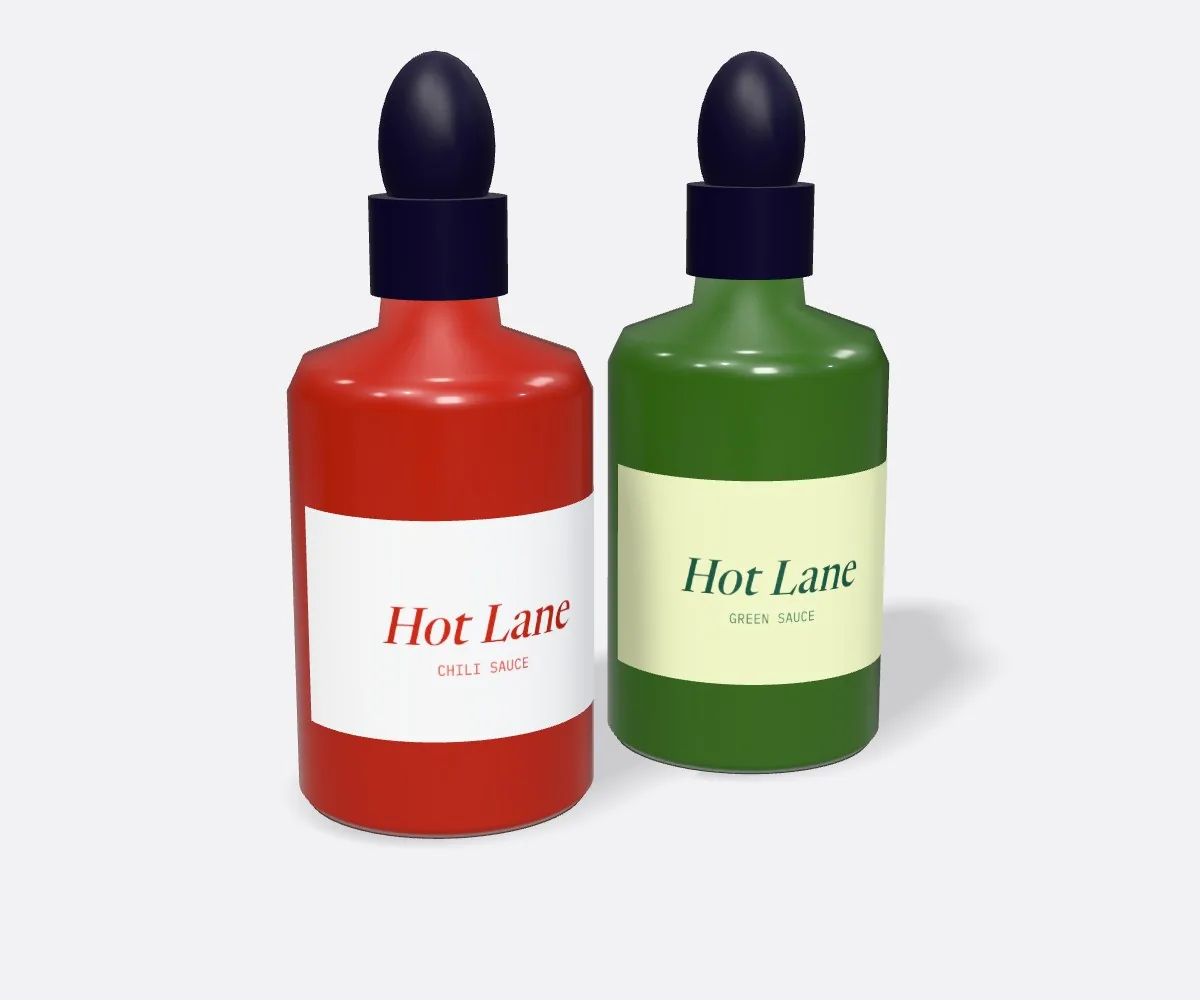
With CubitPack, you never have to guess how white ink on clear stock or matte finish on white stock will look against your actual juice colors. Every order includes free design help, a digital proof and a 3D mockup rendered onto your bottle before you pay. If you want to test physical samples in your own refrigerator or ice bin first, you can order our $50 sample kit or request a paid printed sample of your design (credited toward your production order). When ordering for a full juice menu, keep the exact same width × height across every flavor and select 2 designs or 3+ designs in the quote form so we price the entire run together. If you also ship 6-bottle cleanse packs or retail carrier multipacks, we can match your Pantone label colors to custom juice boxes in the same order.
- Standard minimum: 500 labels per order (trial runs reviewed case by case).
- Turnaround: 10–14 business days standard, 4–5 business days rush.
- Zero die or plate charges: custom shapes and rounded corners are included free.
- Free US shipping: delivered free across all 50 states, with 10% off your first order.
What are the most common juice bottle label material mistakes?
Cold condensation, PET bottle compression and liquid color contrast catch many new beverage brands off guard. Avoid these five mistakes
- Printing only white ink on a clear label for pale lemonade, coconut water or almond milk, making the ingredient stack invisible.
- Printing dark black text on a clear label for dark green kale, beet or charcoal juice without a white or light contrast backing.
- Applying labels to cold, wet bottles straight out of a filling room instead of labeling dry bottles before filling or after air-drying.
- Using a rigid paper stock on thin-wall PET bottles that compress and expand inside High Pressure Processing (HPP) water tanks.
- Leaving the UPC barcode transparent over dark juice instead of placing a solid opaque white box behind the black bars.
Find your label size
Suggested label size: 9⅛ × 2¾ in (width × height)
A typical starting point. Your account manager confirms the size on the proof.
Quote this size →Packaging for this
Ready to order juice labels? Compare up to 3 quantities with a free 3D mockup.
Request a Quote →Questions about juice labels
Can I use clear labels on some juice flavors and white ink or dark ink on others?
Yes. When you order multiple flavors on the same clear label size, our prepress team sets up opaque white ink for your dark green, beet and berry juices, and switches to dark charcoal or colored ink (or adds a solid white backing band) for pale citrus and nut milk flavors.
Will clear juice labels turn cloudy when bottles sweat in a cold case?
Tell us in the quote notes that your bottles sit in refrigerated grab-and-go coolers or ice bins. We pair your clear labels with a protective gloss or matte finish and cold-case adhesive so the window stays clear.
Should I label my PET juice bottles before or after filling?
Labeling empty, dry PET bottles at room temperature before filling gives the adhesive the cleanest, driest bond and fastest hand or machine application. If you must label after cold-filling, run the bottles through an air blower so no condensation sits on the plastic wall.
Do your juice labels work with High Pressure Processing (HPP)?
PET juice bottles compress by several percent under 87,000 psi inside HPP cold-water chambers and then expand back out. Mention HPP in your quote notes so we specify a flexible film stock, protective finish and water-resistant adhesive.
Does a matte finish or gloss finish look better on a clear juice label?
A gloss finish on a clear label blends into shiny clear glass or smooth PET for a true no-label look. A matte finish on a clear label gives the bottle a soft frosted-glass appearance and cuts glare from cooler LED lights.
What is the minimum order for clear or white juice bottle labels?
Our standard minimum is 500 labels per order across all formats and finishes, with smaller trial runs considered case by case. Standard turnaround is 10–14 business days (with 4–5 day rush available) and shipping is free to all 50 US states.
Still have a question? Ask a packaging specialist.
Request a Quote →Request your juice labels quote
Tell us your size and quantities, and one dedicated account manager prepares pricing for each tier.
- Free design & AI-to-print studio + 3D mockup
- No die or plate charges · 4–5 day rush available
- Free shipping to all 50 states
- 10% off your first order
This comparison draws on CubitPack's decided label stocks (Clear, Foil) and finishes (Matte, Gloss, Foil stamping, Spot UV) alongside cold-pressed beverage bottling, 36°F cooler display and HPP handling practices. A packaging specialist reviewed every section. Spot something wrong? Tell us and we will fix it.
Sources
What changed
- October 22, 2026: First published.
- October 22, 2026: Updated specifications, terminology, and verified source links.
More guides
New packaging guides by email
Sizes, materials and design tips. Unsubscribe anytime.