
Waterproof film vs paper water bottle labels: which holds up in ice?
Short answer: Choose synthetic film, clear, or foil custom water bottle labels whenever bottles sit submerged in ice chests or wet coolers. Laminated paper labels handle light refrigerator condensation and dry conference tables, while unlaminated paper is only for dry room-temperature handouts.
On this page
- How do film, clear, foil, and paper water bottle stocks compare
- Why do paper labels fail in ice buckets even with gloss lamination
- When should I choose clear vs metallic foil water bottle labels
- Why must you apply water bottle labels BEFORE chilling the bottles
- Should I order water bottle labels on rolls or flat sticker sheets
- Common mistakes
- FAQs
Request a custom quoteFree dieline & 3D mockup
The difference between film and paper water bottle labels comes down to what happens at the cut edge of the label when submerged in melted ice water. Synthetic film, clear, and metallic foil stocks are extruded from plastic or metalized layers that contain zero wood fibers, so they cannot absorb water, swell, or tear even after hours at the bottom of a galvanized party tub. Laminated paper labels have a protective gloss or matte plastic topcoat over a paper core; they shrug off cold refrigerator sweat and wet hands, but prolonged immersion in standing water lets moisture wick into the microscopic paper edge. Uncoated paper stocks absorb water immediately and belong only on dry room-temperature table bottles. When you order printed water bottle labels from CubitPack, tell us how your bottles are chilled so we match the stock and finish.
How do film, clear, foil, and paper water bottle stocks compare?
Not every bottled water project faces the same environment. A marathon hydration tent or tailgate cooler where 16.9 oz bottles float in half-melted ice water for six hours demands a completely different face stock than an 8 oz bottle placed dry on a hotel nightstand or conference table. We currently offer Clear and Foil stocks along with protective Matte and Gloss finishes, while our full synthetic white film and paper stock list is being finalized. Use the comparison table below to match your chilling method to the right stock and finish when requesting a quote for waterproof water bottle labels.
| Label stock & finish | Ice-water immersion & sweat | Best water bottle use case |
|---|---|---|
| Clear stock + gloss or matte finish | Full ice-chest & cooler immersion | 1L glass sparkling water & sleek no-label PET bottles |
| Metallic foil stock or foil stamping | Full cooler sweat & ice-bucket chill | Luxury hotel turndown bottles, galas & VIP weddings |
| White synthetic film | Full ice-chest & submerged tub durability | Retail 16.9 oz spring water, gyms & outdoor events |
| Laminated white paper (gloss or matte) | Handles fridge condensation & damp hands | Air-conditioned trade shows, offices & dry service |
| Natural kraft paper | Dry room-temperature use only | Eco-themed welcome boxes & dry gift basket bottles |
Why do paper labels fail in ice buckets even with gloss lamination?
Many first-time event planners assume that adding a glossy topcoat makes any paper sticker 100% waterproof. Lamination seals the top printed surface completely, which prevents ink from smudging when cold condensation beads up on the outside of a refrigerated bottle. However, when a die blade cuts a laminated paper label to size, the microscopic cross-section of paper fiber along all four cut edges remains exposed. If you submerge that bottle in a cooler of melting ice water for two or three hours, water slowly wicks sideways into the exposed paper edges, softening the fiber layer between the top laminate and the bottom adhesive. Synthetic film, clear, and foil stocks solve that problem at the root because the base layer itself is non-porous from edge to edge.
When should I choose clear vs metallic foil water bottle labels?
When you want a water bottle to look like a premium retail beverage rather than a promotional sticker handout, clear and metallic foil stocks create two distinct visual effects. Custom clear labels disappear against smooth glass and clear PET plastic, making crisp white, navy, or forest green typography look as if it were screen-printed directly onto the bottle wall. Clear labels work best on smooth-walled cylinders and 750 ml or 1 liter glass dining bottles where there are no deep ribs to trap air bubbles. Custom foil labels (or matte labels accented with hot gold or silver foil stamping) give you full opacity that hides the recessed rib channel on standard 8 oz and 16.9 oz bottles while catching warm ballroom or lobby lighting. Luxury resorts, auto dealerships, and wedding planners pair matte black, cream, or emerald backgrounds with metallic foil crests for an unmistakable hospitality upgrade.
Know your size? Compare pricing across up to 3 quantities.
Request a Quote →Why must you apply water bottle labels BEFORE chilling the bottles?
Even the toughest waterproof label stock will slide right off a water bottle if you stick it onto a cold, sweating bottle pulled straight out of a refrigerator or cooler. Pressure-sensitive adhesive is viscoelastic: at room temperature (around 65°F to 75°F) on a bone-dry surface, the adhesive flows into the microscopic texture of the PET plastic or glass and builds its permanent bond over several hours. When a bottle is already cold, a thin film of invisible condensation forms on the plastic the instant it hits room air. That moisture layer acts like a slip sheet between the adhesive and the bottle wall, preventing the glue from ever touching the plastic. Always strip the factory bands, wipe the bottles dry, and wrap your custom labels at room temperature at least 12 to 24 hours before loading the cases into coolers or ice buckets.
- Label at room temperature (65°F–75°F) on completely dry bottles before any refrigeration.
- Strip off the loose factory plastic band first so water cannot get trapped underneath it.
- Press the 0.5 inch overlapping back seam down firmly with your thumb from center to edge.
- Allow 12 to 24 hours of dry dwell time so the adhesive wets out fully before submerging in ice.
Should I order water bottle labels on rolls or flat sticker sheets?
Once you pick your material and finish, you can order the exact same water bottle label wound on custom roll labels or laid out on flat custom sticker sheets. Roll labels wind single-file around a cardboard core and are the fastest choice whenever one or two people are wrapping 250 to 10,000+ bottles in a row, or when a beverage co-packer runs an automatic rotary bottle applicator. Flat kiss-cut sticker sheets carry multiple 8.25 × 1.75 inch or 7.5 × 1.5 inch wrap strips per page. Event teams, hotel staff, and wedding parties often prefer flat sheets for 500-label runs because you can hand five sheets to ten volunteers around a conference table and wrap 20 cases of water in half an hour without buying tabletop dispensers. When comparing roll and sheet formats for chilled bottles, keep in mind that the face stock, adhesive, and protective gloss or matte lamination are identical on both formats. Whether your team peels wrap strips from a flat sheet at a hotel banquet table or feeds a wound roll through a semi-automatic bottle roller in a beverage warehouse, giving the labels 12 to 24 hours of dry room-temperature dwell time before ice-bucket immersion guarantees a tight, bubble-free bond across the entire event.
- Pick roll labels when one person uses a tabletop dispenser or a co-packer runs a rotary bottle labeling machine.
- Pick flat kiss-cut sticker sheets when a group of staff or volunteers is wrapping 500 to 1,000 event bottles by hand.
- Specify your roll core diameter and unwind direction in the quote notes if you use automated labeling equipment.
- Store unused rolls and flat sheets sealed indoors at room temperature away from direct sunlight and floor dampness.
What are the most common water bottle label material mistakes?
Cold water, condensation, and flexible plastic bottles test every layer of a label. Avoid these five material and application mistakes
- Using unlaminated paper labels on bottles that will be chilled in refrigerators or ice chests, where moisture causes instant wrinkling.
- Applying waterproof labels onto cold, sweating bottles at the event venue instead of labeling warm, dry bottles the day before.
- Putting transparent clear labels over deeply ribbed eco-weight PET bottles where air channels under the ribs look cloudy.
- Leaving the original loose factory sleeve on the bottle and sticking the new label over it, allowing water to slip behind the factory band.
- Using oily goo-remover sprays to clean bottles before labeling, leaving a slick film that ruins adhesive tack.
Find your label size
Suggested label size: 9⅛ × 2¾ in (width × height)
A typical starting point. Your account manager confirms the size on the proof.
Quote this size →Packaging for this
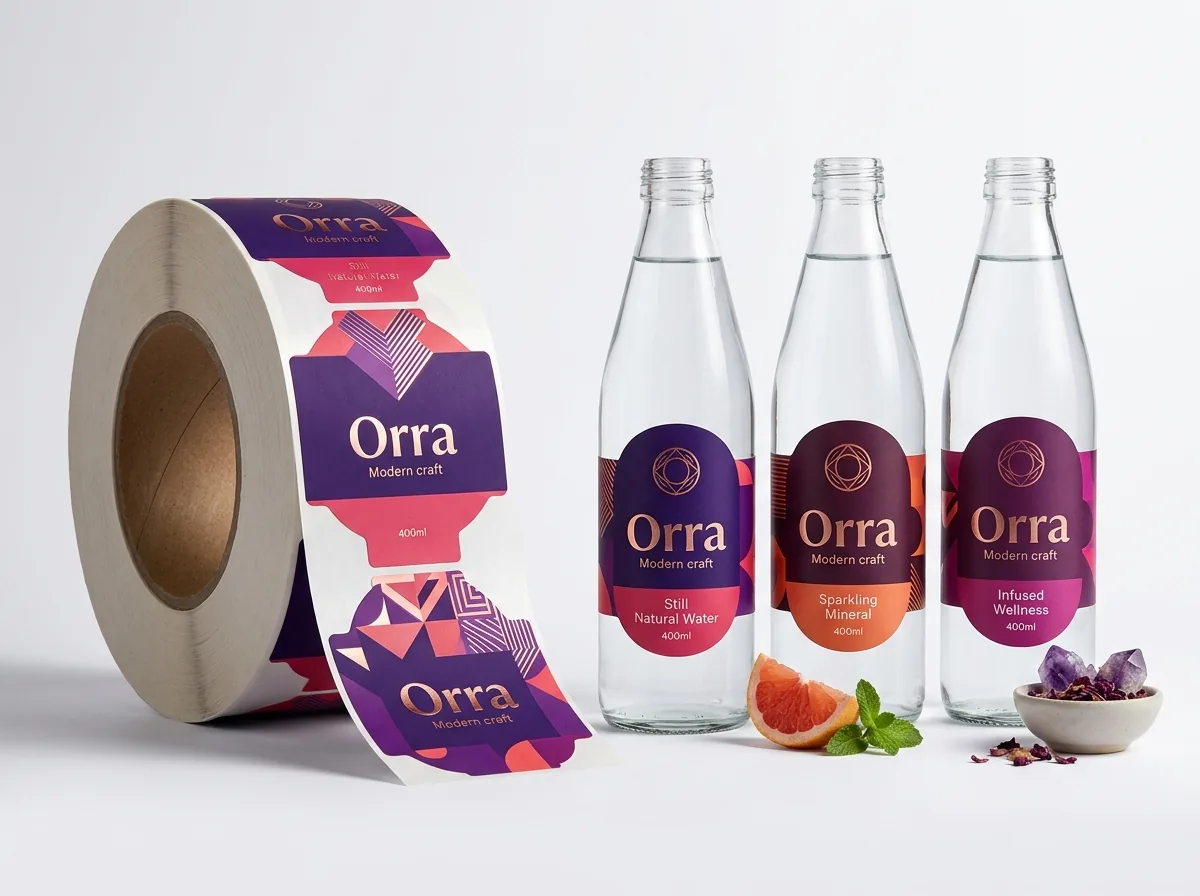
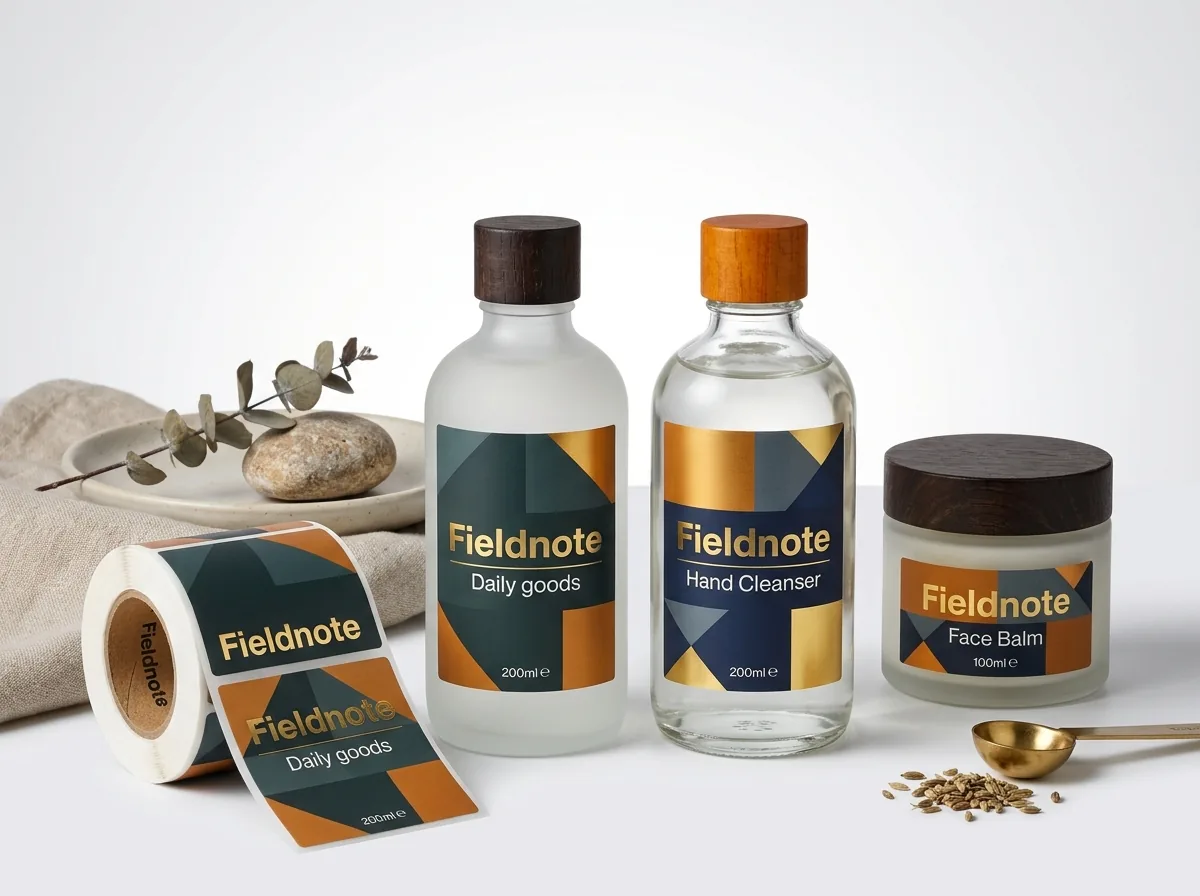
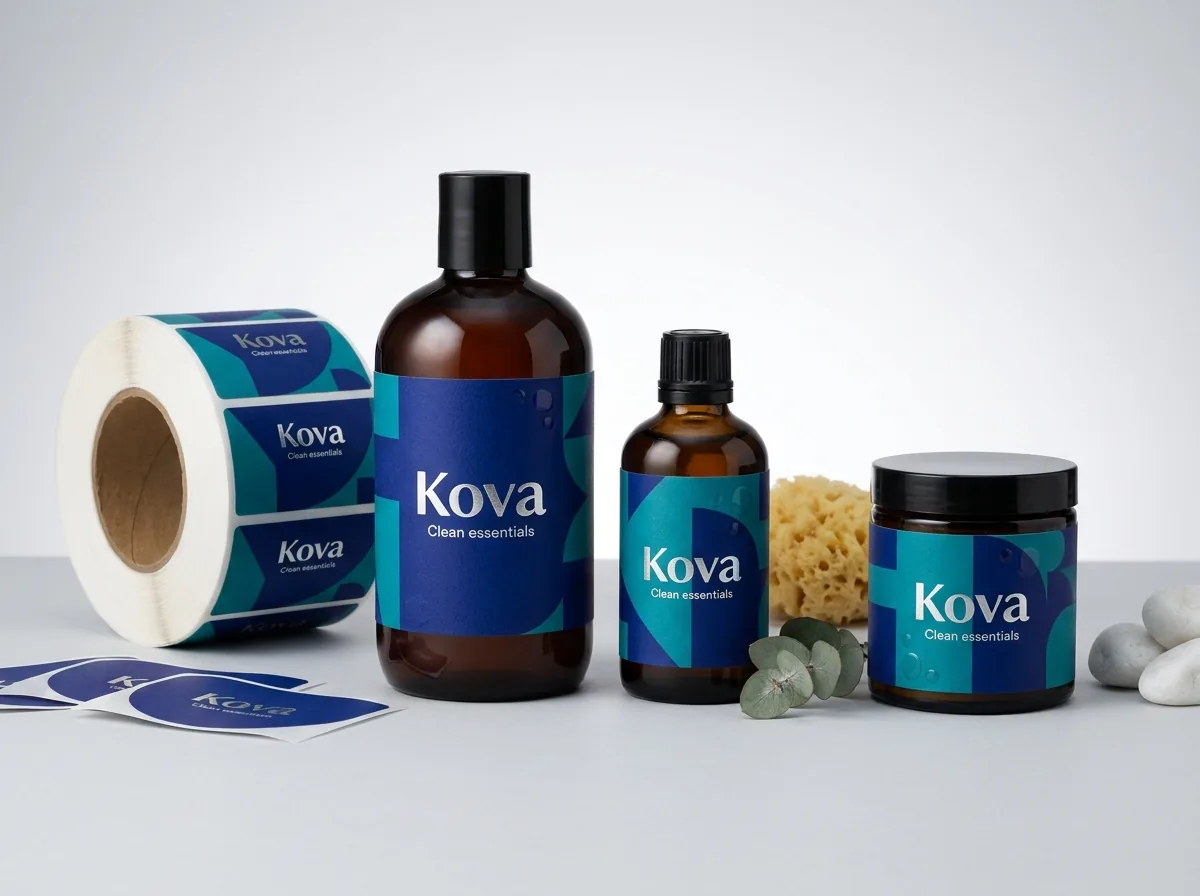
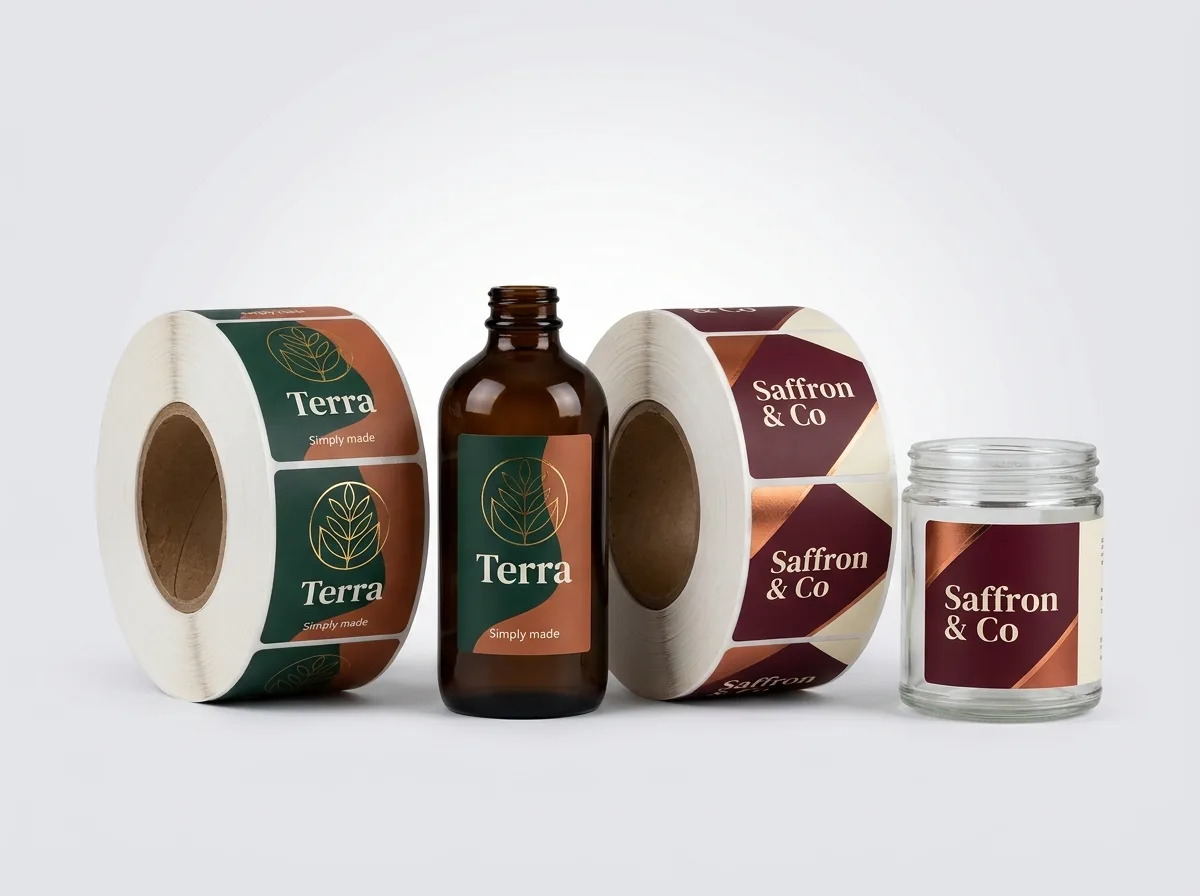
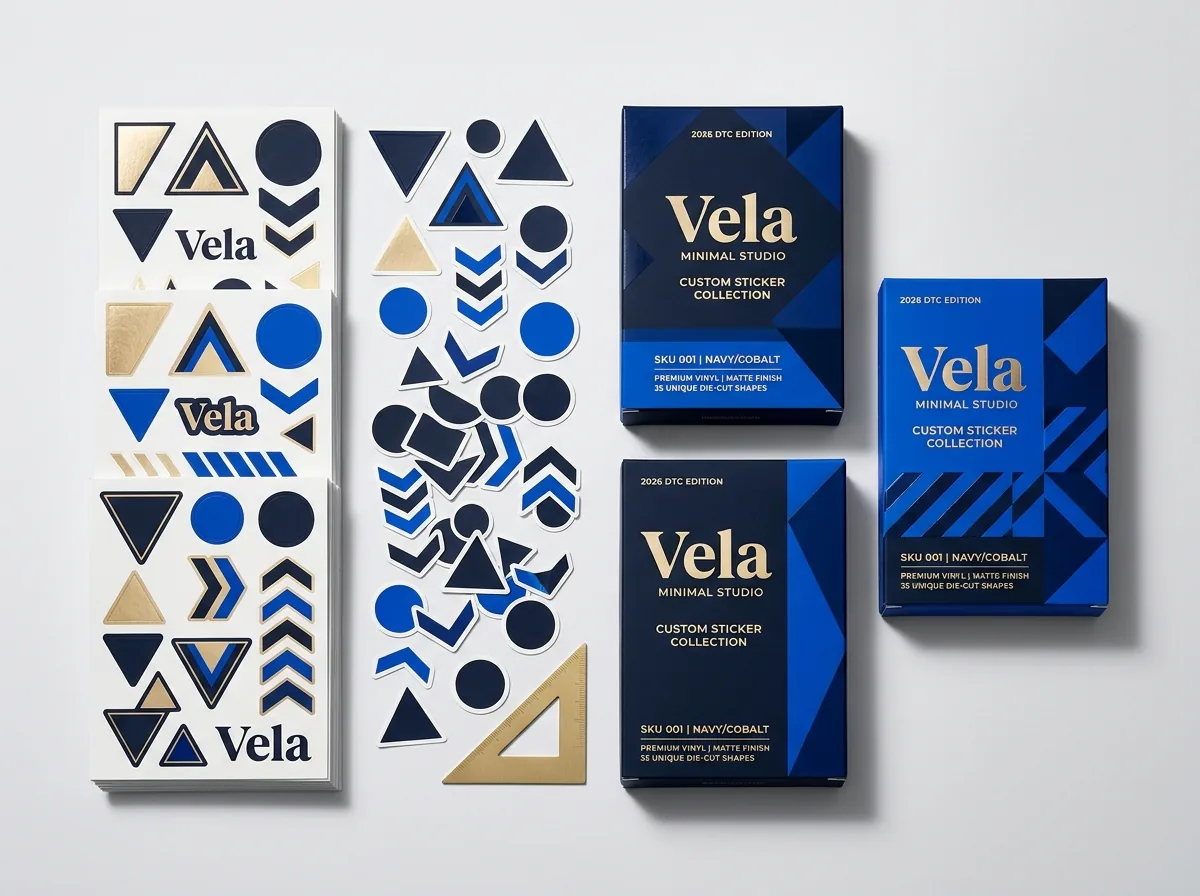
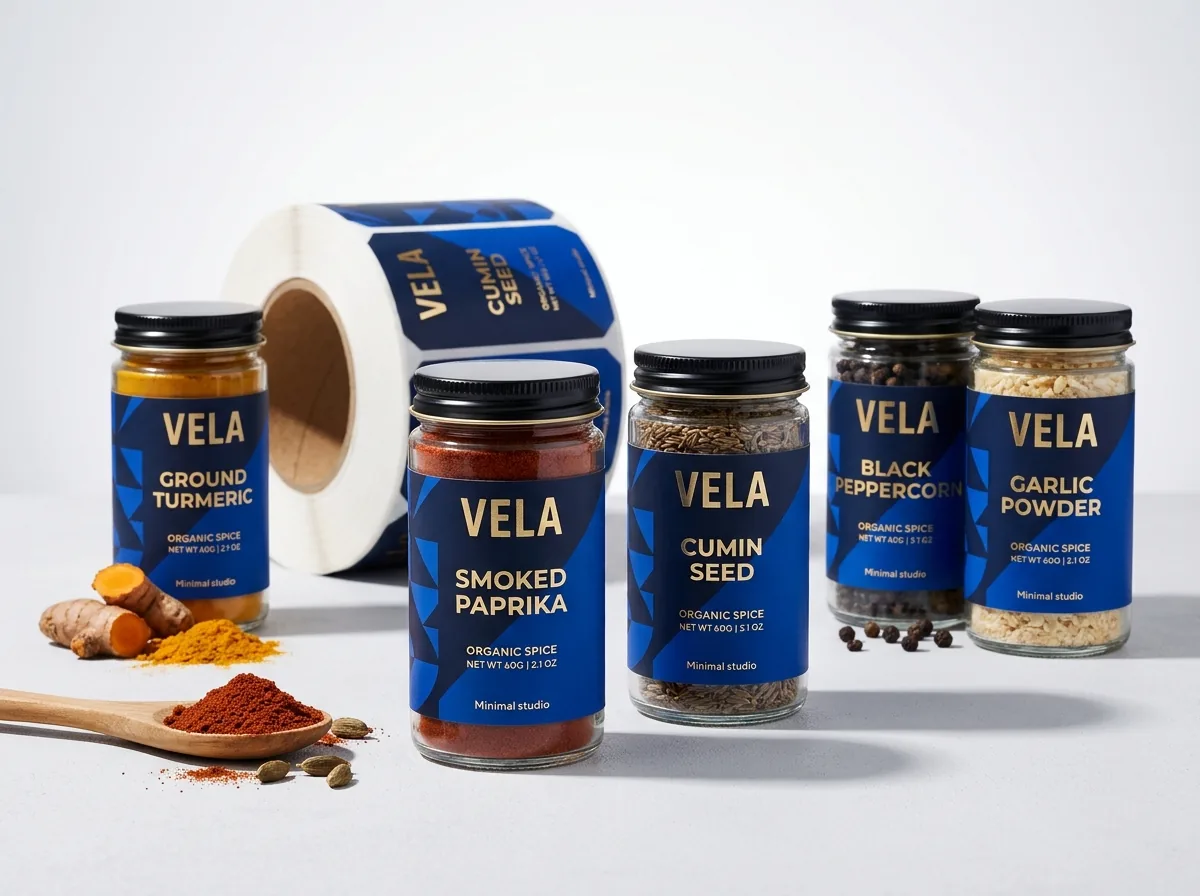
Ready to order water bottle labels? Compare up to 3 quantities with a free 3D mockup.
Request a Quote →Questions about water bottle labels
Will your custom water bottle labels stay on in a cooler full of melted ice?
Yes, when you specify ice-bucket or cooler immersion on your quote and apply the labels to dry room-temperature bottles 12 to 24 hours before chilling. We pair your order with moisture-resistant stocks and protective gloss or matte lamination.
Can I use clear labels on standard 16.9 oz plastic water bottles?
Clear labels look sharpest on smooth-walled glass or bullet-style PET water bottles where the label lies completely flat against the wall. On thin water bottles with horizontal grip ribs, an opaque or metallic foil wrap hides the ribs much better.
Should I choose gloss or matte finish for water bottle labels?
Both gloss and matte lamination protect the printed ink from water droplets and scuffing. Gloss gives a bright, wet-look shine that makes blues and fruit illustrations pop, while matte gives a soft, glare-free satin look popular with hotels and spas.
Why did my labels peel off when I applied them at the event?
If bottles are already chilled when you label them, microscopic condensation on the cold plastic blocks the adhesive from bonding. Always apply water bottle labels at room temperature on dry bottles before putting them into coolers.
Does foil stamping hold up to refrigerator condensation on water bottles?
Yes. Hot foil stamping and metallic foil label stocks resist moisture and refrigerator sweat without tarnishing or rubbing off, making them a favorite for hotel welcome bottles, wedding table water, and sparkling mineral water.
Can I test your label materials on my bottles before placing a large order?
Yes. You can order our $50 sample kit (credited toward your production order) to feel our label stocks and finishes in person, and every order includes a free digital proof and 3D mockup before payment.
Still have a question? Ask a packaging specialist.
Request a Quote →Request your water bottle labels quote
Tell us your size and quantities, and one dedicated account manager prepares pricing for each tier.
- Free design & AI-to-print studio + 3D mockup
- No die or plate charges · 4–5 day rush available
- Free shipping to all 50 states
- 10% off your first order
This material comparison is based on CubitPack's decided finishes and stocks (Clear, Foil, Matte, Gloss, Foil stamping, Spot UV) from our published product specifications and pressure-sensitive adhesive wet-out guidelines for chilled PET and glass containers. Checked by a packaging specialist. Spot an error? Tell us and we will fix it.
Sources
What changed
- October 22, 2026: First published.
- October 22, 2026: Updated specifications, terminology, and verified source links.
More guides
New packaging guides by email
Sizes, materials and design tips. Unsubscribe anytime.