
What size custom sample box do I need for vials, jars and swatches?
Short answer: Lay your sample vials, mini jars or swatches flat in a single row with ⅜ to ½ inch between items and ½ inch around the outer border. That footprint sets the inside Length × Width of your custom sample boxes, while keeping the outside Height under 2 inches lets parcels fit standard residential mailboxes.
On this page
- How do you measure miniature vials, trial jars and swatches for a multi-cavity box
- What are the most popular custom sample box sizes by industry
- Why does the 2-inch mailbox height rule matter for DTC discovery sets
- How does insert sizing change for glass vials versus heavy B2B material swatches
- How much room should you add for routine booklets and redemption cards
- Common mistakes
- FAQs
Request a custom quoteFree dieline & 3D mockup
Sizing a custom sample box starts from the inside cavity layout outward, because miniature containers and material swatches require a fitted insert to survive postal sorting without rattling. Instead of standing tiny bottles upright in a tall cube, arrange your filled 2 ml fragrance vials, 15 ml dropper bottles, single-serve pouches or tile swatches flat on a desk in the exact left-to-right sequence the buyer will test them. Leave ⅜ inch between items for a folded paperboard cradle, or ½ inch between items for a die-cut EVA or EPE foam tray, plus ½ inch around all four outer edges. Measure the total width of that grid for your inside Length, the front-to-back depth for your inside Width, and the thickest item lying flat plus ¼ inch of top-and-bottom clearance for your inside Height. At CubitPack, our design team draw both the box and insert dielines for free.
How do you measure miniature vials, trial jars and swatches for a multi-cavity box?
Packaging for trial sets fails when brands add up the diameter of four sample bottles without accounting for the divider walls that hold them apart. When you order custom printed sample boxes, every dimension on your quote is the inside usable space of the outer box: Length (left to right across the front opening) × Width (front to back toward the lid hinge) × Height (bottom floor to closed top lid). Before calculating box dimensions, measure one physical set of your filled and capped samples using digital calipers. A 2 ml glass fragrance atomizer is typically 0.45 inches in diameter and 2.25 inches tall, whereas a 15 ml frosted dropper bottle is around 1.15 inches wide at the glass shoulder and 3.35 inches tall from base to rubber pipette bulb. Always measure the widest point of the cap, crimp ring or heat-sealed pouch fin so the insert slot grips the container without bending labels.
- Step 1 - Sequence the kit: place your samples flat on a table from left to right in the order the customer uses them.
- Step 2 - Add inter-cavity web width: leave ⅜ inch (0.375 in) between items for paperboard cradles, or ½ inch (0.5 in) for EVA/EPE foam.
- Step 3 - Add perimeter frame clearance: add ½ inch on the left, right, front and back edges so the insert locks against the mailer walls.
- Step 4 - Calculate inside height: take the resting thickness of your largest sample lying flat and add ¼ inch for base support and a top card.
- Step 5 - Include thumb access: add ½-inch semicircular finger notches on the sides of recessed slots so tiny vials lift out easily.
What are the most popular custom sample box sizes by industry?
Because CubitPack builds every order to your exact dimensions with no die or plate charges, you never have to squeeze a five-piece discovery set into a four-piece stock box. However, most direct-to-consumer trial kits and B2B swatch mailers cluster around six proven footprints that optimize board yield and postal rates. Use the reference table below to benchmark your sample kit before sending us your product measurements. Notice how the top four DTC discovery sizes keep their inside height between 1.25 inches and 2.5 inches so the finished box stays flat, compact and resistant to crushing inside mail sacks.
| Inside size (L × W × H) | Typical sample kit contents | Best box & insert structure |
|---|---|---|
| 5 × 4 × 1.25 in | 4 to 6 glass fragrance vials (2 ml to 5 ml) + scent notes card | Tray and sleeve or slim E-flute mailer |
| 6 × 4 × 2 in | 2 to 3 mini 15 ml serum droppers, lip balms or trial sachets | Printed inside mailer + card cradle |
| 8 × 5 × 2 in | 4-step travel skincare routine or 3 × 2 oz coffee bean pouches | E-flute mailer + die-cut card or foam |
| 9 × 6 × 2.5 in | 4 mini gourmet jars, beverage taster cans or supplement tubs | Corrugated mailer + EPE/EVA foam |
| 10 × 7 × 2.5 in | 6-piece cosmetic shade flight, hair care minis or hardware kit | Mailer with insert or magnetic rigid |
| 12 × 9 × 3 in | Architectural ceramic tiles, hardwood planks or stone swatches | Book-style rigid or B-flute mailer + foam |
Why does the 2-inch mailbox height rule matter for DTC discovery sets?
When an online shopper orders a low-cost trial kit or free-plus-shipping sample pack, shipping economics determine whether your campaign breaks even. If you stand three 3.5-inch serum bottles upright inside a 4 × 4 × 4 inch cube box, that parcel cannot fit through narrow apartment mail slots or standard rural residential mailboxes, and its cubic volume takes up unnecessary space in fulfillment bins. By laying those exact same three bottles flat inside a 6 × 4 × 1.75 inch or 8 × 5 × 2 inch custom printed inside mailer, the total outside thickness stays right around 2 inches. Low-profile E-flute mailers glide through automated USPS sorting equipment, fit directly into residential lockboxes without requiring a doorstep drop, and present all product labels face-up the instant the customer lifts the lid.
Know your size? Compare pricing across up to 3 quantities.
Request a Quote →How does insert sizing change for glass vials versus heavy B2B material swatches?
The material and wall thickness of your insert directly change the outside footprint of your sample box. For lightweight items under 2 ounces each, such as 2 ml perfume atomizers, 10 ml eye cream tubes or foil supplement sachets, a folded custom cardboard insert with pinch-lock flutes requires only ⅜ inch of paperboard bridge between slots. The folded paperboard springs against the neck and base of each vial, ships flat with the mailer, and keeps total parcel weight minimal. When you are mailing heavy B2B architectural swatches, such as 4 × 4 inch porcelain tiles, ¾-inch engineered oak planks or quartz countertop chips, paperboard dividers will buckle under the weight if the parcel is dropped on its corner. Heavy swatch boxes require high-density custom EVA foam inserts or shock-absorbing EPE foam with at least ½ to ¾ inch of foam wall around every perimeter edge and between adjacent slots. For binder-style showroom kits, we often angle or step the foam slots at 15 to 30 degrees inside a custom book style box so an architect can read every material code without pulling all the tiles out. Adding a ¼-inch bottom EVA base pad underneath the slotted foam collar prevents heavy ceramic or stone corners from punching through the bottom board during parcel sorting.
How much room should you add for routine booklets and redemption cards?
Almost every high-converting sample kit pairs physical samples with printed instructions: a skincare application order, coffee brewing ratios, architectural technical specs, or a QR redemption card toward a full-size order. If you toss a 5 × 7 inch postcard loosely on top of a 6 × 4 inch box, the corners curl and bind against the side flaps. Always size your custom insert cards or folded instruction booklets ¼ inch narrower and shorter than the inside Length and Width of your sample box. For example, inside an 8 × 5 × 2 inch sample mailer, a 7.75 × 4.75 inch card rests flat over the foam or paperboard tray without catching on the dust flaps, and adds less than 1/16 inch to your required vertical height.
- Inside-lid print (0 in extra height): print routine steps and your QR voucher directly on the interior cover to save card cost.
- Flat top cover card (+1/16 in height): size the card ¼ inch smaller than inside L × W so it sits cleanly over the sample wells.
- Multi-page spec booklet (+1/8 to 1/4 in height): recess a dedicated shallow shelf into the top of the foam tray so the booklet lies flush.
What are the most common custom sample box sizing mistakes?
A millimeter error on a miniature sample cavity can leave vials rattling loose or prevent a lid from closing flat. Check these five sizing traps before approving your dieline
- Standing small vials upright in a tall 4-inch or 5-inch cube instead of laying them flat in a low-profile 2-inch mailbox-ready mailer.
- Measuring only the cylindrical bottle body and forgetting the extra width of a dropper bulb, sprayer crimp or pouch fin seal.
- Leaving less than ⅜ inch between slots on a paperboard cradle or less than ½ inch on a foam tray, causing divider bridges to collapse.
- Sizing an instruction or voucher card to the exact inside dimensions of the box so its edges scrape and curl against the side walls.
- Skipping ½-inch semicircular finger notches around recessed foam wells, making flush mini jars nearly impossible to lift out.
Find your size
Suggested inside size: 5 × 4 × 1.25 in
A starting point. Your account manager confirms the size with you before the proof.
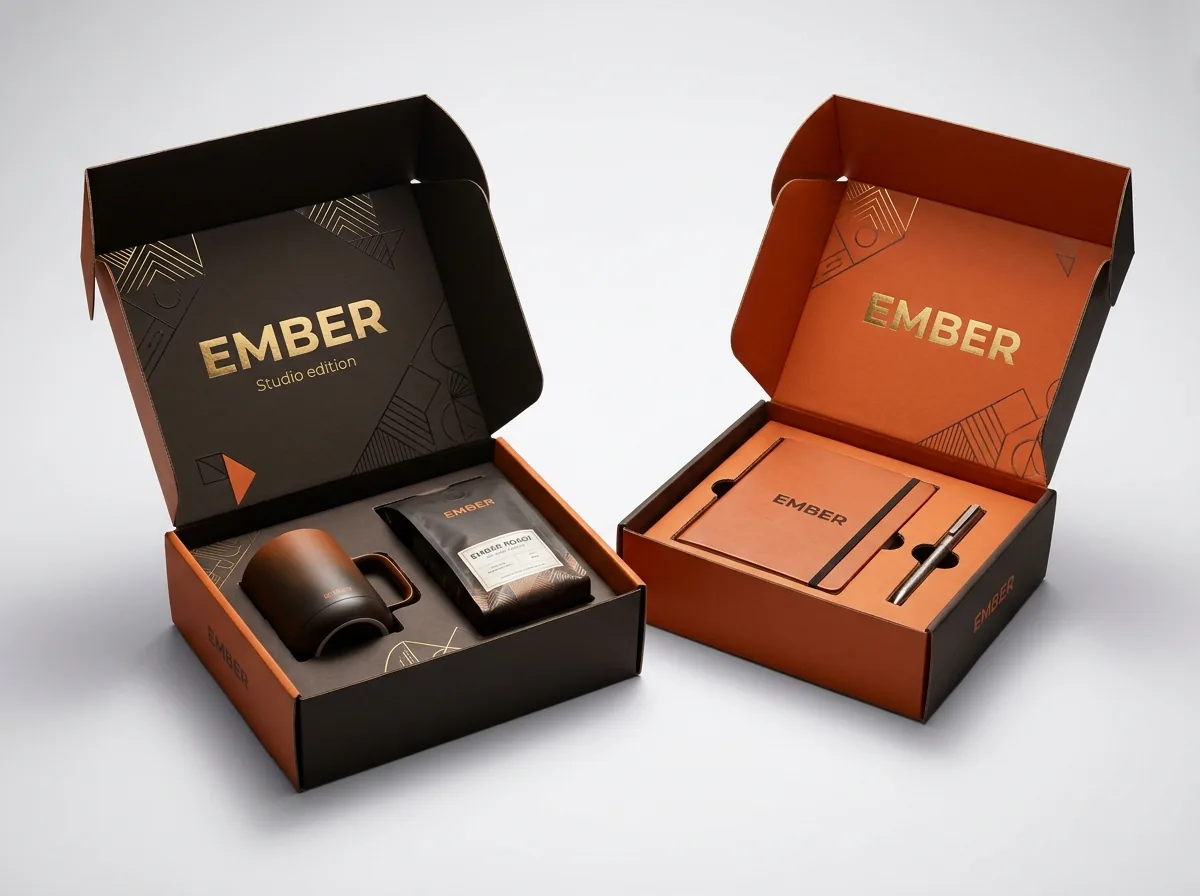
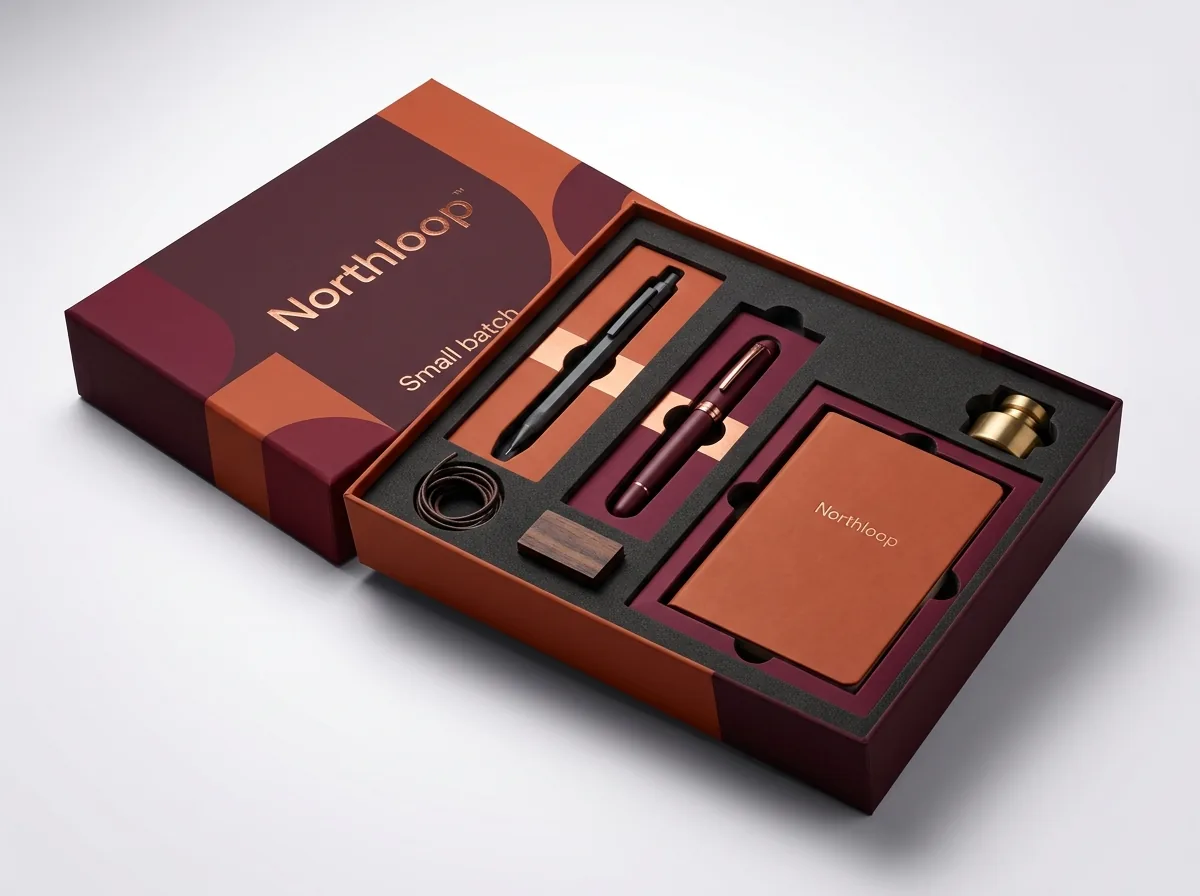
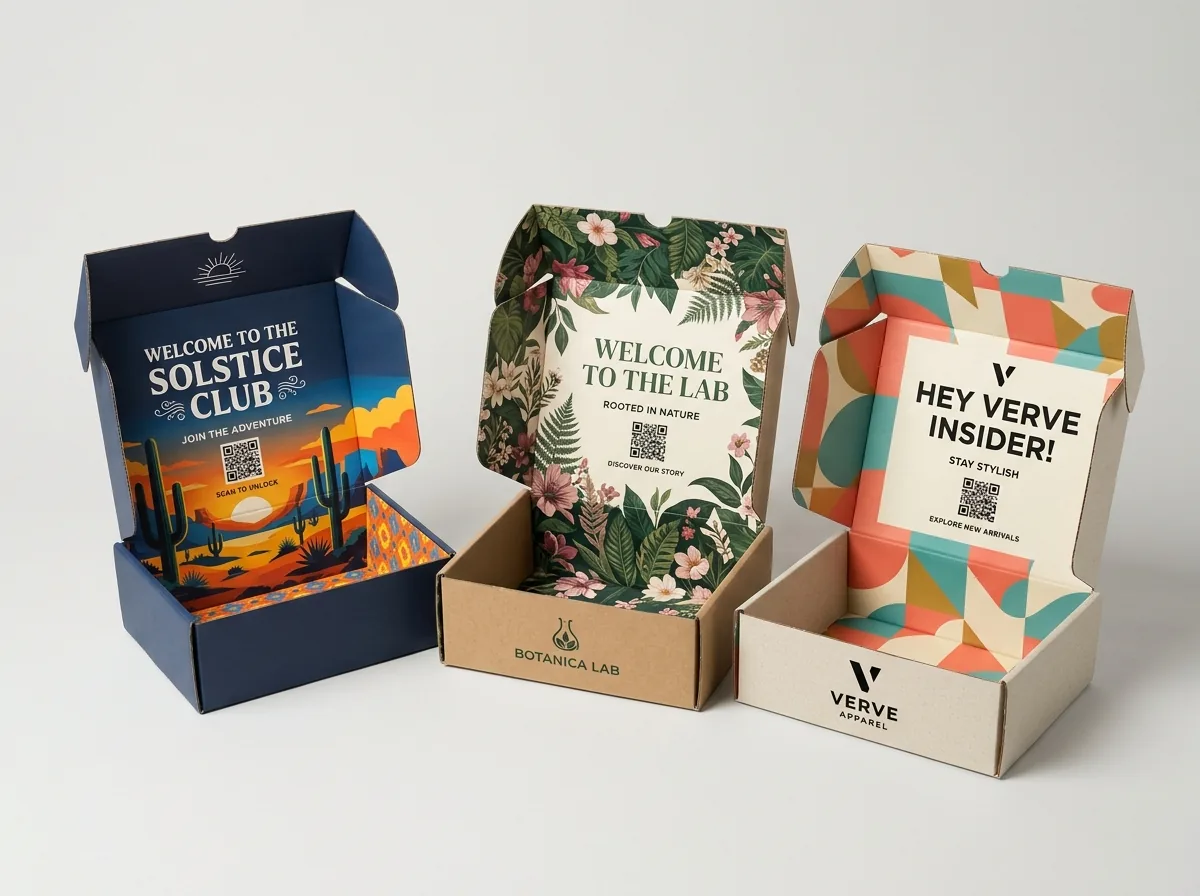
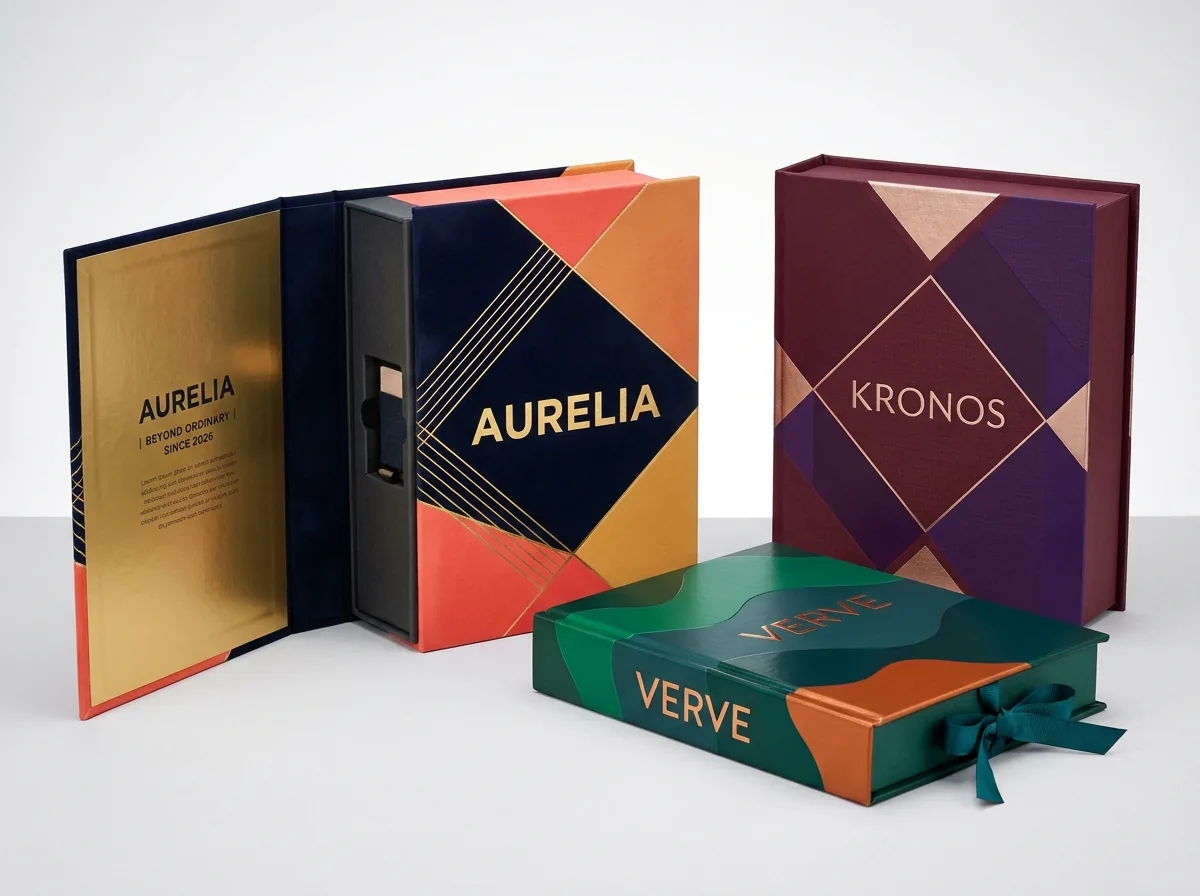
Quote this size →Packaging for this
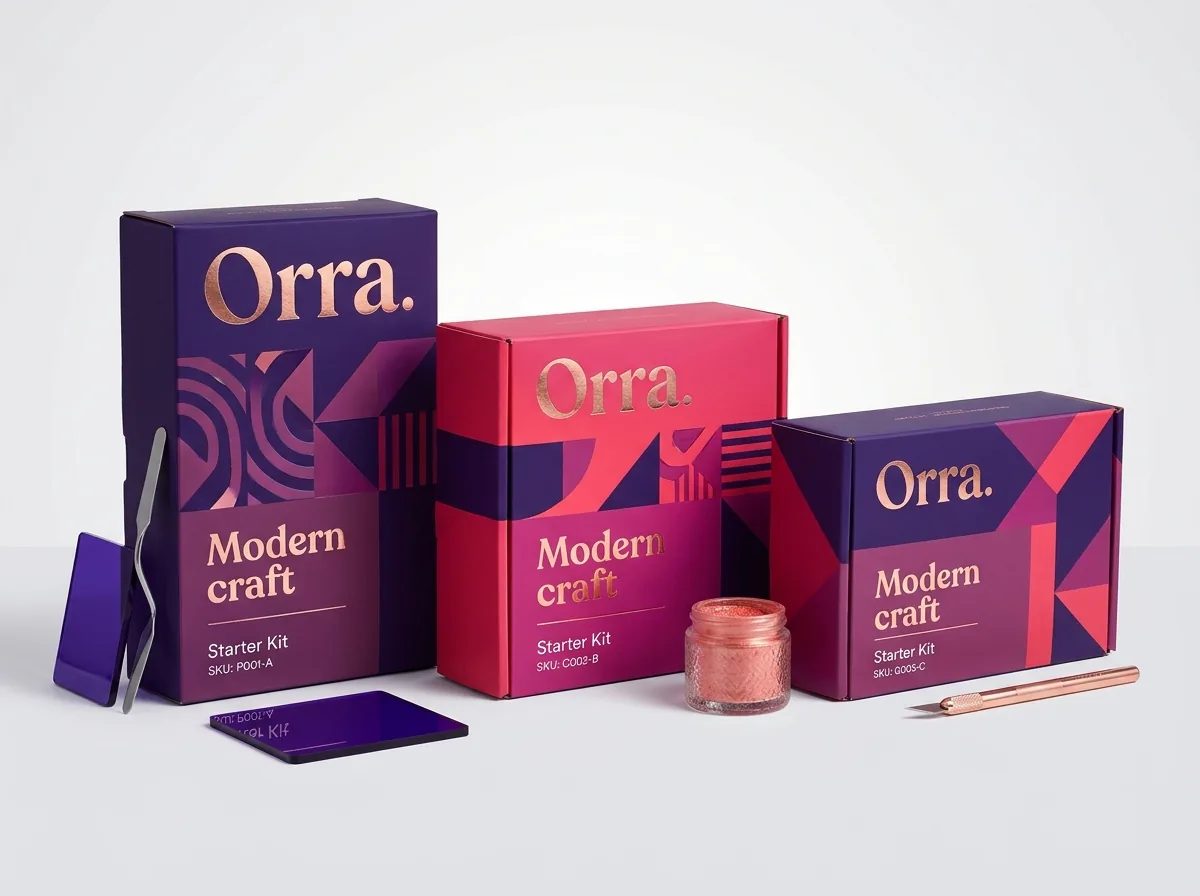
Ready to order sample boxes? Compare up to 3 quantities with a free 3D mockup.
Request a Quote →Questions about sample boxes
Do I need to draw the multi-cavity insert dieline myself?
No. Simply share the length, width, height and weight of each sample item, or mail one physical set of your samples to our studio, and our design team draw both the outer box dieline and the inner insert cutouts for free. You approve a 2D proof and 3D mockup before payment.
How tight should a foam or paperboard slot be around a 2 ml or 15 ml bottle?
For die-cut EVA or EPE foam, we cut the cavity 1/16 inch (about 1.5 mm) narrower than the rigid bottle diameter so the foam compresses slightly and grips the container by friction. For paperboard cradles, we add spring-tab retention flaps that pinch the bottle neck and base.
What is the minimum order quantity for custom-sized sample boxes?
Custom corrugated sample mailers start at 250 boxes, custom rigid swatch presentation boxes start at 50 boxes, and thin folding paperboard sample cartons start at 1,000 boxes. Small trial runs are also reviewed case by case, and every size is made with zero die or plate charges.
Can I combine different sample shapes in the same insert tray?
Yes. Because every insert is custom die-cut to order, a single tray can hold a round 15 ml dropper bottle, a squeezable 10 ml tube, a square jar and a flat sachet side by side, each recessed to its own depth so all front labels sit level.
How do I test whether my vials stay put in the mail before ordering 250+ boxes?
You can order a physical structural prototype or a paid printed sample (credited toward your full production order) to load your real containers and run a live test shipment before we start the main production run.
Should I give inside or outside dimensions when requesting a quote?
Always give inside dimensions: Length × Width × Height in inches. Because E-flute corrugated walls, double-folded mailer side locks and foam borders add thickness on the outside, quoting by inside usable space guarantees your insert and samples fit cleanly.
Still have a question? Ask a packaging specialist.
Request a Quote →Request your sample boxes quote
Tell us your size and quantities, and one dedicated account manager prepares pricing for each tier.
- Free design & AI-to-print studio + 3D mockup
- No die or plate charges · 4–5 day rush available
- Free shipping to all 50 states
- 10% off your first order
The cavity spacing rules (⅜-inch paperboard web, ½-inch foam web, 1/16-inch friction fit and 2-inch residential mailbox height) come from CubitPack's structural dieline engineering standards and USPS / ISTA parcel guidelines. Checked by a packaging specialist. Spot something wrong? Tell us and we will fix it.
Sources
What changed
- October 22, 2026: First published.
- October 22, 2026: Updated specifications, terminology, and verified source links.
More guides
New packaging guides by email
Sizes, materials and design tips. Unsubscribe anytime.