
How do you design custom sample boxes that convert trial buyers to full-size orders?
Short answer: To turn a trial kit into a full-size reorder, design your custom sample boxes with numbered left-to-right insert slots that guide the usage routine, print tasting or shade notes directly behind each cavity on the inside lid, and place a high-contrast matte QR voucher where the buyer sees it every day.
On this page
- How should you lay out the inside lid and insert deck to drive full-size reorders
- Which design features work best by sample box category
- Why do numbered cavities and tactile finishes boost sample completion rates
- What affects the cost of custom sample boxes (and how do you keep unit cost low)
- How do you design B2B swatch boxes so architects and buyers specify your line
- Common mistakes
- FAQs
Request a custom quoteFree dieline & 3D mockup
A discovery set or B2B sample box is not a miniature shipping carton; it is a physical sales funnel that stays on a customer's bathroom counter, kitchen table or office desk while they test your products over five to fourteen days. If samples arrive jumbled in loose fill with a tiny instruction slip that gets tossed in the trash, buyers forget which shade or formula they liked and never reorder. High-converting sample boxes solve this through structural choreography: the die-cut paperboard cradle or EVA foam tray locks every vial or swatch in numbered order from left to right, the printed insert deck calls out the key benefit below each slot, and the inside lid frames a scannable QR code that applies the buyer's trial credit directly at checkout. At CubitPack, our designers set up your outside panels, inside lid and insert artwork for free.
How should you lay out the inside lid and insert deck to drive full-size reorders?
When a customer opens a sample mailer or book-style swatch kit, their eyes travel from the center of the inside lid down to the top row of sample cavities. That makes the inside cover of your custom printed sample boxes the highest-converting print surface in your entire customer acquisition funnel. Instead of filling the inside lid with a generic brand manifesto, align each column of text on the inside lid directly above the matching sample slot in the tray below. When a shopper lifts vial number two from the tray, the column right behind that slot tells them the product name, key notes or active ingredients, when to use it, and how to claim their full-size bounce-back credit.
- Top banner (headline): state the clear promise of the trial kit in 6 to 8 words (for example, 'Your 4-Step Morning & Night Skin Reset').
- Column-aligned product key: align 20- to 30-word blurbs on the inside lid directly above each corresponding vial, jar or pouch slot.
- Printed insert deck: print 'Step 1 · Cleanse', 'Step 2 · Treat', 'Step 3 · Hydrate' directly on the paperboard cradle below each cutout.
- Bottom-right conversion corner: place a 1 × 1 inch high-contrast QR code with a short callout ('Scan to apply your sample credit toward full size').
Which design features work best by sample box category?
Different trial programs win repeat orders in different ways. A fragrance discovery set relies on scent notes and a bounce-back voucher, a specialty coffee sampler relies on roast level and brew ratios, and an architectural tile kit relies on technical slip ratings and instant sample re-request codes for project specs. Use the design matrix below to plan the interior typography, insert printing and finish combination for your next run.
| Sample category | Best insert & deck layout | High-converting inside-lid feature |
|---|---|---|
| Skincare & cosmetics trial kits | Numbered 1-4 card cradle with AM/PM icons | Routine chart + QR code for full-size credit |
| Fragrance vial discovery sets | Fluted card tray in a sliding sleeve | Scent family wheel + 'redeem toward 50 ml bottle' card |
| Coffee, tea & beverage tasters | Compartmented kraft or white mailer dividers | Tasting scorecard + subscription QR discount |
| Supplement & electrolyte packs | Stepped stick-pack or sachet slots | 7-day tracker checkboxes printed inside the lid |
| B2B tile, wood & stone swatches | Angled black EVA foam slots with SKU labels | Technical spec table + sales rep QR booking link |
| Retail buyer pitch kits | Color-matched card or EVA foam cradle | Wholesale case-pack specs, margins & reorder QR |
Why do numbered cavities and tactile finishes boost sample completion rates?
A sample only converts into a full-size sale if the customer actually finishes testing it. In multi-item skincare, hair care or supplement trial kits, decision fatigue is the main reason buyers stop halfway through: tiny bottles have tiny 5-point font labels that are hard to read in the shower or at a sink. By printing bold step numbers (1, 2, 3, 4) and usage cues ('Morning', 'Night', 'Pre-Workout') directly on the face of a custom cardboard insert, you remove all guesswork. On the outside of the box, applying velvety soft-touch lamination or a subtle embossed crest signals flagship quality before the lid even opens, encouraging the buyer to leave the box out on their counter rather than hiding it in a drawer.
Know your size? Compare pricing across up to 3 quantities.
Request a Quote →What affects the cost of custom sample boxes (and how do you keep unit cost low)?
Most DTC brands run discovery sets as self-liquidating acquisition offers, meaning the price the customer pays for the sample kit is meant to cover the product cost, the packaging and the postage. Keeping the per-box manufacturing cost lean without sacrificing presentation comes down to four structural choices. First, choose a one-piece folded paperboard cradle instead of multi-layer die-cut foam whenever your samples weigh under 3 ounces each; a printed paperboard insert ships flat and costs significantly less per unit than thick foam. Second, print your product guide and QR voucher directly inside the lid of a custom printed inside mailer so you do not have to print and hand-pack a separate multi-page booklet. Third, keep the box height under 2 inches so every kit ships in the lowest USPS Ground Advantage weight tier. Finally, take advantage of CubitPack's zero die and plate charges, 10% first-order discount, and volume price breaks across 250, 500, 1,000 and 2,500+ units.
- Swap foam for folded card on light vials: a die-cut paperboard cradle locks 2 ml to 30 ml bottles in place at a fraction of foam cost.
- Combine card + lid into one print pass: printing instructions inside the mailer lid eliminates separate booklet printing and kitting labor.
- Use 1 or 2 Pantone colors on kraft or white board: clean typography with guaranteed Pantone matching looks modern without heavy foil setups.
- Compare 3 quantities on your quote: setup spreads across the run, so scaling from 250 to 1,000 mailers drops the unit cost substantially.
How do you design B2B swatch boxes so architects and buyers specify your line?
In B2B building materials, textiles and wholesale CPG, a sample box wins revenue when an architect, interior designer or retail buyer pulls your kit off their shelf six months later. That means spine readability is everything. Always design a custom book style box or heavy B-flute sample mailer with bold, high-contrast brand and category typography along the vertical spine, just like a reference book, so it never gets lost among plain brown cartons. Inside the kit, pair your custom EVA foam inserts with a permanent specification table printed inside the cover, plus individual SKU stickers on the back of every tile, wood plank or fabric swatch containing a direct QR link to CAD/BIM files, safety data sheets and instant sample replenishment. When a project manager takes one tile out of the foam slot to bring to a client job site, that back-of-sample sticker guarantees they can still scan the exact finish code and place a commercial order with your sales rep.
- Print the vertical spine: include your brand logo, collection name and material category on the spine for bookshelf visibility.
- Label every individual swatch: place a QR sticker on the back of each tile or plank so a swatch removed from the box still links back to you.
- Include a 'Request Full Spec / Reorder Swatches' card: tuck a heavy custom insert card inside the front pocket for trade buyers.
- Use color-accurate Pantone spot inks on swatch headers: guaranteed Pantone matching keeps printed color keys aligned with physical swatches.
What are the most common sample box design mistakes that hurt conversion?
Even a sturdy sample box will underperform if the interior artwork leaves the buyer confused about what to do next. Avoid these five design mistakes
- Leaving the inside lid completely blank instead of printing product names, usage order and a scannable reorder QR code.
- Printing a tiny QR code over a dark glossy background where indoor light glare prevents phone cameras from scanning it.
- Using unnumbered cavities for a multi-step skincare or supplement routine, forcing buyers to squint at tiny vial labels.
- Leaving the vertical spine of a B2B architectural swatch box blank so it disappears when shelved in a design library.
- Paying for a separate multi-page instruction booklet on a low-cost trial mailer when the same guide fits cleanly on the inside lid.
Find your size
Suggested inside size: 5 × 4 × 1.25 in
A starting point. Your account manager confirms the size with you before the proof.
Quote this size →Packaging for this
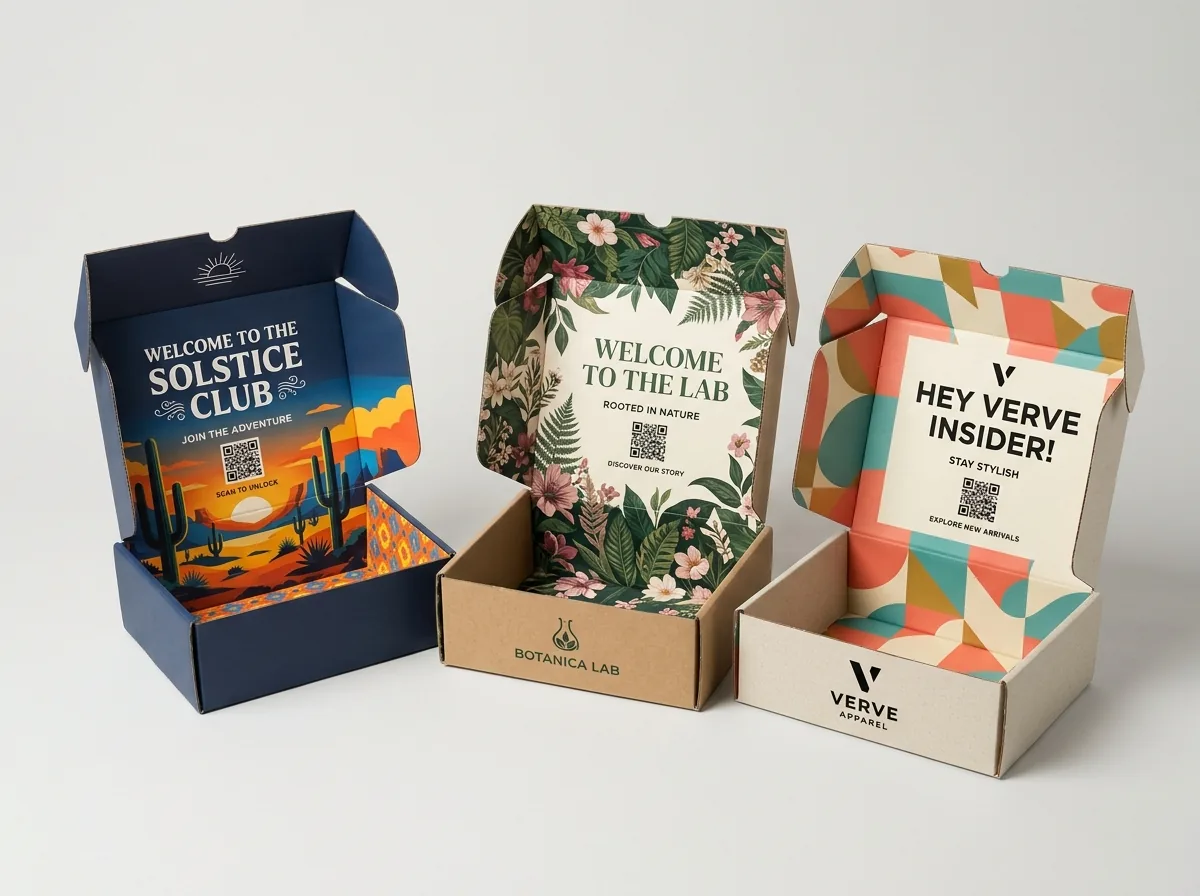
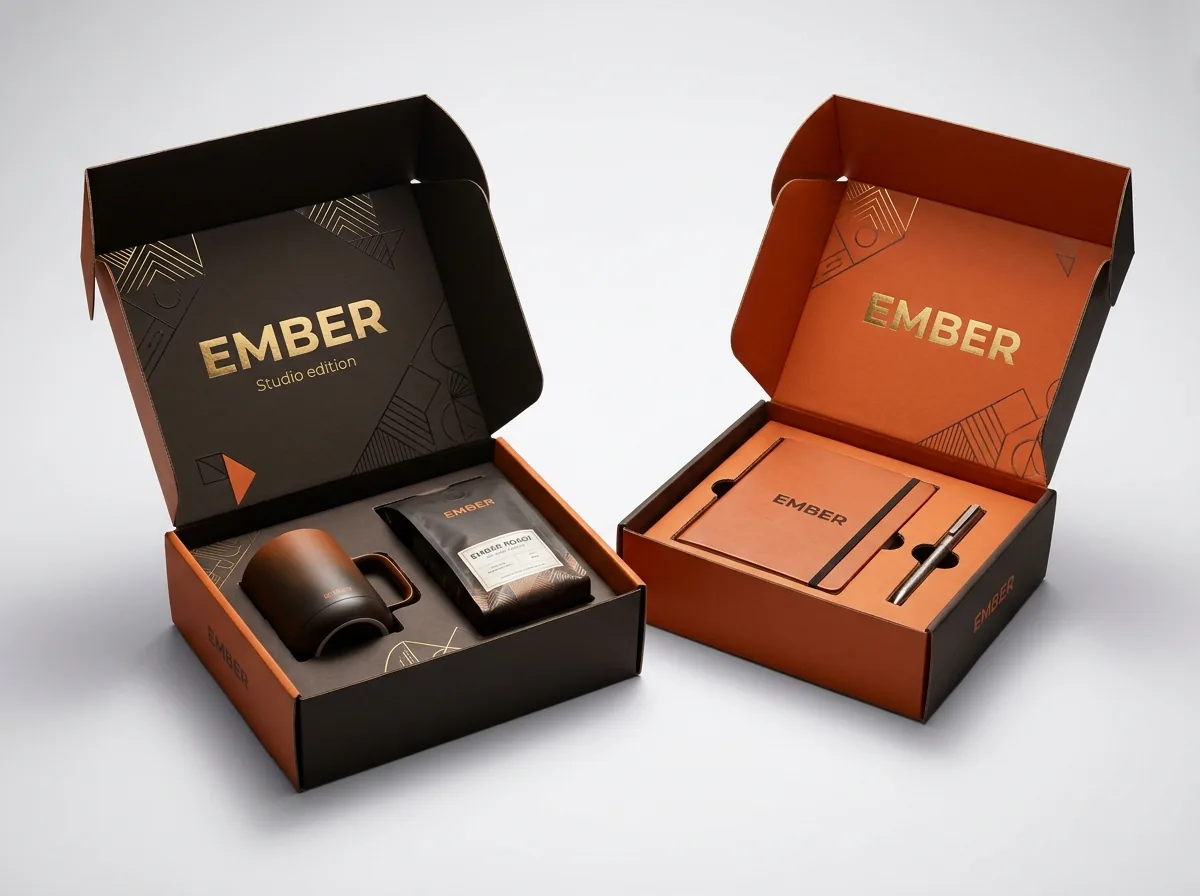
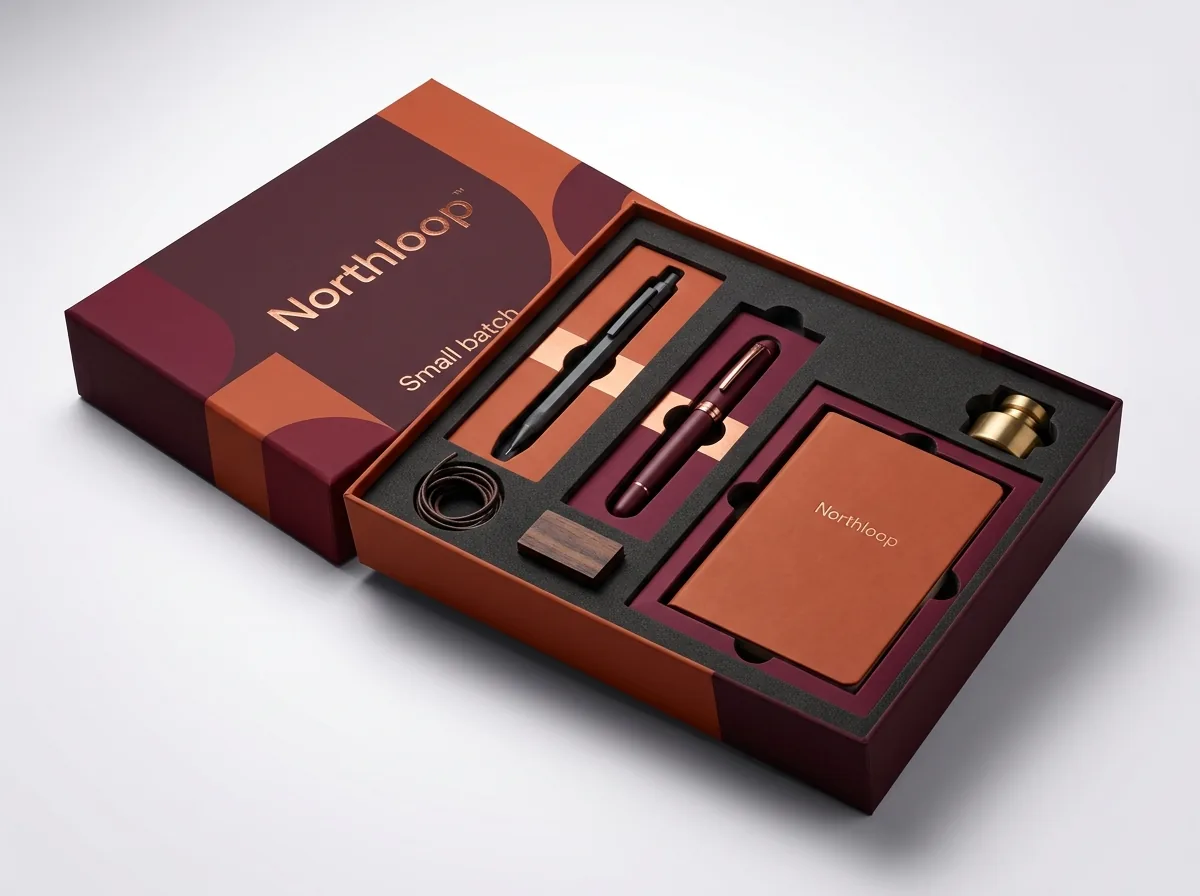
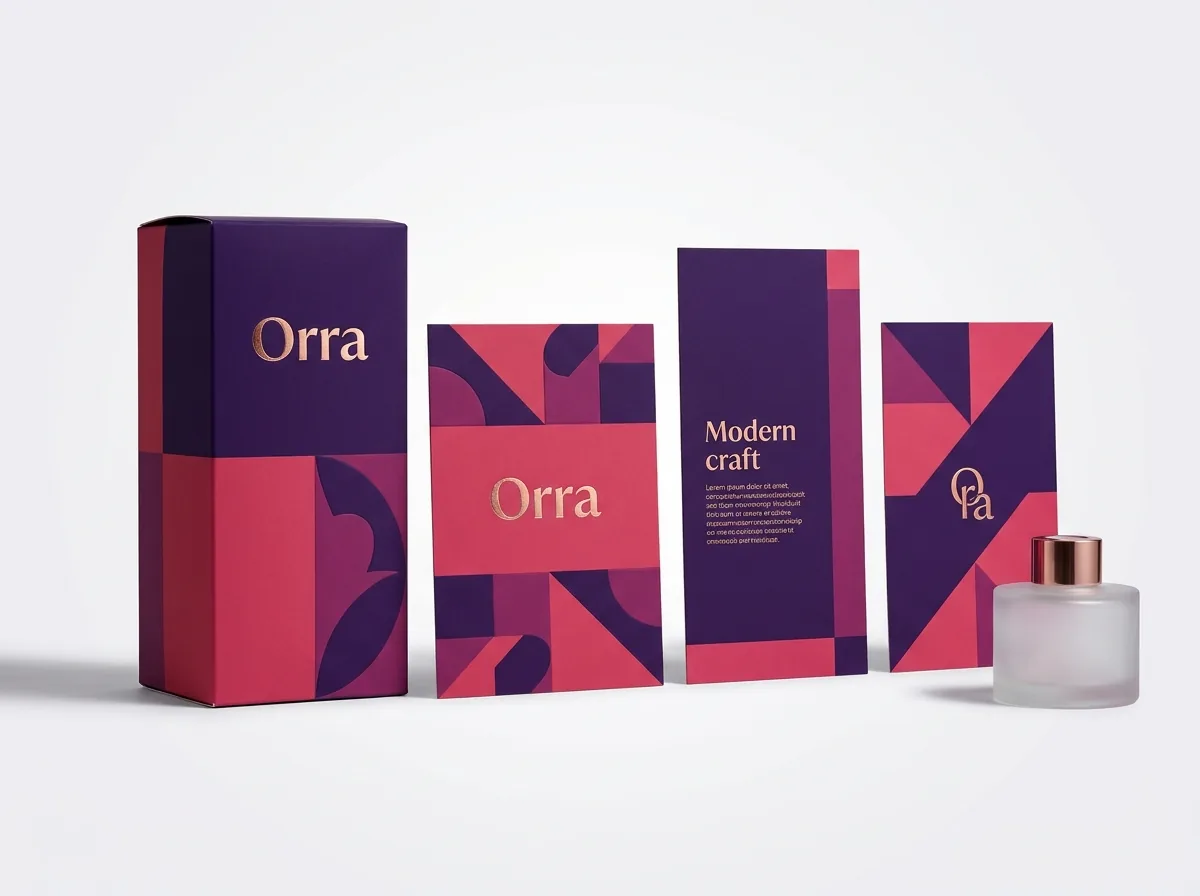
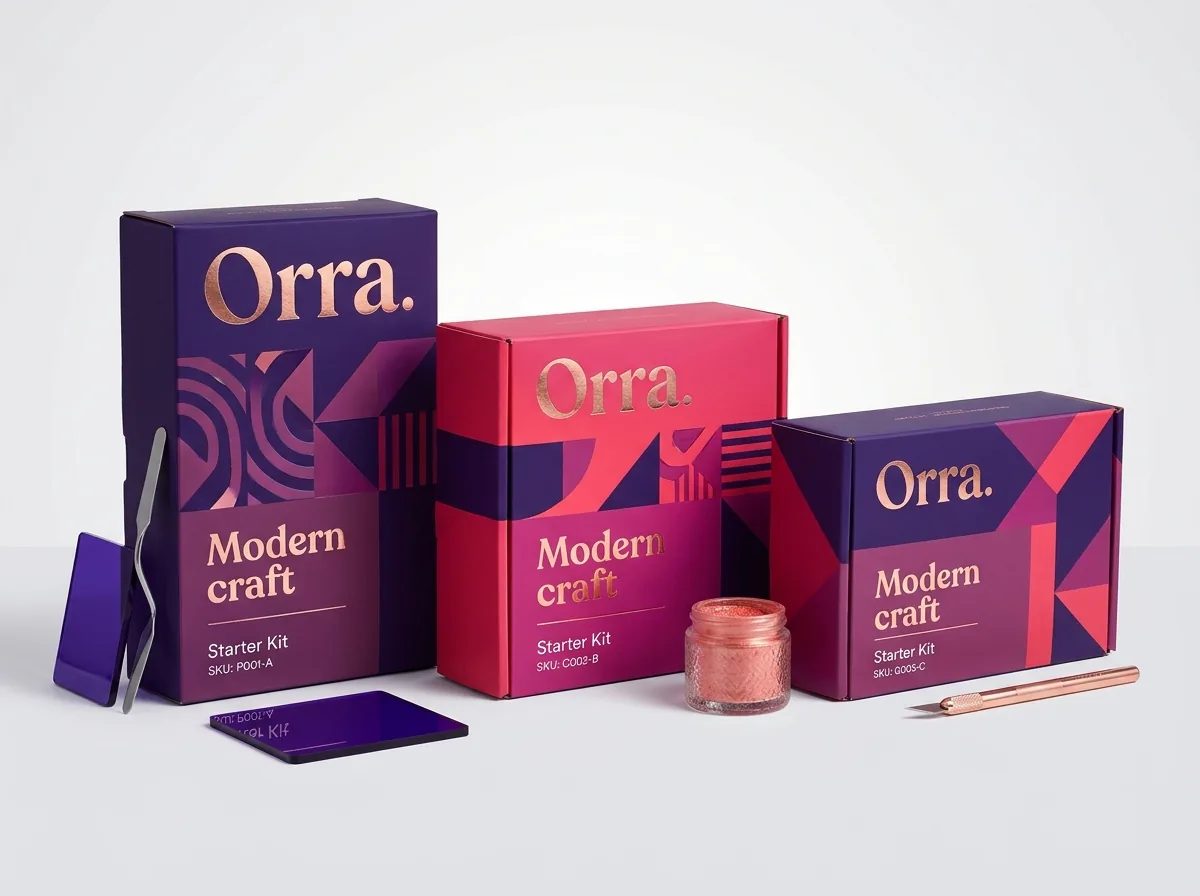
Ready to order sample boxes? Compare up to 3 quantities with a free 3D mockup.
Request a Quote →Questions about sample boxes
Is inside-lid printing included on custom sample boxes?
We offer full-color (CMYK) and Pantone printing on the outside, the inside lid, and the paperboard insert deck of your custom sample boxes. Tell us you want outside + inside printing on your quote, and our team will send a complete 2D dieline and 3D mockup before payment.
Can your designers help lay out our routine chart and QR code for free?
Yes. Every CubitPack order includes free design help, artwork checks and print-ready file preparation. Send us your logo, brand colors, product text and destination URL, and our packaging designers will align your inside-lid guide with your insert cavities at no charge.
What is the minimum size for a scannable QR code inside a sample box lid?
We recommend sizing your inside-lid QR code at least 0.8 × 0.8 inches (ideally 1 × 1 inch) with a 1/8-inch white border and printing it in dark ink on a light matte background so any smartphone camera scans it instantaneously from 12 inches away.
Can I print different flavor or shade names on the paperboard insert itself?
Yes. Unlike foam inserts, a custom paperboard or corrugated cradle insert can be printed in full CMYK or Pantone colors right across the top deck, allowing you to put step numbers, shade swatches and flavor names directly below each cutout.
Can I print multiple sample box designs in a single order?
Yes. If you offer three different discovery sets (for example, Oily Skin, Dry Skin and Sensitive Skin) that share the same box size, select '2 designs' or '3+ designs' in Step 2 of our quote form and list the breakdown in your notes.
What if I want to build a brand identity for my sample kit from scratch?
If you are launching a new product line and do not have a logo or packaging style yet, we offer complete brand identity design from zero for $250, plus $50 per box, bag or item, alongside free artwork setup when you already have brand assets.
Still have a question? Ask a packaging specialist.
Request a Quote →Request your sample boxes quote
Tell us your size and quantities, and one dedicated account manager prepares pricing for each tier.
- Free design & AI-to-print studio + 3D mockup
- No die or plate charges · 4–5 day rush available
- Free shipping to all 50 states
- 10% off your first order
The inside-lid conversion layout, QR code sizing (1 × 1 inch with ⅛-inch quiet zone on matte stock), numbered cavity sequencing and cost-saving tips come from CubitPack's prepress standards and decided offers. Checked by a packaging specialist. Spot something wrong? Tell us and we will fix it.
Sources
What changed
- October 22, 2026: First published.
- October 22, 2026: Updated specifications, terminology, and verified source links.
More guides
New packaging guides by email
Sizes, materials and design tips. Unsubscribe anytime.