
Two-piece rigid boxes vs window cartons for greeting cards: which should you choose?
Short answer: Choose two-piece lift-off lid or ribbon drawer rigid boxes (starting at 50 units) for letterpress stationery, small-batch artist runs and keepsake sets. Choose window tuck-end folding cartons (starting at 1,000 units) for high-volume retail racks, holiday card packs and flat-stored custom greeting card boxes.
On this page
- How do two-piece rigid, drawer, tray-and-sleeve and window tuck card boxes compare
- When do two-piece lift-off lid rigid boxes make the most sense
- Why do high-volume stationery publishers choose window tuck-end cartons
- Patched film window vs open die-cut window: which do retail buyers prefer
- When should you upgrade to a ribbon drawer box, tray-and-sleeve or magnetic organizer
- Common mistakes
- FAQs
Request a custom quoteFree dieline & 3D mockup
Stationery publishers and illustrators generally weigh two packaging families when boxing A2, A6 or A7 greeting card sets: wrapped rigid chipboard boxes and die-cut folding paperboard cartons. Two-piece lift-off lid, slide-out ribbon drawer and magnetic book-style rigid boxes start at just 50 units at CubitPack, making them the natural starting point for independent stationery studios, cotton letterpress lines and museum-shop collections where buyers keep the box on their desk. Window tuck-end folding cartons and tray-and-sleeve boxes start at 1,000 units, ship completely flat to save studio shelf space, and deliver a lower unit cost for supermarket, bookstore and gift-chain distribution. Both structures can feature a centered die-cut lid window so shoppers see the actual top greeting card inside, and both include free design help, zero die fees, a 3D mockup before payment, and free US delivery across all 50 states.
How do two-piece rigid, drawer, tray-and-sleeve and window tuck card boxes compare?
Before picking a dieline for your boxed greeting card sets, consider three practical questions: how many sets per SKU you plan to print, how much storage space you have in your studio or warehouse, and whether retail buyers need to see the physical paper texture through the lid. A letterpress studio releasing four seasonal designs at 100 boxes each has very different economics than a publisher printing 5,000 boxed Christmas card packs for national bookstores. Use the table below to compare CubitPack's five stationery box formats across minimum order quantity, studio storage, corner protection and retail presentation. Many growing stationery brands use both families at once: ordering 50-unit rigid boxes for deluxe cotton letterpress gift sets and 1,000-unit window cartons for everyday retail note packs.
| Box style & minimum | Storage & assembly | Best greeting card application |
|---|---|---|
| Two-piece lift-off lid rigid (from 50 boxes) | Ships set up; zero folding required before packing cards | Letterpress A2/A7 note sets, wedding suites and museum shop collections |
| Window tuck-end folding carton (from 1,000 boxes) | Ships flat; pops open and tucks shut in seconds | Bookstore 8-pack thank-you notes and high-volume holiday card sets |
| Slide-out ribbon drawer rigid (from 50 boxes) | Ships set up; inner tray slides out via satin ribbon tab | Correspondence gift suites with cards, lined envelopes and wax seals |
| Tray and sleeve box (from 50 rigid / 1,000 card) | Rigid trays ship set up; folding trays and sleeves ship flat | Artist series sharing one base tray with swap-out seasonal sleeves |
| Magnetic book-style organizer (from 50 boxes) | Ships set up; hinged spine cover snaps shut with hidden magnets | Deep 24 to 36 count all-occasion card organizers with divider tabs |
When do two-piece lift-off lid rigid boxes make the most sense?
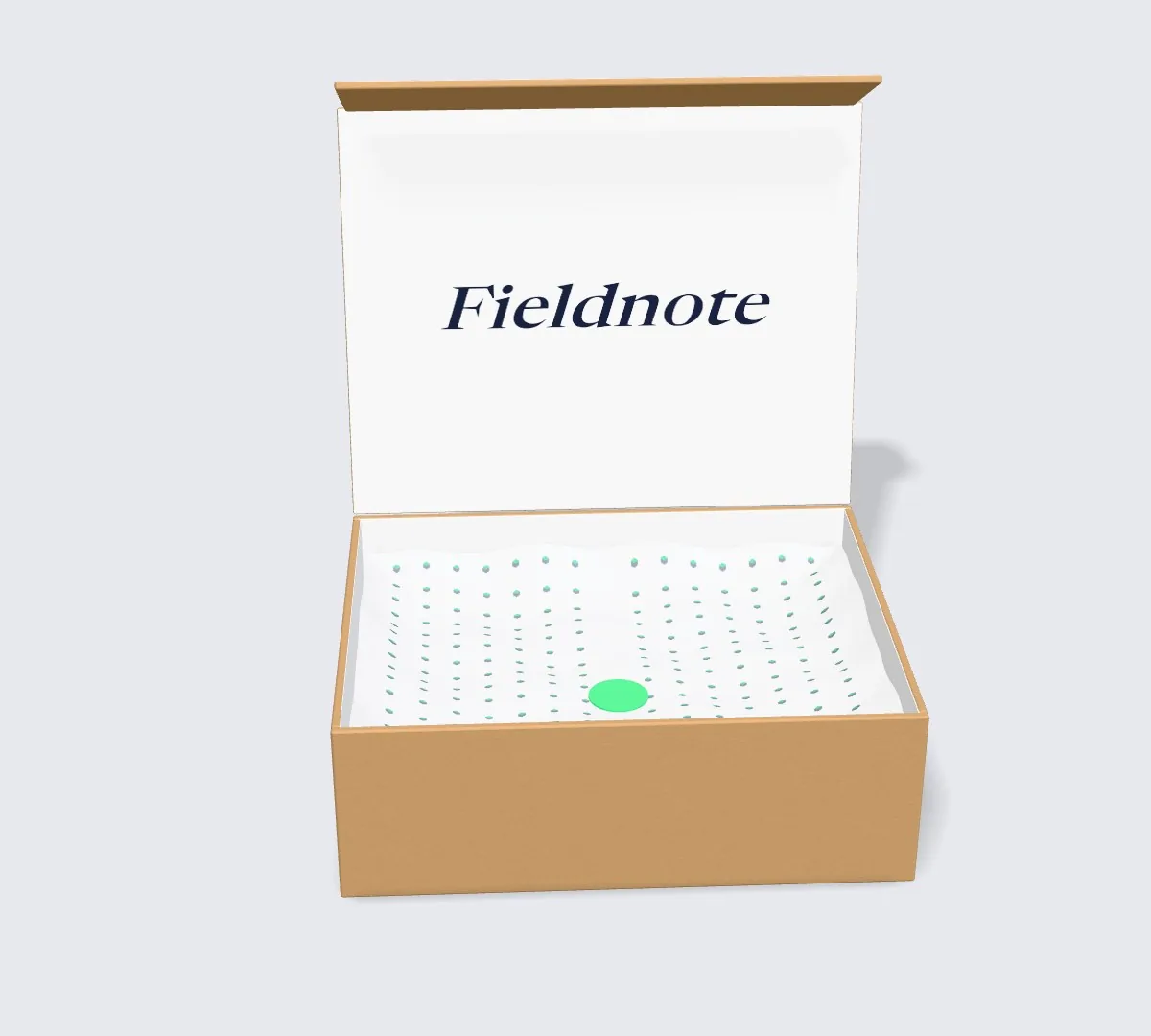
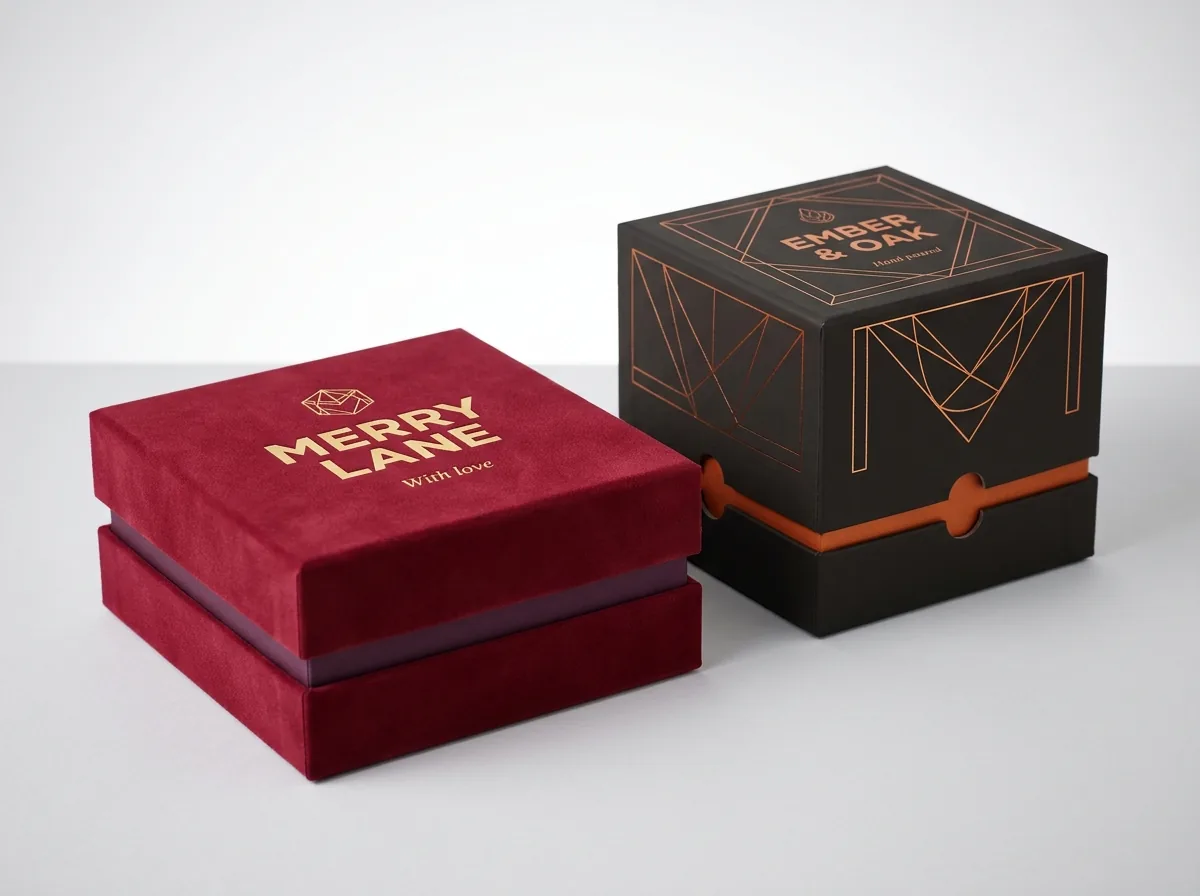
A custom two-piece rigid box consists of a telescoping lid and a sturdy base tray formed from 1.5 to 2.0 mm chipboard (gray board) wrapped in smooth coated paper, textured uncoated stock or natural kraft. Unlike thin plastic acetate sleeves that crack at the corners and yellow under retail spotlights, a rigid box protects delicate deckle edges, heavy 220 lb cotton paper and pointed euro-flap envelopes from crushing in transit. Because CubitPack's rigid minimum is just 50 boxes, independent illustrators and letterpress printers can package boutique stationery collections without tying up capital or studio space in thousands of cartons. We can also die-cut a framed window directly into the rigid lid (either patched with clear film or left open as a plastic-free picture frame) and add semicircular thumb notches on the left and right lid walls so customers can lift the cover smoothly.
- 50-unit minimum: launch seasonal or artist capsule collections without bulk inventory risk.
- Desk keepsake value: customers reuse rigid stationery boxes to store stamps, pens and keepsake letters.
- Letterpress & foil synergy: rigid wraps accept deep blind debossing and metallic foil stamping cleanly.
- Optional lid window: combine rigid chipboard walls with a centered die-cut window over the top card.
Why do high-volume stationery publishers choose window tuck-end cartons?
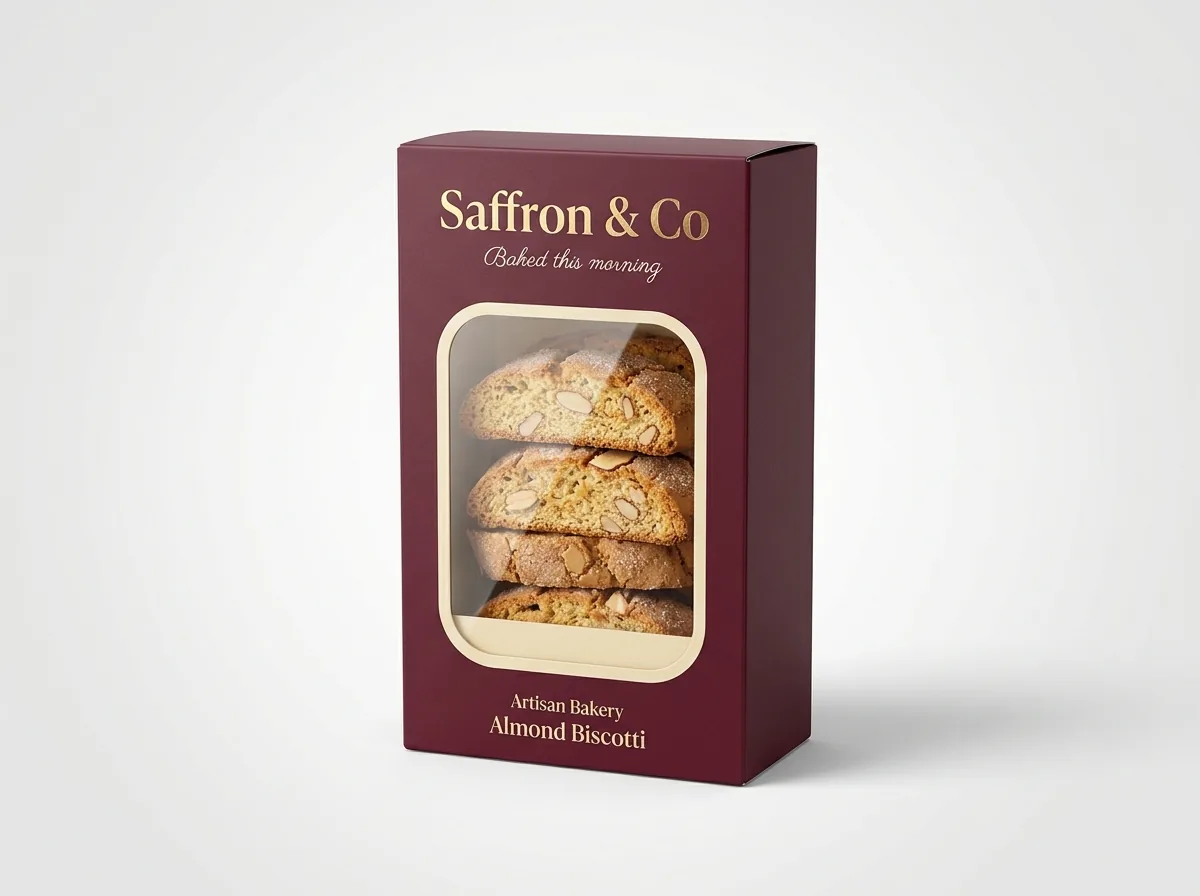
Once your print runs reach 1,000 boxes or more, a die-cut custom window box made from 16 pt to 20 pt white paperboard or unbleached kraft board offers two major operational advantages: flat storage and lower unit cost. A thousand flat-packed A2 folding cartons fit inside a couple of shipping cases under a packing table, whereas a thousand pre-assembled rigid boxes require pallet shelving. In a window tuck-end carton, the front panel features a centered rectangular, arched or custom-shaped die-cut window. When your packer places the top greeting card face-up directly behind that opening and nests the matching envelopes underneath at the back of the stack, the greeting card's own artwork acts as the front cover illustration. That means you can print a single branded carton dieline and use it across a dozen different everyday thank-you, birthday or holiday card designs. On the back panel, you can either print the thumbnail index grid for a dedicated collection or leave a clean framed zone to apply a SKU and barcode sticker.
Know your size? Compare pricing across up to 3 quantities.
Request a Quote →Patched film window vs open die-cut window: which do retail buyers prefer?
Whether you choose a 50-unit two-piece rigid lid or a 1,000-unit folding carton, you can specify the front window in two ways: patched with a clear protective film or left open as an unpatched die-cut frame. Each option appeals to a different retail channel. A clear film patched window seals the cutout against shop dust, fingerprints and humidity, which is essential for high-traffic bookstores, airport gift shops and supermarkets where dozens of shoppers handle the box every week. Conversely, many independent paper boutiques, botanical gardens and museum stores have strict plastic-free merchandising policies. For those accounts, an open die-cut window frame with a 0.5-inch paperboard border lets shoppers touch the cotton paper stock and feel the letterpress impression directly with zero plastic film. Because CubitPack charges no die fees, we cut either window style to your exact artwork layout.
When should you upgrade to a ribbon drawer box, tray-and-sleeve or magnetic organizer?
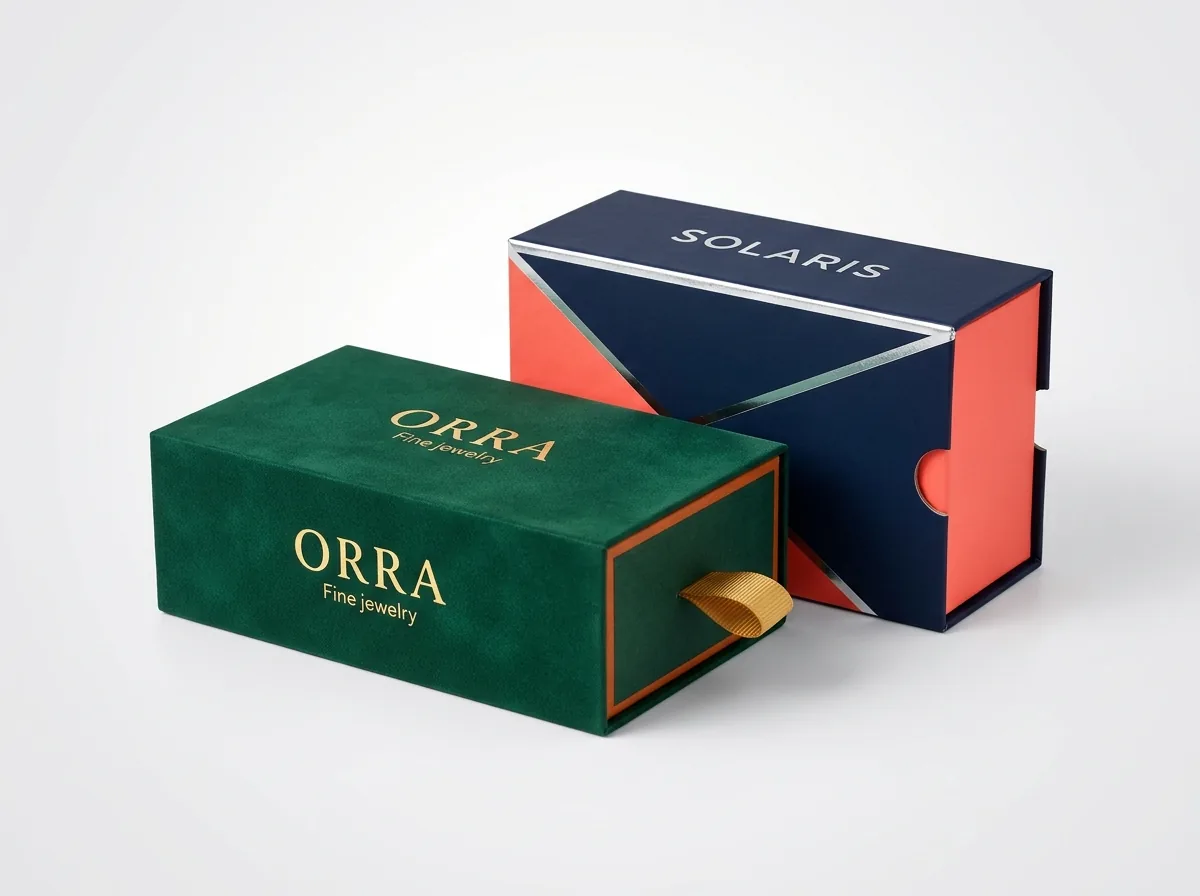
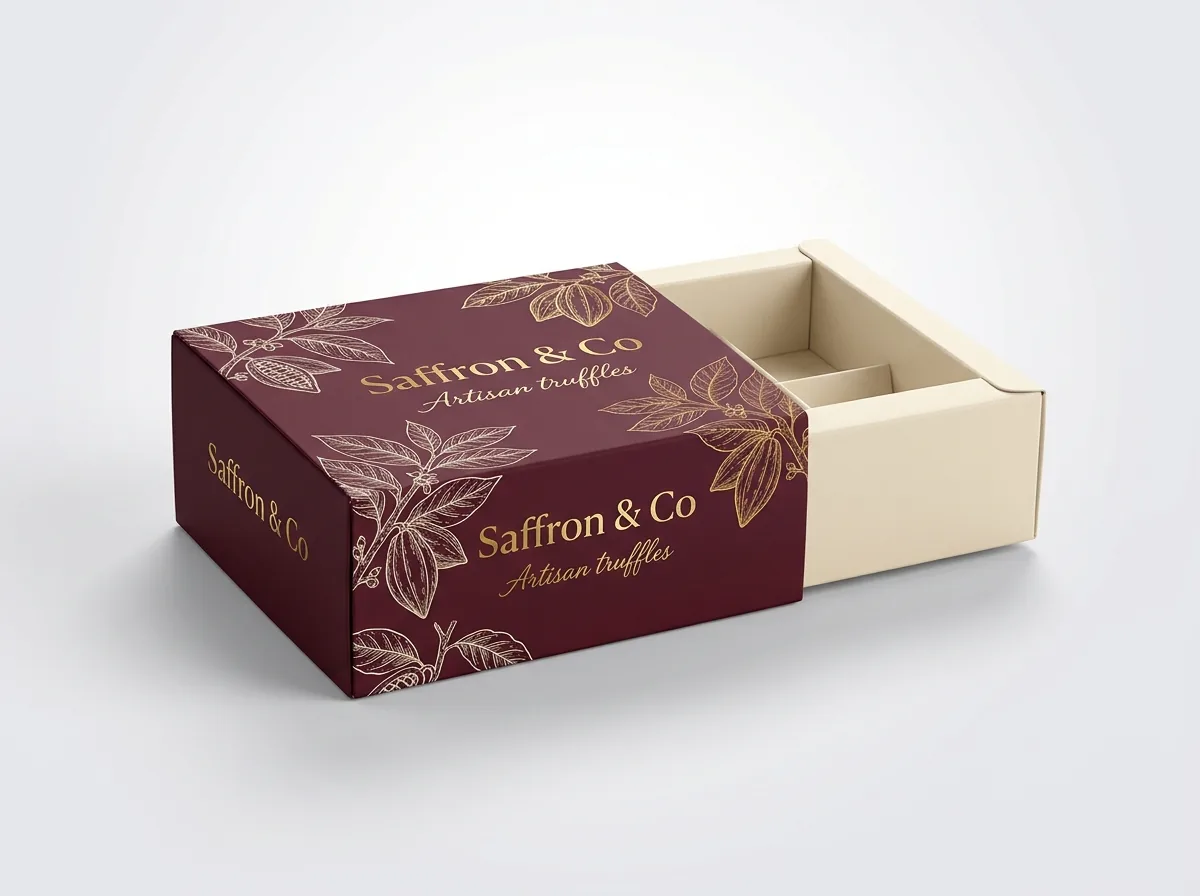
Beyond standard lift-off lids and tuck cartons, three specialty structures solve specific stationery merchandising challenges. First, a custom drawer box (starting at 50 rigid units) uses a satin or grosgrain ribbon pull tab to slide an inner tray out of a rigid outer casing. Drawer boxes are ideal for luxury correspondence kits that pair flat note cards with a brass wax-seal stamp, sealing wax sticks or a fountain pen in a two-well insert. Second, a custom tray and sleeve box pairs a solid base tray with a slide-on outer sleeve or belly band, letting you use one unprinted or logo-stamped base tray across multiple seasonal sleeves. Third, a deep custom magnetic closure box (around 7.75 × 5.75 × 2.5 inches) opens like a clothbound book to reveal 24 to 36 assorted greeting cards organized behind printed paperboard index tabs. If you sell single cello-wrapped greeting cards at retail checkout counters, we also manufacture pop-up custom counter display boxes with stepped dividers from 1,000 units so shops can display 24 to 48 upright cards right beside the register.
- Ribbon-pull drawer box (50 min): horizontal desk presentation for card-and-wax-seal correspondence suites.
- Tray and sleeve box (50 rigid / 1,000 card): modular outer sleeves over a shared base tray.
- Magnetic book organizer (50 min): high-ticket gift set with tabbed dividers for Birthday, Thank You and Blank cards.
- Multi-design split runs: combine 2 or 3+ artwork variations on the same box size in one quote.
What are the most common mistakes when choosing a greeting card box style?
Selecting the wrong structure for your print volume or retail channel can squeeze margins or create storage headaches. Avoid these five mistakes
- Ordering clear plastic acetate boxes that scratch, crack along the fold scores and fail plastic-free boutique buyer rules.
- Choosing set-up rigid boxes for a 3,000-unit holiday run without checking pallet storage space in your studio.
- Specifying an open unpatched die-cut window for dusty high-traffic retail racks without securing the inner card stack.
- Forgetting side thumb notches on a full-depth two-piece rigid lid, making it difficult to lift the cover off a snug tray.
- Printing separate small runs of window cartons for every card illustration instead of letting the top card show through one shared window dieline.
Find your size
Suggested inside size: 5.375 × 3.875 × 0.75 in
A starting point. Your account manager confirms the size with you before the proof.
Quote this size →Packaging for this
Ready to order greeting card boxes? Compare up to 3 quantities with a free 3D mockup.
Request a Quote →Questions about greeting card boxes
What is the minimum order quantity for rigid vs folding greeting card boxes?
At CubitPack, custom rigid greeting card boxes (including two-piece lift-off lid boxes, ribbon drawer boxes and magnetic book organizers) start at 50 units. Custom printed paperboard or kraft folding cartons (including window tuck-end boxes) start at 1,000 units.
Can a two-piece rigid greeting card box also have a clear display window?
Yes. We can die-cut a centered rectangular, square or arched window directly through the rigid chipboard (gray board) lid and wrap paper, either patched with clear protective film or left open as a plastic-free frame so the top card shows through.
Which greeting card box style takes up the least storage space in a small studio?
Window tuck-end folding cartons (from 1,000 units) ship and store 100 percent flat until you fold them by hand. If you want a rigid box feel that also stores flat from 50 units, ask for a collapsible foldable rigid box.
Why are paperboard window cartons better than clear plastic acetate card boxes?
Clear acetate boxes scratch easily during packing, crack at the corners in cold weather, and are rejected by retailers with plastic-free rules. A paperboard or rigid window box protects card corners and gives you room for foil branding and back-panel thumbnails.
Can I use one window box design for multiple greeting card SKUs?
Yes. Because the front window showcases the actual top greeting card inside the stack, many publishers print one universal front lid design and apply a small SKU or barcode sticker on the back panel for each assortment.
Can I feel sample rigid and window folding card boxes before placing my order?
Yes. You can order our $50 sample kit (credited toward your production order) to compare rigid wraps, paperboard calipers, window patching and foil stamping in person. Every order also includes a free 2D proof and 3D mockup before payment.
Still have a question? Ask a packaging specialist.
Request a Quote →Request your greeting card boxes quote
Tell us your size and quantities, and one dedicated account manager prepares pricing for each tier.
- Free design & AI-to-print studio + 3D mockup
- No die or plate charges · 4–5 day rush available
- Free shipping to all 50 states
- 10% off your first order
This comparison uses CubitPack's decided minimums (50 rigid boxes, 1,000 folding cartons) from our published product specifications and standard retail stationery merchandising guidelines. A CubitPack packaging specialist checked every section. Spot something wrong? Tell us and we will fix it.
Sources
What changed
- October 22, 2026: First published.
- October 22, 2026: Updated specifications, terminology, and verified source links.
More guides
New packaging guides by email
Sizes, materials and design tips. Unsubscribe anytime.