
Retort vs hot-fill vs HPP baby food spout pouches: which barrier film fits your puree?
Short answer: High-acid fruit purees (pH < 4.6) use 190°F hot-fill pouches; low-acid veggie, meat and grain blends (pH > 4.6) require 4-layer foil and RCPP pouches for 250°F steam retort; and refrigerated blends use foil-free clear barrier films for 87,000 psi HPP on custom baby food spout pouches.
On this page
- How do steam retort, hot-fill and cold-pressed HPP baby food spout pouches compare
- When should you use hot-fill spout pouches for fruit purees and applesauce
- When do baby food spout pouches require 240°F to 250°F steam retort films
- Why do cold-pressed HPP baby food pouches require foil-free clear barrier films
- How do you pair retort, hot-fill or HPP pouches with retail display trays and multipack boxes
- Common mistakes
- FAQs
Request a custom quoteFree dieline & 3D mockup
When parents pick up two infant squeeze pouches in the grocery aisle, an ambient shelf-stable pouch and a refrigerated cold-pressed pouch look nearly identical from the outside. Inside the laminate, however, the polymer layers, adhesives, spout resin and inner sealant film are engineered for completely different food-safety processes. The 4.6 pH food-safety cutoff separates high-acid fruit purees that can be hot-filled at 185°F to 195°F from low-acid sweet potato, pea, oat, bean, chicken and bone-broth blends that must undergo 240°F to 250°F pressurized steam retort sterilization in a 4-layer aluminum-foil and cast polypropylene (RCPP) pouch. Cold-pressed refrigerated baby foods processed under 87,000 psi (600 MPa) of High Pressure Processing (HPP) water pressure cannot use aluminum foil at all because hydrostatic compression flex-cracks rigid foil and blocks in-line metal detection.
How do steam retort, hot-fill and cold-pressed HPP baby food spout pouches compare?
Running a standard polyethylene pouch through a 250°F steam retort autoclave melts the side seals and delaminates the ink layer, while running a rigid aluminum-foil retort pouch through an 87,000 psi HPP vessel creates microscopic pinhole fractures in the foil barrier. Review the side-by-side matrix below with your food scientist and co-packer before locking in your laminate spec for printed infant puree squeeze pouches. Every process also requires matching the plastic spout resin (PE vs PP) to the inner sealant film of the pouch so the canoe-shaped spout flange fuses into a leak-proof top shoulder weld during converting.
| Feature | Steam Retort Pouch (Low-Acid) | Hot-Fill Pouch (High-Acid) & Cold HPP Pouch |
|---|---|---|
| Puree pH & recipe type | pH > 4.6: veggies, meats, beans, oats, bone broth | Hot-fill: pH < 4.6 fruit purees · HPP: refrigerated cold-pressed blends |
| Sterilization process | 240°F to 250°F (116°C - 121°C) steam autoclave | Hot-fill: 185°F - 195°F liquid fill · HPP: 87,000 psi cold water bath |
| Typical film stack | PET / Aluminum Foil / Nylon / Retort RCPP | Hot-fill: PET / Foil or AlOx / PE · HPP: PET / Nylon / EVOH / PE |
| Spout & inner sealant resin | Polypropylene (PP) spout + RCPP inner film | Polyethylene (PE) spout + high-temp or food-contact PE inner film |
| Clear window or bottom gusset | Opaque with foil; clear only with retort AlOx/SiOx film | Yes, clear back window or clear bottom gusset available |
| Storage & typical shelf life | Ambient grocery shelf (12 to 18 months) | Hot-fill: 9 to 12 mos ambient · HPP: 30 to 120 days refrigerated |
When should you use hot-fill spout pouches for fruit purees and applesauce?
High-acid fruit purees (including apple, pear, blueberry, strawberry, mango, prune, and vegetable blends acidified below pH 4.6 with lemon juice) naturally inhibit *Clostridium botulinum* spore growth without autoclave cooking. Instead of heating a sealed pouch under steam pressure, the co-packer pasteurizes the puree in a tubular heat exchanger, fills the pouch at 185°F to 195°F (85°C to 90°C), caps it immediately so the hot puree sanitizes the inner 8.6 mm spout neck, and conveys the pouch through a cooling water tunnel. Hot-fill custom spout pouches use a multi-layer laminate bonded to a high-temperature polyethylene (PE) inner sealant film and a matching PE center spout. If you want complete light protection for 12-month ambient grocery distribution, pair the outer PET print layer with aluminum foil or metallized VMPET. If you want parents to see the golden applesauce or pear puree through a bottom gusset window, specify a transparent ceramic-oxide (AlOx or SiOx) or high-barrier EVOH hot-fill film.
- Finished equilibrium pH below 4.6: required to qualify for 185°F to 195°F hot-fill pasteurization.
- Immediate inversion or cap-neck sanitization: hot puree contacts the inner spout throat before cooling.
- Cooling-tunnel adhesive bond: hydro-resistant adhesives prevent wrinkling as pouches chill from 190°F to 85°F.
When do baby food spout pouches require 240°F to 250°F steam retort films?
Any shelf-stable baby food with a finished equilibrium pH above 4.6 (including sweet potato, butternut squash, carrot, green pea, spinach, oatmeal, quinoa, lentil, chicken, beef, salmon and bone broth) must undergo pressurized thermal sterilization at 240°F to 250°F (116°C to 121°C) inside a steam or superheated-water-spray retort autoclave for 25 to 45 minutes. Standard polyethylene (LLDPE) sealant layers soften around 212°F to 220°F and will burst inside a retort chamber. True retort baby pouches use a 4-layer laminate: outer PET for heat-resistant printing, Aluminum Foil (or retort-grade AlOx-PET) for zero oxygen and light transmission, Biaxially Oriented Nylon (OPA) for flex-crack and tray-abrasion resistance, and an inner Retort Cast Polypropylene (RCPP) sealant layer. Because the inner sealant is polypropylene (RCPP), the top-center 8.6 mm spout must also be molded from polypropylene (PP) so the canoe flange thermally fuses into a hermetic weld. Retort pouches also require wider 6 mm to 8 mm side heat seals and 10% to 12% unfilled headspace so the sealed bag can expand and contract safely during autoclave overpressure and cooling.
Know your size? Compare pricing across up to 3 quantities.
Request a Quote →Why do cold-pressed HPP baby food pouches require foil-free clear barrier films?
Refrigerated organic baby food brands use High Pressure Processing (HPP) to inactivate pathogens at 40°F to 50°F without thermal cooking, preserving bright green spinach, purple berry and fresh avocado colors alongside heat-sensitive nutrients. Inside the HPP vessel, cold water pressure climbs to 87,000 psi (600 MPa) for 1 to 3 minutes, compressing the volume of the puree and pouch by 12% to 15% before rebounding to normal size. Rigid aluminum foil cannot survive that 15% hydrostatic compression-and-rebound cycle without developing flex-cracks and white stress creases, and aluminum foil prevents co-packers from running filled pouches through standard in-line metal detectors. Instead, HPP baby pouches use 100% foil-free, clear high-barrier laminates such as PET / Biaxial Nylon / EVOH / LLDPE bonded with water-bath-resistant adhesives. Because the base laminate is naturally transparent, you can add a clear back inspection window or a clear bottom gusset simply by knocking out the white ink underbase.
- Zero aluminum foil: prevents 87,000 psi hydrostatic flex-cracking and allows 100% in-line metal detector pass-through.
- Elastic biaxial nylon + EVOH core: stretches and rebounds under 600 MPa cold water compression without delaminating.
- Built-in clear window capability: leave an unprinted zone on the back panel or bottom gusset at zero extra tooling cost.
How do you pair retort, hot-fill or HPP pouches with retail display trays and multipack boxes?
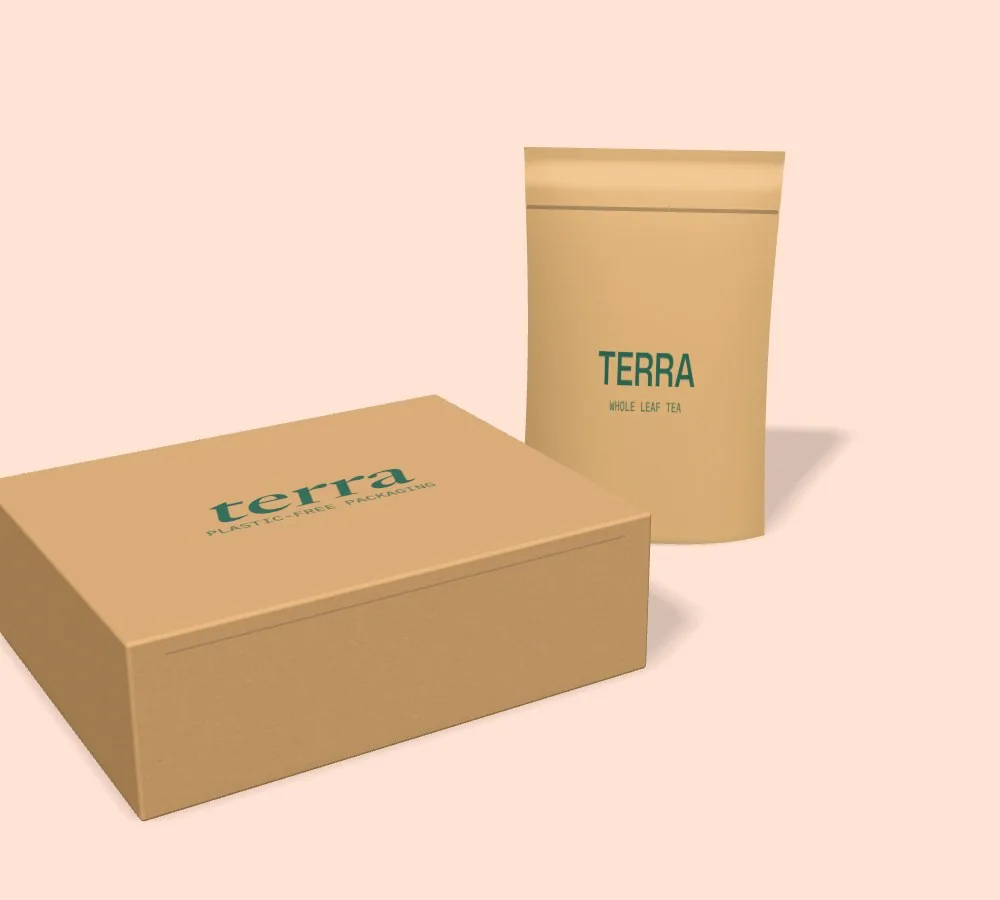
Once your pouches exit the retort cooling rack, hot-fill drying knife or HPP drying blower, they pack directly into grocery shelf caddies or club-store multipacks. Because cold-pressed HPP pouches live in humid 38°F refrigerated cases, pair them with moisture-resistant coated paperboard custom food boxes and custom counter display boxes finished with gloss or matte lamination. Ambient shelf-stable hot-fill and retort pouches can ship in perforated paperboard grocery caddies, 4-pack and 6-pack folding cartons, or e-commerce custom mailer boxes. Standardizing your 3.5 oz or 4.0 oz pouch footprint across both your fruit hot-fill SKUs and your vegetable retort SKUs lets every flavor fit the exact same retail display tray.
What are the most common barrier film mistakes on baby food spout pouches?
Mismatching your pouch laminate or spout resin to your thermal or high-pressure sterilization cycle leads to blown seals or delaminated film. Avoid these five mistakes
- Specifying a polyethylene (PE) inner sealant and PE spout for a 250°F steam retort run, which melts the spout weld because retort requires polypropylene (RCPP film + PP spout).
- Running an aluminum-foil pouch inside an 87,000 psi HPP pressure vessel, causing foil flex-cracks, delamination and metal-detector rejection.
- Placing a large front clear window on an ambient shelf-stable green pea or banana puree pouch, where supermarket LED lighting turns the puree brown within weeks.
- Assuming a sweet-potato, oat or yogurt blend can be hot-filled at 190°F without verifying finished equilibrium pH below 4.6 with a thermal process authority.
- Skipping a live co-packer trial of sample pouches through the full autoclave or HPP water basket before ordering printed production rolls.
Packaging for this
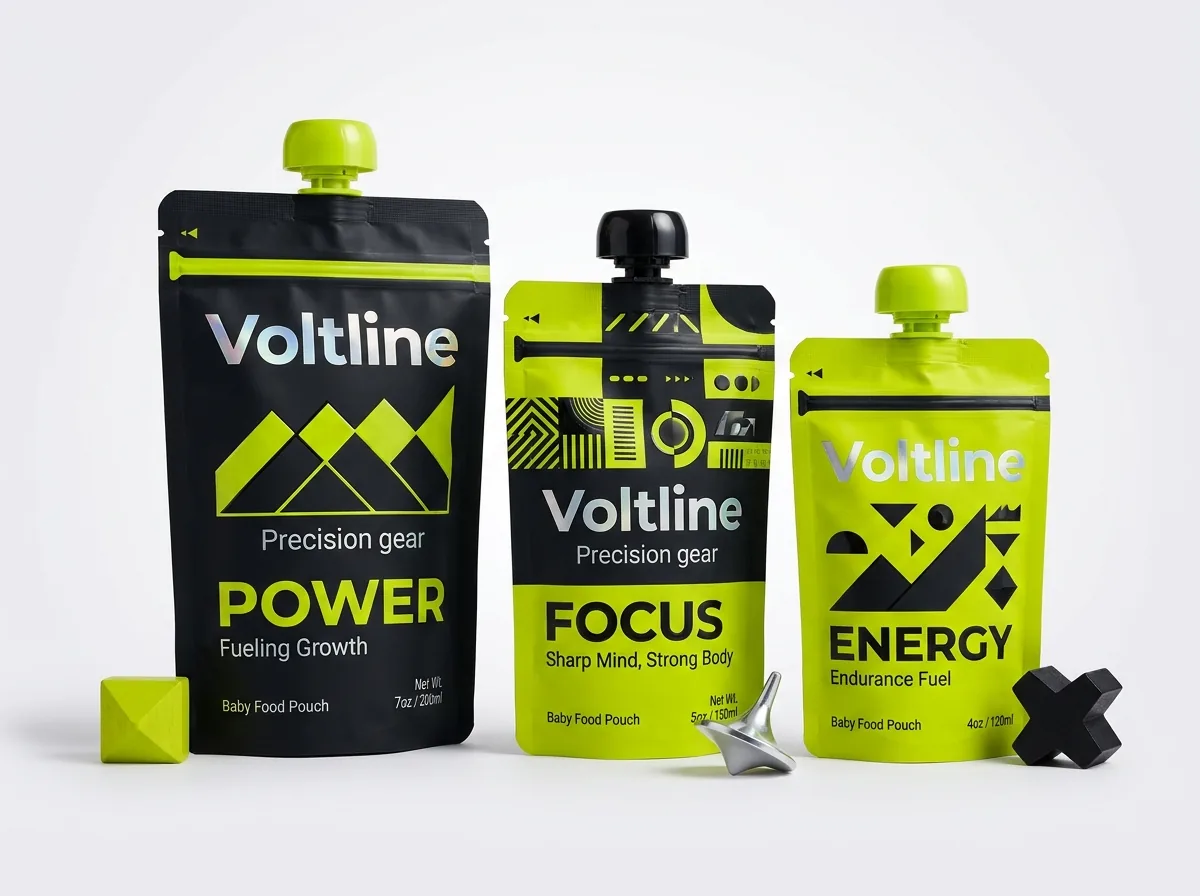
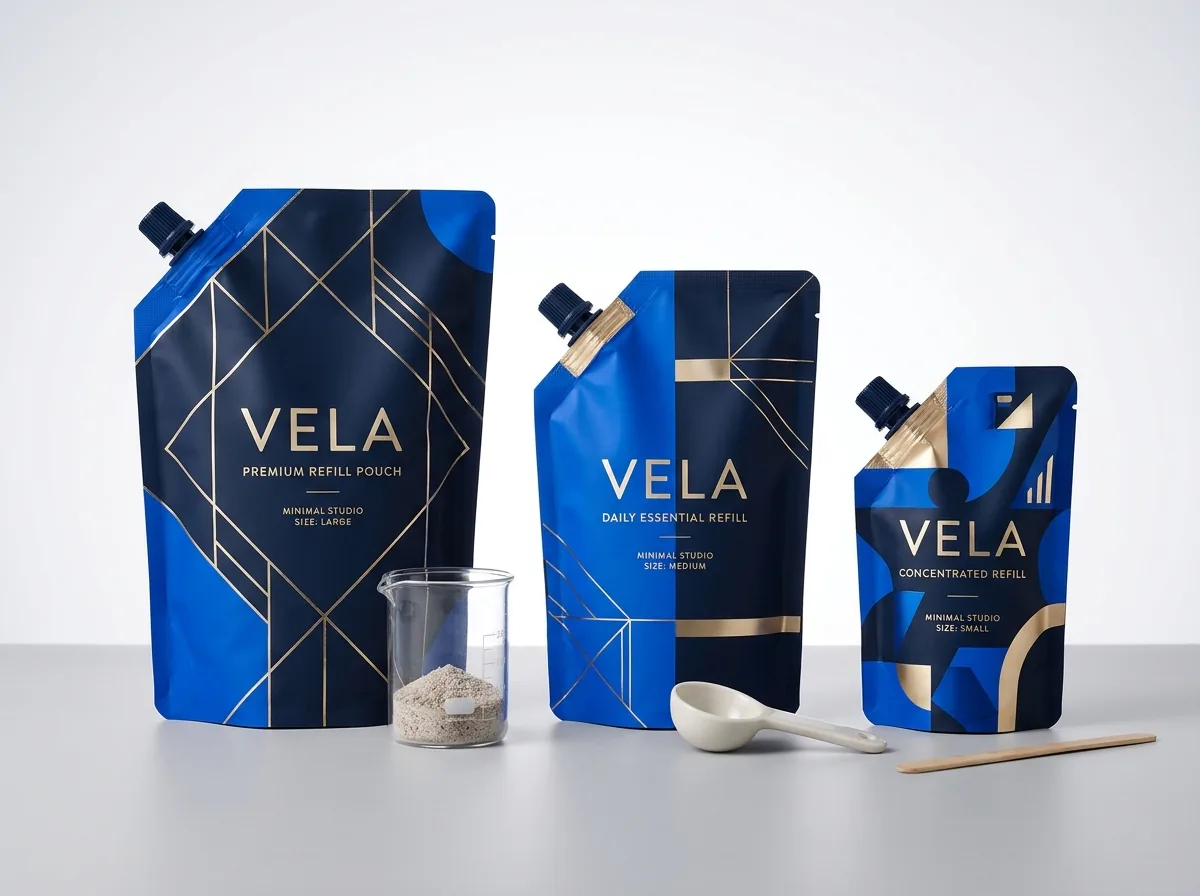
Ready to order baby food spout pouches? Compare up to 3 quantities with a free 3D mockup.
Request a Quote →Questions about baby food spout pouches
How do I know if my baby food recipe needs a retort pouch or a hot-fill pouch?
Your thermal process authority determines this based on equilibrium pH and water activity. Purees with a natural or acidified pH below 4.6 (like apple, pear, berry and mango) typically qualify for 185°F to 195°F hot-fill pouches, while low-acid recipes with a pH above 4.6 (like sweet potato, peas, meats and grains) require 240°F to 250°F steam retort pouches.
Why do retort pouches use polypropylene (PP) spouts while hot-fill and HPP pouches use polyethylene (PE) spouts?
The plastic spout flange must thermally fuse to the inner sealant layer of the pouch film. Because retort pouches use cast polypropylene (RCPP) inner film to survive 250°F steam, the spout must also be molded from polypropylene (PP). Hot-fill and HPP pouches use polyethylene (PE) inner films, so they pair with PE spouts.
Can I get a clear inspection window on a shelf-stable baby food spout pouch?
Yes. While aluminum-foil pouches are 100% opaque, we can build hot-fill and select retort pouches using transparent ceramic-oxide (AlOx or SiOx) high-barrier films so you can leave an unprinted clear viewing window in the bottom gusset or back panel.
Can we print matte or soft-touch finishes on retort and HPP baby pouches?
Matte and gloss finishes can be formulated with retort-grade or HPP-grade outer coatings so they survive autoclave steam or 87,000 psi water baths without hazing. Printed kraft-look film also works across wet processes.
Are your baby food spout pouches available with BPA-free food-contact liners and documentation?
Yes. Food-contact inner sealant films, BPA-free laminates and migration test documentation from certified partner facilities are available on request for your QA team and co-packer.
How can we test retort or HPP pouches on our co-packer's line before ordering?
Order our $50 sample kit (credited toward your production order) or request unprinted trial pouches in your target barrier class to validate spout-rail feeding, heat sealing and autoclave or HPP performance before printing.
Still have a question? Ask a packaging specialist.
Request a Quote →Request your baby food spout pouches quote
Tell us your size and quantities, and one dedicated account manager prepares pricing for each tier.
- Free design & AI-to-print studio + 3D mockup
- No die or plate charges · 4–5 day rush available
- Free shipping to all 50 states
- 10% off your first order
The barrier film comparisons in this guide are based on FDA 21 CFR Part 113 (low-acid canned foods, pH > 4.6) and Part 114 (acidified foods, pH <= 4.6) thermal processing thresholds, RCPP vs PE seal temperatures, and 600 MPa (87,000 psi) HPP laminate flex standards, verified by a CubitPack packaging specialist. Spot something off? Tell us and we will fix it.
Sources
What changed
- October 22, 2026: First published.
- October 22, 2026: Updated specifications, terminology, and verified source links.
More guides
New packaging guides by email
Sizes, materials and design tips. Unsubscribe anytime.