
How do you choose hot-fill barriers and spout sizes for custom sauce pouches?
Short answer: Match your custom sauce spout pouches to three culinary specs: spout inner throat diameter (8.6 to 10 mm for smooth hot sauces, 13 to 16 mm for chunky garlic aioli or salsa, 16 to 22 mm for foodservice bags), filling temperature (cold-fill vs 185°F–195°F hot-fill), and acid/oil food-safe inner liners on request.

On this page
- Which spout inner diameter and cap style fits smooth vs chunky condiments
- What barrier film and food-safe inner liner do acidic, oily and hot-filled sauces need
- Should you pick a top-center squeeze spout or a 45-degree corner pour spout
- How do you design spice windows, measure ticks and heat-scale colors across SKUs
- What drives the cost of custom sauce spout pouches and how do I get a quote
- Common mistakes
- FAQs
Request a custom quoteFree dieline & 3D mockup
Culinary sauces place tougher chemical and thermal demands on flexible packaging than almost any other liquid product. A single smokehouse BBQ glaze or roasted garlic marinara combines low-pH acetic and citric acids (vinegar, lemon juice, tomatoes), essential spice oils (chili, garlic, oregano), coarse suspended particulates (pepper seeds, minced herbs, diced onions), and elevated filling temperatures up to 195°F (90°C) for shelf-stable pasteurization. If the spout throat is too narrow, garlic and chili flakes bridge across the neck and clog the squeeze stream. If the film laminate uses standard cold-fill adhesives or a generic inner layer, high acid and heat can weaken the heat seals during water-bath cooling. Matching spout bore, cap style and food-contact barrier film on request keeps every pouch flowing cleanly and sealed tight from the co-packing line to your customer's kitchen.
Which spout inner diameter and cap style fits smooth vs chunky condiments?
In co-packing and food engineering, the golden rule for dispensing particulates through a rigid nozzle is the 3× clearance rule: the inside diameter (bore) of the plastic spout throat must be at least three times wider than the largest solid spice flake, seed or diced vegetable piece in your recipe. Otherwise, two or three pieces wedging into the neck at the same moment will arch together and block the flow. When you configure custom printed sauce pouches at CubitPack, our specialists match the spout throat and cap closure to your condiment's viscosity and particle size. A thin fermented habanero sauce needs a narrow drizzle orifice so diners do not accidentally flood their plate, whereas a rustic chimichurri or tartar sauce needs a wide open throat. Use the table below to select the right fitment combination for your recipe.
| Spout bore & position | Max particulate size | Recommended cap closure | Ideal condiment textures & recipes |
|---|---|---|---|
| 8.6 mm to 10 mm · Top-center | Smooth or fine powder (<2 mm) | Flip-top drizzle nozzle or screw cap | Aged hot sauce, sriracha, soy glaze, truffle oil, yellow mustard |
| 13 mm wide bore · Top-center | Crushed seeds & minced herbs (up to 4 mm) | Wide flip-top or tamper-evident screw cap | Garlic herb aioli, chipotle mayo, whole-grain mustard, tahini |
| 16 mm wide bore · Top-center | Diced garlic, pepper & onion bits (up to 5 mm) | Tamper-evident threaded screw cap | Chunky smokehouse BBQ, chimichurri, tartare sauce, relish glaze |
| 13 to 16 mm · 45° Corner weld | Simmer sauces with diced tomatoes/spices | Tamper-evident threaded screw cap | Marinara, vodka pasta sauce, tikka masala, enchilada & wok sauces |
| 16 to 22 mm · Corner + handle | High-flow bulk emulsions & dressings | Heavy-duty screw cap or dispenser adapter | 64 oz to 128 oz restaurant mayo, ranch, ketchup and prep refills |
What barrier film and food-safe inner liner do acidic, oily and hot-filled sauces need?
A custom sauce spout pouch is built from three laminated functional layers: an outer print web (matte, gloss, soft-touch or natural kraft paper), a middle oxygen and light barrier web (aluminum foil, metallized film or transparent high-barrier film), and an inner food-contact sealant layer that touches your sauce and forms the heat welds. At CubitPack, food-contact inner sealant liners and barrier stacks formulated for low-pH vinegar and citrus acids, cooking and chili oils, and hot-fill pasteurization are available on request through certified partner facilities. If your co-packer fills tomato pasta sauce, BBQ glaze or fruit reduction hot at 180°F to 195°F (82°C to 90°C) and holds the sealed pouch before water-bath cooling, tell us your exact fill temperature and dwell time so we specify heat-rated laminating adhesives and a high-temperature spout canoe boss.
- Low-pH acid resistance (pH 2.8–4.5): prevents vinegar, lime juice and tomato acid from migrating through the inner sealant layer.
- Essential oil & fat barrier: stops chili oil, sesame oil and emulsified fats from softening side heat welds.
- Oxygen & UV light barrier: foil or high-barrier clear layers prevent red tomato lycopene and green herbs from turning brown.
- Hot-fill thermal stability: heat-rated adhesives and polyethylene/polypropylene sealants hold firm during 190°F pasteurization cooling.
Should you pick a top-center squeeze spout or a 45-degree corner pour spout?
Spout position changes how cooks hold and empty the bag. A top-center spout sits symmetrically in the middle of the top seal header. When a home cook picks up an 8 oz garlic aioli or 12 oz hot sauce pouch with one hand and squeezes the belly, the sauce jets straight out of the center nozzle onto tacos, burgers or salad bowls without dripping down the side of the bag. A 45-degree corner spout is welded into the upper right or left corner at an angle. When pouring 16 oz to 32 oz of marinara or curry simmer sauce into a hot skillet, or when pouring 64 oz of commissary ranch dressing into a tabletop squeeze bottle, tilting the pouch toward the angled corner lets air enter above the liquid stream so the sauce pours smoothly without glugging. You can also compare our custom drink spout pouches and custom baby food spout pouches to see how fitments vary by product.
Know your size? Compare pricing across up to 3 quantities.
Request a Quote →How do you design spice windows, measure ticks and heat-scale colors across SKUs?
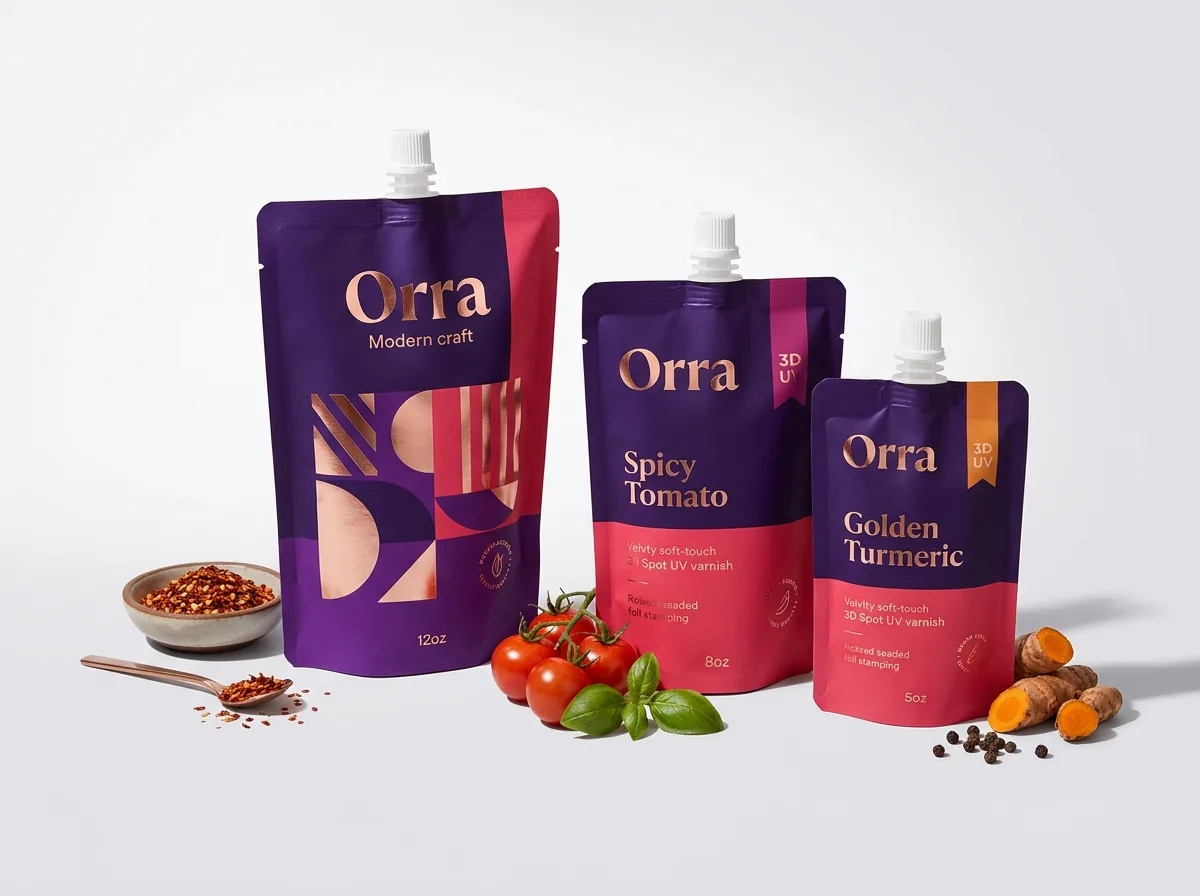
Because flexible pouch film is printed edge to edge before being laminated and formed into a bag, you can build culinary features into the artwork that would cost extra on a glass jar. One of the most useful kitchen details is knocking out a 0.5-inch-wide clear vertical strip along the back side edge and printing 2-tablespoon or 2-ounce measurement tick marks beside it so home cooks can pour exact marinade portions straight into a pan. For condiment brands with Mild, Medium, Hot and Extra Hot flavors, keeping the same pouch dimensions, barrier film stack and spout fitment across every SKU lets you group flavors efficiently. Pair a kitchen-friendly matte or soft-touch finish (which hides oily finger smudges) with gloss spot UV pepper patterns or metallic foil-stamped chef badges, and ship retail cases inside matching custom counter display boxes or custom stand up pouches.
What drives the cost of custom sauce spout pouches and how do I get a quote?
Four factors shape the unit price of custom sauce spout pouches: overall pouch dimensions (Width × Height × Gusset), barrier film construction (ambient cold-fill vs high-temperature hot-fill or foil), spout bore and cap style (standard tamper-evident screw cap vs flip-top squeeze nozzle), and total order quantity across your flavor splits. At CubitPack, you never pay cutting die or printing plate charges, your first order is 10% off, and we beat any written US competitor quote for the same specifications. Minimums depend on the product; we confirm yours with your quote. Every order includes free artwork help, a custom dieline, a 2D digital proof and an interactive 3D mockup before payment, with 10 to 14 business day turnaround (4 to 5 days rush) and free delivery across all 50 US states.
- Share your filling temperature (°F or °C), pH level and largest spice particle size in the quote notes.
- Standardize one pouch size and spout bore across all sauce flavors to maximize volume price breaks.
- Order a $50 sample kit or custom printed sample run to test-fill on your co-packing line.
What are the most common barrier and spout mistakes on custom sauce pouches?
Avoid these five technical specification errors before approving your sauce pouch production proof
- Specifying a narrow 8.6 mm spout for a marinade containing 4 mm crushed chili seeds or minced garlic, which bridges and clogs the throat.
- Forgetting to tell the packaging engineer that your tomato or BBQ sauce is hot-filled at 190°F, leading to film delamination during cooling.
- Using a standard non-barrier film for garlic, onion or truffle oil condiments where pungent aromas and oils migrate through the bag.
- Placing a logo or text right across the top-center canoe weld zone where the heated metal jaws fuse the plastic spout to the film.
- Choosing a wide open screw cap without a flip-top reducer nozzle for a thin table hot sauce that diners expect to drizzle drop by drop.
Packaging for this
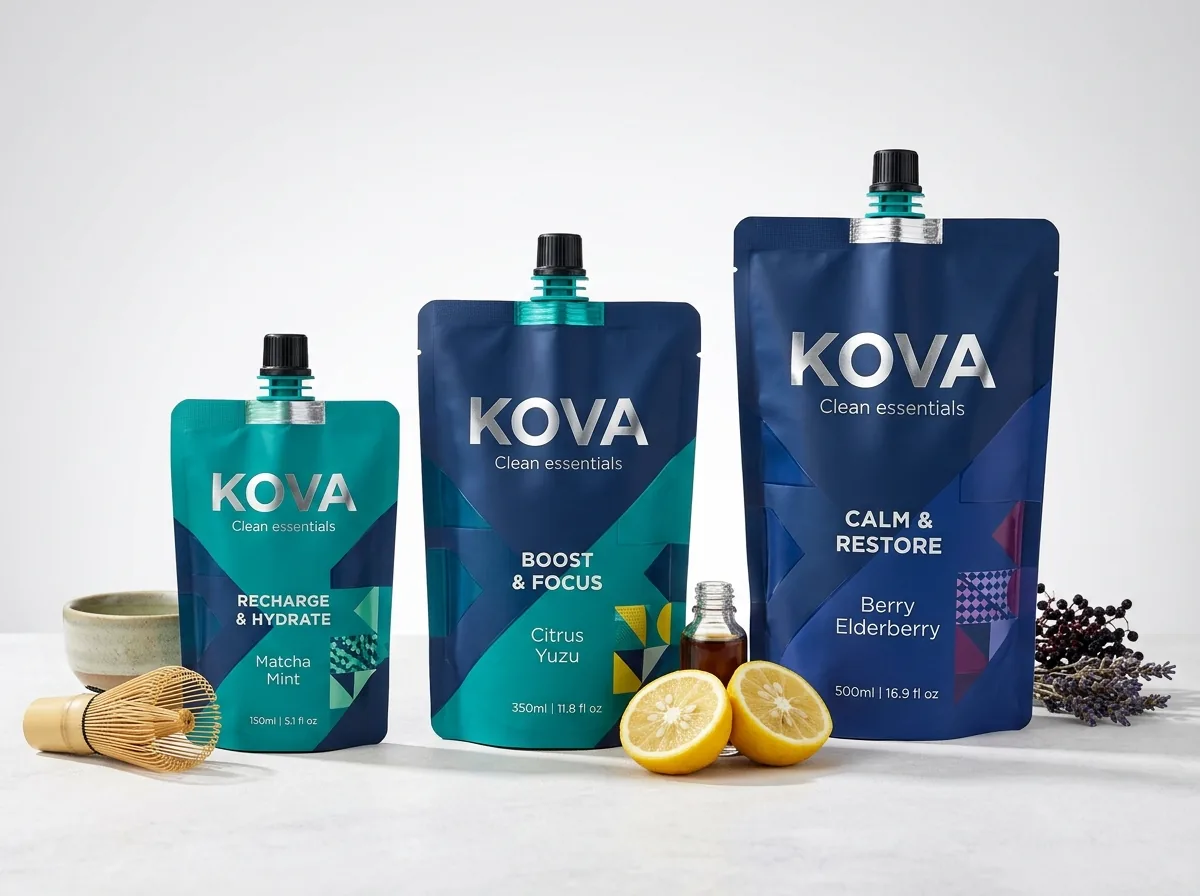
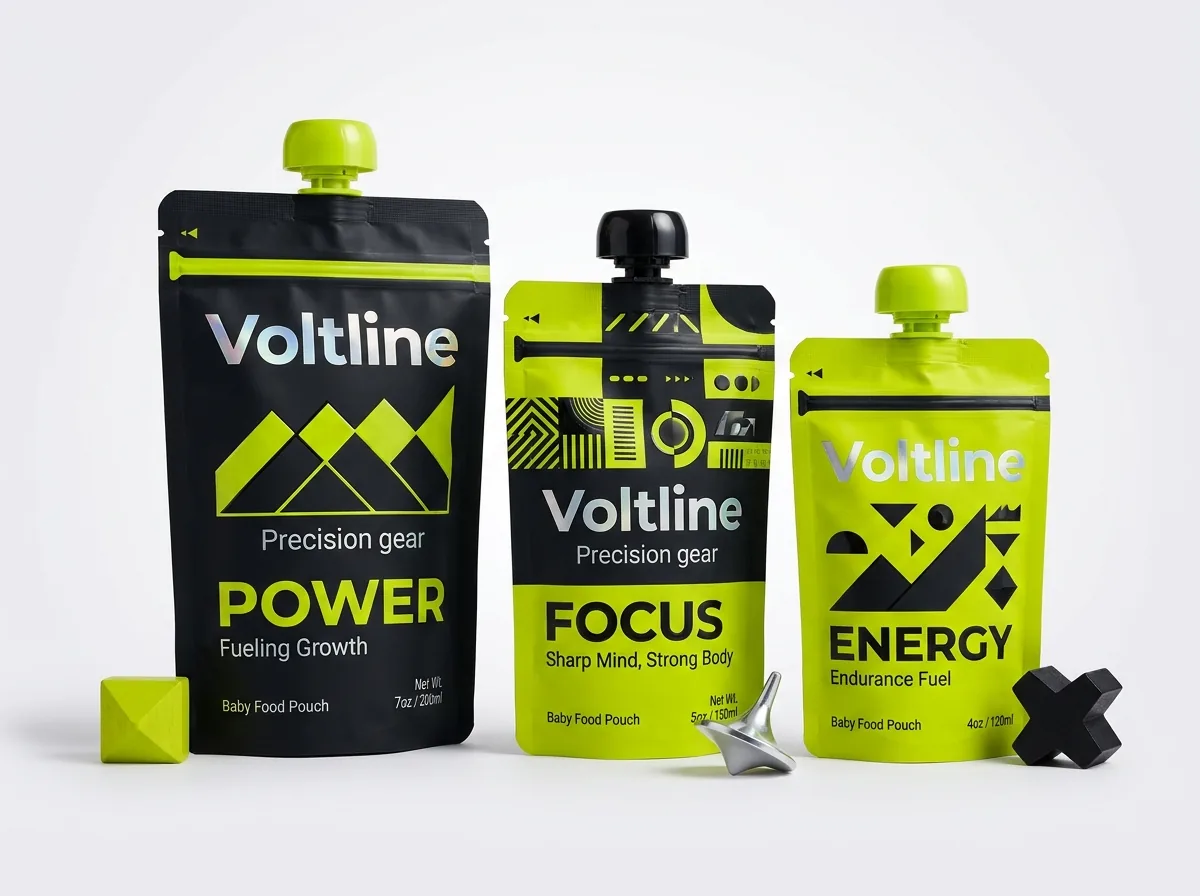

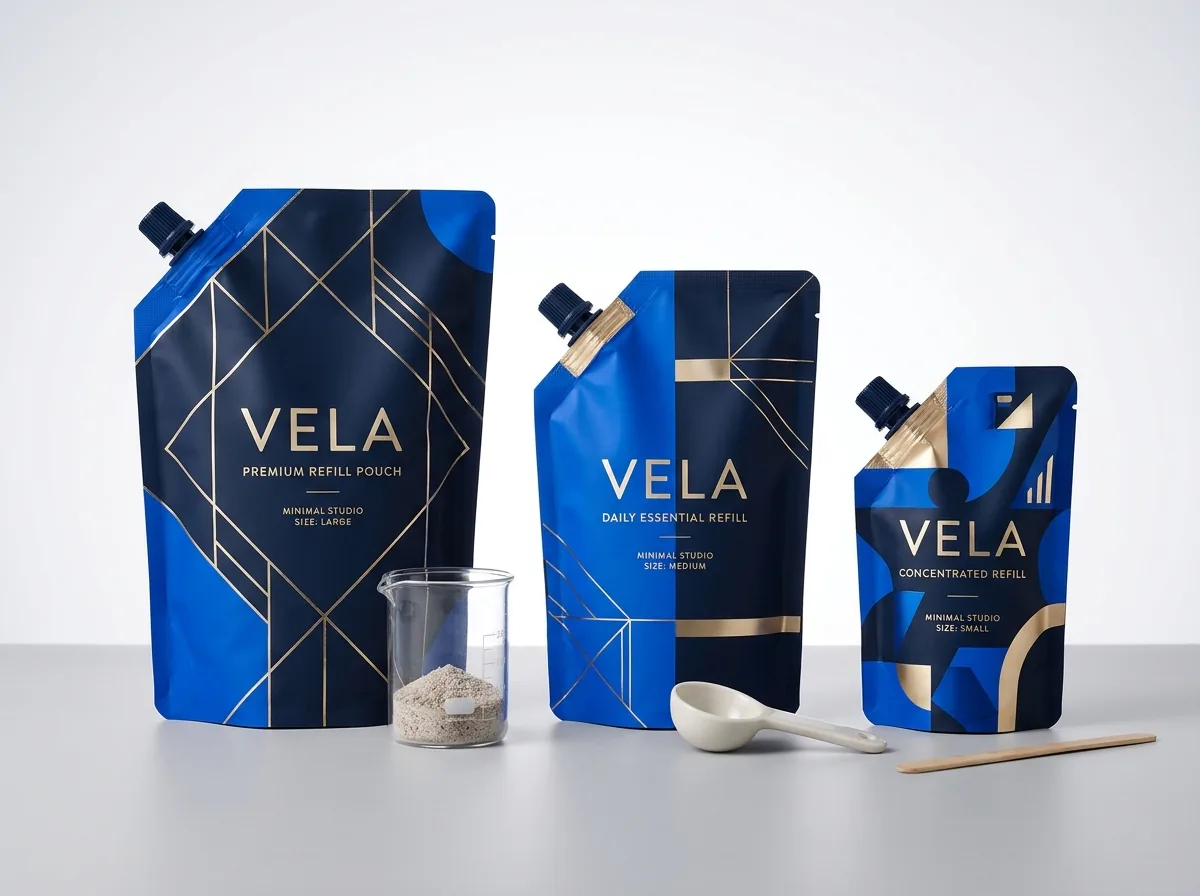
Ready to order sauce spout pouches? Compare up to 3 quantities with a free 3D mockup.
Request a Quote →Questions about sauce spout pouches
What spout diameter do I need for chunky salsa, chimichurri or garlic aioli?
Use the 3× particulate clearance rule: pick a spout inner bore at least three times wider than your largest solid piece. Smooth hot sauces and glazes flow through an 8.6 mm to 10 mm spout, while minced garlic aiolis, salsas and chimichurri marinades need a 13 mm to 16 mm wide-bore spout.
Can custom sauce spout pouches handle 185°F to 195°F hot-fill pasteurization?
Yes, when ordered with heat-resistant barrier laminates, thermal adhesives and hot-fill inner sealant liners on request. Always note your exact filling temperature and whether you cool via water bath or air tunnel when requesting your quote.
Are your sauce pouch liners safe for high-acid vinegar and cooking oils?
Food-contact inner barrier liners engineered to resist low-pH acetic and citric acids (vinegar, lemon juice, tomato paste) as well as vegetable and chili oils are available on request through certified partner facilities.
What is a canoe weld boss on a custom sauce spout pouch?
The canoe boss is the boat-shaped base at the bottom of the plastic spout fitment. Its tapered ribs allow heated sealing jaws to fuse the front and back pouch films tightly around the spout neck without leaving pinhole leaks at the corners.
Can I get tamper-evident caps on both center squeeze spouts and corner pour spouts?
Yes. Threaded screw caps include a molded breakaway tamper-evident security ring that snaps onto the spout neck after capping and breaks free with an audible click the first time your customer twists the cap open.
How do co-packers fill custom sauce spout pouches?
Most condiment co-packers receive pre-made pouches with the plastic spout already welded in place, pump the sauce directly through the spout throat using semi-automatic or rotary spout-filling machines, and torque the tamper-evident cap on immediately.
Still have a question? Ask a packaging specialist.
Request a Quote →Request your sauce spout pouches quote
Tell us your size and quantities, and one dedicated account manager prepares pricing for each tier.
- Free design & AI-to-print studio + 3D mockup
- No die or plate charges · 4–5 day rush available
- Free shipping to all 50 states
- 10% off your first order
The 3× particulate clearance rule, spout inner bore ranges (8.6 mm to 22 mm) and acid/oil/hot-fill barrier considerations in this guide follow flexible packaging engineering standards and FDA food-contact substance guidelines. A CubitPack specialist reviewed every section. Spot an error? Tell us and we will fix it.
Sources
What changed
- October 22, 2026: First published.
- October 22, 2026: Updated specifications, terminology, and verified source links.
More guides
New packaging guides by email
Sizes, materials and design tips. Unsubscribe anytime.