
How do you choose between paperboard, corrugated, and rigid custom packaging boxes?
Short answer: Choose 14–24 pt paperboard folding cartons (from 500–1,000 units) for individual retail shelf products packed inside an outer shipper; choose 32 ECT E-flute or B-flute corrugated mailers (from 100 units) for direct parcel shipping without tape; and choose 1000–1800 gsm V-grooved rigid boxes (from 250 units) for luxury gifting.
On this page
- How do paperboard cartons, corrugated mailers, rigid boxes, and RSC shippers compare
- When should you upgrade from 18–24 pt paperboard to 32 ECT E-flute corrugated board
- How do scaling brands coordinate primary cartons, D2C mailers, and master shippers
- How do you request a custom packaging box quote and 3D proof
- Common mistakes
- FAQs
Request a custom quoteFree dieline & 3D mockup
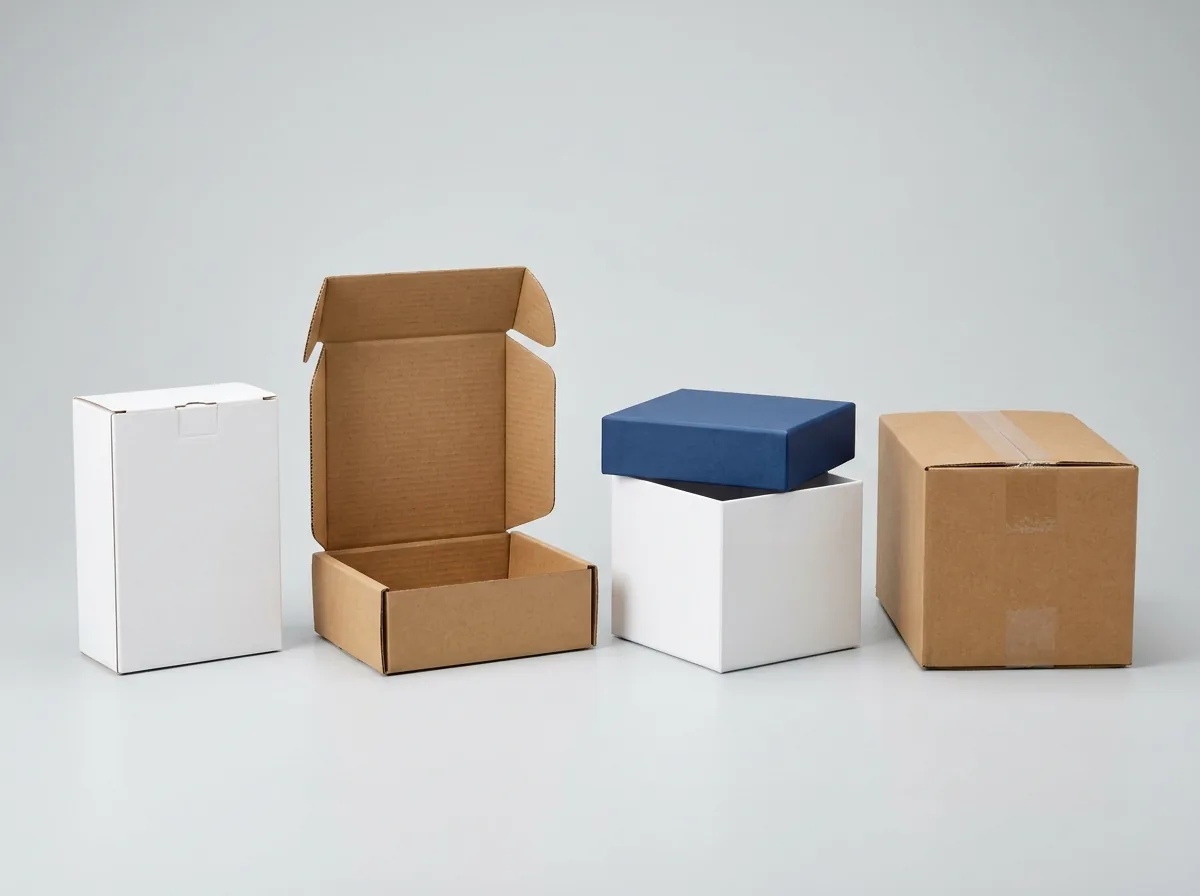
Every physical brand launching custom packaging boxes faces the same foundational architecture decision: should your box be die-cut from single-ply paperboard (14–24 pt), fluted corrugated fiberboard (32–44 ECT E/B/C-flute), or heavyweight V-grooved rigid binderboard (1000–1800 gsm)? The answer comes down to two questions: *does a USPS, UPS, or FedEx shipping label go directly onto the box*, and *what unit weight and price point does the product carry*? Paperboard folding cartons deliver razor-sharp retail shelf presentation at the lowest unit cost and flattest storage footprint, corrugated mailers and RSC shippers absorb parcel carrier drops and stacking loads, and rigid setup boxes deliver non-bending keepsake luxury. Every order includes a free 2D vector CAD dieline and interactive 3D proof before payment. Our packaging specialists help you compare board calipers, unit economics, and pallet volume across all four box families before you commit to production.
How do paperboard cartons, corrugated mailers, rigid boxes, and RSC shippers compare?
When planning a product launch across custom product boxes, custom mailer boxes, custom rigid boxes, and custom shipping boxes on our custom packaging boxes platform, matching the substrate to your distribution channel prevents both crushed parcels and overspending. Compare the four core structural families side by side: Notice how each substrate handles warehouse pallet space versus carrier abuse. Paperboard folding cartons and corrugated boxes ship 100% flat (Knocked-Down Flat / KDF) in protective master cartons, occupying a fraction of the warehouse space required by pre-assembled 3D rigid boxes (unless you specify a 4-corner collapsible magnetic rigid box). When evaluating how shoppers interact with your product across channels, consider whether the customer sees the box first on a retail shelf or on their front porch. In brick-and-mortar retail, a 18 pt to 24 pt SBS folding carton with soft-touch lamination and hot foil stamping sits flush on a display shelf without thick corrugated flute edges. In direct-to-consumer e-commerce, a 32 ECT E-flute mailer box protects the inner product through automated sorting hubs and opens like a presentation chest. When planning inventory across seasonal drops, retail wholesale rollouts, and recurring subscription shipments, matching your box structure to your fulfillment center workflow saves both packing labor and freight expenditure. Our structural specialists evaluate your product fragility, carton stacking requirements, and unboxing presentation goals to recommend the optimal board caliper and closure mechanism.
- Choose custom product boxes when selling individual items on store shelves or packing multiple units inside an outer shipper.
- Choose custom mailer boxes when mailing D2C orders, subscription kits, or PR boxes directly through USPS, UPS, or FedEx.
- Choose custom rigid boxes when presenting high-margin perfumes, watches, jewelry, spirits, or executive gifts.
| Structural family | Board caliper & rating | Safe product weight | Direct parcel carrier ready? | Minimum order |
|---|---|---|---|---|
| Paperboard Folding Cartons | 14–24 pt SBS, Kraft, or CCNB (0.35–0.60 mm) | Up to 16 oz (tuck) or 3–5 lb (auto-lock) | No (pack inside mailer or shipper) | From 500–1,000 boxes |
| Corrugated Mailer Boxes | 32 ECT E-flute (1.6 mm) or B-flute (3.0 mm) | Up to 5 lb (E-flute) or 15 lb (B-flute) | Yes (self-locking FEFCO 0427) | From 100 boxes |
| Rigid Setup Boxes | 1000–1800 gsm V-grooved board (1.5–2.5 mm) | Up to 10+ lb with EVA foam insert | Ship inside snug corrugated mailer | From 250 boxes |
| Corrugated Shipping Boxes | 32–44 ECT B-flute, C-flute, or BC double-wall | Up to 30–65+ lb (single/double wall) | Yes (taped FEFCO 0201 RSC) | From 250 boxes |
When should you upgrade from 18–24 pt paperboard to 32 ECT E-flute corrugated board?
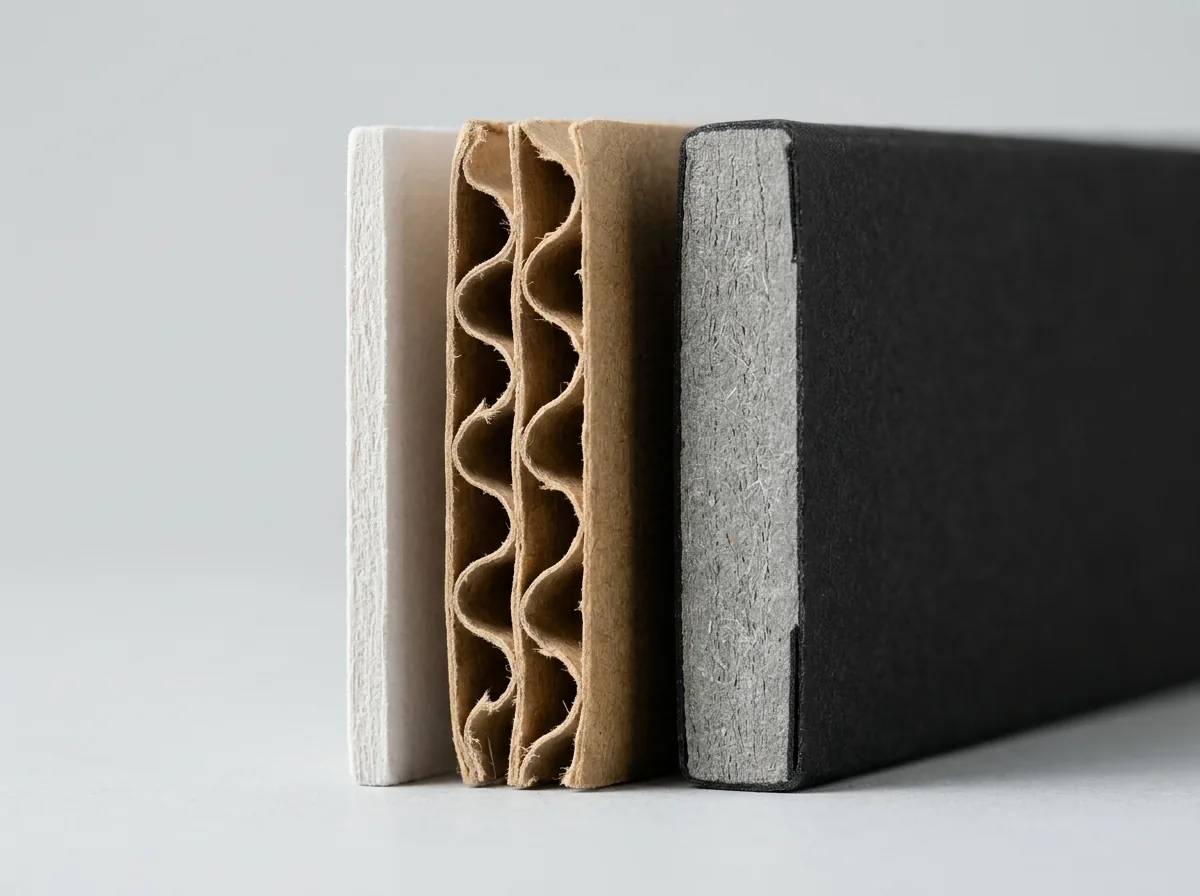
Brands packing heavier retail items such as 12 oz glass candles, ceramic diffusers, espresso hardware, or twin supplement bottles often ask whether to use heavy 24 pt paperboard or thin 1.6 mm E-flute corrugated board. Both can be die-cut into tuck-end, auto-lock bottom, or mailer styles, and both accept offset litho printing with matte or soft-touch lamination: Our packaging specialists verify every dieline fold line and board caliper before sending your interactive 3D digital proof so you can compare both structures. When evaluating how each board performs during fulfillment and retail merchandising, consider both vertical compression strength and edge crispness. A 20 pt to 24 pt SBS folding carton folds along precision creasing rules into a razor-sharp retail edge that stacks neatly on boutique or pharmacy shelves. By contrast, a 32 ECT E-flute corrugated carton incorporates 90 micro-flutes per linear foot sandwiched between two linerboards, giving the wall pneumatic cushioning that absorbs parcel conveyor impacts and side-wall drops.
- Choose 16–20 pt SBS or Kraft Paperboard for lightweight retail items under 12–16 oz (dropper serums, lipsticks, soap bars, tea pouches, blister packs) where ultra-thin, crisp fold edges and compact shelf density matter most.
- Choose 22–24 pt Paperboard + Pre-Glued Auto-Lock Bottom when your retail item weighs 16 oz to 2.5 lb and sits on a store shelf where shoppers pick up the box from the top.
- Choose 32 ECT E-Flute Corrugated (1.6 mm / 90 flutes per foot) when the item weighs 2 to 5 lb, contains fragile glass, or travels through parcel carriers without a separate outer shipping box.
How do scaling brands coordinate primary cartons, D2C mailers, and master shippers?
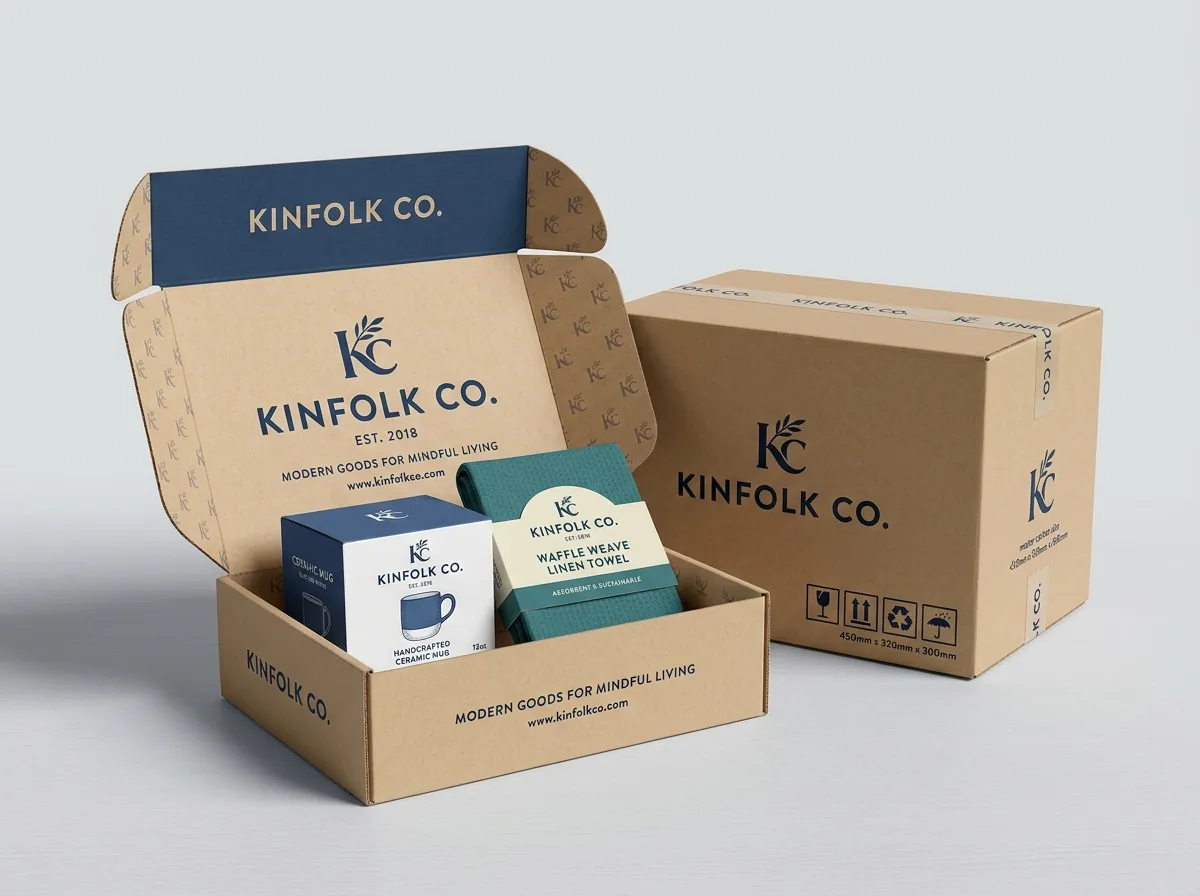
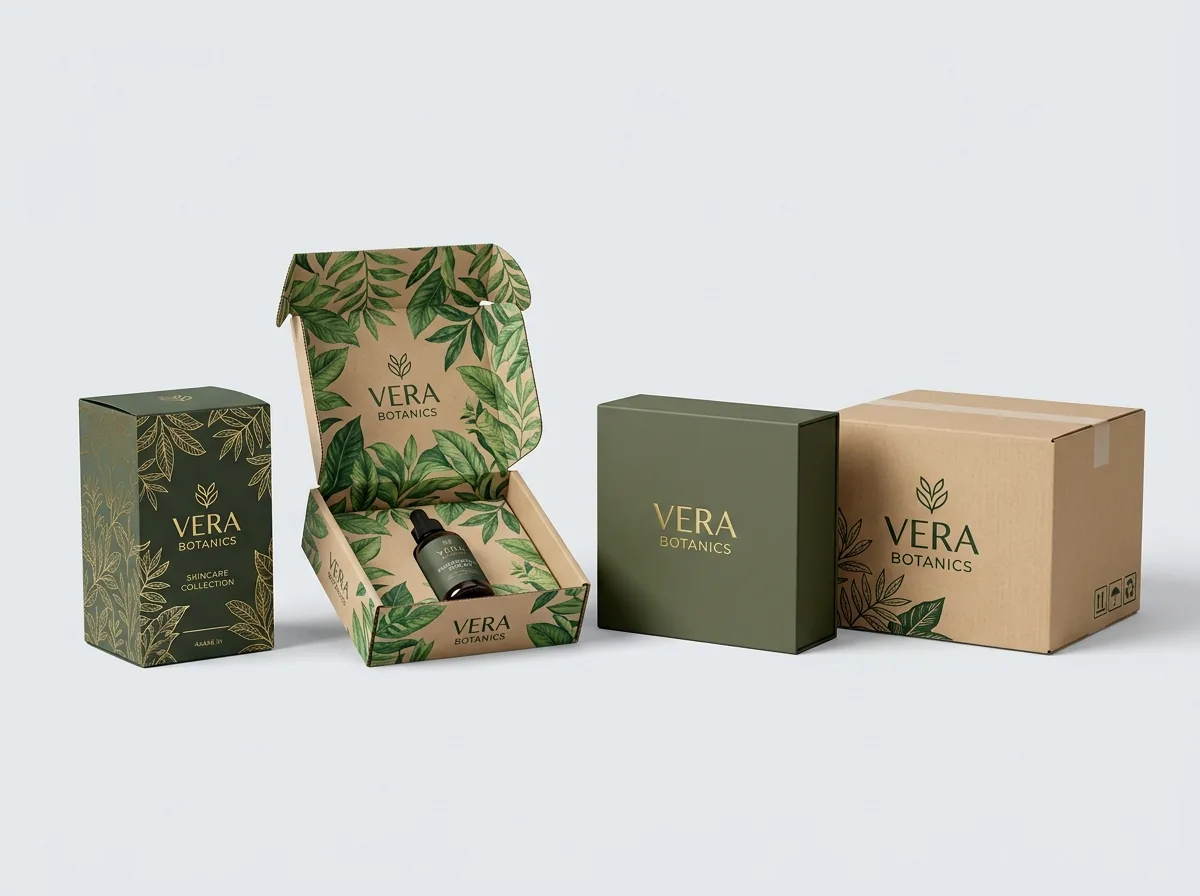
Omnichannel CPG, beauty, wellness, and electronics brands rarely use just one box type. Instead, they engineer a nested three-tier packaging architecture where every layer protects the one inside it: Compare how the three layers work together from factory floor to retail shelf or customer doorstep: Coordinating all three packaging tiers with a single manufacturer eliminates color-matching drift between your primary folding carton, your D2C corrugated mailer, and your master shipping case. Our prepress team locks your target PMS Pantone color values and CMYK profiles across coated paperboard, bleached white kraft linerboard, and specialty rigid wraps so your brand palette looks identical at every touchpoint. Every production order is backed by our zero-die-fee policy, free 2D vector CAD dieline engineering, and an interactive 3D digital proof so your team can inspect outside panels, interior print zones, and insert tolerances before production begins.
- Keep Pantone brand colors, typography, and finish textures consistent across your primary folding cartons and D2C mailers.
- Read our companion guide on how to measure products and choose board caliper for custom packaging boxes.
- Explore finishing and quantity breaks in our custom packaging box finishes, inserts, and MOQ tier pricing guide.
| Packaging tier | Box family & specification | Role in your supply chain |
|---|---|---|
| Tier 1: Primary Unit Box | 18–20 pt SBS Folding Carton (or 1500 gsm Rigid Box) | Holds the individual bottle/jar with barcode, ingredients, and shelf branding |
| Tier 2: D2C Kit / Mailer Box | 32 ECT E-Flute Two-Sided Printed Mailer + Insert | Houses 1 to 4 primary unit cartons for direct-to-consumer parcel unboxing |
| Tier 3: Master Case Shipper | 32–44 ECT B/C-Flute RSC Shipping Carton | Packs 12, 24, or 48 primary cartons or mailers for 3PL and wholesale pallet freight |
Know your size? Compare pricing across up to 3 quantities.
Request a Quote →How do you request a custom packaging box quote and 3D proof?
Whether you need a single SKU carton or a complete suite of folding cartons, mailers, and rigid gift boxes, you can size your cavity in our box size calculator and launch in four steps: Every order includes zero die or plate charges, a free 2D vector CAD dieline, and an interactive 3D digital proof before payment. If you want to physically test paperboard, E-flute corrugated, and V-grooved rigid board side by side before ordering, you can also request our $50 sample kit (credited toward your production order).
- Step 1: Select your box family and enter your usable Inside Dimensions (L × W × H) and quantities in CubitPack's quote form.
- Step 2: Choose your board material (white card, kraft, corrugated, or rigid) and finishes.
- Step 3: Review your free 2D vector CAD dieline and interactive 3D digital proof before payment.
- Step 4: Approve for 10–14 business day turnaround (4–5 day rush) with free US ground shipping.
What 5 mistakes happen when choosing between paperboard, corrugated, and rigid boxes?
Our packaging specialists review your product weight and shipping method before production, preventing these five common errors
- Slapping a USPS or UPS label directly onto a thin 18 pt paperboard folding carton without an outer corrugated mailer.
- Ordering a thick 3.0 mm B-flute corrugated box for a tiny 30 mL cosmetic serum meant to sit on a boutique retail shelf.
- Shipping a 1500 gsm soft-touch luxury rigid box through parcel carriers without a snug 32 ECT outer corrugated mailer to protect the 90-degree corners.
- Choosing a basic friction tuck bottom instead of a pre-glued auto-lock bottom for glass jars over 16 oz.
- Ordering 2,000 large pre-assembled setup rigid boxes without verifying warehouse pallet storage capacity (where collapsible rigid boxes save 75% space).
Packaging for this
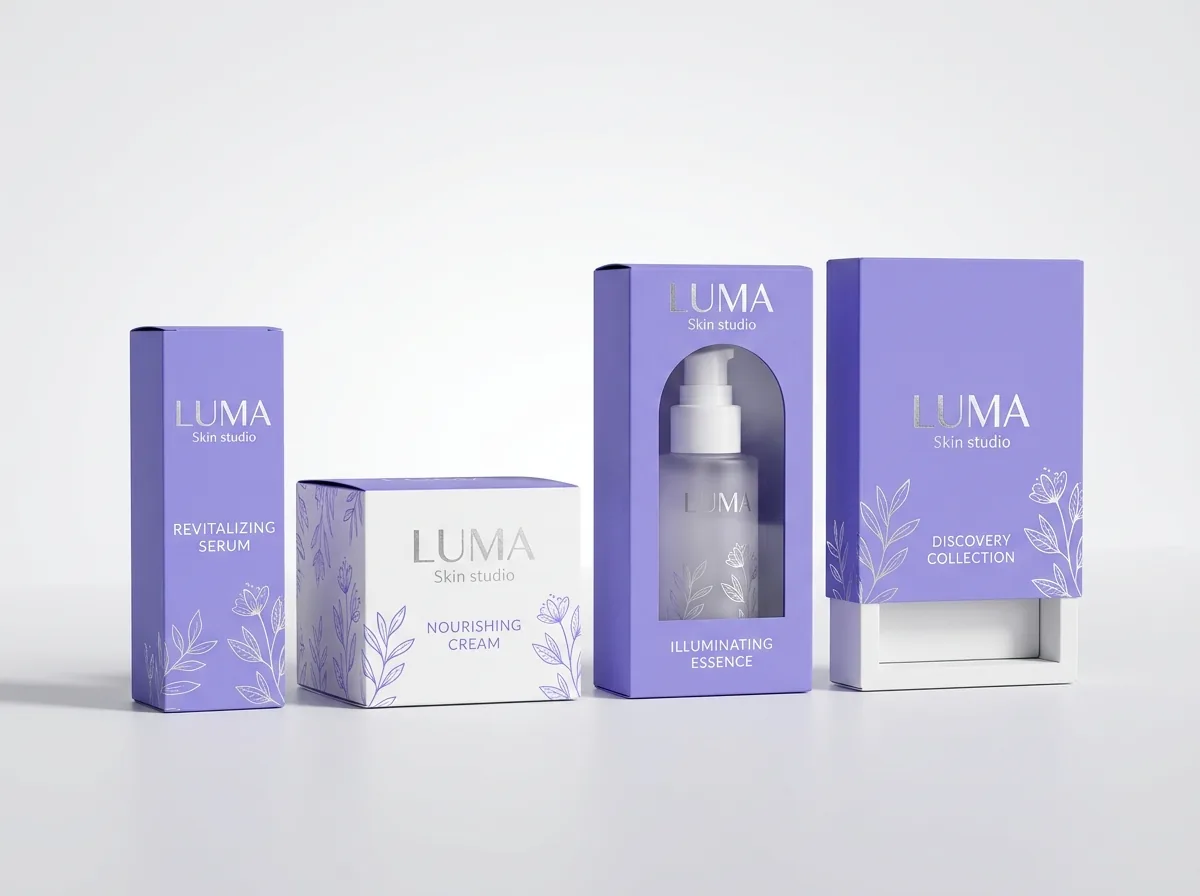
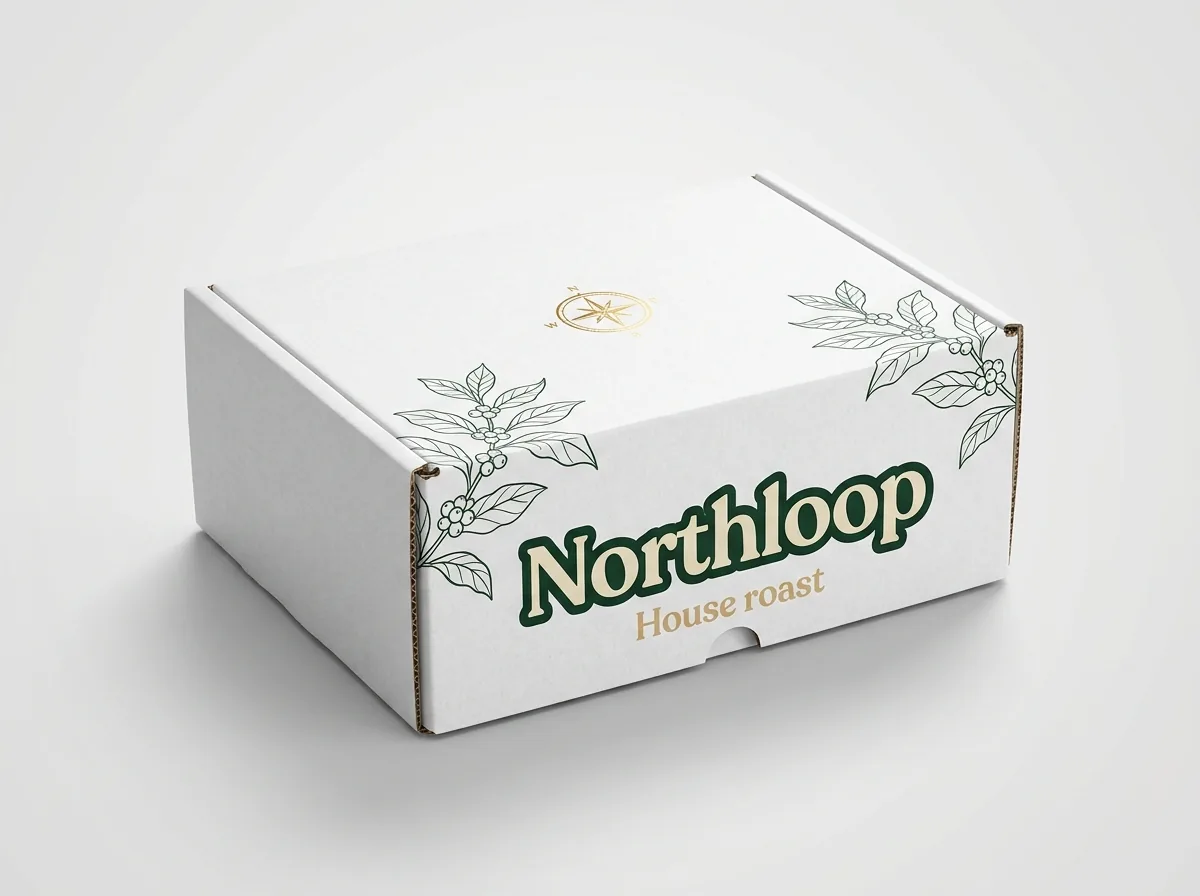
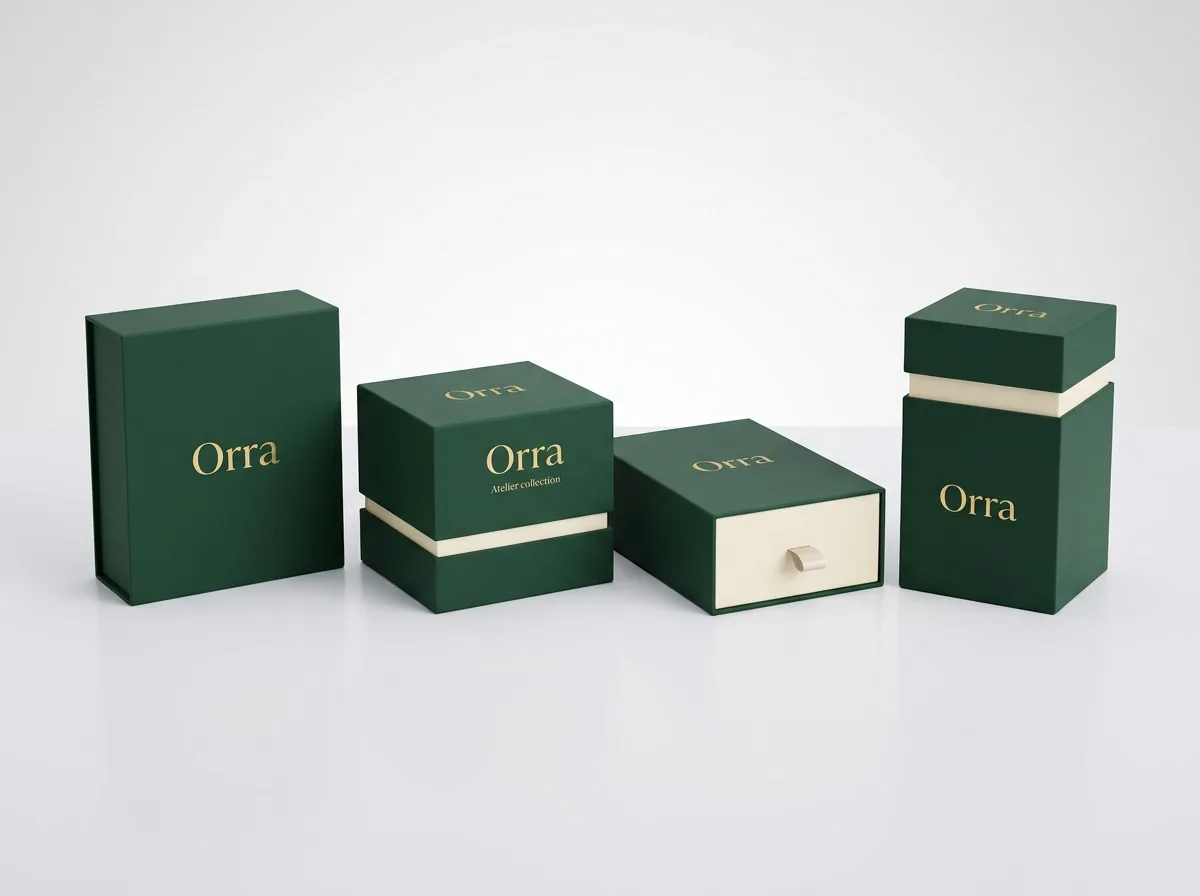
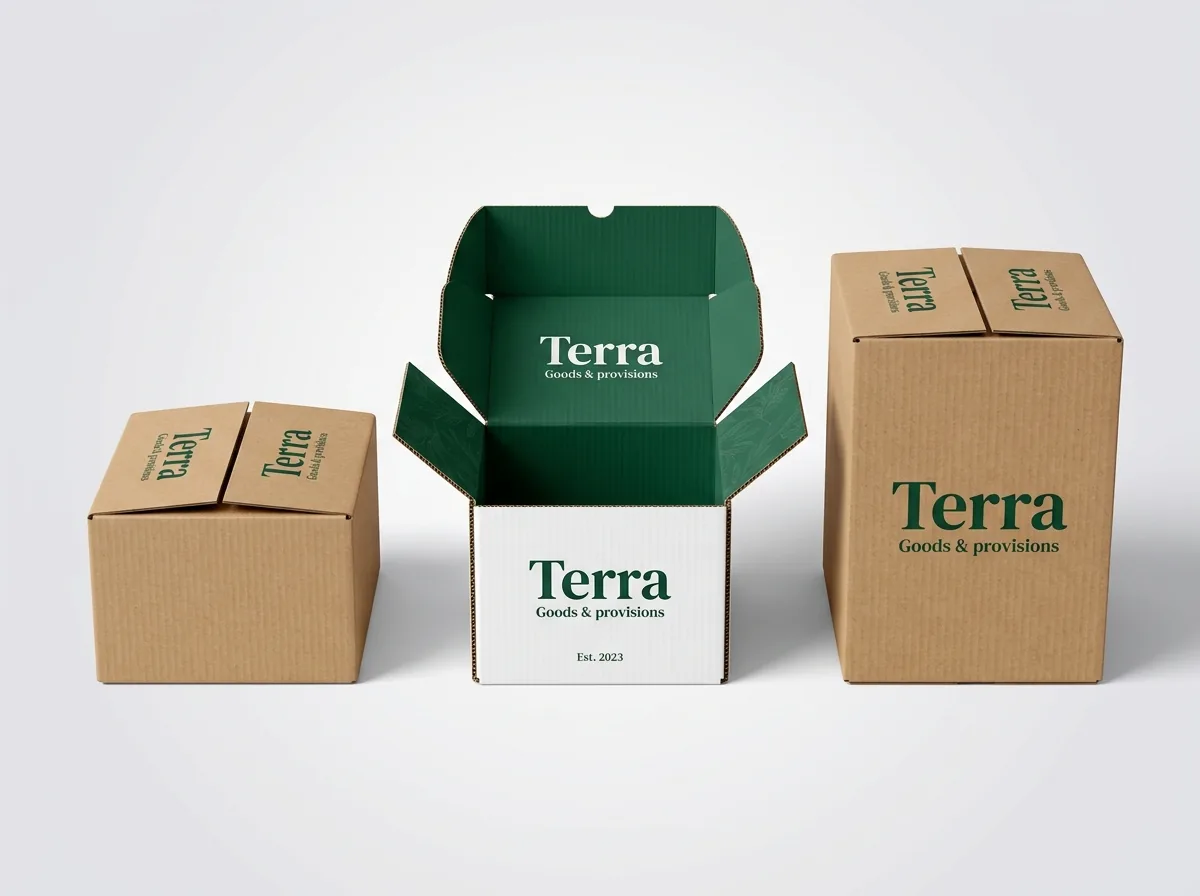
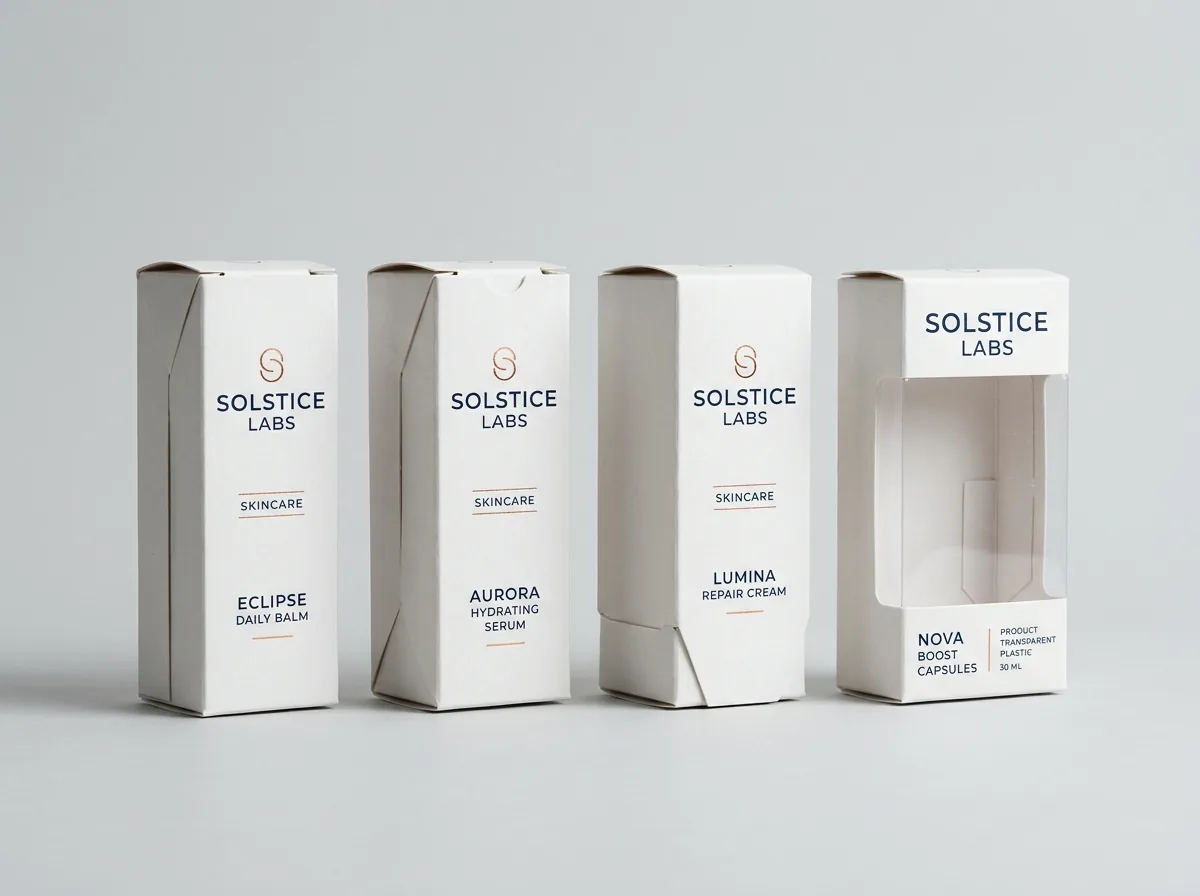
Ready to order packaging boxes? Compare up to 3 quantities with a free 3D mockup.
Request a Quote →Questions about packaging boxes
How do paperboard folding cartons, corrugated mailers, rigid setup boxes, and RSC shippers compare?
Paperboard folding cartons (14–24 pt) are thin, smooth retail boxes that ship flat; corrugated mailers (32 ECT E/B-flute) are self-locking e-commerce boxes built for direct parcel transit; rigid setup boxes (1000–1800 gsm) are thick, non-bending luxury keepsake cases; and RSC shippers are taped corrugated transit cartons. Every order includes a free 2D vector CAD dieline and interactive 3D proof before payment.
When should I choose a 14–24 pt paperboard carton instead of a 32 ECT E-flute corrugated box?
Choose 14–24 pt paperboard when your product weighs under 1.5–2 lb and sits on a retail store shelf or travels inside an outer shipping box. Choose 32 ECT E-flute corrugated when the box ships directly through the mail or holds heavier, fragile items up to 5 lb. Every order includes a free 2D vector CAD dieline and interactive 3D proof before payment.
When is a 1000–1800 gsm V-grooved rigid setup box worth the investment over a folding carton?
Choose a V-grooved rigid setup box when your product retail price, gifting occasion, or VIP positioning calls for a permanent keepsake chest with magnetic hinges, telescoping slow-drop lids, and velvet EVA foam inserts. Every order includes a free 2D vector CAD dieline and interactive 3D proof before payment.
Can one brand combine paperboard, corrugated, and rigid boxes across a single product line?
Yes. Many brands use 18–20 pt paperboard folding cartons for individual retail units, 32 ECT two-sided printed corrugated mailers for D2C bundles, and 1500 gsm rigid boxes for holiday gift sets and influencer PR kits, matched to the same Pantone colors. Every order includes a free 2D vector CAD dieline and interactive 3D proof before payment.
What are the minimum order quantities for each custom packaging box material?
Corrugated mailer boxes start at 100 units, rigid setup boxes and corrugated shipping boxes start at 250 units, and paperboard folding cartons start at 500–1,000 units, all with zero die fees and free US ground shipping. Every order includes a free 2D vector CAD dieline and interactive 3D proof before payment.
Still have a question? Ask a packaging specialist.
Request a Quote →Request your packaging boxes quote
Tell us your size and quantities, and one dedicated account manager prepares pricing for each tier.
- Free design & AI-to-print studio + 3D mockup
- No die or plate charges · 4–5 day rush available
- Free shipping to all 50 states
- 10% off your first order
We verified paperboard point calipers (14–24 pt), corrugated Edge Crush Test and flute specifications (32–44 ECT E/B/C-flute), and rigid binderboard weights (1000–1800 gsm) against Paperboard Packaging Council (PPC), FEFCO, and National Paperbox Association (NPA) standards. Spot something wrong? Tell us and we fix it.
Sources
What changed
- November 11, 2026: First published with 4-family structural matrix, paperboard vs E-flute decision rules, and omnichannel tier diagrams.
More guides
New packaging guides by email
Sizes, materials and design tips. Unsubscribe anytime.