
How Do You Design Custom Retail Boxes for Maximum Shelf Presence?
Short answer: Maximizing retail shelf presence requires bold front-panel typography readable from five feet away, high-contrast color blocking that breaks shelf visual noise, and scuff-resistant matte or gloss finishes. Aligning primary brand claims on the upper two-thirds prevents retail shelf lips from concealing essential product messaging.
On this page
- How does the three-foot legibility rule govern retail carton typography
- Why does color blocking break visual shelf clutter across store aisles
- How do tactile surface finishes influence customer purchase decisions
- What planogram shelf height and width constraints dictate box geometry
- How do counter display units (CDUs) accelerate checkout impulse purchases
- How does paperboard fiber grain direction prevent carton shelf bowing
- What lighting considerations affect specular gloss on retail shelves
- How do shelf-ready packaging (SRP) corrugated shippers simplify store stocking
- Common mistakes
- FAQs
Request a custom quoteFree dieline & 3D mockup
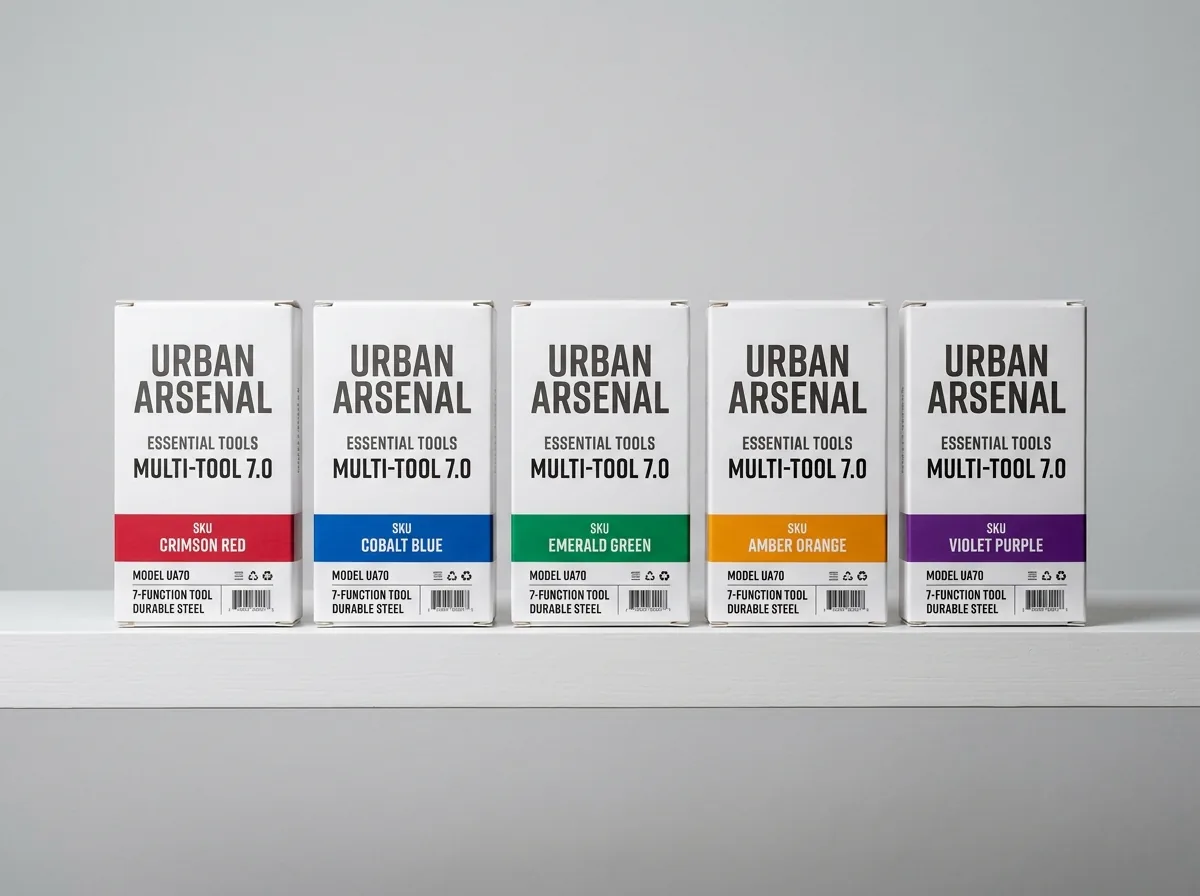
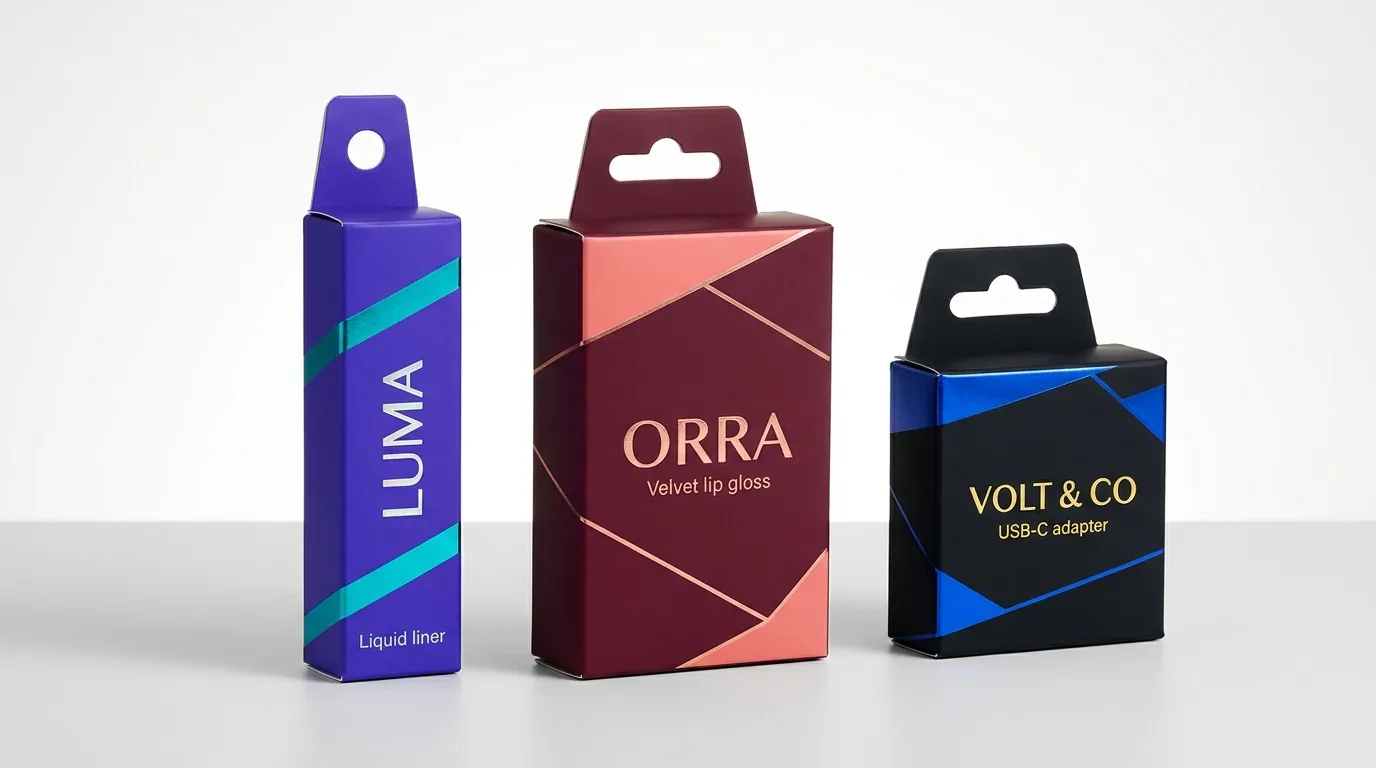
In crowded supermarket aisles and boutique display fixtures, consumer brands have approximately three seconds to capture visual shopper attention before consumers move past the shelf. When ordering custom retail boxes, optimizing physical shelf presence begins with structural billboard geometry and disciplined color hierarchy. Packaging designers rely on the three-foot legibility rule, ensuring the brand name, product category, and primary functional consumer benefit are instantly readable from three to five feet away. Placing essential marketing claims across the top sixty percent of the front face prevents shelf lips, wire rails, and electronic price channels from concealing critical text. Utilizing high-contrast Pantone spot colors or dense flood coats breaks surrounding monochromatic shelf monotony. When configuring shelf ready retail folding boxes, our packaging specialists test carton proportions against retailer planograms, providing free 2D CAD dielines and interactive 3D digital mockups before production begins.
How does the three-foot legibility rule govern retail carton typography?
Retail store environments present intense visual competition where dozens of competing SKUs share identical shelf fixtures. The three-foot rule dictates that primary brand typography, product naming, and key functional claims must be instantly legible from three to five feet away without squinting. Packaging designers achieve this by selecting high-contrast sans-serif or clean serif typefaces with generous x-heights and minimum 14-point type sizes for primary product titles. Secondary regulatory details, net volume disclosures, and certified organic seals are grouped neatly along the lower perimeter. In addition, optical tracking adjustments ensure that tight letter spacing does not degrade into illegible ink blobs under harsh supermarket fluorescent fixtures. Standard converting guidelines ensure crisp die-cut edges and precise scoreline registration across high-speed rotary production runs, maintaining pristine brand integrity on competitive supermarket shelves.
Why does color blocking break visual shelf clutter across store aisles?
Color blocking leverages bold, saturated monolithic panels to create distinct visual real estate that immediately arrests scanning shopper eyes. When multiple individual cartons are stocked side by side on retail shelves, cohesive color blocking creates a unified, wide brand billboard rather than disjointed individual units. Packaging converters utilize exact Pantone PMS spot inks rather than standard 4-color process builds to ensure absolute color consistency across diverse substrates. Maintaining uniform brand color across paperboard cartons, corrugated displays, and hang tags reinforces brand recognition and builds customer trust across multiple retail store visits.
How do tactile surface finishes influence customer purchase decisions?
Physical shopper interaction plays a decisive role in point-of-sale conversion rates. Once a consumer reaches out and lifts a retail carton from the shelf, tactile paperboard finishes establish sensory quality cues. Applying soft-touch polyurethane lamination gives paperboard an irresistible velvet peach-skin hand feel while protecting surface ink against fingernail scratching. Combining soft-touch backgrounds with raised dimensional Spot UV gloss over brand logos creates dramatic specular reflection under store spotlights. In addition, registered multi-level embossing imparts structural prestige that justifies premium price points across cosmetics, specialty confectionery, and luxury electronics.
Know your size? Compare pricing across up to 3 quantities.
Request a Quote →What planogram shelf height and width constraints dictate box geometry?
Major national retail chains dictate rigorous planogram shelf allocations that leave zero room for sizing errors. Standard grocery and pharmacy shelf heights typically provide between 7.5 and 9.0 inches of vertical clearance, with shelf depths ranging from 12 to 18 inches. Designing a folding carton that exceeds planogram parameters by even 0.125 inches results in rejected inventory or costly repacking fees. Packaging engineers design retail carton blanks with precise depth-to-height ratios that maximize front billboard area while fitting standard gravity-fed shelf pushers and wire shelf dividers.
How do counter display units (CDUs) accelerate checkout impulse purchases?
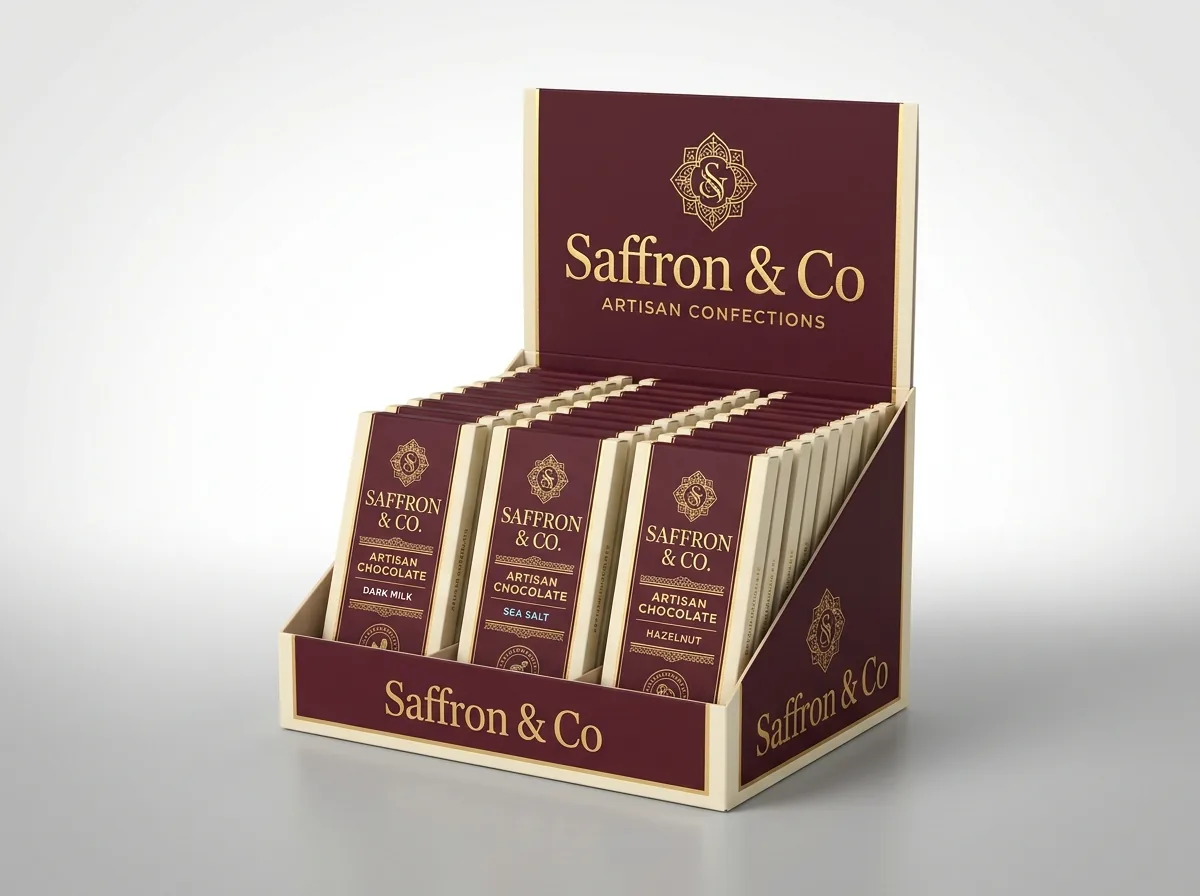
Point-of-sale counter display units (CDUs) consolidate between 6 and 24 individual retail cartons into a compact, pre-packaged retail merchandising footprint. Positioned adjacent to checkout registers, coffee shop payment terminals, or specialty boutique counters, CDUs stimulate high-margin impulse purchases. CDUs feature an integrated high-rise header card that displays vibrant promotional graphics, pricing tiers, and promotional slogans. When converted from sturdy 18 pt SBS board or E-flute micro-corrugated board, CDUs double as protective shipping shippers that fold open in seconds on store counters.
How does paperboard fiber grain direction prevent carton shelf bowing?
Paperboard is an anisotropic material with distinct mechanical properties along its machine direction (grain) versus cross direction. When paperboard folding cartons are stocked vertically on retail store shelves, gravitational weight and humidity can cause carton side panels to bow outward if grain direction is misaligned. Structural packaging specialists align the grain direction vertically, running parallel to the carton height. Vertical grain alignment provides maximum column compression strength, preventing cartons from sagging when stacked two or three tiers high on supermarket display shelves. Laboratory testing demonstrates that vertical grain alignment increases carton top-to-bottom compression resistance by over forty percent compared to horizontal grain layouts.
What lighting considerations affect specular gloss on retail shelves?
Retail store illumination varies widely between cool 4000K commercial fluorescent fixtures, warm 2700K boutique halogen spotlights, and modern directional LED retail track lighting. High-gloss UV coatings create intense specular reflections that can produce blinding glare points under direct overhead spotlights, rendering product text completely unreadable. Packaging specialists recommend combining satin aqueous or soft-touch matte lamination across the main body with targeted gloss Spot UV restricted to brand crests and logos. This dual-finish strategy eliminates diffuse ambient glare across instructional text while creating dynamic reflective highlights that attract peripheral consumer vision as shoppers walk through store aisles.
How do shelf-ready packaging (SRP) corrugated shippers simplify store stocking?
Shelf-ready packaging (SRP) and retail-ready packaging (RRP) formats bridge secondary transit protection and primary shelf merchandising. Instead of store clerks cutting open master shipping cartons and individually shelving single product cartons, SRP designs feature precision perforations along the front and top panels. A retail clerk simply tears along the perforated rule and places the entire inner tray directly onto the store shelf in one swift motion. Engineered with tear-away tear strips and clean die-cut edges, SRP trays maintain pristine brand presentation while reducing store replenishment labor expenses by up to fifty percent.
What are common mistakes to avoid in retail box design?
Developing retail packaging requires balancing visual shelf impact with strict store merchandising constraints. Packaging specialists identify four frequent errors
- Placing critical product names or certification emblems in the bottom 1.5 inches of the carton front where store shelf lip rails conceal them.
- Using low-contrast color combinations like yellow text over white card that wash out completely under overhead supermarket fluorescent lights.
- Designing oversized box footprints that exceed standard retailer planogram slot widths, forcing store managers to shelve boxes sideways.
- Omitting scuff-resistant protective lamination over dark flood coats, leaving cartons scuffed and shopworn after minor shelf browsing.
Packaging for this
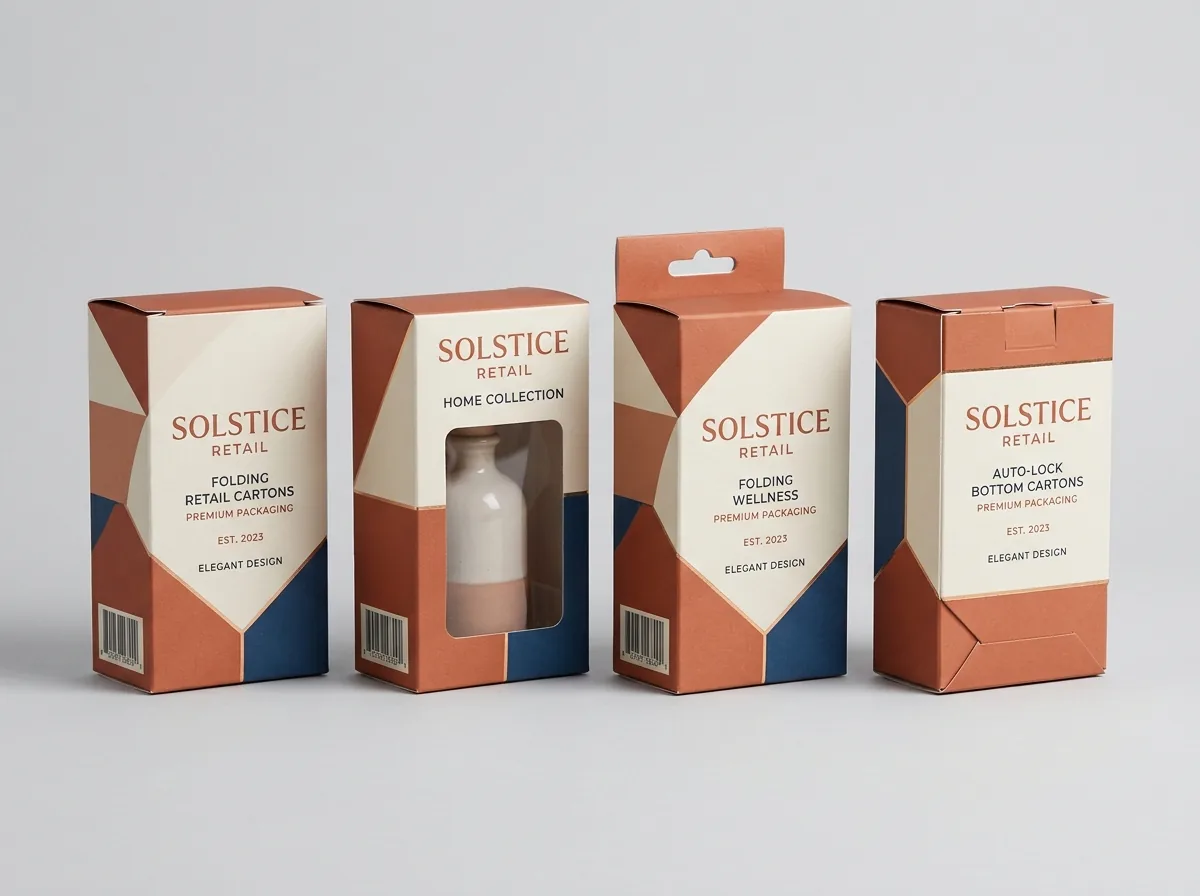
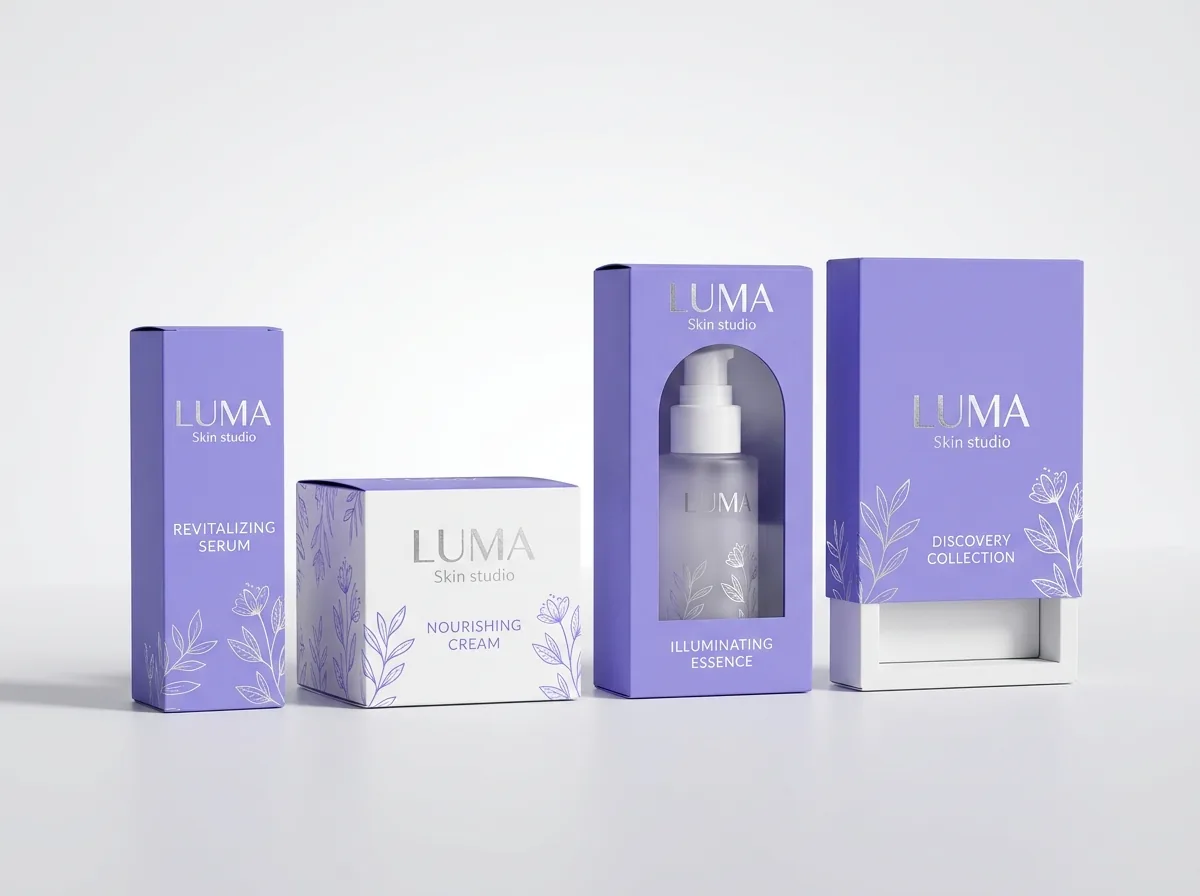
Ready to order retail boxes? Compare up to 3 quantities with a free 3D mockup.
Request a Quote →Questions about retail boxes
How does packaging finish affect retail shelf visibility?
Matte lamination eliminates ambient glare from harsh overhead fluorescent lights, ensuring text remains sharp from any angle. Pairing matte coats with high-gloss Spot UV over logos adds reflective contrast that catches shoppers eyes as they walk past.
What is the recommended paperboard caliper for retail shelf cartons?
For lightweight cosmetics, snacks, and supplements weighing under 8 ounces, 16 pt or 18 pt SBS card provides clean rigidity. For heavier jars or tech items weighing 12 to 24 ounces, we recommend 20 pt to 24 pt SBS board or micro-flute corrugated.
Can retail cartons be engineered to fit gravity-fed shelf pushers?
Yes. We engineer retail cartons with reinforced bottom floor panels and low-friction exterior coatings that slide smoothly along spring-loaded plastic shelf pushers without jamming or tipping forward.
How do I choose between Pantone spot inks and 4-color CMYK printing?
For photographic imagery and multi-color artwork, CMYK process printing is cost-effective. For precise corporate brand colors and vibrant pastel or neon hues, Pantone PMS spot inks ensure 100% color accuracy across all press batches.
What is the production turnaround time for custom retail cartons?
Standard production takes 10 to 14 business days following digital prepress proof approval. For tight retail product launches, 4 to 5 business day rush production is available upon request.
Do you provide structural dieline templates before placing an order?
Yes. Our prepress specialists generate complimentary custom 2D vector CAD dielines and interactive 3D digital proofs matching your exact inside product dimensions before payment, ensuring smooth planogram fit and fast approval.
Still have a question? Ask a packaging specialist.
Request a Quote →Request your retail boxes quote
Tell us your size and quantities, and one dedicated account manager prepares pricing for each tier.
- Free design & AI-to-print studio + 3D mockup
- No die or plate charges · 4–5 day rush available
- Free shipping to all 50 states
- 10% off your first order
Researched against GS1 US barcode specifications, Paperboard Packaging Council (PPC) folding carton guidelines, and Idealliance G7 Master Color calibration standards. Verified by CubitPack packaging specialists.
Sources
What changed
- November 11, 2026: Published technical engineering guide for retail-shelf-presence-and-point-of-sale-box-design-guide with 5 CAD SVGs and prepress standards.
More guides
New packaging guides by email
Sizes, materials and design tips. Unsubscribe anytime.