
Open die-cut cutout vs clear PET film-patched vs panoramic corner window boxes: which should you choose?
Short answer: Choose a clear PET film-patched window on custom window boxes when baked goods, chocolates, cosmetics, or toys need a sealed dust and hygiene barrier. Pick an open die-cut cutout (no plastic film) when shoppers want to smell soaps or candles directly, or upgrade to a creased two-sided panoramic corner window for 3D shelf display.
On this page
- How does each window box style work on the production line
- How do open cutouts, flat PET patches, and corner windows compare
- When should you choose an open cutout vs a clear PET film patch
- How do window patches affect paperboard recycling and sustainability
- How do I specify my window type when requesting a quote
- Common mistakes
- FAQs
Request a custom quoteFree dieline & 3D mockup
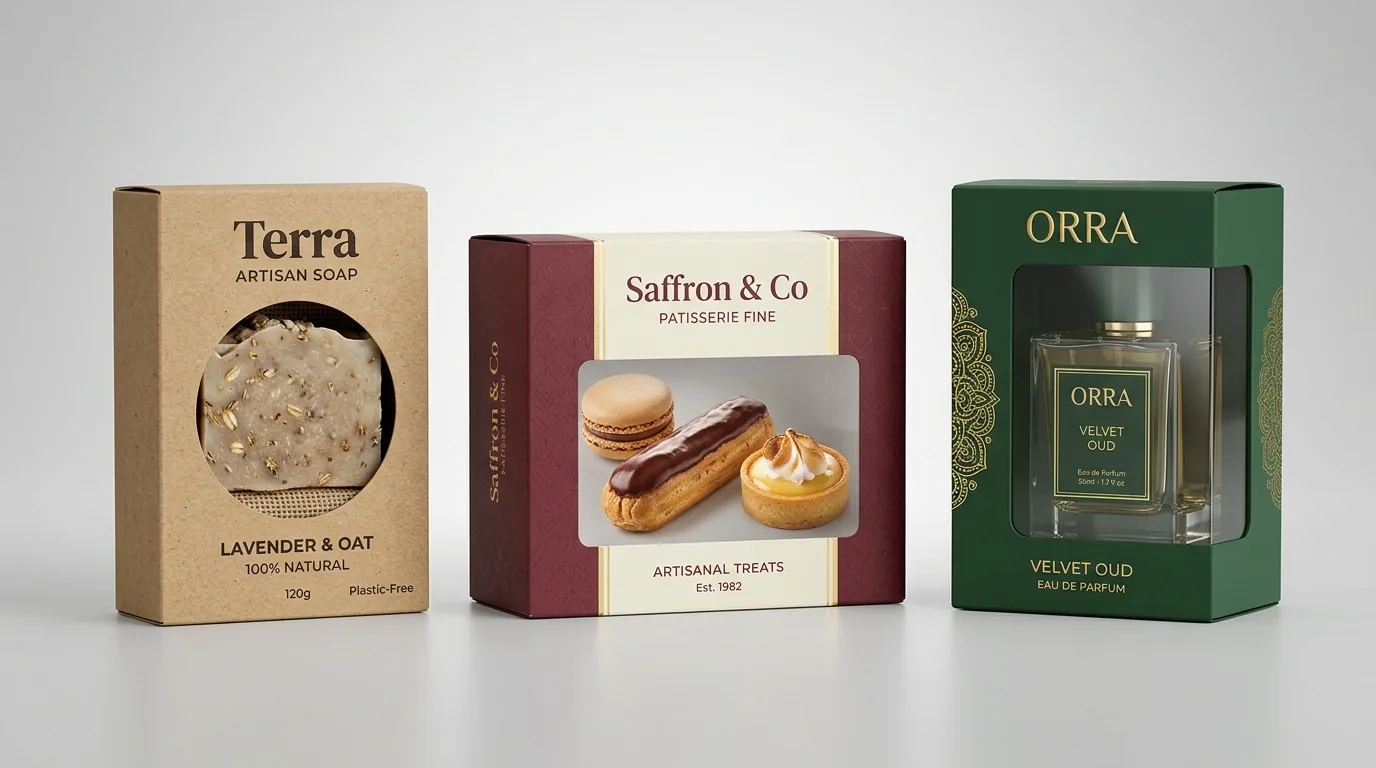
All three window configurations start with the same steel-rule flatbed die-cutting step on your folding carton, yet they serve different retail environments, product weights, and sustainability goals. An open die-cut window removes the paperboard cutout and leaves the aperture completely unlined: it adds zero extra converting cost, keeps the carton 100% single-material paperboard for fast municipal curbside recycling, and lets shoppers smell handmade bar soaps or feel textured fabrics directly on the shelf. A flat film-patched window adds an automated rotary window-patching pass that glues a 0.10 to 0.20 mm crystal-clear food-safe polyester (PET) film liner behind the opening to block dust, crumbs, moisture, and customer fingers. A panoramic corner window extends that clear PET film across a 90-degree vertical or horizontal score line so shoppers can view collectibles, dolls, cupcakes, or fragrance bottles from two angles at once.
How does each window box style work on the production line?
When you order window boxes, the cutout aperture is punched during standard flatbed die-cutting, so the die itself costs the same regardless of which window format you choose. The difference happens right before the folder-gluer step
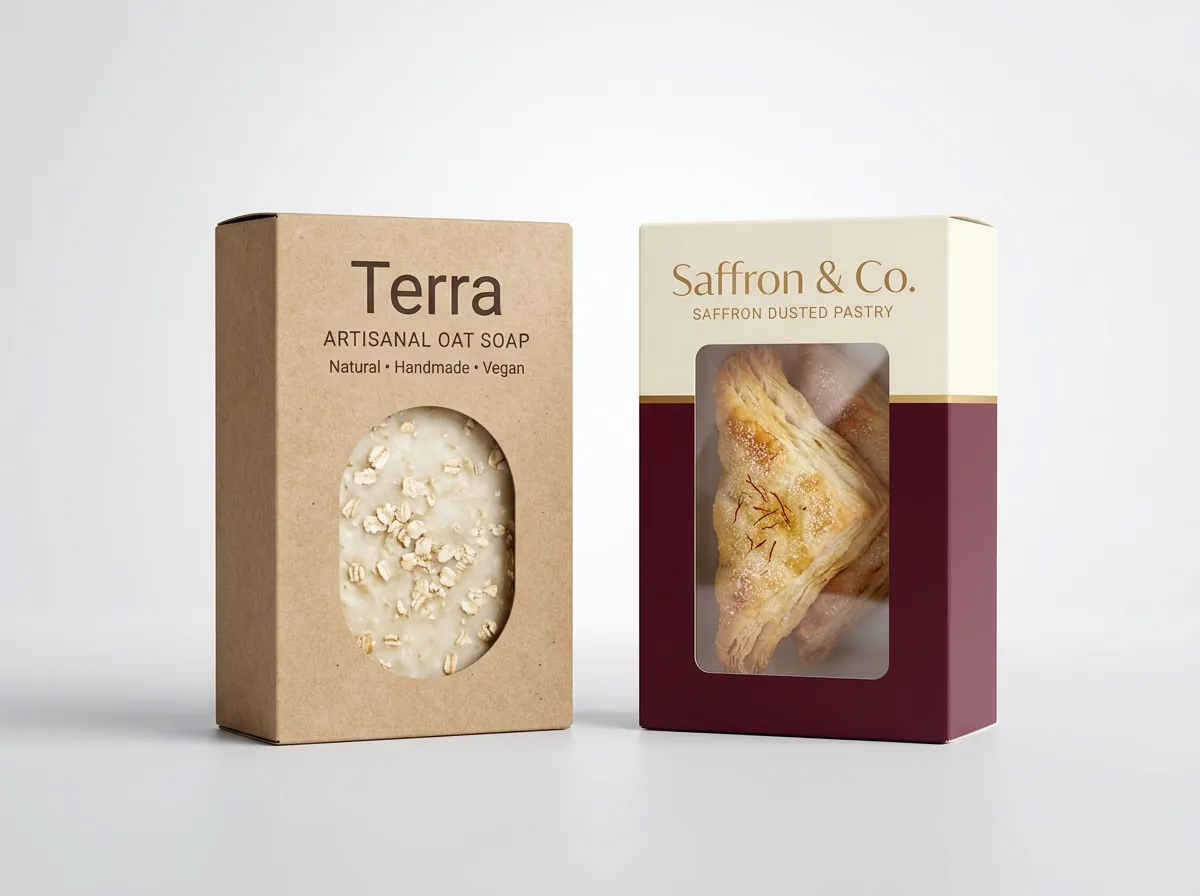
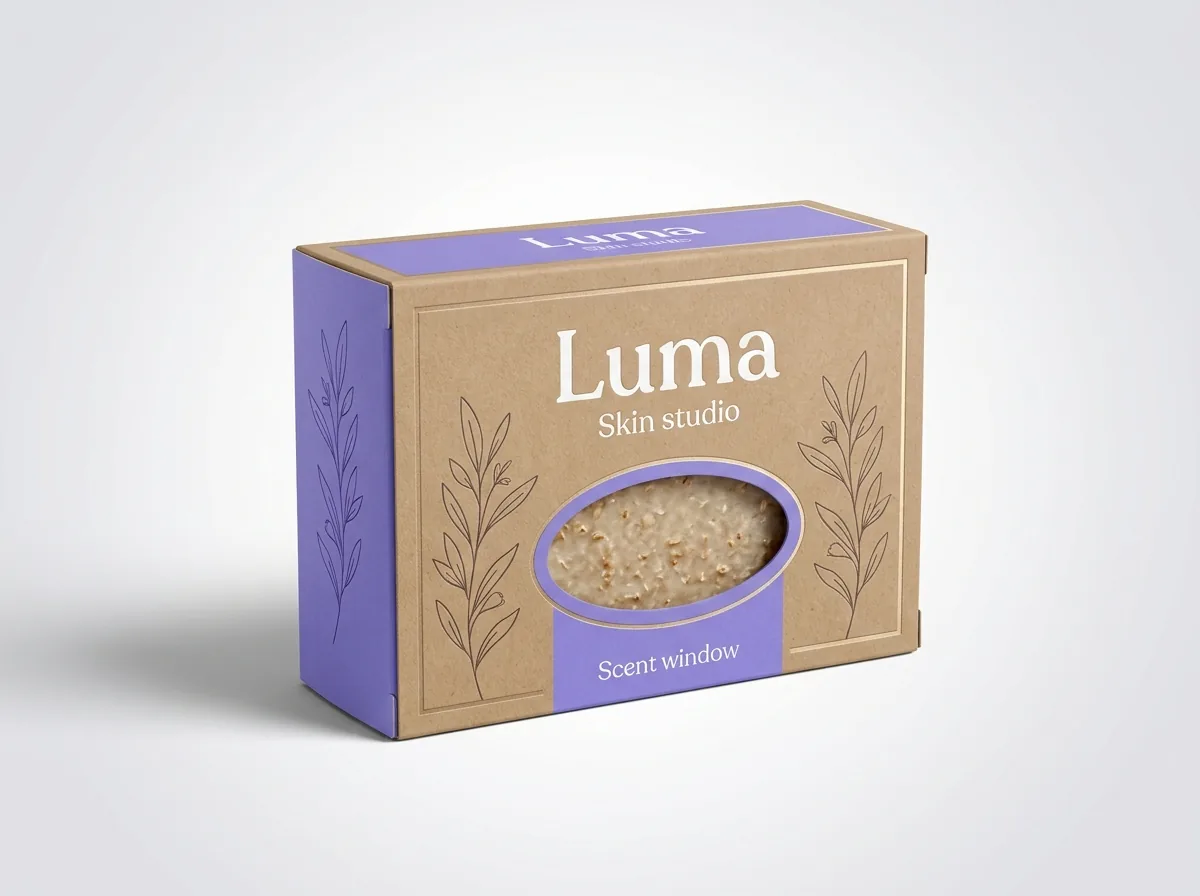
- Open die-cut cutout (no film liner): After printing and coating, the steel-rule cutting die punches and strips out the window waste. The flat blank goes straight to the side-seam folder-gluer with no plastic patch applied. Because there is no adhesive track around the window, you can even use narrower 5/16 to 3/8 inch frame margins on compact soap and candle cartons.
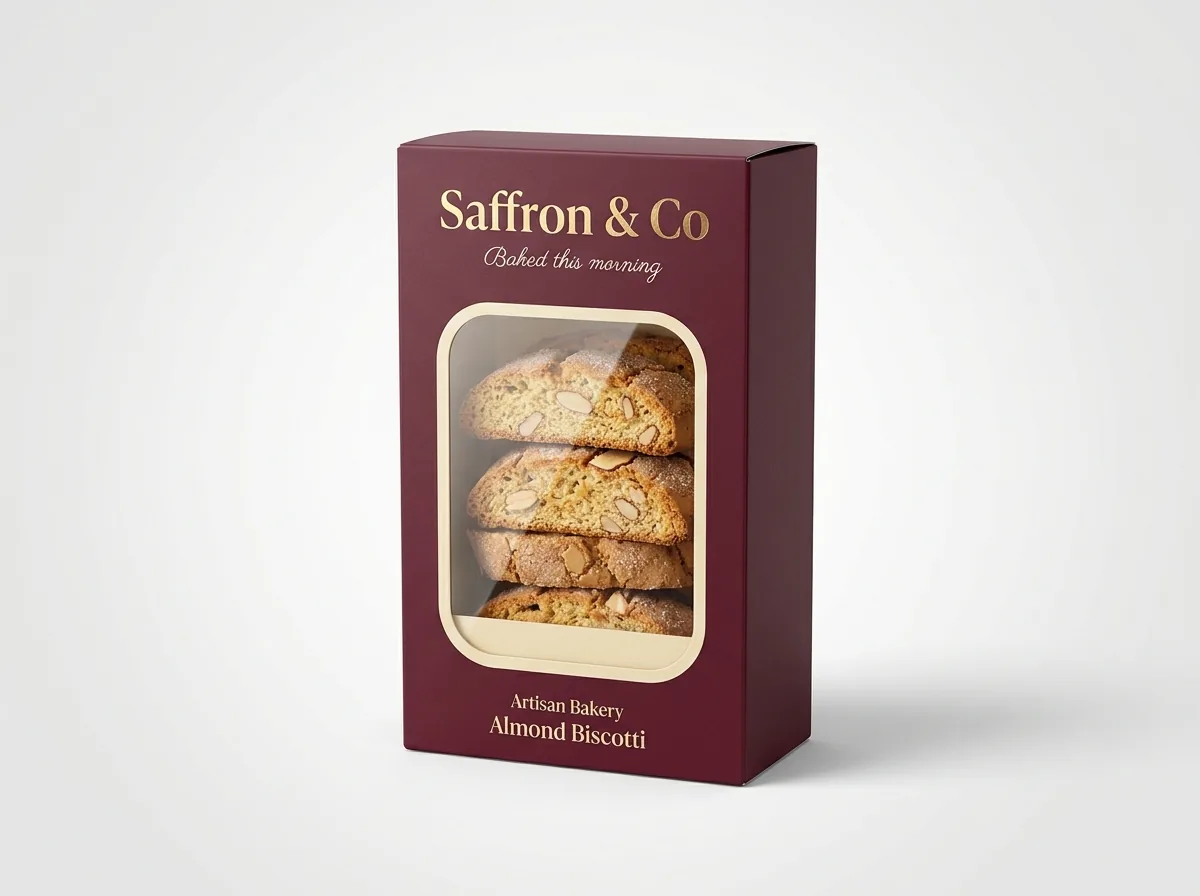
- Flat single-panel PET film-patched window: Before side-seam gluing, the flat die-cut blank feeds through a high-speed rotary window patcher. The machine applies a 1/4 inch liquid adhesive track around the inside of the aperture and bonds a crystal-clear 0.12 to 0.15 mm food-safe PET film patch so the opening is sealed flush from the inside.
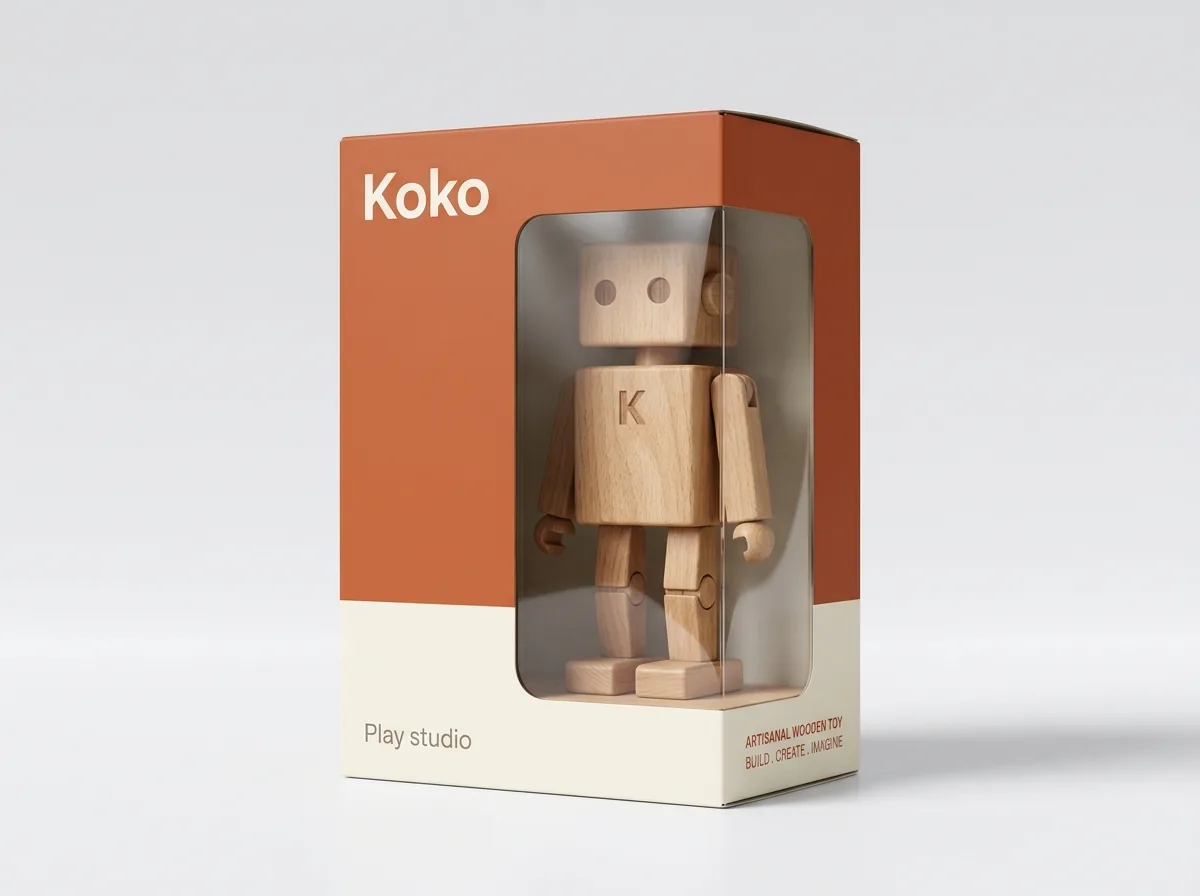
- Two-sided panoramic corner-wrap PET window: The die-cut opening spans across the front panel, crosses the vertical 90-degree score line (or top lid crease), and continues onto the adjacent panel. The window patcher bonds a heavier 0.15 to 0.20 mm PET film sheet that is mechanically pre-creased along the fold line so the carton ships flat (KDF) and pops open into a crisp 90-degree glass-like corner.
How do open cutouts, flat PET patches, and corner windows compare?
Use the comparison table below to match your product category, hygiene requirements, and sustainability goals to the right window configuration
| Feature | Open Die-Cut Cutout | Flat PET Film Patch | Panoramic Corner PET Window |
|---|---|---|---|
| Plastic film liner | None (100% paperboard) | 0.10–0.15 mm clear PET film | 0.15–0.20 mm creased PET film |
| Dust & finger protection | Open to air and touch | Full sealed barrier across cutout | Full sealed barrier across 2 panels |
| Direct scent & texture access | Yes, shoppers can smell & touch | No, sealed behind film | No, sealed behind film |
| Viewing angle on shelf | Single panel (front or top) | Single panel (front or top) | Two-sided 90-degree wraparound view |
| Minimum frame margin | 0.3125 to 0.375 in from folds | 0.375 in (3/8 in) from folds | 0.50 in (1/2 in) at top & bottom header |
| Curbside recyclability | 100% paperboard stream | Recyclable (peel film or small patch) | Peel larger PET patch before recycling |
| Relative unit cost | Lowest (no patching pass) | Standard window carton cost | Slight premium (creased wide film) |
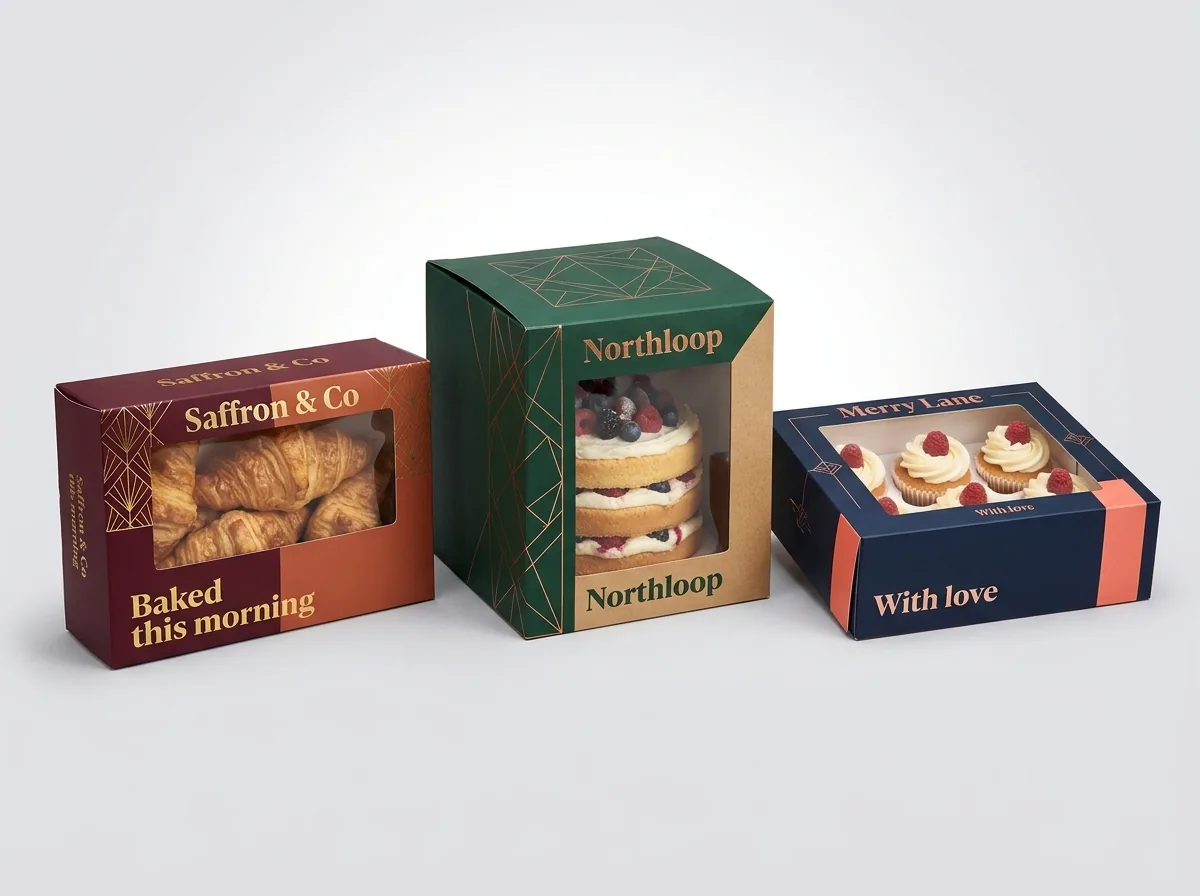
| Best product match | Bar soaps, jarred candles, textiles | Pastries, cookies, macarons, serums | Toys, dolls, cupcakes, fine perfume |
When should you choose an open cutout vs a clear PET film patch?
Choosing between an open cutout and a film-patched window comes down to two questions: is the product inside bare or sealed, and do shoppers buy with their nose or their eyes?
- When an open cutout wins (soaps, candles, jars, dry goods): For handmade cold-process bars in custom soap boxes or poured soy wax tumblers in custom candle boxes, scent is the number-one retail conversion trigger. An open oval, circle, or leaf cutout lets customers smell lavender, cedar, or vanilla without opening the tuck flap and wearing out the carton lid.
- When a flat PET film patch is mandatory (bakery, confections, multipacks): For croissants and danishes in custom bakery boxes, cookies in custom cookie boxes, or pralines in custom candy boxes, food-safety and shelf-life rules require a barrier against airborne dust, sneeze droplets, and handling. Food-grade PET film stays crystal-clear without fogging or yellowing.
- When a two-sided panoramic window converts best (toys, cupcakes, cosmetics): Products with three-dimensional sculptural detail, like collectible figures in custom toy boxes or tall swirled frosting in custom pastry boxes, look flat behind a narrow 1-panel slot. Wrapping the PET window around the front-to-side or front-to-top crease lets side light enter the carton so the product stands out as if it were on an open pedestal.
Know your size? Compare pricing across up to 3 quantities.
Request a Quote →How do window patches affect paperboard recycling and sustainability?
Eco-conscious food, beauty, and gifting brands often ask how a clear window patch affects curbside paperboard recycling across the United States
- 100% plastic-free open cutouts: If your brand pledge prohibits all plastic film, an open die-cut cutout paired with unbleached kraft or recycled paperboard and soy/vegetable-based inks is 100% repulpable in standard municipal paper recycling.
- Easy-peel PET window patches: Under North American paperboard recycling guidelines, small plastic window patches are screened out during hydrapulping, or consumers can peel the PET patch off the inside paperboard wall before flattening the box.
- Sizing the window proportionally: Keeping your window area under 25–30% of the total carton surface area maximizes both fiber recovery and vertical box crush resistance. See our guide on how to measure for a window box to balance window area with wall strength.
How do I specify my window type when requesting a quote?
Once you decide between an open cutout, a flat PET film patch, or a two-sided corner window, check our companion walkthrough on window box dieline and patch margins explained to prepare your artwork file. Every order on CubitPack starts at 1,000 boxes and includes free design help, a free digital proof, and a free 3D mockup before payment, with zero die or plate charges, 10–14 business days standard turnaround (4–5 business days rush), and free shipping across all 50 US states.
- Choose Open cutout if your item is a scented bar soap, jarred candle, or sealed container that benefits from direct touch and 100% plastic-free board.
- Choose Clear PET film patch if your item is a bakery pastry, cookie, macaron, chocolate, cosmetic bottle, or retail product that needs a clean dust barrier.
- Choose Panoramic corner or front-to-top PET window if you want two-sided visibility for toys, collectibles, or tall frosted cupcakes.
- Pair your window with the right bottom closure: Use a straight or reverse tuck end base for items under 12 oz, or upgrade to a pre-glued auto-lock bottom when packing heavy 8 oz to 16 oz glass candle jars, honey jars, or multi-piece bakery assortments.
- Add a printed interior card insert or stage backdrop: When packing narrow dropper bottles, single cupcakes, or collectible figures, a die-cut paperboard insert locks the product centered behind the window and lets you print a contrasting brand color on the inside floor and back wall.
- Test your window size on a 3D mockup or physical prototype: Before full production begins, review our free interactive 3D digital proof or order a single custom sample to confirm that your window aperture frames the best angle of your product under retail lighting.
What are the most common mistakes when choosing a window type?
Avoid these five window selection errors before starting production
- Choosing an open unpatched cutout for unwrapped cookies, pastries, or chocolates where retail dust and shopper fingers can contaminate the food.
- Sealing a scented bar soap behind a thick plastic film patch when customers expect to smell the bar before buying.
- Ordering a two-sided panoramic corner window on thin 14 pt board without stepping up to 18–24 pt paperboard or E-flute corrugated board to support the open corner.
- Using a complex multi-island stencil cutout with a PET film patch where tiny paper bridges curl away from the film.
- Forgetting to add a card insert on a panoramic corner window box, leaving the empty back corner of the carton exposed.
Get a window dieline at your size
A simplified drawing for planning your design. Your free production dieline comes with your proof, made for your exact size and board.
Packaging for this
Ready to order window boxes? Compare up to 3 quantities with a free 3D mockup.
Request a Quote →Questions about window boxes
Does an open die-cut window cost less than a clear PET film-patched window?
Yes. Because an open die-cut cutout is punched during the standard flatbed die-cutting pass and skips the rotary window-patching machine and PET film material, it has a slightly lower per-unit cost than a film-patched box.
Is the clear PET window film safe for bakery and food packaging?
Yes. Our clear polyester (PET) window film is odorless, crystal-clear, shatter-resistant, and compliant with food-contact packaging standards for bakery boxes, cookie cartons, macaron sleeves, and chocolate boxes.
Will a panoramic corner window box still ship flat?
Yes. During the window-patching step, the PET film is pre-creased along the exact vertical or horizontal fold line of the carton so the box folds completely flat (KDF) for shipping and pops into a 90-degree corner when assembled.
Can I combine an open cutout and a foil-stamped border?
Yes. Stamping a metallic gold, silver, or copper foil keyline around an open or film-patched window cutout is one of the most popular ways to frame your product on the shelf.
What is the minimum order quantity for open or film-patched window boxes?
Both open die-cut window boxes and clear PET film-patched window boxes start at 1,000 units, with 10–14 business days standard turnaround (4–5 days rush) and free US shipping.
Can I use a window cutout on a natural brown kraft or E-flute corrugated box?
Yes. Both open die-cut cutouts and clear PET film patches work cleanly on 18 pt to 24 pt natural brown kraft paperboard as well as E-flute corrugated mailer and retail cartons.
Still have a question? Ask a packaging specialist.
Request a Quote →Request your window boxes quote
Tell us your size and quantities, and one dedicated account manager prepares pricing for each tier.
- Free design & AI-to-print studio + 3D mockup
- No die or plate charges · 4–5 day rush available
- Free shipping to all 50 states
- 10% off your first order
We compared open die-cut apertures, single-panel rotary PET window patching, and creased two-panel panoramic corner windows against Paperboard Packaging Council (PPC) converting guidelines and The Recycling Partnership paperboard recyclability standards. A packaging specialist verified every specification. Spot something wrong? Tell us and we fix it.
Sources
What changed
- October 24, 2026: First published with side-by-side comparison of open cutouts, flat PET patches, and panoramic corner windows.
More guides
New packaging guides by email
Sizes, materials and design tips. Unsubscribe anytime.