
How do I measure wide-mouth cosmetic jars for custom cream boxes?
Short answer: Measure the widest outer diameter of your capped jar (checking both the body and the lid) and the total vertical height, then add 1/8 inch to length, width and height. Most 50 g moisturizer jars fit a 2.75 × 2.75 × 2.5 in cube when ordering custom cream boxes.
On this page
- How do I measure a round or square cream jar step by step
- What are the typical inside box sizes for 15 g, 30 g, 50 g and 100 g cream jars
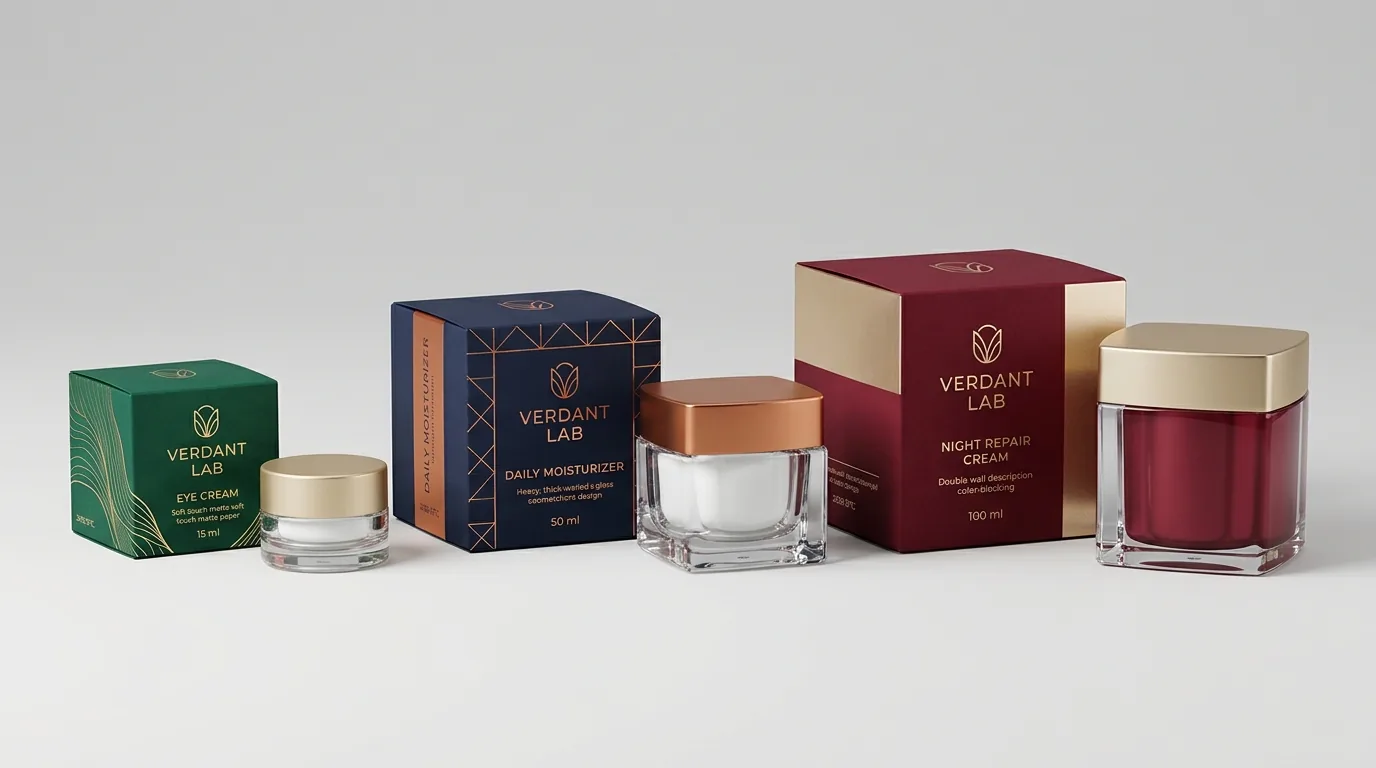
- Why do double-wall acrylic and heavy-sham glass jars need larger cube boxes
- How do I size a cream box when adding a bottom pedestal or a mini spatula
- How do I measure crimped hand cream and ointment tubes for a carton
- Common mistakes
- FAQs
Request a custom quoteFree dieline & 3D mockup
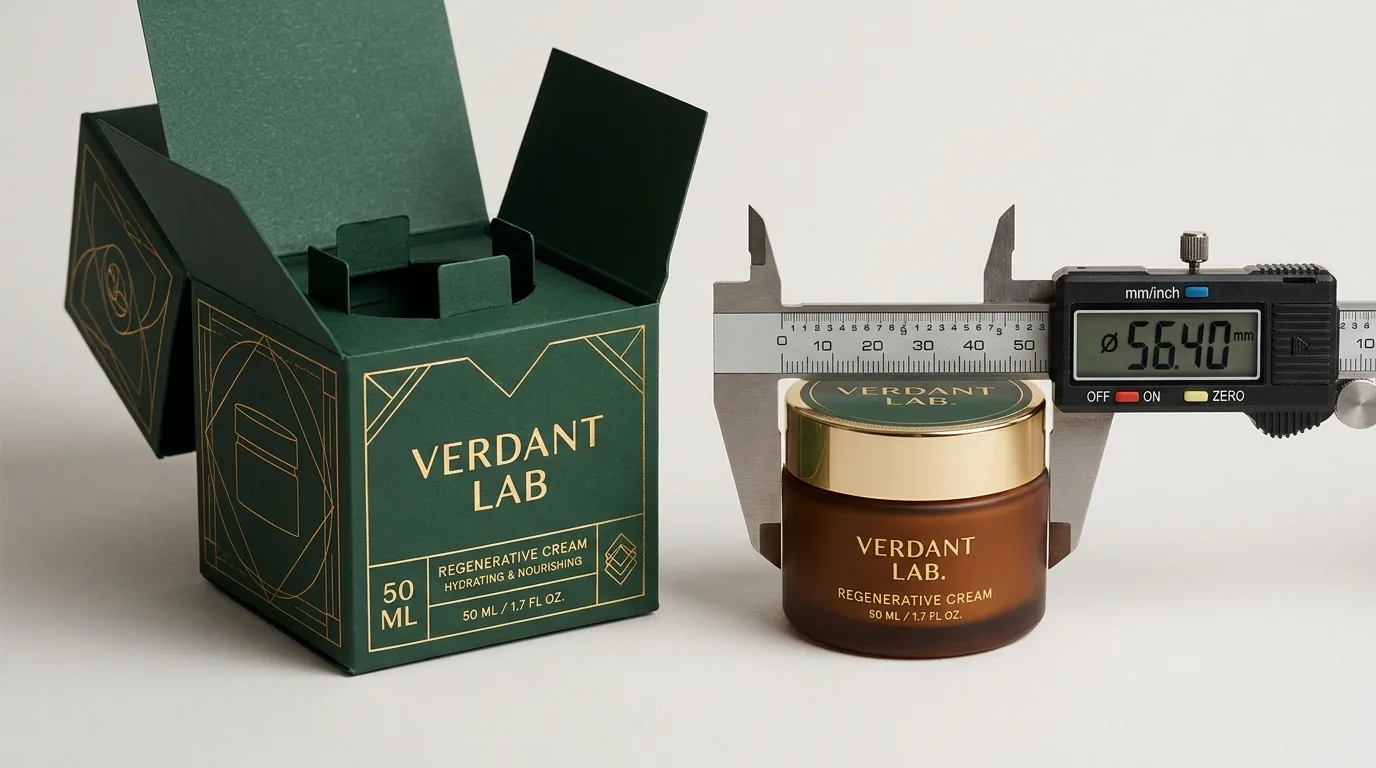
Sizing a carton for a facial moisturizer, eye cream or body butter jar always starts with the outside dimensions of the physical container, never its gram or ounce fill weight. Because a 50 g double-wall acrylic pot or heavy-base glass jar has thick outer walls and a hollow base punt, its external diameter is often 3/8 to 1/2 inch wider than a single-wall jar holding the exact same amount of cream. Use calipers or a ruler to measure across the widest part of the jar body and the screw cap, take the larger number, and add 1/8 inch (0.125 in) of clearance to set both the inside length and inside width of your square carton. Next, measure from the table surface to the top of the tightened lid and add 1/8 inch for a plain carton, or 3/8 to 1/2 inch if adding a bottom pedestal riser and a top spatula collar.
How do I measure a round or square cream jar step by step?
Wide-mouth cosmetic jars have three external features that trip up first-time measurements: flared base heels, oversize decorative screw caps, and domed lids. If you only measure across the middle of the glass label panel, a slightly wider bamboo overcap or a flared acrylic base will catch on the carton walls during hand packing. Place your capped jar on a flat worktable and take three quick measurements in inches. Those three numbers give our prepress engineers everything needed to draw the custom dieline for your printed cream jar cartons with zero die charges.
- Jar body vs lid diameter: measure across the widest point of the jar base and across the screw cap; use whichever measurement is larger.
- Capped overall height: measure straight up from the table to the highest point of the lid (including any raised monogram or domed top).
- Base clearance: add 1/8 inch (0.125 in) to the widest diameter to get both your inside carton Length (L) and inside Width (W).
- Height clearance (no insert): add 1/8 inch to the capped height so the top tuck flap folds flat without rubbing the lid.
- Pedestal or spatula allowance: add the vertical height of your bottom riser platform (typically 3/8 to 1/2 in) plus 3/16 in for a top spatula collar.
What are the typical inside box sizes for 15 g, 30 g, 50 g and 100 g cream jars?
Although every CubitPack box is cut to your exact inside dimensions (Length × Width × Height in inches), cosmetic glass and plastic mold makers cluster around six standard jar capacities: 15 g (0.5 oz) eye pots, 30 g (1 oz) day cream jars, 50 g (1.7 oz) face moisturizer jars, 100 g (3.4 oz) night mask tubs, 200 g (7 oz) body butter jars, and crimped squeeze tubes. Use the reference chart below to benchmark your jar before taking final caliper readings. Notice how a 50 g jar appears in three different rows depending on whether it uses single-wall glass, heavy double-wall construction, or an internal display pedestal with a cosmetic spatula.
| Jar capacity & container style | Typical inside box size (L × W × H) | Recommended carton & base |
|---|---|---|
| 15 g (0.5 oz) single-wall glass eye cream pot | 2 × 2 × 1.75 in | Straight tuck end cube |
| 15 g (0.5 oz) eye jar on a raised card pedestal | 2.25 × 2.25 × 2.125 in | Straight tuck end + riser |
| 30 g (1 oz) single-wall glass moisturizer jar | 2.375 × 2.375 × 2.125 in | Straight tuck or auto lock |
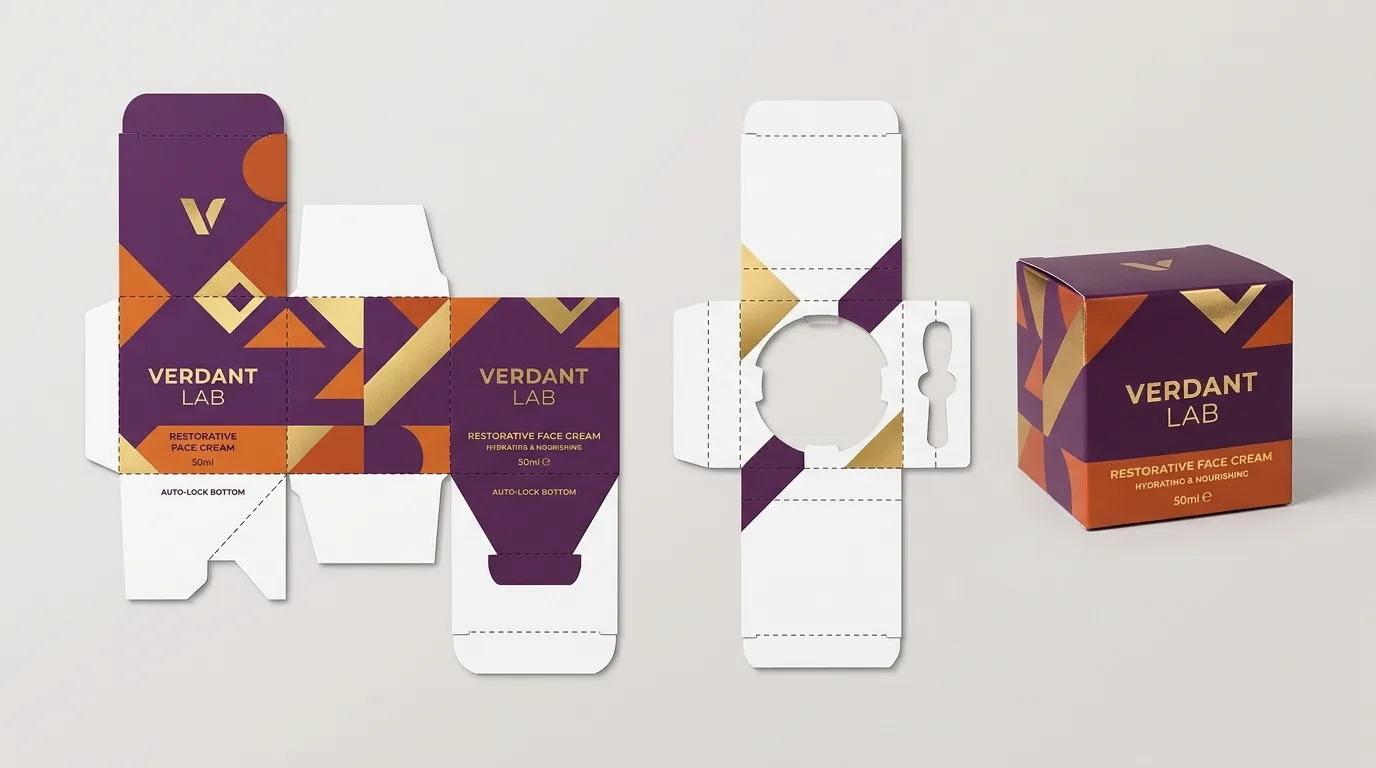
| 50 g (1.7 oz) standard glass face cream jar | 2.625 × 2.625 × 2.375 in | Auto lock bottom cube |
| 50 g (1.7 oz) thick-base glass or double-wall jar | 2.75 × 2.75 × 2.5 in | Auto lock bottom cube |
| 50 g (1.7 oz) jar + pedestal riser + spatula slot | 3 × 3 × 2.75 in | Auto lock or two-piece box |
| 100 g (3.4 oz) overnight mask or neck cream jar | 3.375 × 3.375 × 3 in | Auto lock bottom |
| 200 g (7 oz) whipped body butter wide tub | 4 × 4 × 3.5 in | Auto lock bottom or E-flute |
| 50 ml (1.7 oz) crimped aluminum hand cream tube | 2.125 × 1.5 × 5.25 in | Straight tuck end rectangle |
Why do double-wall acrylic and heavy-sham glass jars need larger cube boxes?
In skincare packaging, two jars that hold the exact same 50 g (1.7 oz) of cream can differ by nearly half an inch in outside width. A standard single-wall apothecary glass jar or thin-wall polypropylene pot has walls only 1.5 to 2 mm thick, giving a 50 g jar an outside diameter of roughly 2.25 to 2.45 inches. By contrast, a prestige double-wall acrylic jar suspends a 50 g inner cup inside a thick outer clear or frosted shell with an air gap between the walls, and a luxury heavy-sham glass jar casts a solid 10 mm to 15 mm glass base under the bowl. Those thick walls push the outside diameter of a 50 g jar to 2.60 or 2.75 inches and add several ounces of dead weight. If you order a carton from a generic 50 ml chart without measuring the outer shell, the jar will never enter the box. In addition, when you add a wrap-around custom card insert around the sides of the jar for drop protection, remember to add 1/4 inch to 3/8 inch to both the length and width of the outer cube so the double wall of paperboard fits comfortably.
Know your size? Compare pricing across up to 3 quantities.
Request a Quote →How do I size a cream box when adding a bottom pedestal or a mini spatula?
Many facial creams and sleeping masks include a small plastic or metal dosing spatula so customers can scoop product without dipping fingers into the jar. Leaving that spatula loose inside the carton allows it to slide down into the corner and scratch the jar cap. The clean structural solution is a die-cut top collar or inner lid platform that sits directly above the jar lid with a notched slot sized to your spatula's length and handle width. To size a carton for both a jar and a top spatula collar, first check that your spatula's total length is at least 1/4 inch shorter than the inside width (or diagonal width) of the carton. Next, add 3/16 to 1/4 inch to the box height above the jar cap so the folded card collar sits flat under the dust flaps. Similarly, if you are packaging a petite 15 g under-eye cream pot and want a taller custom cube box with more room for back-panel INCI text, we can build a 1/2-inch folded card pedestal riser under the jar. Simply add the height of that riser to your carton's inside height so the jar still greets the customer right at the top rim when they open the lid.
How do I measure crimped hand cream and ointment tubes for a carton?
Not every cream comes in a round jar. Hand creams, barrier ointments, eye gels and retinol treatments frequently use crimped aluminum tubes or heat-sealed laminate squeeze tubes. Measuring a squeeze tube requires a different approach because the container changes shape from a round cap at one end to a flat, wide crimp seal at the other end. When sizing a carton for a cream tube, the flat crimped tail at the top of the tube is always the widest part, typically 1.57 times wider than the round tube barrel diameter. Measure across that flat top crimp seal and add 1/8 inch to set your carton's inside Length (left-to-right front width). Next, measure the front-to-back thickness of the round cap or the swollen middle of the filled tube and add 1/8 inch to set your inside Width (front-to-back depth). That gives you a rectangular carton (such as 2.125 × 1.5 × 5.25 in) that keeps the flat crimp from twisting while saving shelf depth compared with a square box. For broader skincare line planning across droppers and jars, see our custom skincare boxes and custom jar labels pages.
- Tube Length (front width): measure across the wide flat crimp or heat seal at the top end and add 1/8 inch.
- Tube Width (front-to-back depth): measure the diameter of the screw cap or the thickest belly of the filled tube and add 1/8 inch.
- Tube Height: measure from the tip of the cap nozzle to the top edge of the crimp seal and add 1/8 to 3/16 inch.
- Cap neck cradle: add a bottom card base with a circular hole if you stand the tube cap-down inside the carton.
What are the most common cream jar measurement mistakes?
A few millimeters of outer shell thickness or cap overhang can stop a jar from sliding into its box. Check these five errors before locking in your dieline
- Choosing a box size from the 50 g or 1.7 oz net weight instead of measuring the outer diameter of a double-wall jar.
- Measuring the glass jar body while ignoring an oversized bamboo, metallized or knurled lid that overhangs the glass by 1/16 inch.
- Ordering a square box sized to the round cap of a squeeze tube, which crushes the wider flat crimp seal at the opposite end.
- Adding a wrap-around cardboard cradle or corrugated liner inside the box without adding 1/4 to 3/8 inch to the outer carton width.
- Forgetting to add vertical height for a bottom pedestal riser or a top spatula collar, causing the top tuck flap to dome upward.
Find your size
Suggested inside size: 2 × 2 × 1.75 in
A starting point. Your account manager confirms the size with you before the proof.
Quote this size →Packaging for this
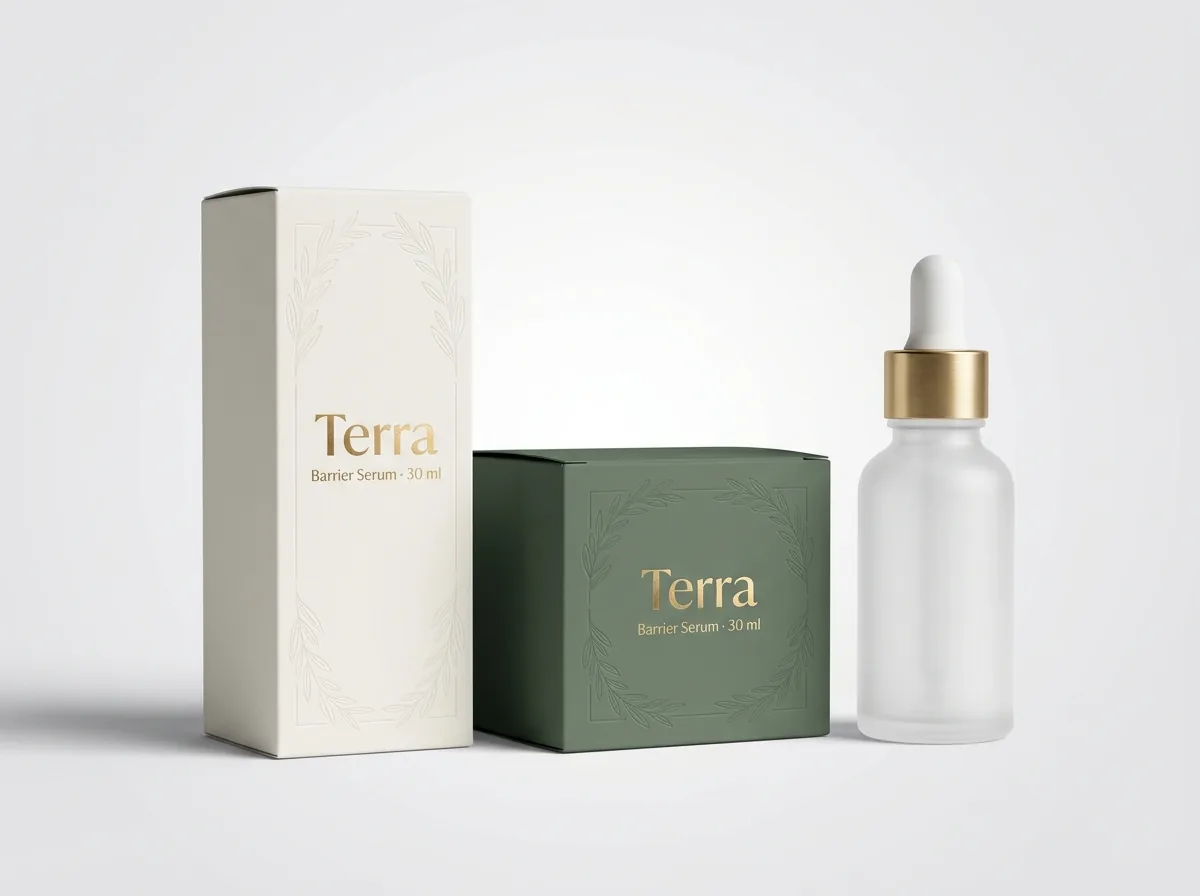
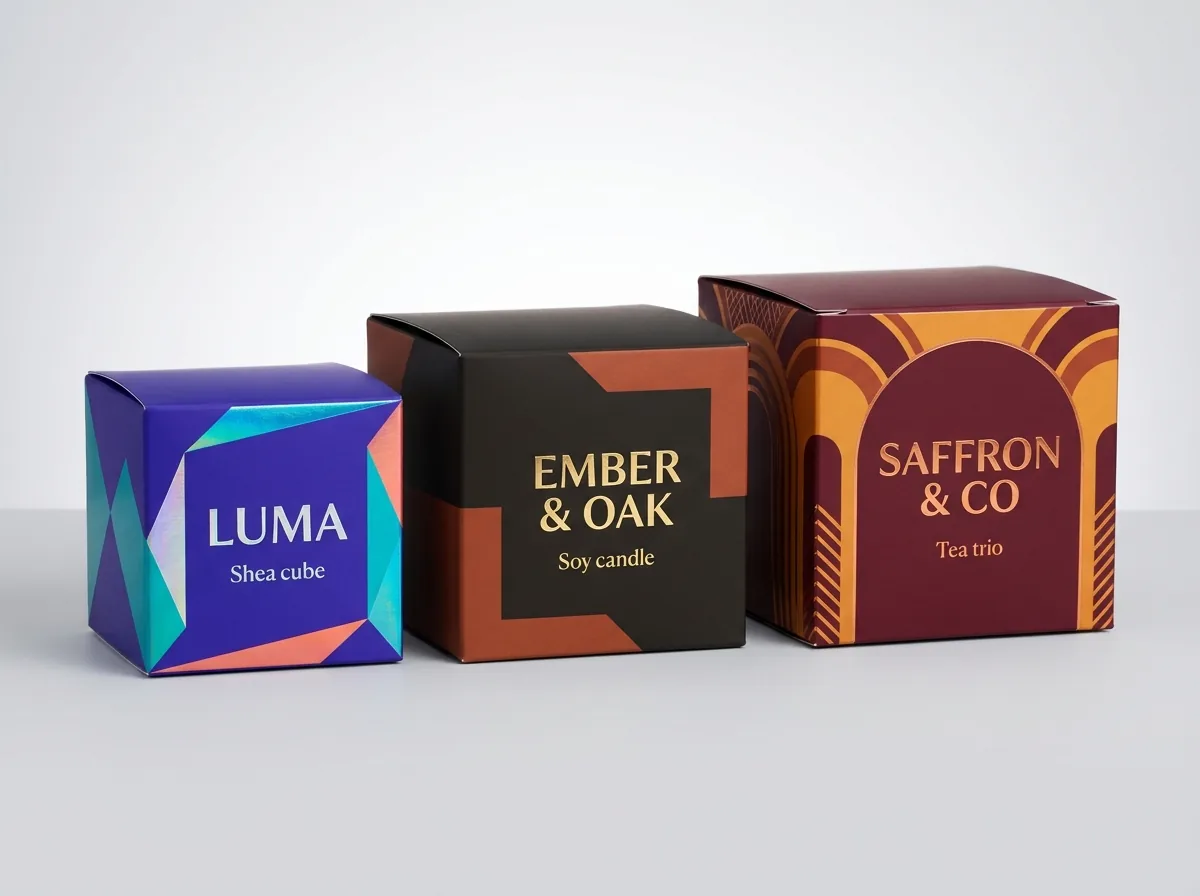
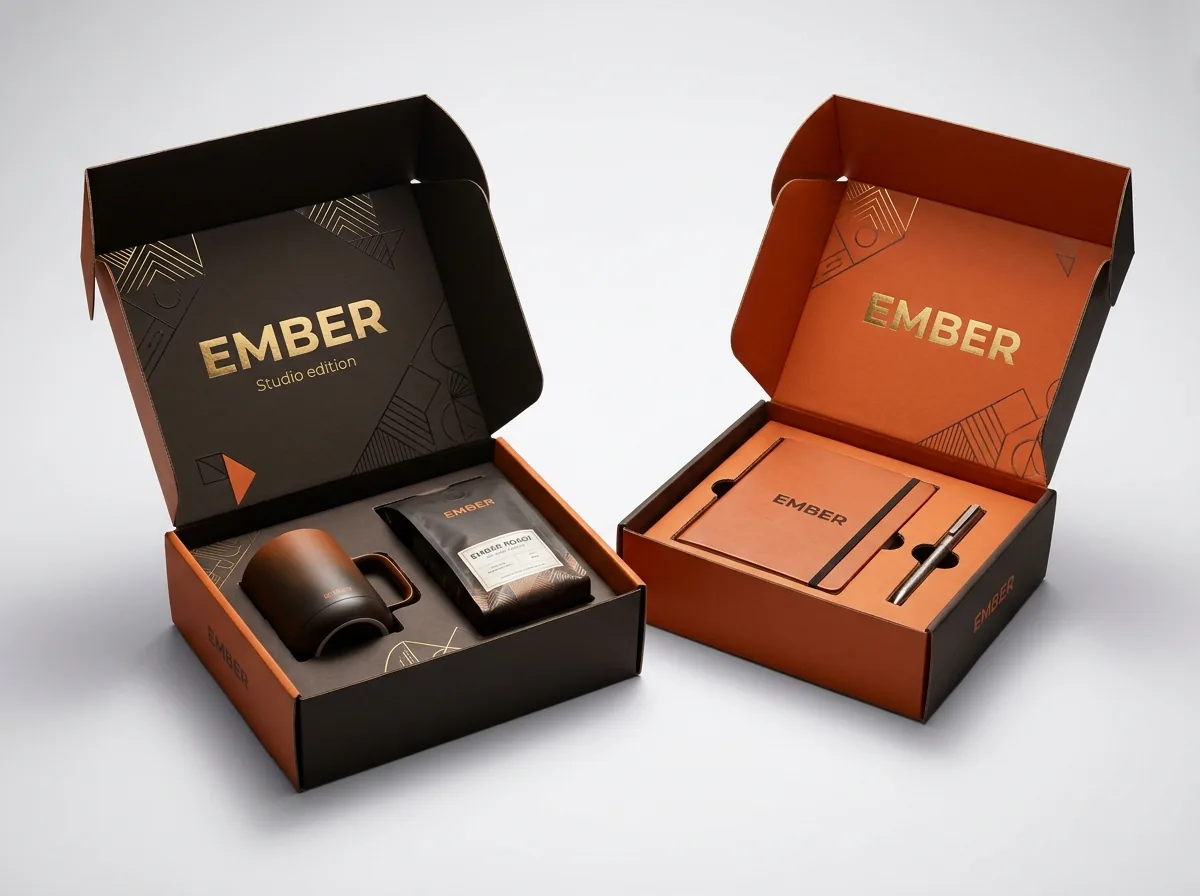
Ready to order cream boxes? Compare up to 3 quantities with a free 3D mockup.
Request a Quote →Questions about cream boxes
What is the standard box size for a 50 g (1.7 oz) face cream jar?
Most 50 g heavy-wall glass and double-wall acrylic moisturizer jars fit inside a 2.75 × 2.75 × 2.5 inch cube carton, while thinner single-wall 50 g jars often use 2.625 × 2.625 × 2.375 inches. If you add a bottom pedestal and a top spatula collar, 3 × 3 × 2.75 inches is the usual choice.
Should I give inside or outside dimensions when requesting a cream box quote?
Always give inside dimensions: Length × Width × Height in inches. Because your jar and any internal card collar sit inside the carton walls, quoting by inside size guarantees a clean fit regardless of the paperboard thickness you pick.
How much clearance should I leave around a round glass cream jar inside a square box?
Add 1/8 inch (0.125 in) to the widest outer diameter of the jar or lid for a standard folding carton without an insert. That 1/8 inch gives 1/16 inch of breathing room on each side so the jar slides in smoothly during packing without rattling.
How do I measure for a cream box that holds both a jar and a mini spatula?
Measure your jar diameter and height first, then measure the length, handle width and thickness of the spatula. Add 3/16 to 1/4 inch to the carton's inside height so we can place a notched card collar right above the jar cap to hold the spatula flat.
Why is a squeeze tube cream box rectangular instead of square?
A filled cream tube is round at the cap end but pressed flat into a wide crimp seal at the top end (about 1.57 times wider than the tube diameter). A rectangular box matches the wide crimp across the front while keeping the front-to-back depth slim.
Can I send my physical cream jar to verify the dieline fit before printing?
You can share your jar's caliper measurements or technical spec drawing for a free 2D dieline and 3D mockup before payment, and you can also order a paid printed sample of your custom box and insert (credited to your order) to test the physical jar fit.
Still have a question? Ask a packaging specialist.
Request a Quote →Request your cream boxes quote
Tell us your size and quantities, and one dedicated account manager prepares pricing for each tier.
- Free design & AI-to-print studio + 3D mockup
- No die or plate charges · 4–5 day rush available
- Free shipping to all 50 states
- 10% off your first order
The inside carton dimensions in this guide were derived from stock 15 g, 30 g, 50 g, 100 g and 200 g single-wall glass and double-wall cosmetic jar molds, plus standard aluminum/laminate tube crimp formulas (flat crimp width = π × diameter / 2). A CubitPack packaging specialist verified every row. Spot an error? Let us know and we will fix it.
Sources
What changed
- October 22, 2026: First published.
- October 22, 2026: Updated specifications, terminology, and verified source links.
More guides
New packaging guides by email
Sizes, materials and design tips. Unsubscribe anytime.