
How do I design custom spice boxes that lock in aroma and color?
Short answer: Design custom spice boxes with enclosed panels or narrow peek windows to block UV light that bleaches paprika, saffron, and green herbs, and add matte or soft-touch lamination so volatile spice oils never stain the board. Standardize one dieline across your SKU lineup with top-flap Pantone color bands for kitchen drawer visibility.
On this page
- Why do spices fade under store lights and how does a box prevent it
- Which coatings stop volatile spice oils and kitchen steam from staining the carton
- How do I color-code 10 to 25 spice blends on one shared dieline
- What FDA labeling and allergen rules apply to custom spice boxes
- How can I keep custom spice box costs low across multiple blends
- Common mistakes
- FAQs
Request a custom quoteFree dieline & 3D mockup
Great spice packaging protects both sensory quality on the grocery shelf and everyday usability in a home kitchen. Ground chili powders, smoked paprika, saffron threads, turmeric, and dried green herbs contain natural carotenoid and chlorophyll pigments plus volatile essential oils that degrade rapidly when exposed to supermarket LED and fluorescent light. Enclosing glass spice jars or inner foil sachets inside a custom printed paperboard carton blocks ultraviolet and visible light while giving your brand four flat faces for origin maps, Scoville heat meters, recipe pairings, and mandatory FDA 21 CFR 101 ingredient and sesame allergen statements. Adding exterior matte or soft-touch lamination prevents aromatic oils from nutmeg, cloves, and seasoning rubs from leaving grease marks on the carton during cooking. At CubitPack, every order starts at 1,000 boxes with free design help, no die or plate charges, and guaranteed Pantone color matching.
Why do spices fade under store lights and how does a box prevent it?
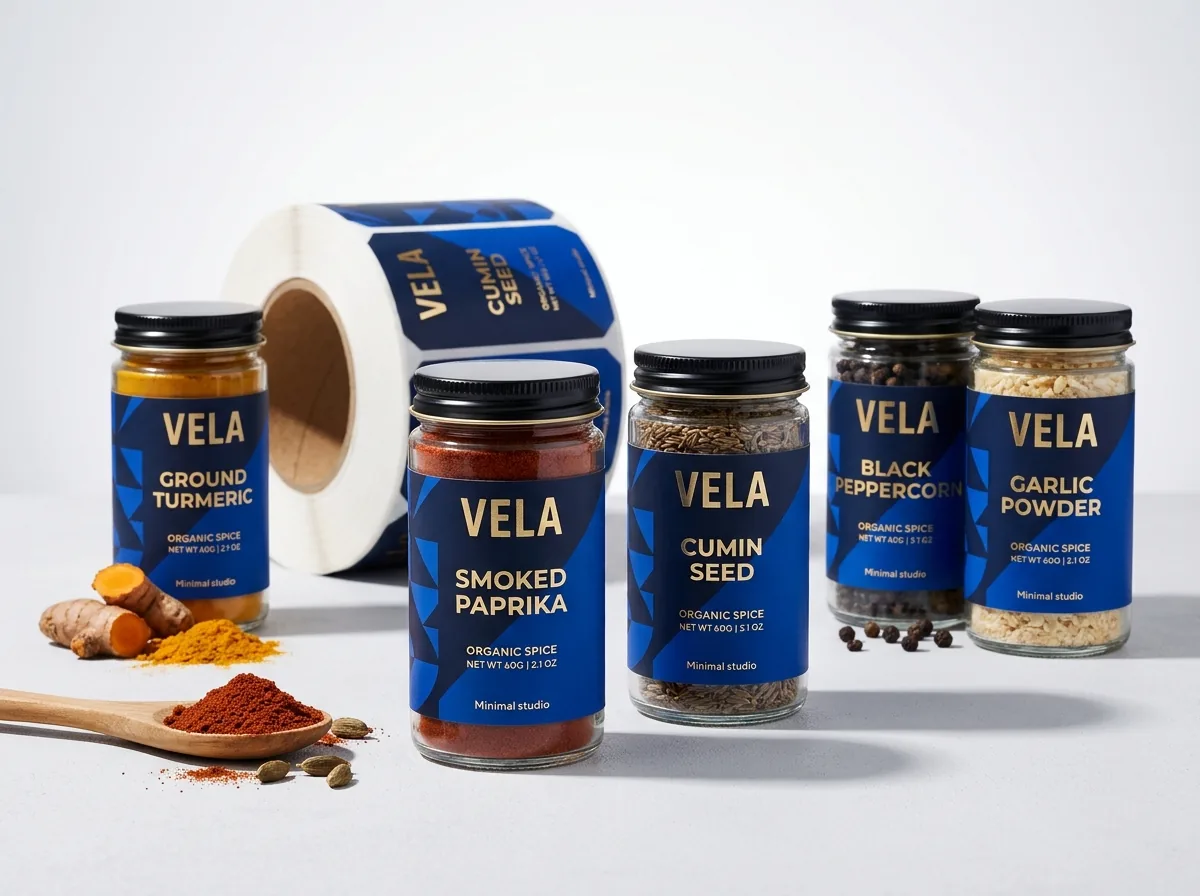
When clear glass spice jars sit under bright grocery aisle lighting for weeks, photodegradation breaks down the natural pigments and aromatic compounds in the outer layer of the spice. Deep crimson paprika and cayenne turn rusty brown, vibrant green oregano and parsley fade to dull gray, and saffron loses potency. Once the outer ring of spice inside a clear jar bleaches, shoppers pass it over as stale even when the batch was ground recently. Placing clear glass jars or inner pouches inside custom printed spice cartons acts as a full light shield on the shelf. If you still want customers to verify the grind texture or crystal size before buying, use a narrow vertical peek slot on the front panel rather than a wide wrap-around window. That way, 85% of the bottle stays shaded from overhead fixtures while a narrow strip showcases whole peppercorns, coarse sea salt, or red chili flakes.
- High light sensitivity (use enclosed cartons): smoked paprika, cayenne, turmeric, saffron, matcha, dried green herbs.
- Medium light sensitivity (use narrow peek windows): garam masala, curry blends, sumac, ground cinnamon.
- Low light sensitivity (safe for wider bottle cutouts): flaky sea salt, pink Himalayan salt, whole black peppercorns, cane sugar rubs.
Which coatings stop volatile spice oils and kitchen steam from staining the carton?
Spices are rich in essential oils - myristicin in nutmeg, eugenol in cloves, piperine in black pepper, and capsaicin oils in chili rubs - and spice boxes live right next to steaming stovetops and oiled hands. Uncoated paperboard absorbs both airborne kitchen grease and volatile spice oils, which can leave dark translucent rings around the tuck flap or dull bare ink after a few uses. Choose your board coating based on how the spice is packed and used in the kitchen. For outer cartons holding sealed glass jars or foil sachets, an exterior matte, gloss, or soft-touch lamination wipes clean when touched with damp or oiled fingers. If you pack whole spices, cinnamon sticks, bouquet garni sachets, or porous paper packets that touch the inside of the carton directly, request food-safe inner liners and grease-resistant barriers on your quote.
| Coating or board option | Where it goes | Best spice application |
|---|---|---|
| Matte lamination | Exterior carton panels | Resists kitchen oil smudges and stove steam with zero glare under store lights |
| Soft-touch lamination | Exterior gift sets & sleeves | Velvety grip for gourmet culinary sets, truffle salts, and saffron reserve boxes |
| Gloss lamination | Exterior masala & rub cartons | High-shine barrier that wipes clean easily and intensifies rich spice colors |
| Food-safe oil barrier | Interior board surface | Direct or porous-sachet contact with oily spices like cloves, nutmeg, and rubs |
| Natural kraft + white ink | Exterior (matte varnish optional) | Organic herbs, botanical teas, and farmers market sea salt blends |
How do I color-code 10 to 25 spice blends on one shared dieline?
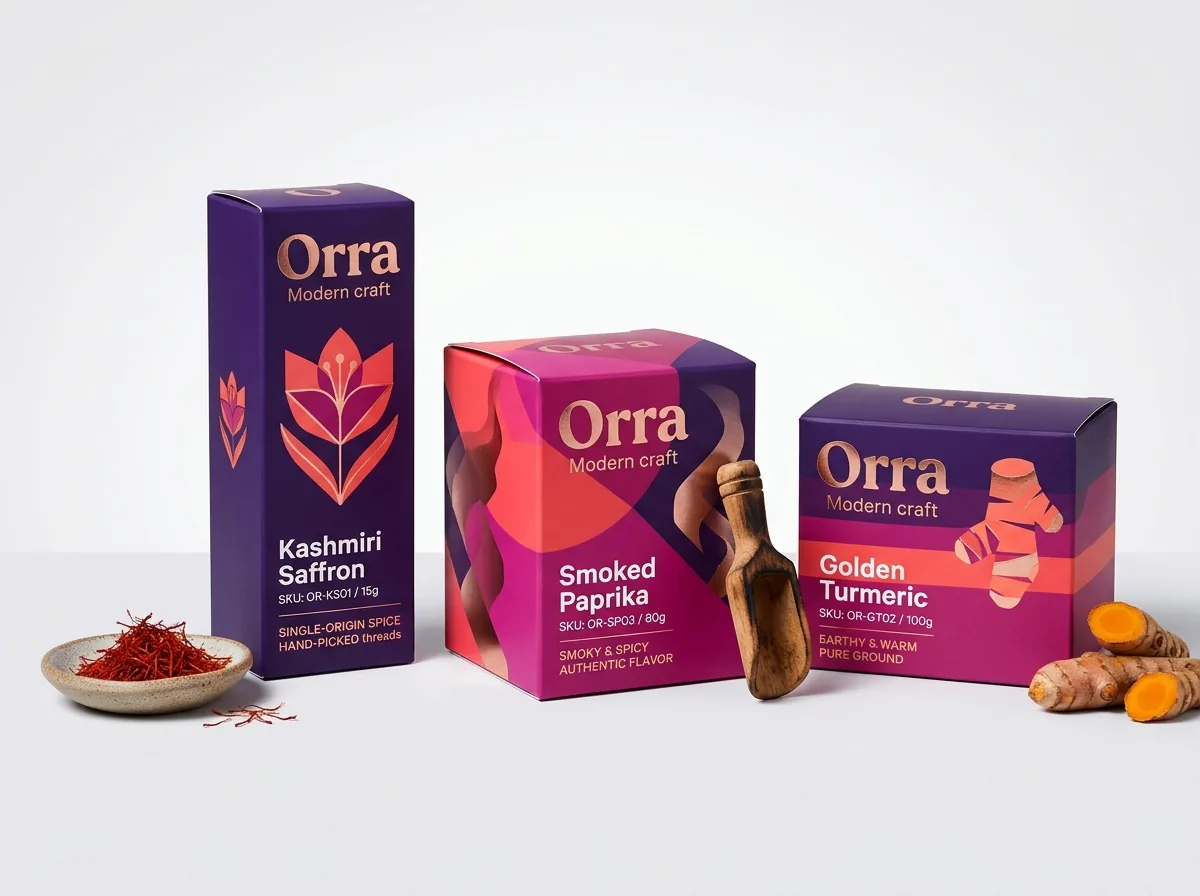
Most seasoning brands launch with at least 6 to 15 SKUs - from garlic powder and smoked paprika to taco seasoning and lemon pepper - and add seasonal blends over time. Designing a completely different box size for every spice drives up packing complexity and prevents you from grouping SKUs into a single shared production run. Instead, lock in one universal dieline size (such as 2.125 × 2.125 × 4.5 inches for 4 oz jars or 3.5 × 1.625 × 5.25 inches for 100 g masala pouches) and build a modular graphic template. Keep your brand logo, net weight zone, and back nutritional grid in the exact same position across every box, then assign each spice category a distinct Pantone color band: terracotta red for smoky chilies, saffron gold for curries and turmeric, sage green for Mediterranean herbs, and deep navy for sea salts. Always repeat the spice name and color band on the top tuck flap so home cooks storing boxes vertically in a kitchen drawer can spot the right seasoning from above.
Know your size? Compare pricing across up to 3 quantities.
Request a Quote →What FDA labeling and allergen rules apply to custom spice boxes?
Retail spice cartons sold in the United States must follow FDA 21 CFR Part 101 food labeling rules. The front Principal Display Panel (PDP) must state the clear product identity ('Ground Cumin' or 'Smoked Paprika Rub') and the net quantity of contents in both US customary weight (oz) and metric weight (g), placed in the bottom 30% of the front panel. On the information panel (typically the right side panel or back panel), list all ingredients in descending order by weight alongside the name and address of the manufacturer, packer, or distributor. Pay special attention to the FASTER Act allergen rules: sesame is one of the nine major US food allergens, so any za'atar, everything-bagel blend, shichimi togarashi, or curry rub containing sesame seeds or sesame oil must declare 'Contains: Sesame' clearly on the carton. If your jar inside also wears custom spice labels, make sure the ingredient and allergen text on the outer box matches the inner jar word for word.
- Principal Display Panel (front): product identity and dual net weight (e.g., Net Wt 2.1 oz / 60 g) in the lower 30%.
- Ingredient list: list sub-ingredients of spice blends and any anti-caking agents (like silicon dioxide).
- Major allergen callout: declare sesame, mustard (where applicable for export), soy, wheat, or tree nuts clearly.
- Barcode placement: leave a 1.5 × 1.0 inch white box with dark bars on the bottom or lower back panel.
How can I keep custom spice box costs low across multiple blends?
Four factors shape the unit price of custom spice cartons: total order quantity, single-jar vs multi-jar gift structure, board stock, and special finishes. Because CubitPack charges zero die or plate fees and groups multi-SKU orders that share the exact same dieline and board stock, keeping one standard box size across your entire spice rack is the fastest way to lower your per-box cost. For everyday grocery SKUs, printing full-color CMYK with a protective matte lamination gives you unlimited flavor colors without paying for separate metallic foil stamps on every blend. Save copper or gold foil stamping and embossing for your flagship 3-jar or 6-jar holiday gift sets where the box itself is the gift presentation. First-time orders receive 10% off, and our team will beat any written US competitor quote for identical specifications, with free shipping included across all 50 states.
What are the most common custom spice box design mistakes?
Even eye-catching spice artwork can fail in the kitchen or grocery aisle if it ignores light exposure, oil smudges, or drawer storage. Watch out for these five design errors
- Leaving the top tuck flap blank, which forces home cooks to pull every box out of a kitchen drawer to see which spice is inside.
- Using a wide clear window on cartons for paprika, cayenne, or dried green herbs that bleach rapidly under grocery LEDs.
- Printing dark rich backgrounds on unlaminated board that shows every oily fingerprint near the stove.
- Forgetting to declare sesame as a major FDA food allergen on everything-bagel, za'atar, and chili crisp spice blends.
- Placing the net weight statement at the top of the front panel instead of in the lower 30% required by retail labeling rules.
Find your size
Suggested inside size: 1.875 × 1.875 × 3.75 in
A starting point. Your account manager confirms the size with you before the proof.
Quote this size →Packaging for this
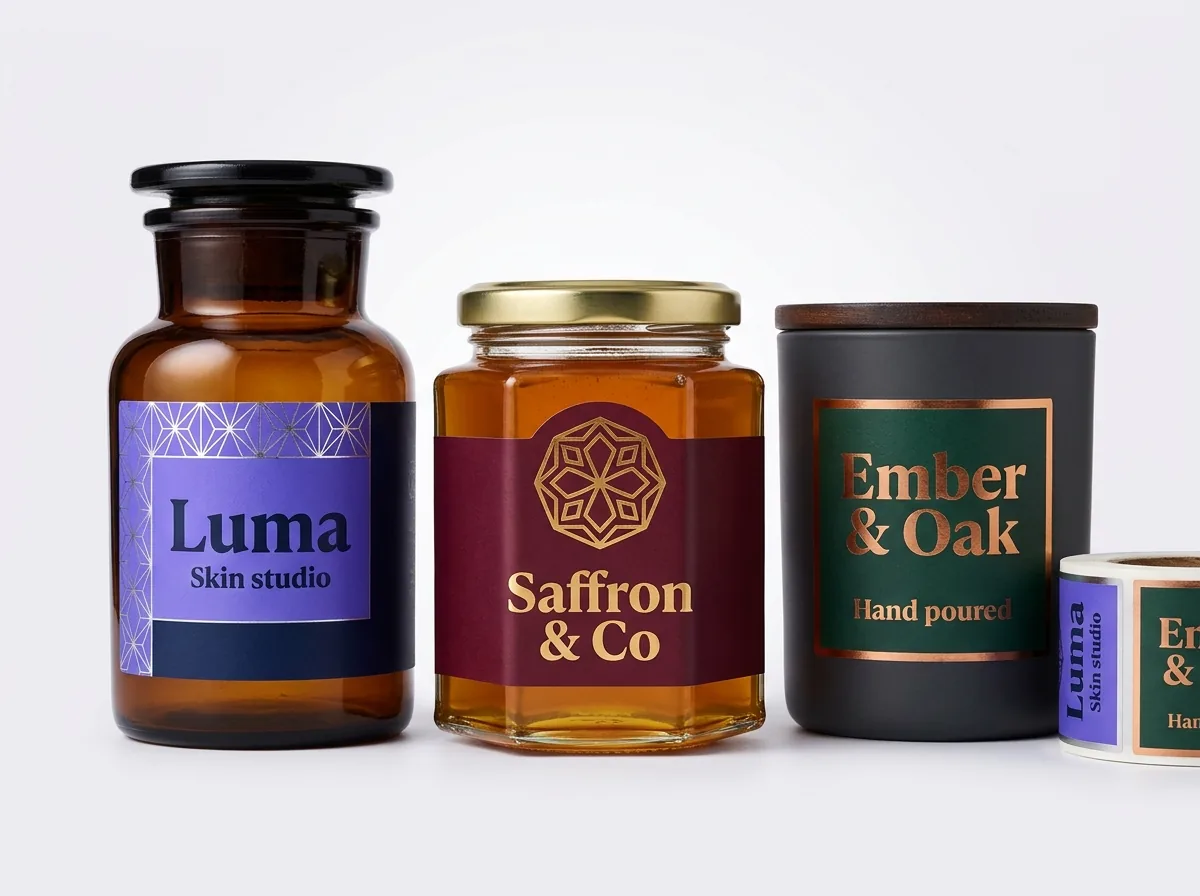
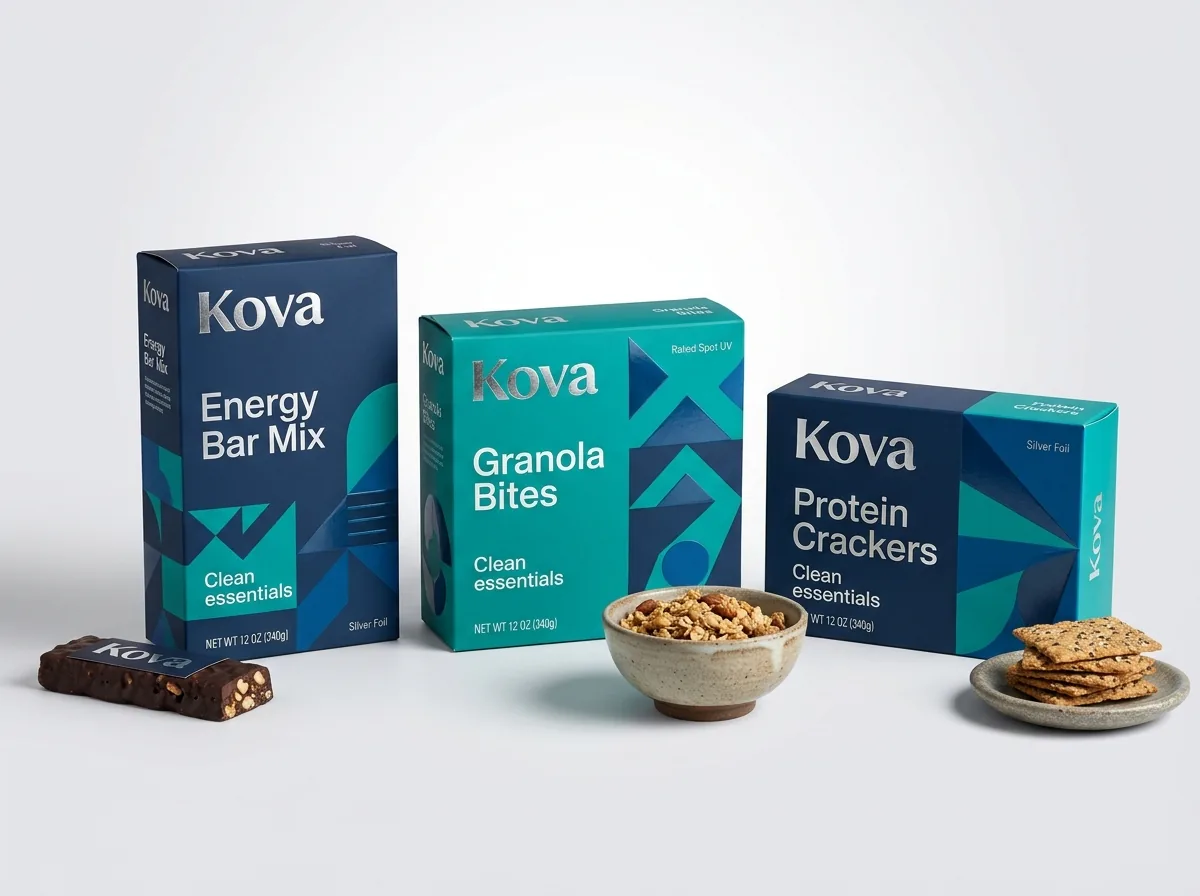
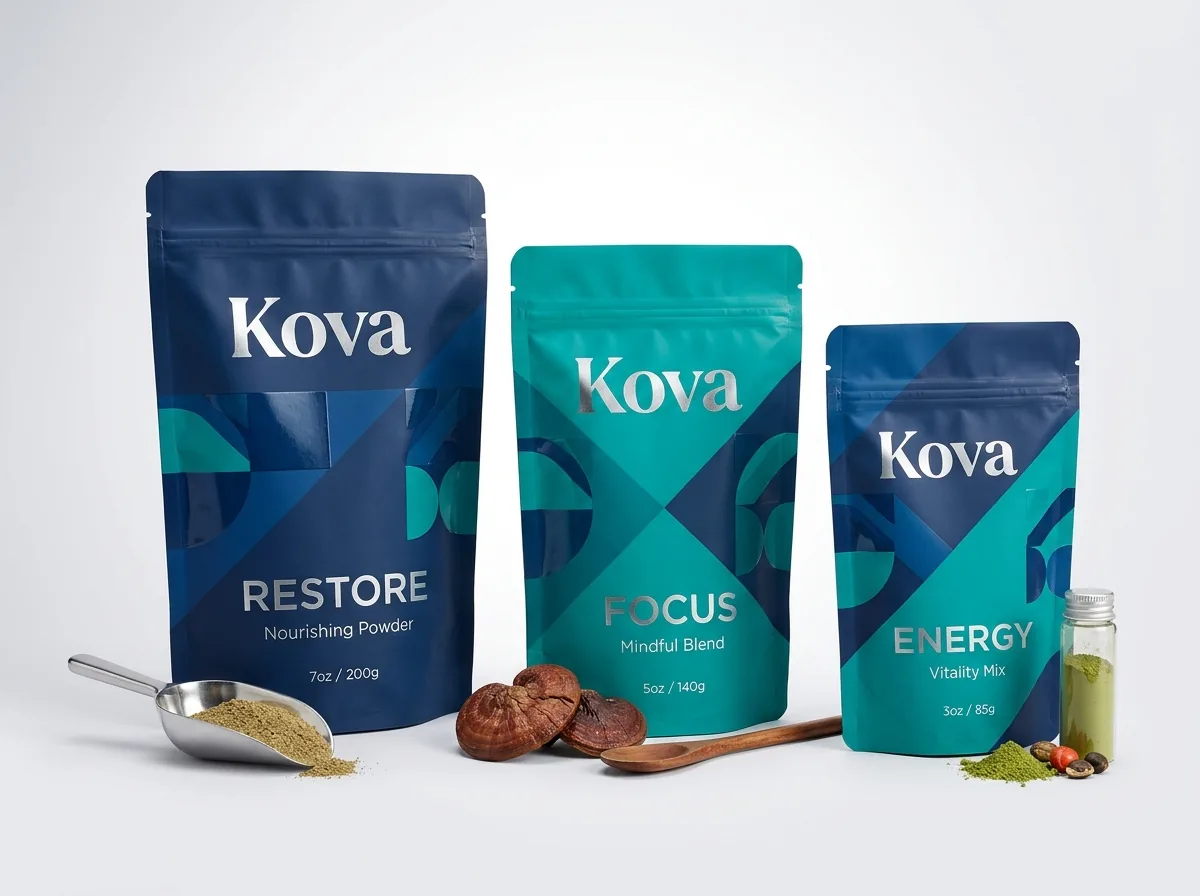
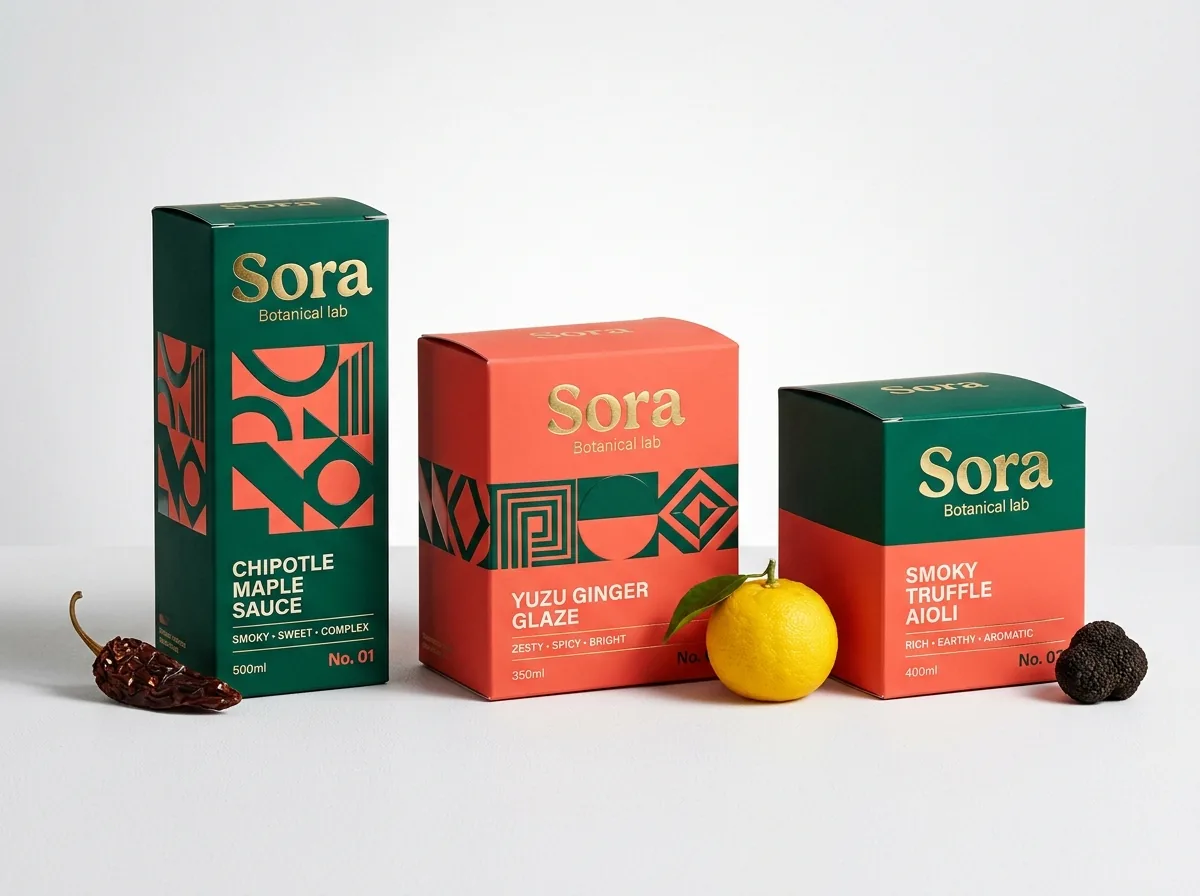
Ready to order spice boxes? Compare up to 3 quantities with a free 3D mockup.
Request a Quote →Questions about spice boxes
Can I print multiple spice flavors in one 1,000-box order?
Yes. When several spice blends share the exact same box dimensions and board stock, we can split or combine your run across multiple artwork versions. Select 2 designs or 3+ designs in the quote form and note how many blends you have.
How do you keep terracotta, saffron gold, and herb green colors consistent across reorders?
We offer guaranteed Pantone (PMS) spot color matching alongside calibrated CMYK printing. Your account manager records your exact color profile so a reorder six months later matches the boxes already on the shelf.
Can I print recipes or a spice pairing chart inside the box?
Yes. Printing a quick recipe on the inside of a bag-in-box carton flap or a full flavor pairing map inside the lid of a 3-jar or 6-jar gift box is a popular upgrade that replaces separate paper recipe cards.
Does white ink show up clearly on natural brown kraft spice boxes?
Yes. Standard CMYK inks are translucent and look darker on brown kraft, so we print an opaque white ink layer underneath your text, barcode box, or bright spice illustrations so they stay crisp and legible.
Do I need food-safe ink on the outside of a spice jar carton?
If your spice is sealed inside a glass jar, metal tin, or inner foil pouch, standard retail inks and laminations work well on the outer carton. For direct or porous-packet contact, request food-safe materials and low-migration inks on your quote.
What if I do not have a graphic designer or dieline template yet?
Every CubitPack order includes free custom dieline templates and free design help, plus a digital proof and 3D mockup before you pay. We also offer a full Brand Identity package ($250 for 3 options, +$50 per extra round).
Still have a question? Ask a packaging specialist.
Request a Quote →Request your spice boxes quote
Tell us your size and quantities, and one dedicated account manager prepares pricing for each tier.
- Free design & AI-to-print studio + 3D mockup
- No die or plate charges · 4–5 day rush available
- Free shipping to all 50 states
- 10% off your first order
This guide combines FDA 21 CFR 101 food and allergen labeling requirements with spice photodegradation principles and paperboard lamination specs. A CubitPack packaging specialist reviewed every section. Spot a mistake? Let us know and we will fix it.
Sources
What changed
- October 22, 2026: First published.
- October 22, 2026: Updated specifications, terminology, and verified source links.
More guides
New packaging guides by email
Sizes, materials and design tips. Unsubscribe anytime.