
How do I design custom gourmet food boxes for specialty retail and gifting?
Short answer: Design custom gourmet food boxes around provenance storytelling, tactile matte or kraft surfaces, an inside-lid tasting map aligned over your insert cavities, and a consolidated FDA ingredient and allergen panel on the base. Orders start at 1,000 boxes with free design help and no die charges.
On this page
- How do I design an inside-lid tasting guide that lines up with the insert wells
- Which board stocks, color palettes, and finishes create an authentic specialty-shop look
- When do gourmet food boxes need grease barriers or moisture-resistant coatings
- How do you handle FDA ingredient, net weight, and allergen labels on multi-item gift sets
- What drives the cost of custom gourmet food boxes and how can I save across SKUs
- Common mistakes
- FAQs
Request a custom quoteFree dieline & 3D mockup
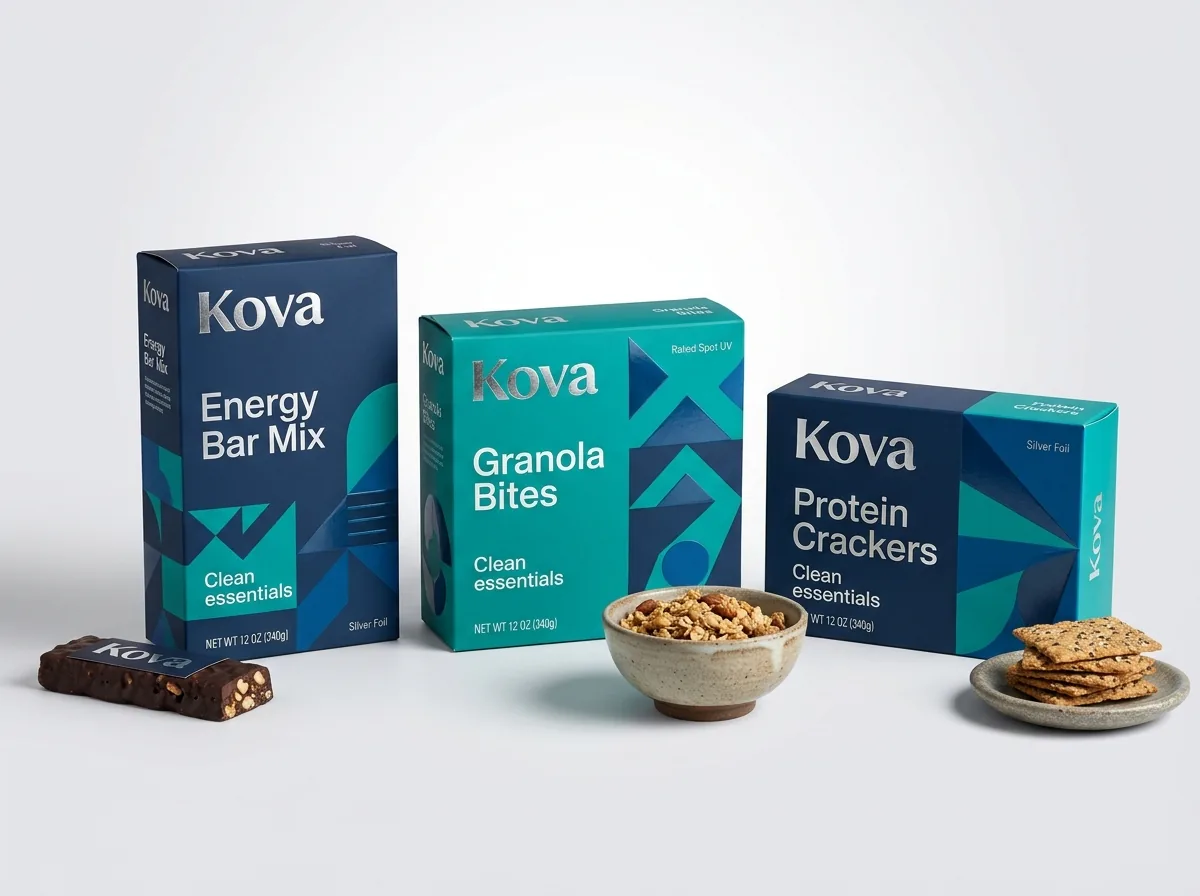
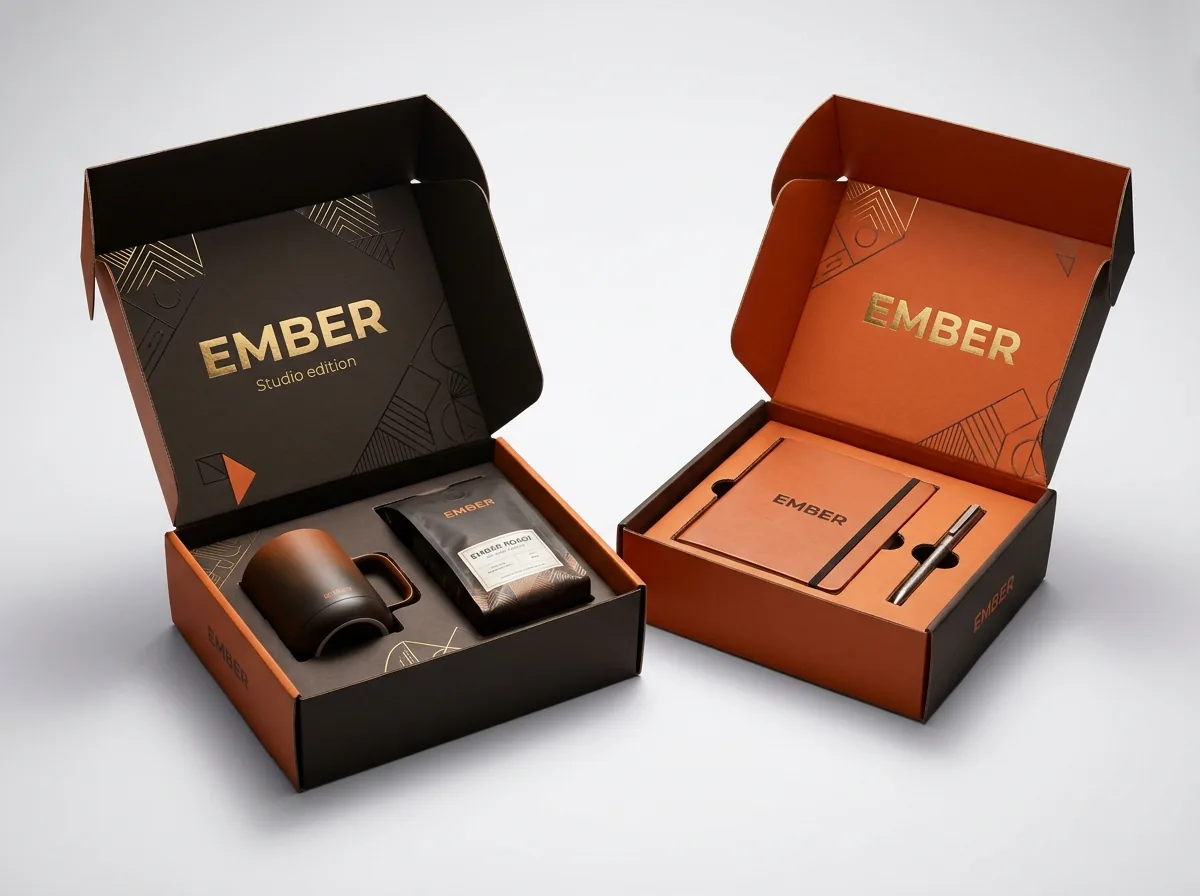
Great gourmet food packaging balances old-world culinary authenticity with practical retail and gifting functionality. On the exterior, specialty food buyers respond to tactile, low-glare materials - such as natural unbleached kraft or soft-touch matte white board in deep olive, burgundy, navy, or warm cream - accented by a single gold or copper foil crest or blind-embossed botanical motif rather than loud supermarket graphics. On the interior, printing a tasting map and pairing guide directly on the inside lid aligned above each die-cut jar cavity turns unboxing into a guided culinary flight without the cost of a separate printed booklet. Finally, ensure the back or bottom panel consolidates FDA net weight, ingredient lists, and allergens for every item packed inside. At CubitPack, our designers set up your artwork, insert cradle, digital proof, and 3D mockup for free on orders from 1,000 boxes.
How do I design an inside-lid tasting guide that lines up with the insert wells?
When someone receives a curated 3-jar condiment flight, an olive oil and balsamic duo, or a 6-item regional pantry hamper, the first thing they do after lifting the lid is ask what each jar is, where it was harvested, and what to pair it with. Printing that story directly across the inside lid of your custom printed gourmet food boxes keeps the tasting notes permanently attached to the chest while the recipient serves from it. To make the inside lid feel cohesive, align the columns of your interior artwork directly above the vertical centerlines of the die-cut insert cavities below. If your insert holds three jars from left to right (for example: Meyer Lemon Marmalade, Black Truffle Tapenade, and Aged Fig Mostarda), divide the inside lid into three matching columns so each description, harvest origin, and cheese pairing sits directly above its corresponding jar.
- Match interior lid text columns to the exact horizontal centerlines of the insert wells below.
- Include a 1-sentence origin note and 2 specific serving pairings (e.g., 'Spoon over aged Manchego or roasted poultry') per item.
- Keep interior typography at 9 pt or larger so guests can read the lid while it stands propped open on a counter.
- Add a clean QR code in the lower corner linking to full recipes or reorder bundles on your website.
Which board stocks, color palettes, and finishes create an authentic specialty-shop look?
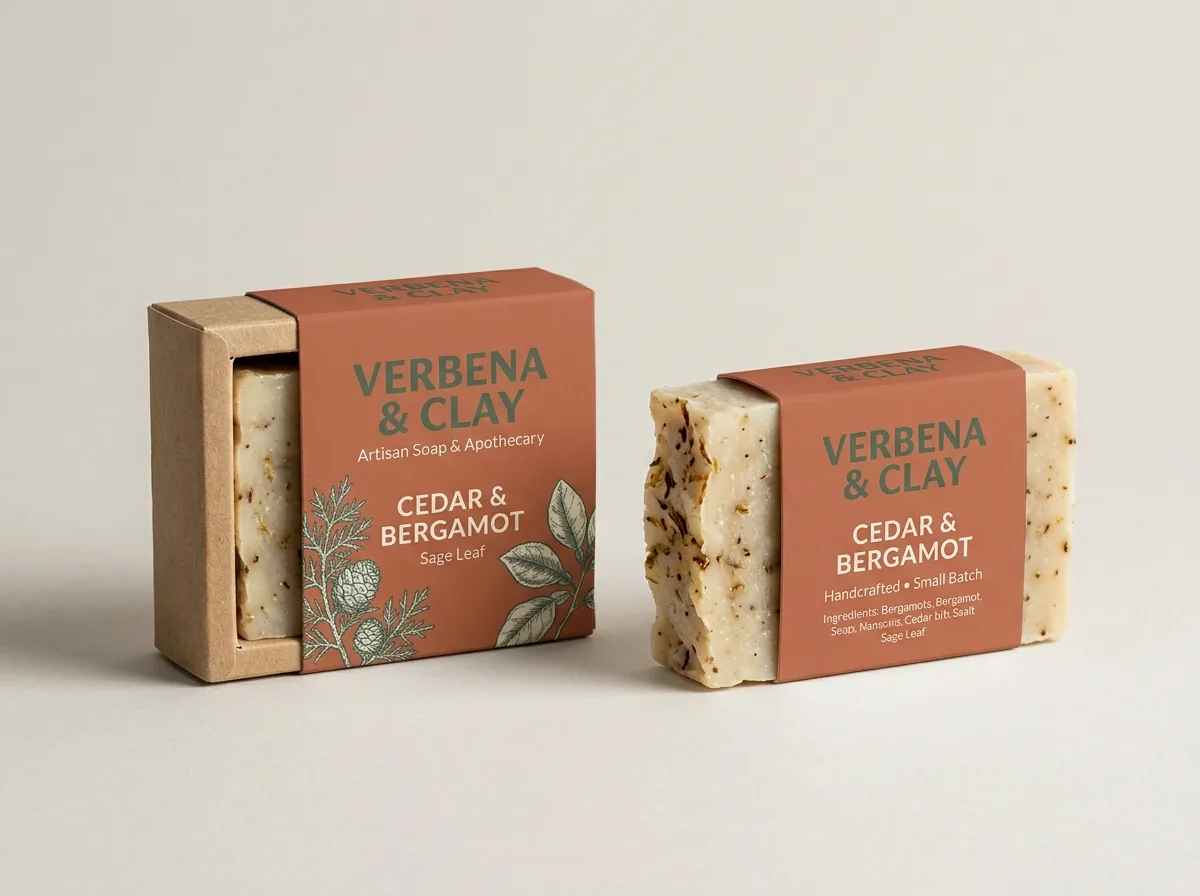
Fine-food boutiques, cheese shops, and epicurean gift catalogs favor restrained, tactile packaging that highlights the natural colors of the food rather than competing with it. Choosing the right combination of board stock and surface finish sets your price tier immediately and keeps handling marks off dark lids during busy holiday tasting seasons. Use the table below to match your culinary product category to the board, palette, and finishing pass that performs best on shelf and in hand.
| Culinary category | Recommended board & color palette | Best finish & structural detail |
|---|---|---|
| Estate olive oil, balsamic & heirloom pasta | Warm cream, olive green, or terracotta on white card | Matte lamination + antique gold foil crest |
| Farmstead cheese & charcuterie grazing kits | Unbleached natural brown kraft with forest or burgundy ink | Grease-resistant inner liner + clear window sleeve |
| Truffle products, caviar & executive hampers | Deep charcoal, midnight navy, or espresso on heavy card | Soft-touch lamination + copper or gold foil stamp |
| Tinned seafood (conservas) & spice cartons | Bright Mediterranean cobalt, saffron yellow, and vermilion | Blind embossed illustration + spot UV accents |
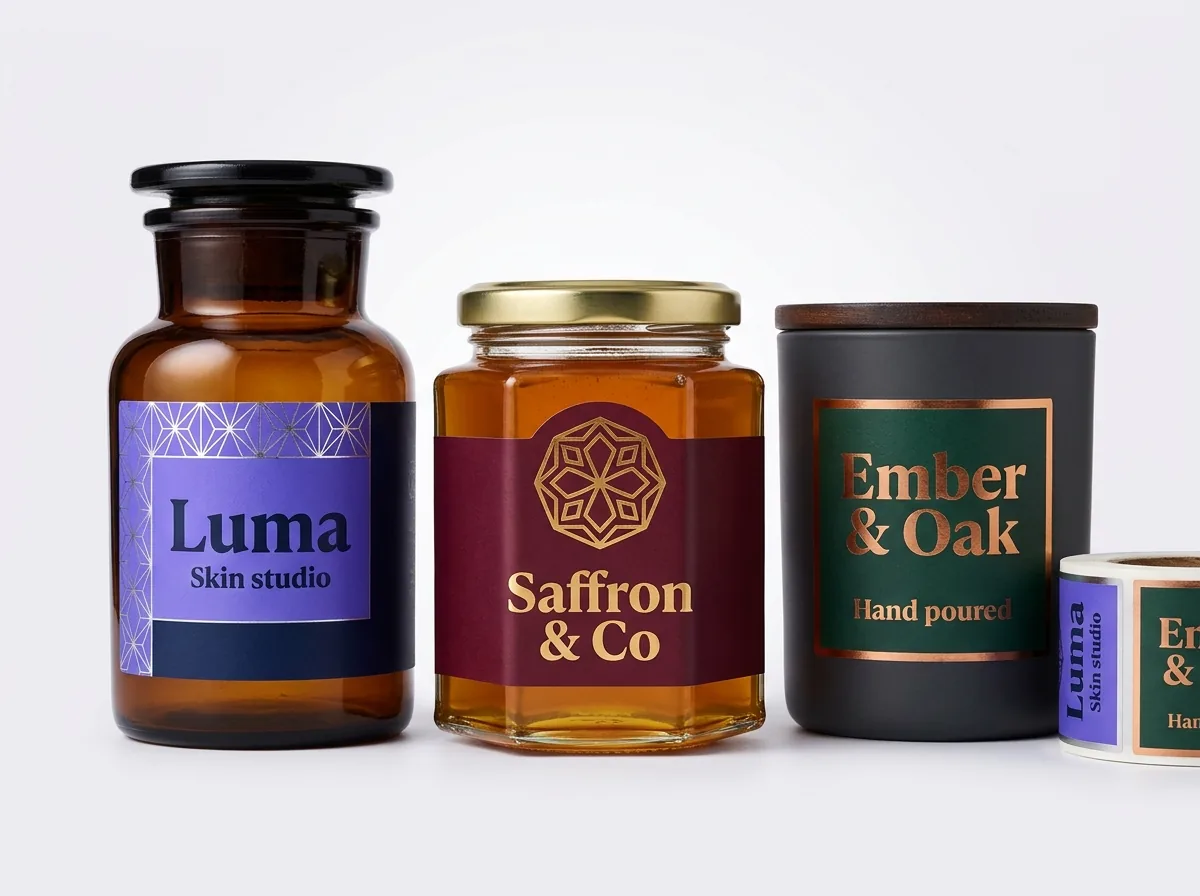
| Small-batch jams, chutneys & orchard trios | Natural kraft or botanical cream with heritage serif type | Multi-pane window lid aligned over jar labels |
When do gourmet food boxes need grease barriers or moisture-resistant coatings?
Specialty foods fall into two distinct barrier categories: sealed primary containers (glass jars, metal tins, bottles, and vacuum pouches) versus direct or semi-open food contact (artisan cheese wedges wrapped in breathable wax paper, sliced charcuterie, oiled antipasti, and crusty pastries). When your box holds sealed glass jars or tins, standard white card, kraft, or E-flute corrugated board needs no interior food barrier. When cured meats, butter-rich crackers, or farmstead cheeses sit directly inside a grazing tray or against cardboard dividers, butterfat and curing oils will wick into unlined paperboard within hours and leave dark translucent stains on the outside of the box. In addition, grazing boxes stored in walk-in refrigerators develop surface condensation when brought into room temperature. For those applications, request food-safe grease barriers and moisture-resistant liners on your quote and protect the outside with matte lamination so handlers can wipe away any moisture droplets cleanly.
- Sealed jars, bottles & tins: standard white card, natural kraft, or E-flute corrugated board.
- Open charcuterie & cheese grazing trays: food-safe grease-resistant liner on the base and dividers.
- Refrigerated creamery & deli boxes: moisture-resistant inner barrier plus exterior matte or gloss lamination.
- Window cutouts over chilled foods: anti-fog window film option or open die-cut framing window over wrapped wedges.
Know your size? Compare pricing across up to 3 quantities.
Request a Quote →How do you handle FDA ingredient, net weight, and allergen labels on multi-item gift sets?
One of the most overlooked requirements in gourmet gift packaging is outer-carton FDA labeling. Even when every individual jar, tin, and cracker packet inside your gift box carries its own compliant label, an opaque outer gift box (or a window box where the individual back ingredient panels are hidden inside die-cut wells) must display complete nutrition, ingredient, net weight, and allergen information on the outside of the closed package so shoppers can read it before purchase. To keep the front and top of your gift box clean and editorial, dedicate the flat bottom panel (or a structured back panel grid) to a consolidated multi-product nutrition and ingredient table. Group each item by name, list its net weight and ingredients, and place a bold FDA FALCPA allergen summary (naming specific tree nuts, milk, wheat, soy, eggs, fish, crustacean shellfish, peanuts, and sesame) plus your business name and address. Our prepress team checks text sizing and barcode quiet zones before sending your digital proof.
What drives the cost of custom gourmet food boxes and how can I save across SKUs?
Four main factors determine the unit cost of custom gourmet food boxes: the total board area and flute thickness, whether the box includes a separate die-cut insert cradle, the total order quantity (unit cost drops substantially at 2,500 and 5,000 boxes vs 1,000), and specialty finishing passes such as foil stamping, embossing, or food-contact grease liners. The smartest way to reduce cost across a multi-SKU specialty food line is modular structural design. Instead of ordering three slightly different outer box sizes for your 3-jar jam set, your pasta dinner kit, and your charcuterie box, standardize on one shared outer mailer or two-piece box dimension and order interchangeable custom cardboard inserts or wrap-around custom sleeve boxes for each theme. That lets you pool your outer box volume into one higher-quantity production run while still giving every seasonal tasting flight a custom-fitted interior cradle. Every order includes free artwork setup, a digital proof, and a 3D mockup before payment.
What are the most common gourmet food box design mistakes?
Hidden jar labels, oil spotting, and missing outer allergen disclosures trip up many specialty food launches. Avoid these five mistakes before approving your proof
- Hiding individual jar ingredient and allergen labels inside deep opaque insert wells without printing a consolidated allergen list on the outer box.
- Cutting a front window that clips across the top metal jar lids and empty neck space instead of framing the colorful food and front jar labels.
- Printing small, low-contrast pastel text on the inside lid of a brown kraft box where recipients cannot read the tasting notes.
- Packing artisan cheeses or cured meats directly into an unlined paperboard grazing box that develops grease spots before delivery.
- Adding full-bleed heavy dark ink inside a direct-contact food tray instead of keeping ink on the exterior and using a clean food-safe interior liner.
Find your size
Suggested inside size: 3.25 × 3.25 × 4.0 in
A starting point. Your account manager confirms the size with you before the proof.
Quote this size →Packaging for this
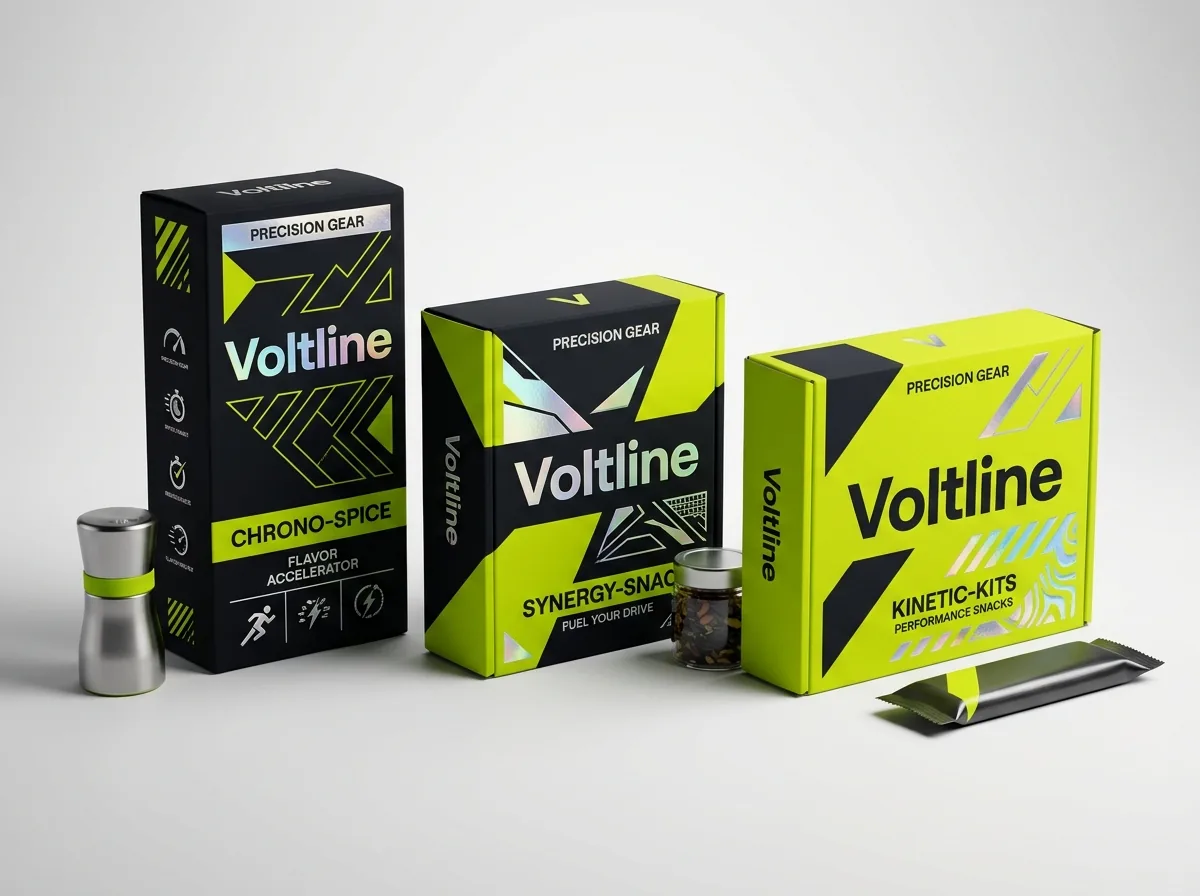
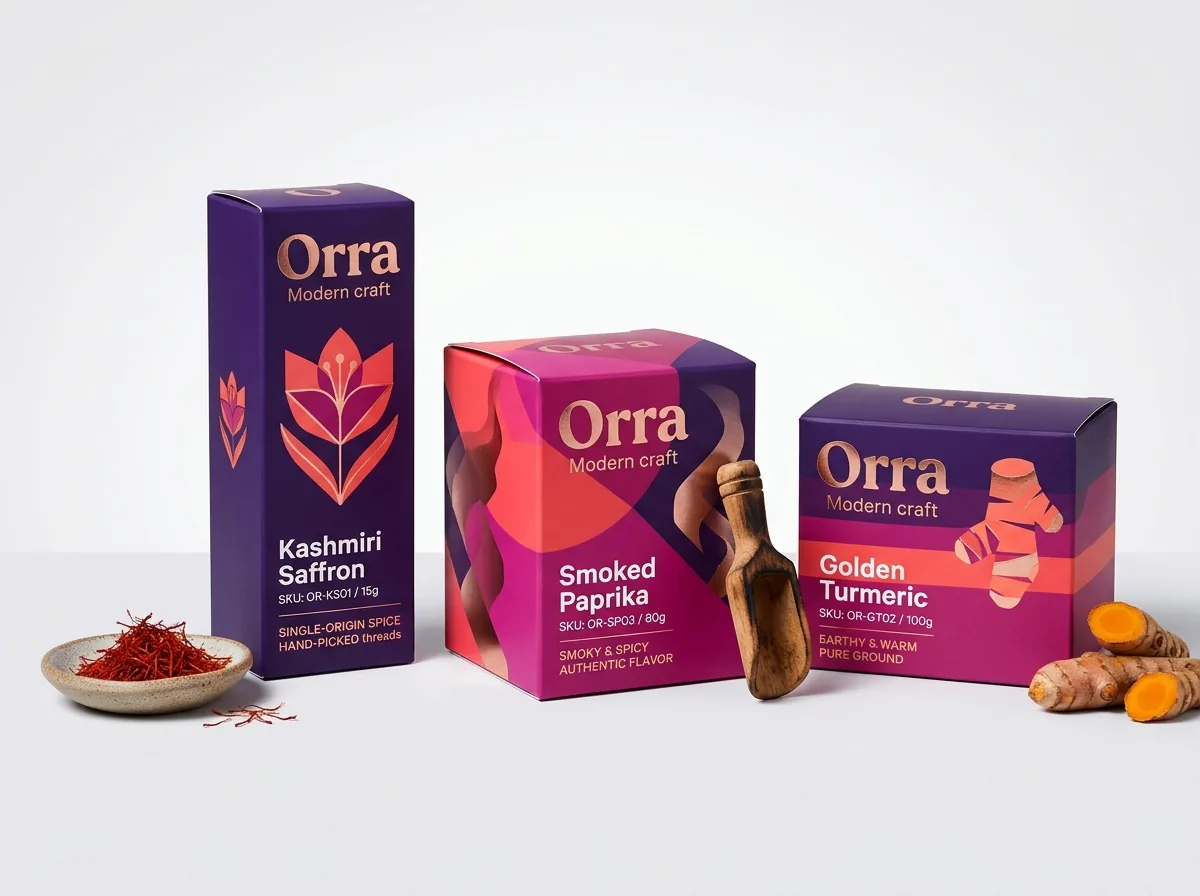
Ready to order gourmet food boxes? Compare up to 3 quantities with a free 3D mockup.
Request a Quote →Questions about gourmet food boxes
Do I need to print ingredients and allergens on the outer gourmet gift box if the jars inside are labeled?
Yes, if the outer box is closed and shoppers cannot read the individual jar ingredient and allergen panels through a clear window before buying. Most brands place a consolidated multi-item ingredient and allergen chart on the bottom panel.
Can I print a tasting guide on the inside lid without paying for a second print pass?
Yes. Two-sided (inside and outside) printing is a standard option on our gourmet mailer boxes, folding cartons, and two-piece lids, and it costs far less than printing and hand-stuffing a separate paper booklet.
What bleed and safe margin do I need on a gourmet food box dieline?
Extend background colors and patterns 1/8 inch (0.125 in) past all outer cut lines for bleed, and keep logos, tasting text, barcodes, and nutrition facts at least 1/8 inch inside all cut lines and fold scores.
How do I stop olive oil drips or cheese oils from staining my gourmet box?
Protect the exterior with matte or soft-touch lamination so handlers can wipe off smudges, and request food-safe grease-resistant interior liners on your quote for direct cheese or charcuterie contact.
Can CubitPack set up my gourmet box and insert artwork if I only have jar sizes and a logo?
Yes. Free design help is included with every order. Send us your container dimensions, logo files, and tasting text, and our structural and graphic designers will build your dieline, insert cradle, digital proof, and 3D mockup.
How can I reduce the per-unit cost of custom gourmet food boxes?
Standardize one outer box dimension across multiple gift sets and swap either the die-cut insert cradle or a printed outer belly sleeve for different seasons. First orders also receive 10% off, and we beat written US competitor quotes.
Still have a question? Ask a packaging specialist.
Request a Quote →Request your gourmet food boxes quote
Tell us your size and quantities, and one dedicated account manager prepares pricing for each tier.
- Free design & AI-to-print studio + 3D mockup
- No die or plate charges · 4–5 day rush available
- Free shipping to all 50 states
- 10% off your first order
This design guide combines CubitPack prepress standards (1/8 inch bleed and safe zones, two-sided lid alignment, and foil/emboss clearances) with FDA multi-unit food labeling rules. A packaging specialist reviewed every section. Spot an error? Let us know and we will fix it.
Sources
What changed
- October 22, 2026: First published.
- October 22, 2026: Updated specifications, terminology, and verified source links.
More guides
New packaging guides by email
Sizes, materials and design tips. Unsubscribe anytime.