
How do I design custom candy boxes for moisture control and impulse sales?
Short answer: Design custom candy boxes by matching the barrier to your sugar chemistry: pair hygroscopic hard candies and sour gummies with an inner poly pouch or moisture barrier, and request food-safe grease liners for butter-rich fudge and toffee. Use high-gloss lamination, spot UV drops, and shaped windows to win impulse buys.
On this page
- How do you protect hygroscopic sugar candies from humidity and fudge from grease spots
- How do shaped windows, spot UV, and Pantone neons drive checkout impulse sales
- What FDA labeling, color additive, and allergen rules apply to retail candy boxes
- What drives custom candy box cost and how do multi-flavor runs save money
- How do you turn candy mascot art or AI illustrations into press-ready dielines
- Common mistakes
- FAQs
Request a custom quoteFree dieline & 3D mockup
Great candy packaging has to solve a food-science problem on the inside and a merchandising challenge on the outside. Inside the carton, cooked sugar confections (hard drops, lollipops, saltwater taffy, and sour-sanded gummies) are hygroscopic, meaning they draw water vapor out of humid summer air and turn tacky unless protected by an inner cello bag, twist wrapper, or moisture-barrier liner, while dairy confections like fudge and caramels need a grease barrier so butterfat never stains the board. Outside the carton, candy competes in the loudest visual aisle in retail: pairing high-gloss or matte lamination with raised spot UV sugar-drop textures, bright Pantone colors, and custom-shaped viewing windows grabs attention in milliseconds. At CubitPack, our prepress team sets up your custom dieline, digital proof, and 3D mockup for free on orders starting at 1,000 boxes, with no die charges and free US shipping.
How do you protect hygroscopic sugar candies from humidity and fudge from grease spots?
Boiled sugar candies, sour-sanded gummies, licorice, and taffy have low water activity compared with warm room air. When relative humidity rises above 50% to 60% - especially in coastal boardwalk towns or summer delivery trucks - unwrapped hard candies absorb moisture on their surfaces, dissolve their outer sugar layer, and weld together into a sticky clump. Standard folding paperboard alone breathes air through its corner flaps, so hygroscopic sweets should either be sealed inside a clear inner poly or metallized pouch first, or individually twist-wrapped in wax paper. By contrast, poured boardwalk fudge, English buttercrunch toffee, peanut brittle, and sea-salt caramels contain high levels of dairy butter, cream, or nut oils. If you slice fudge directly into an unlined carton, butterfat wicks into the paper fibers and creates dark translucent grease blotches on the outside of the box. When unwrapped fudge, brittle, or caramels touch the inside of your custom printed candy boxes directly, request food-safe materials and grease-resistant barrier liners on your quote. We produce direct-contact food orders in certified partner facilities so your exterior graphics stay spotless.
- Hard candies, sour gummies & jelly beans: seal inside an inner moisture-proof poly bag or request barrier liners.
- Saltwater taffy & soft chews: twist-wrap individual pieces in wax paper before loading into gable or window cartons.
- Sliced boardwalk fudge, toffee & brittle: specify food-safe grease-resistant interior liners on request.
- Coastal & summer storage: apply exterior gloss or matte lamination so humid air never softens the carton walls.
How do shaped windows, spot UV, and Pantone neons drive checkout impulse sales?
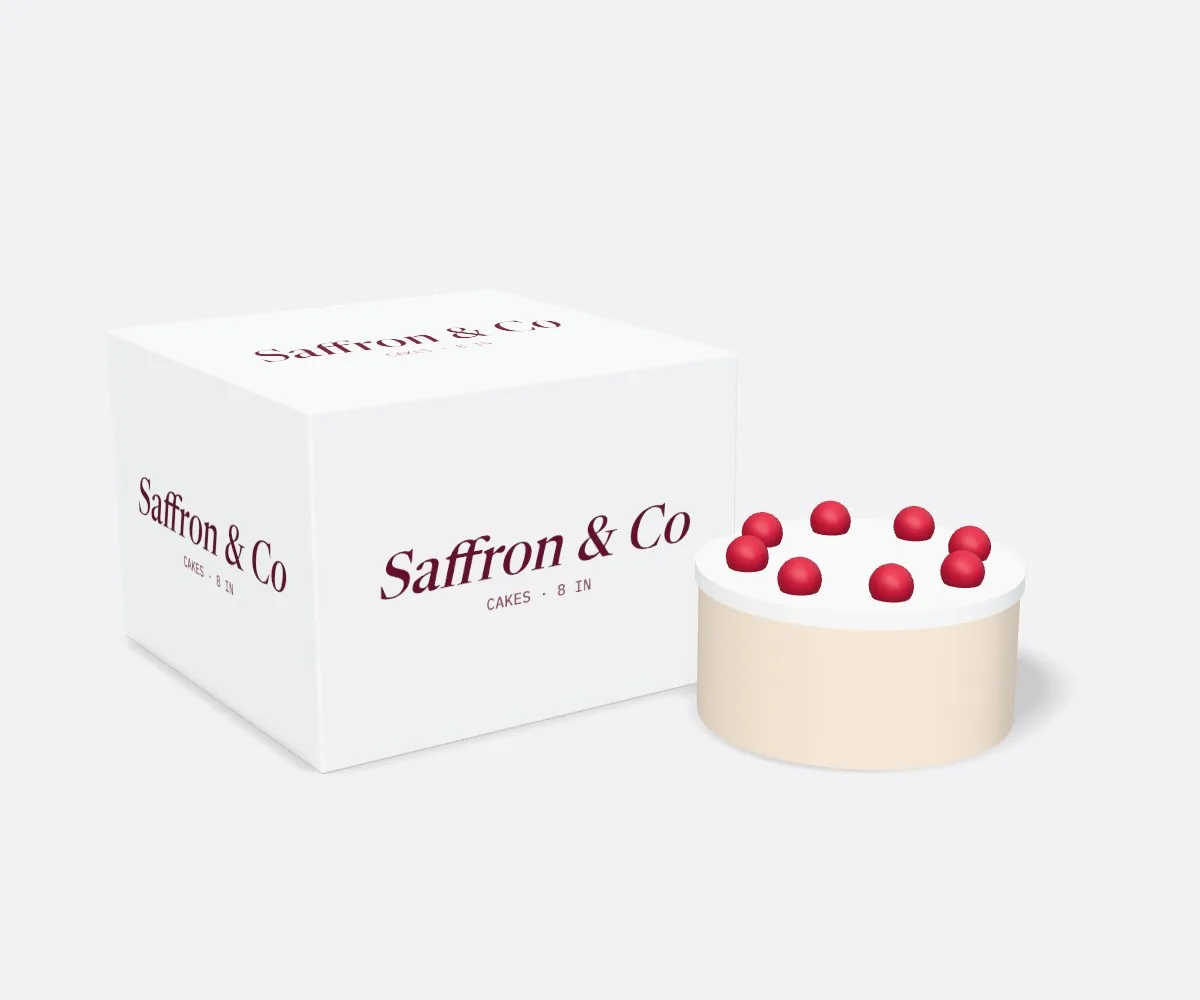
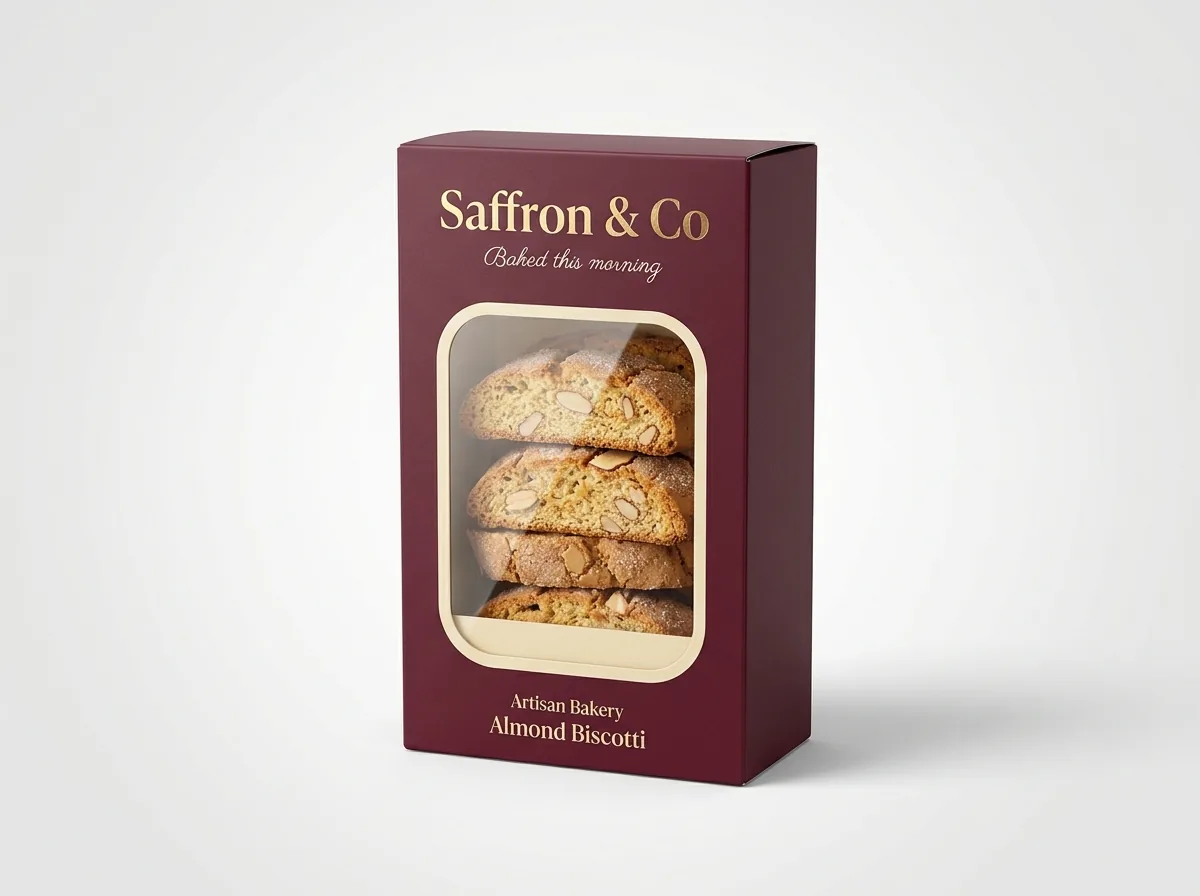
Unlike planned pantry staples, more than 60% of retail candy purchases are unplanned impulse buys triggered by color, shine, and texture. Standard four-color CMYK printing handles photography well, but electric sour apple greens, hot watermelon pinks, and blue raspberry hues pop much harder when reinforced with a dedicated Pantone spot color. Over that ink layer, gloss lamination delivers classic candy-store shine, while pairing matte lamination with raised spot UV lets you print tactile, glossy sour-sugar crystals or fruit juice droplets that shoppers can feel with their thumbs. If you include a viewing window, skip generic squares. Because CubitPack charges zero die fees, our structural designers can cut your window patching opening into a cloud, star, strawberry, wave, or brand mascot outline. Just remember to keep the top edge of the window at least 3/4 inch below the top fold score so natural settling of loose gummies in transit never looks like an under-filled box.
What FDA labeling, color additive, and allergen rules apply to retail candy boxes?
Selling candy into grocery stores, cinemas, pharmacies, or gift shops requires strict compliance with FDA food labeling rules (21 CFR Part 101). The Principal Display Panel (front face) must state the product identity and net quantity of contents in both US avoirdupois ounces and metric grams (for example, Net Wt 4.5 oz / 128g) in the lower 30% of the panel. On the Information Panel (typically the back or right side panel), leave a high-contrast white or light cream box for the Nutrition Facts table (including the mandatory Added Sugars line), the descending ingredient list, and any certified FD&C color additives listed by their specific FDA names (such as FD&C Red No. 40, Yellow No. 5, or Blue No. 1) rather than generic "artificial colors." Finally, if your confection contains peanuts, tree nuts (almonds, walnuts, pecans, coconut), milk, eggs, soy lecithin, or wheat (frequently used as a binder in licorice belts and sour straws), include a bold FALCPA major food allergen declaration.
- Front panel (bottom 30%): clear product name and dual net weight statement (e.g., Net Wt 5 oz / 142g).
- Nutrition Facts panel: include Total Sugars and Added Sugars lines in a scannable black-on-white box.
- Color additives: list certified colors individually by name (e.g., FD&C Yellow No. 5, Red No. 40) when used.
- Allergens: declare Milk (fudge/caramels), Peanuts/Tree Nuts (brittle), Soy, or Wheat (licorice) clearly.
Know your size? Compare pricing across up to 3 quantities.
Request a Quote →What drives custom candy box cost and how do multi-flavor runs save money?
Most candy lines launch with three to six flavors at once - such as Sour Watermelon, Peach Rings, Cola Bottles, and Berry Mix. Ordering separate box sizes for each flavor multiplies your setup work and master case inventory. When you keep all flavors on the exact same carton dieline, CubitPack can gang multiple flavor artworks into a single production run so you reach higher quantity price breaks faster. Review the cost comparison table below to see where you can save on everyday concession cartons vs where to invest on gift and boutique confections.
| Design choice | Budget-smart option | High-impact retail upgrade |
|---|---|---|
| Moisture & grease barrier | Pack candy in a heat-sealed inner poly bag inside standard card | Direct food-contact grease/moisture liner inside the carton |
| Viewing window | Open die-cut cutout over a clear inner cello bag (no film fee) | Custom-shaped patched clear film window over unwrapped fudge |
| Multi-flavor SKUs | Share one universal carton dieline across all 4–6 candy flavors | Separate custom box dimensions for every single flavor |
| Surface finish | High-gloss or matte lamination over CMYK + Pantone artwork | Matte lamination + raised spot UV sugar drops + holographic foil |
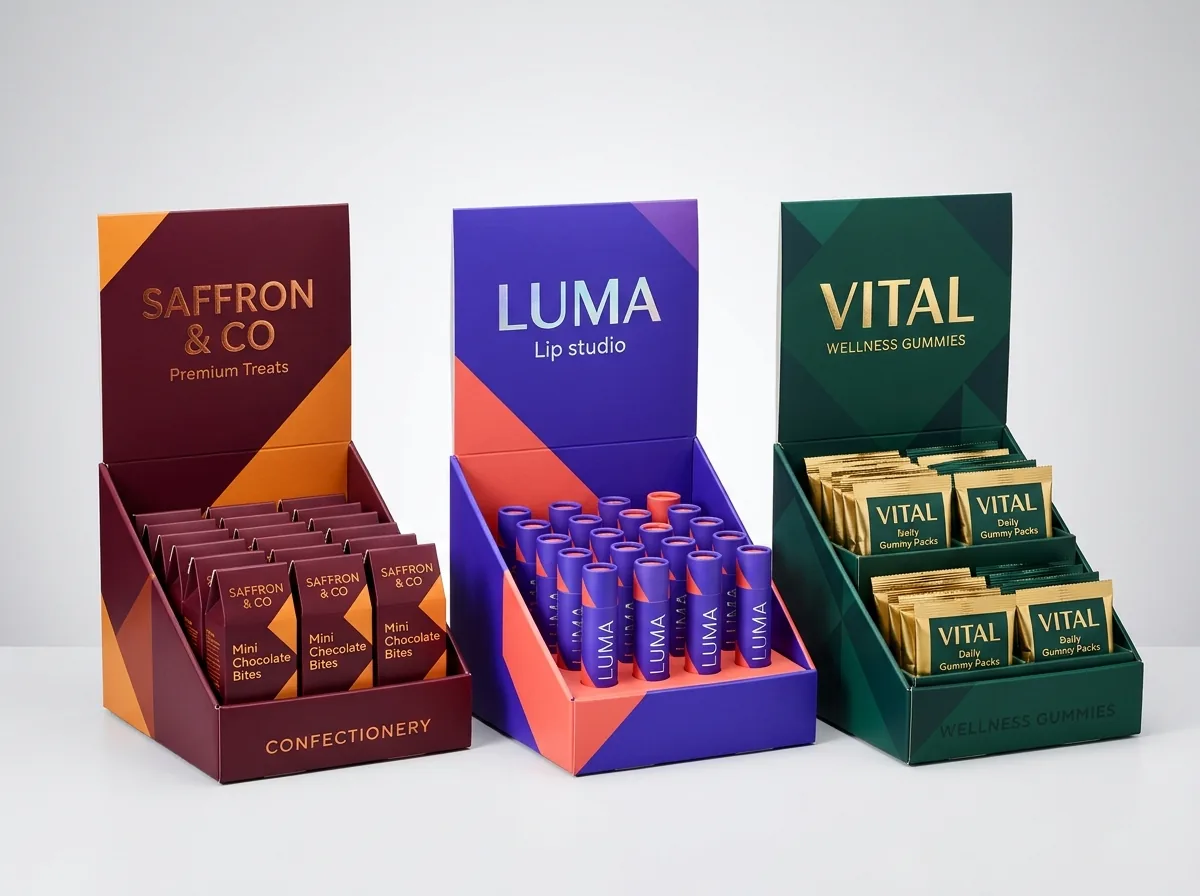
| Retail merchandising | Built-in fold-up sombrero hang tab on the unit carton flap | Master 12-pack printed counter display box (PDQ tray) with header |
How do you turn candy mascot art or AI illustrations into press-ready dielines?
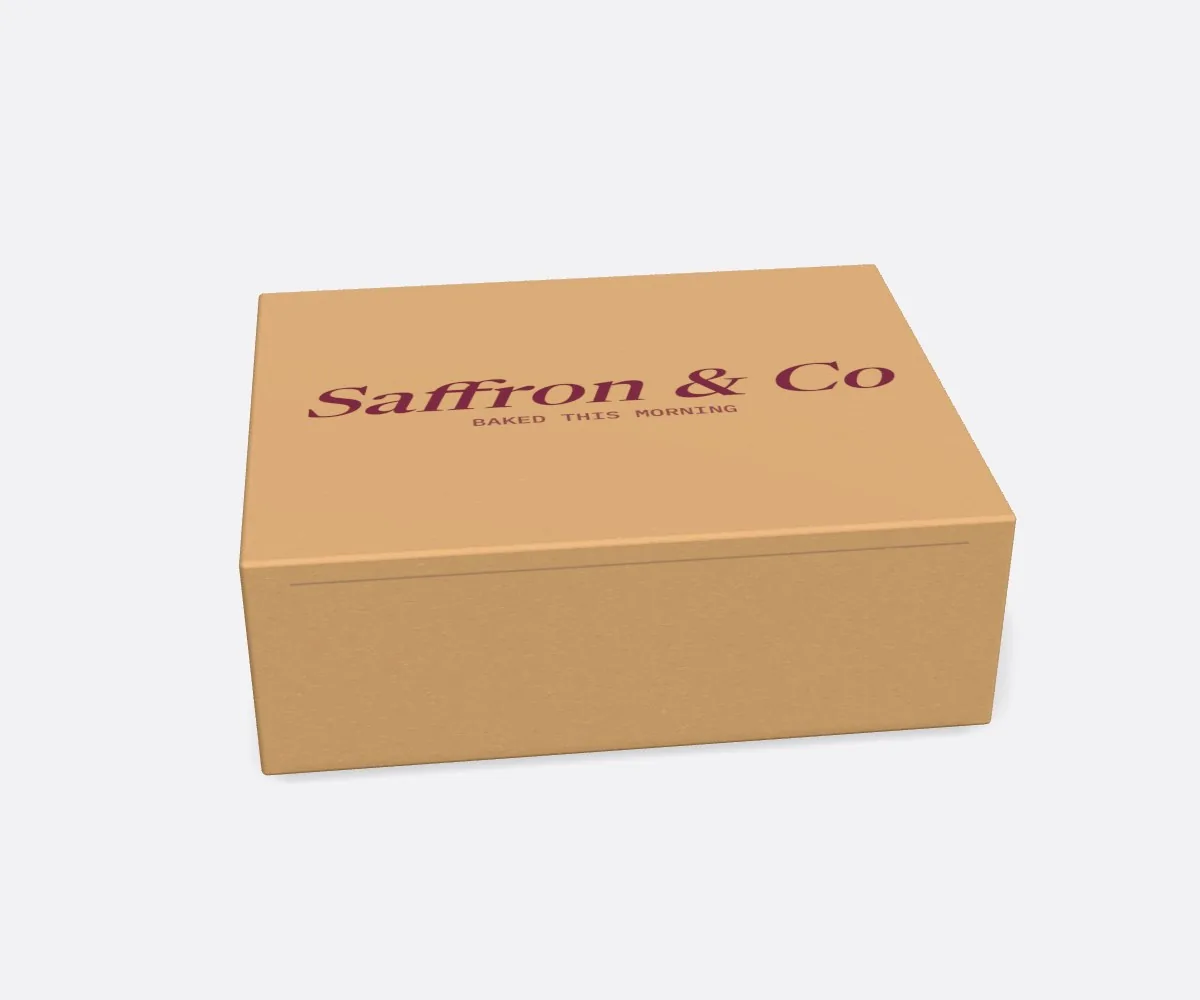
Candy packaging thrives on playful character mascots, 3D fruit splashes, nostalgic boardwalk stripes, and bold typography. If you created your concept using an AI image generator, Canva, or a tablet illustration app, you do not need to worry about technical dieline setup. Through our print your AI design and free design help services, our prepress specialists convert raster illustrations into high-resolution print files, build vector cut paths for custom window shapes and hang slots, add 1/8 inch of full bleed, and set up spot UV masks at zero extra cost. Before you pay for your order, we send you a free 2D digital dieline proof and an interactive 3D mockup so you can inspect every panel, perforated pour spout, and nutrition table from every angle.
- Extend background colors and fruit patterns 1/8 inch (0.125 in) past all solid cut lines for full bleed.
- Keep logos, flavor badges, and Net Wt text at least 1/8 inch inside dashed fold scores and window cutouts.
- Print your UPC barcode in 100% black ink on a white box so retail checkout lasers scan it instantly.
- Leave glue flaps on seal-end theater cartons free of varnish and lamination so adhesive bonds firmly.
What are the most common candy box design and prepress mistakes?
Sticky sugar, butterfat stains, and unscannable barcodes can ruin an otherwise great candy design. Check these five mistakes before approving your proof
- Packing unwrapped hygroscopic hard candies or sour gummies in an unsealed carton without an inner poly bag or moisture barrier.
- Slicing butter-rich fudge or toffee directly into bare paperboard without requesting a food-safe grease-resistant liner.
- Placing the top edge of a front viewing window right against the top score line, exposing the empty slack-fill gap after gummies settle.
- Printing a UPC barcode in neon red, pink, or metallic foil ink that infrared grocery checkout scanners cannot read.
- Forgetting to list specific FD&C color additive names or wheat allergen warnings (for licorice and sour belts) on the back panel.
Find your size
Suggested inside size: 3.5 × 2.25 × 1.0 in
A starting point. Your account manager confirms the size with you before the proof.
Quote this size →Packaging for this
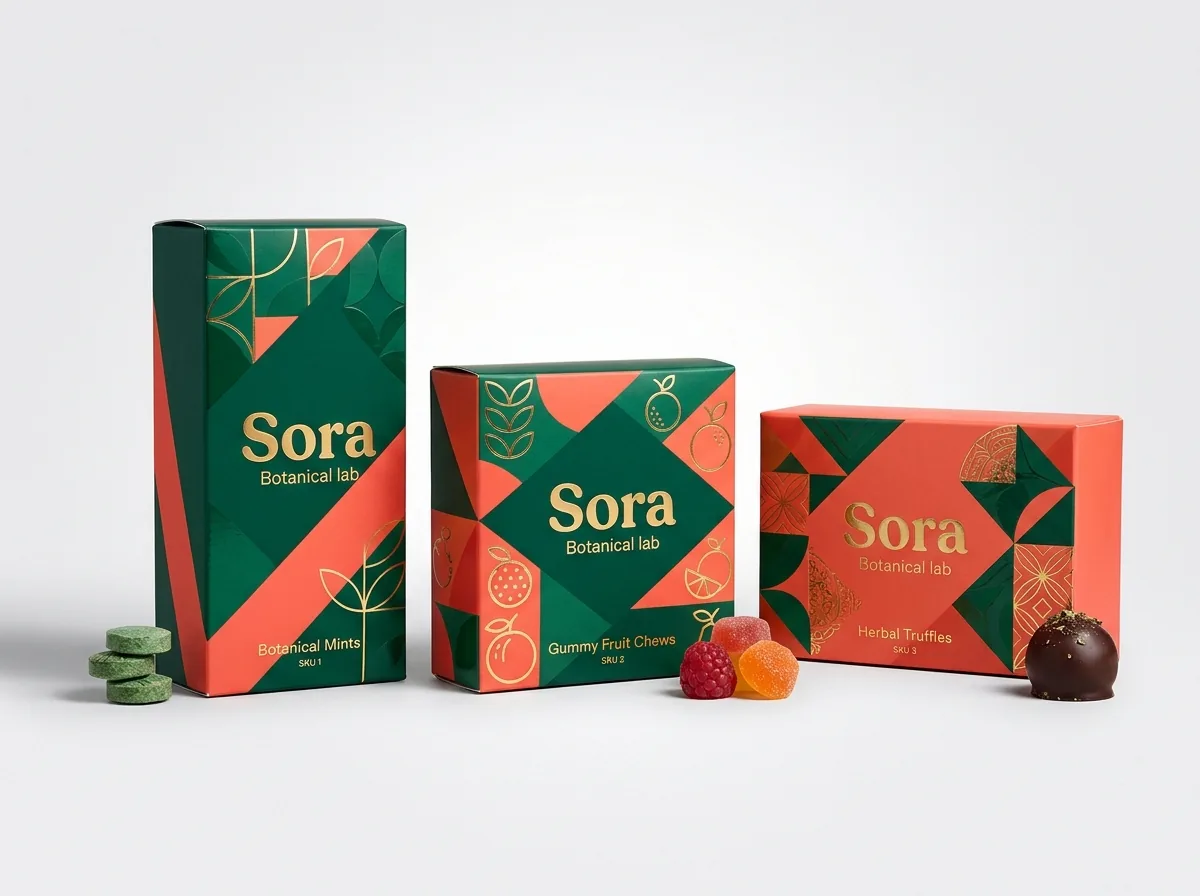
Ready to order candy boxes? Compare up to 3 quantities with a free 3D mockup.
Request a Quote →Questions about candy boxes
Can I print 4 or 5 different candy flavors in one 1,000-box order?
Yes. As long as all of your candy flavors share the exact same box dimensions and dieline, you can select 2 designs or 3+ designs in our quote form to split your order across multiple flavor artworks and get combined volume pricing.
What color should I print my UPC barcode on a bright candy box?
Always print your UPC barcode in 100% black (or very dark navy/forest green) bars on a solid white background rectangle. Retail laser and camera scanners use red light, so red, orange, pink, or metallic foil bars will fail to scan at checkout.
Do I need a patched film window if my candy is in a clear inner bag?
No. If your gummies, sour belts, or hard candies are already sealed inside a clear inner poly bag, you can use an open die-cut window with no plastic film patch on the box - saving the window-patching step while letting customers touch the inner pouch.
How do I stop fudge and caramels from leaving oil spots on the box?
When unwrapped fudge, caramels, or nut brittle touch the paperboard directly, request food-safe materials and grease-resistant barrier liners on your quote. We produce direct-contact orders in certified partner facilities.
Can your design team set up my custom window shape and spot UV layer for free?
Yes. CubitPack includes free design and prepress help on every order. Tell us what window shape you want (such as a cloud, star, or berry) and which logos or droplets should get raised spot UV, and we will build the vector layers for you.
Will I see a proof and 3D mockup before my candy boxes are printed?
Yes. You receive a free 2D digital dieline proof and an interactive 3D mockup before payment. You can also order our $50 sample kit (credited toward your first order) or request a paid physical prototype of your custom candy box.
Still have a question? Ask a packaging specialist.
Request a Quote →Request your candy boxes quote
Tell us your size and quantities, and one dedicated account manager prepares pricing for each tier.
- Free design & AI-to-print studio + 3D mockup
- No die or plate charges · 4–5 day rush available
- Free shipping to all 50 states
- 10% off your first order
This candy packaging design guide combines sugar hygroscopicity principles, dairy butterfat barrier standards, FDA 21 CFR 101 confection labeling rules, and CubitPack prepress workflows. A packaging specialist reviewed every section. Spot an error? Tell us and we will fix it.
Sources
What changed
- October 22, 2026: First published.
- October 22, 2026: Updated specifications, terminology, and verified source links.
More guides
New packaging guides by email
Sizes, materials and design tips. Unsubscribe anytime.