
How do gift box dielines, ribbons, foil finishes, and foam inserts work?
Short answer: A rigid custom gift box dieline pairs a 90-degree V-grooved 1.5–3.0 mm grayboard core with a printed 120–157 gsm outer paper wrap that includes 15–20 mm turn-in flaps, while a folding gift carton uses a single 16–24 pt sheet. Add slot-threaded ribbons, hot foil, and EVA foam or card inserts.
On this page
- How do rigid setup and folding carton gift box dielines work
- How are slot-threaded satin ribbons, concealed magnets, and PET windows engineered on a gift box
- Should I choose EVA foam, EPE foam, or scored paperboard dividers for my gift box insert
- How do I set up foil stamping, embossing, and inside-lid greetings for print
- How do I prepare my gift box artwork file before requesting a proof
- Common mistakes
- FAQs
Request a custom quoteFree dieline & 3D mockup
Engineering a custom gift box requires coordinating the structural dieline, closure hardware, interior insert, and decorative surface finishes so every element aligns to the millimeter. On a rigid setup gift box (such as a magnetic closure, two-piece lift-off lid, or slide drawer box), your free 2D dieline proof contains two matched layers: the V-grooved 1.5 mm to 3.0 mm structural chipboard core and the oversized 120 to 157 gsm outer printed paper wrap, which extends 15 to 20 mm (0.60 to 0.80 inches) past every wall edge to fold neatly over the top rim into the interior. Concealed neodymium magnet discs and 20 mm horizontal satin ribbon slots are routed directly into the board core before wrapping. Inside the base tray, custom die-cut EVA foam, EPE foam, or scored paperboard partitions lock each gift item in place while hot foil stamping, embossing, soft-touch lamination, and inside-lid printing complete the unboxing ceremony.
How do rigid setup and folding carton gift box dielines work?
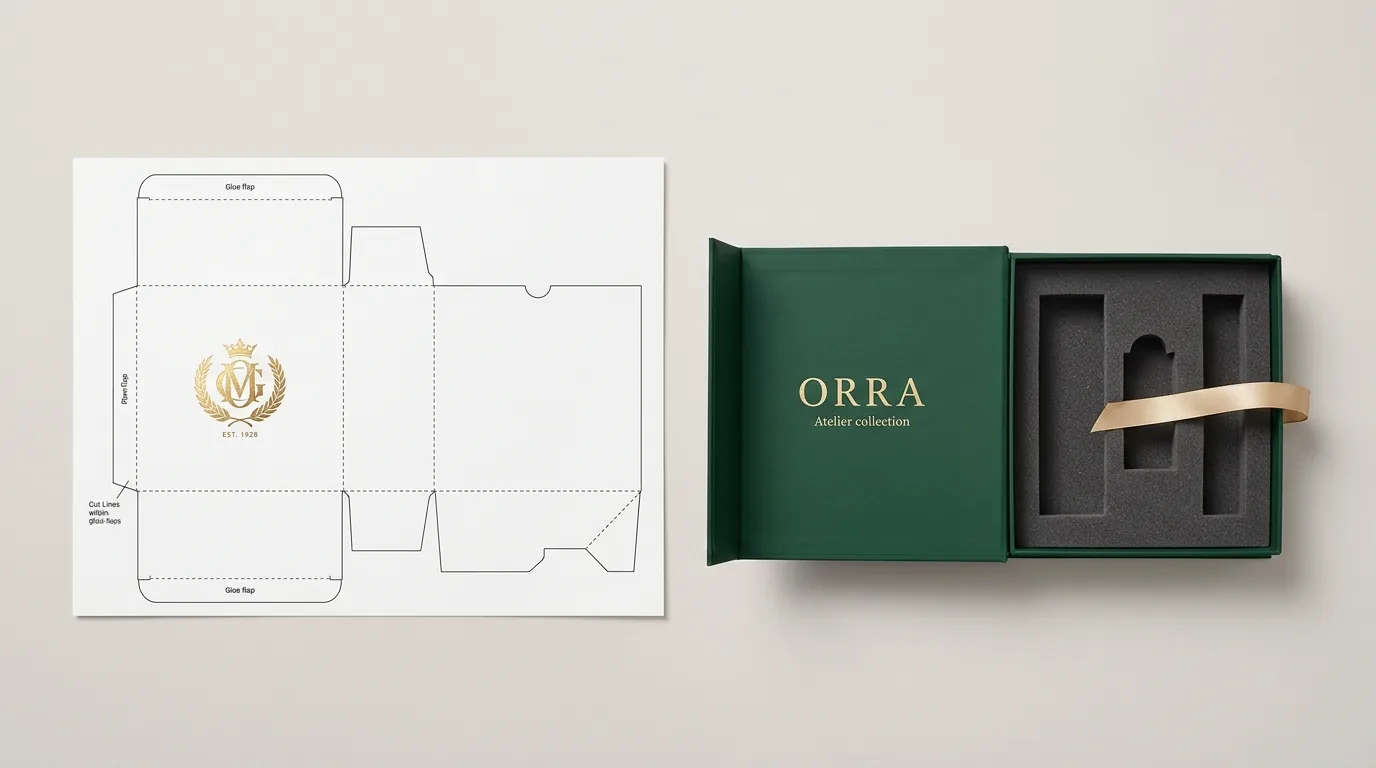
When you request a free 2D vector dieline on our custom gift boxes page, the layout depends on whether you select a rigid setup structure (magnetic, two-piece, or drawer) or a folding paperboard structure (folding two-piece, tray and sleeve, or pillow)
- Rigid setup gift box dieline (Board Core + Outer Paper Wrap + Inner Liner): Unlike a one-piece folding carton, a rigid setup box is laminated from separate components. Your artwork is printed onto the 120–157 gsm outer wrap sheet. Around all four perimeter edges of the base wrap and lid wrap, our dieline includes a 15 to 20 mm (0.60 to 0.80 in) turn-in zone that folds over the top rim of the 1.5–3.0 mm grayboard wall and glues inside the tray.
- 90-degree V-grooving vs score lines: On rigid grayboard, a rotary blade routes a V-shaped channel partway through the board along every fold line so the thick walls bend into razor-sharp 90-degree architectural corners without bulging.
- Telescoping lid and drawer slide tolerances (+1.5 mm gap): On custom two-piece rigid boxes and custom drawer boxes, the lid or outer sleeve is engineered 1.5 to 2.0 mm wider and deeper than the outer base tray so air escapes smoothly when the lid lifts off.
- Folding carton gift box dieline (single 16–24 pt sheet): On custom tray and sleeve boxes and custom pillow boxes, cut lines (solid), score creases (dashed), and glue flaps are die-cut from a single sheet of 16–24 pt SBS or kraft card, requiring a standard 0.125-inch (3 mm) artwork bleed.
How are slot-threaded satin ribbons, concealed magnets, and PET windows engineered on a gift box?
Tactile closure hardware transforms a box into a keepsake gift. Here is how our structural team integrates ribbons, magnets, and windows into custom magnetic closure boxes and gift sleeves
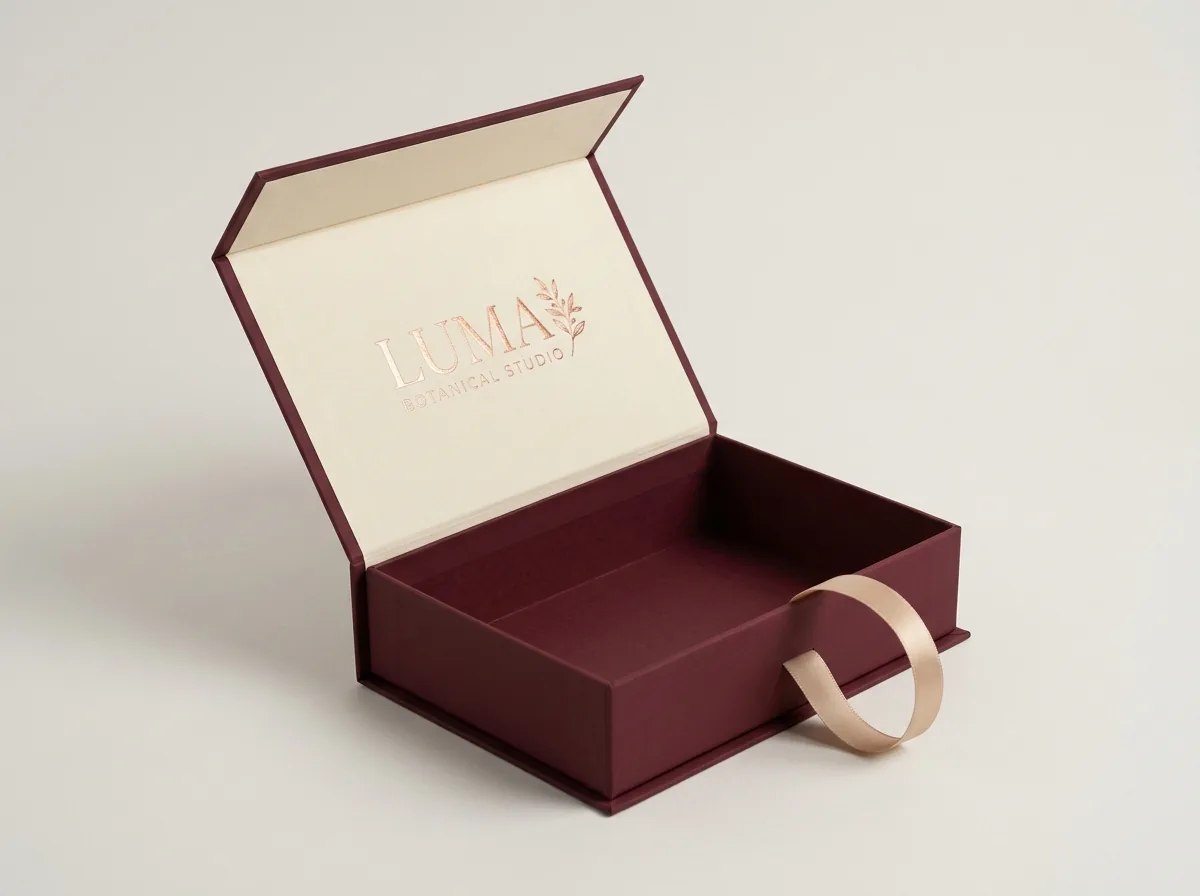
- Slot-threaded replaceable satin or grosgrain ribbons: Instead of gluing ribbon tails on top of the paper wrap where they can fray, we die-cut two 20 × 2 mm horizontal slits into the front magnetic flap and front base wall (or into the front wall of a slide drawer). The 15 to 25 mm wide ribbon threads through the slots and anchors beneath the interior liner sheet.
- Recessed rare-earth neodymium magnets: On magnetic closure gift boxes, two or three pairs of 10 to 12 mm circular neodymium magnets and steel strike discs are recessed into routed cavities inside the 2.0–3.0 mm chipboard core before the outer and inner paper wraps are laminated, making the closure completely invisible from the outside.
- Clear PET display windows (0.5 in glue border): If you add a die-cut window to the lid of a custom gift basket box or the sleeve of a soap or chocolate box, keep the window cutout at least 0.50 inches (12 mm) away from all fold scores and V-grooves so the clear PET film has a wide, flat bonding flange.
Should I choose EVA foam, EPE foam, or scored paperboard dividers for my gift box insert?
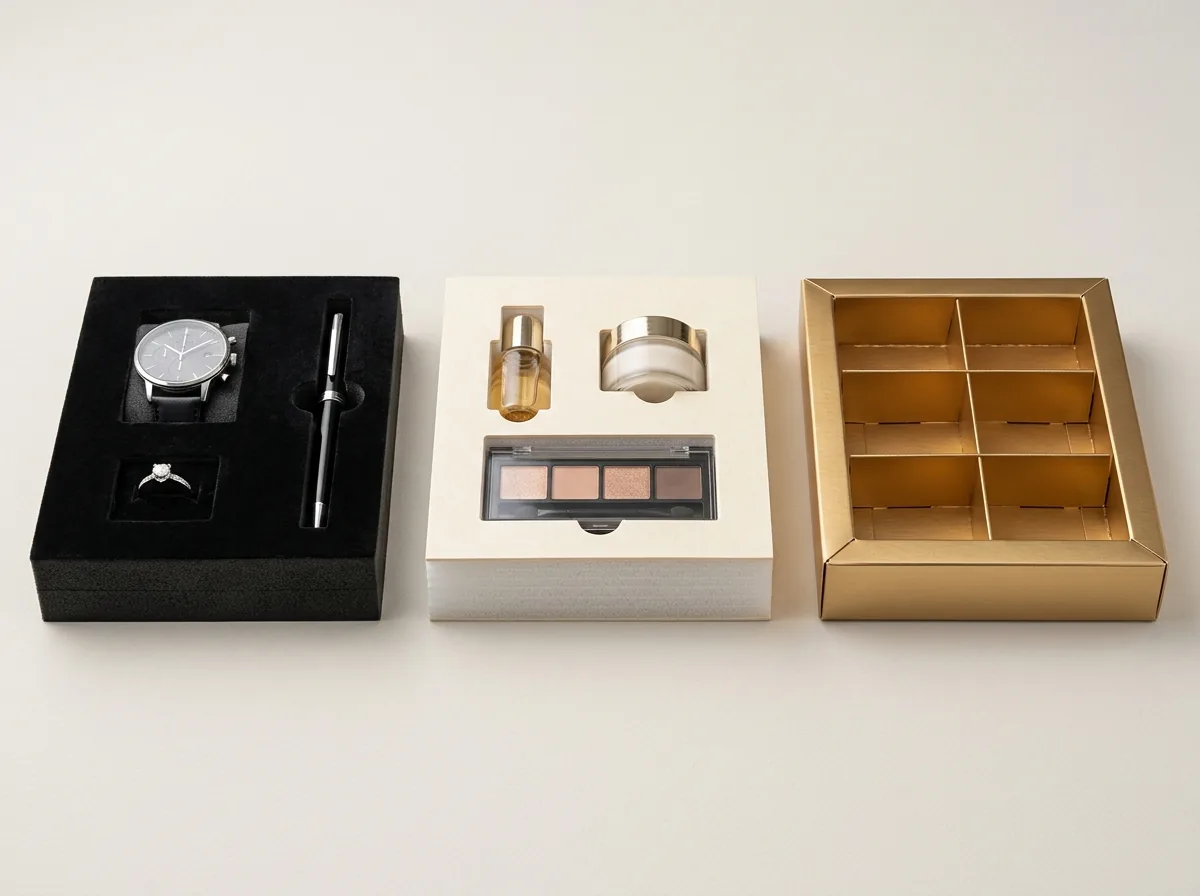
In Step 2 of our quote form, you can add a custom-fitted insert engineered to your exact items. Use this comparison table to choose between EVA foam, EPE foam, and paperboard card inserts
| Insert material | Tactile look & density | Top surface options | Recyclability & cost | Best gift box applications |
|---|---|---|---|---|
| EVA foam insert | Dense (38–70 kg/m³), ultra-smooth micro-pore closed-cell foam | Matte black/white raw EVA, soft velvet flocking, or printed card top | Reusable keepsake tray · Premium tier | Perfume flacons, luxury watches, jewelry, VIP corporate kits, spirits |
| EPE foam insert | Lightweight (18–25 kg/m³) expanded polyethylene cushion | Usually laminated with a printed 18 pt paperboard top collar | Low weight (#4 LDPE foam) · Mid-tier cost | Ceramic candle jars, glassware, insulated tumblers, electronics gifts |
| Paperboard card insert | Scored & die-cut 18–24 pt SBS white, kraft, or metallic card | Full CMYK, Pantone, soft-touch, or hot foil stamped to match lid | Curbside-recyclable paper · Most economical | Artisan chocolates, soap bars, cosmetic tubes, gourmet jar dividers |
Know your size? Compare pricing across up to 3 quantities.
Request a Quote →How do I set up foil stamping, embossing, and inside-lid greetings for print?
Whether you are designing custom christmas boxes, custom valentine's day boxes, or custom wedding favor boxes, follow these prepress rules to get crisp metallic foil, deep embossing, and clean inside-lid typography
| Finish or print zone | Vector artwork setup | Minimum line & type spec | Keep-out margin from folds & magnets |
|---|---|---|---|
| Hot foil stamping (Gold, silver, rose gold, copper) | Separate 100% K vector spot layer labeled FOIL | Min 0.5 pt (0.18 mm) positive stroke · 8 pt type | 0.50 in (13 mm) from V-grooves, hinges & magnet wells |
| Blind or registered embossing / debossing | Separate 100% K vector layer labeled EMBOSS | Min 1.0 pt line width · Avoid tiny serif details | 0.60 in (15 mm) from all V-groove corners & turn-ins |
| Spot UV gloss over matte / soft-touch | Separate 100% K vector layer labeled SPOT_UV | Min 0.75 pt stroke · Great for tone-on-tone patterns | 0.25 in (6 mm) away from living spine hinges so UV never cracks |
| Inside lid ceiling print (Greeting card panel) | Separate inside liner layer at 300 DPI CMYK or Pantone | Min 7 pt positive text (9 pt reversed knock-out) | 0.50 in (13 mm) inside the inner lid liner perimeter |
How do I prepare my gift box artwork file before requesting a proof?
Before uploading your artwork, check our companion guides on how to measure and choose board for gift boxes and rigid gift boxes vs folding gift boxes and gift mailers. Because a luxury gift box often combines an outer paper wrap, an inner lid greeting liner, a die-cut EVA or EPE foam insert collar, and a custom satin ribbon, keeping your vector dieline layers organized ensures accurate registration across every press pass. Every CubitPack order includes free design help, a 2D vector dieline proof, and an interactive 3D mockup before payment so you can inspect turn-in wraps, magnet clearances, and foil placement from every angle.
- Step 1: Place your CMYK/Pantone artwork on its own layer, convert all fonts to vector outlines, embed or link 300 DPI images, and extend background colors across the full 15–20 mm paper wrap turn-in margin (or 0.125 in bleed on folding cartons).
- Step 2: Put metallic foil stamping, embossing/debossing, and spot UV on separate named 100% K vector spot layers, keeping them 0.5 inches clear of V-grooves, spine hinges, ribbon slots, and magnet recesses.
- Step 3: Supply exact outer footprints and heights for every item in your gift set so our structural team can generate the EVA foam, EPE foam, or paperboard divider cavity layout alongside your box dieline.
- Step 4: Move all retail UPC barcodes, SKU numbers, and regulatory text to the bottom underside panel (or a removable belly sleeve) so the top lid and inside greeting panel remain 100% gift-ready.
What are the most common dieline, finish, and insert mistakes on gift boxes?
Check your gift box dieline against these five common prepress and structural errors before production
- Stopping background ink at the 90-degree V-groove corner line instead of extending it across the full 15–20 mm paper wrap turn-in flap, which leaves a white unprinted rim visible around the top edge of the open tray.
- Placing hot foil stamping or raised embossing directly over the recessed front magnet discs or across the flexing back spine hinge of a magnetic gift box, where the magnet rim or fold crease distorts the foil.
- Running high-build Spot UV varnish across a folding carton score line or rigid spine hinge, where the hard UV coating can crack when the lid opens and closes.
- Gluing satin ribbon tails onto the outside of a gift box lid instead of threading them through die-cut 20 mm horizontal slots anchored beneath the interior liner.
- Printing a white retail UPC barcode block on the front or top lid of a keepsake gift box instead of placing it on the underside of the base tray.
Packaging for this
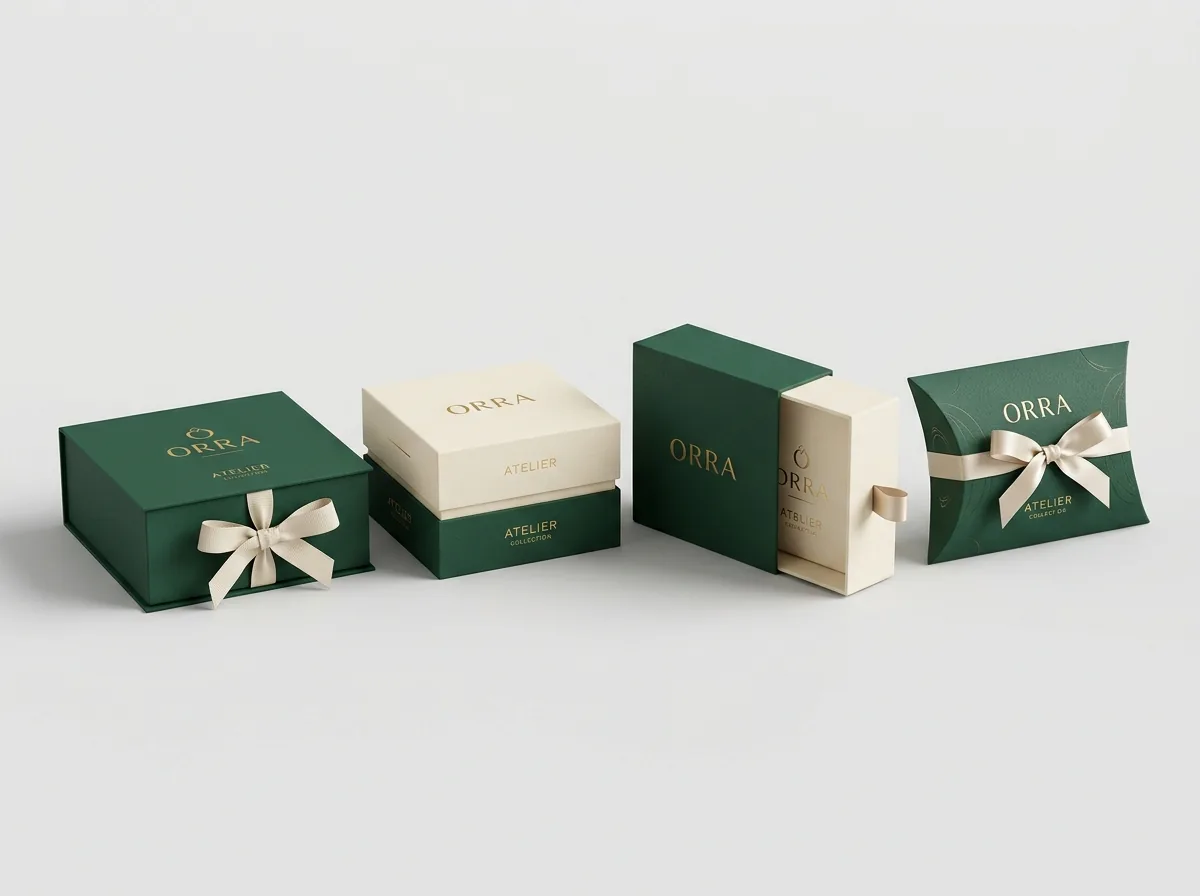
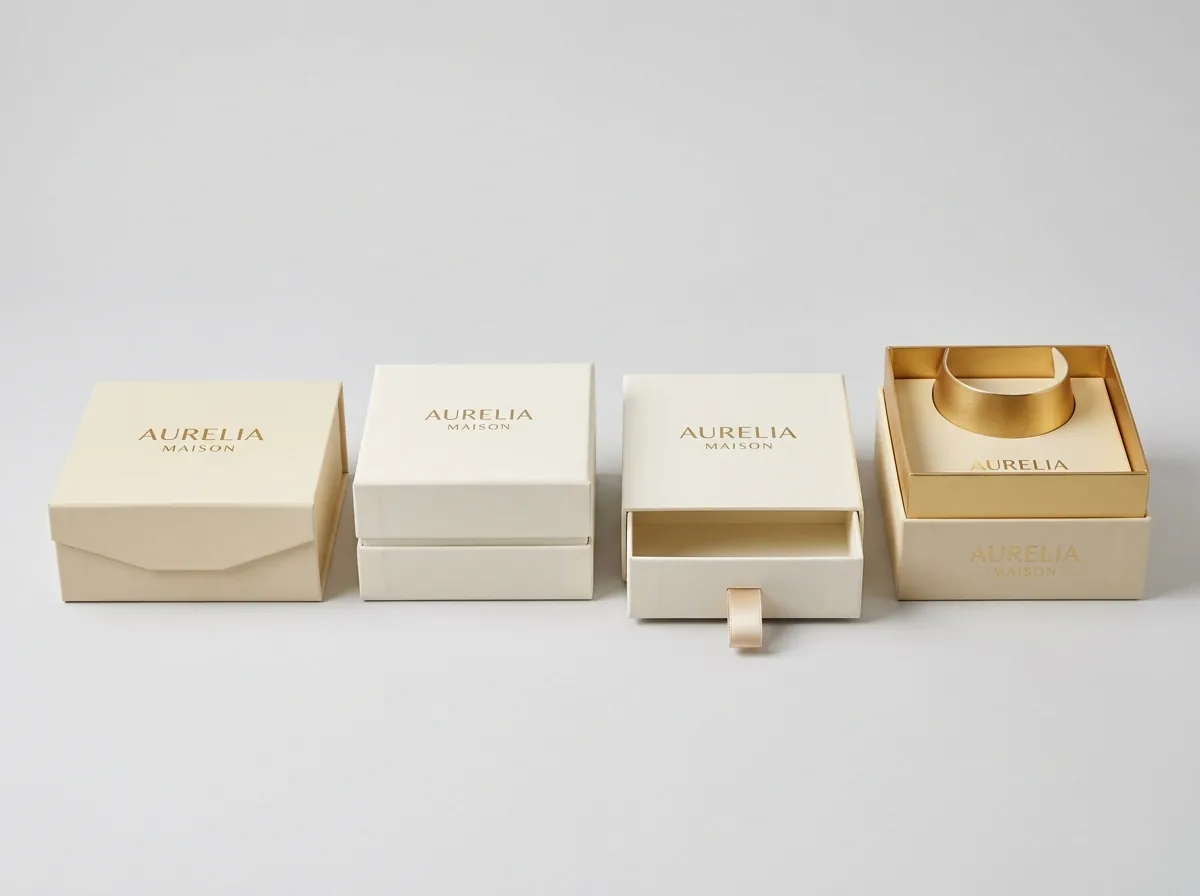
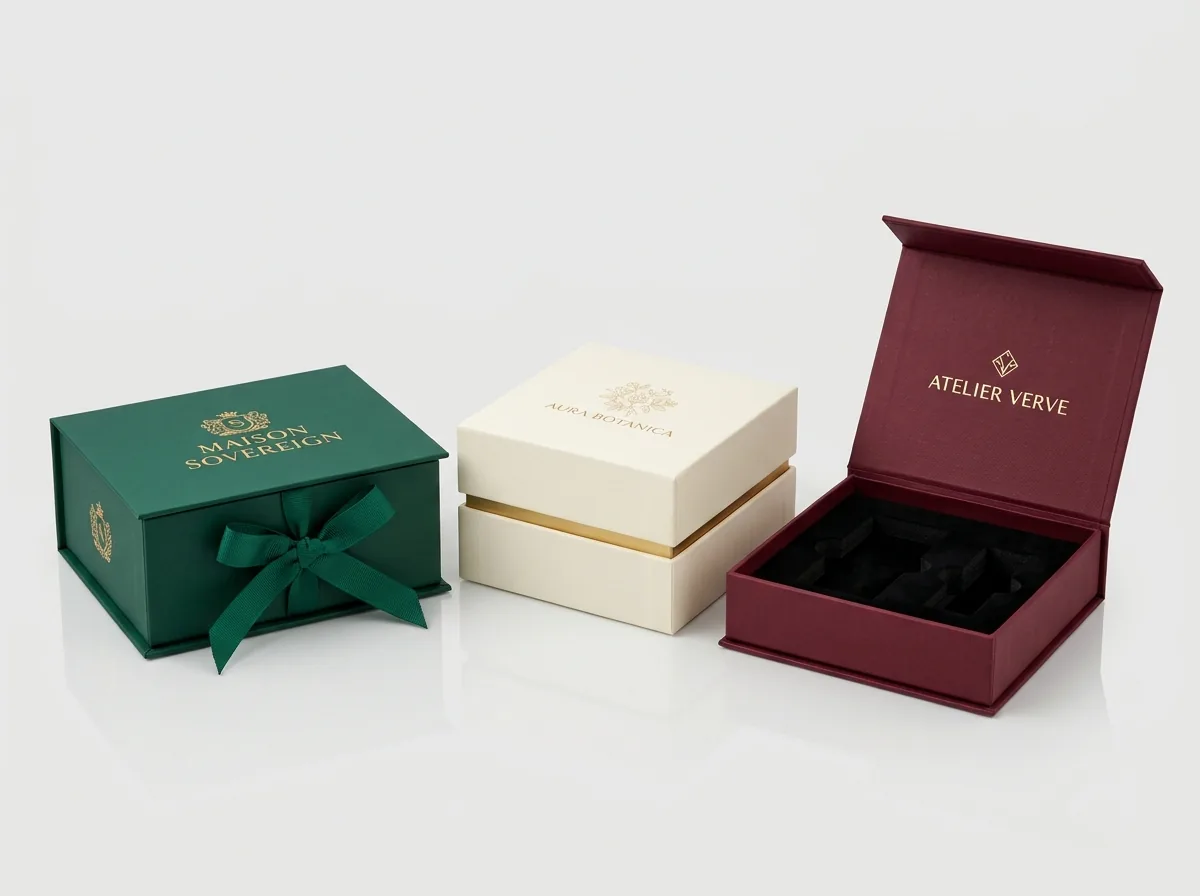
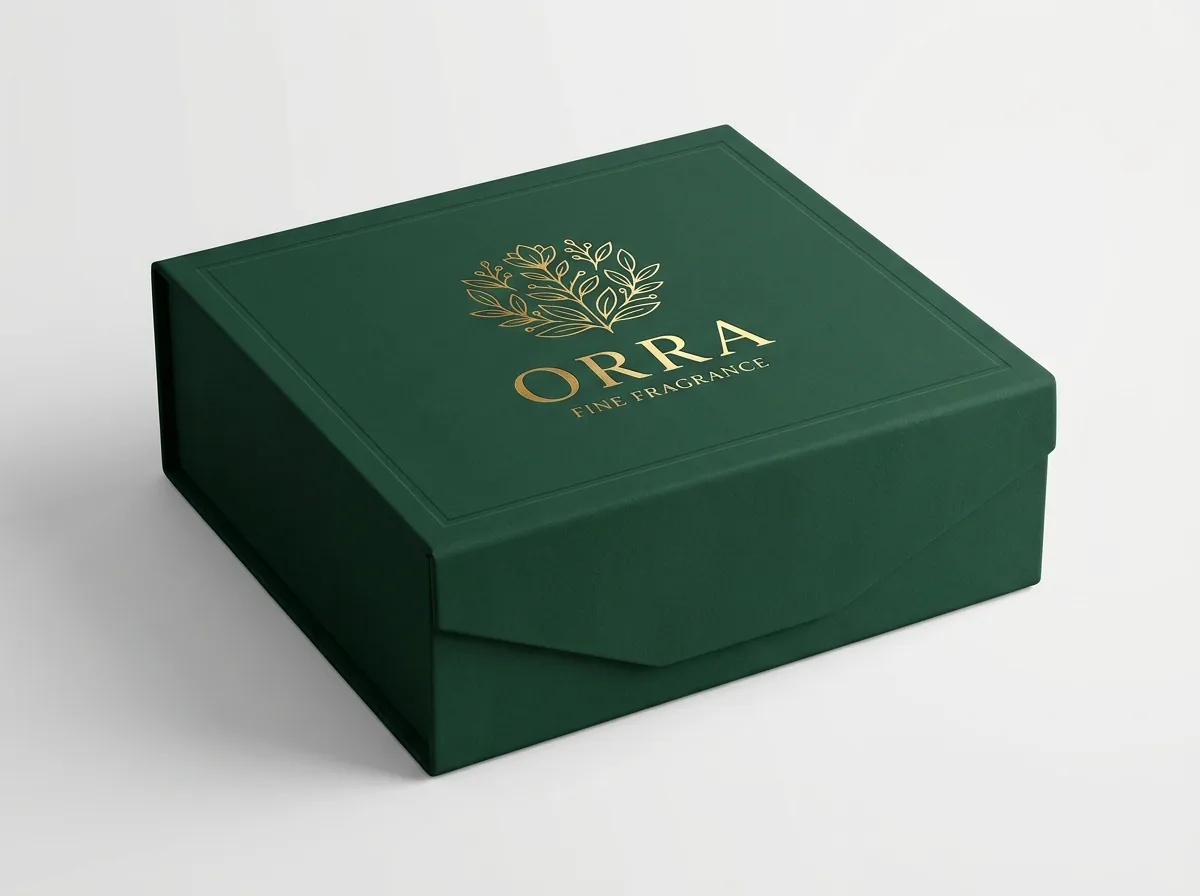

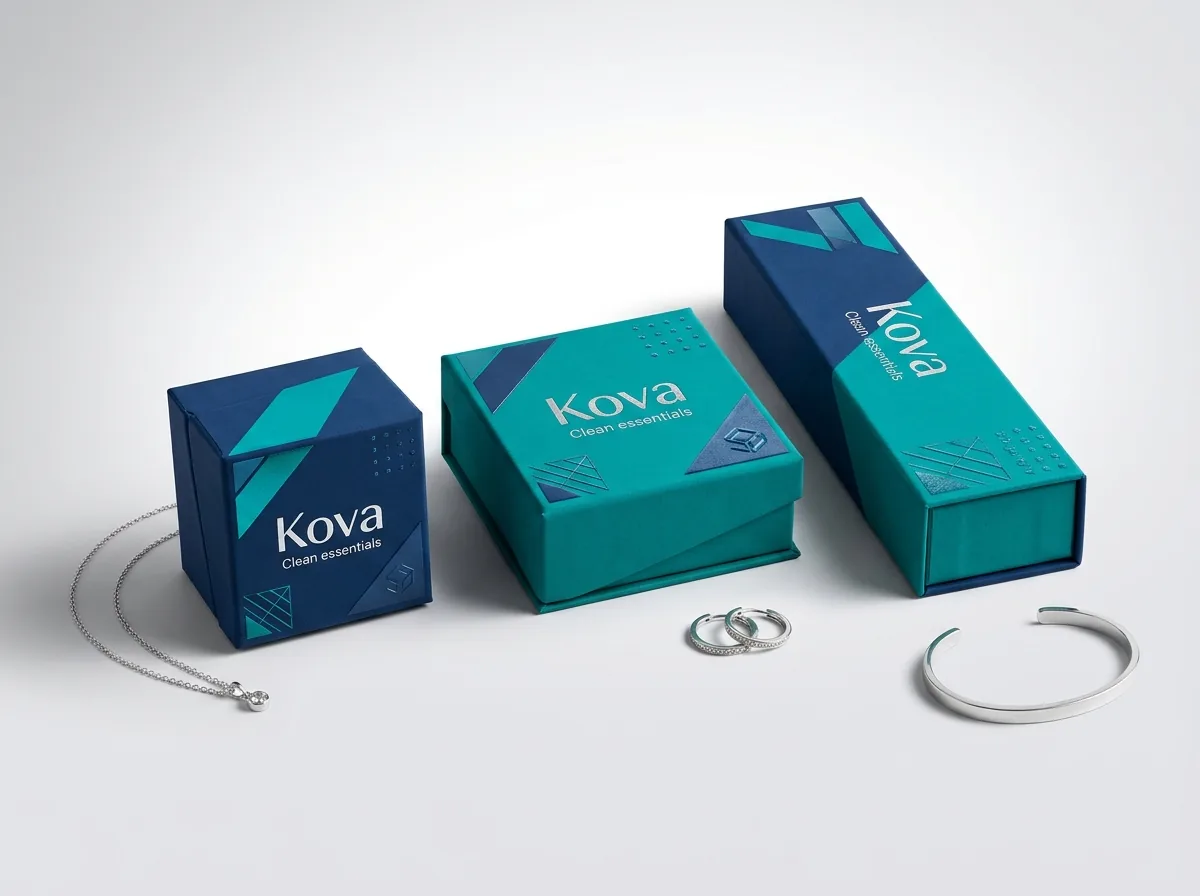
Ready to order gift boxes? Compare up to 3 quantities with a free 3D mockup.
Request a Quote →Questions about gift boxes
Why does a rigid gift box dieline have a 15 to 20 mm turn-in margin around the edges?
Because a rigid setup box is built by wrapping a printed 120–157 gsm paper sheet around a thick 1.5–3.0 mm grayboard core, the outer paper must fold over the top rim of the walls and glue 15 to 20 mm down inside the box so no raw gray chipboard edge is ever exposed.
Are satin ribbons on magnetic gift boxes replaceable?
When you choose our slot-threaded ribbon design, the ribbon passes through precision die-cut horizontal slits in the front flap and front wall, allowing you to untie, re-tie, or swap ribbon colors for different seasonal campaigns.
What is the difference between EVA foam and EPE foam for gift box inserts?
EVA (Ethylene-Vinyl Acetate) foam is denser, firmer, and has an ultra-fine smooth surface with no visible air bubbles, making it the flagship choice for luxury perfume, watch, and VIP gift boxes. EPE (Expanded Polyethylene) foam is lighter and more economical, and is often paired with a printed paperboard top sheet.
Can I combine soft-touch lamination with both gold foil stamping and spot UV on the same gift box?
Yes. Soft-touch velvet lamination serves as an ideal base film for both hot metallic foil stamping and high-gloss Spot UV, creating a dramatic tactile contrast between the suede-matte background, mirror-gloss UV patterns, and metallic foil logo.
What file format should I supply for my custom gift box artwork and foil layers?
Supply a layered vector PDF or Adobe Illustrator (.ai) file with CMYK/Pantone artwork on one layer, dieline cut and V-groove lines on a separate layer, and any foil, emboss, or spot UV elements on their own 100% black vector spot layers. Our team provides free prepress setup help on every order.
Still have a question? Ask a packaging specialist.
Request a Quote →Request your gift boxes quote
Tell us your size and quantities, and one dedicated account manager prepares pricing for each tier.
- Free design & AI-to-print studio + 3D mockup
- No die or plate charges · 4–5 day rush available
- Free shipping to all 50 states
- 10% off your first order
We verified rigid paper wrap 15–20 mm turn-in allowances, 90-degree V-groove tolerances, EVA vs EPE foam densities, and foil/emboss vector prepress specifications against Paperboard Packaging Council (PPC) setup box manuals and FSEA foil stamping guidelines. A packaging specialist checked every specification. Spot something wrong? Tell us and we fix it.
Sources
What changed
- October 25, 2026: First published with rigid wrap turn-in dieline anatomy, ribbon slot & neodymium magnet specs, EVA vs EPE vs card insert table, and foil/emboss prepress chart.
More guides
New packaging guides by email
Sizes, materials and design tips. Unsubscribe anytime.