
How Do You Choose Between Foil Stamping, Spot UV, and Embossing for Box Logos?
Short answer: Hot foil stamping bonds metallic foil for reflective luster; raised Spot UV cures glossy clear polymer for dimensional contrast; embossing presses paperboard into raised relief. Choose foil for luxury shine, Spot UV for modern subtlety, and embossing for organic tactile depth.
On this page
- How does hot metallic foil stamping work on custom boxes
- What are the benefits of raised 3D Spot UV on logos
- How do blind embossing and debossing differ
- Can you combine multiple embellishments on a single box logo
- Which paperboard substrates deliver the best finish results
- How do you prepare vector artwork for specialty finishes
- How do production turnaround and tooling dies affect project schedules
- How do you evaluate unit economics across finish embellishment tiers
- Common mistakes
- FAQs
Request a custom quoteFree dieline & 3D mockup
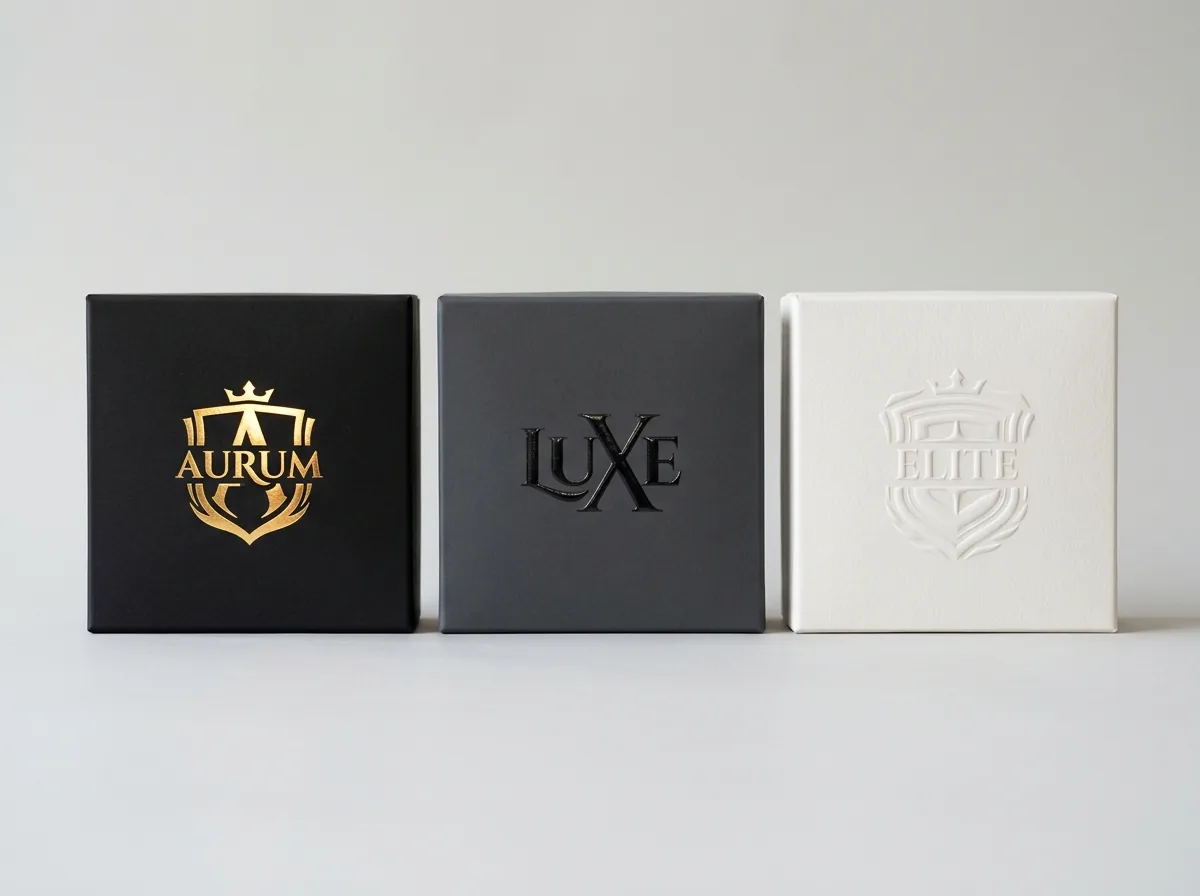
Selecting the right tactile embellishment elevates a standard printed box into a premium sensory keepsake. When planning custom boxes with logo, three flagship decorative finishes deliver distinctive visual and physical impact. Hot foil stamping uses heated metal dies to bond gold, silver, rose gold, or copper foil onto paperboard, creating high-reflectivity crests that catch retail lighting. Raised 3D Spot UV deposits a clear liquid polymer over matte lamination, curing under ultraviolet lamps to produce smooth, glass-like dimensional contrast without altering the back panel. Blind embossing and debossing utilize male-female brass dies to physically push paperboard fibers into raised or sunken dimensional reliefs. When configuring custom luxury boxes with logo, combining foil stamping with debossing creates a classic sunken foil crest. Our prepress packaging team inspects all spot-finish vector masks for zero plate setup surprises.
How does hot metallic foil stamping work on custom boxes?
Hot foil stamping is an analog finishing process that uses heat and pressure to transfer an ultra-thin metallic film from a polyester carrier onto paperboard. Precision CNC-machined brass dies heat to approximately 250 degrees Fahrenheit, pressing the pigmented aluminum foil layer into the paper fibers. On custom boxes with logo, metallic gold, brilliant silver, copper, and rose gold foils provide true mirror-like reflectivity that cannot be replicated by standard CMYK metallic inks. Foil stamping produces completely opaque coverage, making it especially striking when stamping bright logos onto natural unbleached brown kraft or deep matte black board stocks. The permanent heat bond resists flaking and transit abrasion when paired with protective matte lamination. In commercial production, hot foil stamping can be combined with matte lamination to provide an impenetrable barrier against environmental moisture and surface oils.
What are the benefits of raised 3D Spot UV on logos?
Raised 3D Spot UV is a modern polymer embellishment that applies a thick, clear gloss varnish exclusively over selected vector logo paths. The coating is cured instantaneously using high-intensity ultraviolet light, creating a tactile 30-micron to 50-micron dimensional lift above the surface. When applied over velvet soft-touch or scuff-resistant matte lamination, Spot UV produces dramatic gloss-to-matte visual contrast that begs to be touched. Because Spot UV is applied digitally or via silkscreen without requiring deep fiber compression, it is compatible with single-wall corrugated mailers and paperboard folding cartons alike. It also allows subtle tone-on-tone branding where a clear gloss logo sits directly on a solid black matte carton. This high-gloss tactile finish is cured instantly under high-intensity ultraviolet lamps, locking the polymer structure into place with zero drying time.
How do blind embossing and debossing differ?
Embossing and debossing create physical, dimensional relief within the paperboard substrate itself without necessarily requiring ink. Embossing uses a matched male counter and female die to press paperboard upward, producing a raised relief logo on the exterior face. Debossing pushes the die downward, creating an elegant sunken depression. Blind embellishment refers to stamping without foil or ink, allowing light and shadow across the raw paperboard texture to define the logo contour. Heavyweight substrates like 20 pt to 24 pt SBS board and 1500 gsm rigid chipboard cores provide maximum fiber depth for dramatic debossed impressions, creating an understated, tactile luxury brand presence.
Know your size? Compare pricing across up to 3 quantities.
Request a Quote →Can you combine multiple embellishments on a single box logo?
Luxury perfume, spirits, and jewelry brands frequently combine multiple decorative processes to create sophisticated multi-sensory packaging. A popular hybrid technique is combination stamping or foil debossing, where a heated brass die simultaneously applies metallic gold foil while stamping the logo 0.5 mm into heavy paperboard. Another powerful pairing is laying a raised Spot UV gloss badge over a dark matte Pantone background while foil stamping the primary brand wordmark. When combining finishes, our prepress team inspects artwork layers to ensure proper registration trapping, preventing microscopic gaps between foil edges and spot gloss boundaries.
Which paperboard substrates deliver the best finish results?
Substrate density and surface smoothness dramatically impact the quality of logo embellishments. Solid Bleached Sulfate (SBS) paperboard features a clay-coated, ultra-smooth surface that accepts hot foil stamping and high-build Spot UV with pin-sharp edge definition. Unbleached kraft board features porous, fibrous textures; while foil stamping adheres cleanly under higher die pressure, Spot UV on unlaminated kraft can absorb slightly into the surface. For deep blind debossing, heavy 24 pt to 28 pt paperboard or heavyweight 1200 gsm to 1800 gsm rigid binderboard provides the dense fiber mass needed to hold crisp three-dimensional impressions without cracking the surface paper fibers.
How do you prepare vector artwork for specialty finishes?
Preparing artwork for specialty embellishments requires separating decorative elements onto independent spot-color vector layers within your Adobe Illustrator dieline file. The base CMYK or Pantone printed artwork resides on a lower layer, while the foil stamping or Spot UV mask is placed on a dedicated top layer set to 100% solid black (K:100) or an easily identifiable spot swatch named Foil or Spot UV. All vector shapes on the finish layer must align in exact 1:1 mechanical registration with the underlying artwork. Our prepress team verifies layer separations, ensures minimum stroke widths meet tooling tolerances, and provides a 3D digital simulation displaying metallic shine and gloss reflections.
How do production turnaround and tooling dies affect project schedules?
Incorporating specialty decorative embellishments into custom logo boxes introduces dedicated tooling production steps that influence your launch schedule. Standard four-color CMYK process and digital press printing run directly from digital files without physical tooling delays. In contrast, hot metallic foil stamping and dimensional embossing require the fabrication of custom metal dies. CNC-machined magnesium dies are fast and economical for short production runs under 5,000 units, requiring 2 to 3 days for chemical etching. For luxury runs exceeding 10,000 units or designs with multi-level sculpted reliefs, precision brass dies are hand-engraved to ensure razor-sharp microscopic detail and exceptional die longevity under repeated heat cycles. While custom metal tooling adds an initial setup phase during first-article production, our standard manufacturing timeline delivers finished custom boxes in 10 to 14 business days, with an expedited 4 to 5 day rush option available for time-sensitive brand launches.
How do you evaluate unit economics across finish embellishment tiers?
Balancing premium visual elevation with unit procurement economics is essential for high-growth e-commerce and retail brands. Decorative finishes carry varying cost structures depending on order volume and press technology. Digital Spot UV varnish eliminates metal tooling dies entirely, making it highly cost-effective for short-run test batches between 100 and 500 units. Hot foil stamping and blind debossing involve fixed die manufacturing fees that amortize rapidly as order quantities scale: while tooling adds a noticeable cost per unit on a 250-piece run, that same tooling cost divides down to pennies per unit at 2,500 or 5,000 cartons. On high-volume production, unit costs for foil stamping and embossing are primarily driven by machine press run time and specialty foil square-inch consumption. Our quote builder provides transparent multi-tier volume pricing so procurement teams can select the optimal finish configuration.
What mistakes happen when specifying logo finishes?
Prevent these costly production issues when setting up specialty logo embellishments on packaging dielines
- Attempting hot foil stamping on raw, coarse corrugated flute without an exterior smooth liner, causing patchy foil adhesion.
- Specifying ultra-thin hairline typography under 0.5 pt for embossing dies, causing paperboard fiber tearing during pressing.
- Running raised Spot UV across critical hinge scorelines, leading to brittle varnish cracking during box assembly.
- Failing to supply finish masks as 100% solid vector black fills on separate dieline layers, delaying prepress approval.
- Using blind debossing on lightweight 14 pt paperboard, causing ghost impressions and reverse buckling on the inside panel.
Packaging for this
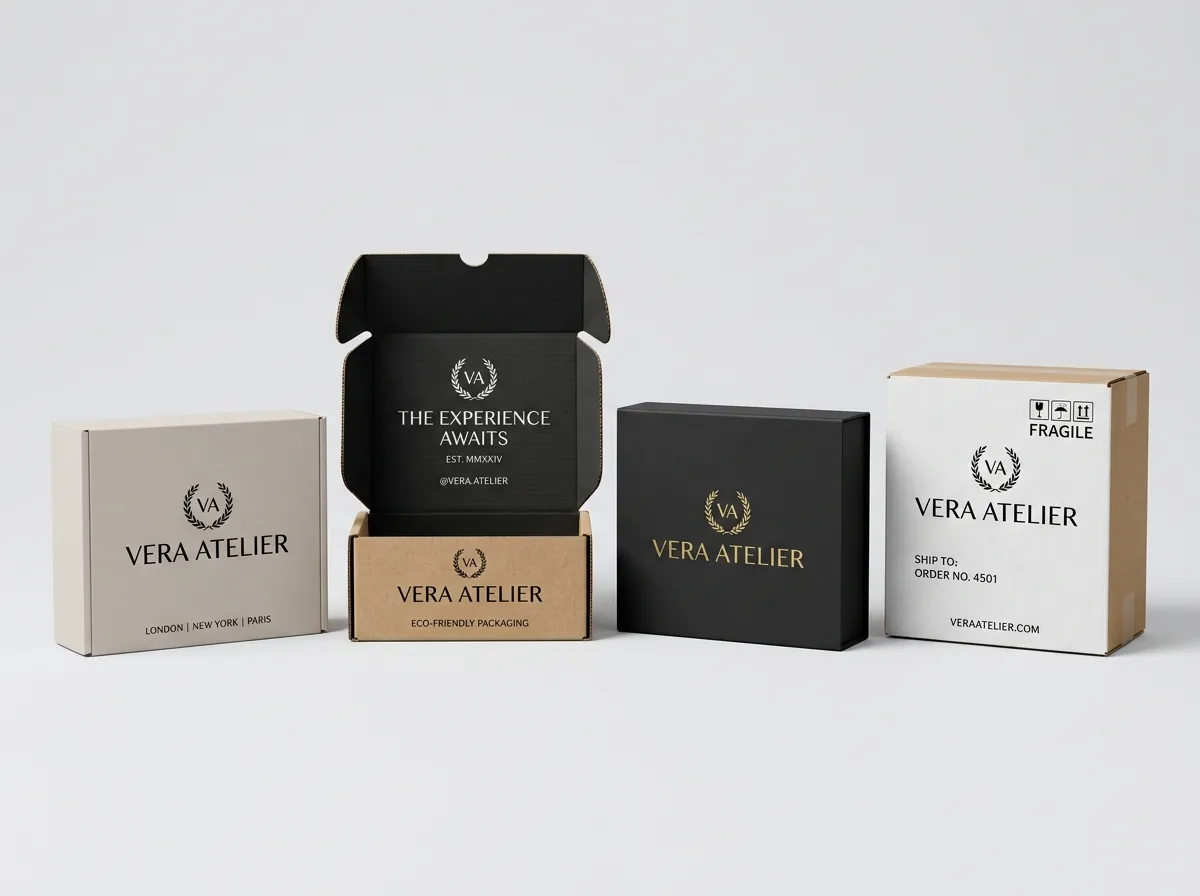
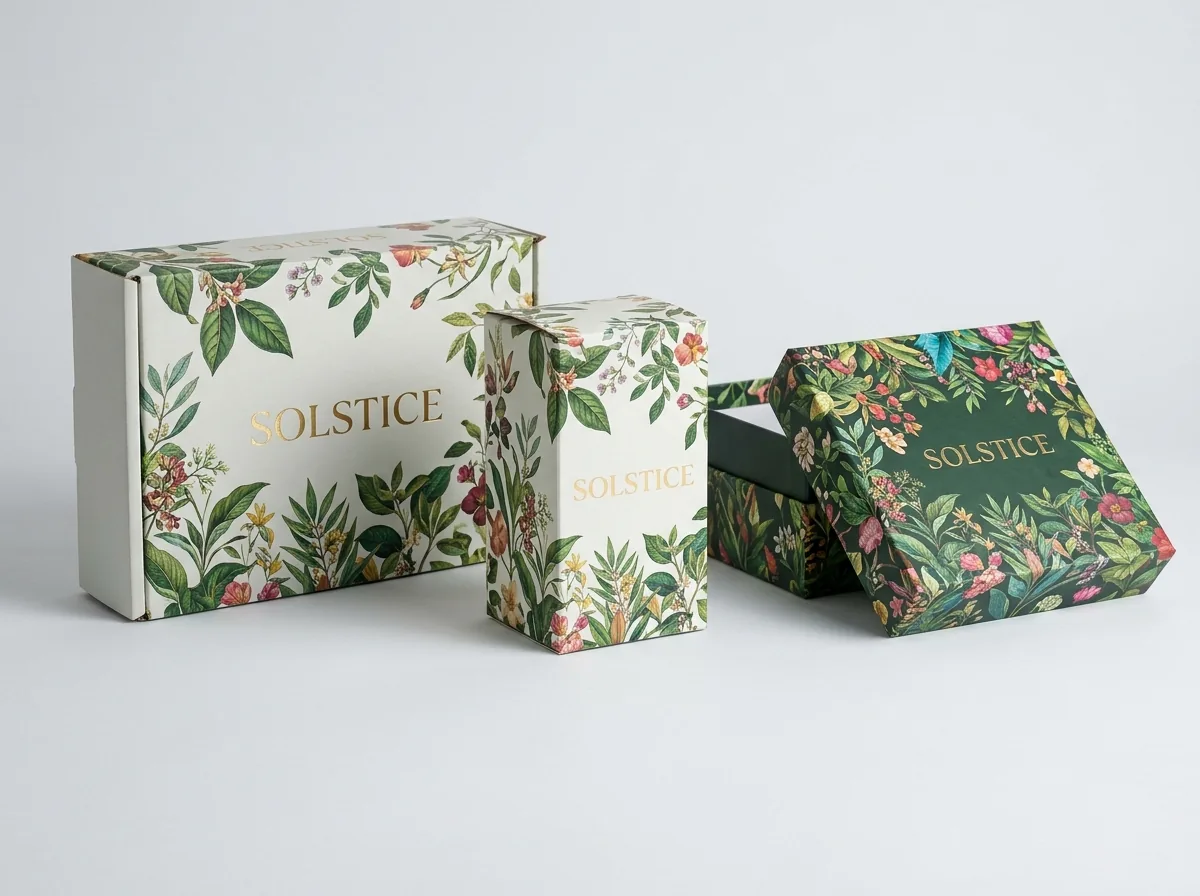
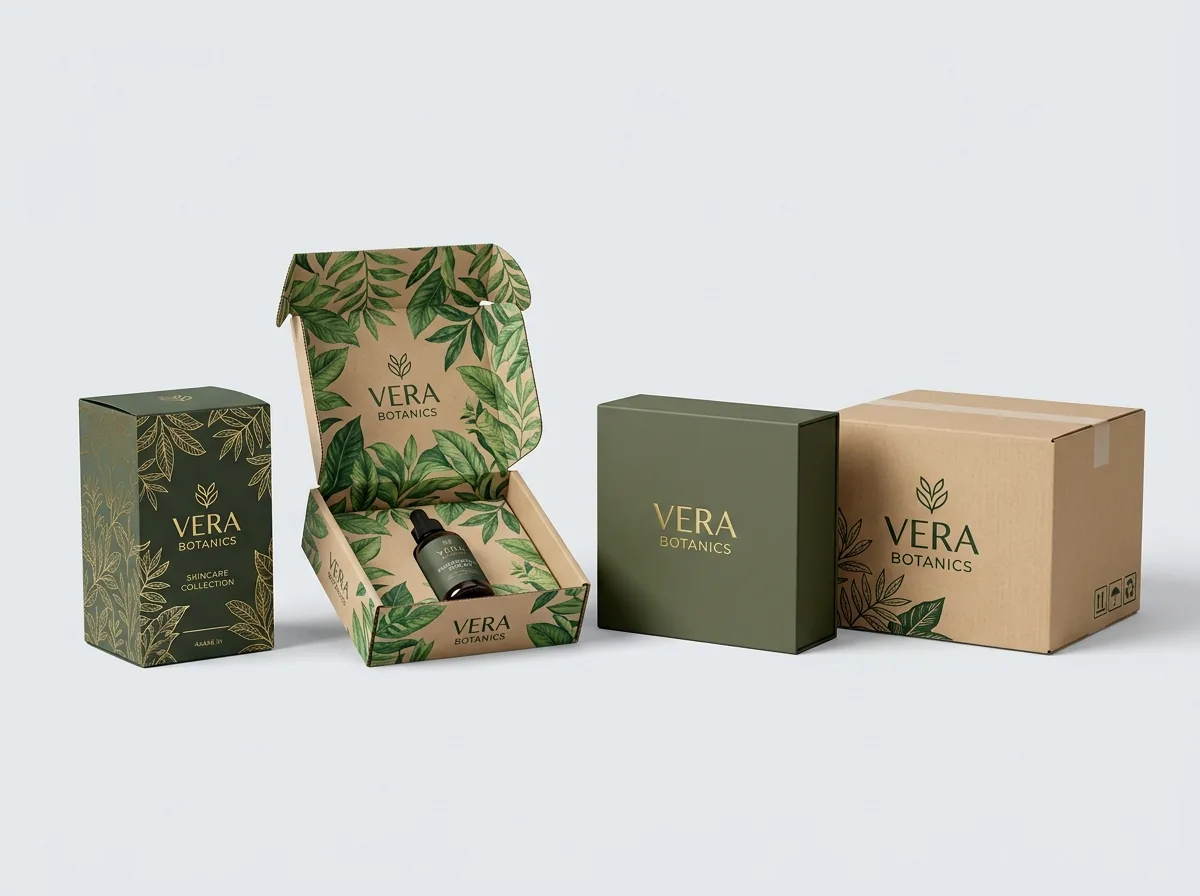
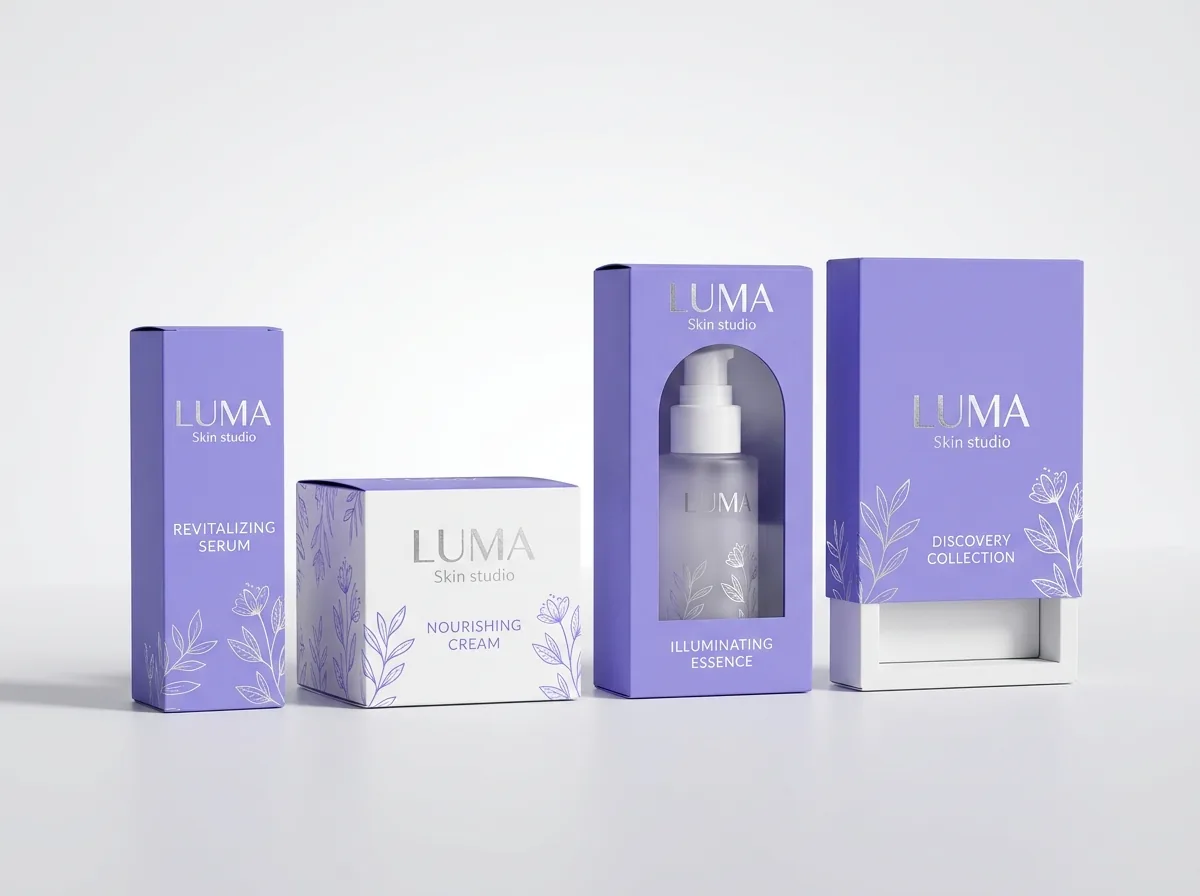
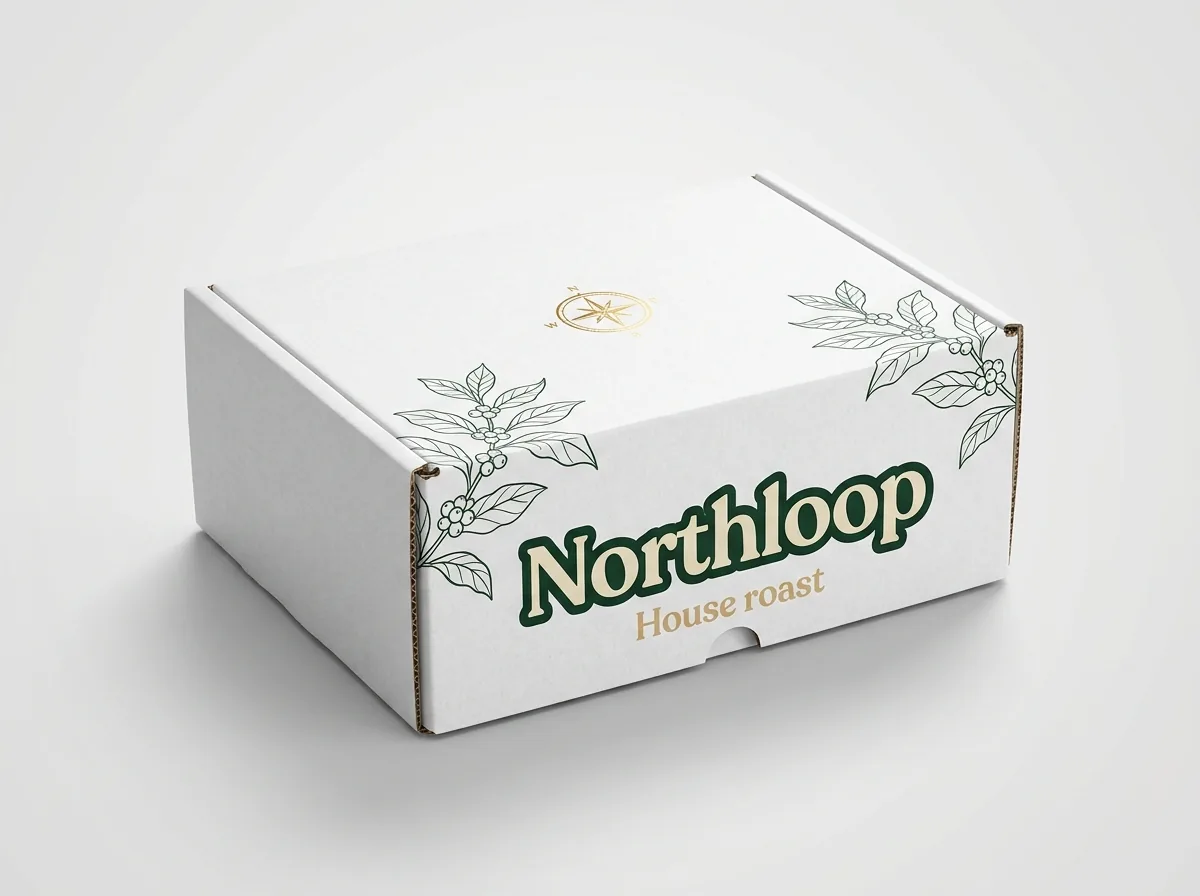
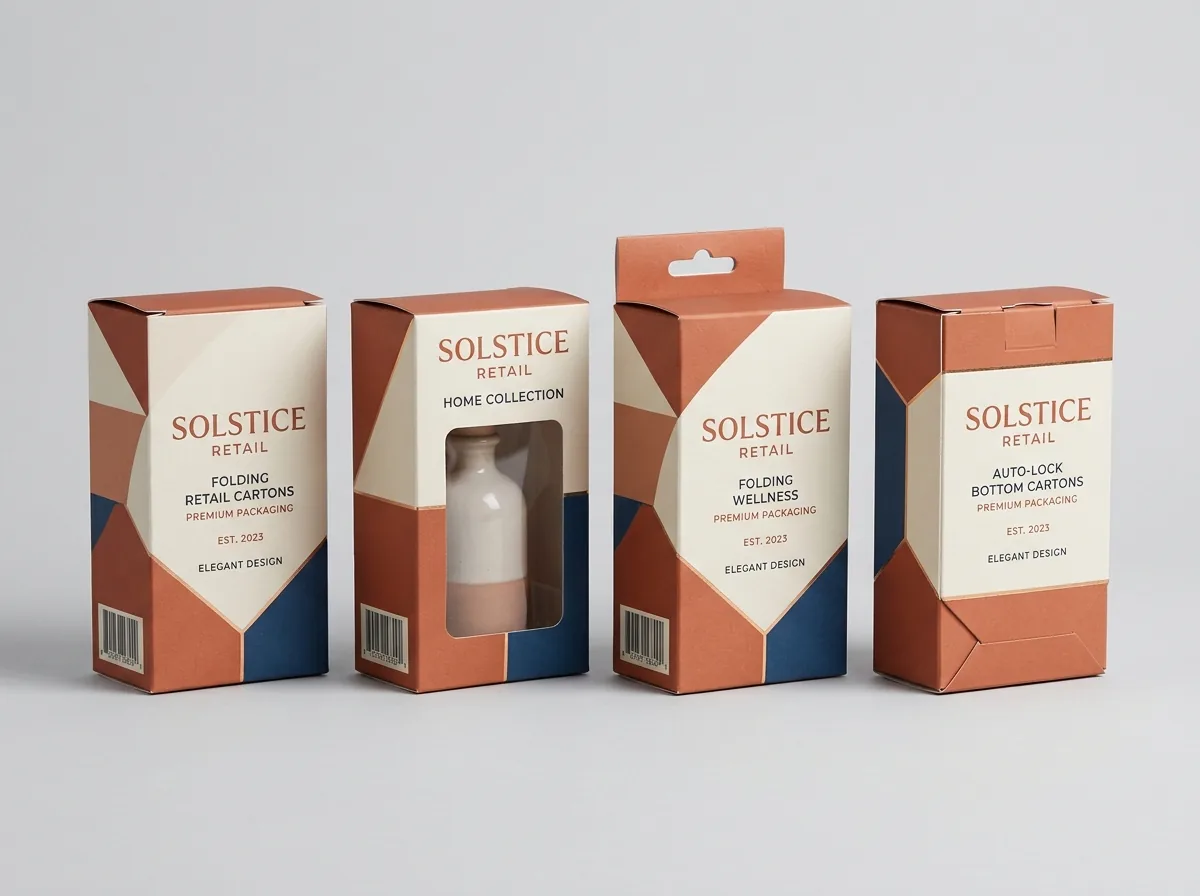
Ready to order boxes with logo? Compare up to 3 quantities with a free 3D mockup.
Request a Quote →Questions about boxes with logo
What is the most cost-effective logo embellishment?
Single-color spot UV or single-color foil stamping on digital press runs provides exceptional visual elevation with minimal setup overhead. On high-volume runs, foil stamping unit costs decrease dramatically as die costs amortize across the batch.
Will hot foil stamping rub off during transit?
No. When applied under proper temperature and tonnage onto coated paperboard, the hot-stamped foil forms a permanent thermal bond with the board fibers. For transit mailers, pairing foil with matte lamination provides maximum scuff resistance.
Can I emboss a logo on a corrugated mailer box?
Blind embossing is generally reserved for solid paperboard folding cartons and wrapped rigid setup boxes. Pressing corrugated board compresses internal fluting, reducing crush strength. For corrugated mailers, raised Spot UV or foil stamping is recommended.
What is blind debossing versus registered debossing?
Blind debossing indents the logo directly into unprinted, unfoiled paperboard relying purely on natural shadow. Registered debossing aligns the indentation precisely over previously printed CMYK ink or stamped foil.
How do I set up my artwork file for foil or Spot UV?
Create a separate vector layer named 'Foil' or 'Spot UV' in your design file. Position the exact logo shapes in 100% solid black (K:100) or a dedicated spot color aligned in exact 1:1 registration over the underlying dieline artwork.
Can I foil stamp multiple colors on the same box logo?
Yes. Multiple foil colors (such as gold and silver or holographic and black foil) can be applied to the same panel. Each distinct foil color requires an independent tooling die and separate press pass during manufacturing.
Still have a question? Ask a packaging specialist.
Request a Quote →Request your boxes with logo quote
Tell us your size and quantities, and one dedicated account manager prepares pricing for each tier.
- Free design & AI-to-print studio + 3D mockup
- No die or plate charges · 4–5 day rush available
- Free shipping to all 50 states
- 10% off your first order
Researched across Idealliance G7 Master Color specifications, Paperboard Packaging Council prepress standards, and commercial litho-lamination finishing guidelines. Production facts verified with manufacturing specialists.
What changed
- November 11, 2026: Published technical engineering guide covering logo reproduction, prepress vector dielines, and tactile packaging finishes.
More guides
New packaging guides by email
Sizes, materials and design tips. Unsubscribe anytime.