
How do eyewear brands design custom sunglasses boxes and case inserts?
Short answer: Build a layered optical reveal by hiding your microfiber cloth and authenticity booklet under a false-bottom tray, cradling sport lenses in die-cut EVA foam, and pairing a soft-touch outer sleeve with metallic foil temple markings on custom sunglasses boxes from 1,000 cartons or 50 rigid boxes.
On this page
- How do I organize the hard case, microfiber cloth and spare lenses inside the box
- Which board stocks and finishes match acetate, metal and sport frames
- How can one sunglasses box design work across dozens of frame SKUs
- What drives the unit cost of custom sunglasses boxes and how can I save
- What should I verify on my eyewear box proof and 3D mockup
- Common mistakes
- FAQs
Request a custom quoteFree dieline & 3D mockup
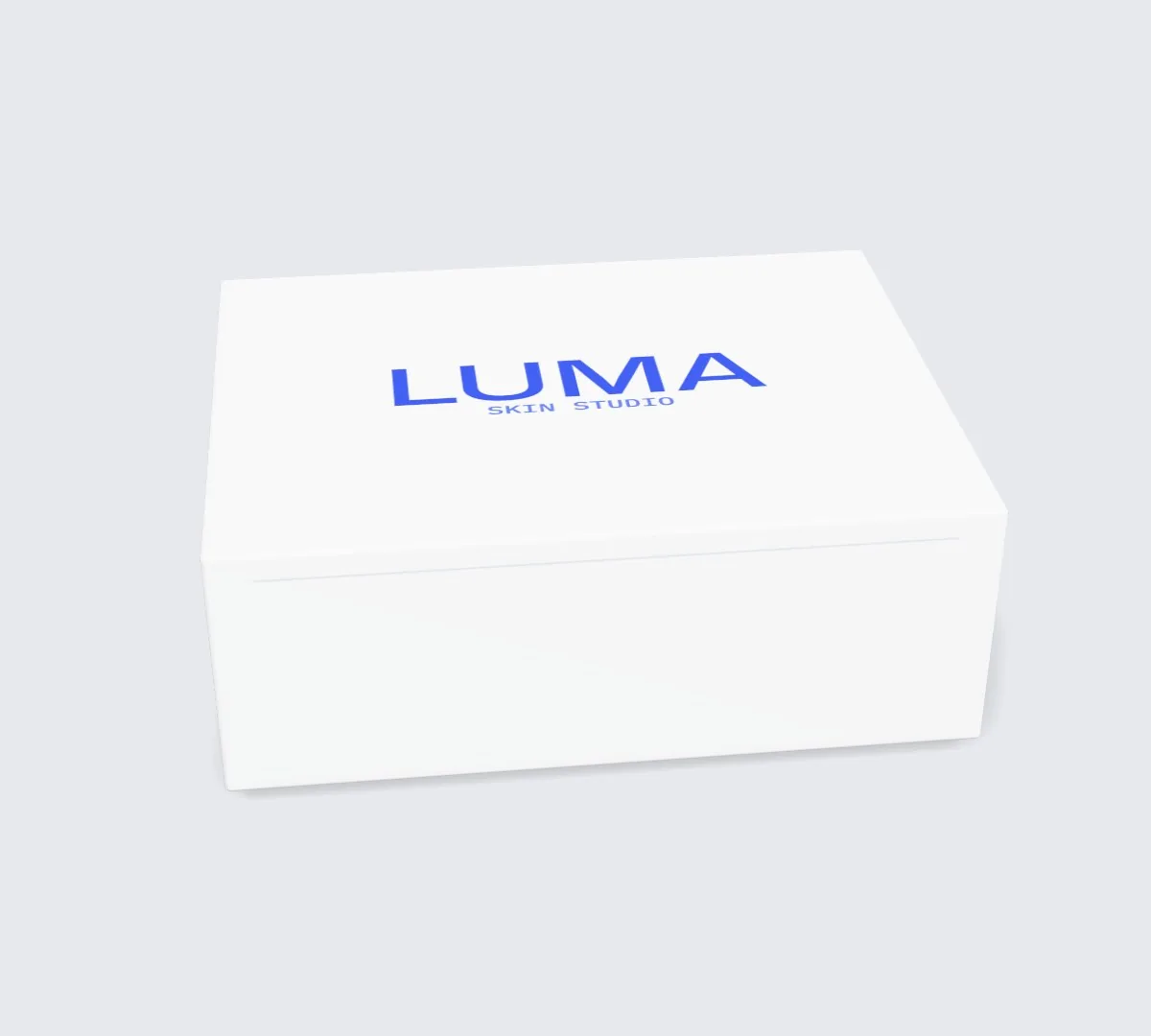
Great eyewear packaging organizes three or four small accessories inside a compact footprint so the customer sees the sunglasses first rather than a crumpled pile of booklets and plastic bags. Independent optical studios and performance sunglasses brands achieve that clean presentation with a two-level interior: the top bay cradles the hard clamshell case or microfiber pouch, while a recessed false bottom underneath holds the folded lens cloth, care booklet and mini temple screwdriver. On the exterior, tactile finishes like soft-touch matte film, unbleached kraft paper or blind-debossed monograms echo the material of the frames inside, whether hand-polished cellulose acetate, brushed titanium or recycled ocean plastic. At CubitPack, custom sunglasses boxes start at 1,000 units for folding cartons and 50 units for rigid boxes, with free design help, zero die charges and free delivery across all 50 US states.
How do I organize the hard case, microfiber cloth and spare lenses inside the box?
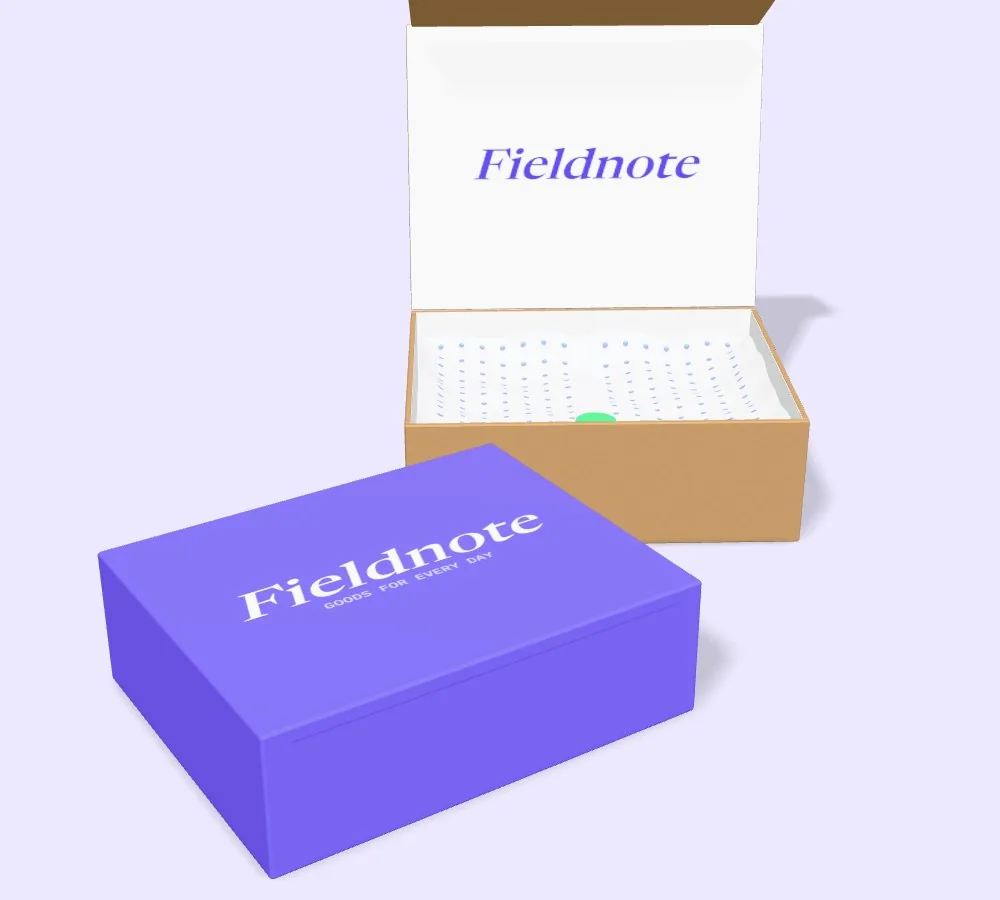
Almost every pair of sunglasses ships with at least three items: the frame itself (in a soft pouch or hard shell), a folded microfiber cleaning cloth, and a care or warranty card. Sport, snow and fishing eyewear often adds a fourth item: a spare low-light lens, a neoprene retainer strap or a nose-pad kit. When you request a dieline for printed eyewear boxes, designing an internal divider keeps those accessories from pressing against the lenses. For boutique acetate and metal sunglasses, the cleanest solution is a scored paperboard false bottom (also called a riser platform) with a die-cut finger notch in the center. The warranty card and lens cloth sit flat in the ½-inch space below the platform, while the hard eyewear case rests on top. For Base-8 sport shields and interchangeable lens kits, a custom die-cut EVA foam insert with a soft brushed or velvet top layer holds the frame and spare lens in separate contoured slots.
- False-bottom riser tray: hides the microfiber cloth, warranty card and temple screwdriver in a ½-inch lower bay.
- Recessed lid pocket: a glued paperboard pocket inside a two-piece or magnetic lid that holds the authenticity booklet.
- Die-cut EVA foam cradle: holds curved cycling or fishing frames and spare lenses apart so coatings never touch.
- Multi-pair try-on divider: a scored 3-slot or 4-slot card partition for home try-on mailers and PR lookbook kits.
Which board stocks and finishes match acetate, metal and sport frames?
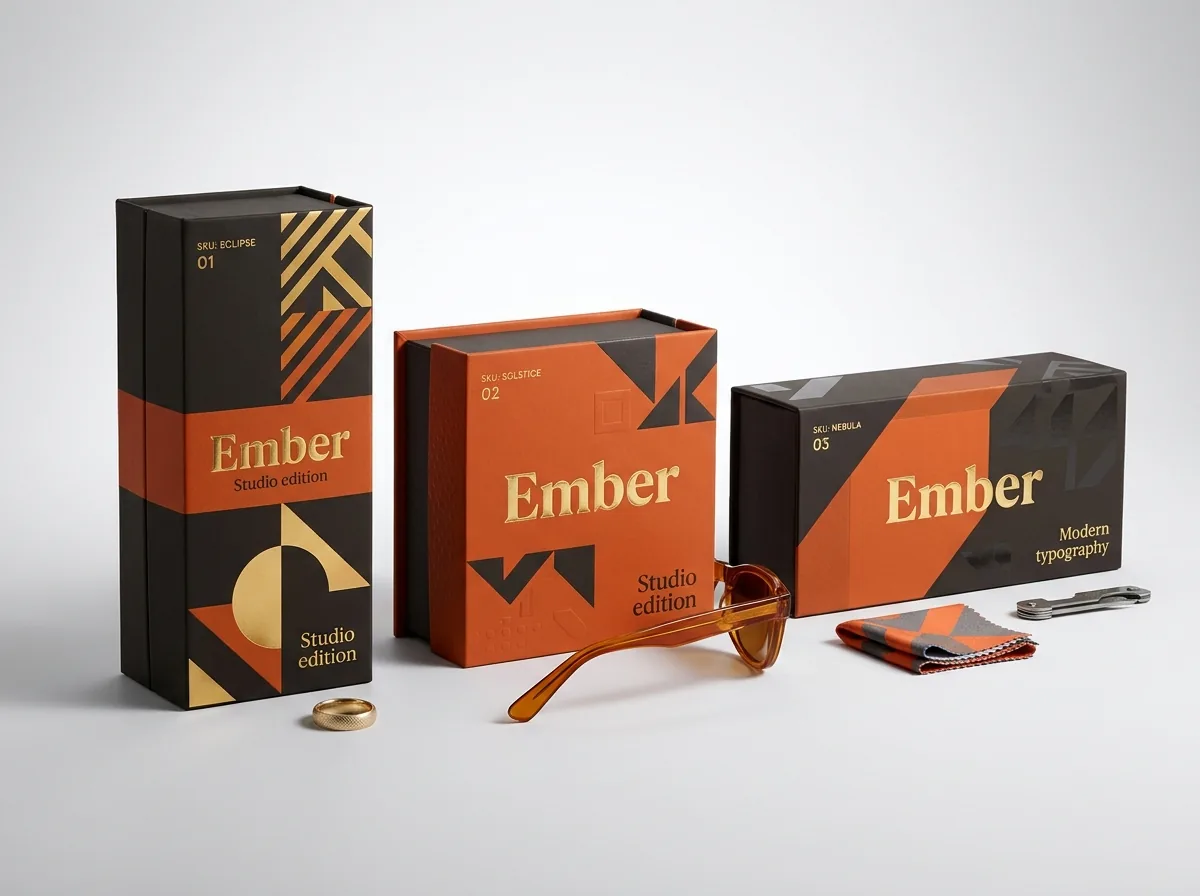
Customers judge the optical quality of a pair of sunglasses the second their fingers touch the outer box. A slick, flimsy carton makes expensive polarized lenses feel like gas-station novelty glasses, whereas a dense, tactile surface sets expectations for hand-finished hinges and scratch-resistant optics. Many boutique eyewear brands also print the inside walls of the drawer tray in a contrasting Pantone shade so a flash of color appears as the ribbon tab slides open. Match your board and surface finish to the frame material and retail channel using the six proven eyewear combinations in the table below. Every finish is available across tray-and-sleeve drawer boxes, two-piece boxes and straight-tuck cartons, and you can inspect each lamination and foil in person with our $50 sample kit before placing a production order.
| Eyewear brand positioning | Board & ink setup | Recommended finish & detail |
|---|---|---|
| Boutique Italian or Japanese acetate | Warm sand, cream or olive wrap over rigid board | Matte or soft-touch film + blind debossed wordmark |
| Architectural titanium & wire frames | Cool slate gray or jet black card / rigid board | Silver or gunmetal foil stamp + grosgrain ribbon tab |
| Polarized cycling, running & fishing | High-contrast black CMYK on white card or rigid | Matte lamination + high-gloss spot UV lens graphic |
| Bio-acetate, wood temple & ocean plastic | Unbleached natural brown kraft paperboard | Opaque white ink + one earthy soy/Pantone accent |
| Resort, coastal & festival sunglasses | Full-bleed pastel or terracotta Pantone on white card | Gloss or satin lamination + inside-tray pattern |
| DTC optical home try-on program | White corrugated roll-end mailer with card divider | Outside brand mark + inside-lid mirror & return guide |
How can one sunglasses box design work across dozens of frame SKUs?
An independent eyewear collection often launches with four frame shapes, three acetate colorways and two lens tints, creating 24 distinct SKUs. Ordering 24 separate printed box runs would split your volume and multiply your inventory tasks. Instead, optical brands print one universal master box run and identify each frame on the narrow end panel. Just like shoe boxes on a stockroom shelf, eyewear boxes are stored end-out in optical drawers and 3PL bins. Leave a clean 2 × 1.25 inch unprinted zone on one short end of your drawer tray or two-piece base, then apply custom rectangle labels printed with the model name, frame colorway, lens UV category, barcode, and the standard optical sizing string (such as 52-20-145). Combining all 24 SKUs into one master box order unlocks higher quantity price breaks while keeping stockroom picking fast.
Know your size? Compare pricing across up to 3 quantities.
Request a Quote →What drives the unit cost of custom sunglasses boxes and how can I save?
Every CubitPack eyewear box quote is tailored to your specifications because unit cost depends on structure, dimensions, order volume and interior inserts. A 6.5 × 2.5 × 2 inch folding straight-tuck or folding tray-and-sleeve carton starts at 1,000 units and ships flat, offering the lowest cost per box. Rigid two-piece, rigid drawer and custom collapsible rigid boxes start at 50 units and use thick chipboard (gray board) walls wrapped in printed paper, which costs more per unit and suits high-margin optical lines. To keep unit cost low without sacrificing presentation, use a scored paperboard false bottom instead of multi-layer foam when your sunglasses already sit inside a protective pouch or clamshell case. You can also bring an AI-generated coastal illustration, tortoise pattern or monogram concept to our free Print your AI design service, where our prepress team converts your concept into clean vector print files at no extra cost.
- Run one universal branded box across your eyewear line and differentiate frame colorways with an end-panel SKU sticker.
- Compare three quantity tiers (such as 1,000, 2,500 and 5,000 cartons, or 50, 250 and 500 rigid boxes) on a single quote.
- Use folding tray-and-sleeve drawer cartons when you want double-walled side strength that still ships flat.
- Take advantage of 10% off your first order and our US competitor price-beat guarantee on identical specs.
What should I verify on my eyewear box proof and 3D mockup?
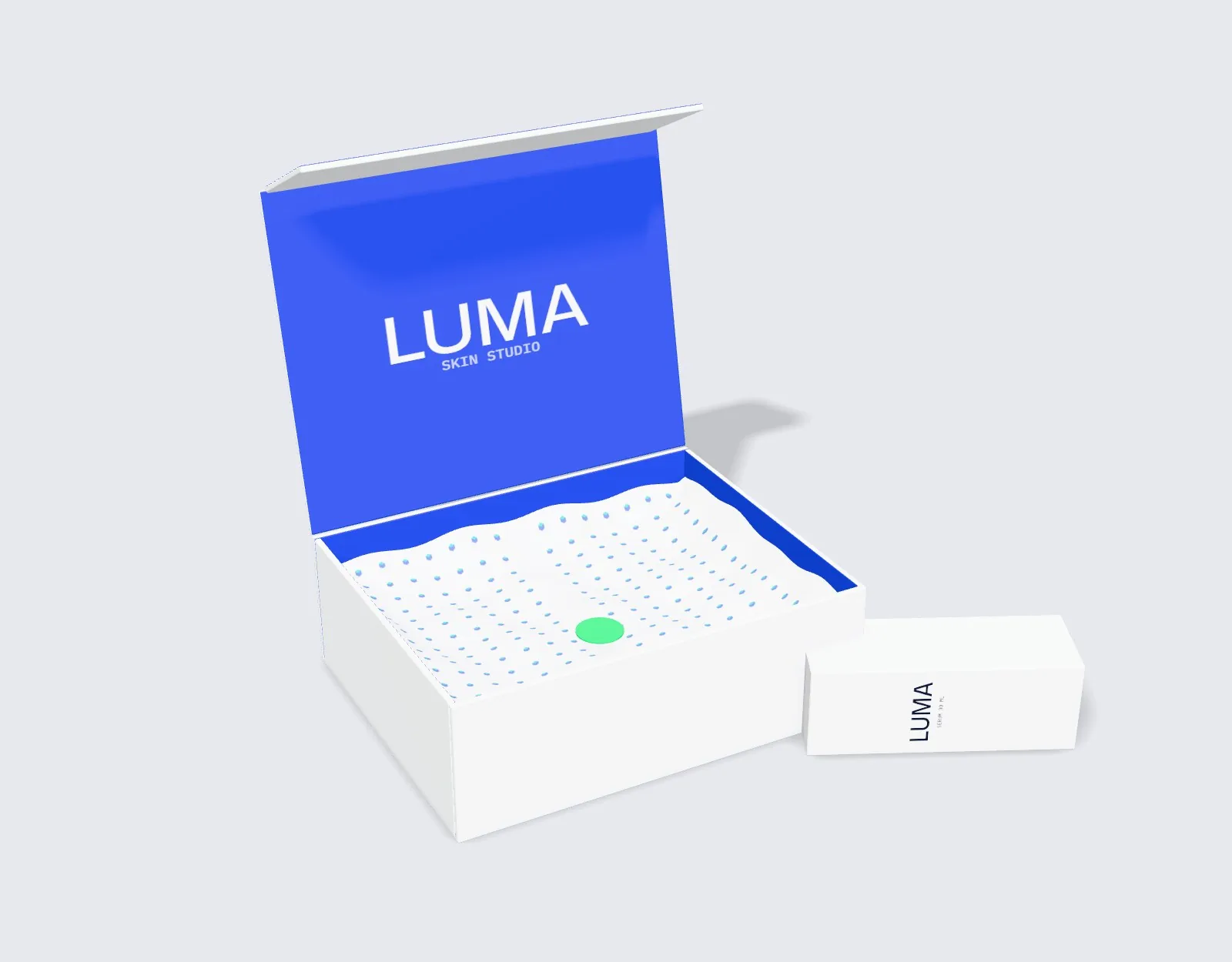
Before you pay for production, CubitPack sends a free 2D dieline proof and an interactive 3D mockup. On a tray-and-sleeve sunglasses drawer box, check which end the ribbon pull tab exits from and make sure your top-sleeve logo reads right-side up when a right-handed customer holds the sleeve and pulls the ribbon. Also check that any interior message printed on the floor of the drawer tray is centered so it frames the eyewear pouch when opened. If you include optical compliance icons (such as CE, UKCA or UV400 markings) and barcode placeholders on the bottom panel, verify that the quiet zone around the barcode stays on a high-contrast light background. When ordering a physical prototype or our Sample kit, test your largest acetate frame and hard case inside the sample box, slide the drawer twenty times to confirm the friction fit, and check that the finger notch lifts the false bottom smoothly. Once you approve your proof, standard production runs 10 to 14 business days with free shipping across all 50 states, or 4 to 5 business days with rush production. If a printed Pantone shade is clearly off from the approved specification, we reprint at no cost.
What are the most common custom sunglasses box design mistakes?
Thoughtful eyewear packaging protects delicate lens coatings and makes stockroom picking effortless. Avoid these five design and prepress errors
- Tossing a loose metal temple screwdriver or warranty card on top of bare sunglasses without a false bottom or pouch, scratching the lenses.
- Printing dark low-contrast barcodes on a black or tortoiseshell bottom panel where retail optical scanners cannot read them.
- Orienting the outer sleeve logo upside down relative to the ribbon pull tab on a single-ended sunglasses drawer box.
- Using coarse unlaminated interior board against a glossy leatherette hard case, which can scuff the case corners in transit.
- Ordering separate small box runs for every frame color instead of using one master branded box with an optical end-panel label.
Find your size
Suggested inside size: 6 × 2.25 × 1.5 in
A starting point. Your account manager confirms the size with you before the proof.
Quote this size →Packaging for this
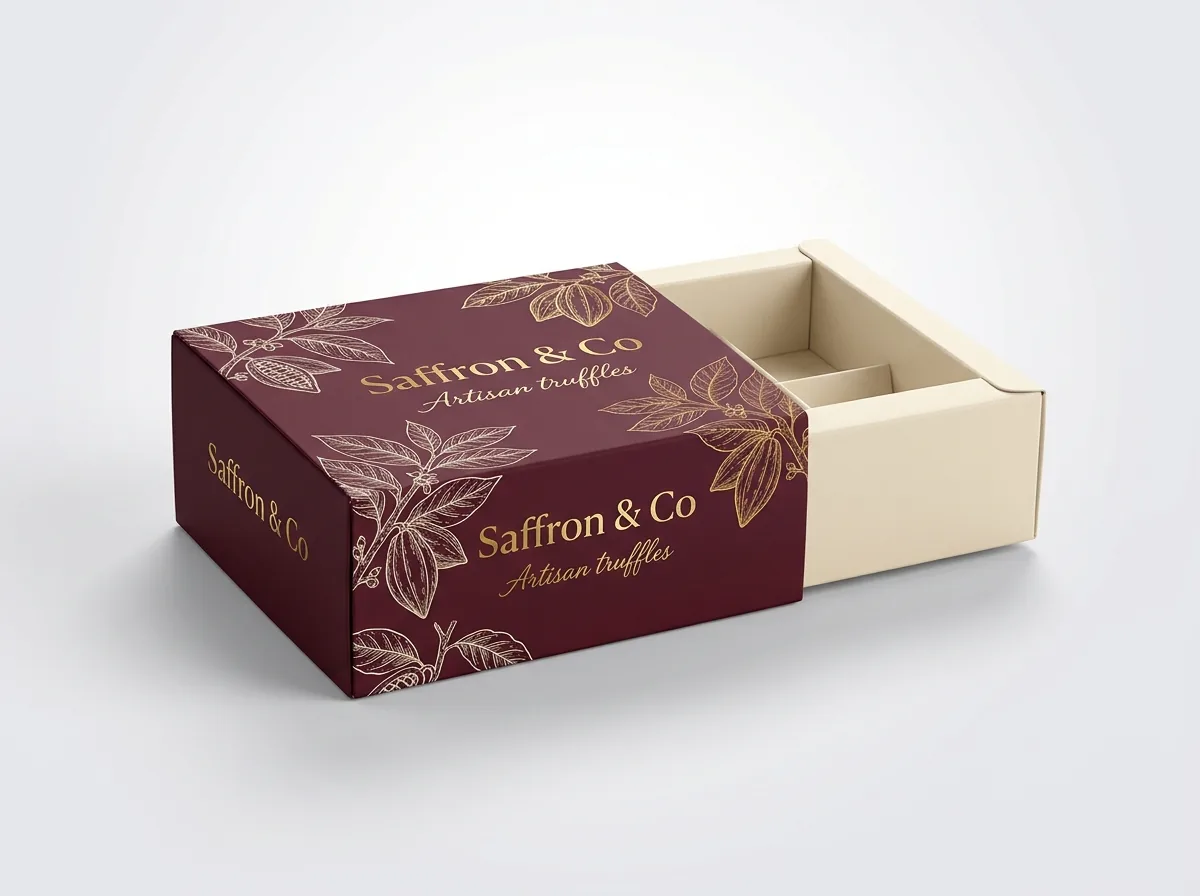
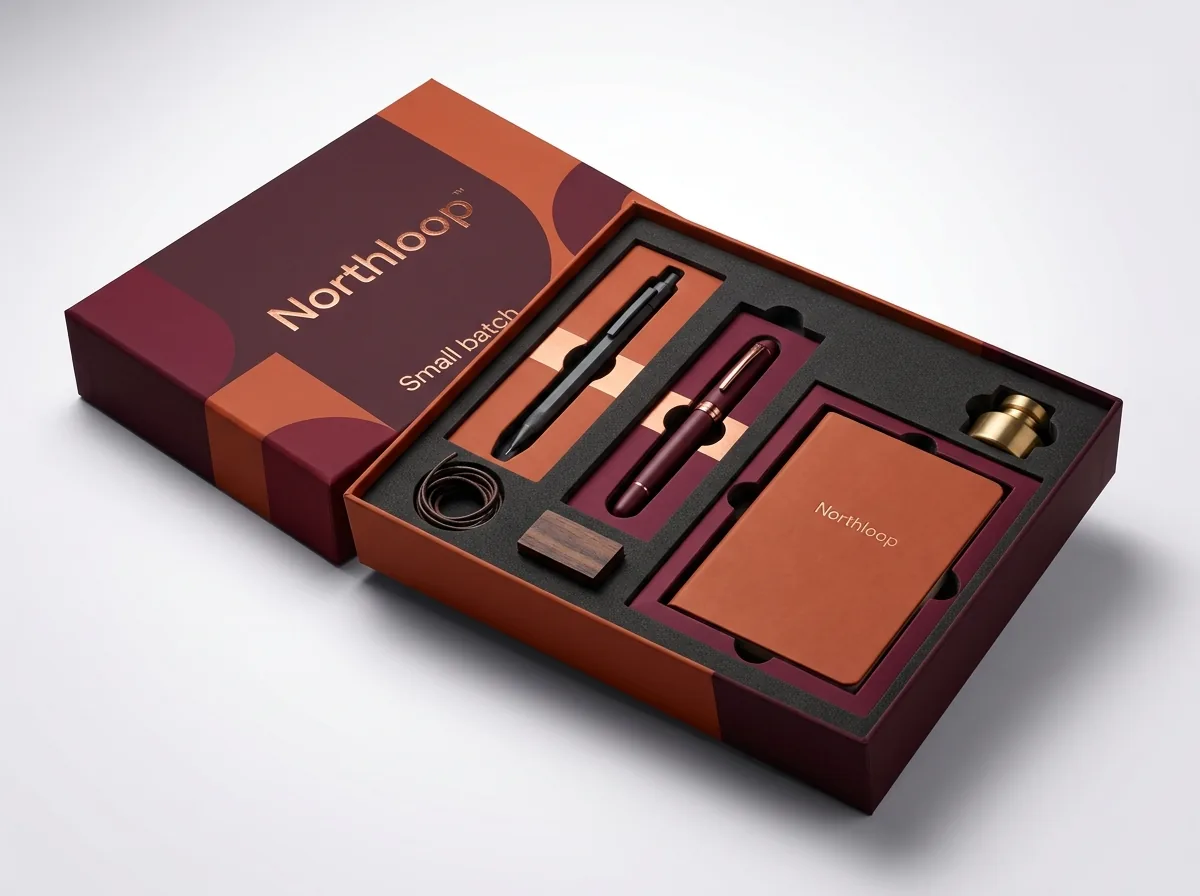
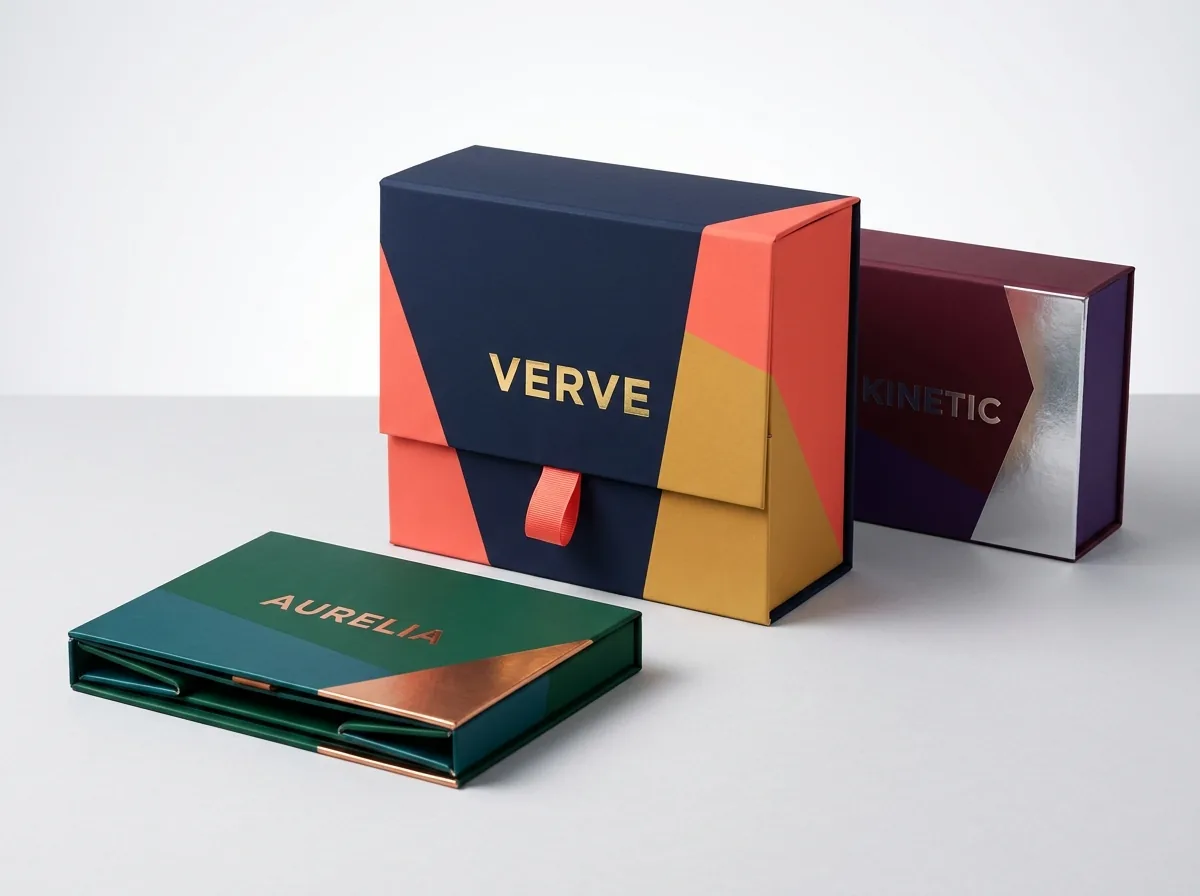
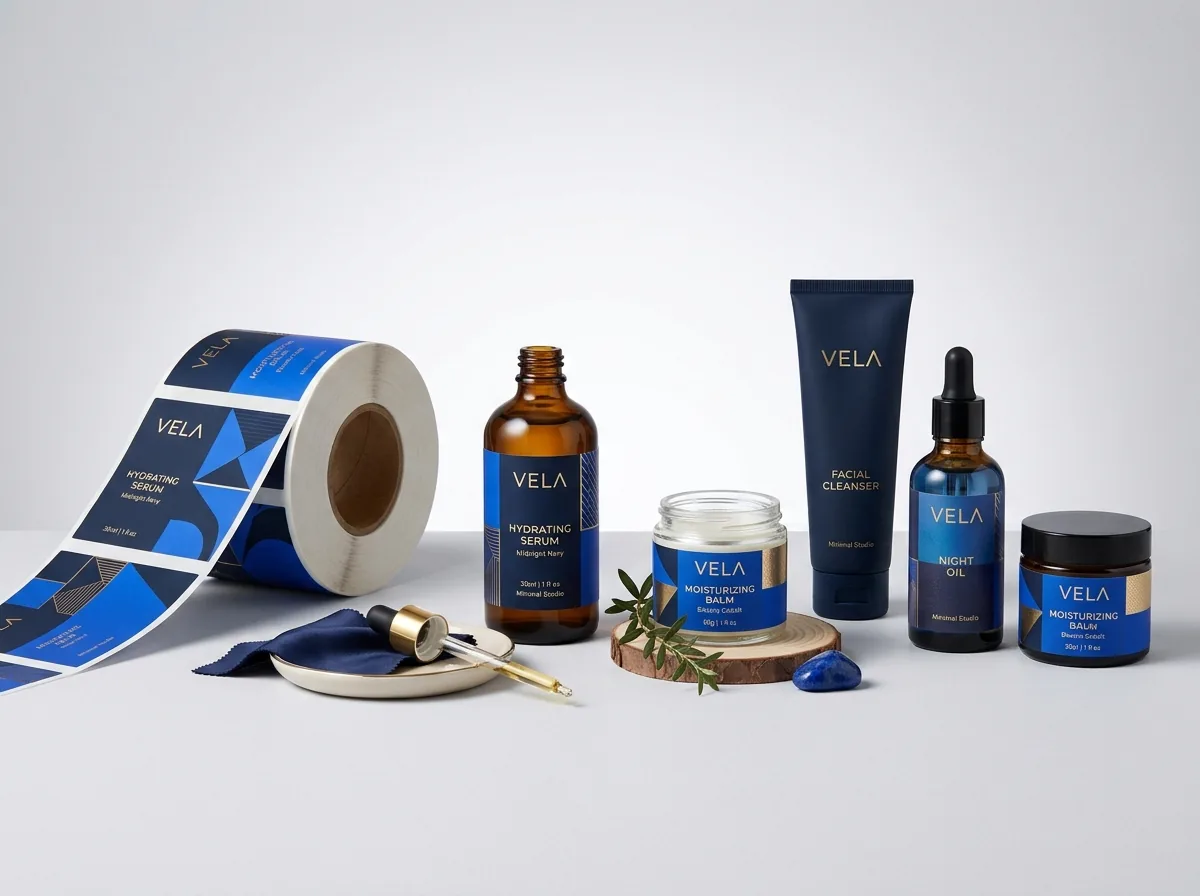
Ready to order sunglasses boxes? Compare up to 3 quantities with a free 3D mockup.
Request a Quote →Questions about sunglasses boxes
What is the minimum order quantity for custom printed sunglasses boxes?
Rigid two-piece boxes, rigid drawer boxes, collapsible rigid boxes and magnetic closure optical boxes start at 50 units. Corrugated e-commerce and home try-on mailers start at 250 units, and folding paperboard sunglasses cartons start at 1,000 units.
Can you design a false bottom tray to hide our cleaning cloth and booklet?
Yes. Our design team include a custom scored paperboard false-bottom platform with a finger notch at no die charge. Your microfiber cloth and warranty booklet rest flat underneath while the eyewear case sits cleanly on top.
Do you charge extra for custom EVA foam inserts or ribbon pull tabs?
CubitPack never charges cutting die or printing plate fees, even for custom contoured EVA foam lens cradles, thumb notches or false bottoms. Ribbon pulls and foam materials are quoted transparently in your unit price.
Can you turn an AI-generated concept or sketch into print-ready eyewear box artwork?
Yes. Select AI image or Free design help in Step 2 of the quote form. Our prepress designers convert your AI illustration, pattern or logo sketch into sharp vector artwork laid out on your sunglasses box dieline for free.
How do you guarantee our exact brand or frame Pantone colors?
Share your Pantone (PMS) color codes when requesting your quote. CubitPack guarantees Pantone color accuracy: if a printed Pantone shade on your sunglasses boxes is clearly off from the approved specification, we reprint at no cost.
How long does production take for custom sunglasses boxes and inserts?
Standard production takes 10 to 14 business days after you approve your free 2D digital proof and 3D mockup and complete payment. Rush production in 4 to 5 business days is available and free US shipping is always included.
Still have a question? Ask a packaging specialist.
Request a Quote →Request your sunglasses boxes quote
Tell us your size and quantities, and one dedicated account manager prepares pricing for each tier.
- Free design & AI-to-print studio + 3D mockup
- No die or plate charges · 4–5 day rush available
- Free shipping to all 50 states
- 10% off your first order
This eyewear packaging design guide is based on CubitPack's decided capabilities in our published product specifications along with optical retail labeling, false-bottom tray engineering and lens protection standards. A packaging specialist verified every section. Spot something wrong? Tell us and we will fix it.
Sources
What changed
- October 22, 2026: First published.
- October 22, 2026: Updated specifications, terminology, and verified source links.
More guides
New packaging guides by email
Sizes, materials and design tips. Unsubscribe anytime.