
T-shirt mailer boxes vs folding cartons: which should you choose?
Short answer: Choose corrugated roll-end t-shirt mailer boxes (from 250 units) when shipping shirts directly through USPS, UPS or FedEx without an outer bag. Choose thin paperboard folding cartons (from 1,000 units) for retail shelves, pegboards and multipacks when ordering custom t-shirt boxes for your clothing brand.
On this page
- How do t-shirt mailers, folding cartons and two-piece boxes compare
- When is a corrugated roll-end mailer the right choice for t-shirts
- When should I choose a paperboard folding carton or pillow box
- Where do two-piece pop-up shirt boxes and rigid boxes fit in
- How do packing speed and warehouse storage differ between the two
- How do I decide or combine both styles across my clothing line
- Common mistakes
- FAQs
Request a custom quoteFree dieline & 3D mockup
The choice between a corrugated t-shirt mailer box and a paperboard folding carton comes down to how the shirt reaches your customer and where it is displayed. Corrugated t-shirt mailers are built from fluted board with double-thick locking side walls, so they withstand postal sorting machines on their own with just a strip of tape or a tamper sticker across the front flap. Paperboard folding cartons are made from thin, single-layer card stock that prints fine text and die-cut windows cleanly for store shelves, peg hooks or multipack bundles, but they must travel inside an outer shipping carton or poly mailer when mailed. At CubitPack, corrugated t-shirt mailers start at 250 boxes, paperboard folding cartons start at 1,000 boxes, and rigid gift boxes start at 50 boxes, all with free design help and free shipping across all 50 states.
How do t-shirt mailers, folding cartons and two-piece boxes compare?
Buyers searching for custom printed t-shirt boxes often see four very different structures grouped under the same name: roll-end corrugated mailers, straight-tuck retail cartons, pop-up two-piece gift boxes and curved pillow boxes. Each structure uses a different board weight, closes differently on the packing table, and carries its own decided minimum order quantity. Use the comparison table below to match your sales channel to the right construction before requesting your quote. Every structure ships flat to your warehouse (except pre-assembled rigid boxes) and includes free custom dielines with zero die or plate charges.
| Feature | Corrugated mailer box | Paperboard folding carton |
|---|---|---|
| Minimum order at CubitPack | 250 boxes | 1,000 boxes |
| Board structure | Fluted corrugated board (E-flute) | Single-wall paperboard / kraft card |
| Ships alone in USPS / UPS? | Yes, with tape or seal sticker | No, needs outer poly bag or shipper |
| Best sales channel | DTC e-commerce, tee clubs, merch drops | Retail shelves, pegboards, 3-packs |
| Die-cut window & hang tab | Rarely used (weakens parcel wall) | Standard for fabric feeler cutouts |
| Inside printing | Full interior lid & tray billboard | Inside flap or interior wall tint |
| Warehouse flat footprint | Medium (fluted sheets stack higher) | Ultra-thin (1,000 cartons fit a few cases) |
When is a corrugated roll-end mailer the right choice for t-shirts?
If you sell graphic tees, band merch or subscription shirts online and fulfill orders one by one, a roll-end tuck-front corrugated mailer is purpose-built for your workflow. When folded up, the side walls roll over twice to lock into slots in the base, and two interior dust flaps support the hinged lid so parcel sorting belts cannot crush the corners. Because the box itself is the shipping container, you skip buying a separate outer poly mailer. You also get a wide, flat inside lid directly above the folded shirt. Streetwear labels use that interior lid to print drop numbers, washing symbols or bold artwork while keeping the outside lid discreet with a small wordmark so packages do not attract porch theft. And because CubitPack's mailer minimum is 250 boxes, independent labels can launch custom packaging without committing to 1,000 units.
- Direct-to-consumer parcel ready: apply a 4 × 6 in shipping label on top and a tamper seal on the front lip.
- Low 250-box minimum: ideal for seasonal streetwear drops, band tours and corporate event kits.
- Hinged clam-shell opening: frames the front chest graphic and tissue paper in one clean reveal.
When should I choose a paperboard folding carton or pillow box?
If your shirts sit on boutique tables, hang on retail peg hooks, or ship in master cases to wholesale accounts, a paperboard folding carton is trimmer, lighter and lower in unit cost at runs of 1,000 boxes or more. A straight-tuck-end carton folds from slim paperboard or unbleached kraft card, taking up a fraction of the shelf depth of a corrugated mailer. Paperboard cartons also excel at die-cut features that parcel mailers cannot use. You can add an open feeler window on the front panel so shoppers can touch the combed cotton weave, or add an integrated hang tab at the top to display tees vertically next to checkout counters. For promotional giveaways, concerts and souvenir stands, a curved custom pillow box pops open in two seconds to hold a rolled tee.
Know your size? Compare pricing across up to 3 quantities.
Request a Quote →Where do two-piece pop-up shirt boxes and rigid boxes fit in?
Between the rugged e-commerce mailer and the slim retail tuck carton sits the classic department-store two-piece shirt box. A pop-up two-piece box ships flat as a separate paperboard lid and base (minimum 1,000 boxes) that fold into a telescope box in seconds. Shoppers associate the lift-off lid with holiday dress shirts, golf polos and resort wear, and because the lid telescopes completely over the base walls, it adds extra corner stiffness on retail display tables. When you need a heavy, non-bending presentation for VIP artist collaborations, luxury mercerized cotton tees or sponsor kits, step up to a rigid chipboard box (minimum 50 boxes). You can choose a two-piece lift-off rigid box, a sliding custom tray and sleeve box with a ribbon pull, or a custom magnetic closure box that customers keep on their closet shelf long after unwrapping the shirt.
- Pop-up two-piece paperboard box (from 1,000 units): ships flat, pops up by hand for gift tees and polos.
- Sliding sleeve-and-tray box (from 1,000 card or 50 rigid): drawer reveal for numbered artist editions.
- Magnetic closure or collapsible rigid box (from 50 units): thick chipboard walls for VIP press drops.
How do packing speed and warehouse storage differ between the two?
At a busy fulfillment bench, seconds per order matter. A paperboard straight-tuck carton or pillow box pops open with one squeeze of the sides; the packer slides the folded or rolled tee inside and tucks the top flap shut in about 8 to 10 seconds. Flat-packed paperboard cartons are also paper-thin, so 1,000 units fit into just a few master cartons under a packing table, freeing up pallet racks for garment inventory. A corrugated roll-end mailer takes about 15 to 20 seconds to fold along its pre-scored creases and lock the side tabs into the base, and 1,000 flat corrugated blanks occupy roughly three times the pallet height of paperboard cartons. However, because the corrugated mailer eliminates slipping the carton into an outer poly bag and sealing a second flap, your total pack-and-label time for single online orders comes out nearly identical.
How do I decide or combine both styles across my clothing line?
Many apparel brands use both structures for different sales channels. A skate or surf brand might keep 1,000 windowed kraft folding cartons for wholesale surf shops while ordering 250 or 500 printed corrugated mailers for online drops and multi-shirt bundles. Even when a customer buys two boxed retail tees online, sliding those slim paperboard cartons into a branded corrugated mailer creates a layered retail-inside-parcel unboxing. Because CubitPack guarantees Pantone color matching across all board stocks, your brand green, burgundy or charcoal stays consistent across both your retail cartons and your e-commerce mailers.
- Pick corrugated mailers (250+ minimum) if 80% or more of your tees ship directly to online shoppers via USPS or UPS.
- Pick paperboard tuck cartons (1,000+ minimum) if your tees hang in retail stores, stack on display tables or ship inside poly mailers.
- Pick pop-up two-piece boxes (1,000+ card) or rigid boxes (50+ rigid) for gift shirts, golf polos and VIP press drops.
What are the most common mistakes when choosing a t-shirt box style?
Most structural mistakes happen when a retail shelf carton is treated like a postal shipping box or vice versa. Avoid these five pitfalls
- Slapping a USPS shipping label directly onto a thin 18pt paperboard shirt carton without an outer poly bag or mailer.
- Adding an open fabric feeler window to a corrugated mailer box that ships raw in the mail, exposing the shirt to rain and belt dirt.
- Ordering 1,000 folding cartons plus 1,000 outer poly mailers for a small online drop when 250 corrugated mailers would ship on their own.
- Choosing pre-assembled non-collapsible rigid boxes when you lack warehouse shelf space, instead of flat-shipped mailers or collapsible rigid boxes.
- Skipping protective lamination on unbagged white or solid black corrugated mailers that rub against postal sorting chutes.
Find your size
Suggested inside size: 6.5 × 4.5 × 2 in
A starting point. Your account manager confirms the size with you before the proof.
Quote this size →Packaging for this
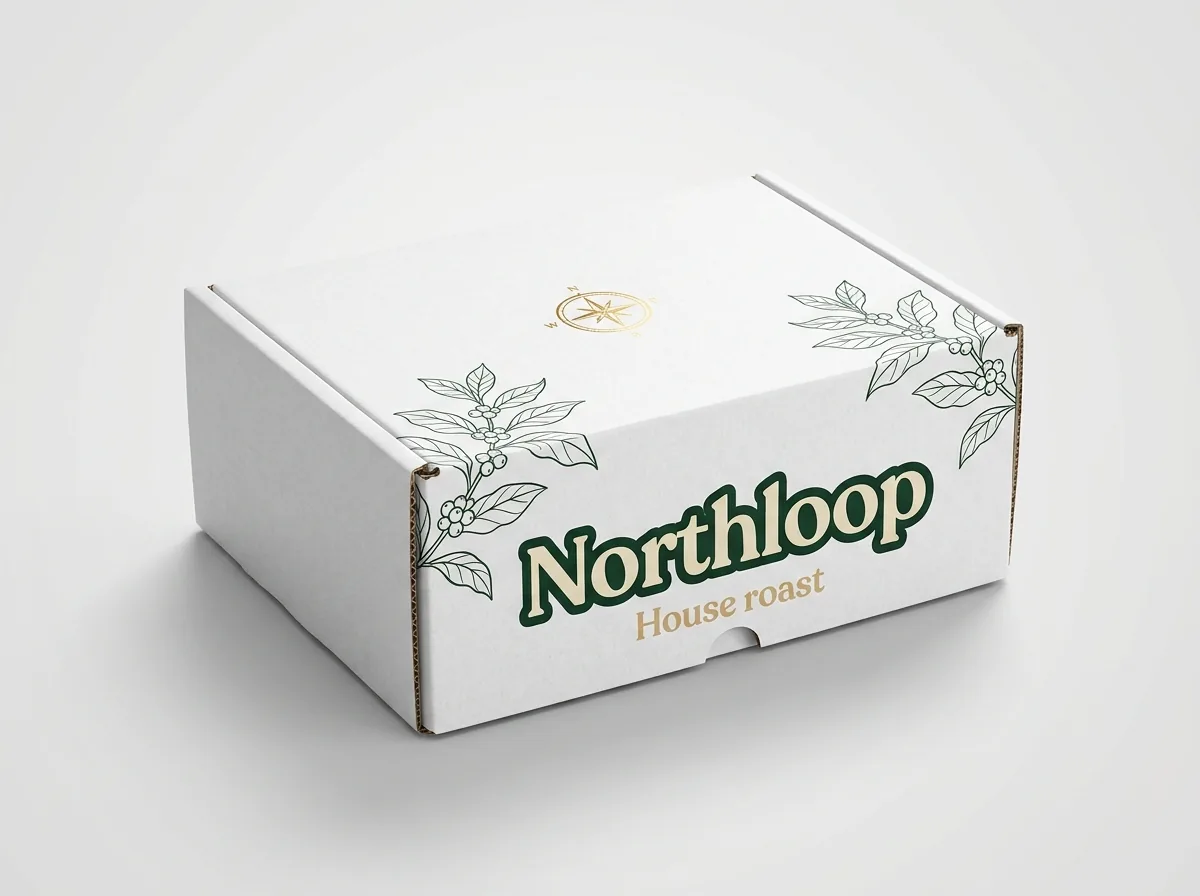

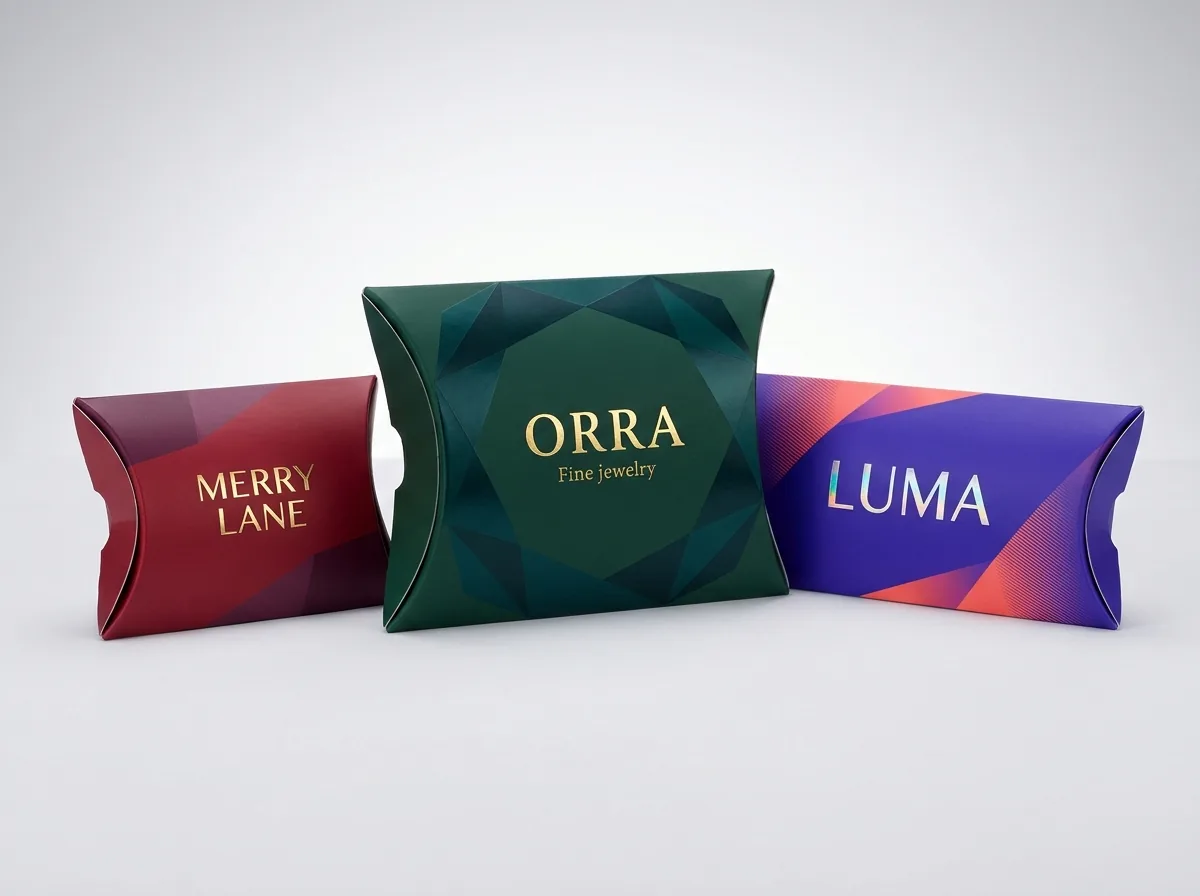
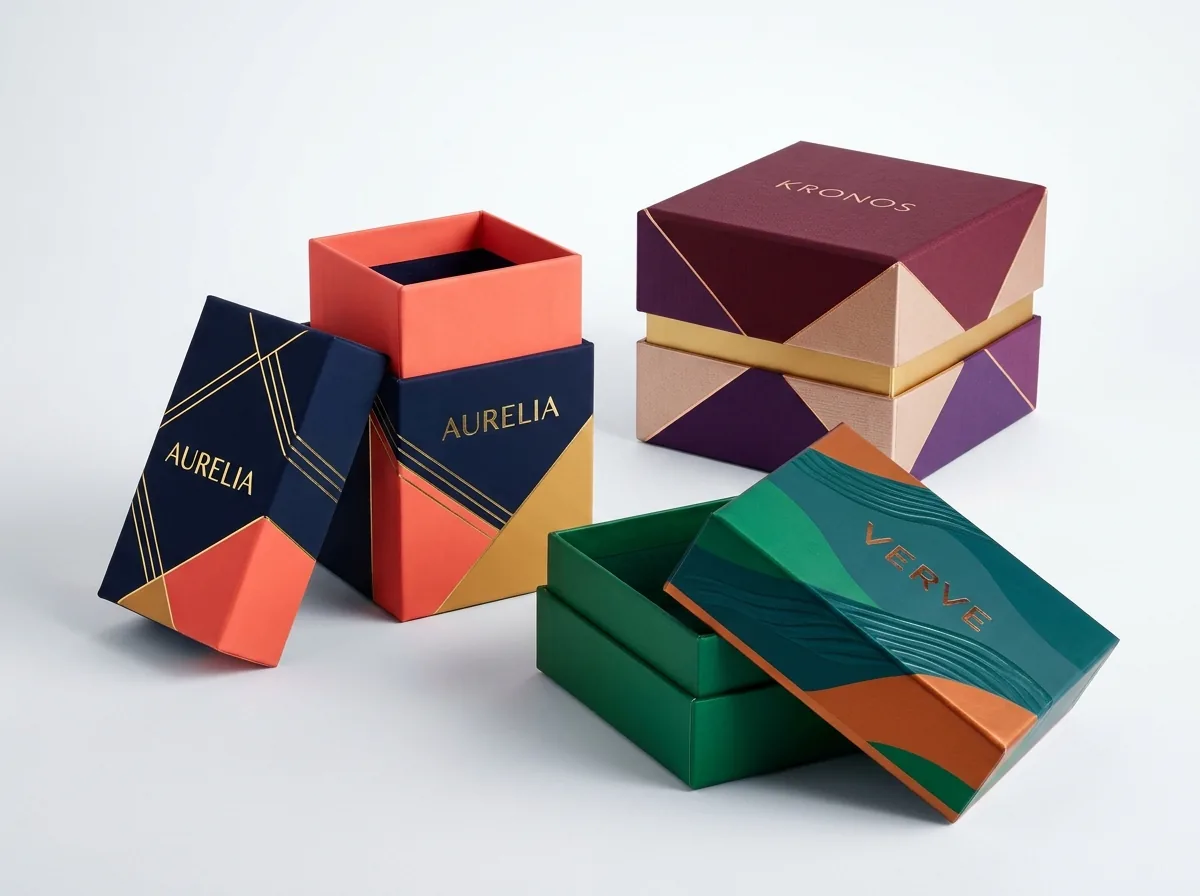
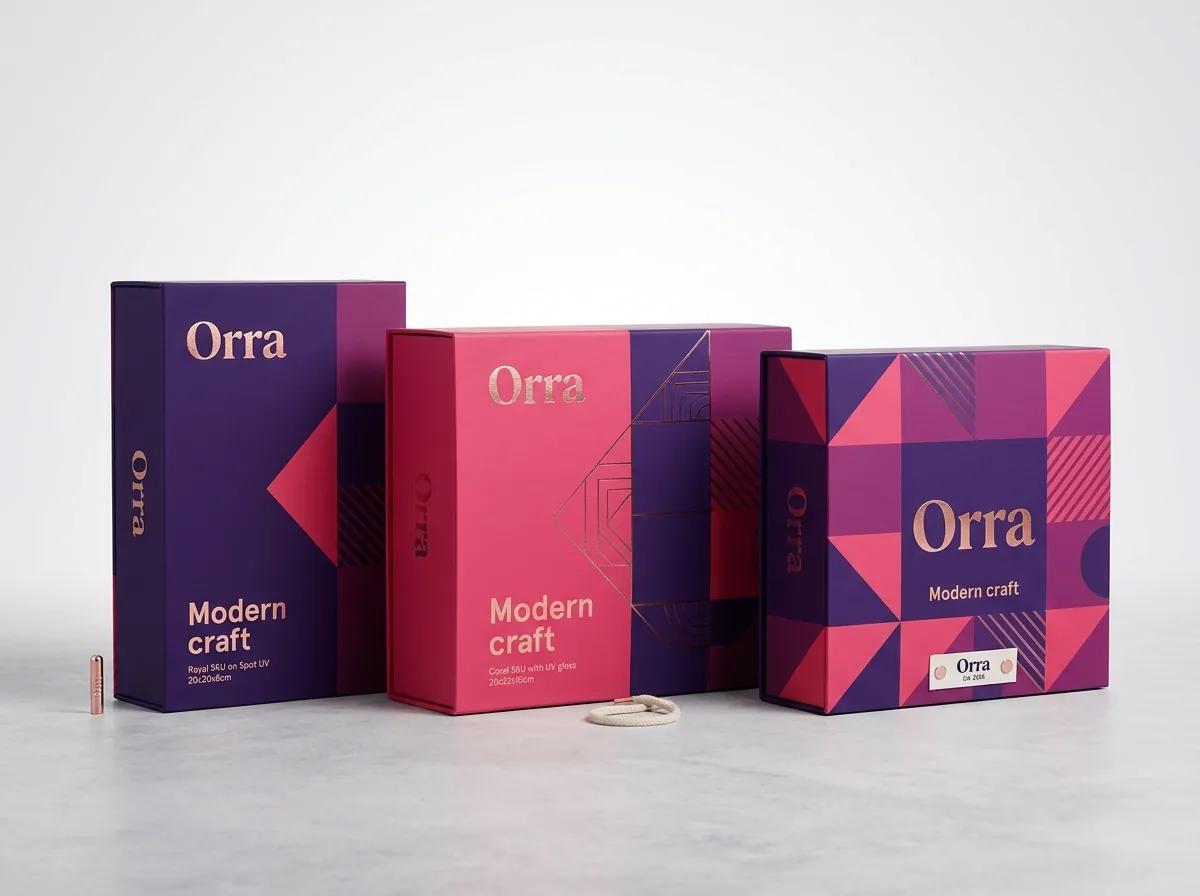
Ready to order t-shirt boxes? Compare up to 3 quantities with a free 3D mockup.
Request a Quote →Questions about t-shirt boxes
Can I ship a paperboard folding t-shirt carton inside a poly mailer?
Yes. Many clothing brands pack tees in slim paperboard cartons to keep the shirt flat and wrinkle-free, then slide the carton into a waterproof poly mailer for postage. For heavier multi-shirt orders, a corrugated mailer box is stronger.
Why is the minimum 250 for t-shirt mailer boxes and 1,000 for folding cartons?
Corrugated mailer boxes use larger fluted sheets and lower-volume die setups starting at 250 units, whereas thin paperboard folding cartons run on high-speed offset and die-cutting lines where 1,000 units is the most economical starting run.
Do corrugated t-shirt mailer boxes need tape to stay closed in the mail?
The front tuck tabs on a roll-end mailer lock firmly into the base, but USPS, UPS and FedEx require at least one tamper-evident seal sticker or strip of packaging tape across the front flap so conveyor belts cannot flip the lid open.
Can I get a window on a corrugated t-shirt mailer box?
We can die-cut or patch a window on corrugated mailers if they will be displayed in stores or shipped inside an outer box, but we do not recommend windows on mailers that travel exposed through postal sorting.
Which t-shirt box style is best for a rolled concert or event tee?
A paperboard pillow box or a small square straight-tuck end carton (around 6.5 × 4.5 × 2 inches) is ideal for rolled tees. Pillow boxes pop open with a single squeeze of the curved sides for fast event packing.
Can I compare quotes for both a mailer box and a folding carton?
Yes. Enter your shirt dimensions in the quote form and note in Step 2 that you would like to compare a 250-unit or 1,000-unit corrugated mailer against a 1,000-unit paperboard folding carton. Your quote arrives in 5-7 minutes.
Still have a question? Ask a packaging specialist.
Request a Quote →Request your t-shirt boxes quote
Tell us your size and quantities, and one dedicated account manager prepares pricing for each tier.
- Free design & AI-to-print studio + 3D mockup
- No die or plate charges · 4–5 day rush available
- Free shipping to all 50 states
- 10% off your first order
The structural comparisons and minimums in this guide come from CubitPack's decided policies in our published product specifications and standard USPS and ISTA parcel guidelines. A CubitPack packaging specialist reviewed every row. Spot something wrong? Tell us and we will fix it.
Sources
What changed
- October 22, 2026: First published.
- October 22, 2026: Updated specifications, terminology, and verified source links.
More guides
New packaging guides by email
Sizes, materials and design tips. Unsubscribe anytime.