
How do I design custom t-shirt boxes for a memorable unboxing?
Short answer: Keep the outside lid clean so parcels travel discreetly, then print bold drop artwork, care icons or manifesto copy inside the lid to frame the chest graphic on your folded tee. Pair custom t-shirt boxes with acid-free tissue paper and a logo sticker to protect screenprints and elevate the reveal.
On this page
- What are 4 proven layout ideas for custom t-shirt boxes
- How do I coordinate inside-lid printing with my shirt's chest graphic
- How do I prevent ink rub-off on white tees and protect puff screenprints
- What drives the unit cost of custom t-shirt boxes (and how do I save)
- How do I set up my t-shirt box dieline, or print an AI design
- How do I align feeler windows and match woven neck-label colors
- Common mistakes
- FAQs
Request a custom quoteFree dieline & 3D mockup
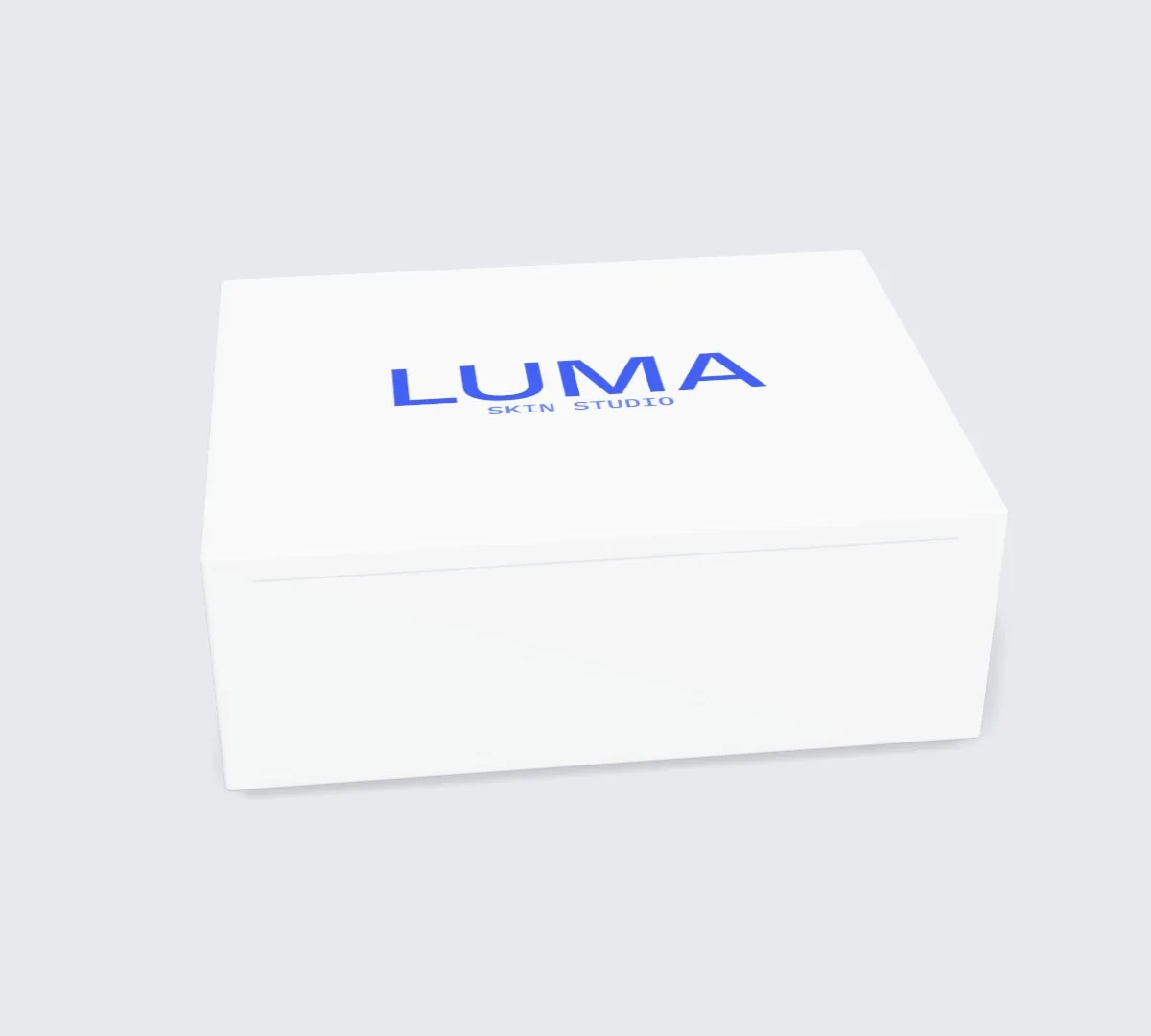
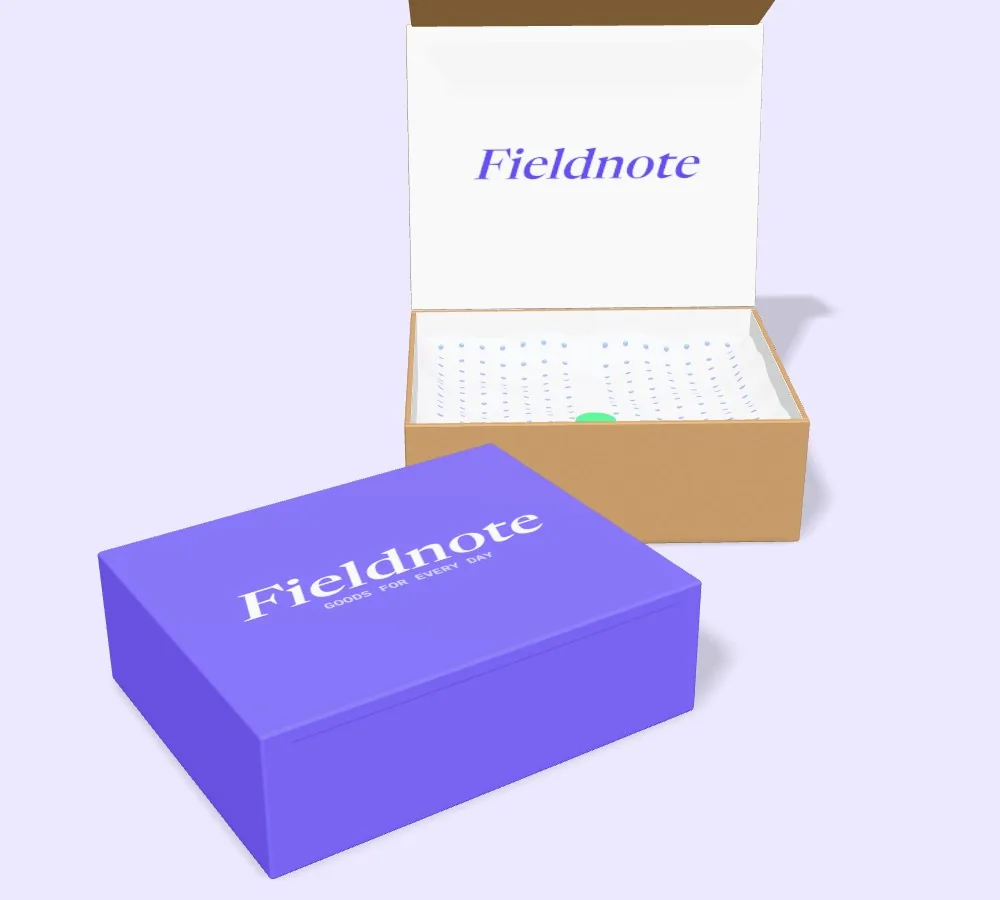
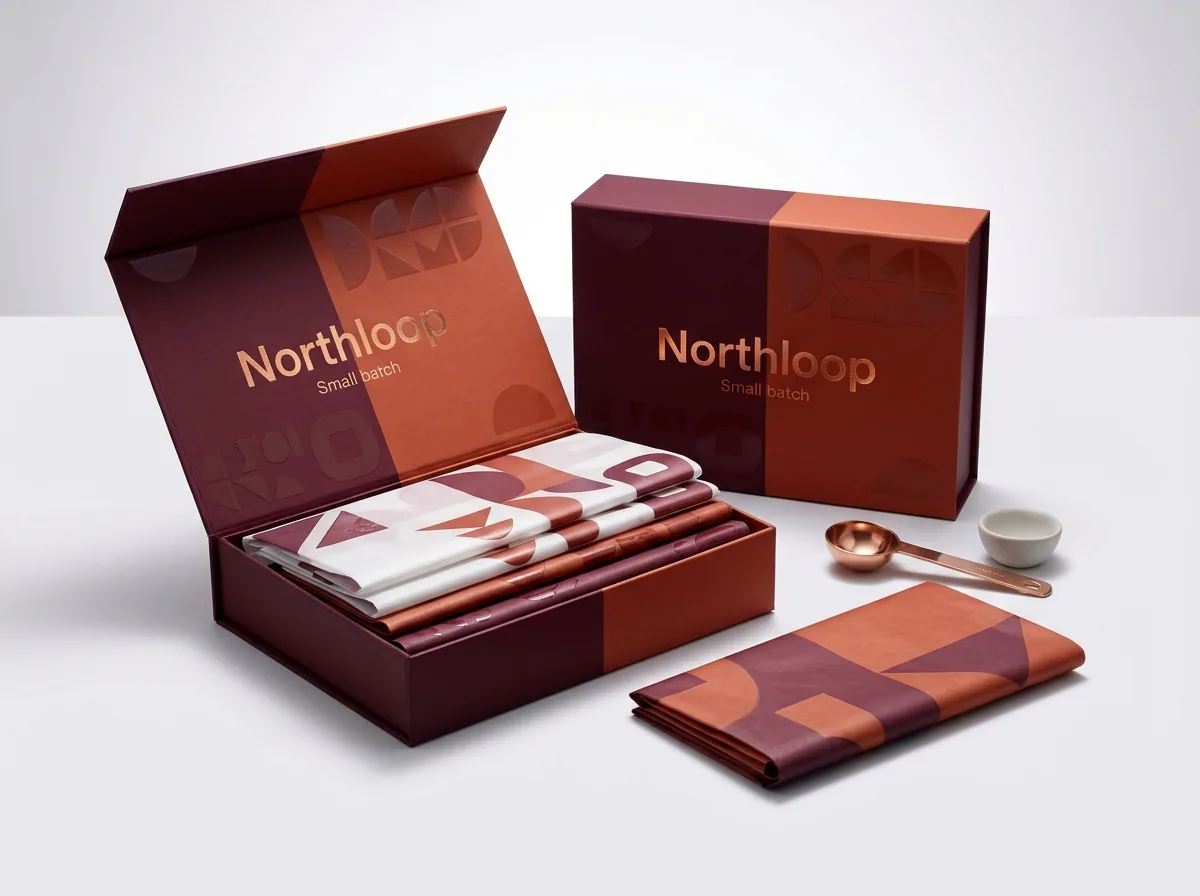
The most effective t-shirt box designs treat the hinged lid and the folded shirt as one combined canvas. Instead of crowding every inch of the outside mailer where shipping labels and conveyor scuff marks compete with your art, many streetwear and fashion labels place a clean centered wordmark outside and save full-color photography, edition numbers or care instructions for the inside lid. When the buyer flips the lid open, the interior print sits directly above the folded shirt's chest graphic. Wrapping the tee in a sheet of branded tissue paper or placing a glassine slip over thick plastisol and puff screenprints prevents ink transfer in warm transit trucks while adding a second unwrapping moment. At CubitPack, custom t-shirt boxes start at 250 mailers, 1,000 folding cartons or 50 rigid boxes, with free design help, guaranteed Pantone matching and no die or plate charges.
What are 4 proven layout ideas for custom t-shirt boxes?
Whether you are launching a 250-box limited streetwear drop or ordering 2,500 retail cartons for an organic basics line, your visual layout should match your garment aesthetic and budget. When planning custom printed t-shirt boxes, start with one of the four press setups below. Each setup uses standard printing and finishing steps available at CubitPack with zero plate or die fees. Notice how inside-lid printing and die-cut windows let the cotton shirt itself provide half the visual impact.
| Design concept | Board & print setup | Finish & unboxing detail |
|---|---|---|
| Stealth Exterior / Loud Interior | White corrugated; 1-color outside, full CMYK inside lid | Matte lamination outside; sticker pack + chest-fold reveal |
| Raw Organic Kraft & White Ink | Unbleached kraft board; opaque white + forest green ink | Unlaminated natural texture; front cotton feeler window |
| Puff-Ink Tactile Monogram | Charcoal or off-white board; Pantone flood coat | Soft-touch lamination + 3D embossed or spot UV crest |
| Numbered Collector Drawer | Rigid or heavy card sleeve-and-tray; inside + outside print | Hot foil stamp on sleeve + woven ribbon drawer pull |
How do I coordinate inside-lid printing with my shirt's chest graphic?
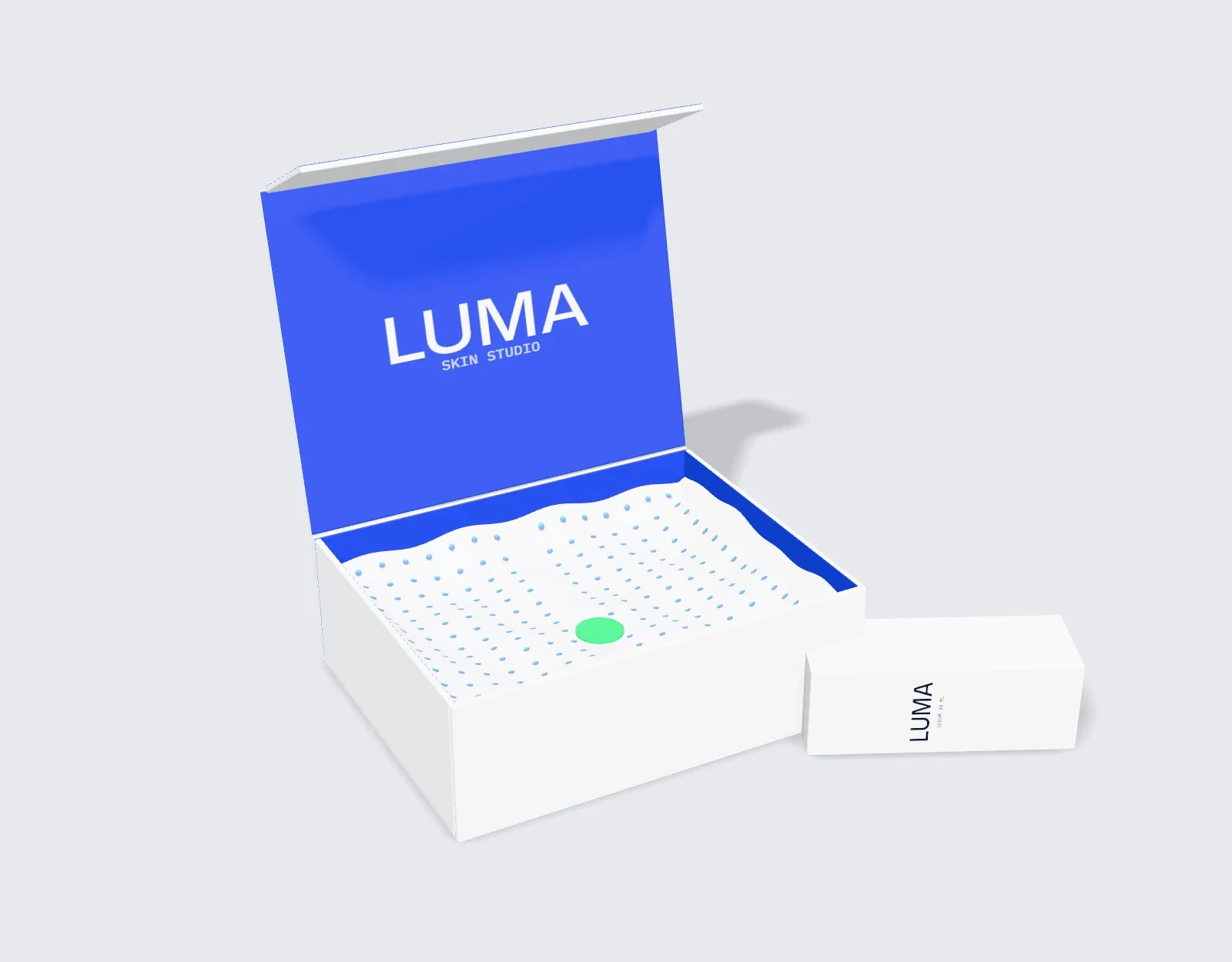
When a customer opens a 10 × 8 × 2 inch or 11.5 × 8.5 × 2 inch roll-end t-shirt mailer, their eyes take in two rectangles at once: the upright inside face of the lid and the top face of the folded shirt. If you fold the sleeves behind the back so the shirt's chest screenprint faces upward, the inside lid acts like a gallery header above the garment. Use that interior lid space for details that add value without clashing with the shirt graphic: a bold campaign headline, a woven-label style size and care chart, a QR code linking to a playlist or lookbook video, or a hand-numbered edition box ('Drop 04 · Box ___ of 250'). If you sell multiple graphic tees in the same box run, print your core brand colors inside the lid so one box design complements every shirt colorway.
- Reserve a 4 × 6 inch clear zone on the top exterior lid or back panel so the USPS shipping label never covers your logo.
- Orient inside-lid text right-side-up when the front flap faces the viewer and the lid is hinged open at 100 degrees.
- Match interior flood-coat colors to your neck label or hangtag using exact Pantone (PMS) color codes.
How do I prevent ink rub-off on white tees and protect puff screenprints?
Two physical contact points need attention on every t-shirt box: the box ink touching the shirt, and the shirt's screenprint touching the box. First, if you flood the inside of your box with rich black, navy or burgundy ink and pack a bleached white cotton tee directly against it, parcel vibration can cause unsealed ink pigment to scuff onto the collar or shoulders. Adding matte, gloss or soft-touch lamination inside, or wrapping the shirt in custom tissue paper sealed with a custom seal sticker, completely isolates the cotton. Second, freshly cured plastisol, high-density silicone and puff screenprint inks can soften slightly inside a hot delivery van in July and stick to bare paperboard or adhere to themselves if folded in half. Fold the shirt so the chest print stays flat on top, and lay a sheet of tissue or butter paper over the graphic before closing the lid.
Know your size? Compare pricing across up to 3 quantities.
Request a Quote →What drives the unit cost of custom t-shirt boxes (and how do I save)?
Because every custom box quote depends on your dimensions, board, print coverage and quantity, CubitPack quotes your exact specs in 5-7 minutes rather than posting generic tables. Four levers control your per-box price: the flat sheet area of your dieline, the board structure (paperboard folding carton vs E-flute corrugated mailer vs rigid chipboard), whether you print one side or both sides, and your quantity tier. To keep your unit cost lean without sacrificing presentation, trim unnecessary height (a 10 × 8 × 2 in mailer uses noticeably less corrugated board than a 12 × 10 × 3 in mailer), print one bold Pantone color on natural kraft board, or order one universal box size for S through XXL shirts and use different color custom die cut stickers on the outside to mark sizes and drops. Remember that CubitPack never charges for cutting dies or printing plates, your first order gets 10% off, and we beat any written US competitor quote for identical specs.
- Right-size the depth: keeping single-tee mailers at 1.5 to 2 inches trims both board area and USPS postage.
- Consolidate S to XXL into one box footprint: combine all shirt sizes into a single run to reach higher quantity tiers.
- Use 1-color Pantone on kraft or white board: clean typography outside paired with branded tissue inside lowers press passes.
- Compare 3 quantities in one quote: check 250, 500 and 1,000 mailers side by side to see where unit cost drops.
How do I set up my t-shirt box dieline, or print an AI design?
Once you pick your inside length × width × height, our structural team sends you a free 2D flat dieline template showing cut lines (solid) and fold score lines (dashed). Place background colors and patterns so they extend ⅛ inch (0.125 in) past the outer cut lines for bleed, and keep logos and small text at least ⅛ inch inside the fold creases so words never wrap awkwardly around a box edge. If you do not have a graphic designer or vector software, you have two easy paths. Our free design help service sets up your logo, Pantone colors and typography on the dieline at no cost. Or, if you created a concept or illustration using Midjourney, DALL-E or Canva, our print your AI design workflow upscales, vectorizes and color-separates your AI artwork so it prints sharply on corrugated or card stock.
How do I align feeler windows and match woven neck-label colors?
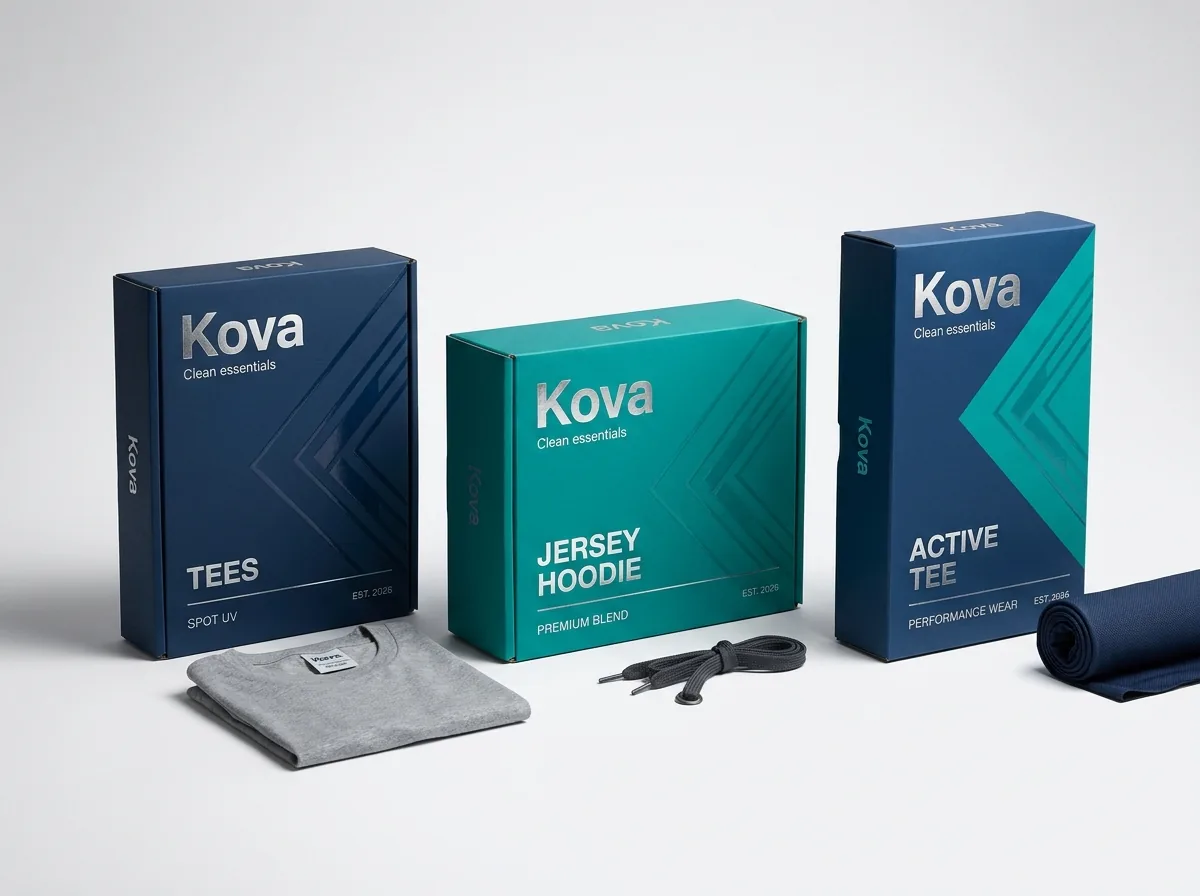
When designing a retail straight-tuck t-shirt carton with a front window, position the die-cut opening at least ½ inch away from all fold scores so the front panel stays rigid when stacked on store tables. Most basics brands place a 3 × 2 inch or 4 × 2.5 inch window across the center chest area so shoppers can see the cotton color and touch the jersey knit, or position the window near the top collar so the garment's woven size tag shows through the cutout. To make the box feel like a true extension of the garment, send us the Pantone (PMS) color numbers from your woven neck label, hem tag or chest screenprint. CubitPack guarantees Pantone color matching on custom boxes and reprints at no cost if a printed Pantone shade is clearly off from your approved specification.
What are the most common t-shirt box design and prepress mistakes?
A great graphic tee can be undermined by upside-down interior text or scuffed unlaminated ink. Check these five prepress details before approving your proof
- Orienting the inside-lid artwork upside down on the flat dieline so it reads backward when the customer opens the box.
- Printing heavy unlaminated black ink inside the box and packing white cotton tees without tissue paper, risking ink rub-off.
- Placing your main logo in the upper-right corner of the top lid where the 4 × 6 in USPS shipping label will cover it.
- Printing dark CMYK photos directly onto brown kraft board without a white ink underbase, which makes bright colors look muddy.
- Boxing warm screen-printed shirts straight off the conveyor dryer without a tissue sheet over the plastisol chest print.
Find your size
Suggested inside size: 6.5 × 4.5 × 2 in
A starting point. Your account manager confirms the size with you before the proof.
Quote this size →Packaging for this
Ready to order t-shirt boxes? Compare up to 3 quantities with a free 3D mockup.
Request a Quote →Questions about t-shirt boxes
Does inside-lid printing cost much more on a t-shirt mailer box?
Printing inside the lid adds a second press pass, which increases unit cost modestly compared with outside-only printing. When you request a quote, ask your account manager to price outside-only next to outside-plus-inside so you can compare both options.
How do you guarantee my box color matches my t-shirt screenprint?
Provide the exact Pantone (PMS) color code used by your screenprinter or woven label mill. CubitPack guarantees Pantone color matching: if the printed box shade is clearly off from the approved specification, we reprint at no cost.
Can I print white ink on a brown kraft t-shirt box?
Yes. White ink on unbleached kraft board is one of our most popular streetwear and outdoor apparel looks. We can print crisp standalone white typography or lay down a white ink base underneath bright Pantone colors.
Do I need to pay for cutting dies or printing plates if I change my artwork?
No. CubitPack never charges die or plate fees on custom t-shirt boxes. Even if you order 2 or 3 artwork variations in the same run, setup and prepress are included in your unit price.
What file format should I upload for my t-shirt box artwork?
Vector files in PDF, AI, EPS or SVG format with fonts outlined and images at 300 DPI work best. If you only have a PNG logo or an AI-generated image, our free design team prepares the print-ready dieline for you.
How can I see how my t-shirt box design looks before paying?
Every order includes a free 2D digital dieline proof and an interactive 3D mockup before you pay a cent. You can also order our $50 sample kit or a paid custom printed sample credited toward your full order.
Still have a question? Ask a packaging specialist.
Request a Quote →Request your t-shirt boxes quote
Tell us your size and quantities, and one dedicated account manager prepares pricing for each tier.
- Free design & AI-to-print studio + 3D mockup
- No die or plate charges · 4–5 day rush available
- Free shipping to all 50 states
- 10% off your first order
The prepress guidelines, ink-rub rules and cost drivers in this guide come from CubitPack's decided policies in our published product specifications and standard TAPPI and ISTA packaging practices. A CubitPack packaging specialist reviewed every section. Spot something wrong? Tell us and we will fix it.
Sources
What changed
- October 22, 2026: First published.
- October 22, 2026: Updated specifications, terminology, and verified source links.
More guides
New packaging guides by email
Sizes, materials and design tips. Unsubscribe anytime.