
Corrugated mailer vs rigid box for starter kits: which should you choose?
Short answer: Choose a corrugated mailer box if your custom starter kit boxes ship directly through parcel carriers without an overbox and need flat warehouse storage from 250 units. Choose a rigid magnetic or two-piece box from 50 units when the kit stays on a desk or shelf as a reusable storage case.
On this page
- How do corrugated starter kit mailers and rigid boxes compare side by side
- When is a corrugated mailer the smarter choice for a starter kit
- When should you step up to a magnetic or two-piece rigid starter kit box
- How do outer shippers and warehouse storage affect total landed cost
- What about tray-and-sleeve or briefcase boxes for retail and field kits
- Common mistakes
- FAQs
Request a custom quoteFree dieline & 3D mockup
The choice between a corrugated mailer box and a rigid presentation box comes down to two questions: does the starter kit travel through parcel carriers on its own, and does the customer keep the box on their counter or throw it in the recycling bin after unpacking? Corrugated roll-end mailers are built from E-flute or B-flute board with double-locked side walls, so they ship directly via USPS, UPS and FedEx without an outer shipping carton, store completely flat on warehouse pallets, and start at 250 units. Rigid boxes are built from thick non-bending chipboard (gray board) wrapped in printed paper with magnetic book lids or lift-off telescoping covers. They start at just 50 units and feel like a hardcover gift case, but they require a separate corrugated outer shipper to survive parcel transit. At CubitPack, both structures include free insert engineering, no die or plate charges, and free 50-state shipping.
How do corrugated starter kit mailers and rigid boxes compare side by side?
When launching printed starter kit boxes, founders often assume that rigid board is automatically better for every multi-piece kit, or conversely that corrugated board always looks rough and utilitarian. Modern E-flute corrugated mailers with white clay-coated liners, matte lamination and full-bleed inside printing look remarkably crisp while still surviving a 4-foot doorstep drop. Use the comparison matrix below to weigh the seven operational trade-offs across minimum order quantity, solo parcel transit, 3PL pallet storage, kitting line speed and keepsake longevity before selecting your structure. Remember that your choice also affects how your fulfillment team stages inventory on the packing floor: flat corrugated blanks stack 500 high on a single skid, whereas set-up rigid boxes arrive in master cartons ready for immediate drop-in kitting without folding.
| Decision factor | Corrugated mailer with insert | Rigid box (magnetic or 2-piece) |
|---|---|---|
| CubitPack minimum | 250 boxes | 50 boxes |
| Wall construction | E-flute or B-flute fluted corrugated | Thick chipboard / chipboard (gray board) wrapped in paper |
| Ships solo in the mail? | Yes, carrier-ready with one tape seal | No, needs a corrugated outer shipping box |
| Warehouse storage | Ships and stores 100% flat in bundles | Ships pre-assembled (or flat if collapsible) |
| Kitting line speed | Fold box + insert in 15 to 25 seconds | Zero folding; lift lid and drop items in |
| Best insert pairing | Stepped card, E-flute divider or EVA foam | Die-cut EVA foam, velvet-lined foam or card |
| Customer keep rate | Unboxed once, then recycled after setup | Kept on a desk, vanity or drawer for years |
When is a corrugated mailer the smarter choice for a starter kit?
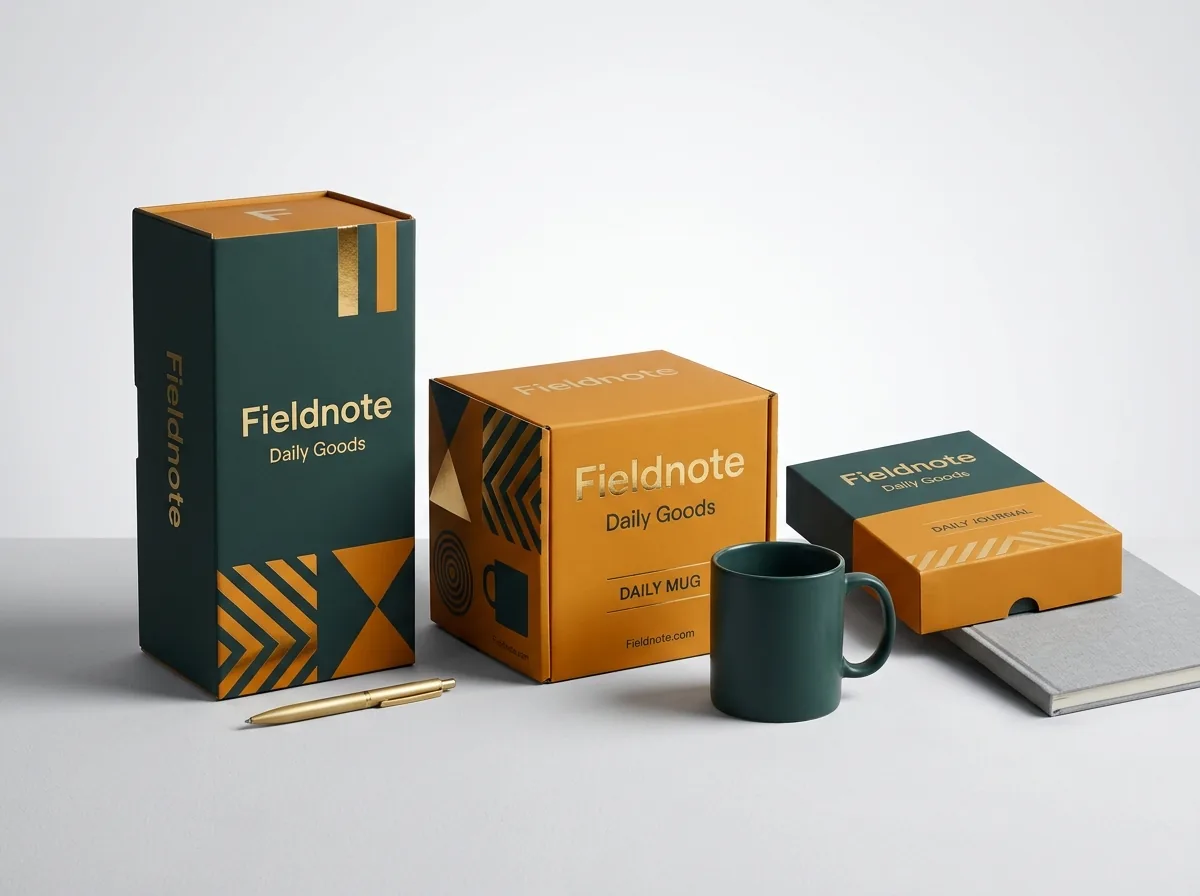
For 80% of direct-to-consumer subscription brands, refillable home systems, skincare routines and beverage starter kits, a custom corrugated mailer with a fitted insert is the workhorse structure. Because the fluted walls absorb conveyor impact and truck stacking pressure on their own, you only buy, store and pack one box per order instead of paying for a presentation box plus an outer shipping carton. To make a corrugated starter kit look like a boutique launch box, specify E-flute corrugated board rather than thicker B-flute or C-flute. E-flute has 90 flutes per linear foot, giving it a thin 1/16 inch profile that folds with razor-sharp corners and prints fine typography without washboarding ridges. Keep the outside natural kraft or minimalist matte ink so courier scuffs barely show, then flood-print the inside lid and the stepped custom cardboard insert in your signature Pantone colors.
- Refillable soap, cleaning and oral care kits where the buyer mounts the dispenser and recycles the box immediately.
- Daily skincare, haircare and supplement regimens that ship monthly refills in a matching smaller mailer.
- Coffee, tea and culinary starter kits that need high crush strength around ceramic bowls or glass jars.
- 3PL fulfillment operations where pallet storage fees penalize bulky pre-assembled boxes.
When should you step up to a magnetic or two-piece rigid starter kit box?
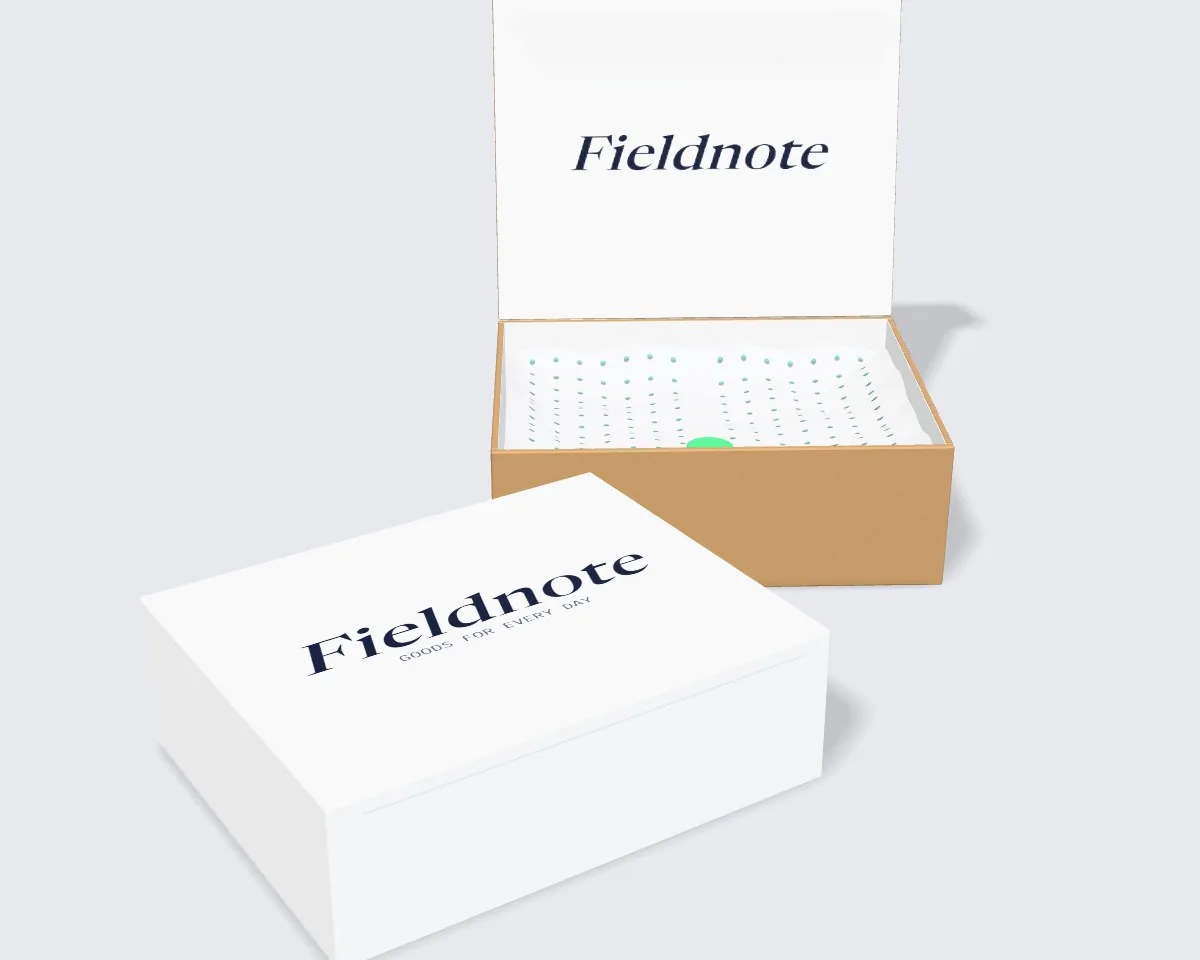
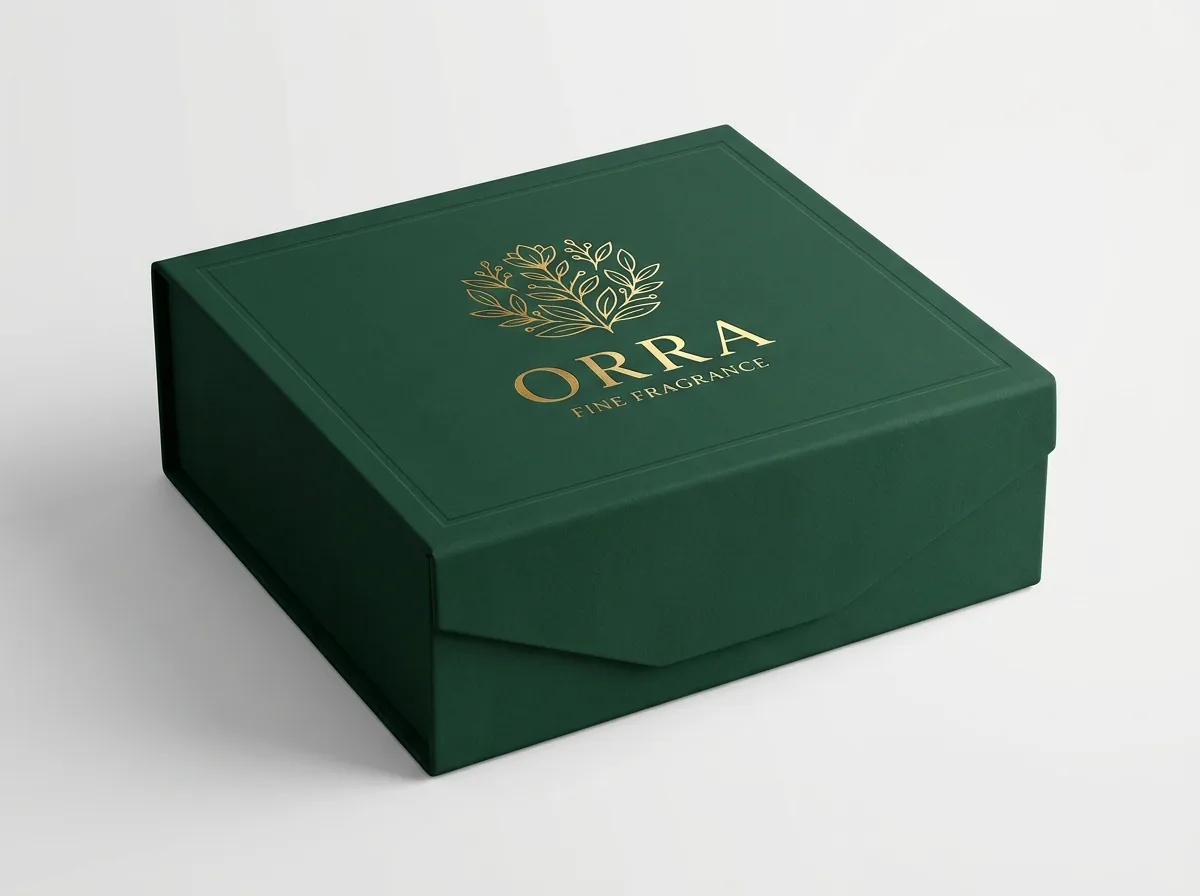
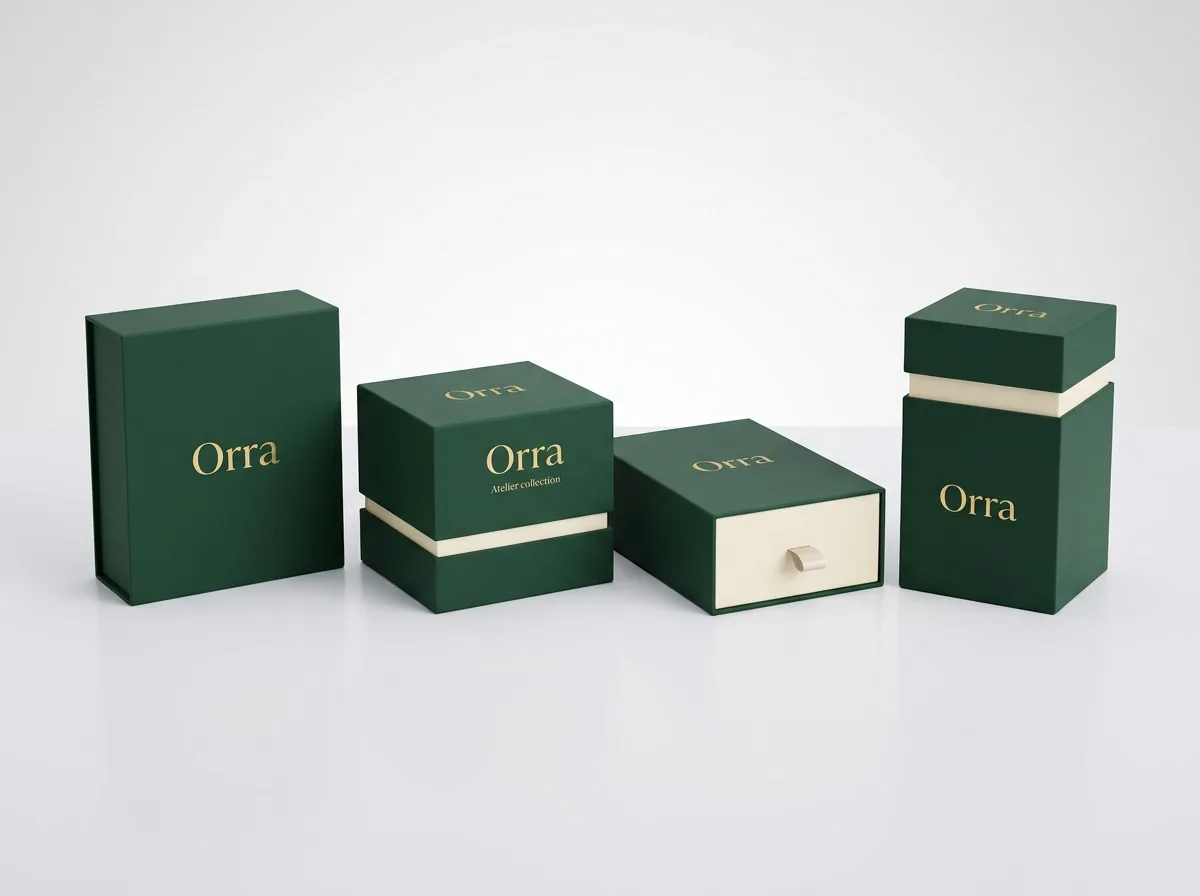
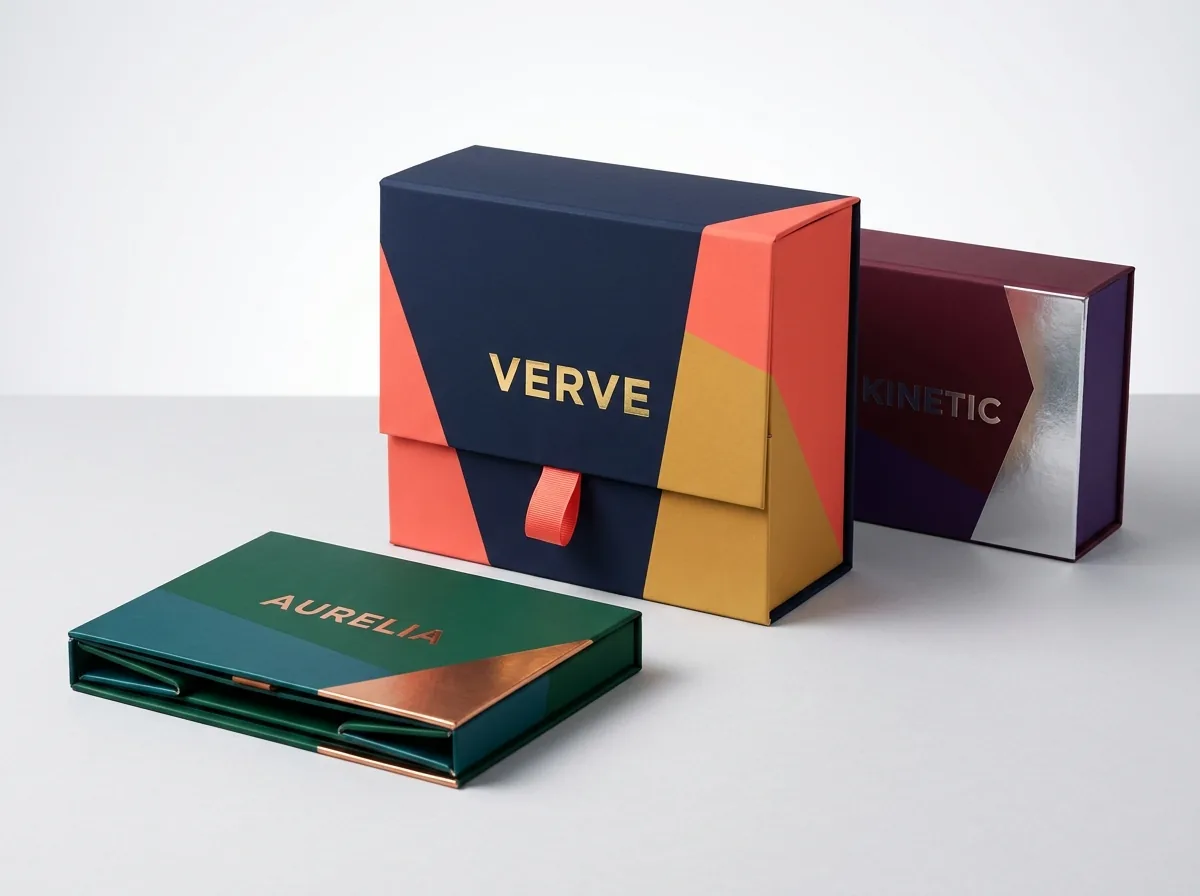
A custom magnetic closure box or a two-piece telescoping custom rigid box earns its higher unit cost in two specific situations: when the starter kitbox doubles as the permanent storage case for the product, or when your launch volume is between 50 and 200 kits. Consider a teeth-whitening LED device kit, a precision beard trimmer set, a smart sensor hub, or an executive client welcome box. In those cases, the customer puts the device back inside the foam-lined box between uses, or keeps the box on an office shelf. Rigid chipboard (gray board) walls do not flex, crease or show raw flute edges, and the concealed neodymium magnets in a book-style lid close with a crisp audible snap. Plus, because CubitPack's minimum for rigid boxes is just 50 units (compared with 250 for corrugated mailers), hardware startups, B2B sales teams and HR departments often choose rigid boxes for 50-to-150-unit onboarding cohorts.
Know your size? Compare pricing across up to 3 quantities.
Request a Quote →How do outer shippers and warehouse storage affect total landed cost?
Never compare the unit price of a corrugated mailer against a rigid box in isolation without adding two hidden line items: the outer corrugated overbox and warehouse cubic storage. A matte-laminated rigid box with foil stamping will get scratched, dented and covered in thermal carrier labels if you drop it directly into the mail stream. Every rigid starter kit shipped via UPS, FedEx or USPS requires a snug corrugated shipping carton (or a padded poly mailer for smaller kits) around the outside. Second, standard two-piece and magnetic rigid boxes ship set up at full 3D volume, taking up 5 to 7 times more pallet space in your warehouse than flat-packed corrugated mailers. If you want rigid board luxury without the storage footprint, ask our team for custom collapsible rigid boxes, which fold flat on scored corner hinges and pop into a rigid magnetic box with adhesive corner tabs at pack-out.
What about tray-and-sleeve or briefcase boxes for retail and field kits?
If your starter kit sells on retail store shelves or travels in the hands of field sales reps rather than through home parcel delivery, two middle-ground structures bridge the gap between mailers and rigid boxes: custom tray and sleeve boxes and custom briefcase boxes. A tray-and-sleeve box pairs a compartmentalized E-flute or folding card base tray with a sliding outer sleeve that can include a clear window or hang tab. It ships flat, costs much less than a rigid box, and gives shoppers a smooth drawer-slide reveal. Because the outer sleeve carries the seasonal or campaign artwork while the inner base tray stays uniform, you can also swap out promotional sleeves for holiday gifting without re-engineering the inner tray or insert. A corrugated briefcase box adds a locking top carry handle so distributor reps, trade-show attendees, clinical educators or students can carry the starter kit home like a portable toolkit. Inside the briefcase, a die-cut foam or corrugated divider holds sample vials, swatches and training booklets upright even when the case is carried vertically by the handle.
- Tray and sleeve starter kit: flat-shipping base tray + sliding sleeve; ideal for retail shelves and seasonal sleeve swaps.
- Briefcase starter kit: built-in top handle + vertical retention insert; ideal for field sales reps and trade-show kits.
- Two-tier hybrid approach: use a corrugated mailer for online DTC subscribers and a magnetic rigid box for VIP press and retail displays.
What are the most common mistakes when choosing between mailers and rigid boxes?
Picking the wrong outer structure can either blow your shipping budget or leave a high-ticket hardware kit feeling flimsy. Avoid these five mistakes
- Shipping a matte-laminated rigid starter kit box directly through parcel carriers without an outer corrugated shipper to protect the corners and foil.
- Ordering coarse C-flute shipping board for a small DTC starter kit mailer instead of crisp E-flute board that prints and folds cleanly.
- Forgetting to check 3PL pallet storage fees before ordering 1,000 non-collapsible rigid boxes that arrive fully set up.
- Using a keepsake rigid box for a disposable household refill kit where the buyer recycles the box five minutes after opening it.
- Skipping inside-lid onboarding print on a corrugated mailer when that panel is the easiest place to match a rigid box's presentation.
Find your size
Suggested inside size: 7 × 5 × 2.5 in
A starting point. Your account manager confirms the size with you before the proof.
Quote this size →Packaging for this
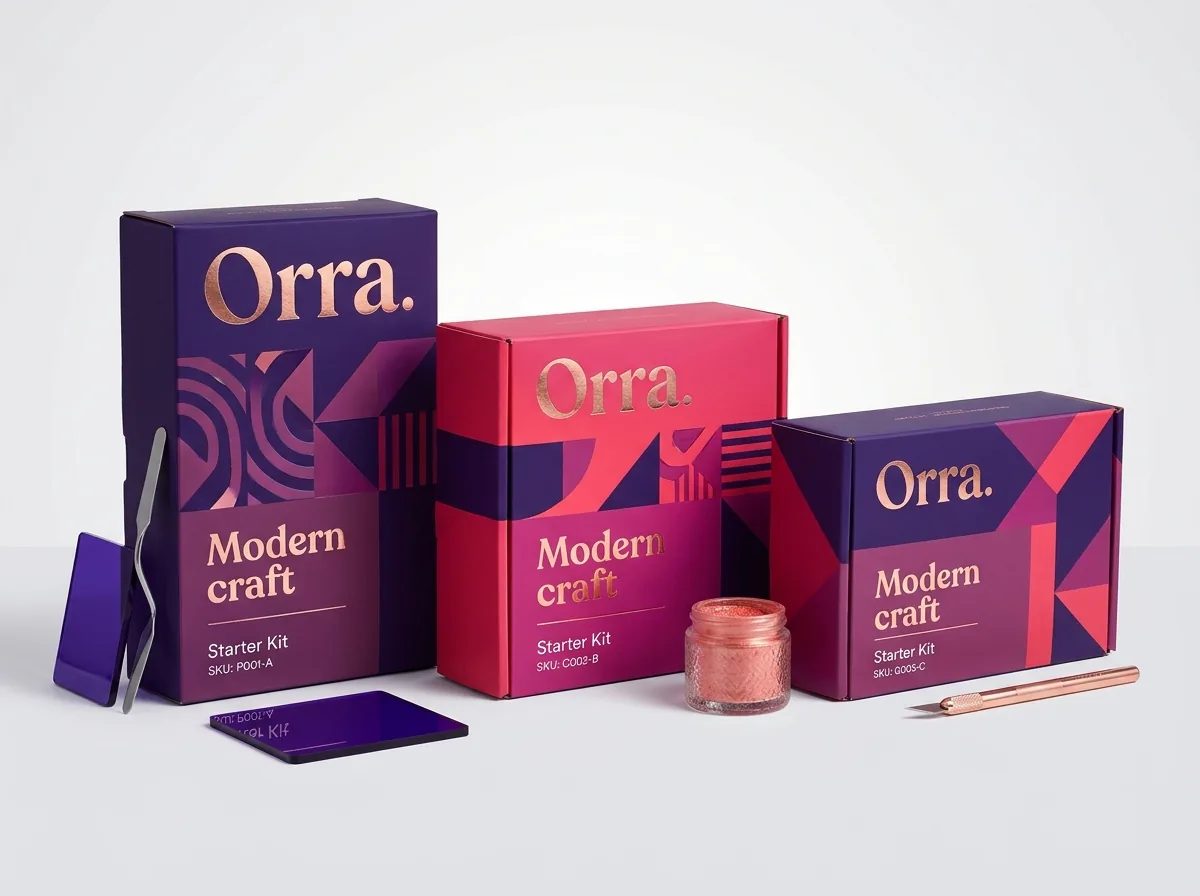

Ready to order starter kit boxes? Compare up to 3 quantities with a free 3D mockup.
Request a Quote →Questions about starter kit boxes
Can I request quotes for both a corrugated mailer and a rigid box to compare?
Yes. Tell your account manager in the quote notes that you want to compare an E-flute corrugated mailer with insert (from 250 units) against a magnetic rigid box with insert (from 50 units) in the same inside dimensions. We send back both options within 5-7 minutes.
Does a corrugated starter kit mailer look cheap compared with a rigid box?
Not when built on E-flute board with two-sided printing and matte or soft-touch lamination. E-flute is only 1/16 inch thick, so its edges fold crisply, and pairing full-bleed inside-lid artwork with a printed stepped card or EVA foam insert creates a high-end unboxing.
Why is the minimum order 50 for rigid boxes and 250 for corrugated mailers?
Rigid boxes are wrapped and assembled on semi-automated rigid box lines that allow shorter setup runs from 50 units. Corrugated mailers run on high-speed rotary or flatbed die-cutters and flexo/offset laminators where press setup spreads across a 250-box minimum.
Can you make the outer shipping carton for our rigid starter kit boxes too?
Yes. When you order rigid starter kit boxes that will ship to customers via parcel carriers, we can supply a snug-fitting plain or logo-printed corrugated outer shipper sized with ¼ inch clearance around the rigid box so both arrive ready for your fulfillment line.
How do collapsible rigid boxes work for starter kits?
A collapsible (foldable) rigid box ships flat with creased side walls and peel-and-stick corner tape. However, if your starter kit needs a deep multi-cavity insert, we place a removable EVA foam or stepped card tray inside that drops in right after the rigid walls are popped upright.
Can I test both board structures in my hands before deciding?
Yes. Our $50 sample kit includes both corrugated mailer and rigid box samples (credited toward your order when you proceed), or you can order a custom printed sample of your exact starter kit box to test with your team.
Still have a question? Ask a packaging specialist.
Request a Quote →Request your starter kit boxes quote
Tell us your size and quantities, and one dedicated account manager prepares pricing for each tier.
- Free design & AI-to-print studio + 3D mockup
- No die or plate charges · 4–5 day rush available
- Free shipping to all 50 states
- 10% off your first order
This comparison draws on CubitPack's decided minimums (250 mailers, 50 rigid boxes), standard E-flute and chipboard (gray board) structural properties, and parcel carrier overbox requirements. A CubitPack packaging specialist verified every comparison row. Spot something wrong? Tell us and we will fix it.
Sources
What changed
- October 22, 2026: First published.
- October 22, 2026: Updated specifications, terminology, and verified source links.
More guides
New packaging guides by email
Sizes, materials and design tips. Unsubscribe anytime.