
Straight tuck vs reverse tuck lipstick boxes: which works better?
Short answer: Pick a straight tuck end (STE) when your lipstick boxes stand upright on open shelves and you want a clean front spine with both flap hinges hidden on the back. Pick a reverse tuck end (RTE) for high-volume runs, gondola trays or subscription kitting across your custom lipstick boxes.
On this page
- How do straight tuck and reverse tuck lipstick cartons compare side by side
- Why do prestige lipstick brands prefer straight tuck end (STE) boxes
- When does a reverse tuck end (RTE) lipstick carton make more sense
- Do both tuck styles work equally well for top-flap shade swatches
- When should a lipstick line use a window box, sleeve or counter display instead
- Common mistakes
- FAQs
Request a custom quoteFree dieline & 3D mockup
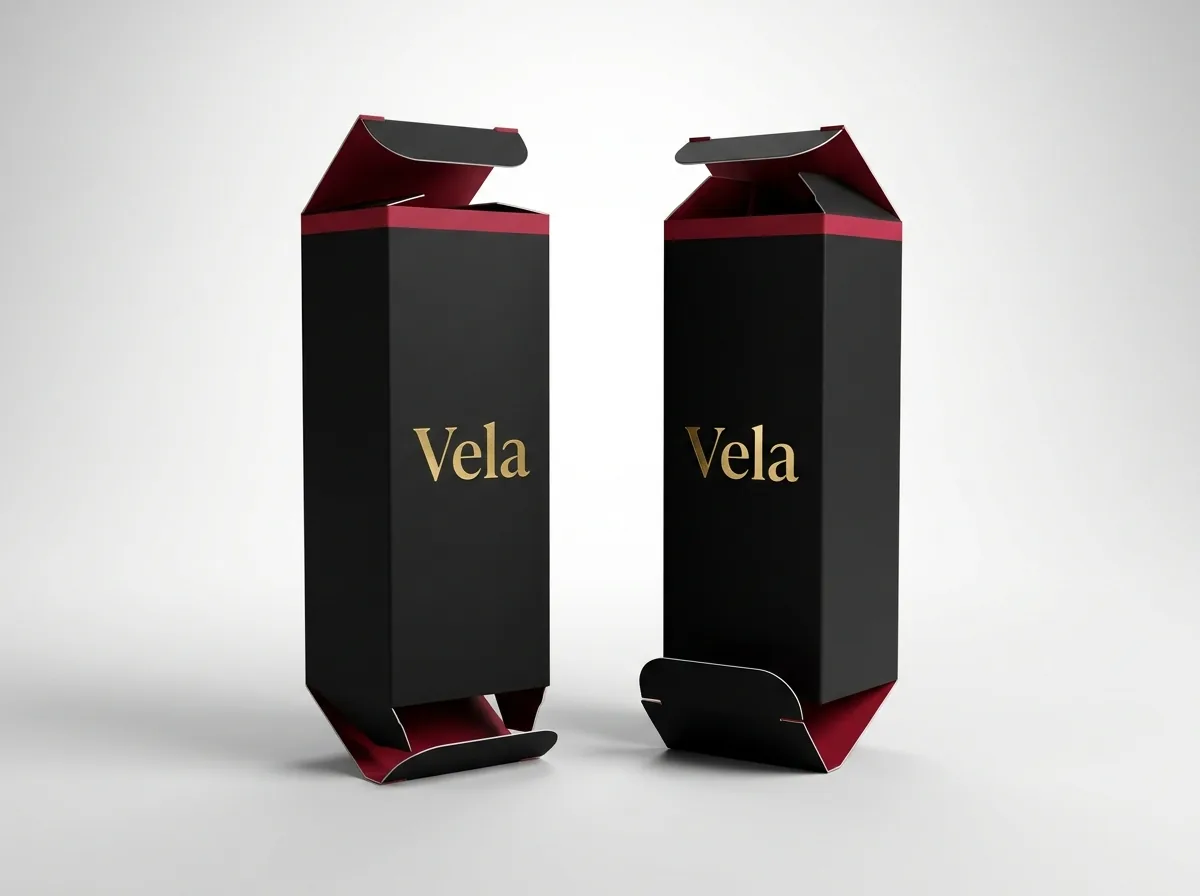
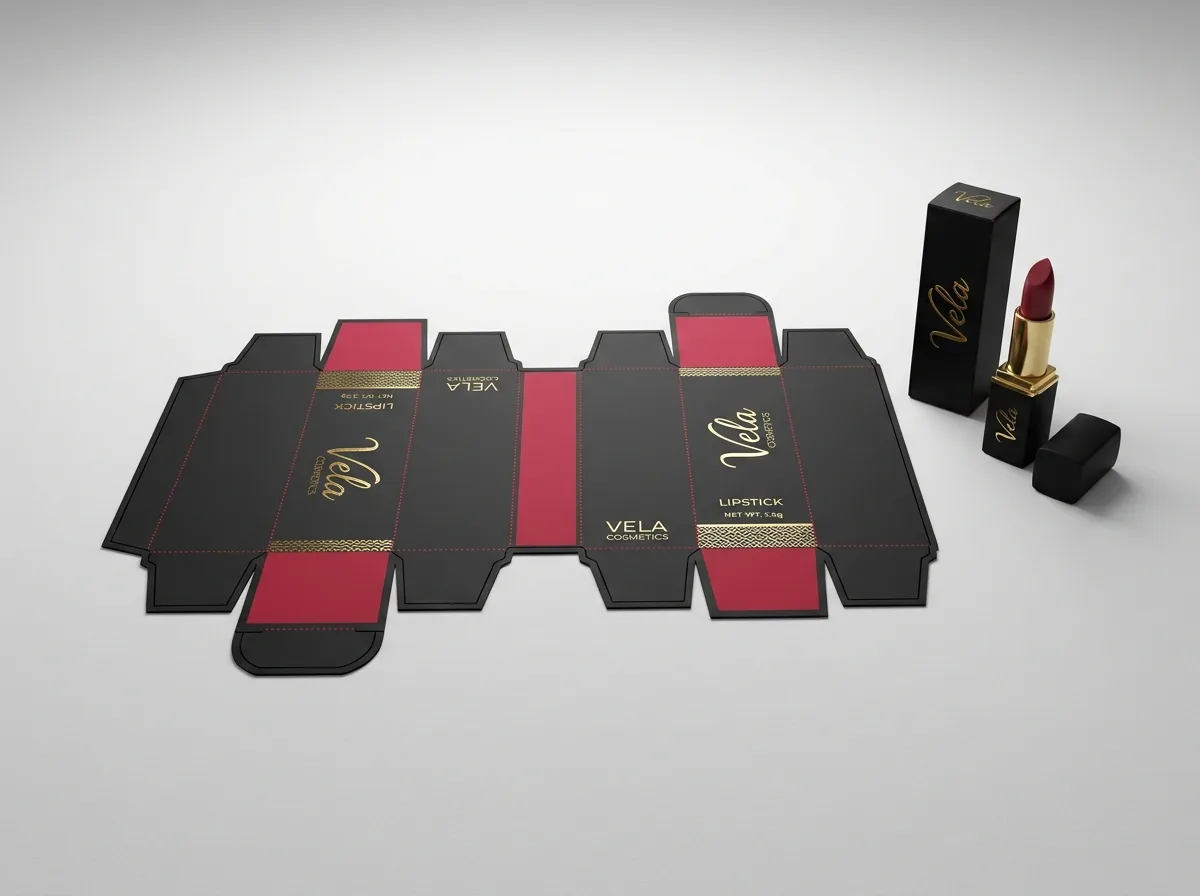
Straight tuck end (STE) and reverse tuck end (RTE) are the two standard folding carton styles used for single lipstick tubes, and both start at 1,000 units at CubitPack with the same 10 to 14 business day turnaround. On a straight tuck end box, both the top lid flap and the bottom base flap hinge off the rear panel and tuck toward the front wall, leaving the front Principal Display Panel free of any raw paperboard cut edge. On a reverse tuck end box, the top flap hinges off the back panel while the bottom flap hinges off the front panel, so the two flaps fold in opposite directions. Because alternating flaps let flat dielines interlock head-to-toe on a press sheet, reverse tuck cartons use slightly less raw paperboard on large production runs, whereas straight tuck cartons win on front-facing visual polish.
How do straight tuck and reverse tuck lipstick cartons compare side by side?
When you hold an assembled straight tuck lipstick box and a reverse tuck lipstick box next to each other, the four vertical side walls have the exact same dimensions and strength. The only structural difference is which wall the bottom closure flap is attached to on the flat dieline. Use the table below to compare how that single hinge change affects front-panel aesthetics, press-sheet board layout, manual or automated cartoning, and retail display when ordering printed lipstick cartons.
| Feature | Straight tuck end (STE) | Reverse tuck end (RTE) |
|---|---|---|
| Top flap hinge | Hinges from the rear panel, tucks behind front wall | Hinges from the rear panel, tucks behind front wall |
| Bottom flap hinge | Hinges from the rear panel, tucks behind front wall | Hinges from the front panel, tucks toward the back |
| Front panel appearance | Two folded score lines; zero exposed raw board edges | Clean folded score at top; tuck slit visible at bottom edge |
| Press sheet nesting | Standard layout on the master sheet | Flaps interlock head-to-toe for tighter board nesting |
| Hand-packing motion | Both hands fold flaps in the same front-to-back direction | Top and bottom flaps fold in opposite directions |
| Machine cartoning | Supported by standard cosmetic cartoners | Very fast on rotary and inline opposing-tuck machines |
| Best lipstick match | Luxury bullet lipsticks, weighted metal tubes, shelf facings | High-volume color ranges, lip crayons, gondola tray slots |
| CubitPack minimum & lead time | From 1,000 boxes · 10 to 14 business days | From 1,000 boxes · 10 to 14 business days |
Why do prestige lipstick brands prefer straight tuck end (STE) boxes?
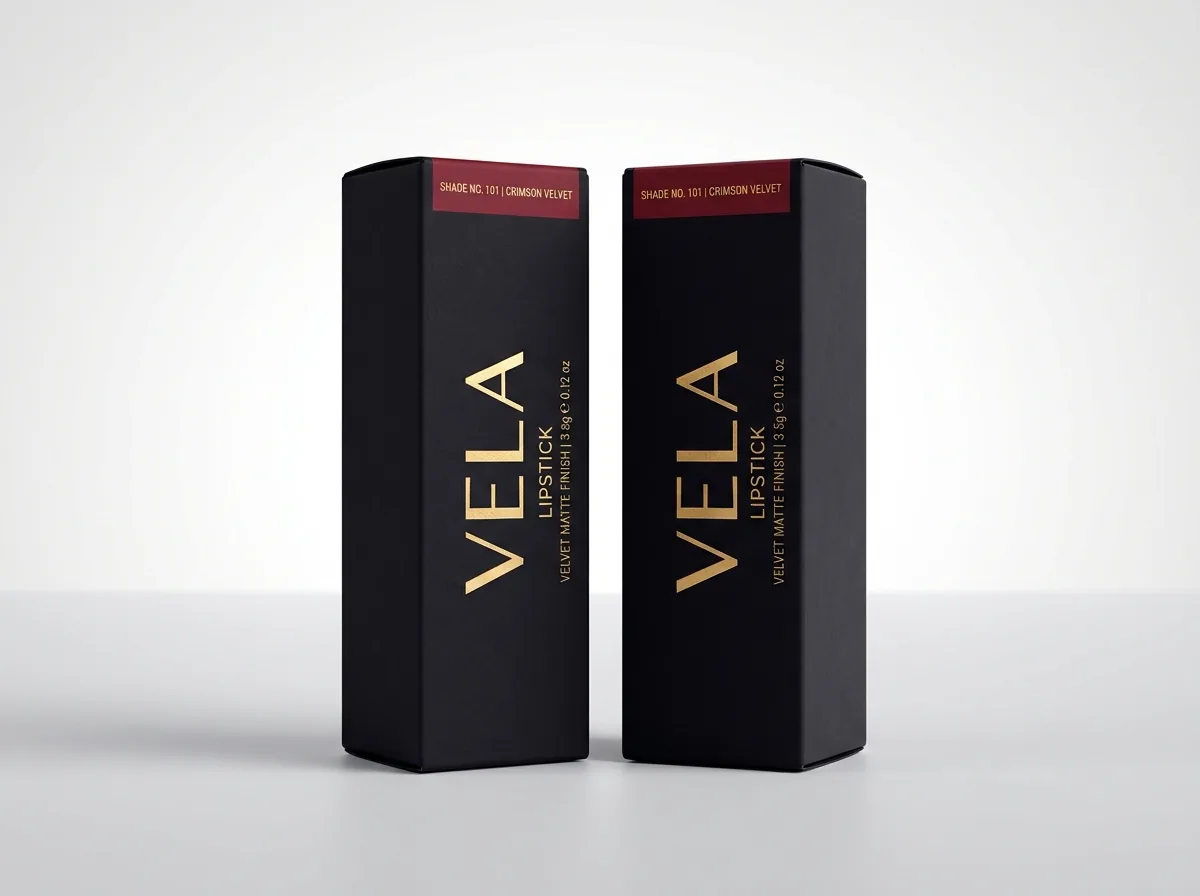
On a slender lipstick carton that is only 0.875 inches or 1.0 inch wide, the eye takes in the entire front spine from top to bottom in a single glance. If you print a dark flood coat (such as matte black, espresso, deep berry or navy) or run a vertical metallic foil logo down the center of the front face, any horizontal slit along the bottom edge interrupts the color block. Because a straight tuck end box attaches both closure flaps to the back panel, the front panel bends around the top and bottom over smooth, unbroken fold scores. The friction-lock tuck slits sit behind the front wall where shoppers never see them. That clean front frame is why prestige department-store lipsticks almost always specify straight tuck construction when cartons stand freely on open counter shelves.
- Unbroken front spine: both top and bottom edges of the front panel are smooth fold creases with no tuck gap.
- Ideal for vertical borders: foil frames, embossed monograms and full-bleed color blocks run cleanly from top to bottom.
- Intuitive hand closing: packers fold both the top and bottom flaps in the same direction toward the front face.
- Clean back panel option: if your back INCI panel is pale cream or white, any tiny paper edge at the hinge blends right in.
When does a reverse tuck end (RTE) lipstick carton make more sense?
Look at how lipsticks are merchandised in most multi-brand beauty stores: the cartons sit upright inside clear acrylic divider channels where the bottom half-inch of the box is hidden behind a plastic lip or price rail, and only the upper spine and top shade flap are visible. In that environment, nobody ever sees whether the bottom edge is a fold score or a tuck slit. A reverse tuck end box shines here. Because one tuck flap sticks out at the top right of the flat dieline and the other sticks out at the bottom left, two rows of flat cartons can nest together like puzzle pieces on the press sheet. Across runs of 5,000, 10,000 or 25,000 lipsticks (or when running 12 shades together), that interlocking layout uses sheet area efficiently and works smoothly on high-speed automated cartoning lines. Reverse tuck is also popular when lipsticks are packed inside subscription bags, e-commerce orders or shrink-wrapped multipacks where the customer's first visual contact is the front logo and the top shade badge rather than a store shelf edge.
- Gondola and tray merchandising: the bottom tuck slit sits below the acrylic lip rail where it is completely out of view.
- Tighter press-sheet layout: alternating top and bottom flaps interlock across rows to reduce raw paperboard trim.
- Automated cartoning speed: opposing tuck ploughs on high-speed rotary cartoners close top and bottom flaps simultaneously.
- E-commerce and subscription orders: delivers the exact same crush protection and shipping weight as a straight tuck carton.
Know your size? Compare pricing across up to 3 quantities.
Request a Quote →Do both tuck styles work equally well for top-flap shade swatches?
Yes. Whether you choose straight tuck or reverse tuck, the top lid flap is a flat square (typically 0.875 × 0.875 in or 1.0 × 1.0 in) that faces straight up toward the store ceiling or the top of a makeup drawer. Both styles let you flood-coat the entire top flap in a Pantone color matched to the lipstick bullet inside, with the shade number and name printed in crisp white or black ink. To keep the top shade badge lying completely flat without springing upward, our structural team scores the base of the tuck tongue cleanly and sizes the side dust flaps so the tongue slides in with firm friction. Remember that CubitPack never charges die or plate fees, so switching your dieline from reverse tuck to straight tuck before proof approval costs nothing. You can also test both styles in your hands with our $50 sample kit, credited toward your first order.
When should a lipstick line use a window box, sleeve or counter display instead?
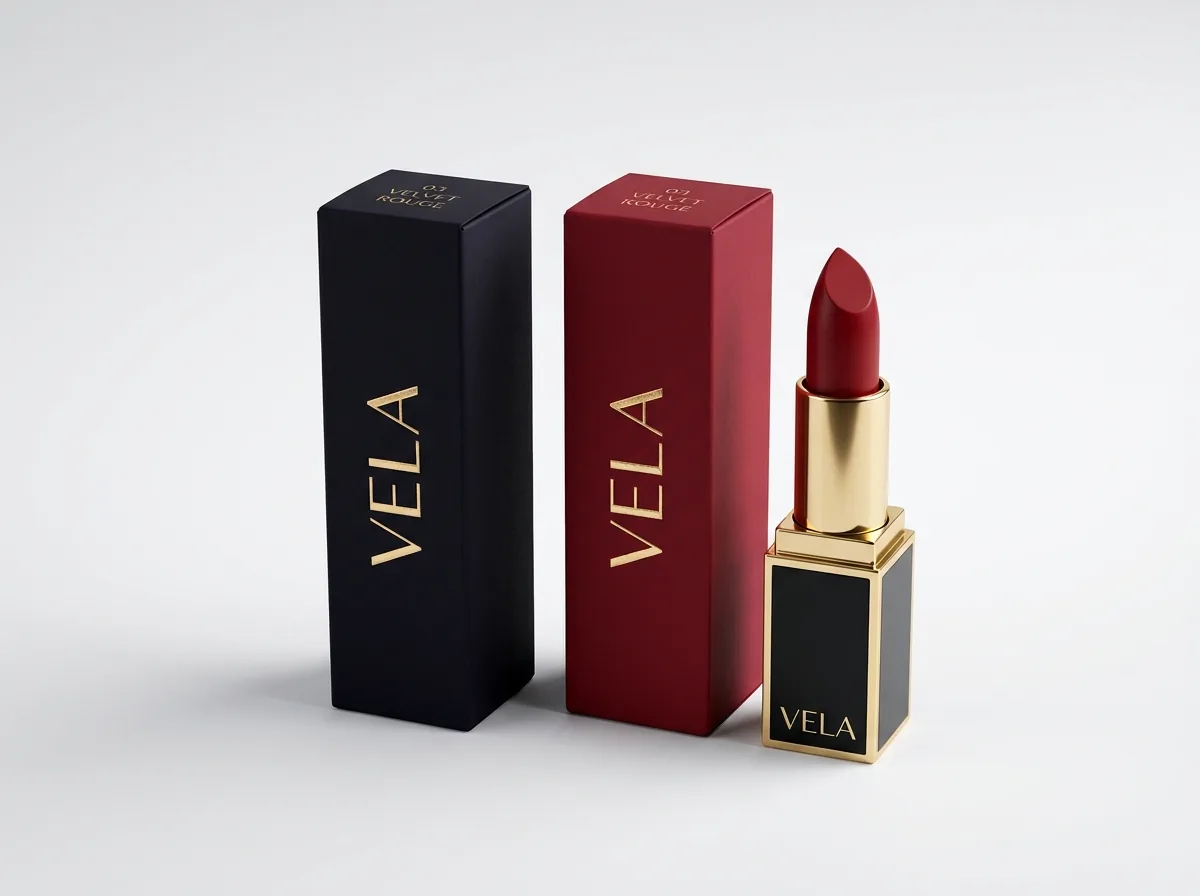
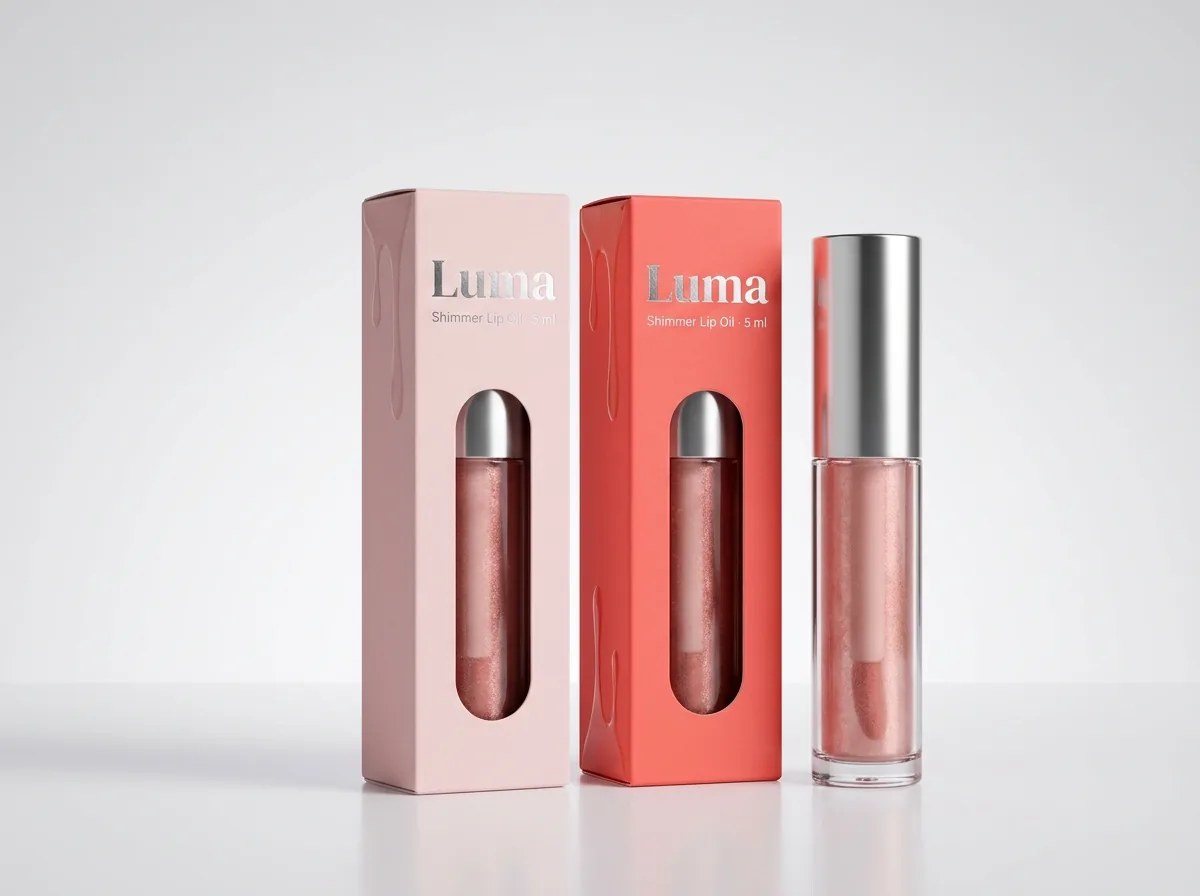
Single solid-walled tuck cartons are not the only way to present lip color. Three alternative structures solve specific retail and gifting needs while using the same paperboard printing and finishing options: First, adding a narrow vertical cutout creates a custom window box that reveals a custom-tooled metallic lipstick case or a transparent barrel showing the shade inside. Second, when bundling three or four lipsticks into a seasonal gift set, a tray and sleeve box slides open like a drawer so all shades appear together in a slotted card divider. Third, pairing your individual tuck cartons with a pop-up counter display box keeps 12 or 24 lipsticks organized by shade at salon and boutique checkouts. Many color-cosmetics brands use straight tuck cartons for their individual everyday lipsticks, a tray-and-sleeve drawer box for their 3-piece nude or red trio sets, and a matching counter display box for wholesale retail accounts. Because all three structures are printed on the same paperboard stock and color-matched to the same Pantone specification, the entire display reads as one cohesive brand family.
What mistakes do brands make when choosing lipstick carton styles?
A small change in flap orientation or locking tabs can affect how your lipstick boxes sit on shelves and how fast your co-packer fills them. Avoid these five structural mistakes
- Orienting a reverse tuck dieline backward so the top flap tucks into the back wall, which leaves a raw tuck gap across the top of the front panel.
- Skipping slit-lock tabs on the bottom flap when packaging a heavy magnetic metal lipstick case that can push a plain friction flap open.
- Mixing straight tuck on some shades and reverse tuck on others within the same collection, causing subtle alignment shifts on shelves.
- Designing a front-panel border frame right up to the bottom edge of a reverse tuck carton where the tuck slit cuts across the line.
- Ordering automated filling without asking your co-packer whether their cartoning machine prefers STE or RTE flat blanks.
Find your size
Suggested inside size: 0.75 × 0.75 × 2.25 in
A starting point. Your account manager confirms the size with you before the proof.
Quote this size →Packaging for this
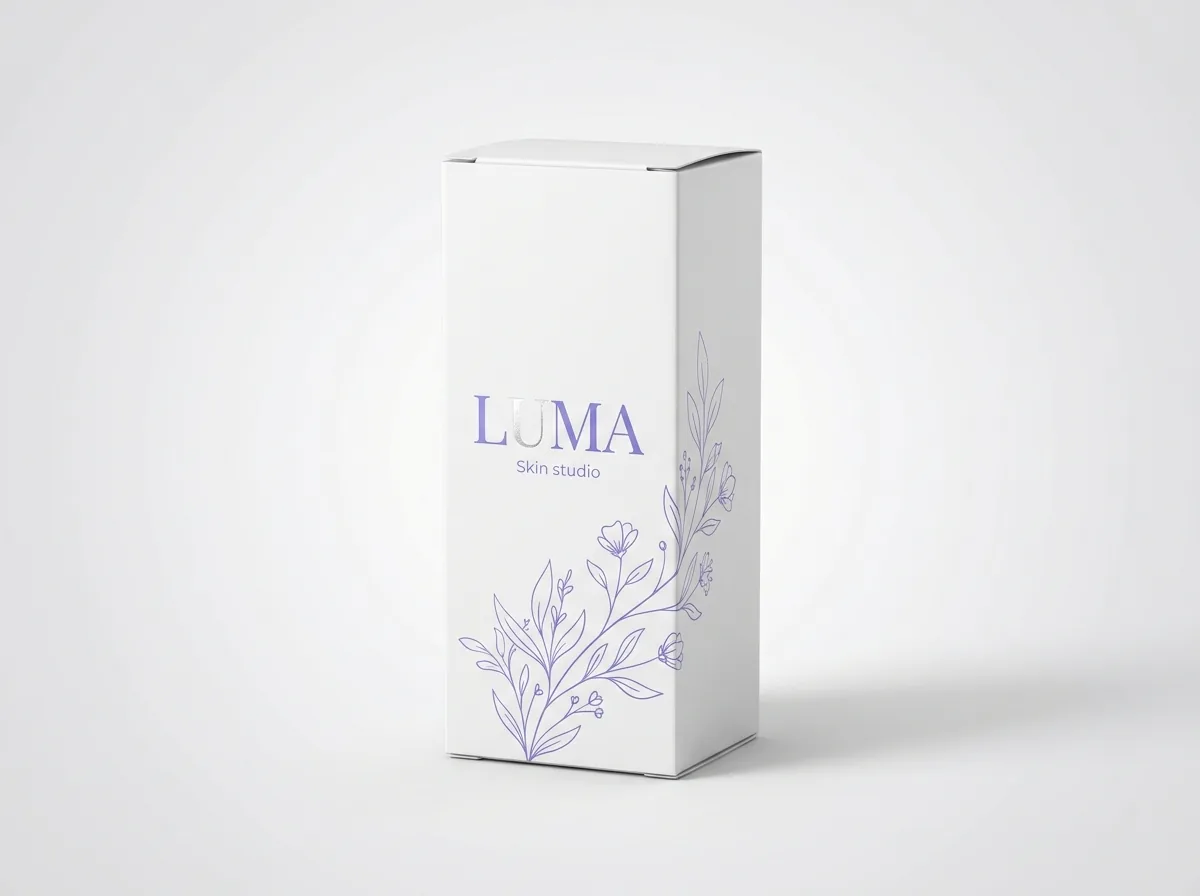
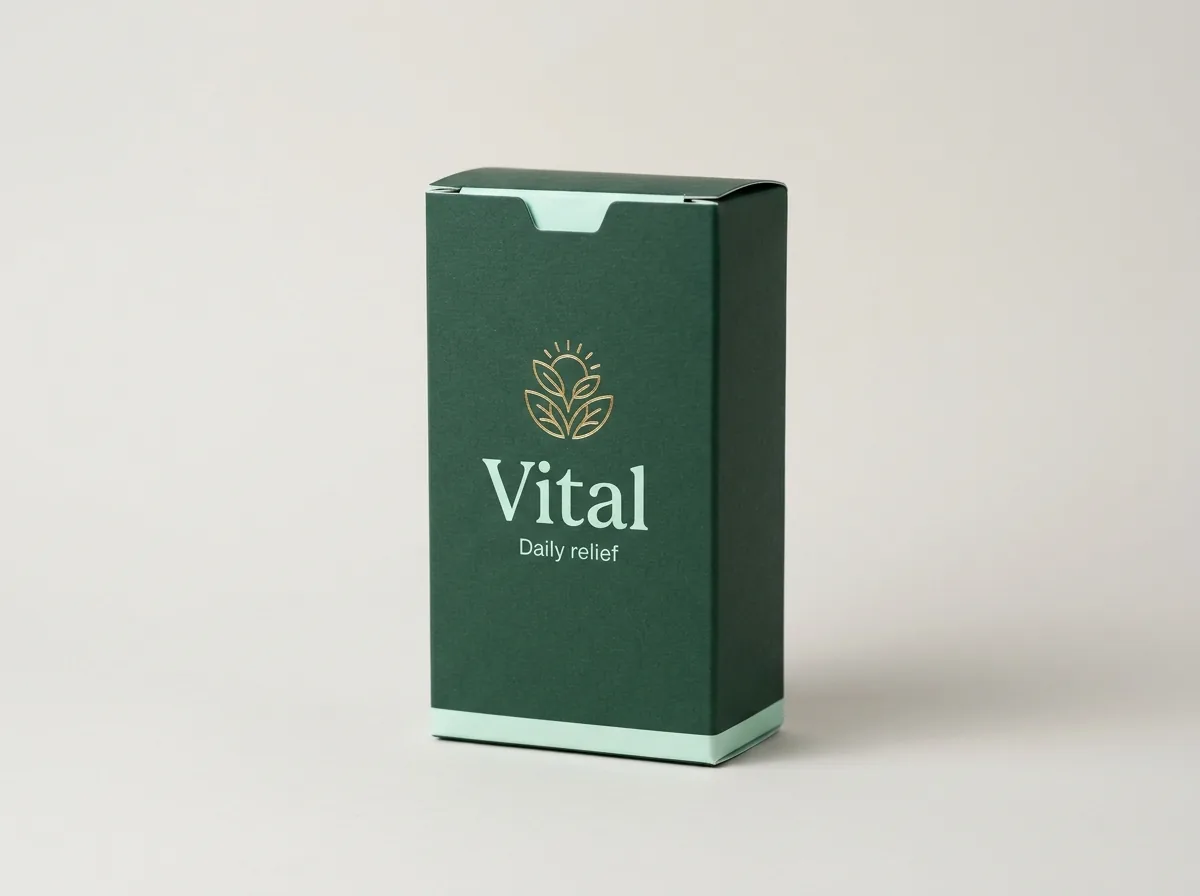
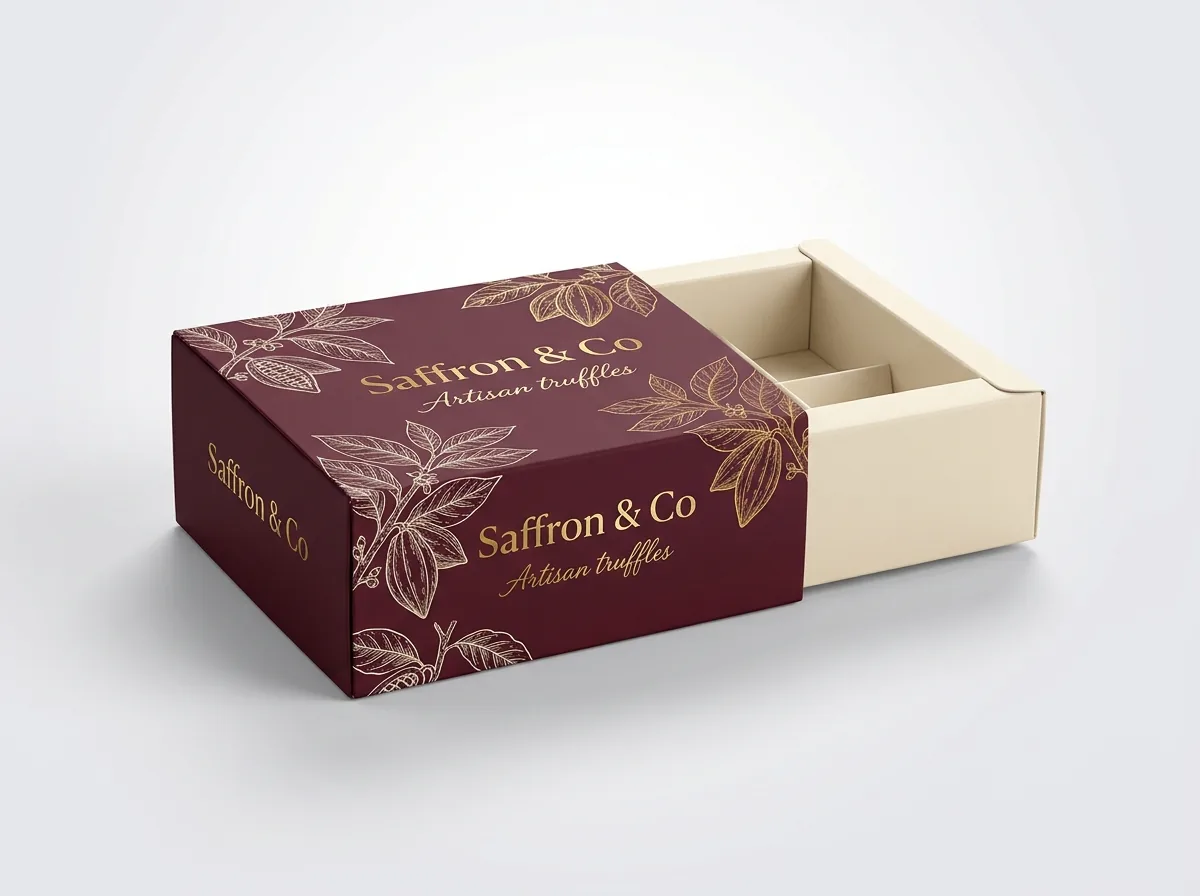
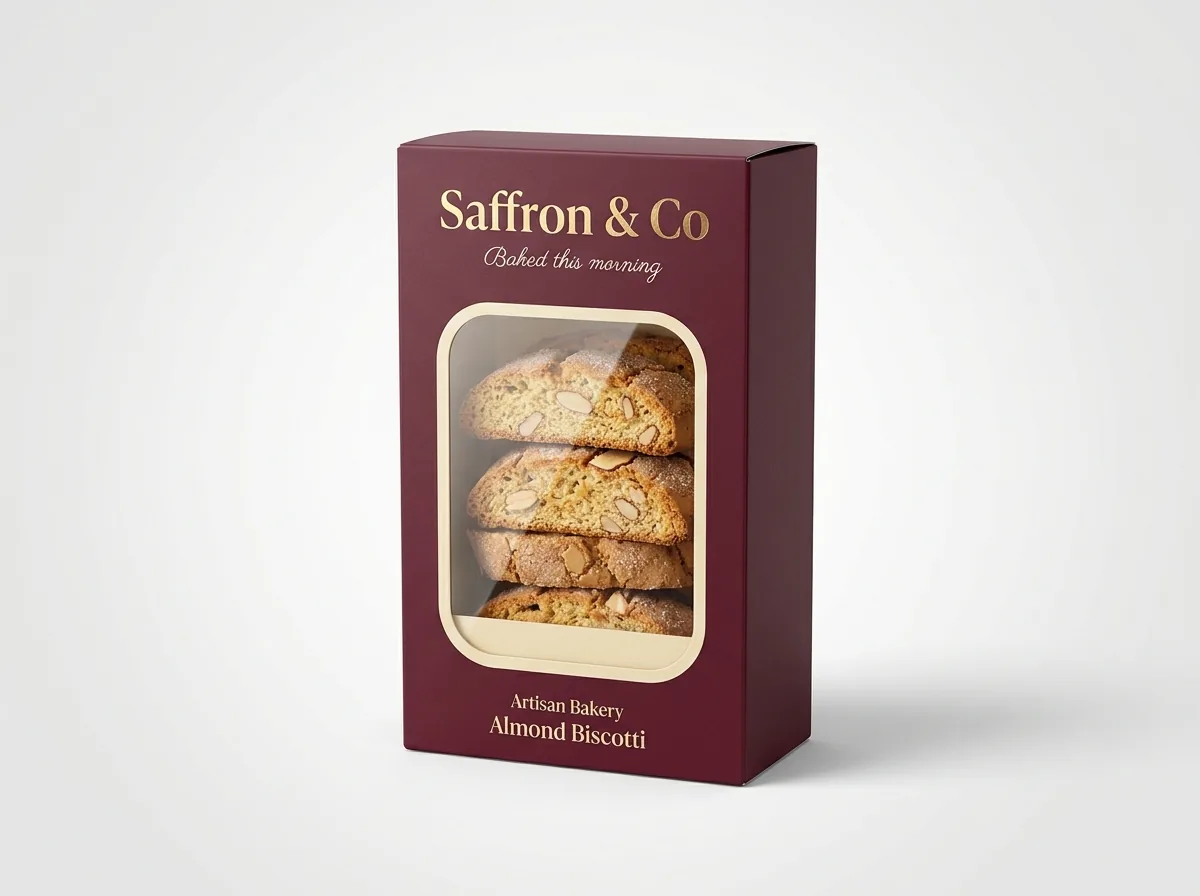
Ready to order lipstick boxes? Compare up to 3 quantities with a free 3D mockup.
Request a Quote →Questions about lipstick boxes
Does a straight tuck end lipstick box cost more than a reverse tuck end box?
At the 1,000 to 2,500 box quantity tier, the price difference on a small lipstick carton is negligible, and neither style has any die or plate charge at CubitPack. On very large runs (10,000+ boxes), reverse tuck can save a small percentage of board because the flaps nest closer together.
Which style is stronger for a heavy metal or magnetic lipstick tube?
Both straight tuck and reverse tuck hold standard and weighted lipstick tubes securely when we add slit-lock (friction-lock) shoulders to the bottom tuck flap. Those small side notches hook into the bottom dust flaps so the base stays shut when lifted.
How can I tell if my existing lipstick box is straight tuck or reverse tuck?
Open both the top and bottom flaps of the empty box and lay it flat on your table. If both the top lid flap and the bottom base flap are attached to the exact same vertical panel, it is a straight tuck end (STE). If they attach to opposite panels, it is a reverse tuck end (RTE).
Can both STE and RTE lipstick boxes have inside printing and foil stamping?
Yes. Both styles are die-cut from the same paperboard, kraft or recycled stocks and support full CMYK, guaranteed Pantone matching, inside printing, soft-touch or matte lamination, hot foil stamping, embossing and spot UV.
Which tuck style should I pick if my lipsticks are packed by hand?
Fulfillment teams packing by hand usually prefer straight tuck end cartons slightly because both flaps fold in the same direction, or reverse tuck with slit locks. Either way, both ship flat with pre-broken glue seams that pop open in one squeeze.
Can I see a 3D mockup of my artwork on a straight tuck vs reverse tuck box?
Yes. Request a quote with your tube dimensions and ask your account manager to show your design on a free custom dieline and 3D mockup before you pay. You can inspect the front, back and top-flap hinges from every angle.
Still have a question? Ask a packaging specialist.
Request a Quote →Request your lipstick boxes quote
Tell us your size and quantities, and one dedicated account manager prepares pricing for each tier.
- Free design & AI-to-print studio + 3D mockup
- No die or plate charges · 4–5 day rush available
- Free shipping to all 50 states
- 10% off your first order
This structural comparison is based on standard paperboard carton engineering (ECMA/TAPPI tuck-end standards) and CubitPack's decided folding carton specifications. Reviewed by a CubitPack packaging specialist. Spot something wrong? Tell us and we will fix it.
Sources
What changed
- October 22, 2026: First published.
- October 22, 2026: Updated specifications, terminology, and verified source links.
More guides
New packaging guides by email
Sizes, materials and design tips. Unsubscribe anytime.