
Shoulder-neck vs magnetic vs drawer ring boxes: which style fits your rings?
Short answer: Choose a shoulder-neck or hinged magnetic rigid box for engagement rings, bridal sets and heirloom pieces that deserve a dramatic two-handed reveal, a slide-out ribbon drawer box for everyday DTC fashion rings, and a two-piece lift-off lid for versatile retail collections. All four custom ring boxes start at 50 rigid units.
On this page
- How do the five custom ring box structures compare side by side
- Why is the shoulder-neck rigid box the benchmark for bridal and fine rings
- How do hinged magnetic ring boxes work for proposals and slim pocket carry
- When should a direct-to-consumer brand choose a slide-out drawer or two-piece box
- How do I match the right ring box style to my price point and sales channel
- Common mistakes
- FAQs
Request a custom quoteFree dieline & 3D mockup
Unlike larger retail boxes where structure is mostly about crush strength, the structure of a ring box shapes the emotional rhythm of the reveal. When a buyer proposes with a solitaire diamond or opens an anniversary band, the physical motion of lifting a telescoping lid off a velvet neck, flipping open a magnetic hinged lid, or pulling a grosgrain ribbon drawer directly changes how the light hits the stone and how the moment looks on camera. At the same time, e-commerce operations managers care about how flat the box packs inside an outer mailer and whether a ring can shake loose during parcel transit. At CubitPack, all four luxury rigid ring box styles (shoulder-neck, magnetic closure, slide-out ribbon drawer and two-piece lift-off lid) share the same 50-box minimum order quantity and zero die charges, while high-volume folding paperboard ring cartons start at 1,000 units.
How do the five custom ring box structures compare side by side?
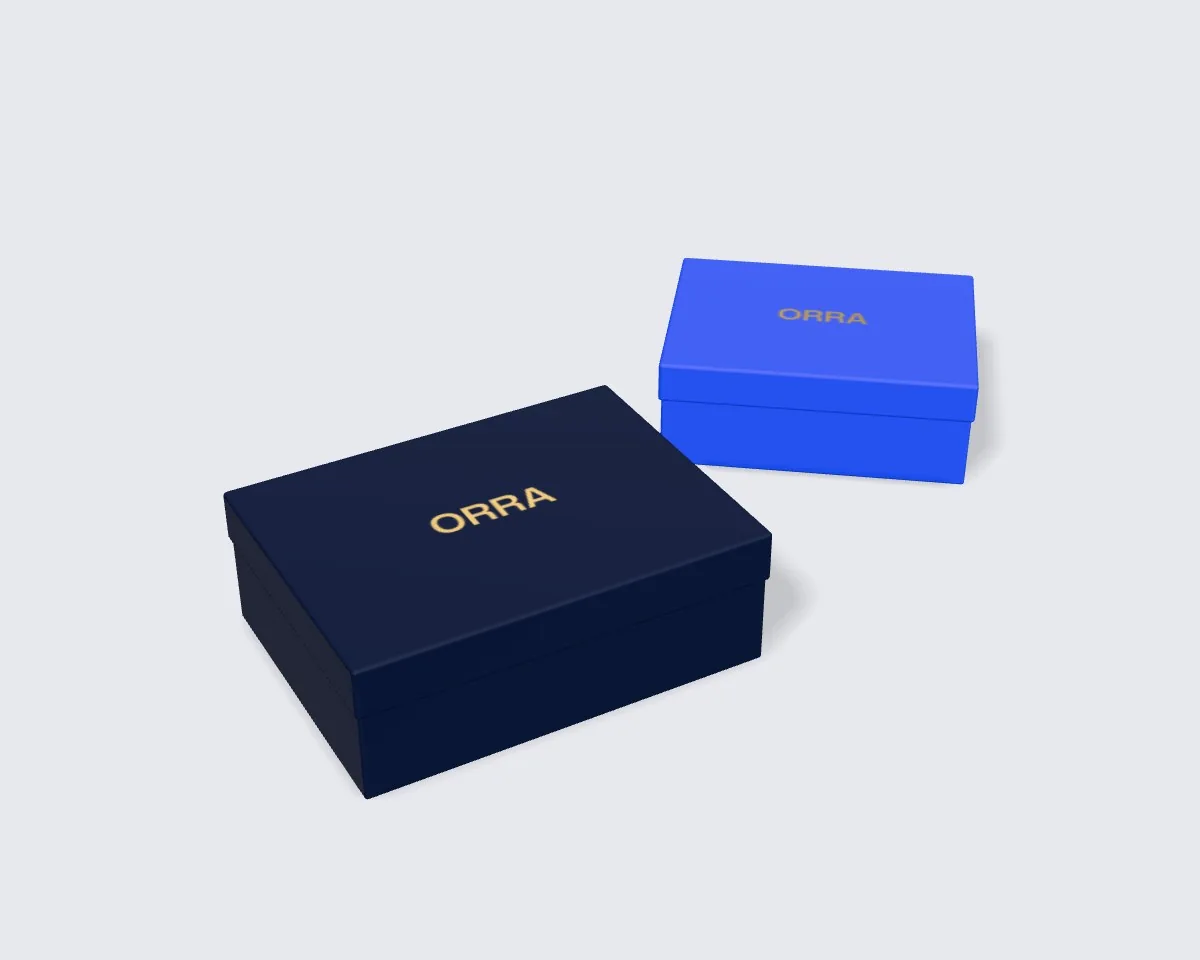
When selecting a structure for custom printed ring boxes, your first decision is whether your collection belongs in non-collapsible rigid chipboard (gray board) (50-box minimum) or flat-packed folding paperboard (1,000-box minimum). Over 90 percent of fine, bridal and demi-fine ring brands choose rigid chipboard (gray board) because the dense walls protect prongs from parcel crushing and give the tiny 2-inch cube a reassuring luxury weight. Within the rigid family, four distinct structures serve four different unboxing moments: the three-piece shoulder-neck box (also called a neck-and-shoulder cube), the hinged magnetic closure box (including both upright cubes and slim pocket book cases), the slide-out ribbon drawer box, and the classic two-piece telescoping lift-off lid box.
| Ring box structure | Best ring category & channel | Unboxing motion & visual reveal | Typical height & MOQ |
|---|---|---|---|
| Shoulder-neck rigid box | Solitaire engagement, bridal sets & showroom fine rings | Lid lifts off a stepped inner neck with a slow, snug friction reveal | 1.75–2 in tall · 50 boxes |
| Hinged magnetic rigid box | Proposal rings, slim pocket cases & luxury collector sets | One-piece hinged lid flips open and clicks shut with hidden magnets | 0.75 in (pocket) or 1.75 in · 50 boxes |
| Slide-out ribbon drawer box | DTC demi-fine, stacking bands, signets & social unboxing | Grosgrain ribbon tab pulls the inner tray smoothly out of the sleeve | 1.25–1.5 in tall · 50 boxes |
| Two-piece lift-off lid rigid box | Boutique retail, multi-ring trios & gift-wrapped counters | Full or partial telescoping lid lifts straight off the base tray | 1.5–1.75 in tall · 50 boxes |
| Folding paperboard carton | High-volume fashion rings, promotional gifts & protective outer packers | Ships flat; folds into a tuck-top or two-piece slipcase | Custom · 1,000 boxes |
Why is the shoulder-neck rigid box the benchmark for bridal and fine rings?
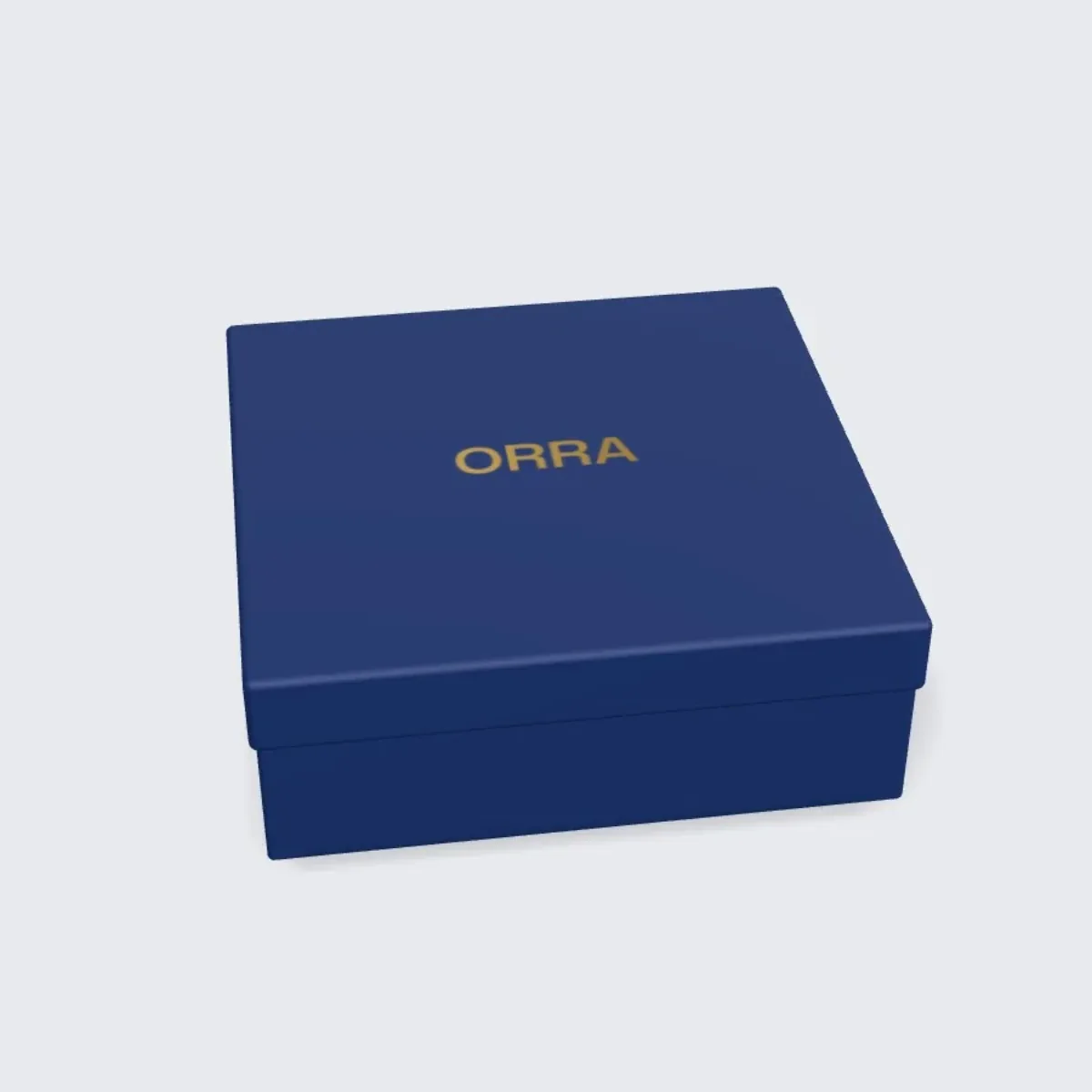
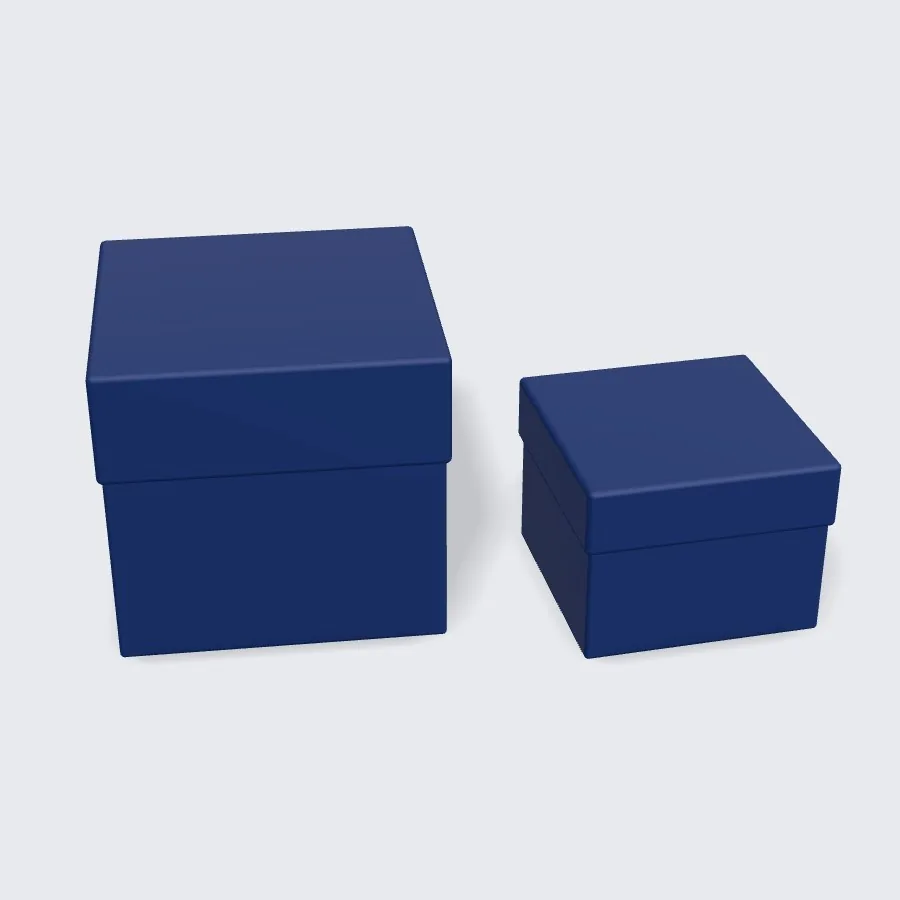
Pick up a ring box at almost any heritage fine jeweler and you will notice a thin horizontal band of contrasting color or metallic foil running between the top lid and the bottom base. That structure is a three-piece shoulder-neck rigid box: an inner chipboard (gray board) neck is glued inside the lower base tray so it rises ½ inch to ¾ inch above the base rim, and the top lid telescopes down over that exposed neck until it meets the stepped shoulder. For engagement and wedding rings, the shoulder-neck structure solves three design challenges at once. First, the inner neck acts as a tall structural collar that centers the lid and creates a smooth, cushioned friction fit when lifted. Second, the exposed ¼-inch neck band lets you pair two textures (such as a matte cream linen outer wrap with a champagne gold or velvet inner neck). Third, when the lid is removed, the upright ring crown stands proud above the shoulder line so light reaches the diamond from all four sides.
- Two-tone reveal line: expose ¼ inch of contrasting velvet, metallic foil paper or brand-colored stock along the middle shoulder gap.
- Flush exterior walls: unlike a standard telescoping lid that steps outward over the base, a shoulder-neck lid sits completely flush with the base walls.
- Inside-lid branding stage: pair the tall lid interior with a satin pillow pad stamped in metallic gold or silver foil.
- Built for upright solitaires: typically engineered at 2 × 2 × 1.75 in or 2.25 × 2.25 × 2 in with a ¾-inch to 1-inch EVA foam block.
How do hinged magnetic ring boxes work for proposals and slim pocket carry?
A traditional clamshell ring box uses a spring-loaded metal hinge that snaps loudly and wears out over time. Modern luxury ring brands replace mechanical metal hinges with a rigid book-style spine and a pair of concealed neodymium magnets embedded inside the front lip. Because the lid and base are permanently joined along the rear spine, the buyer can hold the box in one hand and flip the lid open with a thumb during a proposal - there is no loose top lid to drop or juggle on one knee. Better still, the hinged magnetic structure makes the 2 × 2 × 0.75 inch slim pocket proposal box possible. By mounting a low-profile angled EVA foam clip inside a ¾-inch thin magnetic book shell, the ring lies at a shallow angle when closed (sliding flat into suit trousers) and presents cleanly when flipped open.
Know your size? Compare pricing across up to 3 quantities.
Request a Quote →When should a direct-to-consumer brand choose a slide-out drawer or two-piece box?
If your brand sells everyday stacking bands, signet rings, birthstone rings and demi-fine collections online, shipping a 2-inch tall cube for every single order increases parcel volume and separates your ring packaging from the rest of your jewelry line. Instead, DTC jewelry brands love the slide-out ribbon drawer box (typically 2.5 × 2.5 × 1.25 inches or 3 × 3 × 1.25 inches). The outer rigid sleeve stays in one piece while the inner drawer glides out via a knotted grosgrain or satin ribbon tab, delivering an effortless one-handed unboxing clip for TikTok and Instagram Reels. Because the drawer is 1.25 inches slim, it stacks flat in 3PL fulfillment bins, matches your earring and pendant drawer boxes, and ships in a compact 5 × 5 × 2 inch corrugated mailer. Meanwhile, the classic two-piece lift-off lid box remains a favorite for retail counter displays and 3-to-5 ring stacking trays where you want the entire lid removed for try-on.
How do I match the right ring box style to my price point and sales channel?
Because all four rigid ring box structures start at the same 50-unit minimum order quantity at CubitPack, you do not have to compromise on structure when launching a small collection. You can even split a multi-style order across two box types (such as ordering a 2.5 × 2.5 × 1.25 inch drawer box for everyday stacking rings and a 2.25 × 2.25 × 2 inch shoulder-neck box for bridal commissions). Run through the four-point checklist below before selecting your box style in Step 1 of the quote calculator. And remember: if you need a thin paperboard outer packer sleeve to protect your velvet or soft-touch rigid ring box from inventory shelf dust and barcode labels, you can add a folding carton slipcase at 1,000 units or a small two-piece rigid outer sleeve at 50 units.
- Bridal & solitaire engagement rings: choose a 2 × 2 × 1.75 in or 2.25 × 2.25 × 2 in shoulder-neck or hinged magnetic rigid cube.
- Surprise pocket proposals: offer a 2 × 2 × 0.75 in slim hinged magnetic book box that hides flat inside a jacket or trouser pocket.
- DTC demi-fine, signet & stacking bands: choose a 2.5 × 2.5 × 1.25 in slide-out ribbon drawer box with an angled H-slit foam pad.
- Multi-ring collector sets & retail counters: choose a 3.5 × 2.5 × 1.5 in two-piece lift-off lid or magnetic tray with 3 to 5 separated slots.
What are the most common mistakes when choosing a ring box style?
Picking the wrong box silhouette can create awkward two-handed proposal moments or scuffed stones in transit. Watch out for these five structural mistakes
- Using a loose two-piece lift-off lid box for outdoor surprise proposals, where the proposer has nowhere to hold the detached top lid while kneeling.
- Putting a tall cathedral solitaire ring upright inside a 1.25-inch slide-out drawer sleeve, causing the diamond prongs to scrape the top ceiling of the sleeve when pulled.
- Ordering a 1,000-unit thin folding paperboard carton for fine rings when a 50-unit rigid chipboard (gray board) box provides true crush protection and luxury weight.
- Making a tight full-depth telescoping two-piece lid without thumb notches or a stepped shoulder neck, forcing the recipient to shake the box to get it open.
- Shipping a velvet-wrapped shoulder-neck ring box directly inside a corrugated mailer without a protective tissue wrap or outer paperboard packer sleeve.
Find your size
Suggested inside size: 1.75 × 1.75 × 1.5 in
A starting point. Your account manager confirms the size with you before the proof.
Quote this size →Packaging for this
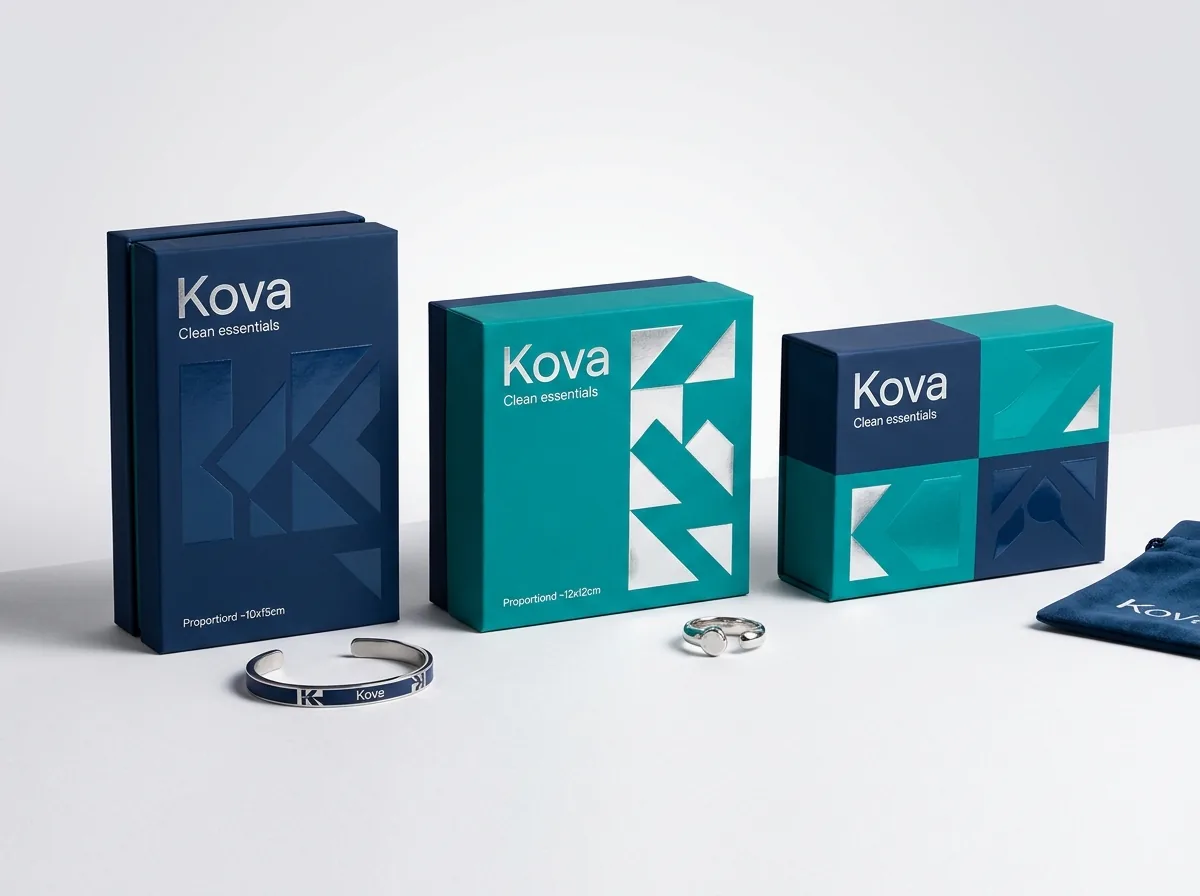
Ready to order ring boxes? Compare up to 3 quantities with a free 3D mockup.
Request a Quote →Questions about ring boxes
What is a shoulder-neck rigid ring box?
A shoulder-neck rigid ring box is a three-piece structure where an inner chipboard (gray board) neck rises above the base tray and the top lid closes down onto a stepped shoulder. It creates a flush outer wall and an optional contrasting middle band.
Is a hinged magnetic box or a shoulder-neck box better for an engagement ring?
Both are top-tier bridal choices. A shoulder-neck box delivers a classic two-handed boutique reveal with an exposed accent neck, while a hinged magnetic box opens one-handed like a clamshell with no loose lid to hold during a proposal.
Why do online ring brands use slide-out ribbon drawer boxes?
Slide-out ribbon drawer boxes can be engineered at a slimmer 1.25-inch height with an angled foam slot, allowing them to ship in compact DTC mailers, match earring and necklace drawer boxes, and open smoothly with one hand on video.
What is the minimum order quantity for rigid vs folding ring boxes?
All four rigid chipboard (gray board) ring box styles (shoulder-neck, magnetic closure, slide-out ribbon drawer and two-piece lift-off lid) start at 50 boxes per order. Thin folding paperboard ring cartons start at 1,000 boxes, and corrugated outer mailers start at 250.
Can a slide-out drawer ring box hold a high-profile solitaire ring?
Yes, if you either step the drawer height up to 1.75 inches or cut the EVA foam slot at a 45-degree angle in a 1.25-inch or 1.5-inch drawer so the diamond setting tilts back and clears the upper sleeve.
Should I add an outer paperboard sleeve over my rigid ring box?
If you wrap your rigid ring box in velvet, suede, linen or matte black soft-touch film, an outer two-piece packer carton or slipcase keeps warehouse dust, scuff marks and SKU barcode stickers off the keepsake box.
Still have a question? Ask a packaging specialist.
Request a Quote →Request your ring boxes quote
Tell us your size and quantities, and one dedicated account manager prepares pricing for each tier.
- Free design & AI-to-print studio + 3D mockup
- No die or plate charges · 4–5 day rush available
- Free shipping to all 50 states
- 10% off your first order
The structural comparisons in this guide come from rigid chipboard (gray board) assembly standards, neodymium magnetic closure specs, EVA foam slot geometry and CubitPack's decided MOQs in our published product specifications. A CubitPack packaging specialist verified every row. Spot something wrong? Tell us and we will fix it.
Sources
What changed
- October 22, 2026: First published.
- October 22, 2026: Updated specifications, terminology, and verified source links.
More guides
New packaging guides by email
Sizes, materials and design tips. Unsubscribe anytime.