
Should I choose a standard magnetic closure box, a book-style box, or a collapsible rigid box?
Short answer: Choose standard custom magnetic closure boxes when you want solid crease-free interior walls, maximum protection for heavy bottles or watches, and zero box-assembly time. Choose custom book-style boxes for a left-to-right hardcover book opening with overhanging cover edges, or choose custom collapsible rigid boxes to ship flat and save up to 75% warehouse space.
On this page
- How do magnetic closure, book-style, and collapsible rigid boxes compare
- How are the three rigid box structures built differently
- When is a standard non-collapsible magnetic closure box the best choice
- When should I switch to a book-style box or a collapsible rigid box
- Can I order low minimums or compare samples of each style at CubitPack
- Common mistakes
- FAQs
Request a custom quoteFree dieline & 3D mockup
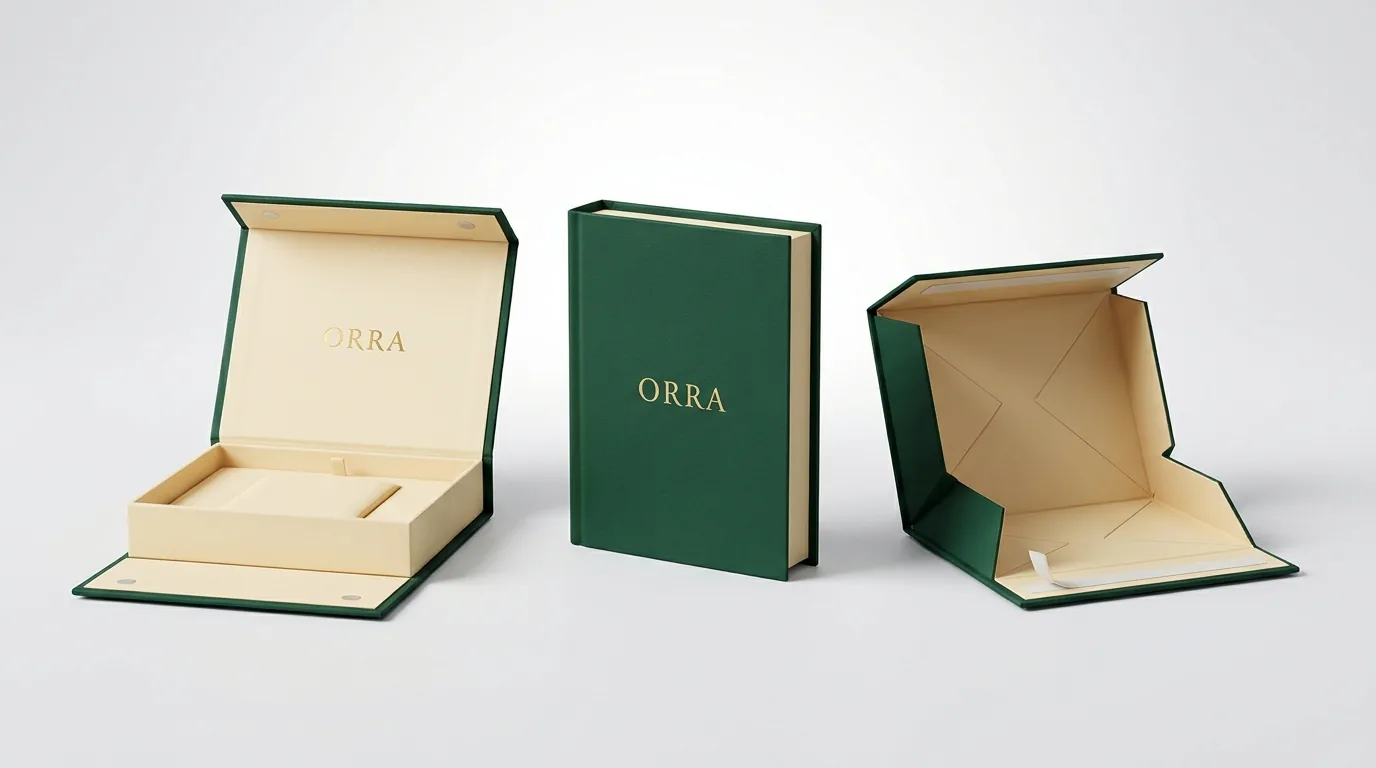
Shoppers often refer to all three hinged luxury formats as magnetic boxes because all three use thick paper-wrapped chipboard (1.5 mm to 3.0 mm) and concealed neodymium magnets that click shut. Behind the scenes, however, they solve three very different structural and logistics problems. A standard magnetic closure box bonds a permanent, corner-stayed four-wall rigid tray inside a back-hinged cover whose front flap drops over the front wall; it ships in 3D ready to pack immediately and delivers the highest crush strength. A book-style rigid box mounts that solid four-wall tray inside a three-panel hardcover book case with a slightly overhanging lip on three sides, opening from right to left like a collector's volume. A collapsible rigid box replaces the solid side walls with diagonally scored folding walls and adhesive or magnetic corner locks so the box ships completely flat.
How do magnetic closure, book-style, and collapsible rigid boxes compare?
Use the comparison table below to weigh how each rigid box structure opens, ships from the production line to your warehouse, packs on your fulfillment bench, and supports interior EVA foam, EPE foam, or folded card inserts across different product weights and box footprints
| Feature | Magnetic closure box (standard 3D) | Book-style rigid box | Collapsible magnetic rigid box |
|---|---|---|---|
| Hinge & opening direction | Hinges along the back spine; lid lifts up and front flap drops over the front wall | Hinges along the left spine; cover opens sideways like a hardcover book | Hinges along the back spine with a front magnetic flap; side walls fold flat |
| Exterior profile when closed | Flush side edges; visible horizontal seam under the overlapping front flap | Hardcover book silhouette with 2–3 mm cover overhang on three sides | Flush front flap; diagonal folding creases visible along the left and right walls |
| How boxes ship & store | Ships pre-assembled in 3D (takes 100% of box volume in freight and storage) | Ships pre-assembled in 3D (takes 100% of box volume in freight and storage) | Ships flat in 2D stacks (reduces freight and warehouse volume by 65%–75%) |
| Fulfillment assembly labor | None (0 seconds: open lid, place product, close) | None (0 seconds: open book cover, place product, close) | 10–20 seconds per box (raise walls and peel 4 corner adhesive strips) |
| Interior wall appearance | Smooth, uninterrupted 90-degree V-grooved walls with zero fold seams | Smooth 90-degree inner tray walls recessed inside the book cover | Diagonal crease lines on the two folding side walls and corner flap joints |
| Heavy product & foam support | Best for heavy glass bottles, watches, jewelry, and thick EVA foam wells | Best for cosmetics, collector sets, and kits with a booklet on the inside lid | Best for apparel, robes, gift sets, and lighter kits with tissue or thin inserts |
How are the three rigid box structures built differently?
Although all three styles start on the same converting equipment with 1.5 mm to 3.0 mm gray chipboard and 120–157 gsm printed paper wrap, the way the inner tray joins the outer cover changes the feel of the box in your customer's hands
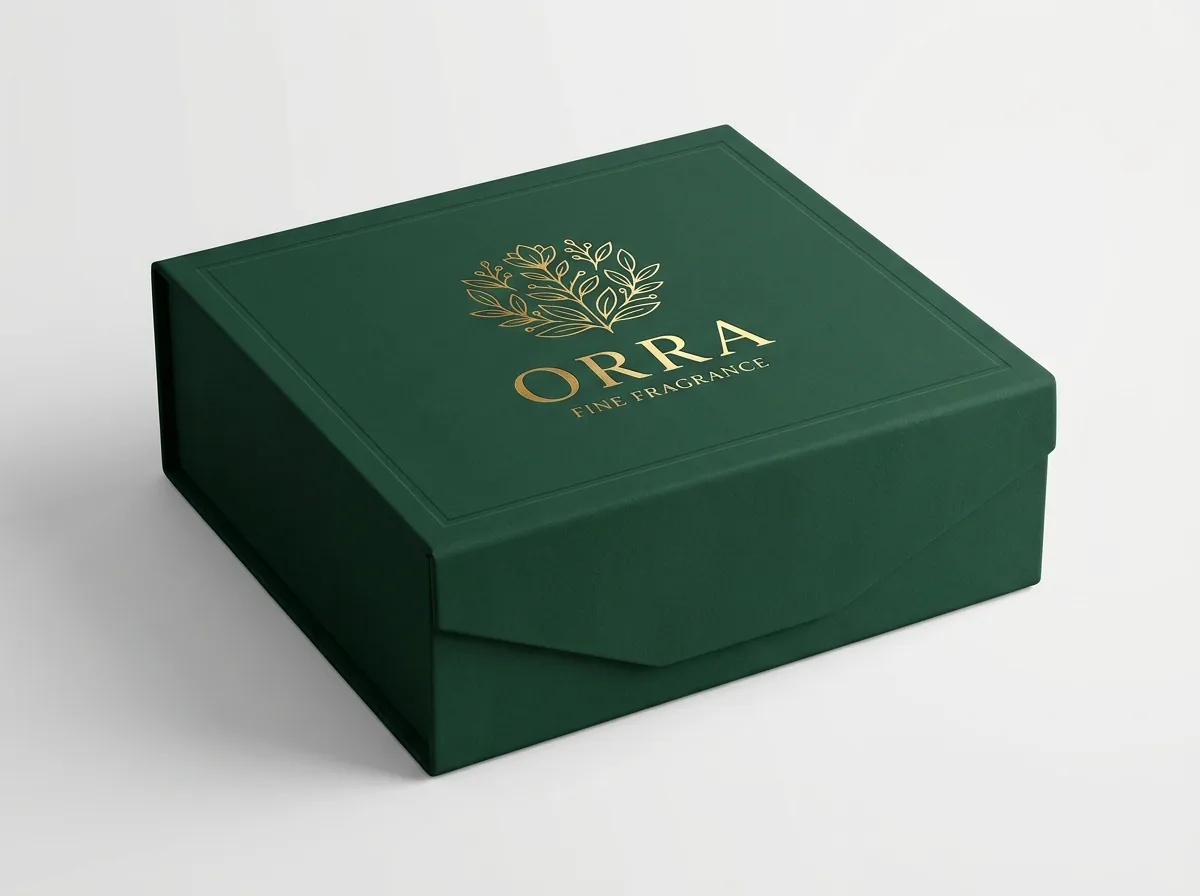
- Standard magnetic closure box (front-flap setup box): A standalone four-wall tray is V-grooved and corner-stayed at 90 degrees, then glued to the floor and back spine of a four-panel outer wrap. The fourth panel of the outer wrap folds down over the front tray wall, where pairs of recessed neodymium magnets pull the flap flush.
- Book-style rigid box: An inner four-wall tray is glued onto the right half of a three-panel hardcover case whose top and bottom covers extend 2 to 3 mm past the tray walls like a real book. The magnets sit either inside a short lip on the fore-edge of the tray or inside a wraparound ribbon/flap.
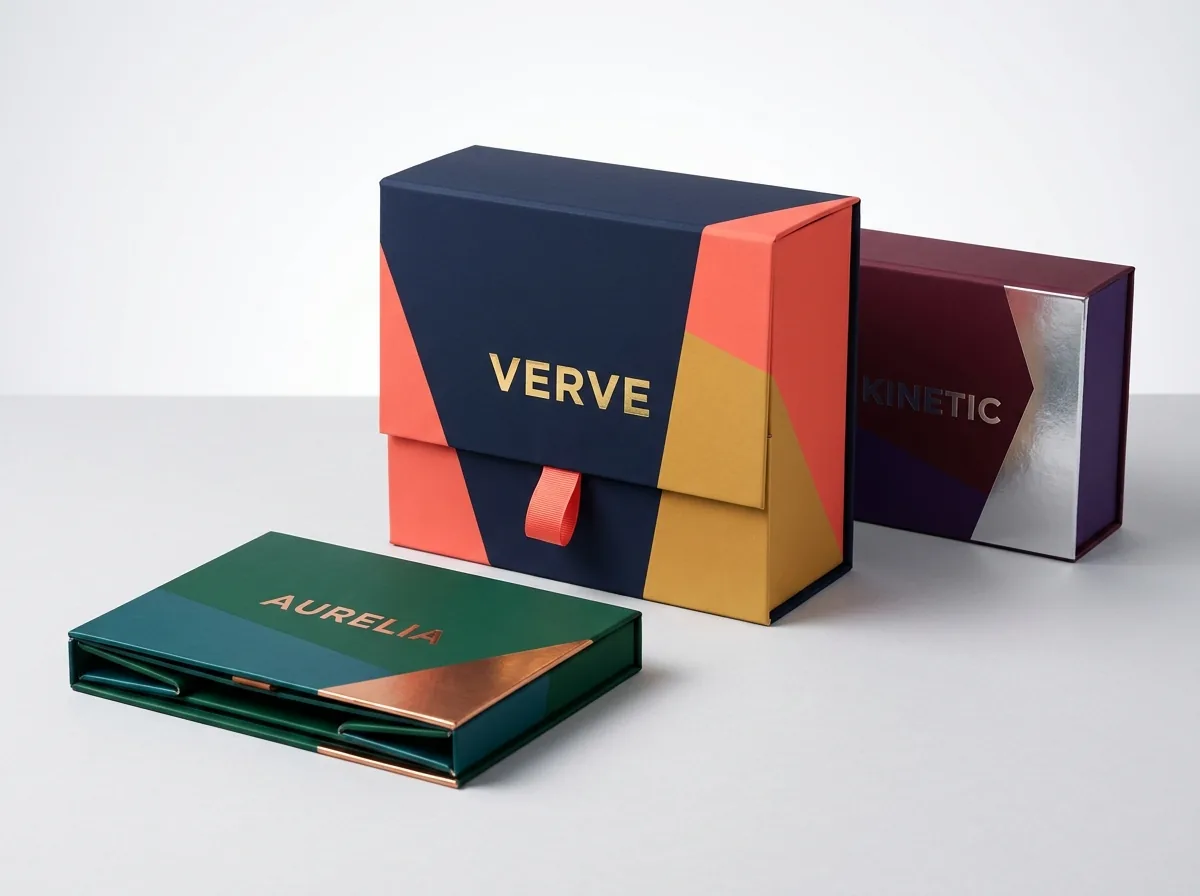
- Collapsible (foldable) magnetic box: Instead of a pre-stayed 3D tray, the entire box is die-cut as a one-piece folding rigid board blank with diagonal gusset scores in the left and right walls. Fulfillment staff pull the walls upright and press four peel-and-stick 3M adhesive tabs (or secondary corner magnets) to lock the tray into 3D.
When is a standard non-collapsible magnetic closure box the best choice?
Order standard printed magnetic closure boxes whenever structural rigidity, clean interior presentation, and zero packing-line assembly time matter most. Because the four walls of the base tray are V-grooved and locked with corner stay tape before the paper wrap is laminated on, there are no diagonal fold lines or corner flap seams anywhere inside the box
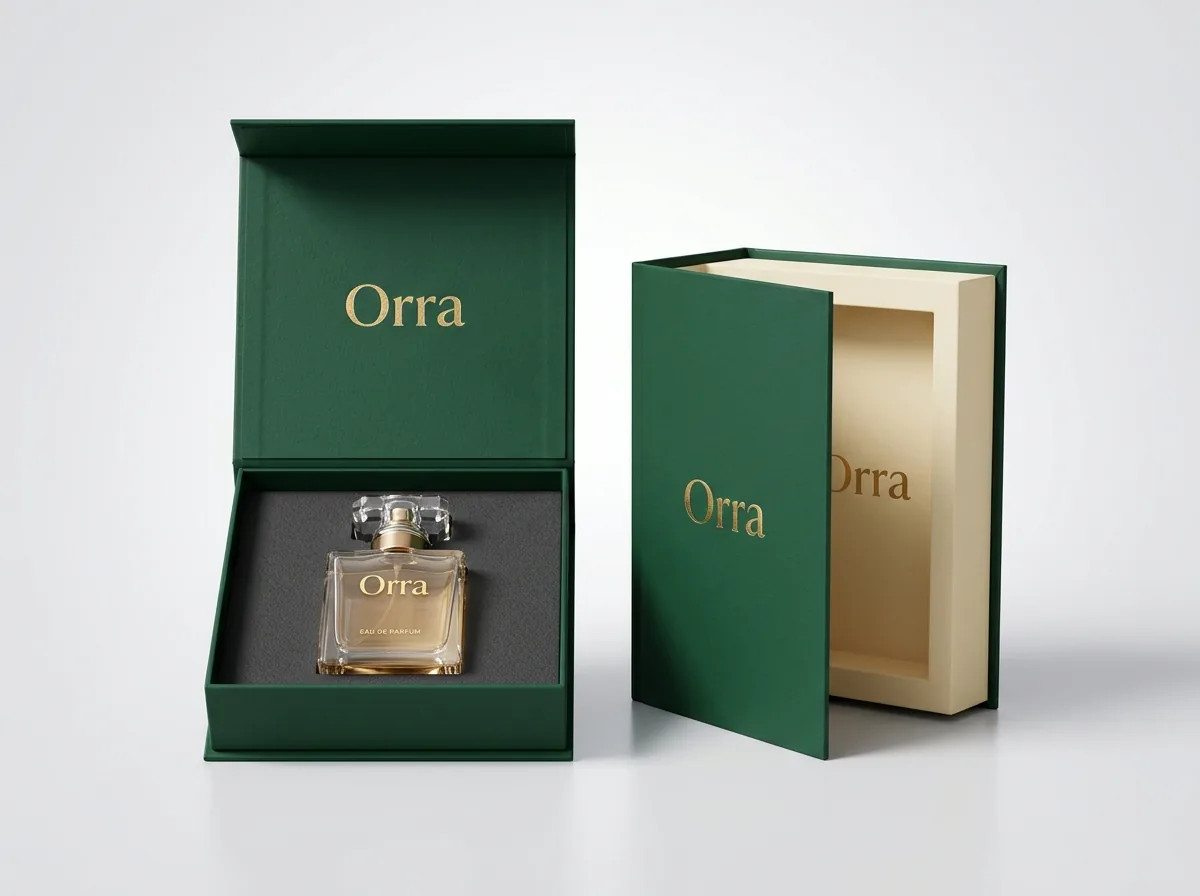
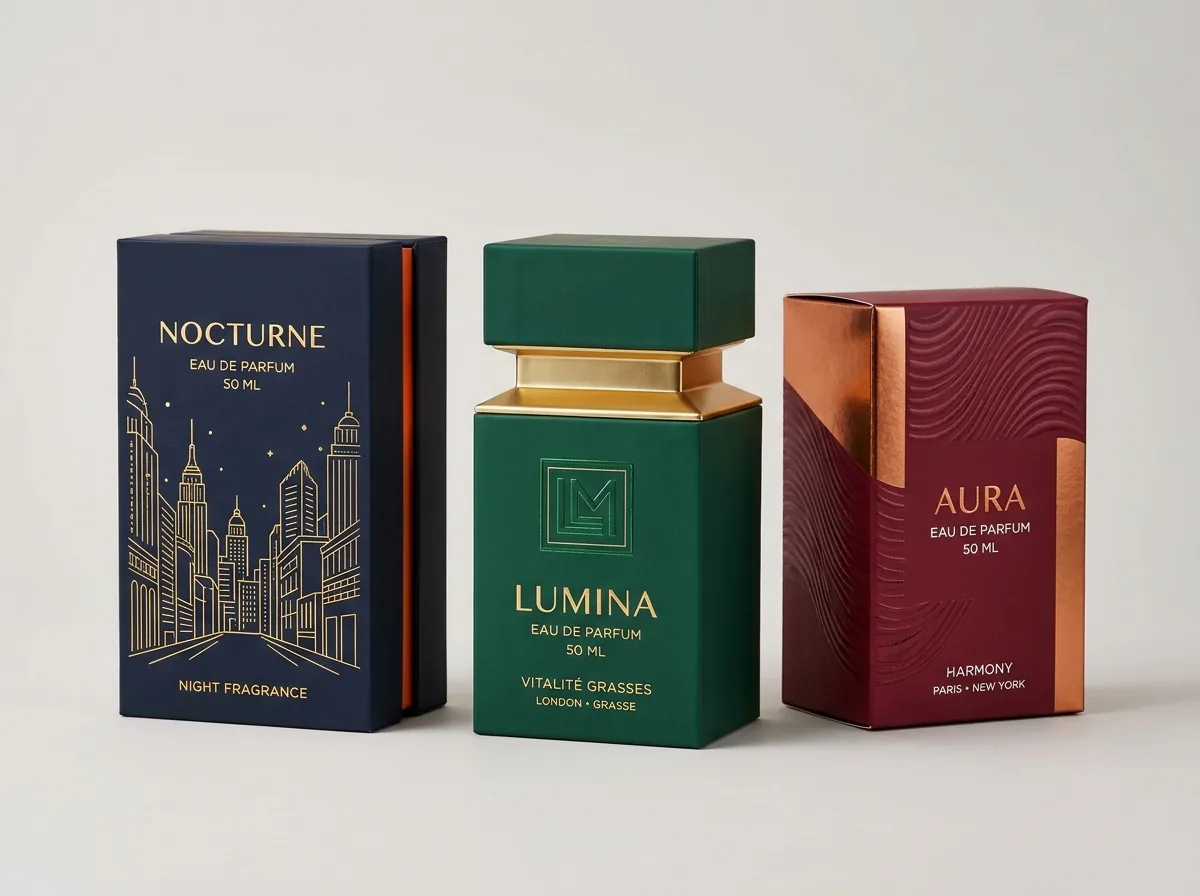
- Heavy or fragile luxury items: A 750 ml bottle in custom spirits boxes, a steel timepiece in custom watch boxes, or a thick glass flacon in custom perfume boxes needs solid, non-folding side walls that cannot buckle inward if a courier drops the outer shipping carton.
- Deep sculpted EVA or EPE foam inserts: Because a standard magnetic box ships in 3D, we can pre-glue your custom die-cut EVA foam insert directly into the rigid tray before shipping so your boxes arrive 100% ready to load.
- Keepsake vanity and dresser storage: When a customer keeps the box on a nightstand for years, the solid corner-stayed tray with zero diagonal wall creases feels like a permanent jewelry chest.
- Fastest hand-packing on launch week: Your fulfillment team simply lifts the hinged lid, places the product into the foam well, and lets the front neodymium magnets snap closed.
Know your size? Compare pricing across up to 3 quantities.
Request a Quote →When should I switch to a book-style box or a collapsible rigid box?
There are two clear scenarios where one of the sibling rigid styles wins over a standard front-flap magnetic box, depending on whether you want a hardcover book silhouette or flat-packed freight efficiency
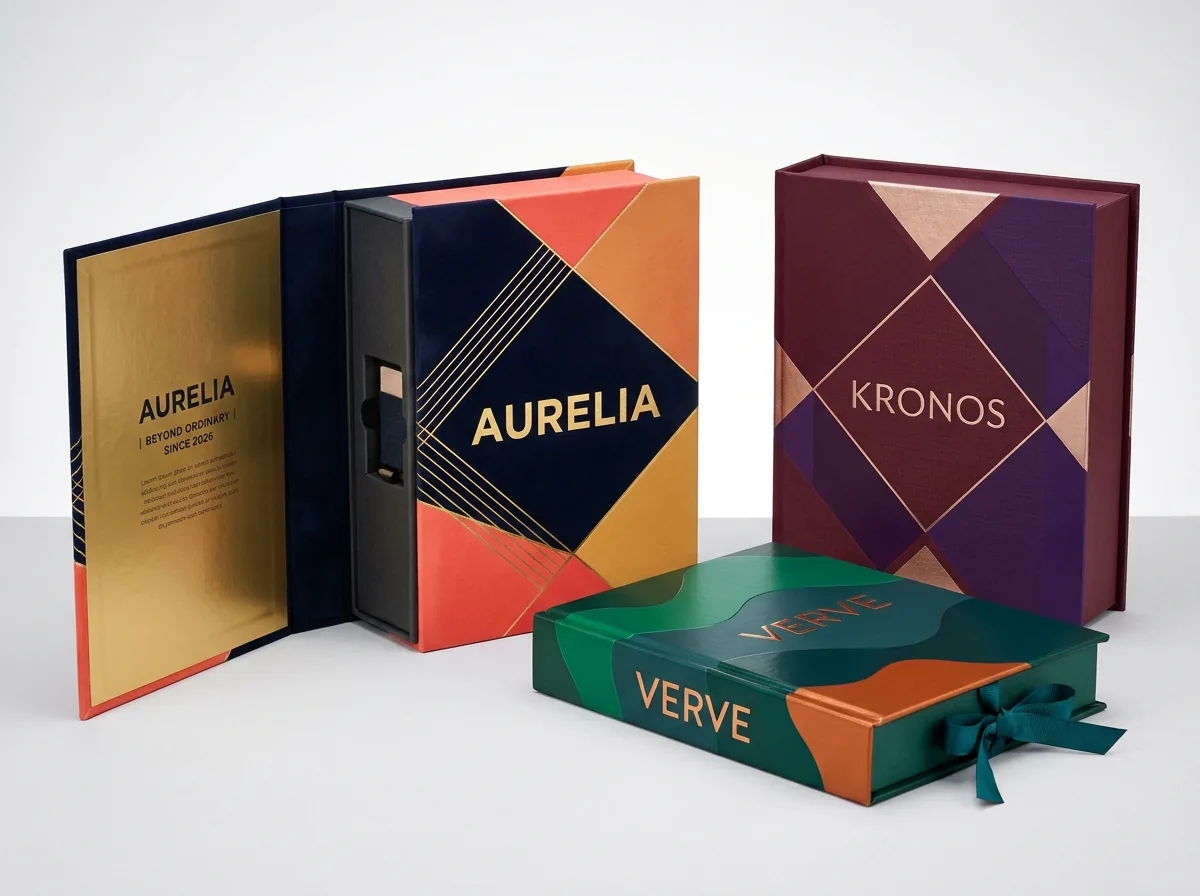
- Switch to book-style boxes for editorial storytelling and booklet pockets: When your unboxing is built around a brand manifesto, lookbook, or certificate of authenticity mounted inside the left cover while the product sits in a foam well on the right, custom book-style boxes mimic opening a luxury coffee-table book. The top and bottom covers overhang the inner four-wall tray by 2 to 3 mm on three sides, giving the closed box a unmistakable book spine and fore-edge.
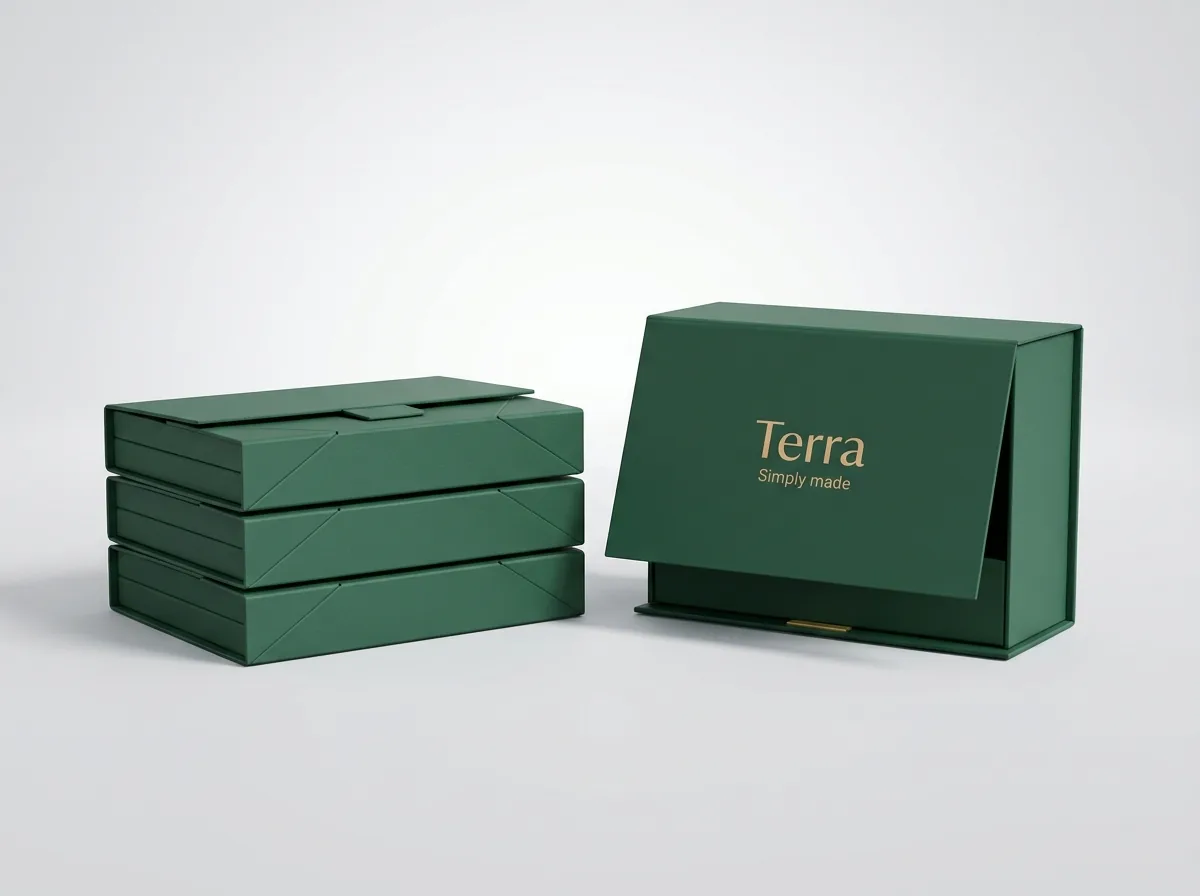
- Switch to collapsible rigid boxes for apparel, large gift chests, and tight storage: If you are packing sweaters, robes, or large custom bridesmaid proposal boxes (such as 12 × 10 × 4.5 inches) and storing hundreds of units in a small studio or 3PL warehouse, custom collapsible rigid boxes cut pallet and shelf volume by up to 75%. Each flat-folded box pops upright in about 15 seconds when your team peels the four corner adhesive strips and presses the side walls against the end walls.
- Hybrid workflow for scaling e-commerce brands: Many brands use standard 3D magnetic closure boxes for their hero glass bottle SKUs and collapsible rigid boxes for their seasonal apparel and holiday bundle kits.
Can I order low minimums or compare samples of each style at CubitPack?
All three rigid styles (standard magnetic closure, book-style, and collapsible) start at just 50 boxes at CubitPack, with 10–14 business days standard turnaround and 4–5 business day rush available. Every order includes free structural templates, free design help, and a free digital proof plus 3D mockup before payment, with zero die or plate charges and free shipping to all 50 US states. Because you can select Magnetic closure, Book style, or Collapsible directly in the Style menu of our rigid box quote form, you can also ask your dedicated account manager to quote both a standard 3D box and a flat-shipping collapsible box at your exact dimensions so you can compare unit price, foam insert installation, and freight side by side. If you are deciding between two structures, check our sizing rules in how to measure for a magnetic closure rigid box and our prepress guide on magnetic closure rigid box dielines and paper wraps, or order our $50 pre-made sample kit or a single custom prototype to test the magnetic snap in hand.
What are the most common mistakes when choosing between magnetic rigid styles?
Avoid these five selection pitfalls before locking in your rigid box structure
- Ordering flat-shipping collapsible rigid boxes when you also want a thick, full-depth EVA foam insert pre-glued inside. A thick foam block prevents a collapsible box from folding flat unless the foam is packed separately.
- Packing heavy 750 ml glass bottles in a collapsible box without an outer corrugated shipper. Heavy glass belongs in a corner-stayed 3D magnetic closure box or book-style box.
- Forgetting to account for warehouse pallet space when ordering 1,000+ large pre-assembled 3D magnetic gift boxes.
- Confusing hinge orientation between a back-hinged magnetic closure box (landscape opening) and a left-hinged book-style box (portrait book opening).
- Assuming collapsible boxes are cheaper per unit at very small quantities. Because collapsible boxes require extra die-scoring and four peel-and-stick adhesive strips, their unit manufacturing cost is close to a 3D box; their savings come from lower freight and storage volume.
Packaging for this

Ready to order magnetic closure boxes? Compare up to 3 quantities with a free 3D mockup.
Request a Quote →Questions about magnetic closure boxes
What is the main difference between a standard magnetic closure box and a collapsible rigid box?
A standard magnetic closure box has a permanent four-wall V-grooved base tray and ships fully assembled in 3D so you can pack it immediately. A collapsible rigid box has scored folding side walls with peel-and-stick adhesive corners so it ships flat, saving up to 75% storage space.
How is a book-style rigid box different from a magnetic closure box?
A standard magnetic closure box hinges along the back wall and drops a magnetic flap down over the front wall. A book-style rigid box hinges along the left spine like a hardcover book, with covers that overhang the inner tray by 2–3 mm on three sides.
Can a collapsible magnetic box hold an EVA foam insert?
Yes, as long as the EVA foam insert is shipped in flat stacks alongside the flat-packed boxes and dropped into each box after your team pops the walls up. If you want the foam factory-glued inside the tray, choose a standard 3D magnetic closure box.
Which rigid box style is strongest for shipping heavy glass bottles?
A standard non-collapsible 3D magnetic closure box or book-style box built from 2.5–3.0 mm chipboard is strongest because its four corners are permanently stayed at 90 degrees with no folding joints in the side walls.
Do all three styles have the same 50-box minimum order quantity?
Yes. Standard magnetic closure boxes, book-style boxes, and collapsible rigid boxes all start at 50 units at CubitPack, with 10–14 business days standard turnaround, 4–5 day rush, and free US shipping.
Can I switch between magnetic closure, book style, and collapsible in the quote form?
Yes. All three options sit in the Style selector of our rigid box quote form so you can request pricing on one style or ask your account manager to compare standard 3D versus collapsible for your size.
Still have a question? Ask a packaging specialist.
Request a Quote →Request your magnetic closure boxes quote
Tell us your size and quantities, and one dedicated account manager prepares pricing for each tier.
- Free design & AI-to-print studio + 3D mockup
- No die or plate charges · 4–5 day rush available
- Free shipping to all 50 states
- 10% off your first order
We compared four-wall corner-stayed setup boxes, book-case overhanging rigid boxes, and diagonal-scored collapsible rigid boxes against Paperboard Packaging Council guidelines and FEFCO multi-part construction standards. A packaging specialist verified every comparison point. Spot something wrong? Tell us and we fix it.
Sources
What changed
- October 24, 2026: First published comparing standard 3D magnetic closure boxes, book-style rigid boxes, and collapsible magnetic rigid boxes.
More guides
New packaging guides by email
Sizes, materials and design tips. Unsubscribe anytime.