
Should I choose a knockout film window or a die-cut kraft window for custom mylar bags?
Short answer: Choose a knockout film window on custom mylar bags with a window when you want unlimited custom window shapes, edge-to-edge full-color graphics, water resistance and lower unit cost. Choose a die-cut kraft window when your brand needs real brown paper texture with an oval or strip viewing zone.
On this page
- How is a white-ink knockout window different from a die-cut kraft window
- How do the three window mylar bag constructions compare side by side
- When should I pick a clear-front / foil-back pouch over a standard window
- Should my clear window have a high-gloss or frosted matte finish
- How do I pick the right window construction for my product line
- Common mistakes
- FAQs
Request a custom quoteFree dieline & 3D mockup
There are three distinct ways to build a transparent product window into a flexible barrier pouch. First, a white-ink knockout window starts with a continuous clear high-barrier polymer film and prints opaque white ink plus CMYK graphics everywhere except your window shape; because no physical hole is cut, any intricate outline is possible at zero die cost. Second, a die-cut kraft laminate window physically punches a rectangle, oval or strip out of natural brown kraft paper before laminating that paper over a continuous clear inner barrier liner, giving organic food and tea brands authentic paper tactility. Third, a clear-front / metallized-back hybrid welds a transparent printed front web to a solid silver or gold foil back web so jerky, candy or hardware pops against a reflective interior backdrop. At CubitPack, all three options ship free across all 50 US states.
How is a white-ink knockout window different from a die-cut kraft window?
Brands moving from paperboard folding cartons to printed window mylar pouches often assume a blade cuts a hole in the bag and glues a piece of clear plastic behind it. In flexible packaging, that would create weak seams that leak aroma and trap powder. Instead, both film knockout windows and kraft laminated windows rely on a continuous, unperforated clear inner barrier web that runs from edge to edge across the entire pouch. On a film knockout window pouch, the outer print web itself is transparent barrier film. During printing, the press lays down a double-hit opaque white ink underbase and full-color CMYK artwork everywhere except the window area, leaving the window transparent. On a natural kraft window pouch, the outer layer is real brown kraft paper that cannot be made transparent with ink; the converter first die-cuts an oval, rectangle or horizontal band out of the paper roll and then laminates it over the continuous clear barrier film.
- White-ink knockout window: continuous clear barrier film + selective white ink mask; zero physical cutout edge; supports any custom contour.
- Die-cut kraft window: real brown kraft paper outer ply punched before lamination over continuous clear barrier film; physical paper step around the window rim.
- Clear-front / foil-back hybrid: clear barrier front web (with or without printed frame) heat-sealed to an opaque metallized or aluminum-foil back web.
How do the three window mylar bag constructions compare side by side?
Use the comparison table below to match your product's moisture sensitivity, artwork style and shelf positioning to the right window architecture. All three constructions are produced in 10 to 14 business days (with 4 to 5 day rush available) and include a free 2D dieline proof and 3D mockup before payment.
| Feature | White-ink knockout film window | Die-cut kraft paper window | Clear-front / foil-back hybrid |
|---|---|---|---|
| Outer surface feel | Smooth 3.5–4.5 mil matte, gloss or soft-touch film | Natural 4.5–5.5 mil brown paper fiber laminate | 3.5 mil clear front welded to 4.0 mil foil back |
| Window shape freedom | Any custom outline (min ⅛ in corner radius) | Simple geometric cutouts (≥ 1.5 × 1.5 in oval or band) | 60%–80% clear front panel with ½ in printed frame |
| Water & oil resistance | 100% wipeable exterior; ideal for 70%–90% humidity | Inner liner is sealed, outer paper spots if wet | 100% wipeable exterior front and back |
| Interior backdrop | Opaque white-ink back wall (95%+ opacity) | Natural brown kraft interior tone behind fill | 99% reflective silver or gold metallic backdrop |
| Typical fill range | 1 oz to 32 oz stand-up or flat pouches | 2 oz to 16 oz stand-up pantry pouches | 1 oz to 12 oz jerky, candy or hardware packs |
| Best product fit | Gummies, granola, cookies, pet treats, bath salts, supplements | Organic loose-leaf tea, roasted nuts, ancient grains, botanicals | Beef jerky strips, sour candy belts, biltong, craft hardware |
When should I pick a clear-front / foil-back pouch over a standard window?
If you pack flat, visually striking items like smoked beef jerky slabs, dried mango spears, licorice ropes or fishing lures, a small peek window only reveals a fraction of the product. A clear-front / metallized-back pouch solves this by welding a transparent high-barrier front sheet to a silver or gold metallized custom mylar bag back sheet. You still print your brand header, flavor badge and nutrition panel directly onto the clear front and foil back, leaving 60% to 80% of the front face open. Because the back wall is reflective metallized film, store lighting bounces off the silver interior and illuminates dark products like jerky or dark chocolate that might look dull inside a standard pouch. This two-web construction works in both bottom-gusset stand-up bags and flat 3-side-seal pouches, and supports resealable press-to-close zippers, tear notches and euro hang holes for retail pegboards.
Know your size? Compare pricing across up to 3 quantities.
Request a Quote →Should my clear window have a high-gloss or frosted matte finish?
When you choose a white-ink knockout window on polymer film, the exterior lamination or varnish you select for the bag also covers or frames the window. A high-gloss finish gives the window maximum optical clarity, making colorful gummies, candies, pasta and dried berries look as sharp as if they were packed in a glass jar. High-gloss windows also resist scuffing when pouches rub against each other inside master shipping cartons. If you pack powdery or dusty items like seasoned pretzel bites, cocoa-dusted almonds, bath salts or clay masks, static electricity during shipping draws fine dust onto the inside wall of the film. Choosing a matte outer finish over the window creates a softly diffused, frosted glass look that hides minor interior powder cling while still letting shoppers verify product color and fill level. For brands that want a low-glare matte body paired with a crystal-clear window, ask your account manager about registered matte varnish knocked out over the window zone.
- Crystal-clear gloss window: best for dust-free gummies, chocolates, whole nuts, jerky, pasta and hardware.
- Frosted matte window: best for bath salts, powdered mixes, seasoned snacks and dusty botanical blends.
- Matte bag with gloss window (spot matte/gloss): combines a glare-free matte brand panel with an uncoated crystal-clear viewing window.
How do I pick the right window construction for my product line?
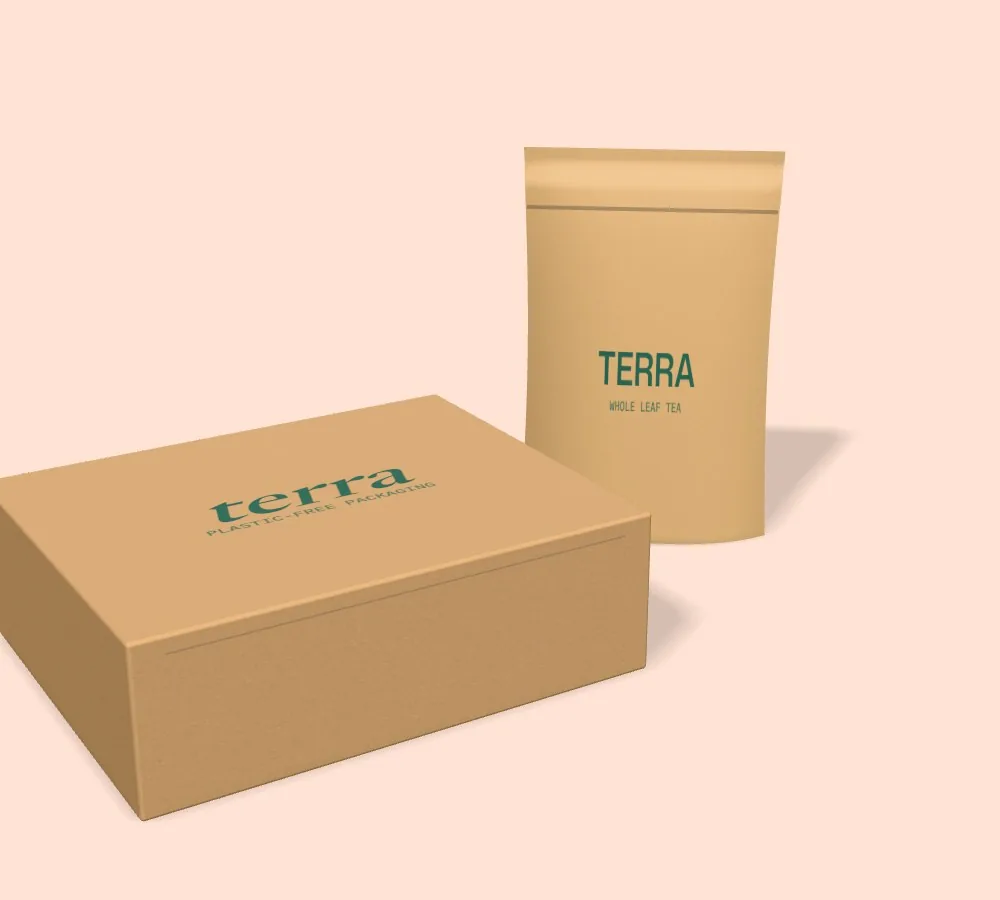
Start with where your pouch lives and how your product behaves. If your package goes into a humid bathroom (like custom bath salt pouches) or holds oily snacks and pet treats, pick a white-ink knockout film window in matte, gloss or soft-touch so the exterior wipes clean and lets you use any custom window outline at no die charge. Film knockout pouches also let you run multiple SKUs with different custom window shapes on the same bag size without extra tooling costs. If your brand aesthetic is rooted in farmers-market craft or organic pantry staples (like custom kraft stand-up pouches for loose tea, granola or grains), choose a die-cut kraft window laminate and stick to a clean oval, rounded rectangle or horizontal band window. Because the brown paper layer is physically punched before being laminated to the inner clear barrier film, keeping the cutout geometric ensures crisp paper edges. Not sure which film looks cleaner with your product? Order our $50 sample kit or a custom printed sample, both credited toward your full order.
What are the most common mistakes when choosing a window mylar bag style?
Avoiding these five material mismatches saves rework during prepress and keeps your pouches looking sharp on the shelf
- Asking for an intricate mascot or leaf cutout in laminated kraft paper, where physical paper die-cutting requires simple ovals, rectangles or horizontal bands.
- Specifying a single-web aluminum foil mylar bag with a clear front window, not realizing solid foil is opaque and requires either clear barrier film or a two-web clear-front / foil-back construction.
- Picking a crystal-clear high-gloss window for a dusty seasoning or bath powder without testing static cling, when a frosted matte window or smaller peek zone hides dust much better.
- Using an unvarnished paper kraft exterior for oily pet treats or wet bathroom counters where grease or water droplets can spot the outer paper fibers.
- Applying separate front and back paper labels over a stock clear bag instead of printing edge to edge with a white-ink knockout window.
Packaging for this
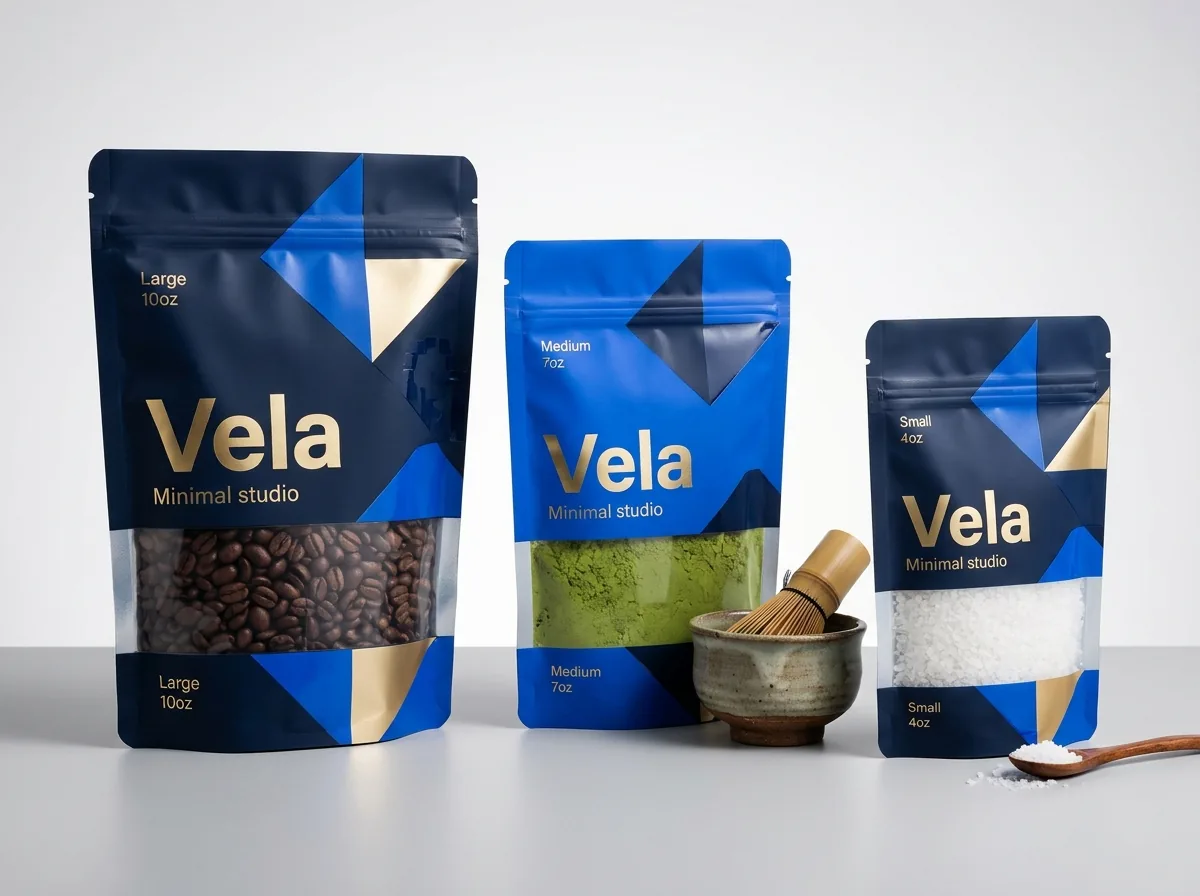
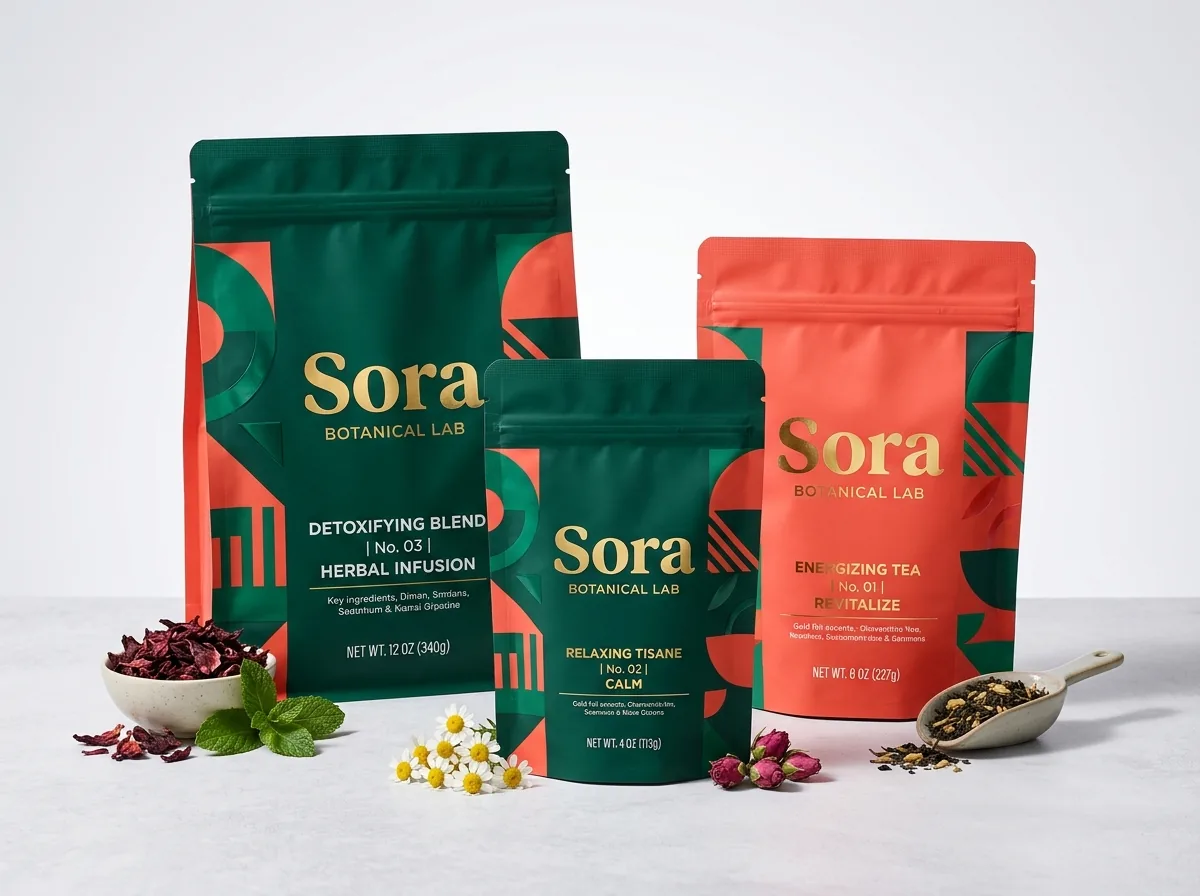
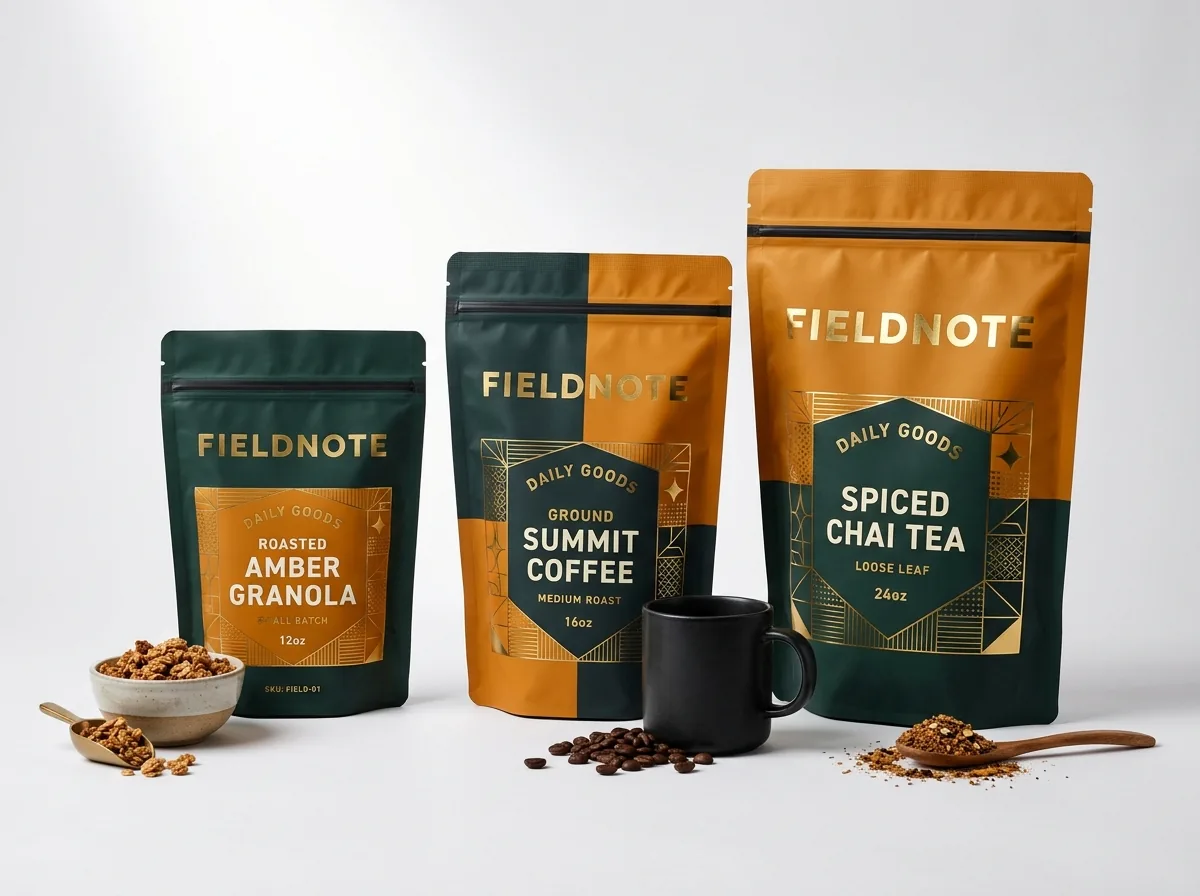
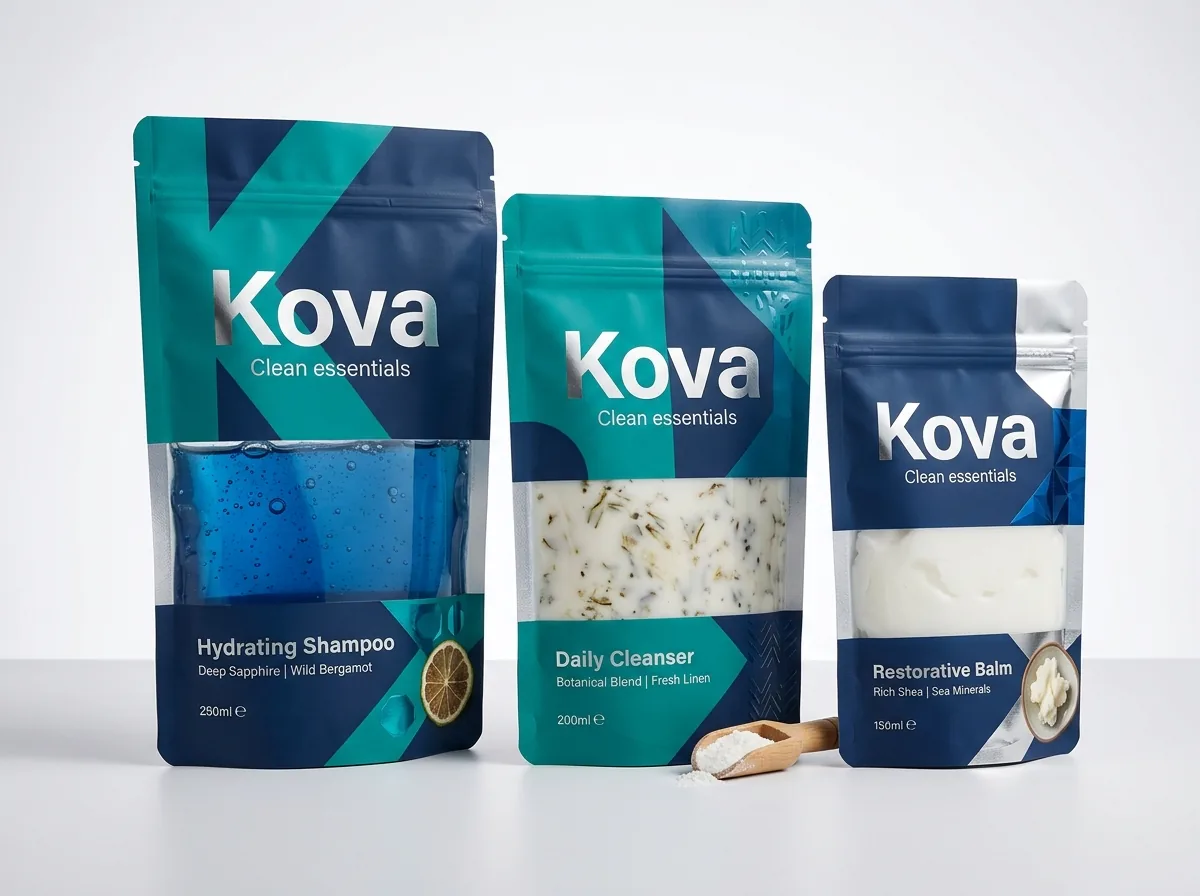
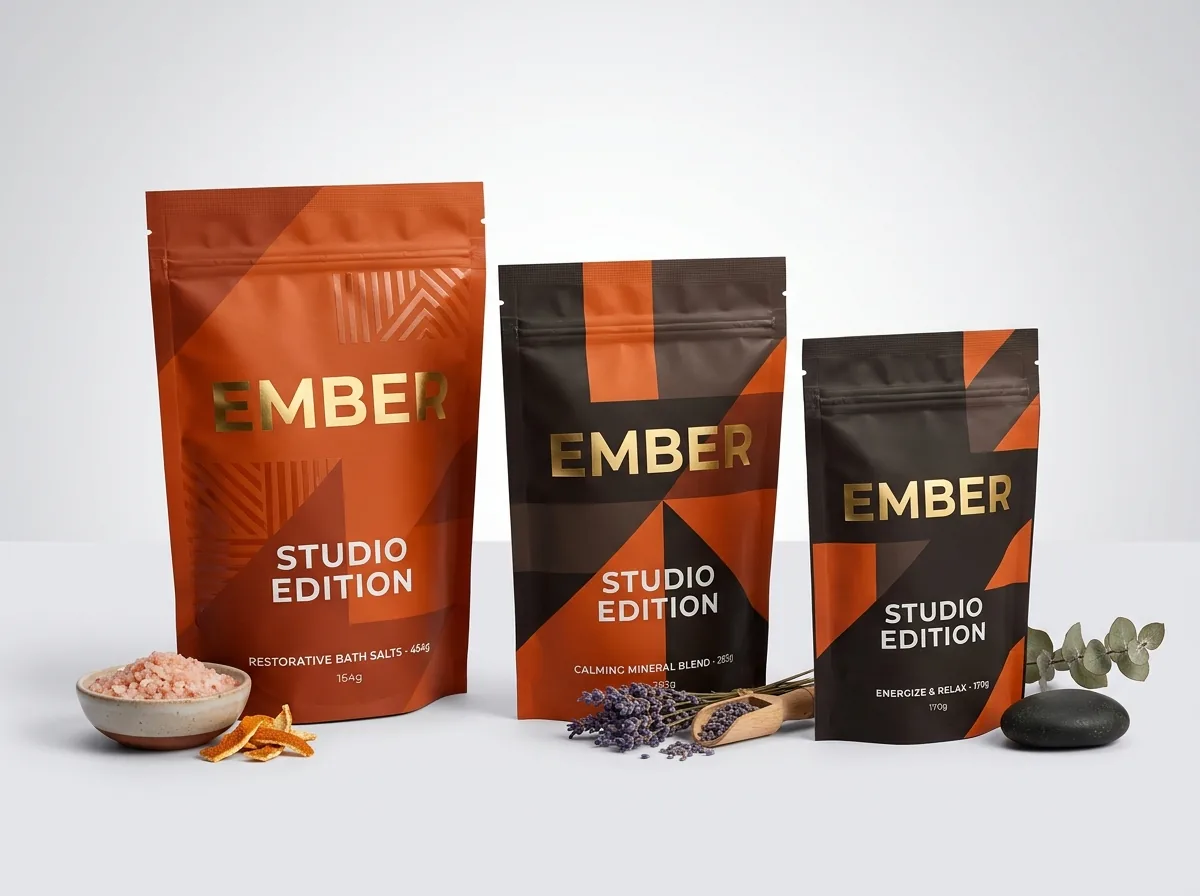
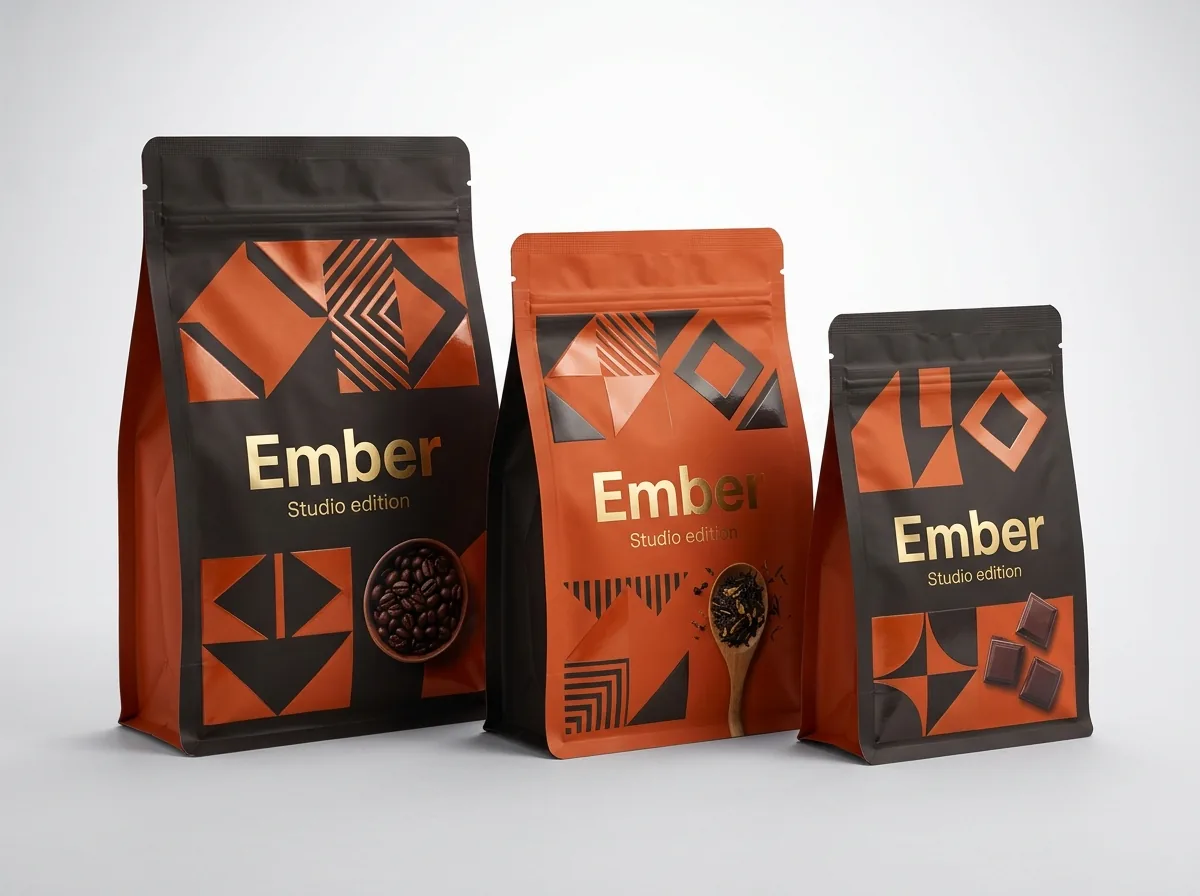
Ready to order mylar bags with window? Compare up to 3 quantities with a free 3D mockup.
Request a Quote →Questions about mylar bags with window
Does a white-ink knockout film window have an interior edge or seam?
No. Because the window is simply an unprinted zone on a continuous sheet of clear high-barrier film, the inside and outside surfaces are completely smooth with zero cutout lip, glue line or seam where powder could catch.
Is a die-cut kraft window mylar bag still airtight and moisture-resistant?
Yes. Only the outer brown kraft paper layer is die-cut before lamination; it is bonded over a continuous, unperforated clear inner barrier film and heat-seal layer that locks out moisture and air across the entire pouch.
Can I change the window shape between flavors without paying die charges?
On white-ink knockout film pouches, yes. Because the window shape is controlled by the white ink artwork layer rather than a physical steel cutting blade, each SKU can feature its own custom window silhouette at zero die cost.
Which window construction blocks the most UV light?
A clear-front / metallized-back pouch blocks 100% of light from the back and sides while showing product in front, or you can use a white-ink knockout pouch with a small lower peek window so 85% of the bag remains opaque.
Are both knockout film and kraft window pouches available with food-safe liners?
Yes. Food-safe inner seal layers are available on request for all window pouch constructions. When your bag holds food, tea, supplements or pet treats, we produce the order in a certified partner facility and share certificates on request.
How long does it take to get custom window mylar bags in either style?
Standard turnaround is 10-14 business days after proof approval and payment, with a 4-5 business day rush option quoted per order. Every order includes free design help, a 2D proof and 3D mockup before payment, and free US shipping.
Still have a question? Ask a packaging specialist.
Request a Quote →Request your mylar bags with window quote
Tell us your size and quantities, and one dedicated account manager prepares pricing for each tier.
- Free design & AI-to-print studio + 3D mockup
- No die or plate charges · 4–5 day rush available
- Free shipping to all 50 states
- 10% off your first order
The laminate comparisons in this guide reflect standard flexible converting methods for reverse-printed clear barrier films, registered paper-film laminations, and two-web clear/metallized pouches. A CubitPack packaging specialist reviewed every row. Spot something wrong? Tell us and we will fix it.
Sources
What changed
- October 22, 2026: First published.
- October 22, 2026: Updated specifications, terminology, and verified source links.
More guides
New packaging guides by email
Sizes, materials and design tips. Unsubscribe anytime.