
How do you design custom watch boxes with warranty pockets and strap slots?
Short answer: Store flat ISO warranty cards (3.37 × 2.125 in) inside a glued lid pocket, and place thicker instruction booklets or polishing cloths under a ribbon-pull false floor beneath the watch cushion. Start your layout on custom watch boxes with free structural design help.
On this page
- Where should warranty cards, manuals and tools sit inside a watch box
- Inside-lid pocket vs false floor: which works better for warranty cards
- Which exterior wraps and foil finishes give watch boxes a horological feel
- Why should every rigid watch box have a folding carton outer sleeve
- What drives the unit cost of custom watch boxes and how can I lower it
- Common mistakes
- FAQs
Request a custom quoteFree dieline & 3D mockup
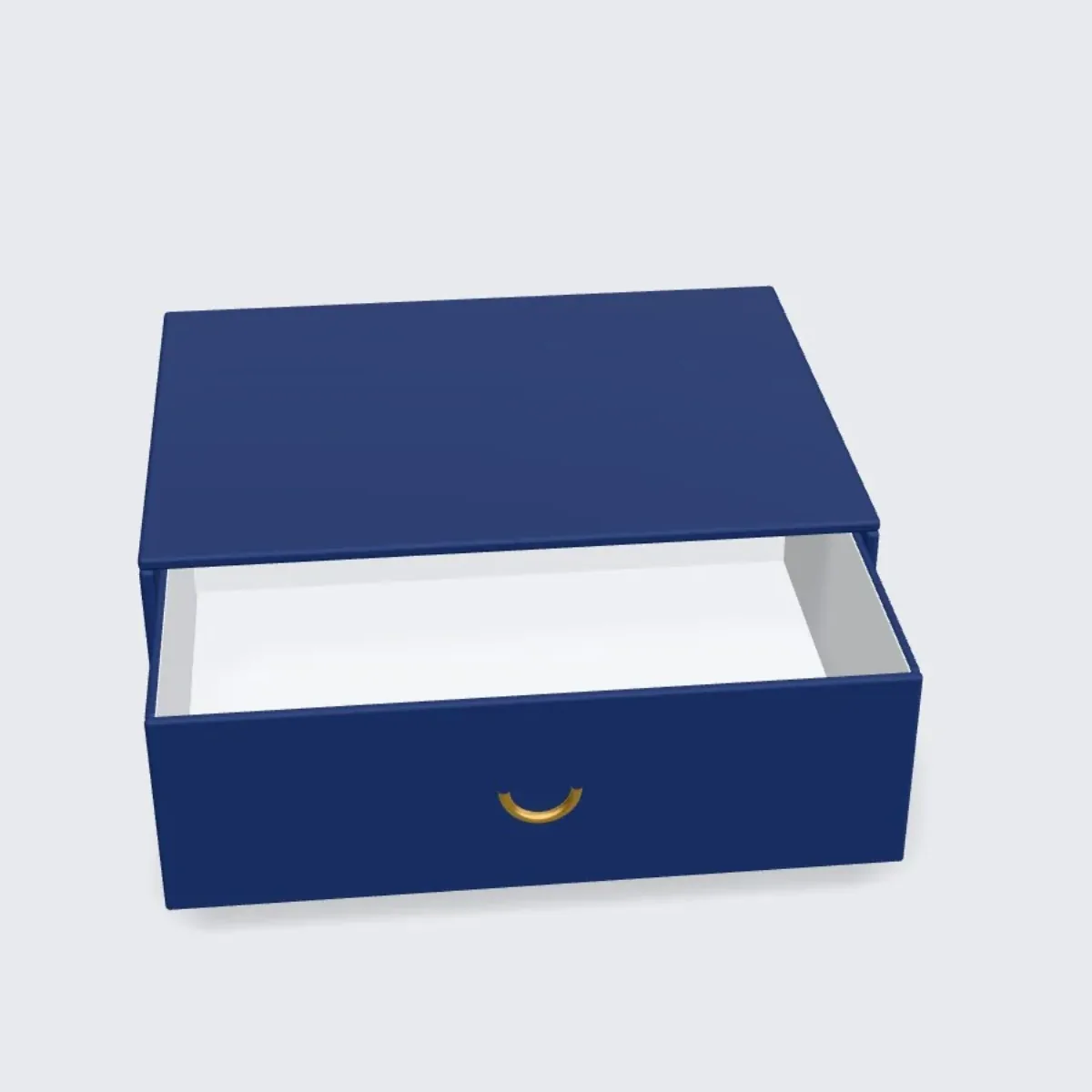
Designing a functional watch box requires organizing everything that ships with the timepiece (the watch head, warranty card, instruction manual, microfiber cloth, spare straps and spring-bar tool) so nothing rattles or rubs against the crystal. The cleanest interior architecture splits flat items from bulky items: a die-cut card pocket inside the top lid holds a 3.37 × 2.125 inch serial warranty card right at eye level when the box opens, while a rigid false floor underneath the EVA foam watch block hides thicker instruction booklets and polishing cloths. If your kit includes extra straps and a metal changing tool, die-cut separate side wells into the EVA foam with a 0.5 inch foam bridge between the metal tool and the watch head. At CubitPack, our designers build your complete box, pocket and foam dielines for free starting from 50 units.
Where should warranty cards, manuals and tools sit inside a watch box?
Watch buyers keep their presentation boxes for years to store warranty papers, spare bracelet links and chronometer certificates. If those papers are simply dropped loose on top of the watch cushion at the fulfillment table, they slide around during transit and hide the watch dial when the buyer lifts the lid for the first time. Instead, assign each insert item to one of four dedicated zones inside your custom rigid watch boxes: the inside lid panel, a hidden false floor beneath the main cushion, side wells in the main EVA foam tray, or an outer protective sleeve. The table below shows the standard dimensions and best placement for every watch accessory.
| Insert or accessory | Typical item size | Best box compartment & clearance |
|---|---|---|
| Plastic or heavy stock warranty card | 3.37 × 2.125 in (ISO credit card) | Inside lid die-cut slit pocket (3.6 × 2.4 in) |
| Folded movement manual & certificate | 3.5 × 3.5 in (up to 0.25 in thick) | Under-cushion false floor with ribbon pull (0.6 in deep) |
| Microfiber watch polishing cloth | 6 × 6 in folded to 3.5 × 3.5 in | Under-cushion false floor beneath manual |
| Spare leather, rubber or NATO strap | 4.75 × 0.85 in & 3.0 × 0.85 in pieces | Parallel EVA foam slot with 0.5 in wall gap |
| Metal spring-bar changing tool | 5.0 to 5.5 in long × 0.25 in diameter | Recessed EVA tool channel with finger notch |
| Removed stainless steel bracelet links | 1.5 × 1.0 in small pouch | False floor corner cavity or small velvet pouch |
Inside-lid pocket vs false floor: which works better for warranty cards?
An inside-lid pocket and a false floor serve two different purposes, and many watch brands use both in the same box. An inside-lid pocket is a folded paperboard sleeve or diagonal corner band glued directly to the interior ceiling of the top lid. Because it sits directly opposite the watch dial when the buyer opens a custom magnetic closure box or lifts off a telescopic lid, a gold-foil warranty card tucked into that pocket acts as the visual header of the unboxing experience. However, an inside-lid pocket should only hold flat items under 0.1 inch (2.5 mm) thick, such as a single PVC warranty card or a two-page certificate of authenticity. If you stuff a 32-page multi-language movement booklet into a lid pocket, the pocket bulges downward and can press against the watch crystal. For thick manuals, microfiber cloths and spare bracelet links, use a rigid card false floor with a satin ribbon pull tab underneath the main EVA foam block.
- Inside-lid slit or pocket: best for a single 3.37 × 2.125 in warranty card or serial number plate positioned at eye level.
- Ribbon-pull false floor: best for multi-page caliber manuals, polishing cloths and small pouches of extra links.
- Side-by-side book well: in wider book-style boxes, place a recessed card well on the left and the watch pillow on the right.
- Lid clearance check: always recess the watch bezel 0.5 in below the foam top when using an inside-lid pocket.
Which exterior wraps and foil finishes give watch boxes a horological feel?
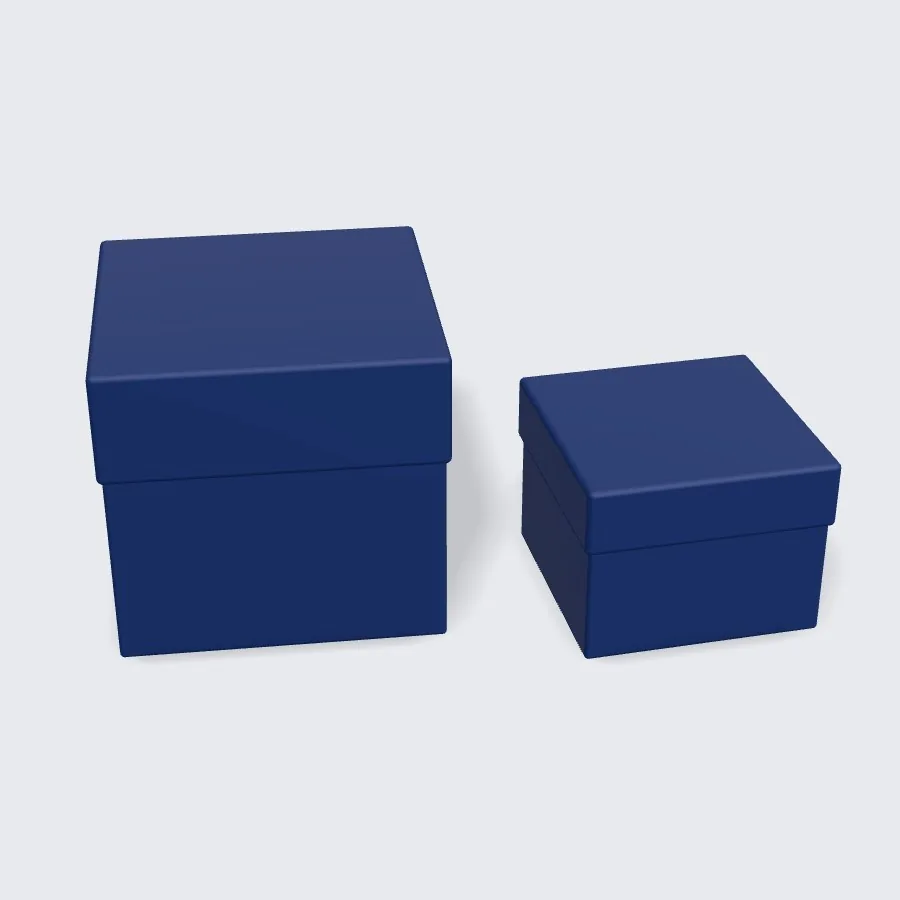
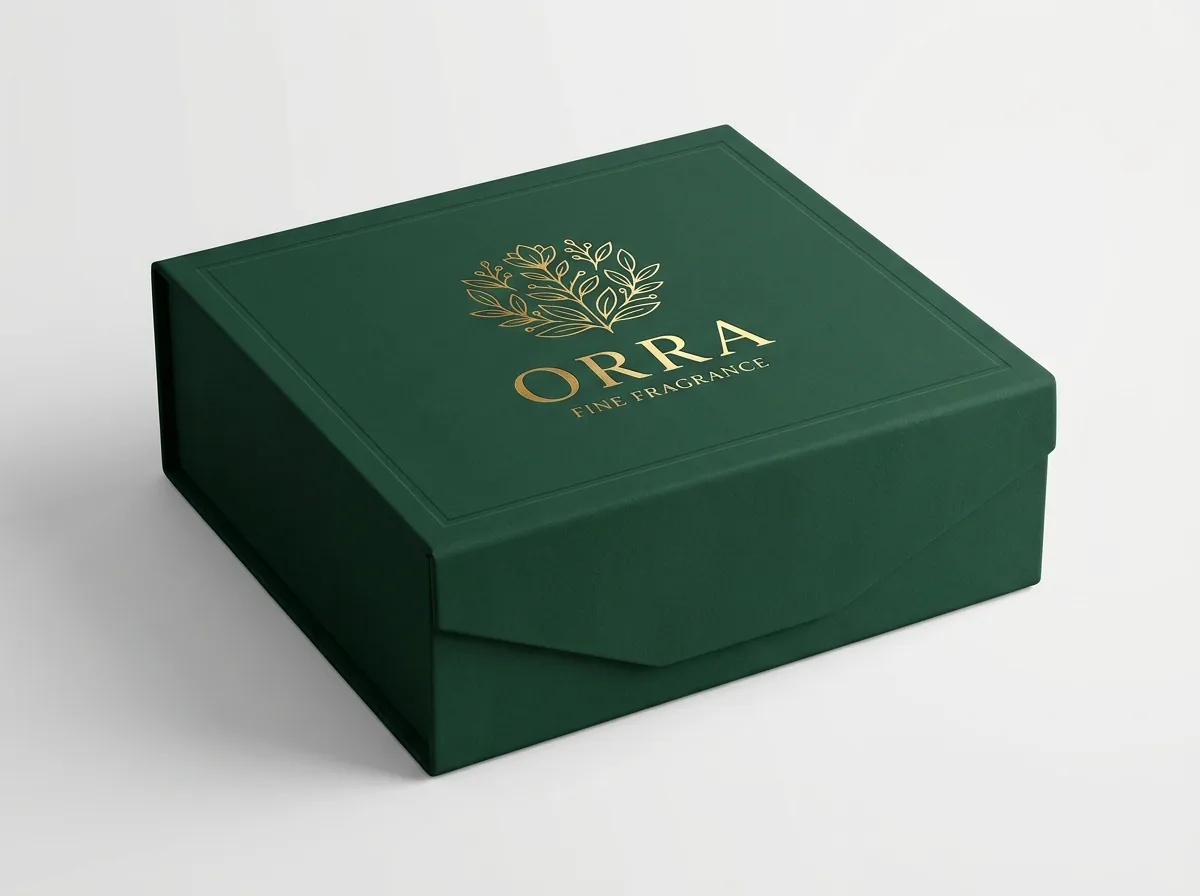
The visual language of watchmaking favors restrained, high-contrast finishes over busy four-color graphics. Most microbrands and independent watchmakers wrap their rigid chipboard in a single deep Pantone shade (such as midnight navy, British racing green, matte charcoal or warm espresso) and pair it with a tactile surface treatment and a single metallic accent. If you choose a smooth litho-printed paper wrap, protect dark solid ink with soft-touch lamination or anti-scuff matte lamination so oil from fingers never leaves shiny patches during retail handling. Then add one focal detail on the center of the lid: a hot-stamped gold, silver or rose-gold foil emblem, or a blind debossed monogram pressed deep into the board. On custom shoulder-neck boxes, wrapping the exposed 0.5 inch inner neck ring in a contrasting metallic gold or cream stock creates a clean horizontal band all the way around the closed box.
Know your size? Compare pricing across up to 3 quantities.
Request a Quote →Why should every rigid watch box have a folding carton outer sleeve?
Spend five minutes in a watch collector forum and you will hear buyers talk about receiving a watch with "full box and papers", including the outer cardboard sleeve or packer box. In the watch industry, a rigid presentation box is treated as part of the product itself, not as disposable shipping material. If a warehouse worker sticks a thermal FNSKU barcode label directly onto a soft-touch rigid watch box, peeling that sticker off ruins the lid. Adding a matching custom sleeve box or a two-piece folding carton outer box solves three problems at minimal cost. First, it acts as a sacrificial dust jacket that prevents scuff marks while boxes sit on warehouse shelves or travel inside corrugated mailers. Second, it gives you a clean back or bottom panel for SKU barcodes, model reference numbers and regulatory markings so the rigid box inside stays completely free of stickers. Third, it lets you share one universal rigid watch box across multiple watch models while swapping only the lower-cost outer sleeve.
What drives the unit cost of custom watch boxes and how can I lower it?
While CubitPack never charges die or plate fees and starts rigid watch box orders at just 50 units, four structural choices have the biggest impact on your unit quote: box style complexity, total cubic size, interior insert layers, and specialty wrap finishes. A standard two-piece telescopic rigid box or a sliding drawer box uses fewer assembly steps than a three-part shoulder-neck box or a hinged clamshell case with concealed magnets. If you are launching a new watch collection with three dial colors (for example, black, blue and silver), avoid splitting a 150-box order into three separate 50-box rigid runs. Order 150 identical rigid watch boxes stamped with your brand crest, and differentiate the three dial SKUs using custom printed warranty cards or outer sleeves. Consolidating into a single 150 or 250 unit tier lowers your per-box cost while keeping every timepiece in a heavyweight presentation case.
- Consolidate rigid runs: use one core rigid box across all dial variants and vary the outer sleeve or insert card.
- Keep the footprint compact: a 4.25 × 4.25 × 3.5 in cube uses roughly 35% less chipboard (gray board) than an oversized 6 × 6 in box.
- Pick one hero finish: hot foil stamping on a soft-touch wrap looks cleaner and costs less than combining foil, spot UV and embossing.
- Compare 3 quantities: enter 50, 100 and 250 boxes in our quote form to see the exact price breaks side by side.
What are the most common watch box design mistakes?
A luxury watch box should feel effortless to open and re-pack. Check these five structural and prepress mistakes before approving your 3D mockup
- Stuffing a thick multi-page instruction booklet into a shallow inside-lid pocket, causing the pocket to bow downward and rub against the watch crystal.
- Designing a false floor with zero finger notch or ribbon pull tab, forcing the buyer to pry the divider out with a fingernail.
- Printing model-specific SKU barcodes directly on the lid or base of the rigid presentation case instead of on an outer sleeve.
- Using dark unlaminated paper wrap on a two-piece rigid box, which shows fingerprints and white corner wear after repeated opening.
- Placing fine metallic foil text smaller than 6 pt on heavily textured linen wrap paper where deep paper grain breaks up thin strokes.
Find your size
Suggested inside size: 3.75 × 3.75 × 3 in
A starting point. Your account manager confirms the size with you before the proof.
Quote this size →Packaging for this




Ready to order watch boxes? Compare up to 3 quantities with a free 3D mockup.
Request a Quote →Questions about watch boxes
What size should an inside-lid pocket be for a standard watch warranty card?
Because standard plastic and heavy cardstock warranty cards measure 3.37 × 2.125 inches (ISO credit-card size), we design the inside-lid pocket or diagonal slit band at 3.6 × 2.4 inches with a small thumb notch so the card slides in and out cleanly.
Can you print our watch warranty cards and instruction inserts along with the box?
Yes. We produce custom insert cards, thank-you cards and folded product booklets alongside your rigid watch boxes so the paper stock, Pantone colors and metallic foil stamping match your presentation case.
How does a false floor work inside a custom watch box?
A false floor is a rigid paperboard platform covered in matching wrap paper or velvet that sits on an internal ledge 0.5 to 0.65 inch above the bottom of the box. The EVA foam watch cradle rests on top, and a satin ribbon tab lifts the floor to reveal manuals underneath.
Do I need artwork files ready before I request a watch box quote?
No. You can request a quote with just your box style, inside dimensions and quantity. Once you are ready, our team provides free custom dielines for the box, foam insert and lid pocket, plus free design help and a 3D mockup before payment.
Can I use an AI-generated emblem or dial illustration on my watch box?
Yes. If you created a crest, vintage map or horological illustration with an AI tool, send it with your quote. Our prepress team vectorizes line art for hot foil stamping and upscales raster artwork so it prints sharply.
How do I get the best unit price on a 50 to 250 watch box order?
Keep the rigid box identical across all watch colorways in your launch and use printed warranty cards or outer folding carton sleeves to mark each SKU. Also remember that first-time CubitPack customers receive 10% off and we beat written US competitor quotes.
Still have a question? Ask a packaging specialist.
Request a Quote →Request your watch boxes quote
Tell us your size and quantities, and one dedicated account manager prepares pricing for each tier.
- Free design & AI-to-print studio + 3D mockup
- No die or plate charges · 4–5 day rush available
- Free shipping to all 50 states
- 10% off your first order
The compartment dimensions, ISO 7810 card tolerances and structural layout guidelines in this post come from CubitPack prepress standards for rigid watch boxes and custom EVA inserts. A packaging specialist checked every detail. Spot something wrong? Tell us and we will fix it.
Sources
What changed
- October 22, 2026: First published.
- October 22, 2026: Updated specifications, terminology, and verified source links.
More guides
New packaging guides by email
Sizes, materials and design tips. Unsubscribe anytime.