
How do I design custom nut boxes with oil barriers and allergen labels?
Short answer: Design custom nut boxes with grease-resistant interior liners on request when roasted nuts touch the board directly, and pair exterior matte or soft-touch lamination with deep contrasting colors like forest green or burgundy. Always list the exact FDA-required tree nut species (such as almond, cashew, pecan, or walnut) on the information panel.
On this page
- Why do roasted nuts stain paperboard and which barriers stop oil wicking
- Which board stocks and laminations work best for retail and holiday nut boxes
- What does the FDA require for tree nut and peanut allergen labels on boxes
- How do I choose box colors and inside-lid flavor maps that boost gift appeal
- How can I lower the cost per box on retail and holiday nut runs
- Common mistakes
- FAQs
Request a custom quoteFree dieline & 3D mockup
Designing packaging for roasted peanuts, tree nuts, and candied orchard mixes requires solving three technical challenges that ordinary dry-good cartons never face: lipid wicking from high-oil kernels, visual contrast against warm golden-brown nuts, and strict federal allergen disclosure. Pecans, walnuts, macadamias, and oil-roasted salted cashews contain 50% to 75% natural fats by weight; if they rest directly against bare paperboard or dividers, oil migrates into the fibers and leaves dark grease blotches on the outside of the box. Pairing food-safe grease-resistant interior barriers on request with exterior lamination keeps gift trays spotless from roastery to doorstep. Meanwhile, the FDA Food Allergen Labeling and Consumer Protection Act (FALCPA) mandates naming the exact tree nut species on the box rather than printing a generic warning. At CubitPack, every order starts at 1,000 boxes with free design help and no die charges.
Why do roasted nuts stain paperboard and which barriers stop oil wicking?
Raw and roasted tree nuts are among the most oil-dense foods in the grocery store: macadamias and pecans are roughly 70% lipid by weight, walnuts are 65%, and almonds and cashews sit around 45% to 50%. Roasting brings those natural oils to the surface of the kernel, and butter-toffee or spiced glazes add even more surface fat. When loose nuts - or thin, porous paper cups - sit directly against untreated paperboard or cardboard divider strips, capillary action pulls the oil into the cellulose fibers within hours, creating translucent grease spots that bleed through the exterior ink. You can prevent oil staining in two ways when ordering custom printed nut boxes. For vertical retail cartons, sealing the kernels inside an inner metallized foil or poly barrier pouch isolates all oil and oxygen while letting you use standard white card, kraft, or recycled board for the outer carton. For open-cell 4-, 6-, and 8-compartment gift trays where nuts touch the tray walls and dividers directly, request food-safe grease-resistant inner liners and barriers produced through our certified partner facilities, and add exterior matte, gloss, or soft-touch lamination so oils never mark the outside cover.
- Very high oil content (70%+ fat): pecans, macadamias, pine nuts, Brazil nuts - always use a barrier pouch or grease-lined tray.
- High oil content (50%–65% fat): walnuts, hazelnuts, oil-roasted peanuts, butter-toffee and praline-glazed nuts.
- Moderate oil / dry-roasted (45%–50% fat): dry-roasted almonds, dry-roasted cashews, in-shell pistachios, yogurt- or chocolate-panned nuts.
Which board stocks and laminations work best for retail and holiday nut boxes?
Beyond stopping grease migration, your board and finish choices set the tone for orchard farm stands, grocery aisles, or executive holiday gifts. Natural brown kraft signals orchard-fresh pecans and organic raw walnuts, while bleached white paperboard delivers crisp Pantone color matching and metallic foil contrast. Use the table below to match your nut packing method to the right interior and exterior board combination.
| Packing method | Recommended interior surface | Recommended exterior finish |
|---|---|---|
| Nuts sealed in inner foil or poly bag | Standard uncoated interior board | Matte or gloss lamination for shelf scuff protection |
| Loose dry-roasted or in-shell nuts | Food-safe liner on request | Kraft board with white ink or matte laminated white card |
| Loose oil-roasted, salted, or glazed nuts | Food-safe grease-barrier liner on request | Matte or soft-touch lamination + full-height barrier dividers |
| Chocolate-dipped or yogurt-panned nuts | Food-safe smooth barrier liner on request | Soft-touch lamination with gold or copper foil stamping |
| Heavy 1.5 lb–3 lb mail-order gift chest | E-flute corrugated + lined divider grid | Laminated outer wrap + inside-lid printed flavor map |
What does the FDA require for tree nut and peanut allergen labels on boxes?
Peanuts and tree nuts are two of the nine major food allergens regulated under the US Food Allergen Labeling and Consumer Protection Act (FALCPA) and FDA 21 CFR 101. One of the most common compliance mistakes on custom nut packaging is printing a generic 'Contains: Tree Nuts' statement on the back panel. Under federal FDA rules, tree nut declarations must state the specific common or usual name of each nut species inside the box - for example, 'Contains: Almonds, Cashews, Pecans, Pistachios, and Walnuts.' If your roastery processes both peanuts (a legume) and tree nuts on shared roasting drums or seasoning tumblers, include a clear advisory statement below the mandatory 'Contains' line, and don't forget to declare milk (for butter-toffee glazes or milk chocolate coatings), soy (for soy lecithin in chocolate coatings), wheat, or sesame (in savory pub mixes). When you pair your boxes with custom food labels on inner bags, verify that every allergen species listed on the inner pouches appears on the outer gift box.
- Name the exact tree nut species required by FDA FALCPA: almond, Brazil nut, cashew, hazelnut (filbert), macadamia, pecan, pine nut, pistachio, or walnut.
- List peanuts separately from tree nuts, plus milk, soy, wheat, egg, or sesame if used in glazes or coatings.
- Place the net weight in both ounces/pounds and grams (e.g., Net Wt 16 oz (1 lb) 454 g) in the lower 30% of the front panel.
- Keep nutrition facts and allergen text in high-contrast dark ink on a light panel at least 1/8 inch inside fold scores.
- Ensure outer gift box allergen declarations match every inner pouch label when packing multi-flavor holiday assortments.
Know your size? Compare pricing across up to 3 quantities.
Request a Quote →How do I choose box colors and inside-lid flavor maps that boost gift appeal?
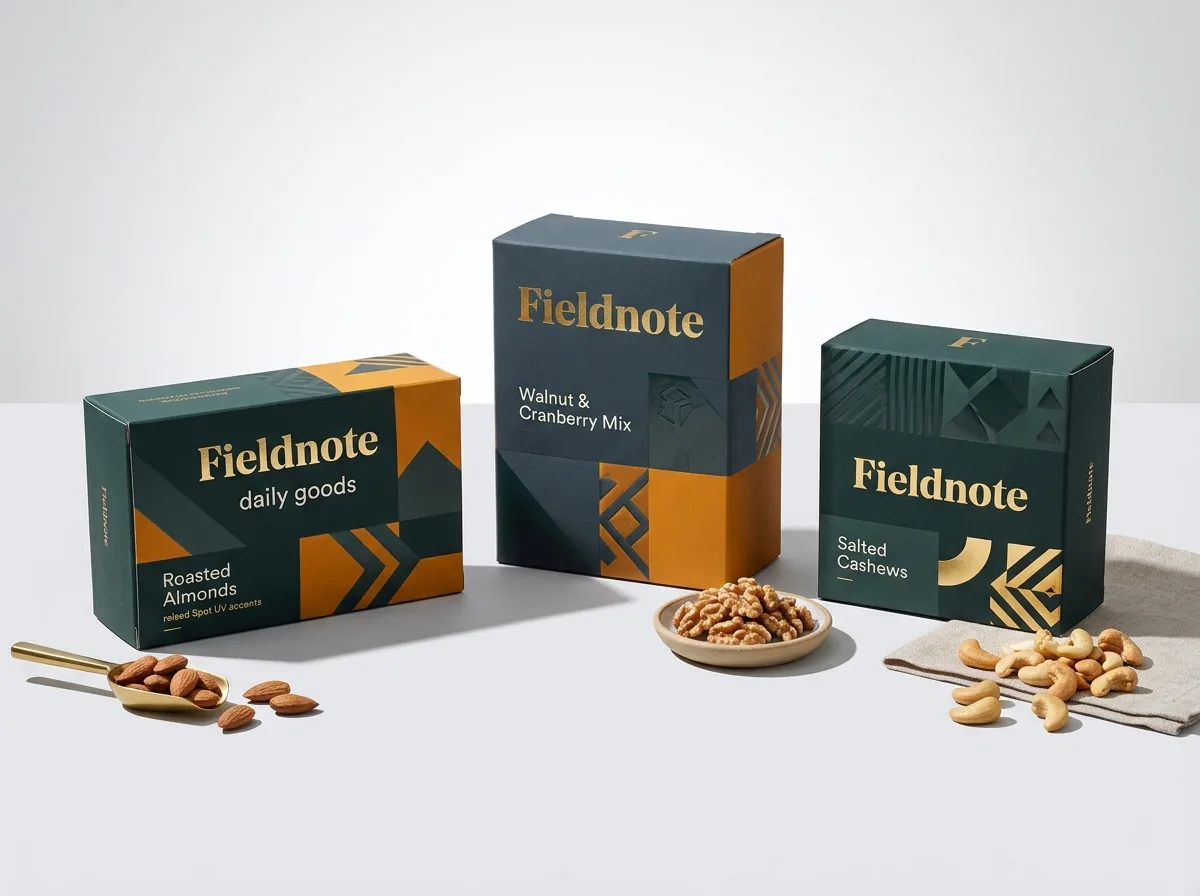
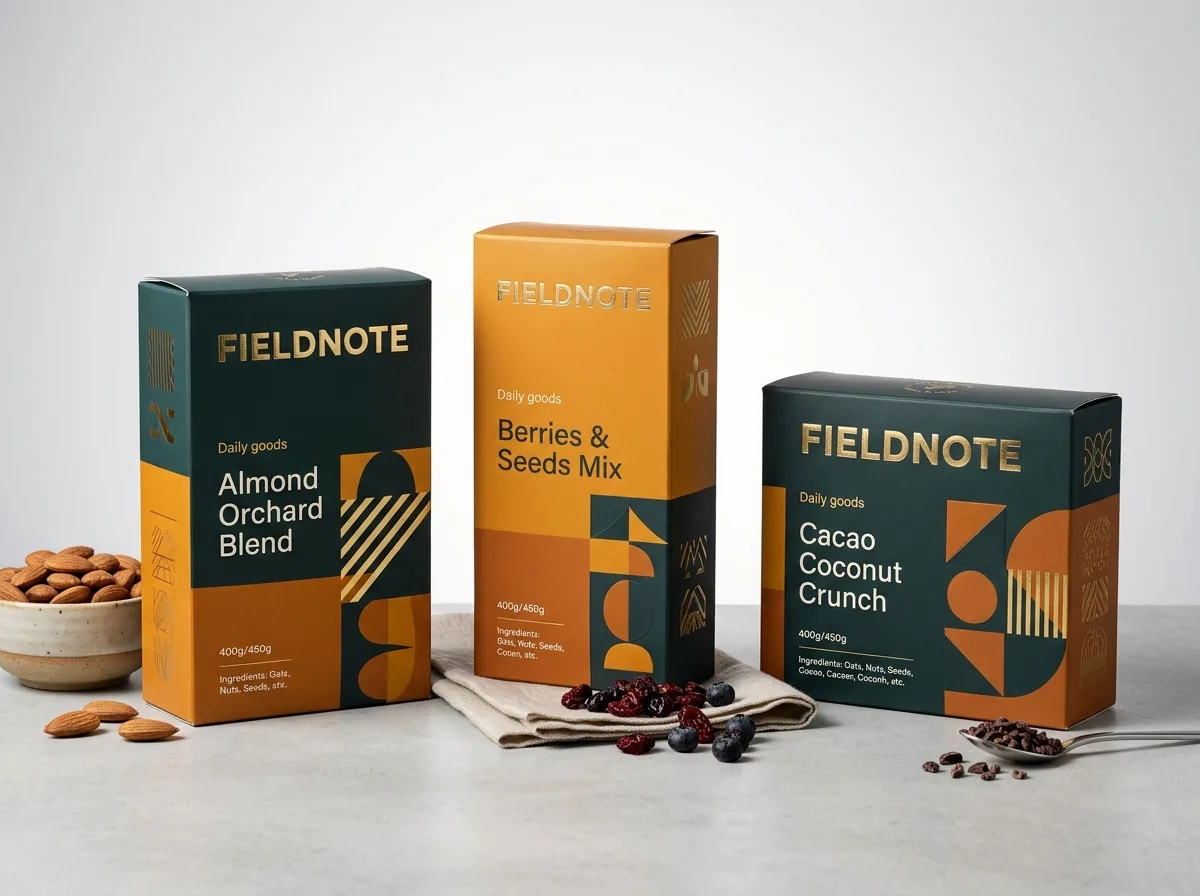
Roasted almonds, pecans, walnuts, and cashews all sit in the same warm tan-to-mahogany color family. If you print a tan, beige, or warm brown graphic around a clear window, the nuts inside blend into the carton and look flat from three feet away. Choosing deep, cool or jewel-toned exterior colors - such as forest green, midnight navy, deep burgundy, or matte charcoal - creates instant visual contrast that makes golden cashews, emerald pistachio kernels, and glossy praline pecans pop through the window. On 4-, 6-, and 8-compartment holiday assortments, always use inside printing on the underside of the lid to add a visual flavor map. Drawing a simple grid on the inside lid that labels each cell ('Top Left: Rosemary Sea Salt Marcona Almonds · Top Right: Bourbon Praline Pecans') turns unboxing into a guided tasting experience and eliminates the cost of printing and hand-stuffing a separate paper menu card.
How can I lower the cost per box on retail and holiday nut runs?
Four variables drive the unit price of custom nut boxes: box dimensions, compartment divider count, board stock, and specialty finishes. To keep unit costs low on your year-round 8 oz grocery cartons, standardize all flavors onto one exact auto-lock dieline and group your almond, cashew, pecan, and trail mix artworks into a single combined order. For seasonal Q4 corporate gift trays, you can use one universal printed base tray and divider grid all year, then swap a custom printed outer sleeve or belly band for Thanksgiving, Christmas, Lunar New Year, and corporate client logos. First-time orders at CubitPack receive 10% off, and we beat any written quote from a US competitor for identical specifications, with free design support, zero die or plate charges, and free delivery across all 50 US states. Before production begins, you review a full digital dieline proof and interactive 3D mockup to confirm every window, divider slot, and allergen callout.
What are the most common custom nut box design mistakes?
Oil migration, low color contrast, and incomplete allergen callouts are the top pitfalls on nut packaging. Check these five items before approving your digital proof
- Writing 'Contains: Tree Nuts' on the back panel instead of listing the specific FDA-required species (almond, cashew, pecan, pistachio, walnut).
- Forgetting to specify grease-resistant board on the internal divider strips as well as the base tray when packing loose oil-roasted nuts.
- Surrounding a front window with tan or light brown ink that blends into the color of roasted almonds and pecans.
- Leaving the underside of a 6- or 8-compartment gift lid blank instead of printing an inside-lid flavor map.
- Forgetting to declare milk or butter allergens on butter-toffee peanuts, praline pecans, and chocolate-dipped almonds.
Find your size
Suggested inside size: 3.5 × 2.0 × 5.0 in
A starting point. Your account manager confirms the size with you before the proof.
Quote this size →Packaging for this
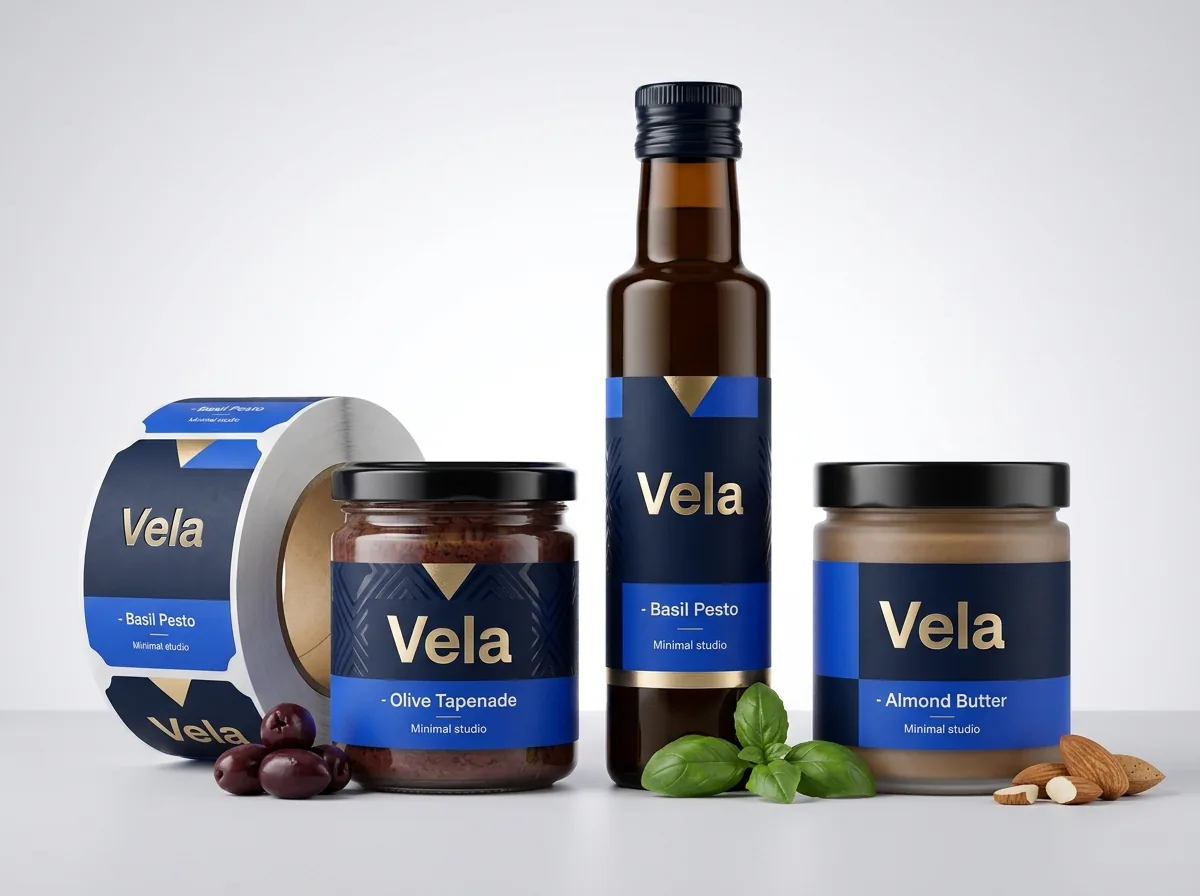
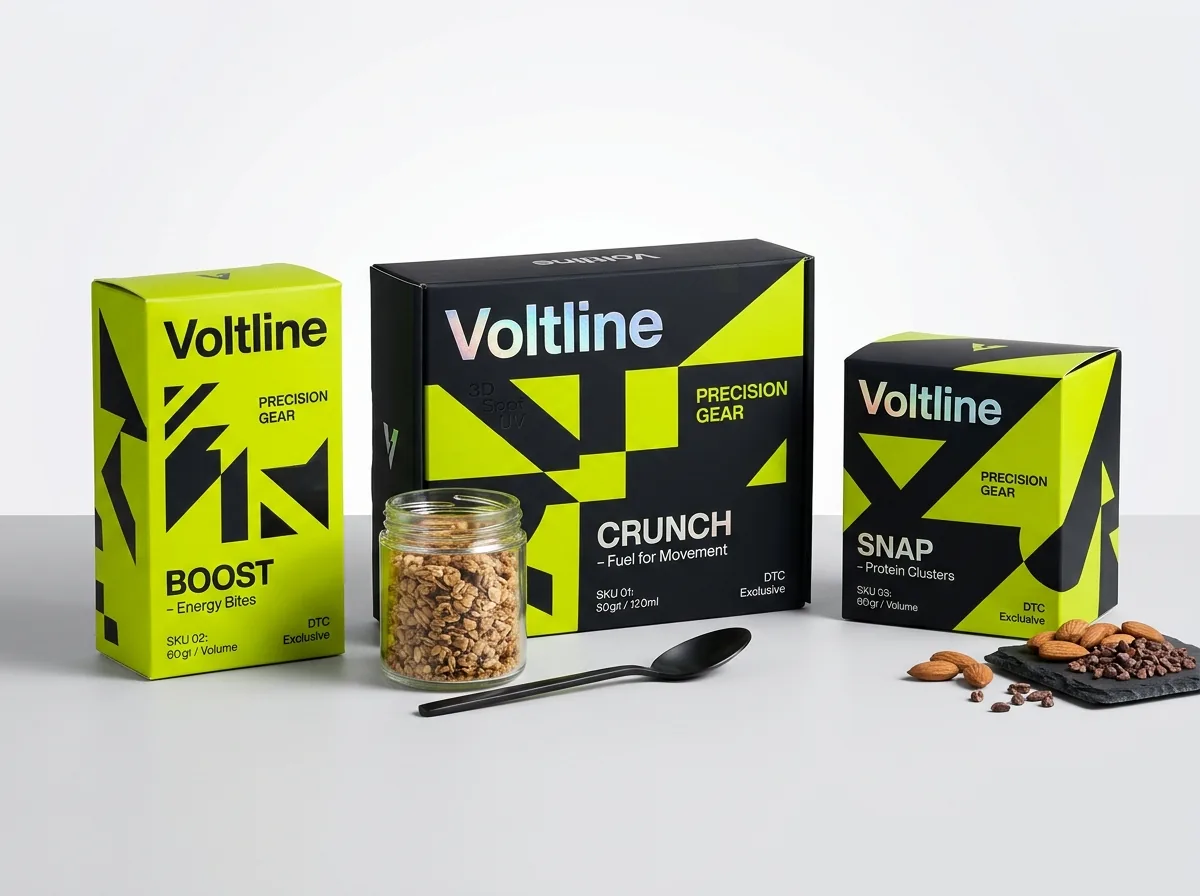
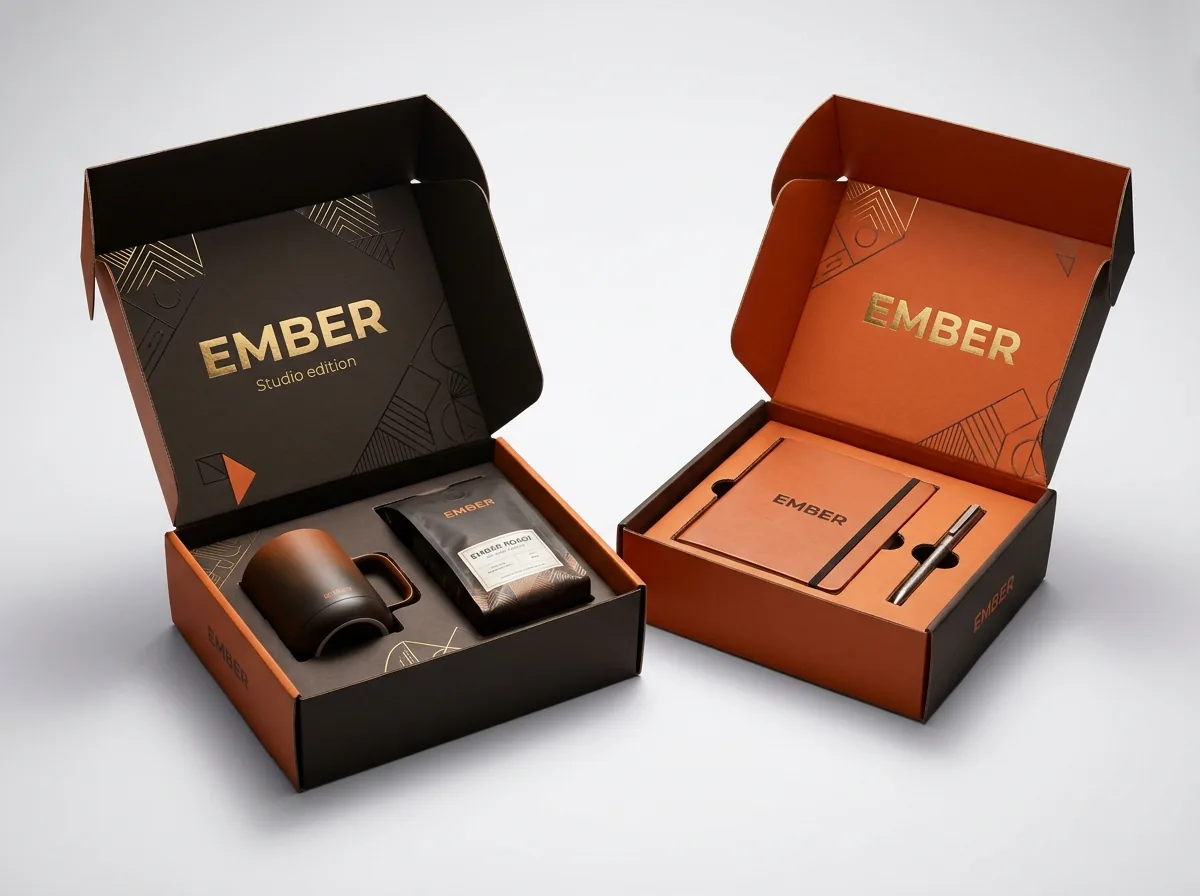
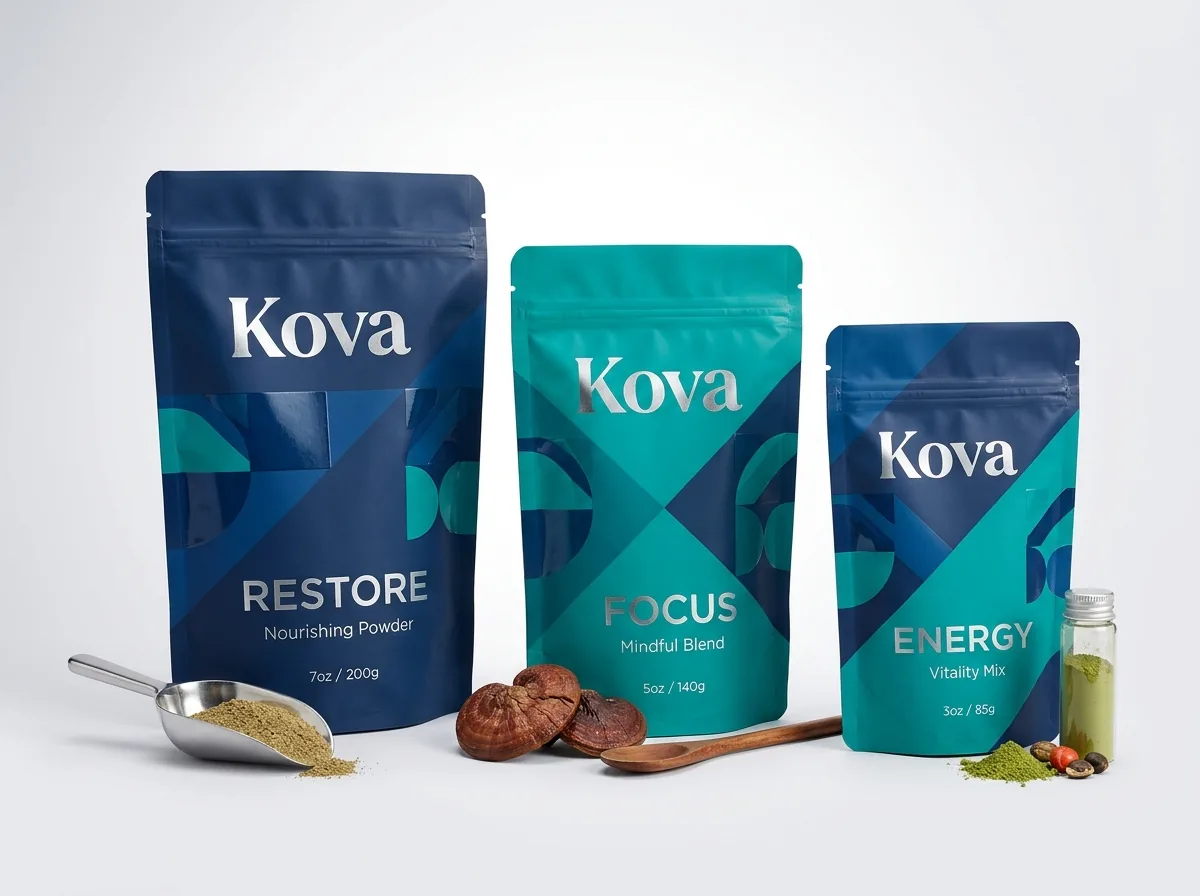
Ready to order nut boxes? Compare up to 3 quantities with a free 3D mockup.
Request a Quote →Questions about nut boxes
What is the exact FDA rule for labeling tree nuts on custom packaging?
Under the FDA Food Allergen Labeling and Consumer Protection Act (FALCPA), you must declare the specific type of tree nut by its common name - such as almond, cashew, hazelnut, macadamia, pecan, pistachio, or walnut - either in the ingredient list or in a 'Contains' statement right next to it.
Do I need an oil barrier if my roasted nuts sit inside sealed pouches?
No. When nuts are sealed inside inner foil or poly barrier pouches, the bag contains all natural oils and salt. Standard white paperboard, kraft board, or recycled board works well for the outer folding carton or gift box.
Can you print a flavor guide on the inside lid of a two-piece nut box?
Yes. Inside-lid printing is a standard option at CubitPack. Printing a diagram of your 4, 6, or 8 nut compartments directly on the inside lid saves the cost and packing labor of a loose paper insert card.
Can I combine multiple 8 oz nut flavors in one production run?
Yes. When your salted almonds, roasted cashews, and honey pecans share the exact same carton dieline and board stock, we can run multiple artwork designs together. Select 2 designs or 3+ designs in the quote form.
Does gold foil stamping work on natural brown kraft nut boxes?
Yes. Metallic gold, copper, and bronze foil stamping looks striking on natural brown kraft board, especially when paired with forest green or deep burgundy ink for autumn orchard and holiday gift sets.
What if I need help laying out my dieline, flavor map, and nutrition panel?
Every CubitPack order includes free custom dieline templates and free design help, plus a digital proof and 3D mockup before payment. Full Brand Identity design is also available ($250 for 3 options, +$50 per extra round).
Still have a question? Ask a packaging specialist.
Request a Quote →Request your nut boxes quote
Tell us your size and quantities, and one dedicated account manager prepares pricing for each tier.
- Free design & AI-to-print studio + 3D mockup
- No die or plate charges · 4–5 day rush available
- Free shipping to all 50 states
- 10% off your first order
This guide synthesizes FDA FALCPA tree nut and peanut labeling rules with paperboard lipid-barrier requirements and retail color-contrast principles. A CubitPack packaging specialist verified every section. Spot a mistake? Let us know and we will fix it.
Sources
What changed
- October 22, 2026: First published.
- October 22, 2026: Updated specifications, terminology, and verified source links.
More guides
New packaging guides by email
Sizes, materials and design tips. Unsubscribe anytime.