
How Do E-Flute, B-Flute, and C-Flute Corrugated Boards Compare?
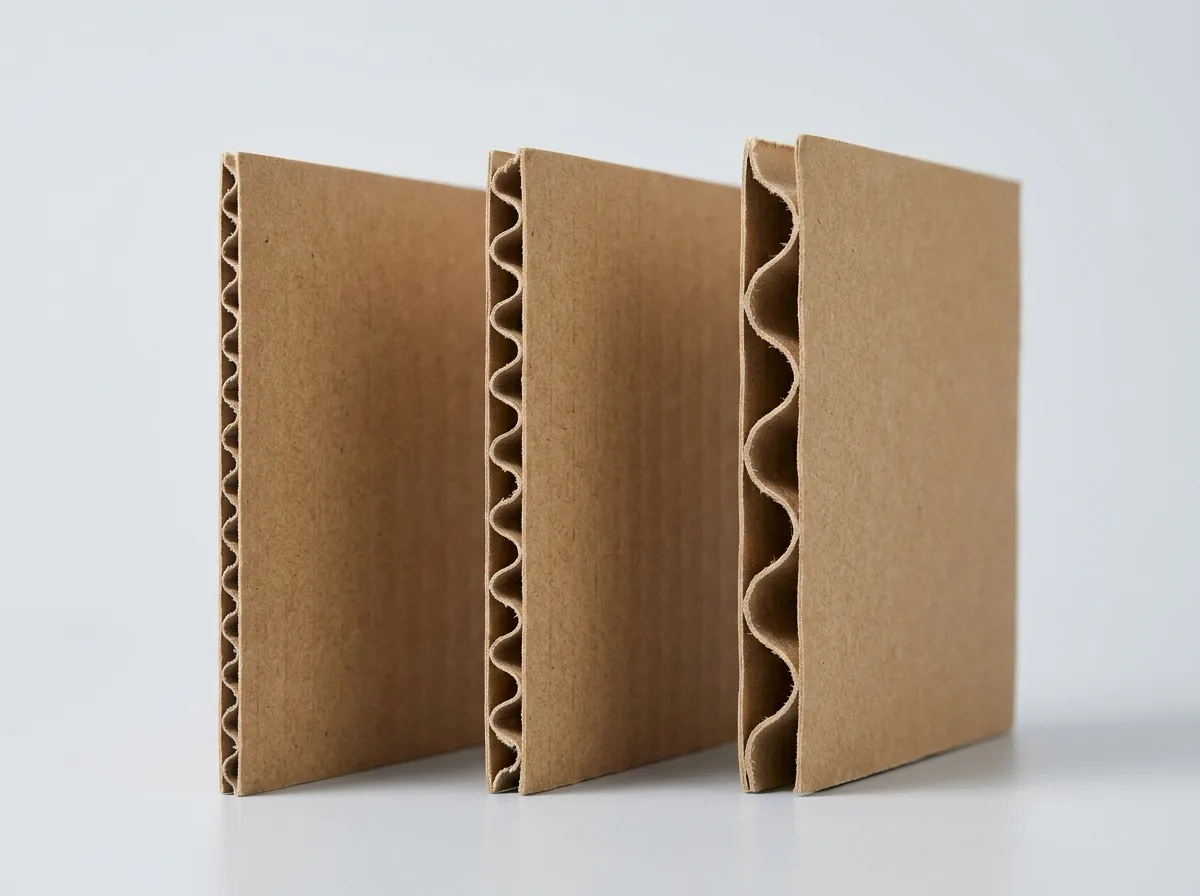
Short answer: E-flute (1/16 in) offers a smooth surface for retail print and mailers. B-flute (1/8 in) provides all-around transit crush protection and die-cutting flexibility. C-flute (3/16 in) delivers superior vertical stacking strength for heavy master shipping cases and palletized warehouse distribution.
On this page
- What are corrugated flutes and how are they manufactured
- What are the structural properties and benefits of E-flute board
- How does B-flute balance transit puncture resistance and folding flexibility
- Why is C-flute the industry standard for master shipping cartons
- How does flute profile selection affect direct flexographic print quality
- What are double-wall combinations such as BC-flute and EB-flute
- How do flute dimensions impact parcel carrier dimensional weight billing
- How do pallet utilization and warehouse storage density compare across flutes
- Common mistakes
- FAQs
Request a custom quoteFree dieline & 3D mockup
Choosing the correct corrugated flute profile determines your packaging container's vertical crush strength, impact cushioning, and outer print resolution. When specifying custom corrugated boxes, each flute architecture fulfills distinct logistics functions. E-flute features 90 flutes per linear foot at a slim 1/16-inch thickness, presenting an ultra-smooth exterior liner that eliminates unsightly fluting washboarding during flexographic and digital printing on direct-to-consumer mailers. B-flute incorporates 47 flutes per foot at 1/8-inch thickness, delivering balanced side-puncture resistance and sharp fold lines ideal for subscription boxes and retail display trays. C-flute incorporates 39 flutes per foot at 3/16-inch thickness, offering maximum vertical column compression strength for regular slotted shipping cartons. By selecting the optimal flute profile for your product weight and transit mode, brands eliminate freight transit damage while avoiding costly dimensional weight surcharges across parcel carrier networks.
What are corrugated flutes and how are they manufactured?
Corrugated flutes are continuous sinusoidal arches formed by steaming and pressing containerboard medium between heated corrugated rolls. Once shaped, starch-based adhesive bonds the fluted tips to outer and inner flat linerboards. This tri-laminate composite functions like an architectural bridge truss: the vertical flute arches resist perpendicular compressive forces, while the air pockets between flutes cushion internal contents against vibrational shocks. Flute profiles are standardized globally by flute height and linear frequency across paper manufacturing mills worldwide. Combining varied basis weights with precision corrugating allows packaging converters to customize strength for specific freight shipping modes. This structural sandwich produces exceptional strength while remaining lightweight for long-distance transport across all commercial trucking and rail networks.
What are the structural properties and benefits of E-flute board?
E-flute is the thinnest standard single-wall corrugated board, measuring approximately 1/16 inch (1.6 mm) in caliper with 90 flutes per linear foot. Because the flute tips are closely spaced, the exterior linerboard remains remarkably flat and uniform under pressure. This dense surface prevents washboarding, allowing razor-sharp flexographic, screen, and digital printing. E-flute is the premier choice for direct-to-consumer mailers, cosmetic subscription packaging, and retail product boxes where premium presentation must pair with parcel mailing durability. In addition, its compact caliper allows sharp die-cut creasing folds along intricate flap geometries, speeding up assembly lines in high-volume retail fulfillment operations.
How does B-flute balance transit puncture resistance and folding flexibility?
B-flute measures approximately 1/8 inch (3.2 mm) in thickness and features 47 flutes per linear foot. It provides an exceptional compromise between high compression stiffness and tight die-cut folding capability. The robust flute height delivers superior puncture resistance against sharp interior product corners and rough postal sorting conveyors. B-flute is widely utilized for canned food trays, beverage cartons, wine shippers, and heavy e-commerce mailers holding items weighing between five and twenty pounds. It absorbs heavy side impacts while maintaining crisp structural box corners during automated package sorting and transit handling across regional courier distribution hubs.
Know your size? Compare pricing across up to 3 quantities.
Request a Quote →Why is C-flute the industry standard for master shipping cartons?
C-flute is the most widely produced corrugated board profile worldwide, measuring 3/16 inch (4.0 mm) thick with 39 flutes per linear foot. Its tall fluted arches deliver immense vertical column compression strength, allowing master shipping cartons to stack safely up to five pallet tiers high in warehouses. According to the McKee formula for box compression strength, C-flute provides approximately twenty percent higher top-to-bottom compressive resistance than B-flute, making it the undisputed standard for wholesale freight distribution. The generous fluting cushion dampens heavy drops during freight transport, protecting delicate bulk consumer products against rough handling.
How does flute profile selection affect direct flexographic print quality?
Direct flexographic printing applies liquid ink onto corrugated board via flexible photopolymer plates mounted on rotating print cylinders. When printing across coarse C-flute or B-flute boards, the nip impression roller presses linerboard slightly into the valleys between flutes, producing faint alternating dark and light stripes known as washboarding. E-flute's high flute frequency (90 flutes/ft) provides continuous anvil support beneath the liner, completely preventing washboarding and enabling rich halftone graphics and fine typography without misregistration or dot gain defects that compromise branding. For fine retail art on heavy boards, converters laminate pre-printed paper sheets over the flute structure.
What are double-wall combinations such as BC-flute and EB-flute?
When packaging exceptionally heavy or delicate industrial merchandise, single-wall fluting may not supply sufficient puncture resistance or stacking stability. Double-wall corrugated combines two fluted mediums and three flat liners into a unified board. BC-flute (combining 1/8-inch B-flute with 3/16-inch C-flute) measures 5/16 inch thick, providing immense 48 ECT to 51 ECT strength for industrial machinery. EB-flute pairs a smooth printable E-flute outer face with a shock-absorbing B-flute core. These dual-arch constructions support heavy freight loads up to 100 pounds without bulging under stacking pressure or puncturing during transit.
How do flute dimensions impact parcel carrier dimensional weight billing?
Major parcel couriers calculate shipping charges based on dimensional weight (DIM weight) whenever a package's volumetric size exceeds its actual scale weight. The standard domestic DIM factor divisor is 166 (or 139 for retail rates). Because C-flute adds 3/8 inch to total external box dimensions across Length, Width, and Height compared to E-flute, switching a high-volume compact mailer from C-flute to E-flute can reduce dimensional weight by a full billing pound, yielding thousands of dollars in annual postal savings. Logistics managers evaluate both scale weight and dimensional boundaries when choosing flute calipers.
How do pallet utilization and warehouse storage density compare across flutes?
Warehouse racking space and pallet transport efficiency directly influence total fulfillment operational costs. Because E-flute is one-third the thickness of C-flute, flat-packed E-flute carton bundles occupy roughly half the vertical pallet height of equivalent C-flute inventory. A standard 48x40-inch pallet can accommodate over 2,500 flat E-flute mailers compared to only 1,200 C-flute RSC cartons. When purchasing corrugated shipping boxes, evaluating pallet density helps operations teams optimize warehouse utilization. Increasing pallet capacity reduces inbound freight shipments and lowers warehouse handling costs.
What common corrugated packaging mistakes should you avoid?
Developing corrugated shipping containers requires balancing structural compression strength with material fiber efficiency. Packaging specialists identify four frequent errors
- Using coarse C-flute board for intricate photographic graphics, creating visible fluting washboarding stripes across brand artwork.
- Specifying thin E-flute for heavy master warehouse shippers over 30 pounds, leading to lower-tier pallet crush failure.
- Failing to account for flute thickness when sizing interior product dimensions, resulting in cramped product insertion.
- Ignoring dimensional weight calculations, incurring higher carrier postal freight fees by using unnecessarily bulky fluting.
Packaging for this
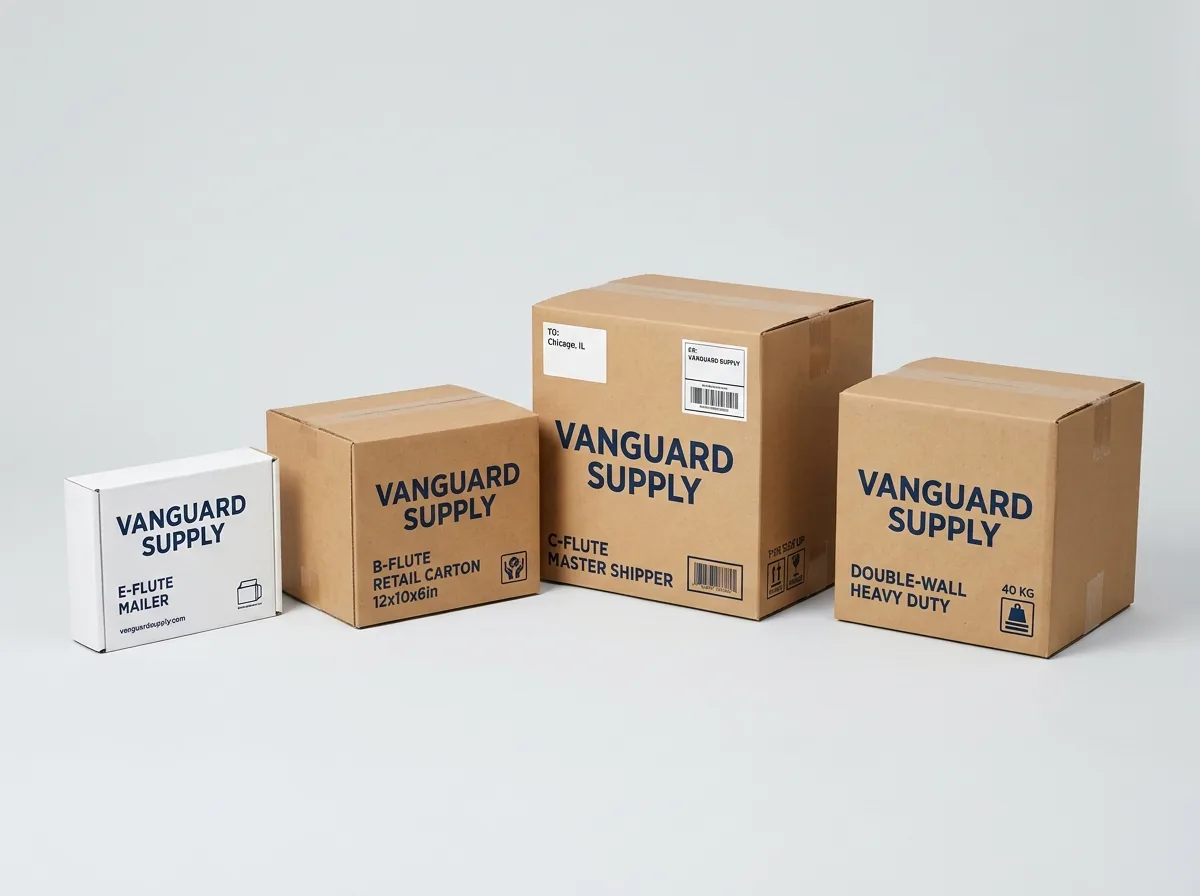
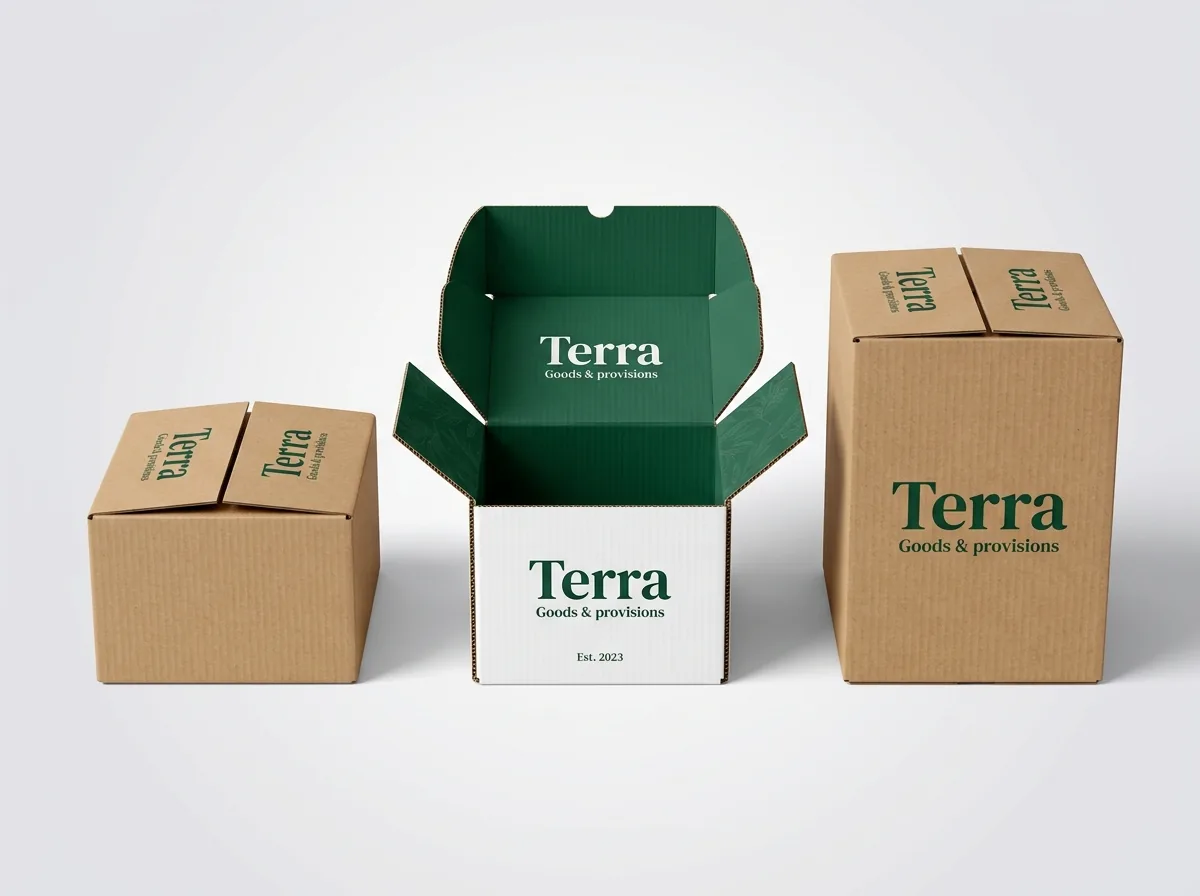
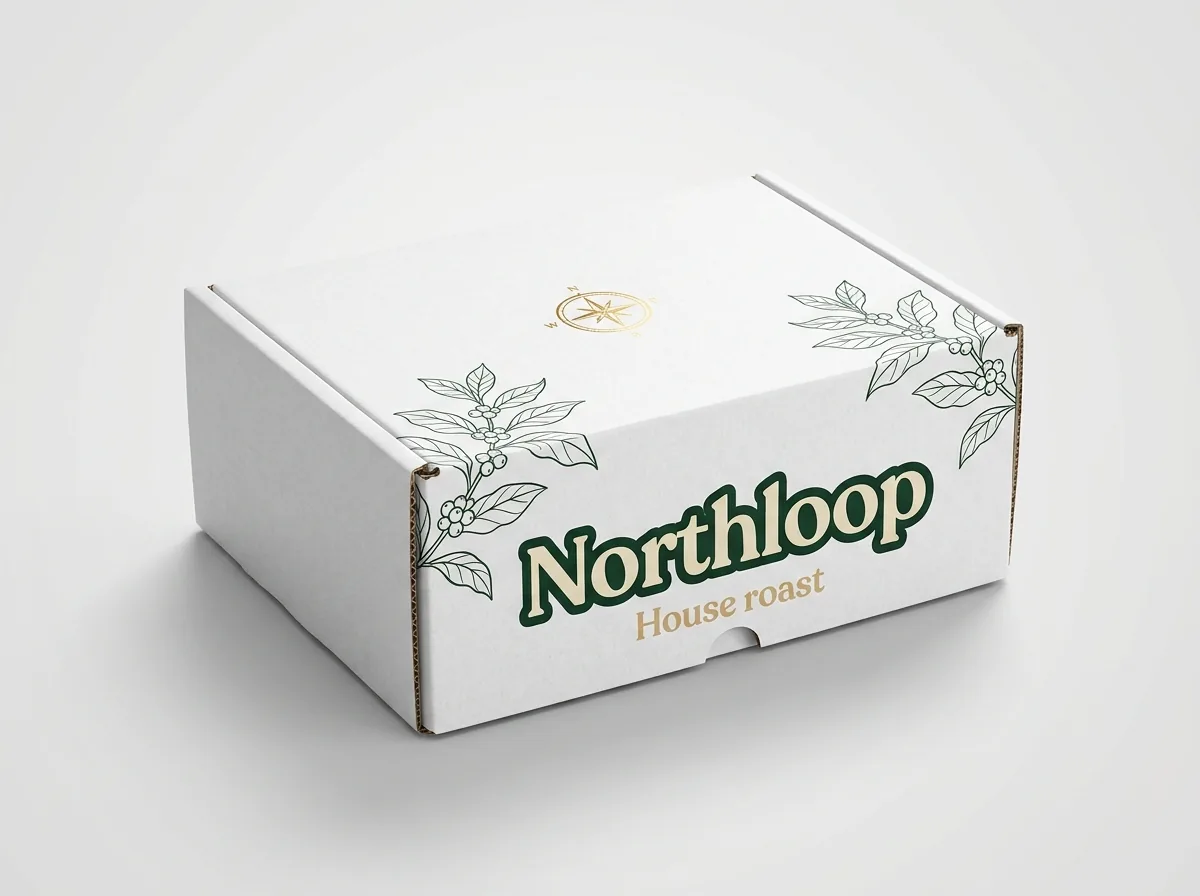

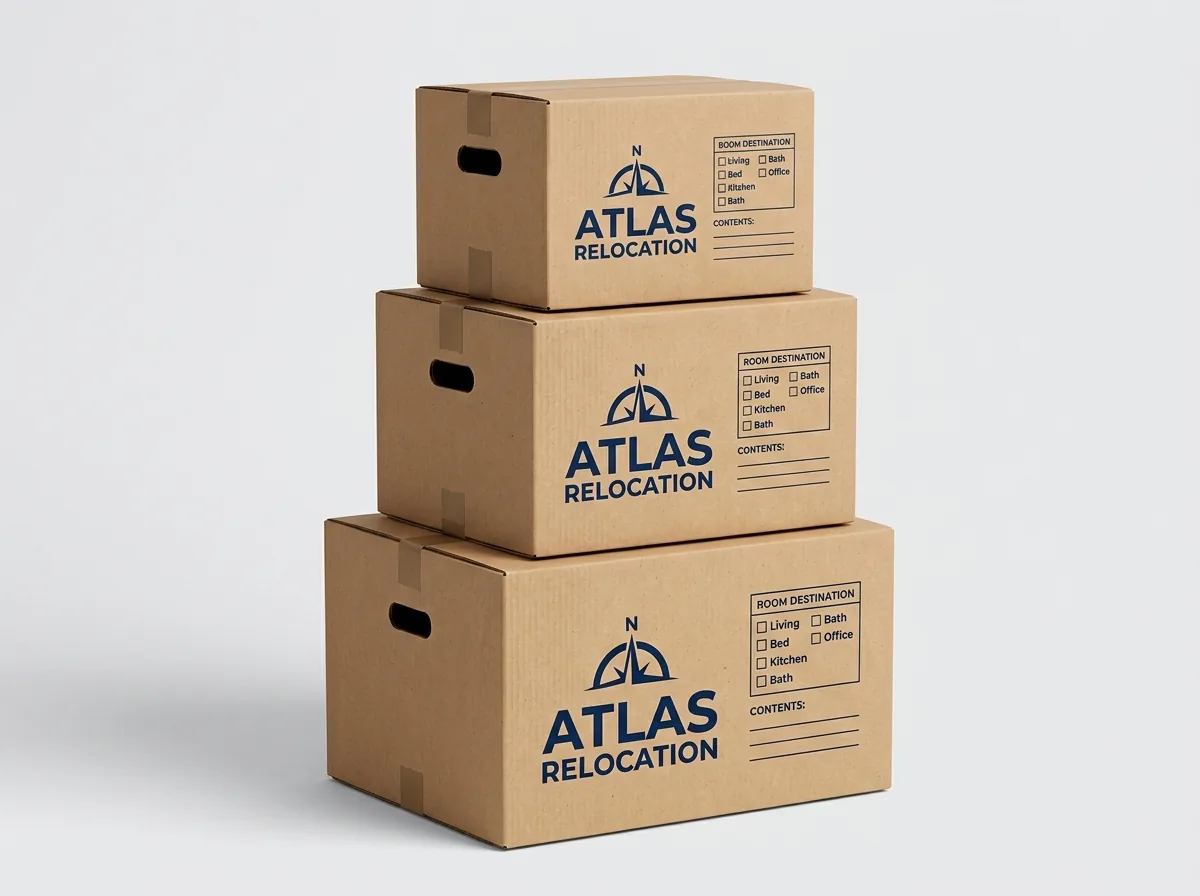
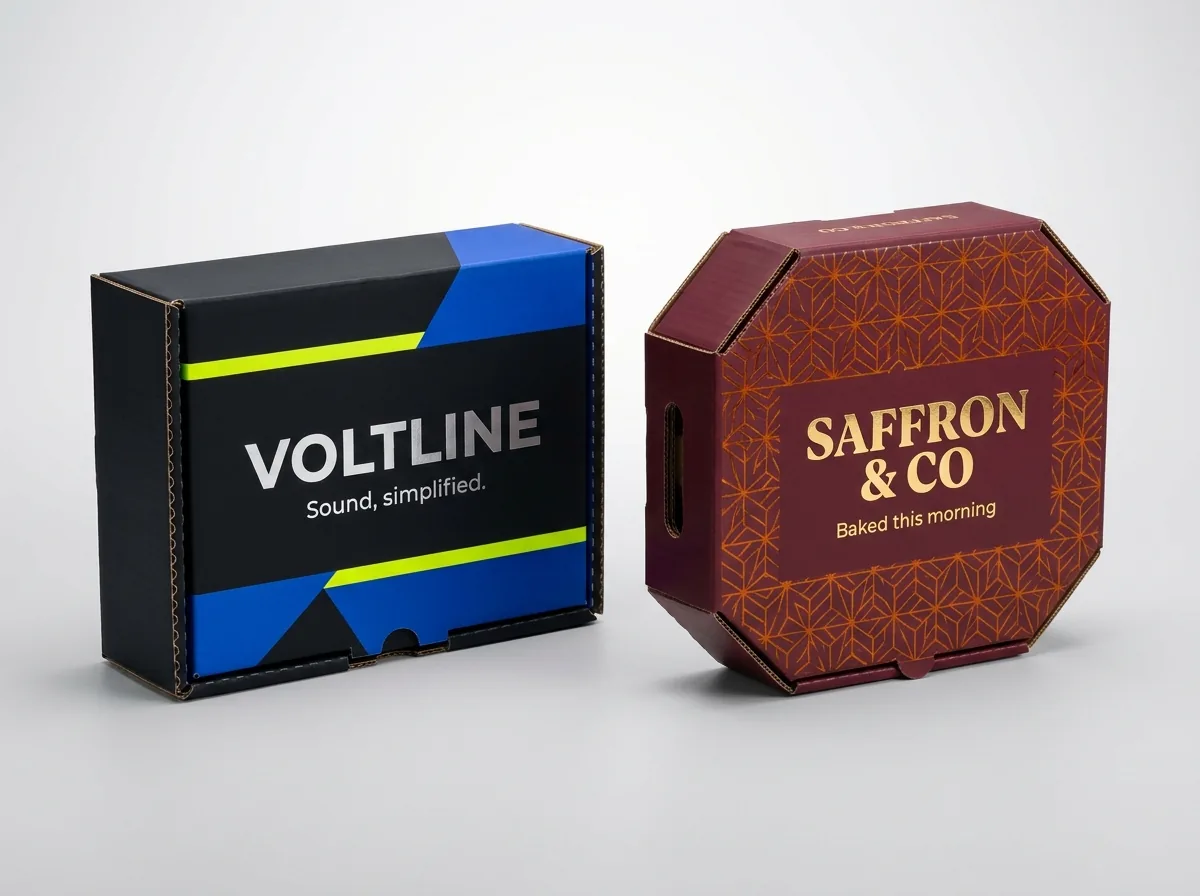
Ready to order corrugated boxes? Compare up to 3 quantities with a free 3D mockup.
Request a Quote →Questions about corrugated boxes
What is the thinnest corrugated box flute available?
E-flute is our thinnest standard corrugated profile at 1/16 inch (1.6 mm) thickness. It features 90 flutes per linear foot, providing an ultra-smooth printing surface for custom retail packaging and direct-to-consumer mailers with zero surface washboarding, providing crisp graphic definition on branded packaging.
Which corrugated flute is best for shipping boxes?
C-flute is the premier choice for shipping boxes. Measuring 3/16 inch thick with 39 flutes per foot, it delivers the highest vertical column compression strength for safe multi-tier warehouse pallet stacking during commercial transit.
What causes washboarding on printed corrugated cartons?
Washboarding occurs during direct flexo printing when the print cylinder presses linerboard into the gaps between fluting arches. Using dense E-flute eliminates washboarding by providing continuous support beneath the exterior linerboard.
Can B-flute and C-flute be combined into one box?
Yes. Combining B-flute and C-flute creates double-wall BC-flute board measuring approximately 5/16 inch thick with a 48 ECT to 51 ECT rating, engineered for heavy industrial equipment, automotive parts, and palletized bulk shipments.
How does flute direction affect box strength?
Corrugated flutes must run vertically parallel to box depth in standard shipping cartons. Vertical flutes act as structural pillars that bear the weight of stacked pallets during transport and long-term warehouse storage.
Are all corrugated flute profiles curbside recyclable?
Yes. E-flute, B-flute, C-flute, and double-wall boards are manufactured from natural cellulose fibers and water-based starch adhesives, making them 100% curbside recyclable in standard municipal paper recycling streams without specialized recycling processing.
Still have a question? Ask a packaging specialist.
Request a Quote →Request your corrugated boxes quote
Tell us your size and quantities, and one dedicated account manager prepares pricing for each tier.
- Free design & AI-to-print studio + 3D mockup
- No die or plate charges · 4–5 day rush available
- Free shipping to all 50 states
- 10% off your first order
Corrugated board specifications, Edge Crush Test (ECT) ratings, and Mullen burst parameters were verified against TAPPI T 811 and FEFCO International Fibreboard standards. Reviewed by senior packaging engineers.
Sources
- FEFCO International Fibreboard Case Code standards for corrugated box styles and flap configurations
- TAPPI T 811 Edge Crush Test and TAPPI T 810 Mullen Burst Test standards for corrugated containerboard
- Idealliance G7 Master Color specifications for flexographic and digital printing on corrugated linerboard
What changed
- November 11, 2026: Published technical engineering guide analyzing e flute vs b flute vs c flute corrugated for custom corrugated boxes, including 5 custom SVG diagrams.
More guides
New packaging guides by email
Sizes, materials and design tips. Unsubscribe anytime.