
Custom pet treat boxes vs pet treat pouches: which should you choose?
Short answer: Choose custom pet treat boxes (from 1,000 units) for crunchy oven-baked biscuits, iced bakery cookies and gift sets that need rigid crush protection and flat shelf stacking. Choose stand-up pet treat pouches for soft moist training bites and jerky that need an airtight zipper.
On this page
- How do custom pet treat boxes and stand-up pouches compare side by side
- When are custom folding cartons or gable boxes the better choice
- When do resealable stand-up pouches outperform cardboard boxes
- Why do national pet brands pair an inner barrier bag with an outer carton
- How can I test both formats before committing to a full production run
- Common mistakes
- FAQs
Request a custom quoteFree dieline & 3D mockup
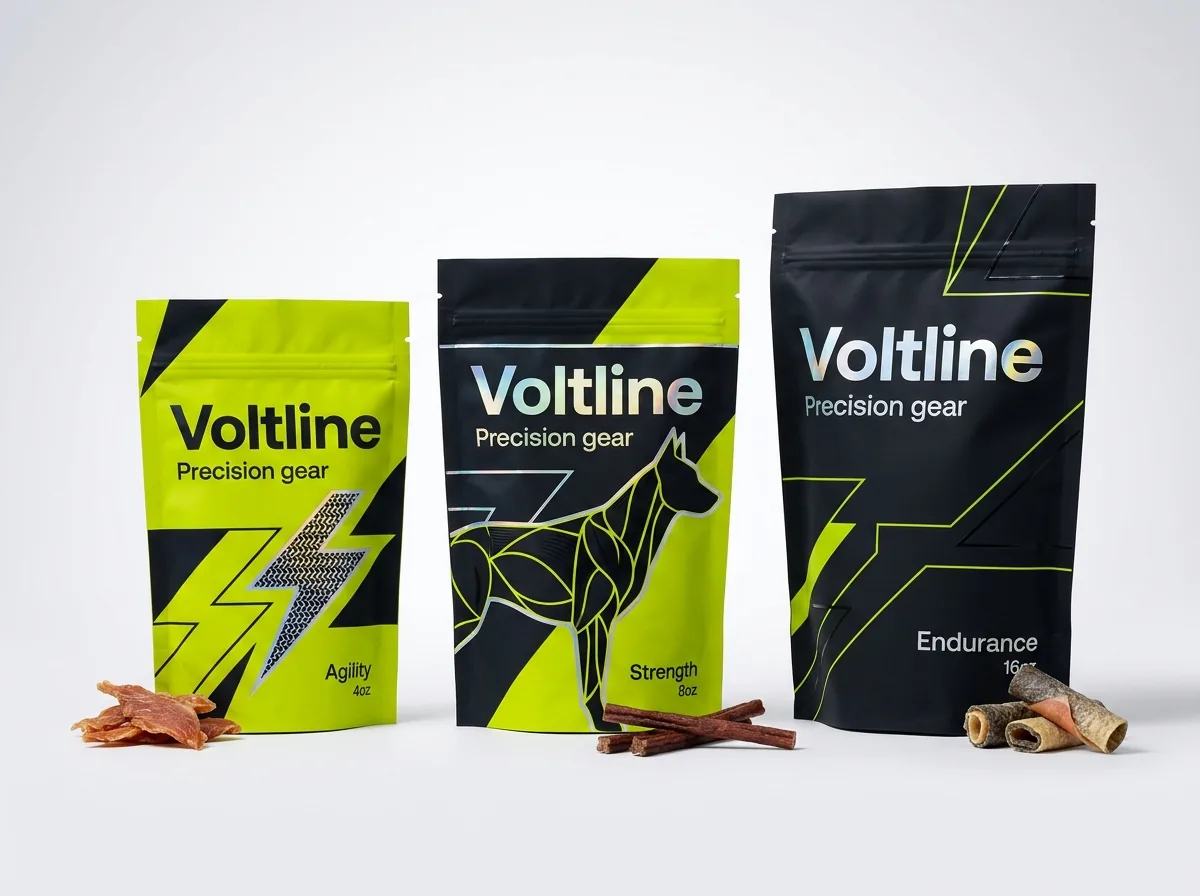
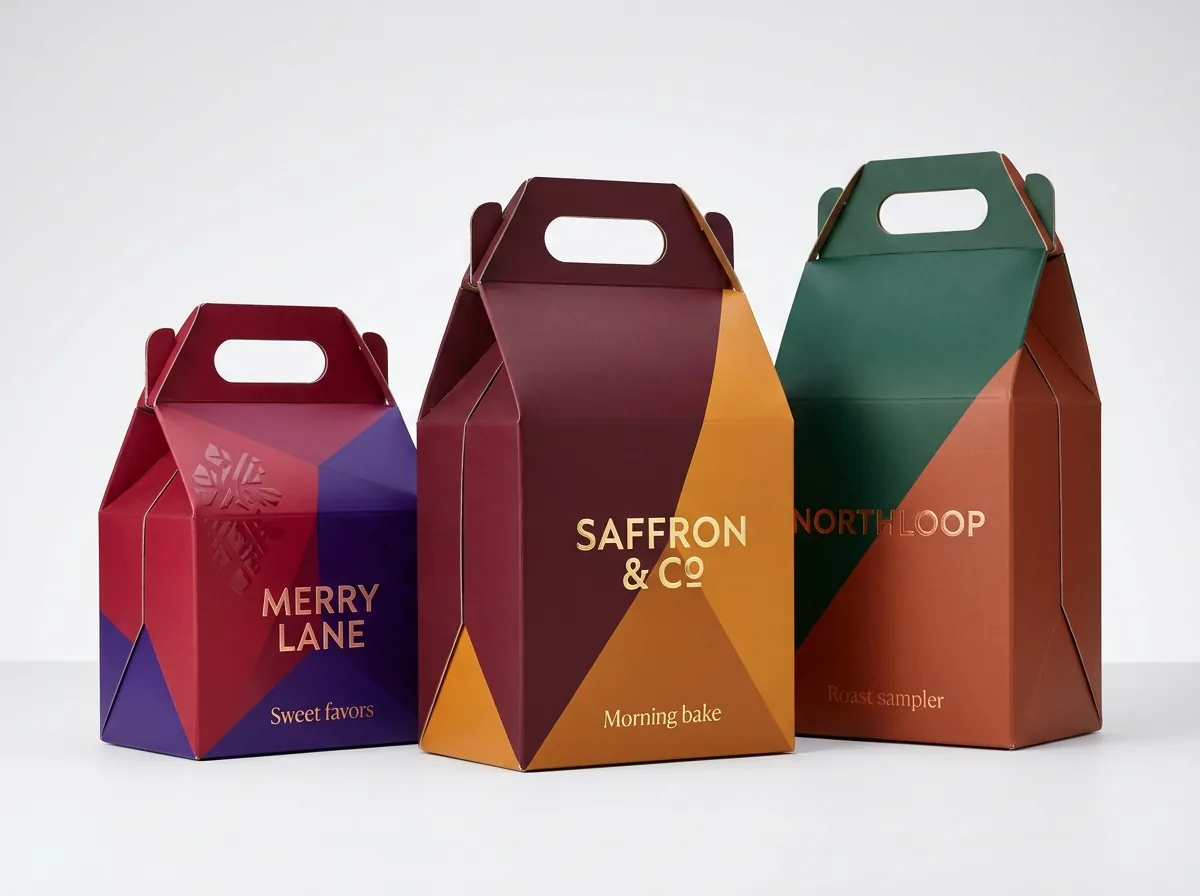
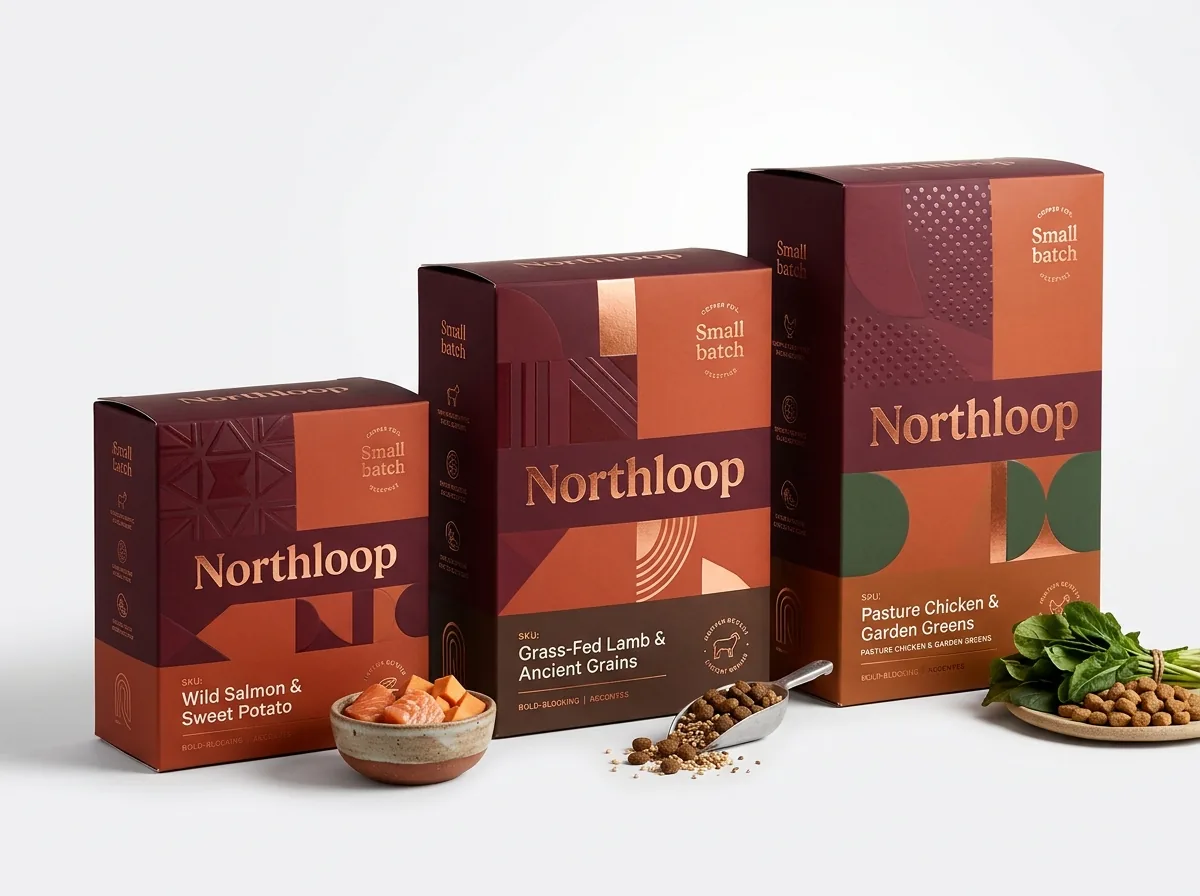
Deciding between a custom pet treat box and a stand-up pet treat pouch starts with two questions: how fragile is your treat during shipping, and how sensitive is it to air and moisture after opening? Rigid paperboard folding cartons and gable boxes build a protective four-wall cage around brittle oven-baked dog biscuits, dental sticks and yogurt-iced bakery cookies so they arrive whole instead of crushed into crumbs at the bottom of a parcel. They also stand square on retail shelves without tipping and offer bone- or paw-shaped windows plus built-in carry handles. Conversely, flexible stand-up barrier pouches provide a heat-sealed oxygen and moisture barrier with a press-to-close zipper that keeps soft, semi-moist training chews and smelly freeze-dried fish bites fresh in a dog walker's pocket. Many brands combine both in a bag-in-box setup with free design help from CubitPack.
How do custom pet treat boxes and stand-up pouches compare side by side?
CubitPack manufactures both custom printed pet treat boxes and custom pet treat pouches, and we regularly help pet brands match each SKU in their catalog to the right container. While both formats ship completely flat to your warehouse or co-packer and carry zero die or plate charges, they behave very differently on the packing line, inside an e-commerce shipping parcel and on a retail shelf. Use the comparison table below to evaluate crush resistance, moisture barrier, retail shelf footprint and customer handling across both formats.
| Comparison factor | Custom pet treat boxes (carton / gable) | Custom pet treat pouches (stand-up) |
|---|---|---|
| CubitPack minimum order | 1,000 boxes | Confirmed with quote |
| Crush & breakage protection | High; rigid walls shield brittle biscuits & icing | Low; flexible film relies on outer shipping box |
| Air & moisture barrier | Moderate (or high when paired with an inner bag) | High; heat-sealed multi-layer barrier + zipper |
| Retail shelf posture | Stands square and flat even when small or light | Needs bottom gusset weight to stand upright |
| Gift & bakery presentation | Gable handles, bone windows, foil & divider trays | Clean pouch silhouette with optional window |
| Best treat matches | Baked biscuits, iced cookies, dental sticks, PDQs | Soft training chews, jerky strips, freeze-dried raw |
When are custom folding cartons or gable boxes the better choice?
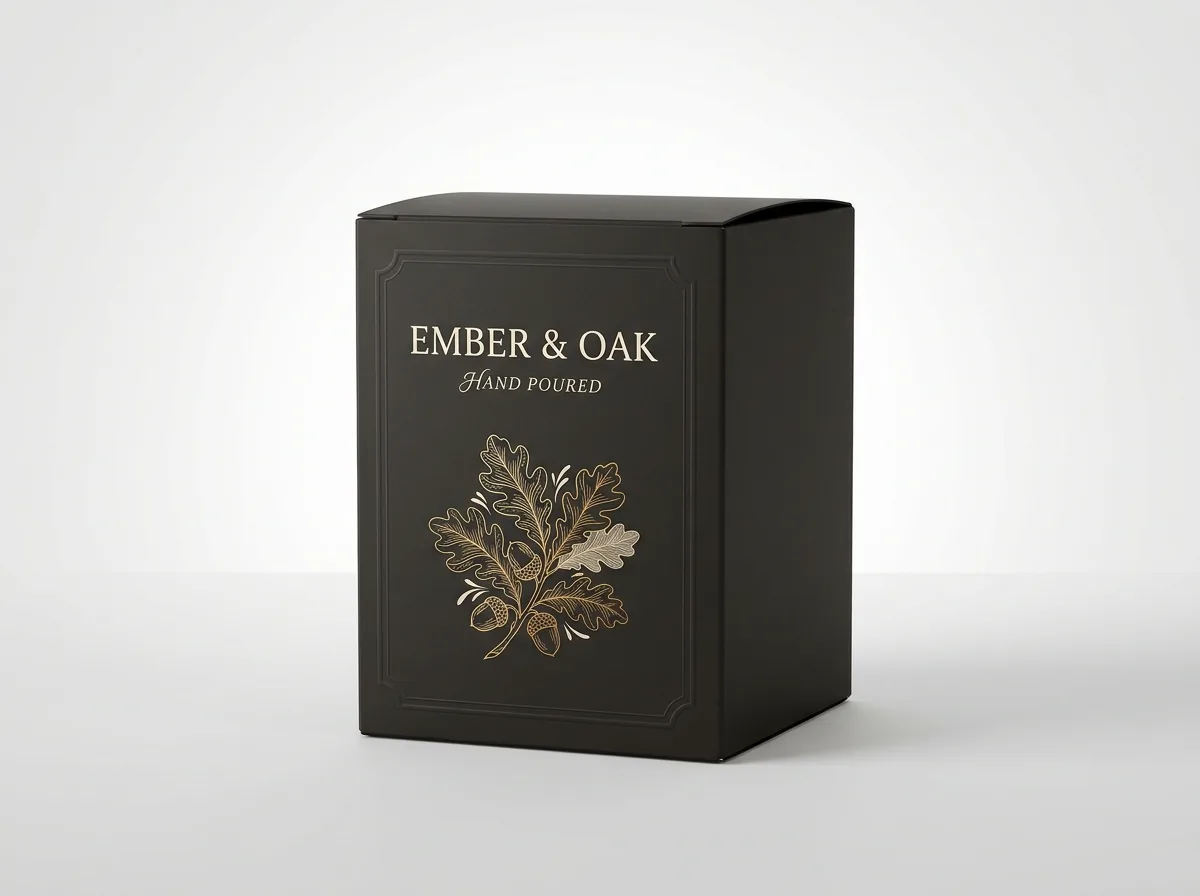
Whenever your treat is baked crisp, shaped into delicate bones or wafers, or decorated with yogurt and carob icing, a flexible pouch lets pieces grind against each other in transit. By the time an online order or wholesale case reaches the customer, a pouch of thin biscuits often has half an inch of broken crumbs at the bottom. A folding carton, especially an auto lock bottom box or a custom gable box, absorbs external compression on its four vertical corner scores rather than transferring pressure onto the treats inside. Boxes also give you six flat panels for brand storytelling, breed illustrations, feeding charts and barcode placement, and they never flop over on wire pet-store shelves when only a few ounces of treats remain inside.
- Oven-baked biscuits and wafers: rigid walls prevent snapped bone tips and crushed corners during parcel shipping.
- Iced pet bakery cookies: shallow tray-and-sleeve or gable boxes with cardboard dividers keep icing completely untouched.
- Holiday and birthday gift boxes: foil stamping, embossing and built-in handles turn pet treats into a ready-to-gift present.
- Checkout counter impulse sales: perforated PDQ display cartons hold 12 to 24 single chews upright right by the register.
When do resealable stand-up pouches outperform cardboard boxes?
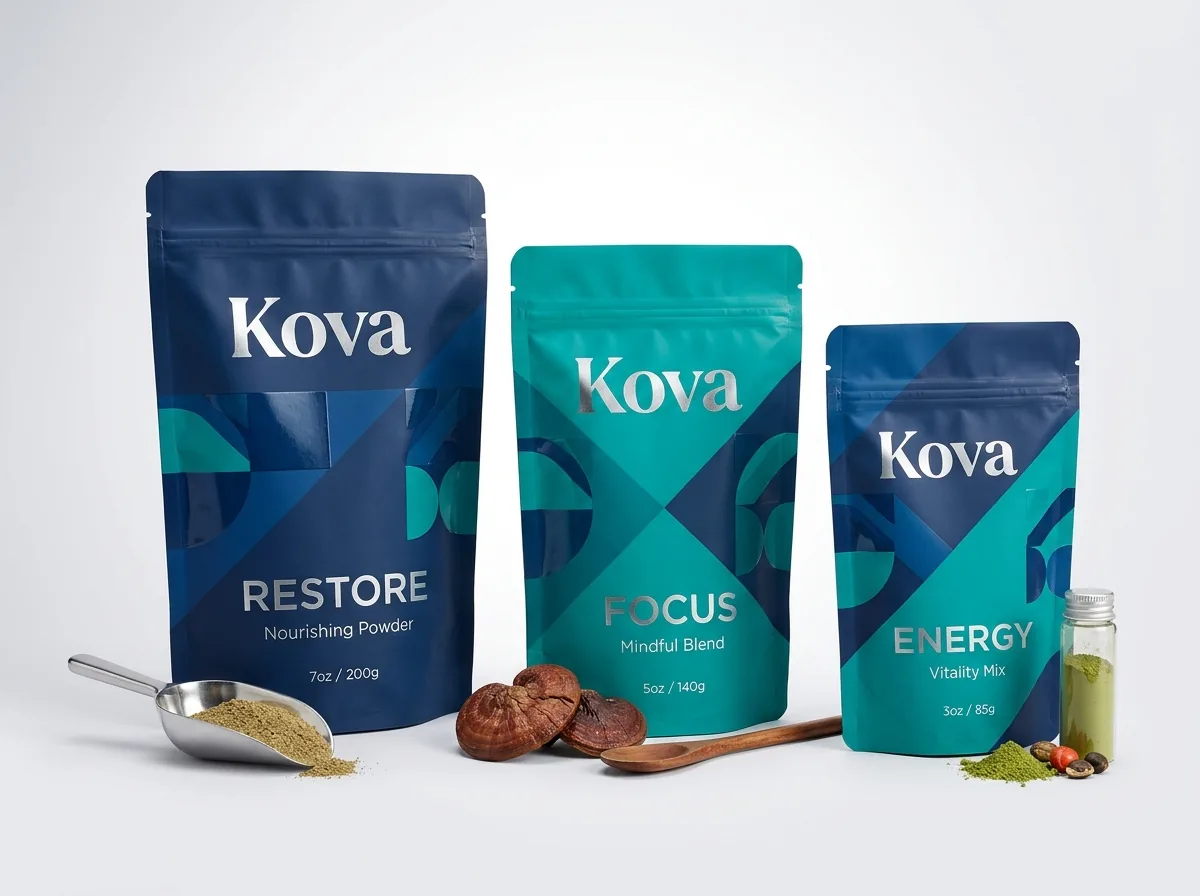
Flexible barrier pouches shine whenever moisture retention, odor lock or pocket portability is your number-one priority. Semi-moist training bites, chewy hip-and-joint supplements and smoky beef jerky strips rely on humectants like vegetable glycerin to stay soft; if left exposed to dry pantry air inside an unlined cardboard box, they harden within days. A multi-layer custom stand up pouch or custom zipper pouch combines a grease-proof inner polyethylene sealant layer, an oxygen-blocking middle barrier and a press-to-close zipper track. Dog trainers and pet parents can toss the pouch into a coat pocket or treat pouch on morning walks, zip it shut with one hand so liver or fish aromas stay locked inside, and squeeze excess air out between uses.
- Soft & chewy training bites (12–22% moisture): heat-sealed foil or metallized barrier film locks humectants in so chews stay pliable.
- Smelly fish, tripe & organ treats: multi-layer barrier film plus a tight zipper track keeps pungent odors sealed inside the pantry.
- On-the-go dog park & trail packs: flexible 4 oz and 6 oz pouches flatten in a pocket or backpack as treats are eaten.
- Padded mailer e-commerce orders: non-brittle jerky and soft chews can ship in a poly mailer without needing a rigid outer carton.
Know your size? Compare pricing across up to 3 quantities.
Request a Quote →Why do national pet brands pair an inner barrier bag with an outer carton?
Walk down the pet aisle at any specialty grocer or pet retailer and you will notice that many premium biscuit and freeze-dried treat brands do not choose between a bag and a box: they use a clear or metallized inner bag tucked inside a custom printed folding carton. This bag-in-box format gives you the exact benefits of both structures at a surprisingly low combined cost. Because the inner poly bag is hidden inside the carton (or glimpsed through a die-cut bone window), it does not need custom printing or expensive stand-up bottom gussets; a simple unprinted food-safe poly bag or rollstock pillow bag seals out humidity and grease. Meanwhile, the outer paperboard carton provides a crisp, flat-stacking retail billboard with an easy reclosable top tuck tab.
- Zero grease wicking: the inner poly bag blocks bacon, salmon or peanut butter oils without needing a coated carton.
- Longer shelf life: heat-sealing the inner bag keeps baked biscuits crunchy across months of distribution.
- Die-cut window showcase: an open bone-shaped window in the carton shows the real treats through the clear inner bag.
- Lower multi-SKU cost: use the same unprinted inner bag across all flavors and only swap the printed outer folding carton.
How can I test both formats before committing to a full production run?
If your brand sells both crunchy baked biscuits and soft training bites, you can unify your shelf look across boxes and pouches by sharing the same Pantone color palette, typography and matte finish across both product lines. CubitPack's prepress team checks your color targets across kraft board, white paperboard and flexible barrier films so your Peanut Butter or Wild Salmon SKU looks consistent whether it sits in a carton or a pouch. Before placing your full order, you can order our $50 sample kit to compare folding cartons, gable boxes and stand-up pouches in person, or request a free quote for both options to see how unit pricing compares at 1,000, 2,500 and 5,000 pieces. Testing both physical samples on your packing table lets you verify how quickly your staff can load biscuits or heat-seal pouches during a busy production shift. Every order includes free design help, zero die or plate charges, a free 2D proof and 3D mockup before payment, and free shipping to all 50 US states. We also offer a 10% first-order discount and beat any written quote from a US competitor for the same specifications.
What are the most common mistakes when choosing between treat boxes and pouches?
Mismatching your treat's texture or oil content to the container leads to stale chews or crushed biscuits. Watch out for these five mistakes
- Packing thin, brittle oven-baked biscuits or iced bakery cookies in a flexible pouch where parcel shipping grinds them into crumbs.
- Putting soft, semi-moist training bites directly into an unlined folding carton without an inner bag, allowing them to dry out and harden.
- Ordering a tiny 2 oz stand-up pouch with a narrow bottom gusset that constantly tips over on retail shelves instead of a stable folding carton or hang-tab box.
- Paying for both a glued film window on the outer carton and a clear inner poly bag, when an open die-cut window over the clear inner bag does the same job.
- Using unlined kraft paperboard for oily jerky or freeze-dried salmon treats without requesting a grease-resistant barrier or inner liner.
Find your size
Suggested inside size: 3.5 × 2 × 5 in
A starting point. Your account manager confirms the size with you before the proof.
Quote this size →Packaging for this
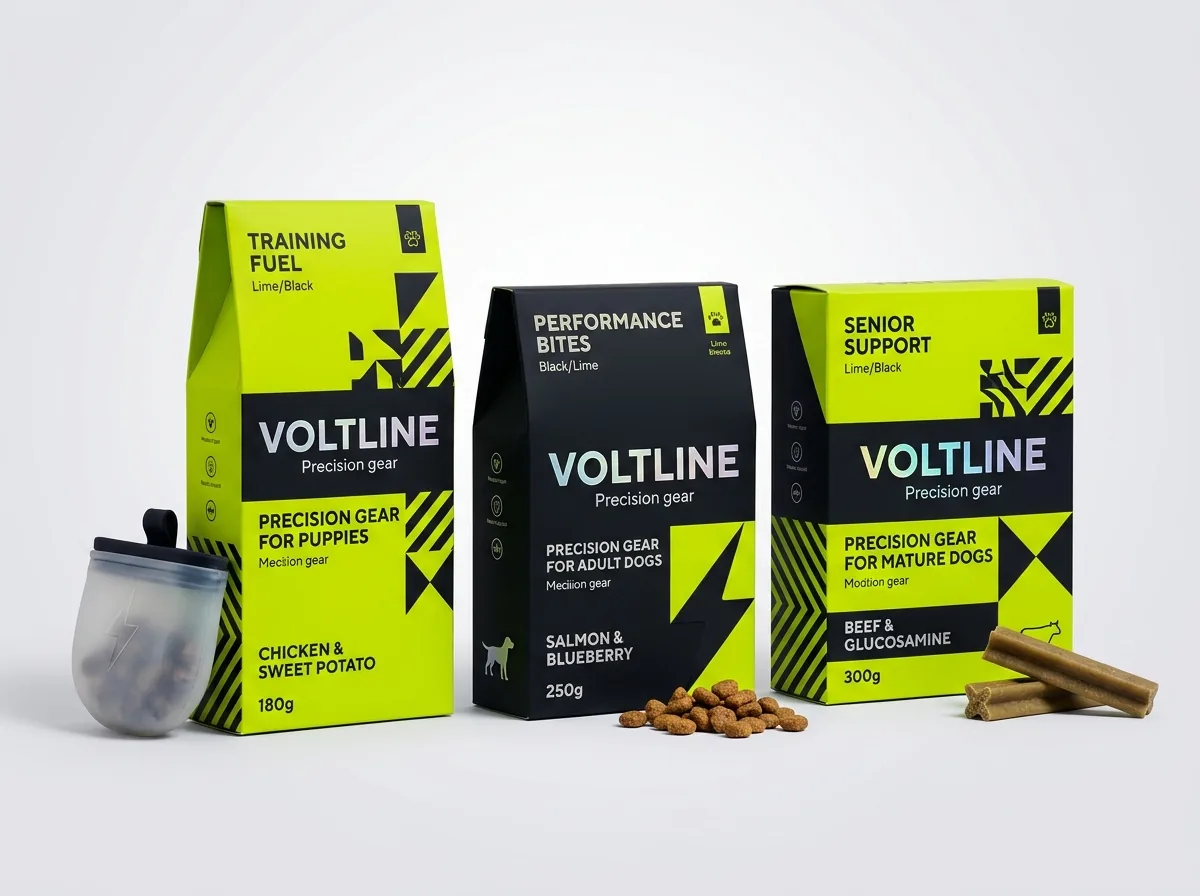
Ready to order pet treat boxes? Compare up to 3 quantities with a free 3D mockup.
Request a Quote →Questions about pet treat boxes
Can I order both custom pet treat boxes and stand-up pouches from CubitPack?
Yes. CubitPack produces custom printed folding cartons, gable boxes and PDQ counter displays alongside custom stand-up pouches, flat pouches and mylar bags, matching your Pantone colors across both formats.
Which is better for e-commerce shipping: a pet treat box or a pouch?
For crunchy baked biscuits and decorated cookies, a folding carton prevents breakage inside parcel mailers. For soft chews and jerky that cannot break, a stand-up pouch ships lighter and flatter in padded mailers.
Do I need a glued film window on my box if my treats are in a clear inner bag?
No. If your treats are already sealed inside a clear inner poly bag, we can die-cut an open bone- or paw-shaped window in the carton with no window film, since the inner bag keeps the treats sealed.
Can a folding carton hold greasy dog treats without an inner plastic bag?
Yes, for dry baked biscuits with moderate oil content, you can request food-safe and grease-resistant interior board coatings on your quote so oils do not stain the carton.
What is the minimum order quantity for pet treat boxes vs pouches?
Custom folding carton pet treat boxes start at 1,000 boxes (250 for corrugated mailers). For custom pet treat pouches, minimums depend on the pouch specifications and are confirmed with your quote.
Can I compare sample boxes and pouches before deciding which to order?
Yes. Order our $50 sample kit to hold real folding cartons, gable boxes and flexible barrier pouches side by side, and we credit the full $50 toward your custom production order.
Still have a question? Ask a packaging specialist.
Request a Quote →Request your pet treat boxes quote
Tell us your size and quantities, and one dedicated account manager prepares pricing for each tier.
- Free design & AI-to-print studio + 3D mockup
- No die or plate charges · 4–5 day rush available
- Free shipping to all 50 states
- 10% off your first order
This comparison evaluates crush protection, moisture vapor transmission, shelf stability and bag-in-box workflows using CubitPack's decided product specs and FDA/AAFCO pet treat handling practices. Checked by a packaging specialist. Spot an error? Tell us and we will fix it.
Sources
What changed
- October 22, 2026: First published.
- October 22, 2026: Updated specifications, terminology, and verified source links.
More guides
New packaging guides by email
Sizes, materials and design tips. Unsubscribe anytime.