
How do cupcake box inserts work, and which cavity style should you choose?
Short answer: A cupcake insert is a folded paperboard or corrugated deck with die-cut cavities and side legs that suspend each cupcake by its tapered liner wall. Choose smooth rings with thumb notches for single-size liners, or V-flap tab holes for multi-size cups in custom cupcake boxes.
On this page
- How does a raised cupcake insert keep top-heavy cupcakes from tipping
- Smooth ring holes vs V-flap tabs vs reversible inserts: how do they compare
- Should I choose smooth circular rings or flexible V-flap gripper tabs
- Why do thumb notches and drop-front panels matter for customer unboxing
- Should I print my cupcake insert or leave it plain white or kraft
- Common mistakes
- FAQs
Request a custom quoteFree dieline & 3D mockup
Cupcake box inserts prevent top-heavy frosted cupcakes from sliding, tilting, or colliding inside the carton during counter carryout and vehicle delivery. Each insert starts as a flat die-cut sheet scored along its left and right edges (and across center support bridges on 6-pack and 12-pack trays) so the legs fold down 0.75 to 1.25 inches to create a raised platform. When you drop a cupcake into a cavity, the circular rim catches the sloped paper baking cup partway up its waist, locking the base in place while keeping the muffin top and buttercream swirl separated from neighboring cavities. Bakeries choose between three main cutout designs: smooth circular rings with half-moon finger notches for one exact liner size, serrated V-flap tabs that flex to grip slightly narrower or wider cups, and reversible dual-size inserts. Every order of printed cupcake boxes at CubitPack includes a matched insert with no die fees.
How does a raised cupcake insert keep top-heavy cupcakes from tipping?
A frosted cupcake is naturally unstable because most of its weight and width sit in the top third of the pastry, while the paper liner base is narrower than the crown. If you set six cupcakes directly on the flat floor of an empty pastry box, the first turn at an intersection causes the narrow bases to slide until the buttercream swirls crash into one another. A die-cut cupcake insert solves that physics problem by lifting a second horizontal deck 0.75 to 1.25 inches above the box floor. As the tapered baking liner lowers through the hole, the paperboard ring contacts the cup right near its midpoint. Because the cup is trapped both at the floor and at the raised ring level, it cannot pivot or slide laterally. When we engineer custom cupcake packaging for your bakery, we match the outside width of the insert deck to the exact inside length and width of the carton so the platform cannot shift inside the box.
- Top deck: the flat horizontal surface perforated with 1, 2, 4, 6, 12, or 24 circular cavities.
- Fold-down side legs: scored vertical flaps (0.75 to 1.25 in tall) along the outer edges that hold the deck up.
- Center bridge ribs: additional fold-down support legs under 6-pack, 12-pack, and 24-pack trays so the middle never sags.
- Half-moon thumb notches: opposing finger cutouts on each ring so customers can lift a single cupcake out cleanly.
- Locking tabs or full-width friction fit: keeps the insert anchored against all four outer carton walls.
Smooth ring holes vs V-flap tabs vs reversible inserts: how do they compare?
Not every bakery uses a single baking liner across its entire menu. Some shops bake exclusively in standard #500 fluted cups, while others alternate between narrow foil liners, wider greaseproof cups, and tall square parchment tulip liners. Choosing the right cavity cutout determines how tightly the insert holds your cups and how easy it is for customers to lift them out at home. Use the comparison table below to match the cavity style and board stock to your liner variety and pack count. Because CubitPack charges zero die fees, any of these cutout geometries can be built into your insert dieline at no extra tooling cost.
| Insert cavity style | How the cutout works | Best bakery use case |
|---|---|---|
| Smooth ring + thumb notches | Clean circle cut to your exact liner waist + 2 finger scoops | Bakeries using one consistent mini, standard, or jumbo liner |
| V-flap gripper tabs (starburst) | 4 to 8 hinged triangular tabs that bend downward as cup enters | Shops using slightly different liner widths or tall tulip cups |
| Reversible dual-size insert | Perforated outer ring pops out to convert standard hole to jumbo | Bakeries that want one insert SKU for two cupcake sizes |
| Individual 1-cup pedestal | Square 3.5 × 3.5 in single-hole cradle that drops into favor cubes | Single wedding favors, birthday cubes, and gable carriers |
| Paperboard deck (white or kraft) | 16 pt to 24 pt folding carton card scored for fast hand folding | Everyday 1, 2, 4, and 6 count counter carryout boxes |
| E-flute corrugated deck | Rigid fluted board that resists flexing across wide spans | 12-count standard and 24-count mini catering & delivery trays |
Should I choose smooth circular rings or flexible V-flap gripper tabs?
A smooth circular ring cut to your exact baked liner diameter (for example, 2.375 inches for a standard #500 cup) gives the cleanest visual presentation inside a custom window box. Because there are no jagged teeth around the hole, the fluted paper liner slides straight down without catching on a pleat, and printed artwork or pastel color on the insert deck looks sleek and tidy. V-flap gripper tabs (sometimes called starburst or toothed cutouts) add four to eight small triangular flaps around the perimeter of the circle. When a wider cupcake is pushed into the hole, the tabs hinge downward and press gently against the paper cup wall like springs. That makes V-flap tabs ideal if you bake both standard 2.0-inch-base cupcakes and slightly narrower gluten-free or vegan liners in the same box, or if your tall parchment tulip liners need extra friction so they do not rock during courier delivery.
Know your size? Compare pricing across up to 3 quantities.
Request a Quote →Why do thumb notches and drop-front panels matter for customer unboxing?
Anyone who has ever bought a six-pack of gourmet cupcakes knows the hardest part is getting the first cupcake out of the corner without plunging a knuckle into the buttercream next door. When an insert has a plain circle with no finger clearance and sits inside a tall top-opening box, customers are forced to grab the cupcake by its frosted muffin crown. Adding two 0.75-inch half-moon thumb notches on the left and right sides of every cavity ring gives two fingers a clear path underneath the rim of the baking liner. Even better, pairing a thumb-notched custom cardboard insert with a drop-front cupcake box lets your customer unhook the front wall, slide the entire insert tray out onto the kitchen table like a drawer, and lift each cupcake straight up from the base.
Should I print my cupcake insert or leave it plain white or kraft?
Because a clear top window looks directly down onto the insert deck between your cupcakes, the insert acts as a visual frame around your frosting colors. Unprinted bright white paperboard reflects light upward onto pastel buttercream and keeps unit costs at their lowest. Unbleached natural kraft inserts give a warm, rustic backdrop that hides tiny butter or chocolate smudges and pairs nicely with custom kraft boxes. If you want your branding visible in every overhead social media photo after the lid is opened, we can print the top face of the insert in one Pantone spot color or full CMYK, and add a matte, gloss, or grease-resistant coating on request. Many bakeries print a small flavor key or social handle along the front edge of the insert deck so guests see it the moment they slide the tray out. When planning your inventory across standard, gluten-free, and mini cupcakes, consider ordering one shared outer box footprint and two or three different die-cut insert sheets. For example, a 9.5 × 6.5 × 4.0 inch outer box can accept a 6-hole standard insert on weekdays, a 4-hole jumbo insert for weekend specials, or a 12-hole mini insert for catering platters. Sharing the outer carton boosts your box run quantity while the interchangeable inserts keep every cupcake size locked upright.
- Unprinted white card deck: bounces clean light onto pastel frosting and keeps unit cost low.
- Natural brown kraft deck: hides minor butter or cocoa marks and matches unbleached kraft outer cartons.
- Pantone or CMYK printed deck: frames every cupcake with your brand pattern or flavor names in overhead photos.
- Interchangeable grid inserts: pair 6-hole standard and 12-hole mini inserts inside the same outer box footprint.
What are the most common cupcake insert mistakes?
An ill-fitting insert defeats the purpose of ordering a custom cupcake box. Avoid these five structural mistakes when specifying your trays
- Making the insert pedestal legs too short (under 0.75 inches) for tall jumbo or tulip liners, which lets the top-heavy cupcake pivot over the rim.
- Ordering a 12-count dozen insert in thin paperboard without a center fold-down support rib, causing the middle rows to sag.
- Omitting half-moon thumb notches around the cavities, forcing customers to pinch the frosted crown to lift a cupcake out.
- Cutting the outer insert width 1/4 inch narrower than the box floor, which allows the entire tray to slide back and forth inside the carton.
- Using unlined non-barrier board when bare muffin edges or wide buttercream borders rest directly on the insert deck.
Find your size
Suggested inside size: 3.5 × 3.5 × 4.0 in
A starting point. Your account manager confirms the size with you before the proof.
Quote this size →Packaging for this

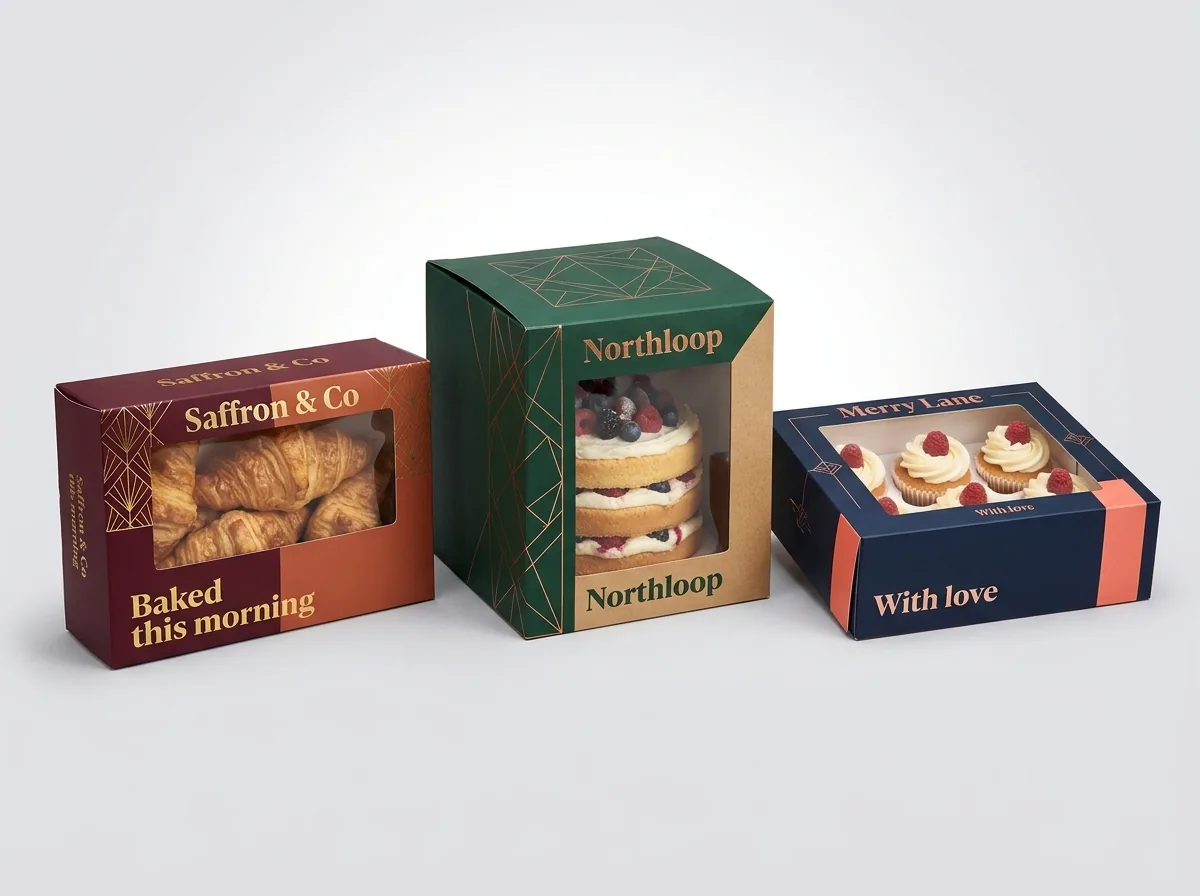
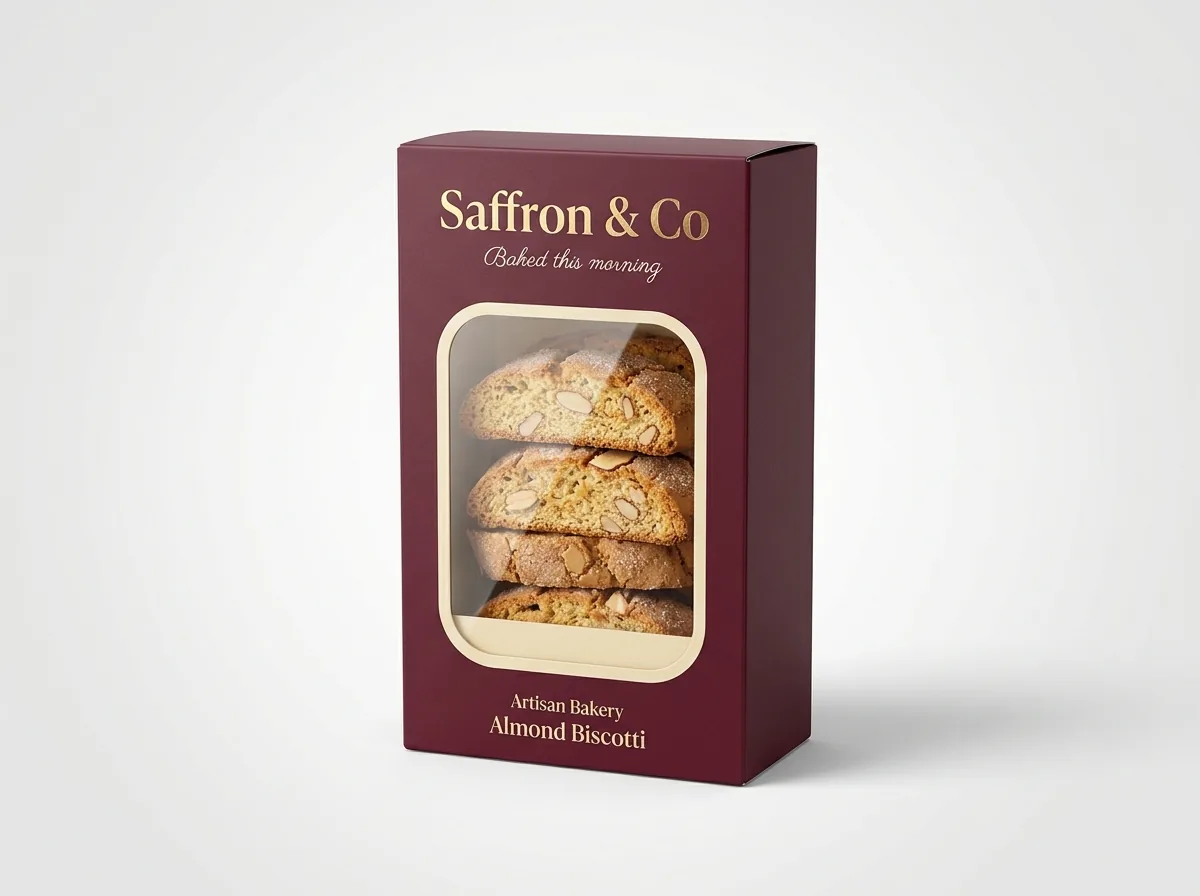
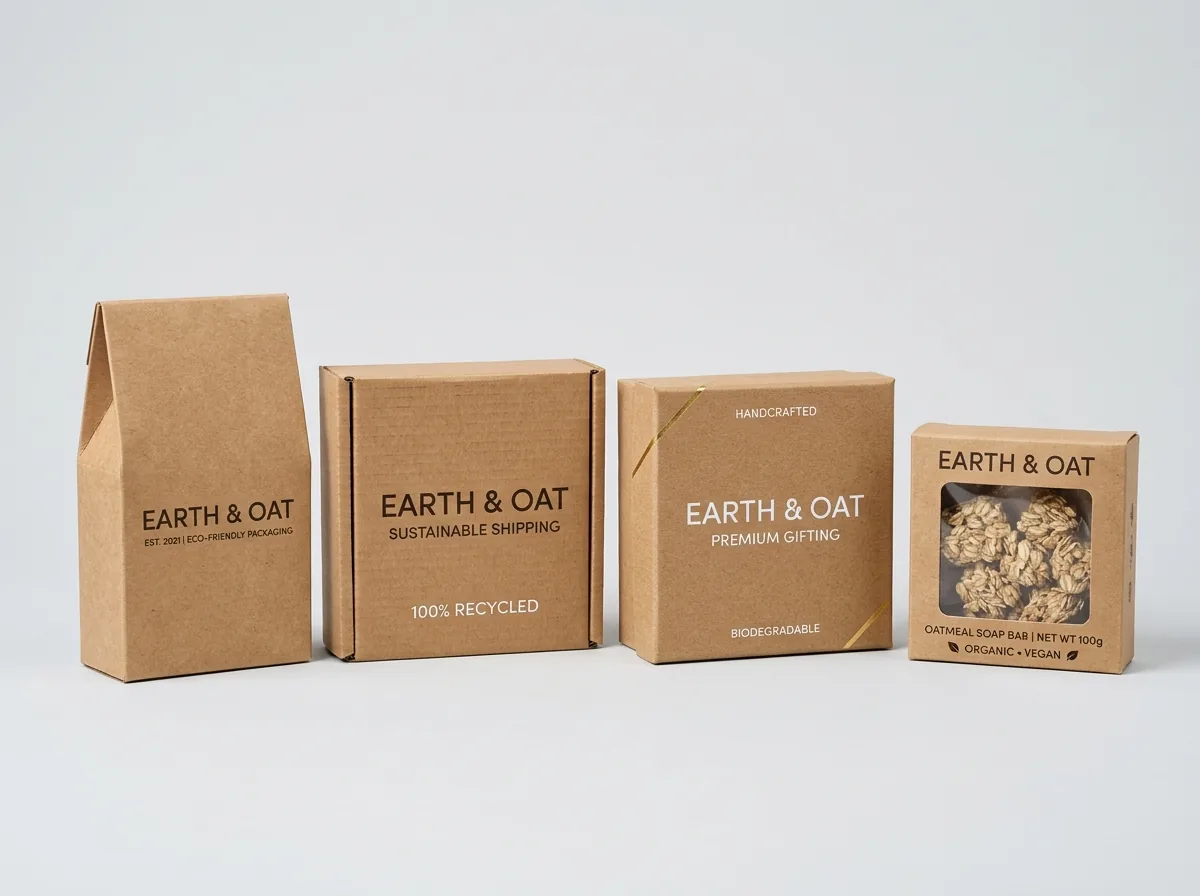
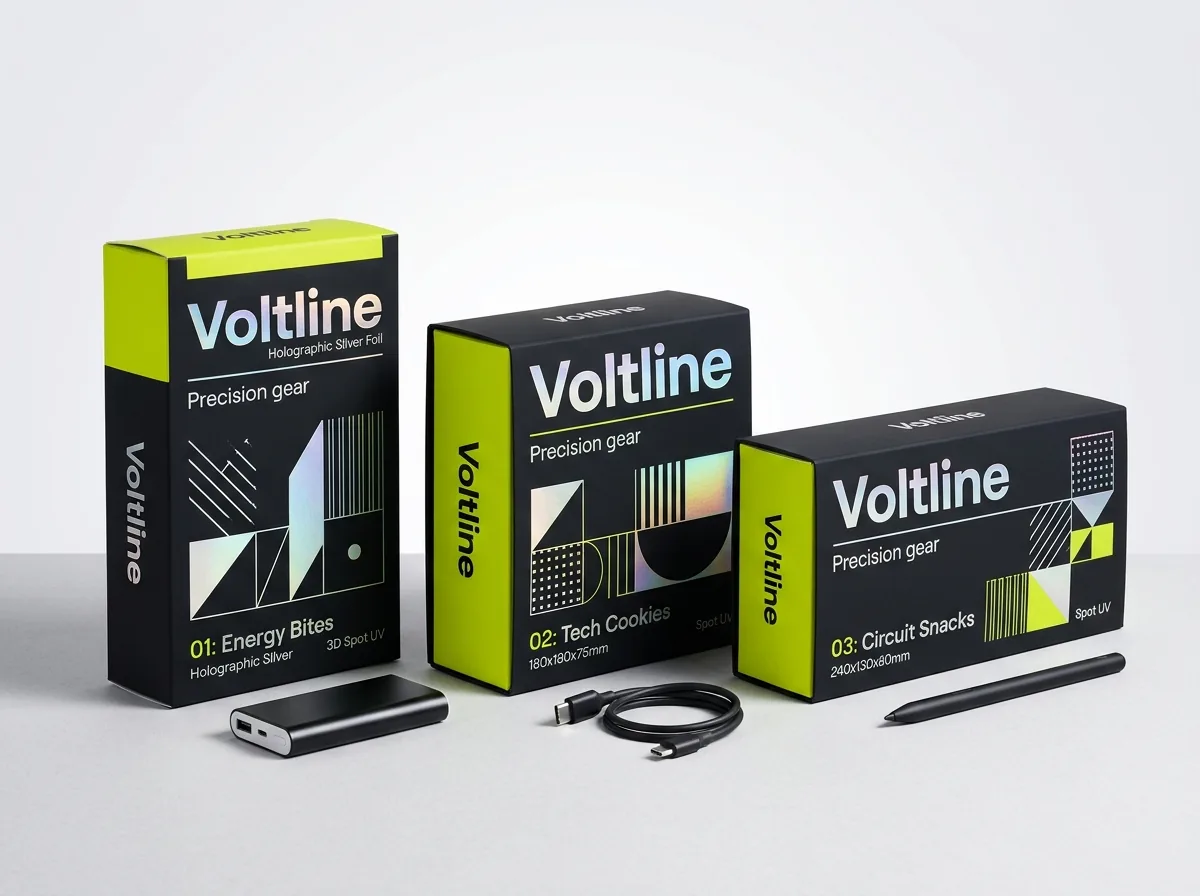
Ready to order cupcake boxes? Compare up to 3 quantities with a free 3D mockup.
Request a Quote →Questions about cupcake boxes
Can I order custom cupcake inserts by themselves without the outer boxes?
Yes. If you already have outer pastry or cake cartons and only need die-cut cavity platforms sized to fit inside them, see our custom cardboard inserts page or request inserts on your quote with your exact inside box length and width.
How tall are the fold-down legs on a standard cupcake insert?
Standard cupcake inserts typically stand 1.0 inch (25 mm) off the floor of the box. Mini cupcake inserts use a slightly lower 0.75 inch leg height, while jumbo and tall tulip-liner inserts use a 1.25 inch leg height for deeper support.
Do cupcake inserts ship flat or pre-folded?
Cupcake inserts ship flat alongside your flat-packed cupcake boxes so a full order of 1,000 sets takes up minimal shelf space in your kitchen. Deep pre-creased score lines let staff fold the two side legs down in about two seconds.
Can one insert hold both mini and standard cupcakes at the same time?
Yes. Because every CubitPack insert is cut on a custom dieline with no die charges, we can mix cavity sizes on a single tray, such as four standard holes and eight mini holes for tasting boxes or party samplers.
Are food-safe and grease-resistant cupcake inserts available?
Yes, food-safe materials and grease-resistant coatings are available on request through our certified partner facilities. They stop butter or oil from wicking into the paperboard ring around the cupcake.
Do I get to test or preview the insert fit before paying?
Yes. You receive a free digital dieline proof showing the exact cavity diameter, thumb notches, and grid spacing plus a 3D mockup before you pay. You can also request a paid physical sample credited toward your order.
Still have a question? Ask a packaging specialist.
Request a Quote →Request your cupcake boxes quote
Tell us your size and quantities, and one dedicated account manager prepares pricing for each tier.
- Free design & AI-to-print studio + 3D mockup
- No die or plate charges · 4–5 day rush available
- Free shipping to all 50 states
- 10% off your first order
This guide compares the three die-cut cavity geometries and pedestal heights used across commercial retail cupcakeries and catering trays. A CubitPack packaging specialist reviewed every structural detail. Spot an error? Tell us and we will fix it.
Sources
What changed
- October 22, 2026: First published.
- October 22, 2026: Updated specifications, terminology, and verified source links.
More guides
New packaging guides by email
Sizes, materials and design tips. Unsubscribe anytime.