
How do steam vents and grease barriers keep warm donuts fresh in custom donut boxes?
Short answer: Let warm water vapor escape through die-cut corner slits or side louver vents so condensation never drips back onto sugar glazes, and block frying shortening from spotting the bottom by pairing food-safe grease barriers or custom butter paper with custom donut boxes.
On this page
- Why does sugar glaze sweat and melt inside an unvented donut box
- Which vent and barrier setup matches each type of donut
- How do I stop frying shortening from staining the bottom of a donut box
- How do I keep clear donut box windows from fogging up
- How can I use the inside lid of a dozen box to win repeat office orders
- Common mistakes
- FAQs
Request a custom quoteFree dieline & 3D mockup
Packing warm-off-the-line donuts is a balancing act between heat, moisture, and frying oil. When a freshly glazed yeast ring or cider donut goes into a closed carton while still above room temperature, it releases warm water vapor. In a tightly sealed box (especially one with a large non-breathing plastic window), that steam hits the cooler lid, condenses into water droplets, and rains back down onto the donuts, dissolving crisp sugar glaze into a sticky puddle and turning fried crusts chewy. At the same time, residual frying shortening migrates downward into uncoated paperboard fibers, leaving dark oil rings across the bottom of the tray. Adding small die-cut corner slits or side louver vents and specifying food-safe grease barriers or butter paper liners on your printed donut boxes at CubitPack keeps glazes snappy and box bottoms spotless with zero extra die charges.
Why does sugar glaze sweat and melt inside an unvented donut box?
A classic donut glaze is a thin shell of powdered sugar dissolved in milk or water that crystallizes as the donut cools on the wire rack. As long as the air around the donut stays below high humidity, that sugar shell remains crackly and translucent. The trouble starts when warm donuts are boxed for a drive-thru or morning office run before their internal crumb has cooled completely. Inside an unvented carton, relative humidity climbs past 85 percent within two minutes. Because sugar is hygroscopic (it pulls moisture out of humid air), the dry glaze absorbs that trapped steam and liquefies back into syrup. By adding four small die-cut breathability gaps at the upper corners or angled louver vents on the left and right walls of your custom donut packaging, warm vapor convects out the top edges while keeping enough gentle warmth inside that the donuts still taste fresh from the fryer.
- Corner breathability slits: small 1/8-inch to 1/4-inch reliefs where the hinged lid meets the lock corners.
- Side-wall louver vents: C-shaped or U-shaped die-cut flaps that let steam out while shielding the interior from dust.
- Breathable paperboard roof: solid paperboard absorbs and releases trace humidity better than a full-roof plastic window.
- Zero extra tooling cost: because CubitPack charges no die fees, custom vent cutouts add nothing to your box price.
Which vent and barrier setup matches each type of donut?
Not every donut leaves the kitchen at the same temperature or carries the same oil load. Hot donut holes scooped straight from the fryer need heavy ventilation and grease resistance, whereas chilled custard-filled brioche donuts sold from a cold case need moisture-resistant lamination and a clear viewing window. Use the table below to match your carton specs to your menu. When you request a quote, tell your account manager whether your donuts are boxed hot, warm, or fully cooled so we can place the right vents and barriers on your dieline proof.
| Donut style & temperature | Recommended venting & lid | Recommended oil / moisture barrier |
|---|---|---|
| Warm honey-glazed yeast rings | Solid lid + side louver vents or corner slits | Grease-resistant board or butter paper liner |
| Hot donut holes, beignets & churros | Gable handle box with upper chimney vents | Food-safe oil barrier + wax/butter tissue |
| Cooled gourmet, cereal & mochi donuts | Clear top window patch (minimal venting needed) | Butter paper sheet + matte or gloss exterior |
| Custard, jelly & cream-filled brioche | Windowed or solid hinged box (chilled case) | Laminated exterior + grease-barrier floor |
| Warm cinnamon-sugar cider cake donuts | Upright dozen box with corner breathability gaps | Unbleached kraft + interior grease liner |
| Powdered sugar donuts | Vented carton (moisture turns powdered sugar wet) | Dry butter paper liner |
How do I stop frying shortening from staining the bottom of a donut box?
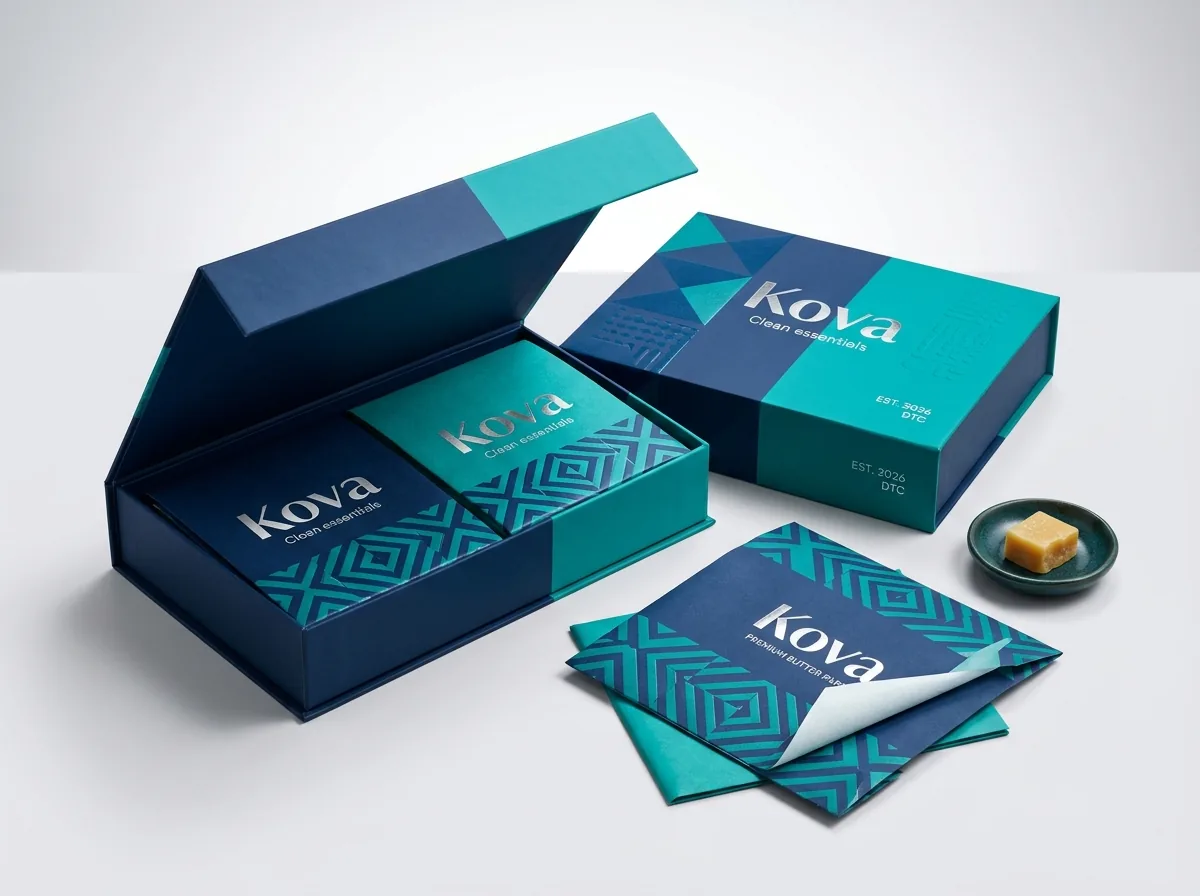
Even a well-drained donut retains a thin film of frying oil on its bottom ring. If you set twelve donuts directly onto bare, uncoated white paperboard, oil wicks into the fibers within fifteen minutes. By the time your customer sets the box down on an office conference table or a car seat, the bottom of the carton has twelve greasy circles that can mark fabric or paper. You can eliminate bottom oil bleed in two ways, or combine both for extra-rich brioche and cake donuts. First, request food-safe, grease-resistant barrier board on your quote so we manufacture your boxes in a certified partner facility with an interior oil-holdout coating. Second, lay a flat sheet of custom butter paper across the floor of the tray before loading the donuts. A printed butter paper liner blocks oil from reaching the board crease lines and lets your logo peek out around every donut.
Know your size? Compare pricing across up to 3 quantities.
Request a Quote →How do I keep clear donut box windows from fogging up?
Customers love seeing colorful sprinkles, matcha glazes, and fruity pebbles through a custom window box, but plastic film is completely non-porous. If you close a windowed lid over donuts that are still above 95°F, warm vapor condenses into a cloudy mist on the underside of the clear film within seconds, hiding the donuts completely. If your shop uses windowed boxes, let glazed and iced donuts cool on open wire racks until the glaze sets before boxing them. If you also use those same windowed boxes for warm morning runs, ask our prepress team to add side-wall louver vents and a slightly smaller window frame so warm air vents sideways instead of trapping against the film.
How can I use the inside lid of a dozen box to win repeat office orders?
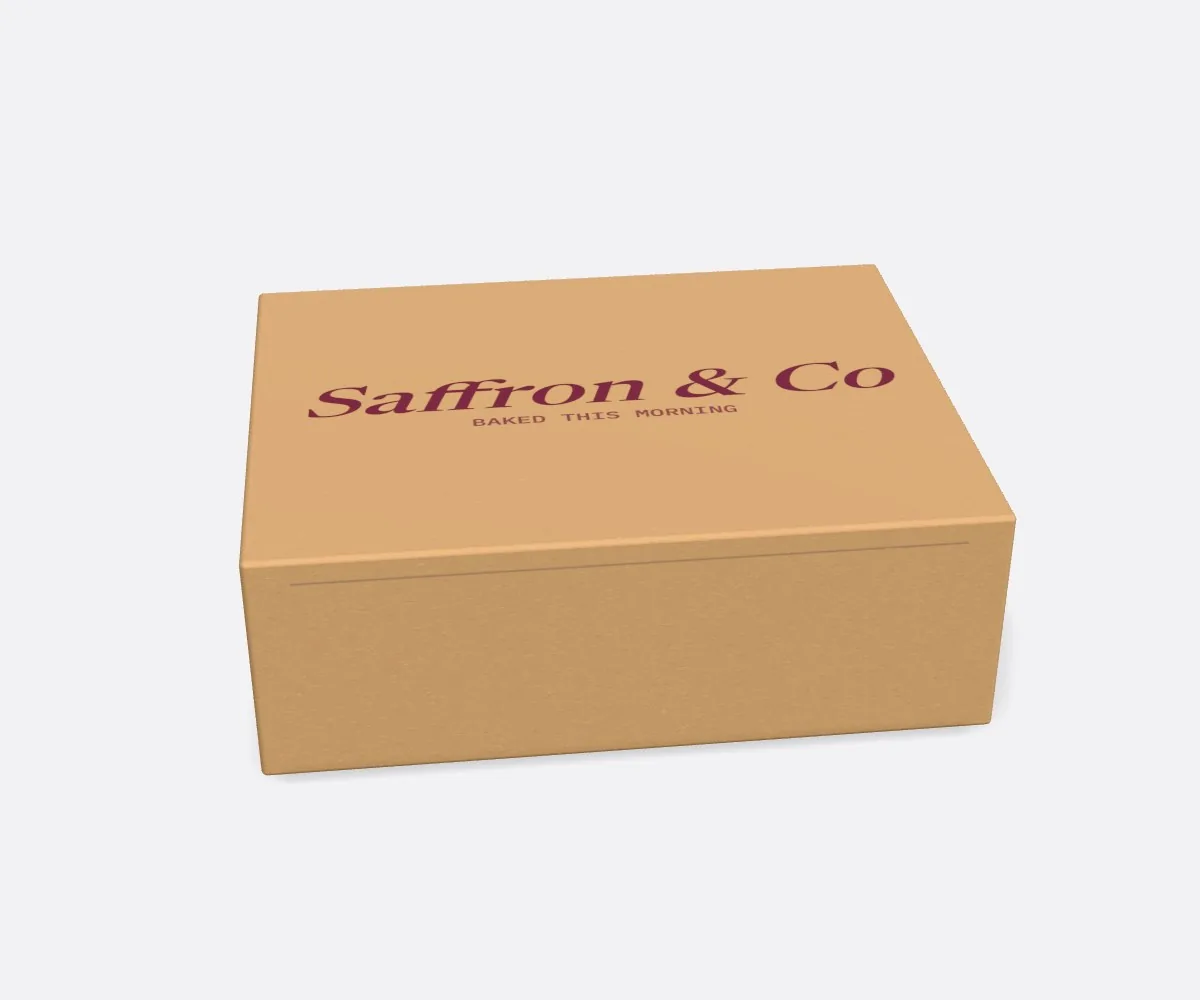
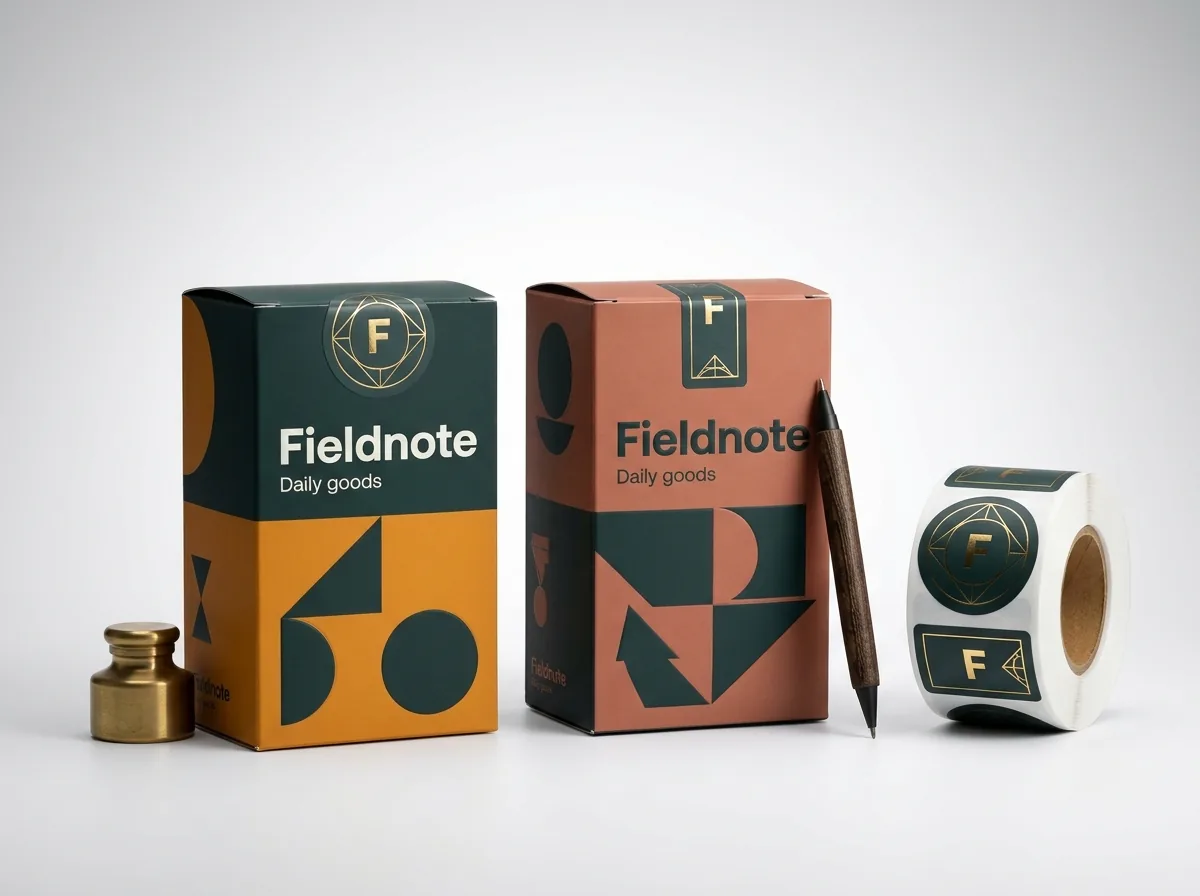
A dozen donut box has a unique superpower that almost no other food package enjoys: it sits propped wide open in the middle of an office breakroom, nurses' station, or teachers' lounge for three hours while twelve different people walk up and pick a donut. If your branding is printed only on the outside of the closed lid, eleven of those twelve people never see your shop's name once the lid is flipped back. Printing your logo, a cheerful morning headline, your catering phone number or QR code, and a flavor map across the inside of the top lid turns every dozen tray into a countertop sign. Pair that interior print with a custom seal sticker on the front flap for delivery orders so office managers know exactly where to reorder next Friday. When you request your free digital dieline proof and 3D mockup from CubitPack, our designers can lay out both your exterior lid and your interior breakroom billboard at no extra design cost.
- Interior lid billboard: print your bakery name, website, and catering QR code inside the lid where everyone sees it.
- Front-lip flavor checklist: print checkboxes for Glazed, Chocolate, Maple, Filled, and Cake along the front rim.
- Reheating note: add a 1-line tip ("8 seconds in the microwave brings back that 6 a.m. warmth").
- Delivery tamper seal: close the front tuck tab with a branded sticker for third-party courier orders.
What are the most common mistakes when boxing warm donuts?
Trapped steam and unlined paperboard can undo hours of careful frying and glazing in a ten-minute car ride. Avoid these five mistakes
- Boxing hot-off-the-glaze-line donuts inside a completely sealed, unvented carton, which traps steam and melts the sugar glaze into syrup.
- Putting vent holes on the flat top roof instead of the upper side walls, so stacking a second box on top blocks the vents completely.
- Setting freshly fried donuts directly onto uncoated paperboard without a grease barrier or butter paper liner, leaving oil rings on customer tables.
- Closing a plastic-window lid over steaming donuts without cooling or side vents, causing the window film to fog over with condensation.
- Printing your logo only on the outside of the lid and leaving the inside blank, so nobody at the office breakroom sees your brand when the box is open.
Find your size
Suggested inside size: 4.5 × 4.5 × 2.25 in
A starting point. Your account manager confirms the size with you before the proof.
Quote this size →Packaging for this
Ready to order donut boxes? Compare up to 3 quantities with a free 3D mockup.
Request a Quote →Questions about donut boxes
Do custom steam vents on donut boxes cost extra die fees?
No. CubitPack never charges die or plate fees on custom donut boxes. We can add corner breathability slits or side-wall louver vents to your half-dozen, full-dozen, or gable donut-hole boxes at zero extra cost.
Are food-safe and oil-resistant donut boxes available from CubitPack?
Yes, food-safe materials and frying-oil resistant barriers are available on request through our certified partner facilities. You can also order matching custom printed butter paper sheets.
Why does powdered sugar disappear on donuts inside a closed box?
Standard powdered sugar absorbs warm moisture trapped inside an unvented carton and dissolves into a wet paste. Letting donuts cool before dusting or using a vented box with non-melting dextrose dusting sugar keeps the white coating dry.
Can I print on the inside of a donut box if the donuts sit in the bottom tray?
Yes. We print the inside of the top hinged lid where the donuts do not rest, while the bottom tray floor stays clean white, natural kraft, grease-lined, or covered with a sheet of custom butter paper.
What is the minimum order quantity for vented custom donut boxes?
The minimum order is 1,000 boxes. You can request quotes for 1,000, 2,500, and 5,000 units at once to see how unit pricing scales as your morning volume grows.
How long does production take and is shipping free?
Standard production takes 10 to 14 business days after you approve your free digital dieline proof and 3D mockup and complete payment. Rush production in 4 to 5 business days is available, and shipping is free to all 50 US states.
Still have a question? Ask a packaging specialist.
Request a Quote →Request your donut boxes quote
Tell us your size and quantities, and one dedicated account manager prepares pricing for each tier.
- Free design & AI-to-print studio + 3D mockup
- No die or plate charges · 4–5 day rush available
- Free shipping to all 50 states
- 10% off your first order
This guide compiles bakery ventilation geometry, sugar-glaze humidity behavior, and frying-oil barrier practices used on commercial doughnut cartons. A CubitPack packaging specialist reviewed every section. Spot something wrong? Tell us and we will fix it.
Sources
What changed
- October 22, 2026: First published.
- October 22, 2026: Updated specifications, terminology, and verified source links.
More guides
New packaging guides by email
Sizes, materials and design tips. Unsubscribe anytime.