
What size cupcake box and insert hole do I need?
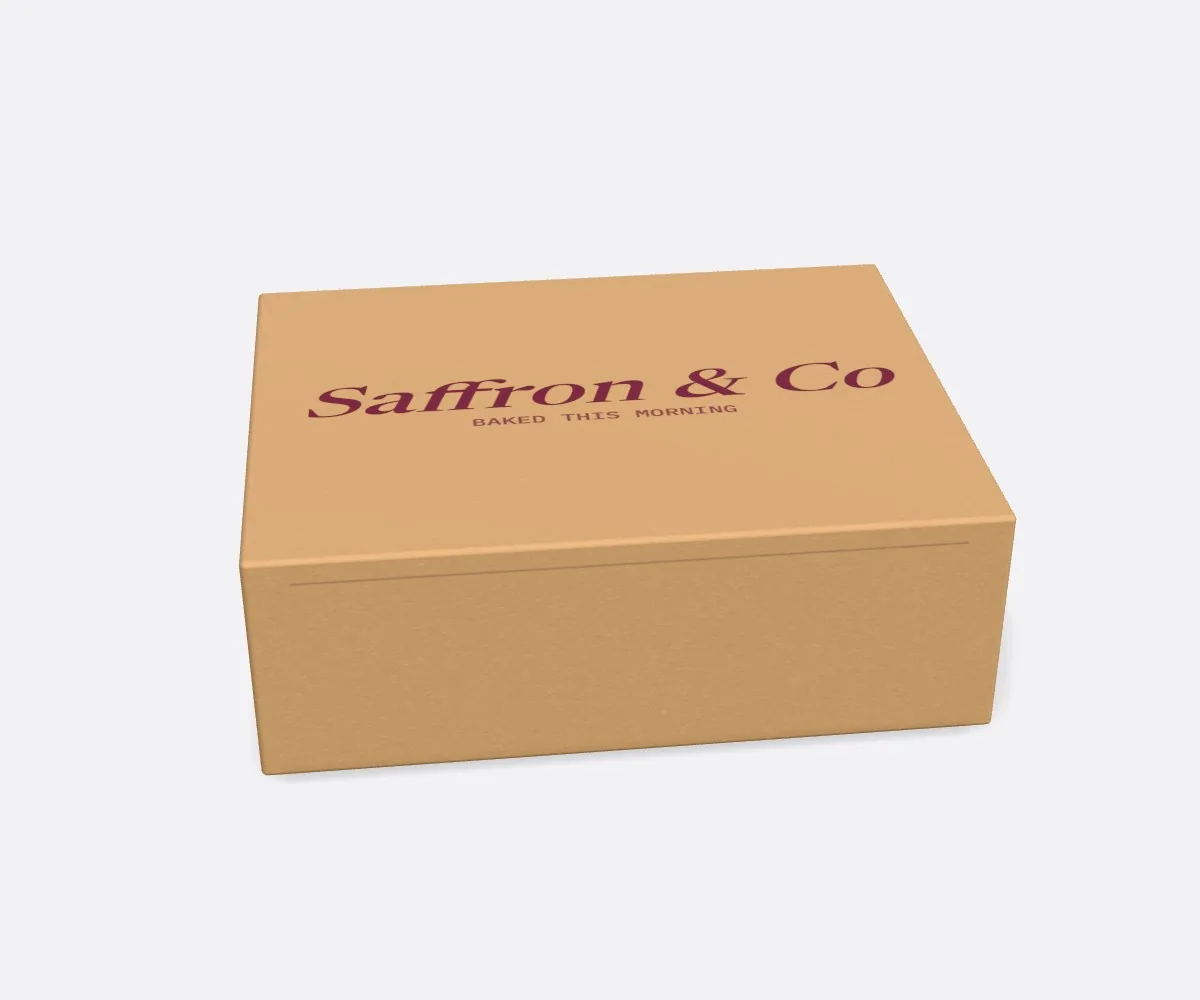
Short answer: Size your cupcake carton around the die-cut insert ring and your tallest frosting peak. Standard cupcakes use a 2.25 to 2.5 inch insert hole inside a 4-inch-tall box: 3.5 × 3.5 × 4 in for one, 6.5 × 6.5 × 4 in for four, and 9.5 × 6.5 × 4 in for six custom cupcake boxes.
On this page
- How do I measure a cupcake for both the insert ring and the outer box
- What are the standard cupcake box sizes for 1, 2, 4, 6, 12, and 24 counts
- What insert hole diameter fits mini, standard, and jumbo baking liners
- How tall should a cupcake box be for high swirls, fillings, and toppers
- How do single favor boxes differ in sizing from 6-pack and 12-pack catering boxes
- Common mistakes
- FAQs
Request a custom quoteFree dieline & 3D mockup
Choosing the right cupcake box size requires two coordinated measurements: the circular cavity diameter in the removable insert tray and the inside length, width, and height of the outer carton. Always measure a cooled, baked cupcake sitting inside its fluted paper liner rather than an empty baking cup, because batter expands the paper wall slightly in the oven. Mini cupcakes need a 1.5 inch insert hole, standard cupcakes need a 2.25 to 2.5 inch hole, and jumbo or tulip-liner cupcakes need a 2.75 to 3.0 inch hole. Around each cupcake dome, leave at least 0.5 to 0.75 inches of center-to-center spacing so neighboring buttercream swirls never kiss. For height, measure from the table to the tip of your tallest piping peak or decorative pick and add 0.5 to 0.75 inches so the window film cannot press into the icing. Every order of printed cupcake boxes from CubitPack includes a matched custom insert with zero die fees.
How do I measure a cupcake for both the insert ring and the outer box?
Unlike cookies or brownies that sit flat on a carton floor, a cupcake is suspended by its tapered paper liner inside a raised paperboard platform. That means you need three numbers from a finished cupcake before you look at box footprints: the base diameter of the baked liner, the widest diameter of the muffin crown or frosting swirl, and the total standing height from base to peak. Set a baked and frosted cupcake on a flat counter next to a ruler. First, measure straight across the flat bottom of the fluted paper cup, then measure partway up the tapered wall where a 1-inch-tall insert pedestal will grip the liner. Second, measure the widest span across the top dome or piped rosette so you know how wide each grid cell must be. Third, measure vertically from the counter to the highest point of the frosting, berry garnish, or party topper. When you submit those three numbers on a quote for custom cupcake boxes with inserts, our structural team sizes both the cavity rings and the outer walls together.
- Base liner diameter: measure across the bottom of a baked cupcake cup, then add 1/8 inch so the insert ring catches the tapered wall.
- Frosting crown width: measure the widest part of the top swirl and add 1/2 inch between cavities so adjacent cupcakes never rub.
- Total standing height: measure from the bottom of the liner to the tip of the swirl or cake topper and add 1/2 to 3/4 inch of lid clearance.
- Insert pedestal height: typically 0.75 in for mini cups and 1.0 to 1.25 in for standard and jumbo cups so the base cannot tip.
- Inside box dimensions: always write outer carton sizes as inside Length × Width × Height in inches.
What are the standard cupcake box sizes for 1, 2, 4, 6, 12, and 24 counts?
While CubitPack cuts every carton and insert to your exact dimensions with no die or plate charges, most cupcakeries, grocery bakeries, and event caterers build their menu around seven standard pack footprints. The chart below pairs each pack count with its typical inside box dimensions (Length × Width × Height) and matching insert hole diameter. Notice how the box length and width scale with the grid layout plus a 0.5-inch perimeter buffer around the insert wall so the removable platform slides in and out without binding. If you bake in tall parchment tulip cups or pipe extra-wide floral buttercream domes, add 0.5 inches to both the grid spacing and the wall height shown in the table.
| Pack count & cupcake type | Typical inside box size (L × W × H) | Insert layout & hole diameter |
|---|---|---|
| 1 standard cupcake (favor cube) | 3.5 × 3.5 × 4.0 in | 1 cavity · 2.25–2.5 in hole |
| 2 standard cupcakes (duo carrier) | 6.5 × 3.5 × 4.0 in | 2 × 1 grid · 2.25–2.5 in holes |
| 4 standard cupcakes (square 4-pack) | 6.5 × 6.5 × 4.0 in | 2 × 2 grid · 2.25–2.5 in holes |
| 6 standard cupcakes (half dozen) | 9.5 × 6.5 × 4.0 in | 3 × 2 grid · 2.25–2.5 in holes |
| 12 standard cupcakes (full dozen) | 13.0 × 9.5 × 4.0 in | 4 × 3 grid · 2.25–2.5 in holes |
| 6 jumbo or tulip-liner cupcakes | 11.0 × 7.5 × 4.5 in | 3 × 2 grid · 2.75–3.0 in holes |
| 12 mini bite-size cupcakes | 9.0 × 6.75 × 3.0 in | 4 × 3 grid · 1.5 in holes |
| 24 mini catering cupcakes | 14.0 × 10.0 × 3.0 in | 6 × 4 grid · 1.5 in holes |
What insert hole diameter fits mini, standard, and jumbo baking liners?
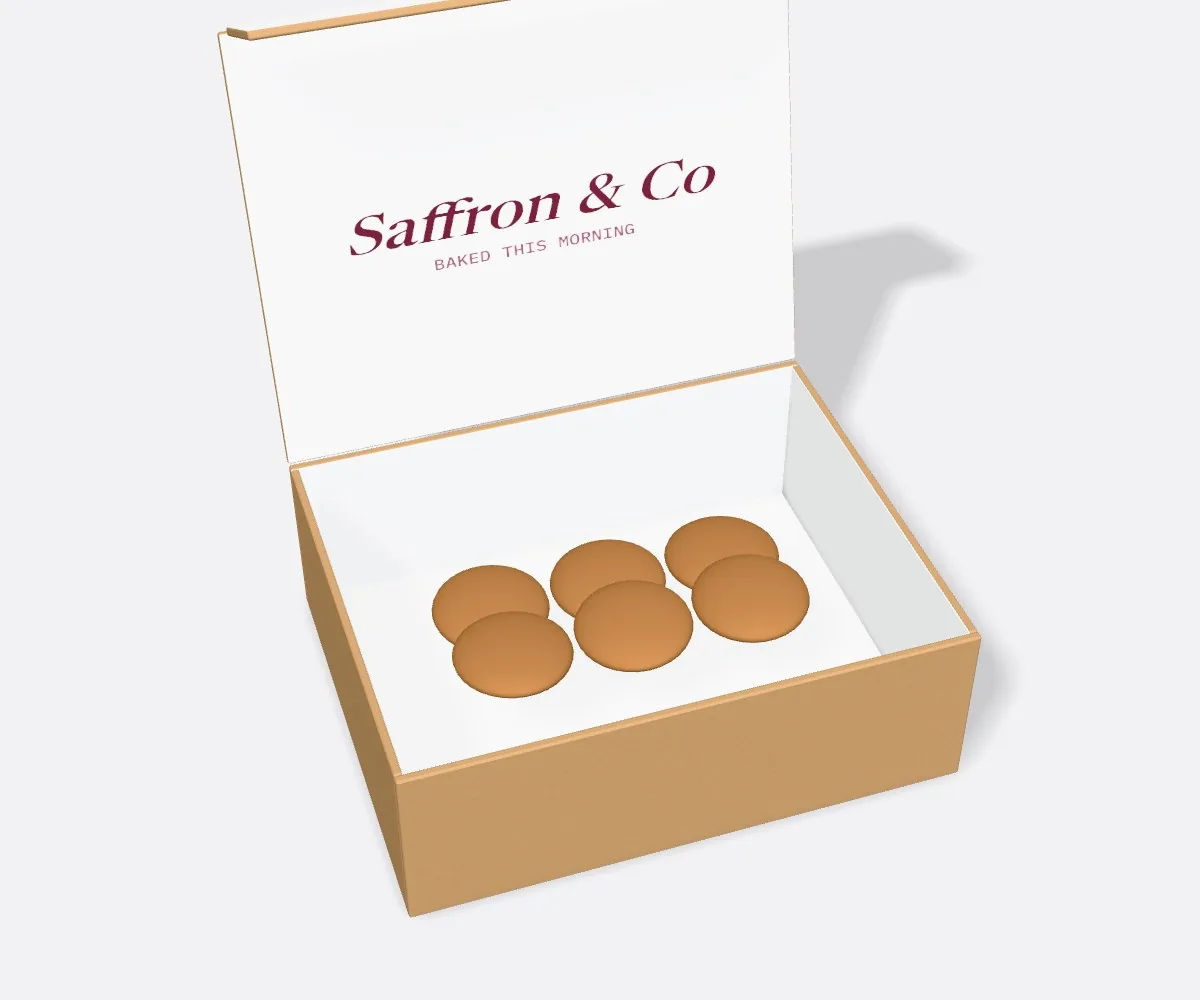
A cupcake baking cup is a truncated cone: narrower at the flat floor and wider at the top rim. An insert ring works by catching the cup partway up that sloped wall so the bottom of the paper liner hovers just above or lightly kisses the floor of the carton. If the hole is cut too small, the cupcake sits perched on top of the ring and tumbles out at the first bump in the car. If the hole is cut too wide, the cup drops all the way to the floor with loose play around its waist and tilts into its neighbor. For bite-size mini cupcakes baked in 1.25-inch-base cups, a 1.5 inch circular cutout with a 0.75 inch pedestal leg locks the cup cleanly. For standard #500 bakery liners (which measure about 2.0 inches across the bottom and 2.75 inches across the top after baking), a 2.25 to 2.5 inch hole on a 1.0 inch tall pedestal is the sweet spot. For jumbo muffin tins or folded square parchment tulip liners, step up to a 2.75 to 3.0 inch cavity with flexible V-tabs or finger notches on a custom cardboard insert.
Know your size? Compare pricing across up to 3 quantities.
Request a Quote →How tall should a cupcake box be for high swirls, fillings, and toppers?
Box height is where most bakeries run into trouble. A classic 3.5-inch-tall pastry carton works only for flat-iced cupcakes or low ganache glazes. Once a decorator uses a large open-star tip to pipe a two-ring buttercream swirl, a standard cupcake stands 3.25 to 3.5 inches tall, which means a 3.5-inch lid will press straight down onto the peak and leave a greasy smear across the inside of the clear window film. Making 4.0 inches your baseline height for everyday 1, 2, 4, 6, and 12 count boxes gives standard swirls a full half inch of breathing room. When your menu includes gourmet cupcakes crowned with whole strawberries, Oreo cookies, macarons, or meringue torches, move to a 4.5 inch or 5.0 inch wall. For bridal showers, graduations, and kids' birthdays where customers add 2-inch acrylic or cardstock picks on top of the swirl, a 5.5 inch or 6.0 inch tall custom window box keeps the topper upright without bending.
How do single favor boxes differ in sizing from 6-pack and 12-pack catering boxes?
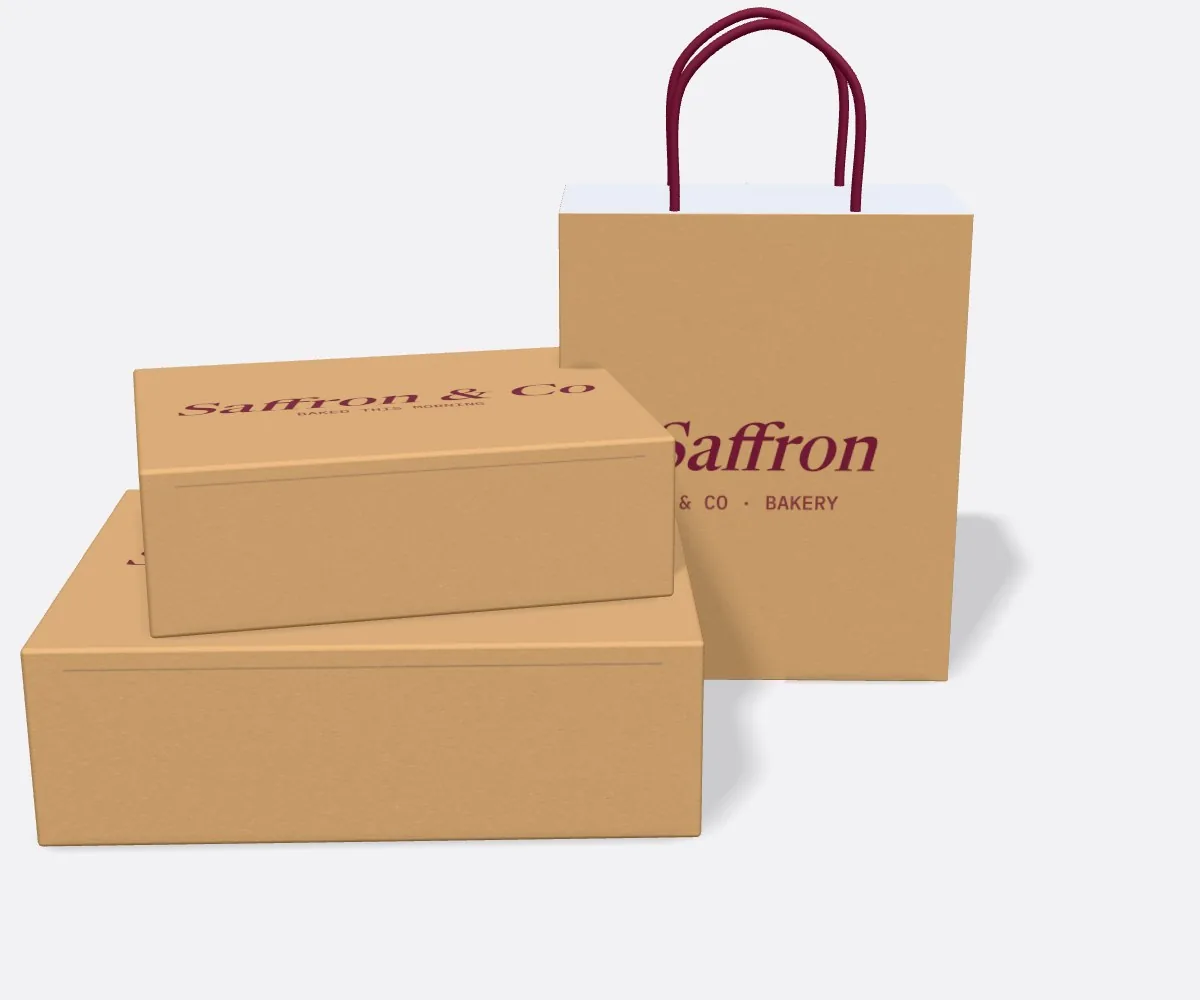
In a single cupcake cube (3.5 × 3.5 × 4.0 in) or a 2-pack carrier (6.5 × 3.5 × 4.0 in), the outer walls of the box sit close to the cupcake dome on all sides. Leaving a 0.5-inch gap between the widest edge of the frosting and the vertical wall prevents knuckles or cake edges from scraping the inside of the carton when a guest lifts the cupcake out. Single favor boxes often use a custom gable box top handle, which adds another 1.5 inches of folded handle height above the 4.0-inch compartment. In a 6-pack (9.5 × 6.5 × 4.0 in) or 12-pack (13.0 × 9.5 × 4.0 in) box, the wide lid span is the main structural factor. A 13-inch span with a large clear window will sag downward in the middle if two dozen boxes are stacked on top of each other unless the board caliper is matched to the span and at least a 0.75-inch frame of solid paperboard remains around the window cutout. For 12-count standard and 24-count mini boxes that travel by local delivery courier, upgrading the box floor to an auto lock bottom box or E-flute corrugated board stops the tray from flexing when carried with one hand.
What are the most common cupcake box sizing mistakes?
A quarter-inch error on an insert ring or box wall can ruin an entire tray of piped frosting. Check these five sizing traps before approving your dieline proof
- Measuring an empty paper liner instead of a baked cupcake, which makes the insert hole 1/8 inch too tight once the cake expands in the oven.
- Using a 3.5-inch-tall pastry box for piped buttercream swirls, causing the top window patch to flatten the icing peak.
- Forgetting to add 1.5 to 2.0 inches of extra box height when orders include vertical birthday picks, candles, or acrylic toppers.
- Placing insert cavities too close together without a 1/2-inch center-to-center buffer, so neighboring muffin tops and rosettes rub together.
- Skipping half-moon thumb notches around the cavity rings, leaving customers no room to slip their fingers under the liner.
Find your size
Suggested inside size: 3.5 × 3.5 × 4.0 in
A starting point. Your account manager confirms the size with you before the proof.
Quote this size →Packaging for this


Ready to order cupcake boxes? Compare up to 3 quantities with a free 3D mockup.
Request a Quote →Questions about cupcake boxes
What size box do I need for 6 standard cupcakes?
A standard half-dozen (6-pack) cupcake box is typically 9.5 × 6.5 × 4.0 inches inside, paired with a 3 × 2 grid insert whose circular holes measure 2.25 to 2.5 inches across. If your cupcakes have tall swirls or fruit toppings, increase the height to 4.5 inches.
What size box do I need for 12 standard cupcakes?
A full-dozen (12-pack) standard cupcake box typically measures 13.0 × 9.5 × 4.0 inches inside with a 4 × 3 die-cut insert grid. Because a dozen cupcakes weigh two to three pounds, many bakeries choose heavier paperboard or E-flute corrugated board so the floor stays flat.
What size insert hole fits mini cupcakes vs jumbo cupcakes?
Mini bite-size cupcakes use a 1.5 inch insert hole on a 0.75 inch tall insert pedestal. Jumbo cupcakes and tall square parchment tulip liners use a 2.75 to 3.0 inch insert hole on a 1.25 inch tall pedestal.
Are custom cupcake box sizes quoted as inside or outside dimensions?
Cupcake boxes are always quoted by inside dimensions: Length × Width × Height in inches. Inside dimensions govern how the removable insert tray fits across the floor and how much vertical clearance sits above your frosting swirl.
Can I get a custom insert sized to my exact baking cup brand?
Yes. Every CubitPack cupcake box and insert is cut to order with no die or plate charges. Tell us the bottom diameter and wall height of your baked liner, and we will size the cavity rings to match before sending your digital proof and 3D mockup.
Can I test the paperboard and finishes before ordering 1,000 cupcake boxes?
Yes. You receive a free digital dieline proof and 3D mockup before paying, and you can order our $50 sample kit (credited toward your first order) or a paid custom printed prototype of your exact box and insert.
Still have a question? Ask a packaging specialist.
Request a Quote →Request your cupcake boxes quote
Tell us your size and quantities, and one dedicated account manager prepares pricing for each tier.
- Free design & AI-to-print studio + 3D mockup
- No die or plate charges · 4–5 day rush available
- Free shipping to all 50 states
- 10% off your first order
The box footprints and insert hole diameters in this guide are based on standard US mini, #500 standard, and jumbo baking liner measurements plus a 0.5-inch frosting clearance margin. A CubitPack packaging specialist verified every row. Spot something wrong? Let us know and we will fix it.
Sources
What changed
- October 22, 2026: First published.
- October 22, 2026: Updated specifications, terminology, and verified source links.
More guides
New packaging guides by email
Sizes, materials and design tips. Unsubscribe anytime.