
How Do Windowed Two-Piece and Magnetic Closure Rigid Gift Boxes Compare?
Short answer: Two-piece telescoping rigid window boxes offer classic unboxing elegance, calibrated air-release drops, and economical unit production costs. In comparison, magnetic closure rigid window boxes deliver an executive book-style hinged presentation with concealed rare-earth magnets, creating a lasting heirloom keepsake chest for fine retail gifts.
On this page
- How does the structural architecture differ between two-piece and magnetic window boxes
- What mechanics govern the calibrated vacuum air-release drop on two-piece window lids
- How are rare-earth neodymium magnets integrated around the window cutout
- What display orientation advantages does a hinged magnetic lid provide at retail
- How do unit production costs and assembly labor compare between both formats
- What stacking compression strength differences protect boxes in transit
- How does keepsake reusability influence consumer brand loyalty
- What protective corrugated overbox options prevent transit scuffing
- Common mistakes
- FAQs
Request a custom quoteFree dieline & 3D mockup
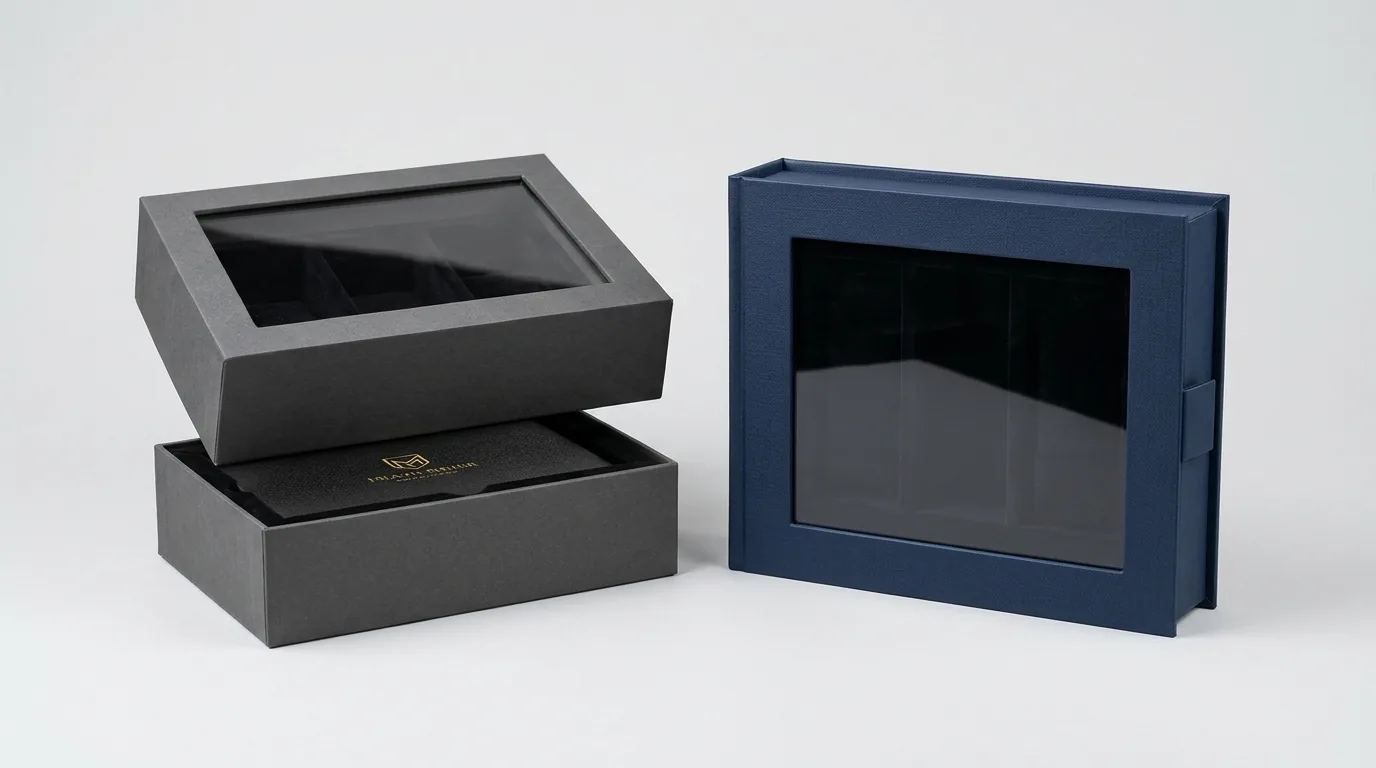
Selecting between a two-piece telescoping setup box and a hinged magnetic closure chest dictates the retail unboxing ritual, structural durability, and manufacturing economics of luxury presentation packaging. When ordering custom rigid boxes with window, brand managers evaluate how each closure format integrates clear optical PET display windows with heavy 1.5 mm to 2.5 mm chipboard cores. A two-piece telescoping window box consists of a separate base tray and a fitted windowed lid engineered with a calibrated 1.0 mm lateral air gap that produces a smooth, controlled 2-second vacuum descent. This format offers the most cost-effective production economics and maximum top-load stacking strength for artisanal chocolates, macarons, and container candles. Conversely, a magnetic closure rigid box features a one-piece hinged cover with concealed neodymium rare-earth magnets that seal with an audible snap. When specifying luxury window gift packaging, our packaging specialists provide physical prototypes, magnetic pull force testing, and free custom 2D CAD dielines.
How does the structural architecture differ between two-piece and magnetic window boxes?
The primary structural difference lies in lid articulation and component geometry. A two-piece rigid box comprises two independent V-grooved setup trays: an inner base tray holding the merchandise and an outer lid featuring the die-cut PET window that slips completely over the base walls. In contrast, a magnetic closure rigid box utilizes a three-piece wrapped chipboard case (front flap, spine, and back cover) hinged together with laminated bookbinding paper. The rigid product tray is glued permanently to the interior back cover, and the window is cut into the front magnetic flap. The magnetic format opens like a hardcover art book, while the two-piece format requires two-handed lifting to separate the lid from the base.
What mechanics govern the calibrated vacuum air-release drop on two-piece window lids?
A signature hallmark of luxury two-piece rigid boxes is the slow, effortless descent of the telescoping lid. This controlled movement is created by pneumatic air resistance trapped between the interior lid cavity and exterior base sidewalls. Packaging CAD engineers calibrate the lateral clearance tolerance between lid and base to exactly 0.8 mm to 1.2 mm. When a consumer lifts the box by the lid, the base tray glides downward over a 2-second duration before revealing the product. When engineering a die-cut window in the lid, the perimeter PET film flange must be mounted completely flush against the interior chipboard face to prevent the film edge from catching against the base rim during closure.
How are rare-earth neodymium magnets integrated around the window cutout?
Magnetic closure rigid boxes rely on high-grade rare-earth neodymium (NdFeB) disc magnets measuring 10 mm to 15 mm in diameter and 1.0 mm in thickness. During core fabrication, high-speed CNC routing heads mill shallow circular pockets into the front chipboard flap and matching receiver pockets in the front base tray wall. The magnets are inserted with alternating polarity and sealed beneath the 157 gsm outer wrap and interior lining paper, rendering them completely invisible to the consumer. In windowed lids, magnets are positioned in the bottom corners of the front flap, ensuring that magnetic clamping force does not exert uneven torsional stress across the central PET window cutout.
Know your size? Compare pricing across up to 3 quantities.
Request a Quote →What display orientation advantages does a hinged magnetic lid provide at retail?
Retail merchandising environments often require packaging that can transition from sealed transit containers to interactive point-of-sale display fixtures. A hinged magnetic window box excels in this dual role. Retail store staff can leave the magnetic lid propped open at a 45-degree or 90-degree angle on store shelves, transforming the box into an upright product showcase where the transparent window catches overhead boutique lighting. Two-piece boxes, by comparison, require the lid to be placed beneath the base tray or set aside on the counter, consuming twice the retail shelf footprint in compact display planograms.
How do unit production costs and assembly labor compare between both formats?
Manufacturing economics differ between both rigid closure architectures. Two-piece telescoping rigid boxes utilize automated quad-stayer and rigid box wrapping machines that operate at high cycle speeds of 30 to 45 units per minute, resulting in lower unit manufacturing costs. Magnetic closure boxes require additional manufacturing steps: CNC pocket milling, manual magnet insertion with polarity verification, bookbinding spine assembly, and tray-to-cover gluing. Consequently, magnetic closure boxes typically carry a 20% to 35% cost premium over two-piece setups of identical dimensions. However, for luxury price points and executive merchandise, the enhanced tactile prestige easily justifies the investment.
What stacking compression strength differences protect boxes in transit?
When packaged products are palletized for warehouse storage or freight transport, top-load compressive strength is essential to prevent box crushing. A two-piece telescoping box features double-thickness vertical sidewalls when the lid is closed, as the outer lid walls sit directly outside the base walls. Under standardized ASTM D642 compressive resistance testing, a 2.0 mm chipboard two-piece box withstands over 450 pounds of static top-load force. A magnetic closure box features single-thickness front and side walls with an overhanging flap, resulting in roughly 25% lower vertical compressive strength, requiring sturdier corrugated master shippers for pallet freight.
How does keepsake reusability influence consumer brand loyalty?
Rigid setup packaging functions as a lasting tangible ambassador for your brand in consumers' homes. Consumer perception research confirms that over 82% of luxury retail consumers retain solid chipboard rigid boxes long after the initial contents have been used, repurposing them as decorative vanity chests, jewelry organizers, or stationery containers. Hinged magnetic boxes with clear display windows achieve the highest keepsake retention rates, as recipients can admire stored keepsakes through the transparent window on bedroom dressers, reinforcing positive brand impressions every single day.
What protective corrugated overbox options prevent transit scuffing?
Because luxury rigid boxes feature delicate soft-touch laminations, metallic foil stamping, and optical PET display windows, they cannot be shipped bare through postal sorting hubs without risk of corner dings and window abrasion. Packaging converters engineer custom fitted 32 ECT E-flute or B-flute corrugated shipping overboxes sized to wrap snugly around the rigid gift box with a 2 mm protective tolerance. The outer corrugated shipper absorbs conveyor belt abrasion and drop shock, ensuring the pristine rigid window box arrives on the customer's doorstep in flawless, boutique condition.
What are common mistakes when choosing between two-piece and magnetic window boxes?
Selecting the wrong closure format can compromise unboxing functionality and budget. Packaging specialists identify four frequent errors
- Choosing tight telescoping tolerances under 0.5 mm on two-piece lids, creating a vacuum lock that makes the lid impossible to open effortlessly.
- Positioning rare-earth magnets too close to window apertures, causing local paper wrap puckering and uneven magnetic clamping tension.
- Selecting magnetic closure boxes for high-volume seasonal bakery items where rapid automated carton erecting is paramount to fulfillment speed.
- Failing to specify fitted corrugated protective overboxes when mailing individual rigid window boxes through commercial parcel carriers.
Packaging for this

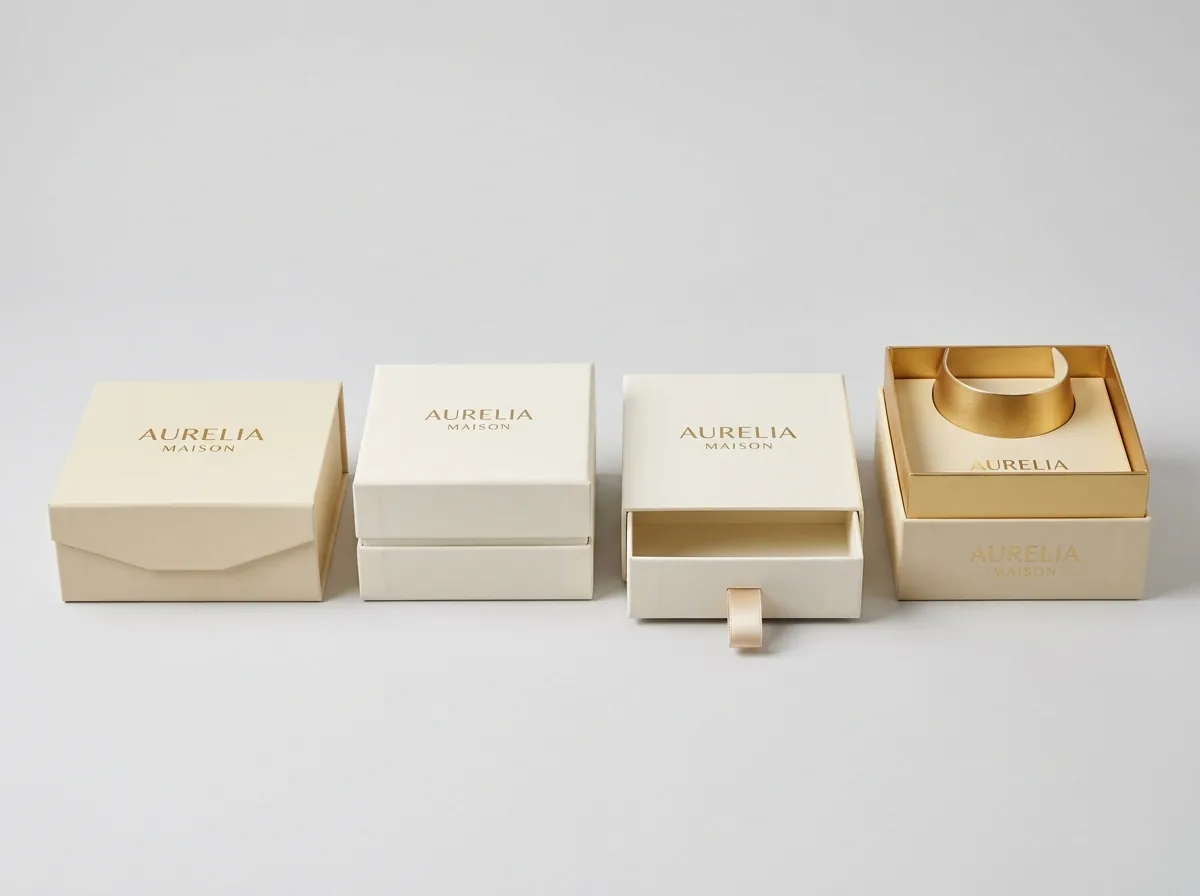
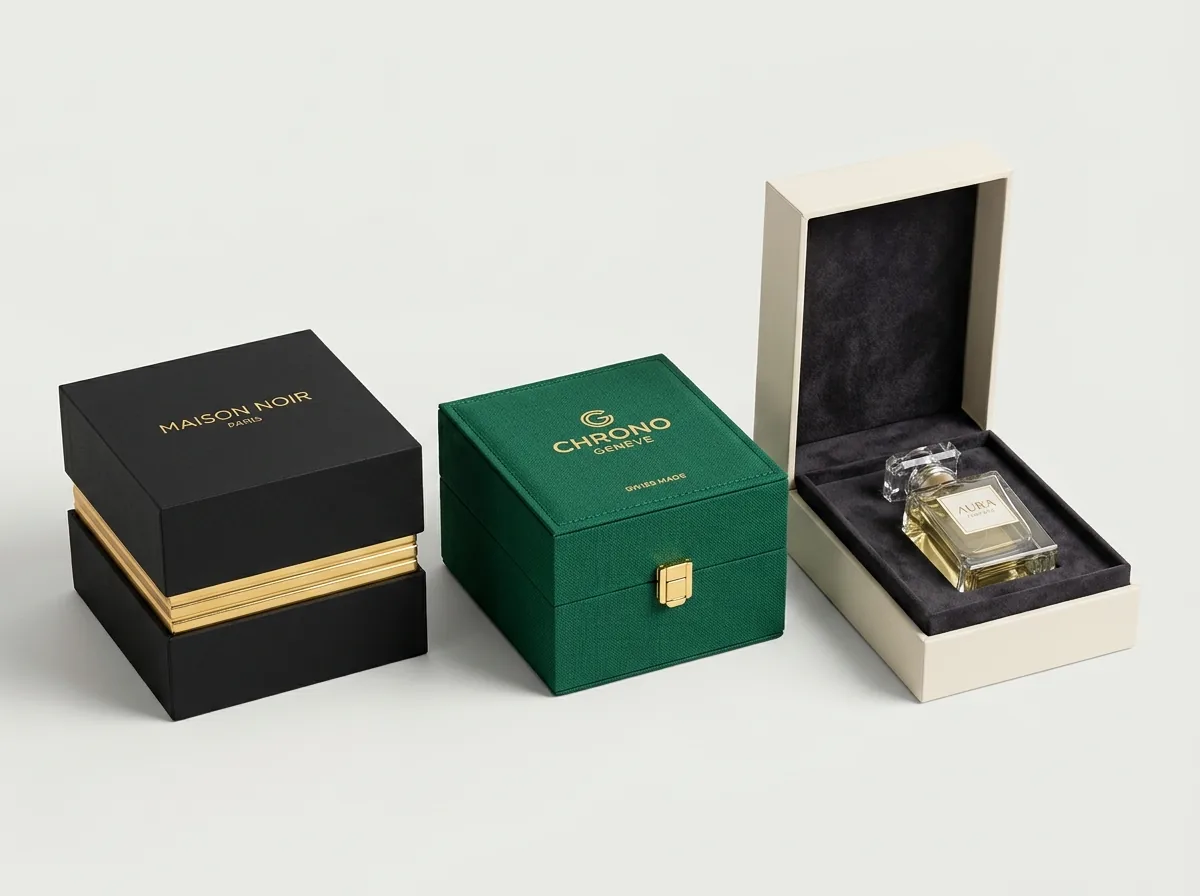
Ready to order rigid boxes with window? Compare up to 3 quantities with a free 3D mockup.
Request a Quote →Questions about rigid boxes with window
Which style is more expensive: two-piece telescope or magnetic closure with window?
Magnetic closure window boxes are generally 20% to 35% more expensive than two-piece telescoping setups of identical size due to the manual labor required for CNC magnet pocket routing, polarity verification, and bookbinding case assembly.
Can a two-piece rigid window box achieve a slow vacuum drop?
Yes. When CAD designers calibrate the lateral gap between lid and base sidewalls to exactly 1.0 mm, trapped air escapes smoothly over 2 seconds, producing an elegant luxury unboxing reveal.
How strong are the magnets in a magnetic closure rigid window box?
We utilize nickel-plated N42 neodymium rare-earth disc magnets that generate 1.2 to 2.5 pounds of direct pull force, providing a secure, crisp snap closure that keeps the lid firmly sealed during handling.
Can you print custom artwork on the inside lid of both styles?
Yes. We print full-color CMYK artwork, personalized greeting text, or metallic foil stamping on both exterior wraps and interior lid linings across two-piece and magnetic closure rigid boxes.
What is the minimum order quantity for custom windowed rigid gift boxes?
Our minimum order quantity starts at 250 units for both two-piece and magnetic closure rigid window boxes, complete with zero cutting die setup charges and free US ground delivery.
Do these rigid boxes ship flat to save warehouse storage space?
Standard two-piece and magnetic rigid boxes arrive fully assembled as permanent setup boxes. However, we also engineer collapsible 4-corner magnetic boxes that ship flat and pop into shape in seconds.
Still have a question? Ask a packaging specialist.
Request a Quote →Request your rigid boxes with window quote
Tell us your size and quantities, and one dedicated account manager prepares pricing for each tier.
- Free design & AI-to-print studio + 3D mockup
- No die or plate charges · 4–5 day rush available
- Free shipping to all 50 states
- 10% off your first order
Researched against Paperboard Packaging Council setup standards, ASTM D642 compressive resistance protocols, and Magnetics Industry Association pull force data. Verified by CubitPack packaging specialists.
Sources
What changed
- November 11, 2026: Initial publication of technical comparison guide on windowed two-piece vs magnetic closure rigid gift boxes with 5 CAD SVGs.
More guides
New packaging guides by email
Sizes, materials and design tips. Unsubscribe anytime.