
Straight tuck end vs tray-and-sleeve blush boxes: which protects cheek compacts and refill pans?
Short answer: Choose a straight tuck end carton for everyday single blush compacts that need a clean front face and fast hand or machine packing. Choose a two-piece tray-and-sleeve box for fragile baked or talc-free pressed blushes that need double-wall edge protection, and order custom blush boxes from 1,000 units.
On this page
- How do straight tuck end and tray-and-sleeve blush boxes differ structurally
- How do the five main blush box styles compare side by side
- Which structure best prevents pressed powder blush cakes from shattering
- What is the best paperboard structure for magnetic blush refill pans
- When should liquid and stick blushes use reverse tuck vs auto lock bottom
- Common mistakes
- FAQs
Request a custom quoteFree dieline & 3D mockup
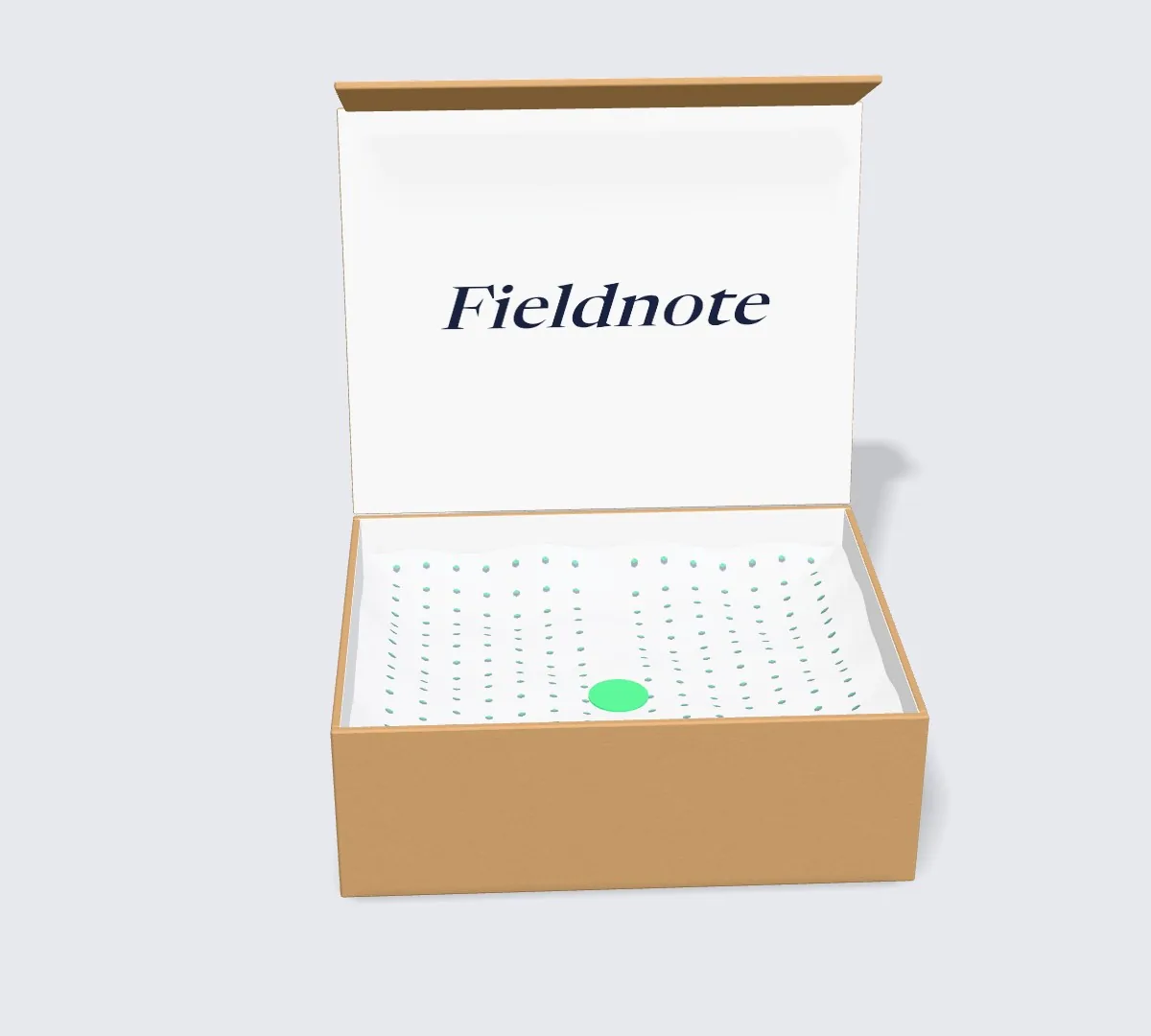
Picking the right structural style for a cheek product comes down to how fragile the formula is and how customers open the package. A straight tuck end (STE) carton folds both top and bottom flaps toward the rear panel, giving a 2.5 × 2.5 inch blush compact an uninterrupted front billboard with no raw paperboard seam while shipping flat as a single glued piece. A tray-and-sleeve (drawer) box pairs an outer wraparound sleeve with a double-walled inner slide tray, doubling the crush resistance around the perimeter of delicate talc-free or baked dome blush pans and turning the unboxing into a smooth drawer reveal. For bare metal magnetic refill tins, a slim die-cut card envelope with an internal recessed well replaces plastic blister clamshells. For heavy frosted glass liquid blush bottles, a pre-glued auto lock bottom prevents bottom flap failure during fulfillment and retail restocking.
How do straight tuck end and tray-and-sleeve blush boxes differ structurally?
On a standard reverse tuck end carton, one closure flap hinges from the front panel and the other hinges from the back panel, leaving a visible raw board cut line across either the top or bottom edge of the front face. Beauty brands rarely want that raw cut line interrupting a soft-touch pastel or rose gold foil front panel. A custom straight tuck end box solves that by hinging both the top and bottom tuck flaps off the front panel so both fold cleanly into the back wall, leaving all four front edges smooth and folded. A custom tray and sleeve box works on a two-piece architecture. The outer sleeve is a four-panel tube glued along one seam, and the inner tray features folded double-layer side walls that slide out horizontally like a matchbox drawer. Because the compact sits inside a four-sided tray surrounded by an outer sleeve, the perimeter of the blush compact is protected by two to three layers of paperboard instead of one. When you quote printed blush compact packaging, both styles start at 1,000 units with zero die or plate fees.
- Straight tuck end (STE): one-piece carton, clean front face, fast top-load packing, lowest board footprint.
- Tray and sleeve (drawer): two-piece structure, double-wall side impact buffer, tactile slide-out unveiling.
- Refill pan envelope: ultra-slim 0.25 in folder or sleeve with an inner recessed card well for bare metal tins.
- Reverse tuck end (RTE): economical high-speed carton best reserved for lightweight cream sticks and plastic tubes.
- Auto lock bottom: pre-glued crash-lock base built for thick-walled glass liquid blush bottles.
How do the five main blush box styles compare side by side?
Every cheek formula places different stresses on a carton during parcel fulfillment and retail shelving. A lightweight plastic cream blush stick barely stresses the bottom flap, whereas a baked mineral terracotta dome pan can crack if a single corner of the box crushes by 2 millimeters. Compare the five primary structures below before locking in your dieline. Pay close attention to the trade-off between packing speed and drop protection. A one-piece straight tuck carton pops open and closes in seconds on a hand-packing table or automated cartoner, while a two-piece tray and sleeve requires assembling the inner tray before sliding it into the outer sleeve. Every style below can be ordered in white card, unbleached kraft or recycled paperboard with free custom dielines.
| Blush box style | Best cheek format | Drop & edge protection |
|---|---|---|
| Straight tuck end (STE) | Standard 57-59 mm pressed powder compacts | Medium (high when paired with inner card frame) |
| Tray and sleeve (drawer) | Baked dome blushes, mirrored duos & luxury compacts | High (double-wall tray rim + outer sleeve) |
| Slim refill envelope | Bare 36-57 mm magnetic metal blush refill pans | High surface protection (recessed inner card well) |
| Reverse tuck end (RTE) | Doe-foot liquid blush tubes & twist-up cream sticks | Medium (ideal for shatterproof plastic tubes) |
| Auto lock bottom | Heavy frosted glass liquid blush pump bottles | Very high bottom-load support (pre-glued base) |
| Magnetic rigid book box | Full-shade blush PR vaults & cheek + brush sets | Maximum (wrapped chipboard (gray board) + EVA foam insert) |
Which structure best prevents pressed powder blush cakes from shattering?
Nothing ruins a beauty unboxing faster than opening a blush compact to find crumbled coral powder dusted across the mirror. Pressed powder fracture happens in two ways during shipping: flat face impact (which flexes the plastic compact lid against the powder cake) and corner impact (which sends a sharp shock wave through the compact hinge straight into the edge of the metal pan). If you sell a soft, high-mica shimmer blush, a talc-free clean-beauty formula or a high-dome baked blush, you have two structural ways to stop pan breakage. First, you can choose a tray-and-sleeve box whose folded double-wall tray acts as a built-in shock absorber around all four edges of the compact. Second, you can keep a one-piece straight tuck end carton and drop a folded custom cardboard insert frame inside. That inner card bumper creates a 1/8 inch air gap around the compact perimeter at a fraction of the cost of a rigid box.
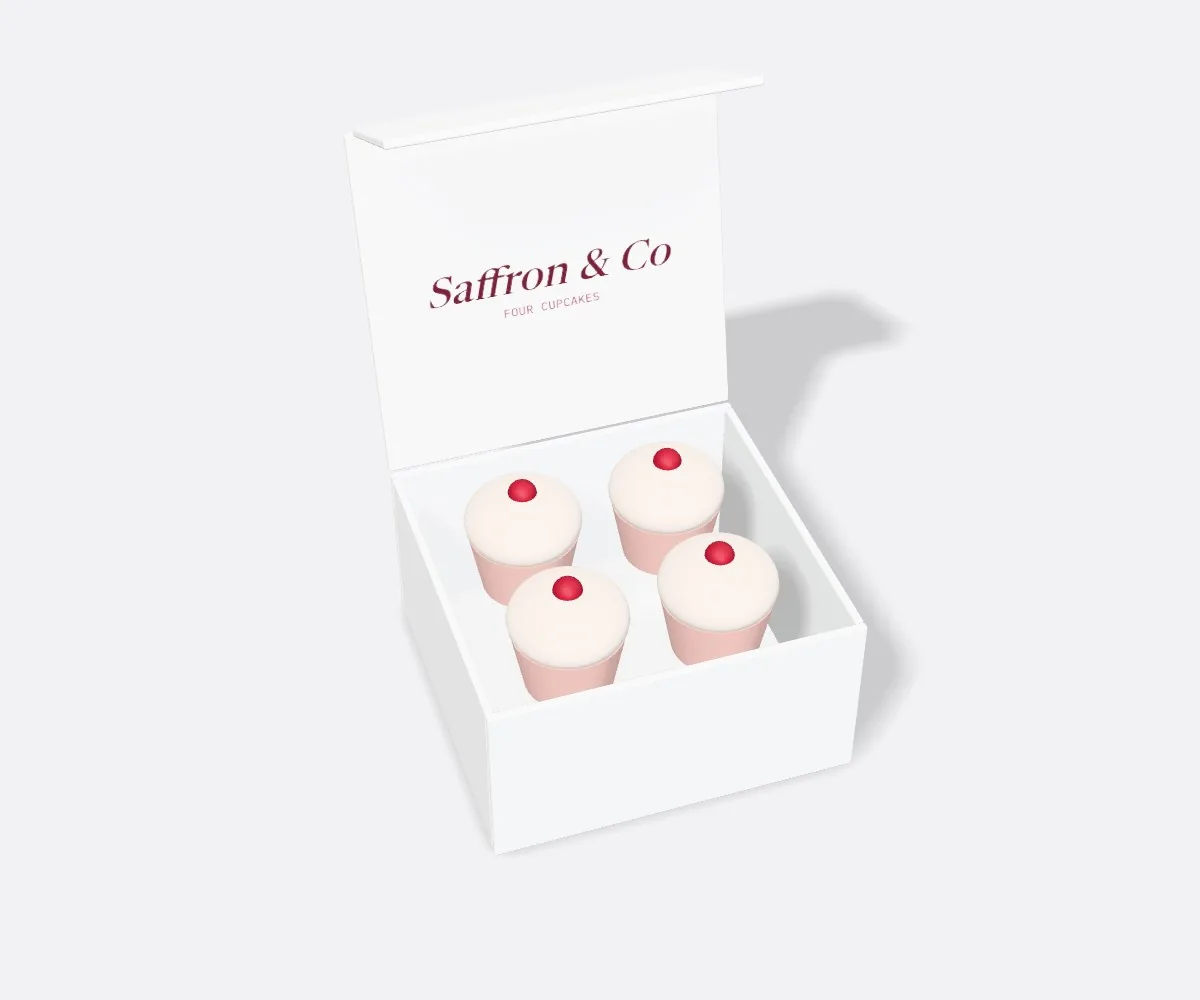
Know your size? Compare pricing across up to 3 quantities.
Request a Quote →What is the best paperboard structure for magnetic blush refill pans?
Brands that sell refillable magnetic compacts need secondary packaging that protects a bare aluminum or tin-plated steel pan without resorting to single-use thermoformed PVC clamshells. A bare metal blush pan has no hinged plastic lid of its own, so anything pressing down on the center of the carton will mash directly into the pressed powder surface. The proven all-paperboard solution is a slim 0.25-inch deep sleeve or folder containing a thick laminated card insert with a die-cut circular or square well. The inner card well is cut 1 mm thicker than the height of the metal pan rim, creating a recessed bridge so the outer sleeve glides over the pan without ever touching the pressed blush cake. Adding a small custom window box aperture on the front sleeve lets shoppers verify the exact shade and shimmer level while keeping dust off the pan.
When should liquid and stick blushes use reverse tuck vs auto lock bottom?
Liquid cheek tints and cream blush sticks behave like small bottles rather than flat compacts. If your liquid blush is packaged in a lightweight PETG plastic vial with a doe-foot wand or a soft squeeze tube (under 40 grams filled), a reverse tuck end or straight tuck end carton holds the tube securely and folds fast on automated or manual filling lines. However, if your liquid blush or serum cheek tint uses a thick-walled frosted glass bottle with a heavy glass heel (60 to 110 grams filled), a standard tuck flap on the bottom can spring open when a customer picks the box up by the top. Switching to a custom auto lock bottom box gives you pre-glued bottom flaps that lock together on the packing table and cannot be pushed open by heavy glass.
- Plastic doe-foot vials and squeeze tubes (< 40 g): use reverse tuck end or straight tuck end.
- Twist-up cream blush chubby sticks: use reverse tuck end for rapid hand packing.
- Thick-walled glass liquid blush bottles (> 60 g): use auto lock bottom paired with a top neck collar.
- Multi-shade influencer PR mailers: pair a rigid magnetic or corrugated mailer box with a die-cut EVA foam insert.
What are the most common structural mistakes on custom blush boxes?
Choosing the wrong carton closure or skipping internal pan support leads to broken powder cakes and slow fulfillment. Avoid these five structural errors
- Using a reverse tuck end carton on a prestige square blush compact, which leaves an unsightly raw paperboard cut edge across the front panel.
- Packing bare magnetic blush refill tins in a flat envelope without a recessed inner card bridge, allowing the carton wall to rub against the exposed powder.
- Ordering a snug tray-and-sleeve box without a thumb notch or ribbon pull tab, making it hard for customers to slide the inner compact tray out.
- Shipping fragile baked mineral or talc-free pressed blushes in a single-wall carton with no inner perimeter buffer frame.
- Putting heavy square glass liquid blush bottles into an unglued tuck-bottom carton instead of a pre-glued auto lock bottom.
Find your size
Suggested inside size: 2.5 × 2.5 × 0.625 in
A starting point. Your account manager confirms the size with you before the proof.
Quote this size →Packaging for this
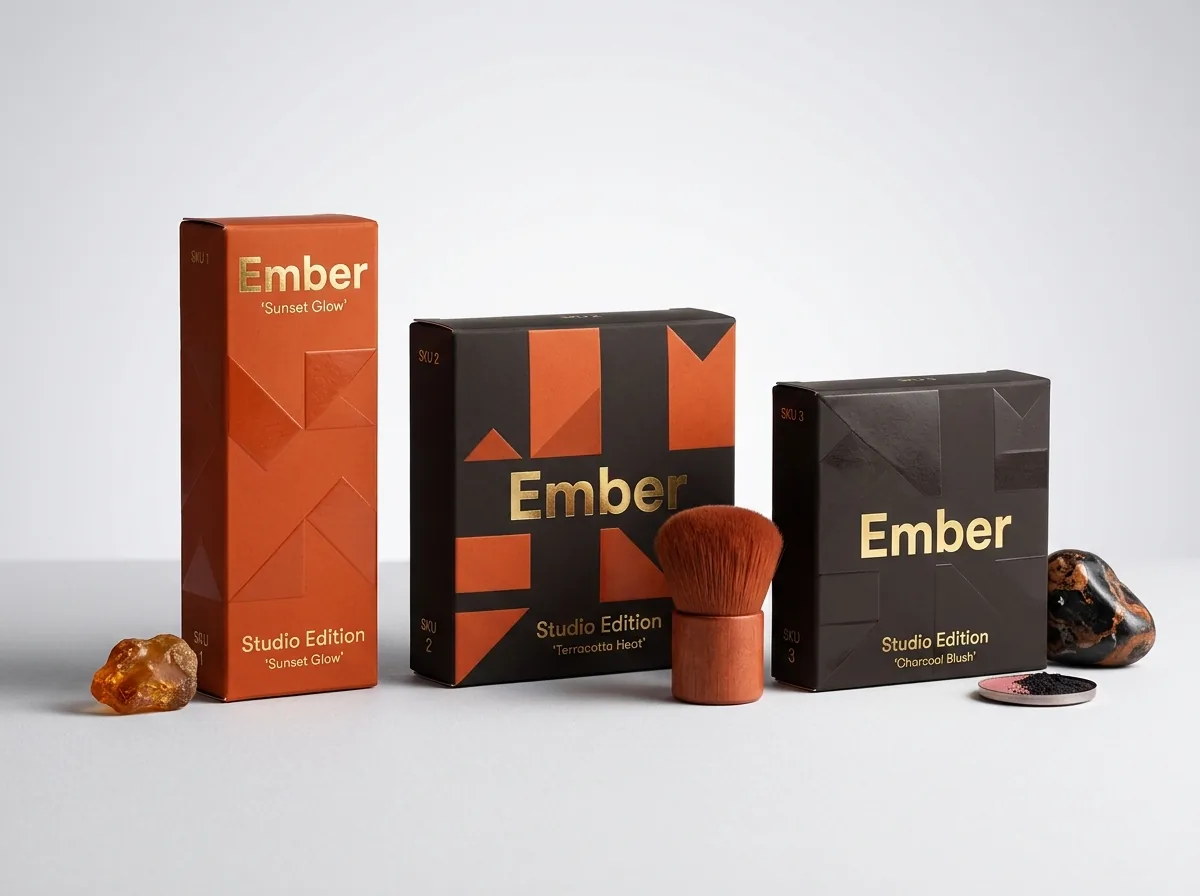
Ready to order blush boxes? Compare up to 3 quantities with a free 3D mockup.
Request a Quote →Questions about blush boxes
Does a straight tuck end blush box cost more than a reverse tuck end box?
In most compact sizes, straight tuck end and reverse tuck end cartons cost almost the same per unit. Reverse tuck end nests slightly tighter on a press sheet for tall narrow tubes, while straight tuck end gives flat square blush compacts a much cleaner front shelf face.
Why do luxury beauty brands prefer tray-and-sleeve boxes for blush compacts?
A tray-and-sleeve box removes top and bottom tuck flaps altogether, leaving all four outer walls of the sleeve completely smooth for foil stamping and embossing. The double-walled inner tray also cushions the compact edges during shipping and creates a drawer-style unboxing.
Can a paperboard sleeve really protect a magnetic blush refill pan without plastic?
Yes. By laminating or folding a heavy paperboard inner frame whose circular cutout is slightly thicker than the metal tin, the pressed powder surface sits recessed below the card rim so the outer paperboard sleeve never touches the makeup.
Do tray-and-sleeve boxes ship flat or pre-assembled?
Outer sleeves ship folded flat along their glue seam, and folding paperboard inner trays ship flat with pre-creased double walls that lock into shape in seconds. If you choose rigid chipboard (gray board) drawer boxes (minimum 50 units), they ship fully assembled.
Should I add a clear film window or leave an open die-cut window on a blush box?
If the window looks onto an enclosed plastic compact lid or a sealed glass liquid blush bottle, an open die-cut window with no plastic film works well and keeps the carton 100% paperboard. On bare refill pans, always use a clear protective cover.
Can I order straight tuck cartons for my single blushes and rigid boxes for PR kits together?
Yes. CubitPack produces folding paperboard blush cartons from 1,000 units and wrapped rigid magnetic or drawer PR boxes from 50 units, matched to the exact same Pantone brand colors and soft-touch finish.
Still have a question? Ask a packaging specialist.
Request a Quote →Request your blush boxes quote
Tell us your size and quantities, and one dedicated account manager prepares pricing for each tier.
- Free design & AI-to-print studio + 3D mockup
- No die or plate charges · 4–5 day rush available
- Free shipping to all 50 states
- 10% off your first order
This structural comparison is based on folding carton engineering standards, compact drop-testing practices and CubitPack's decided specifications in our published product specifications, reviewed by a packaging specialist. Spot an error? Let us know and we will update it.
Sources
What changed
- October 22, 2026: First published.
- October 22, 2026: Updated specifications, terminology, and verified source links.
More guides
New packaging guides by email
Sizes, materials and design tips. Unsubscribe anytime.