
Kraft vs matte laminated beard oil boxes: which should you choose?
Short answer: Choose unbleached brown kraft board if your grooming line leans into rustic, botanical or woodland scents with simple one- or two-color ink. Pick matte or soft-touch laminated white card for custom beard oil boxes when you want deep black backgrounds, crisp foil crests and a barrier against oily fingerprints.
On this page
- How do kraft board, matte white card and soft-touch card compare
- Why do carrier oils stain uncoated beard oil cartons
- When is natural brown kraft board the better choice
- What is the difference between matte lamination and soft-touch lamination
- Can I combine a white laminated outside with a kraft or printed inside
- Common mistakes
- FAQs
Request a custom quoteFree dieline & 3D mockup
The choice between natural brown kraft board and matte-laminated white cardstock comes down to two things: your brand's visual personality and how much oil handling the box will see on barbershop counters. Unbleached kraft board has visible wood fibers and a warm earthy tone that immediately signals cedarwood, pine, sandalwood or organic apothecary formulas, especially when printed with stark black or opaque white ink. However, raw unlaminated kraft is porous and will absorb a dark spot if a customer touches the box with jojoba or argan oil on their fingers. Matte-laminated or soft-touch white card seals the printed surface under a protective film that wipes clean, prevents dark ink from cracking along fold creases, and holds razor-sharp metallic foil and small ingredient text. At CubitPack, both boards start at 1,000 boxes with free shipping across all 50 states.
How do kraft board, matte white card and soft-touch card compare?
Men's grooming brands typically narrow their carton stock down to three combinations: unbleached natural kraft board, white paperboard with standard matte lamination, or white paperboard with velvety soft-touch lamination. While all three fold into the same reverse tuck end or auto lock bottom dielines, they behave very differently under ink, foil and oily hands. When shoppers pick up a 1 oz (30 ml) or 2 oz (60 ml) beard oil bottle in a barbershop, the paperboard surface sets their immediate expectation of the formula inside. Use the side-by-side table below to compare how each surface handles carrier oil drips, dark background ink, small ingredient typography and barbershop shelf lighting when you order printed beard oil packaging. Notice how unbleached kraft prioritizes raw organic texture for direct-to-consumer shipping, whereas film-laminated white card prioritizes oil resistance and color accuracy on retail shelves.
| Feature | Unbleached Kraft Board | Matte or Soft-Touch White Card |
|---|---|---|
| Surface appearance | Natural brown fibers, organic matte texture | Smooth, low-glare or velvety suede finish |
| Resistance to oil smudges | Low (raw fibers absorb stray oil drops) | High (film barrier wipes clean without staining) |
| Best ink colors | Black, forest green, burgundy, opaque white | Full-color CMYK, solid black, exact Pantone matches |
| Fold crease durability | Natural brown core never shows white cracks | Lamination film stops dark ink from cracking on scores |
| Foil & spot UV contrast | Warm vintage look with gold or copper foil | Sharp, high-contrast pop with spot UV and foil |
| Typical brand style | Woodland, organic, small-batch apothecary | Modern barbershop, cologne-grade, luxury grooming |
Why do carrier oils stain uncoated beard oil cartons?
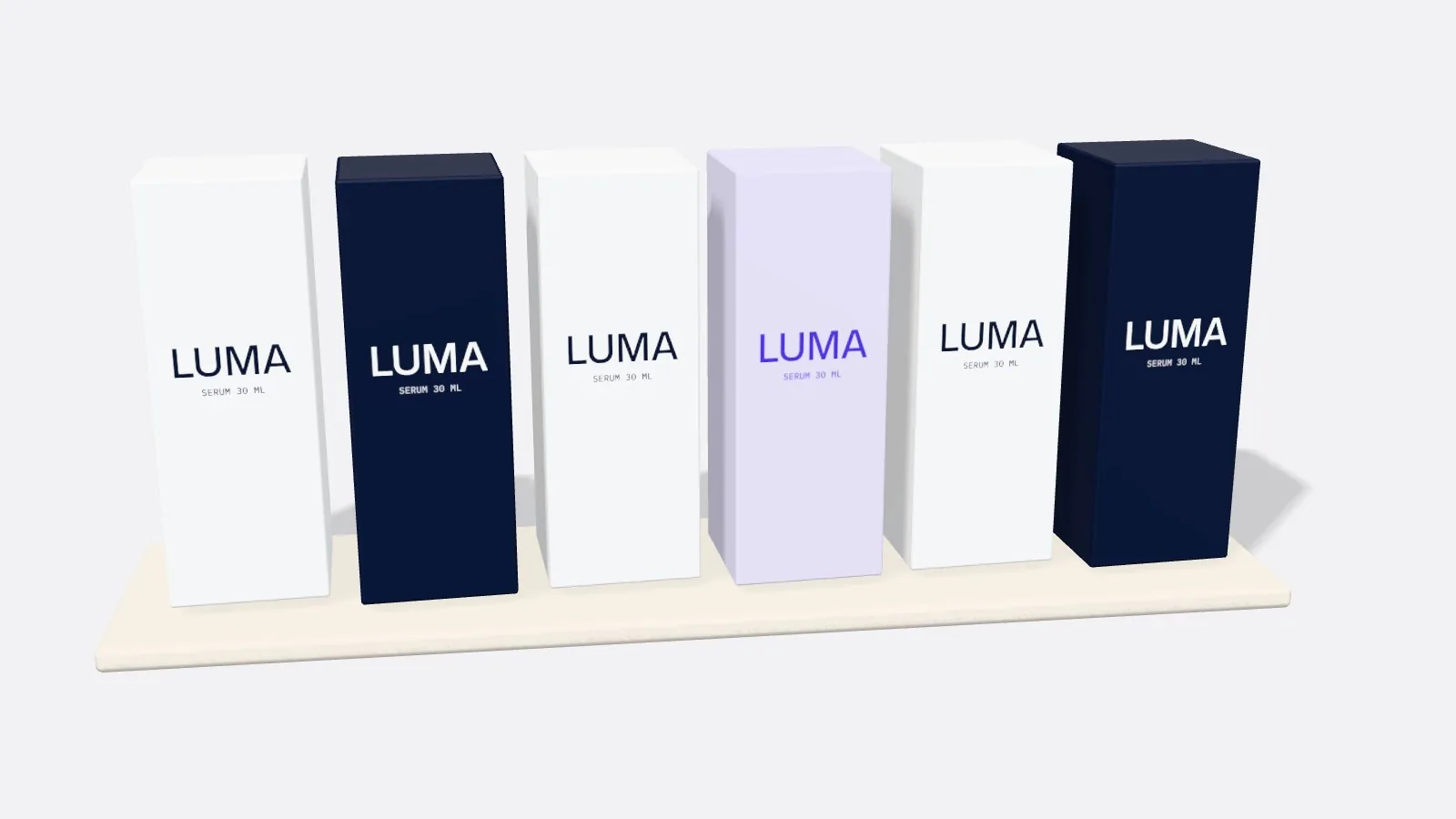
Beard oils are formulated from penetrating plant lipids such as jojoba, argan, sweet almond, castor and grapeseed oil. When a barber or shopper unscrews a tester dropper bottle at a counter display, a microscopic film of oil almost always transfers to their thumb and index finger. If they pick up an unlaminated paperboard or raw kraft box next, the liquid oil wicks into the exposed cellulose fibers and leaves a permanent translucent grease mark. Adding matte lamination or soft-touch lamination bonds a thin polypropylene film across the outside of the sheet after printing and before die-cutting. That film acts as a physical shield: carrier oils sit on top of the lamination instead of soaking into the paperboard, so a quick wipe with a dry cloth leaves dark charcoal, navy or hunter green cartons looking fresh.
When is natural brown kraft board the better choice?
Natural kraft board shines when your grooming line emphasizes raw botanical ingredients, outdoorsmen themes or plastic-free simplicity, and when most of your sales ship direct to consumers rather than sitting next to open retail tester bottles. Because kraft board is brown all the way through its core, the folded score lines and raw cut edges blend cleanly without ever showing a white paper line. Many small-batch makers pair a brown kraft 1.5 × 1.5 × 4.25 inch carton with an amber glass Boston round bottle so the warm brown tones match inside and out. To get crisp contrast on brown kraft, avoid light pastel inks - yellow, baby blue and light gray sink into the brown background and turn muddy because unbleached wood fibers absorb transparent CMYK pigment. Instead, design with high-contrast dark Pantone inks like rich black, espresso brown, deep navy or pine green, and pair them with white ink on kraft or warm copper foil stamping for your brand emblem. Printing a solid white ink base underneath colored scent badges keeps citrus orange, mint green or bourbon red bands bright against the natural brown cardstock.
- Use dark Pantone spot colors (black, navy, forest green, burgundy) that read clearly over brown fibers.
- Add a pass of opaque white ink behind badges or scent names so light text pops off the carton.
- Pair raw kraft with blind debossing or copper foil stamping for a rugged, heritage barbershop badge.
- Keep back-panel INCI ingredient text at 7 pt or larger in solid black ink so fiber texture does not blur small letters.
Know your size? Compare pricing across up to 3 quantities.
Request a Quote →What is the difference between matte lamination and soft-touch lamination?
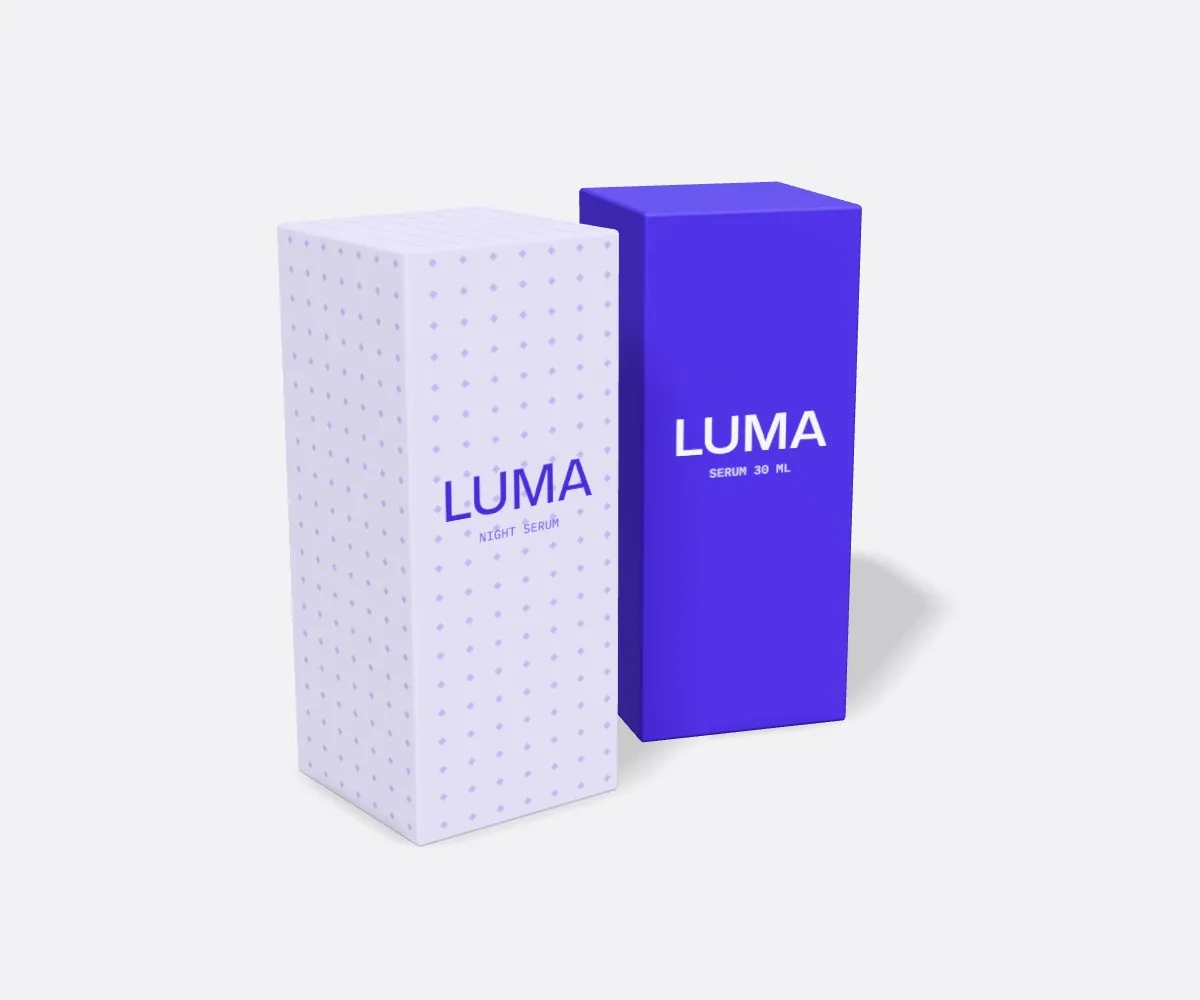
Both finishes run over white paperboard and eliminate glare under bright salon or bathroom lights, but they feel distinct in the hand. Standard matte lamination gives the carton a smooth, satin-flat finish that mutes glare while keeping colors clean and resisting scuffs inside shipping cartons. It is the most popular everyday choice for 1 oz and 2 oz beard oil cartons sold in barbershops and menswear boutiques. Soft-touch lamination uses a specialized tactile film that feels like soft suede or velvet when a customer picks up the box. In men's grooming, soft-touch lamination is frequently paired with spot UV or metallic foil stamping: the dead-flat velvety background makes a glossy spot UV monogram or a raised gold foil crest stand out both visually and by touch, giving a 30 ml dropper carton the weight and presence of a cologne box.
Can I combine a white laminated outside with a kraft or printed inside?
Yes. Many grooming brands choose white clay-coated paperboard with an unbleached kraft brown back (often called C1S kraft-back board), or print a solid color on the inside of white card. That gives you a smudge-resistant matte laminated exterior in your brand colors while greeting the customer with a warm natural brown or custom inside printing pattern when they open the top tuck flap. You get the retail shelf durability of a laminated white outer surface without losing the earthy barbershop feel inside the carton. You can also mix materials between the outer carton and the internal bottle brace. For example, a matte black laminated straight tuck end box looks sharp on the outside while an unbleached brown cardboard insert or E-flute corrugated sleeve cradles the 1 oz or 2 oz amber dropper bottle inside. For multi-piece beard grooming sets that hold a 30 ml oil bottle, a 2 oz balm tin and a wooden comb, pairing a matte-laminated two-piece outer box with a die-cut kraft tray or black EVA foam insert keeps every item clean and anchored during parcel delivery. If you want to compare board weights and finishes before committing to a 1,000-box production run, request a quote and ask your account manager to price both options side by side.
What are the most common material mistakes on beard oil boxes?
Picking the wrong board or coating can leave dark grooming cartons scuffed or stained before they ever reach a customer. Avoid these five material pitfalls
- Printing heavy black or navy ink on unlaminated cardstock, which cracks along the fold scores and absorbs oily thumbprints.
- Printing pale yellow or light gray CMYK text directly on brown kraft board without a white ink underbase, making scent names hard to read.
- Applying matte lamination over brown kraft when you actually want the raw, fibrous feel of natural paperboard.
- Putting a UPC barcode in metallic gold foil or low-contrast gray ink that retail laser scanners cannot read.
- Using thin folding cardstock without an internal flute or card insert when shipping heavy 2 oz glass bottles in soft poly mailers.
Find your size
Suggested inside size: 1.25 × 1.25 × 3.25 in
A starting point. Your account manager confirms the size with you before the proof.
Quote this size →Packaging for this
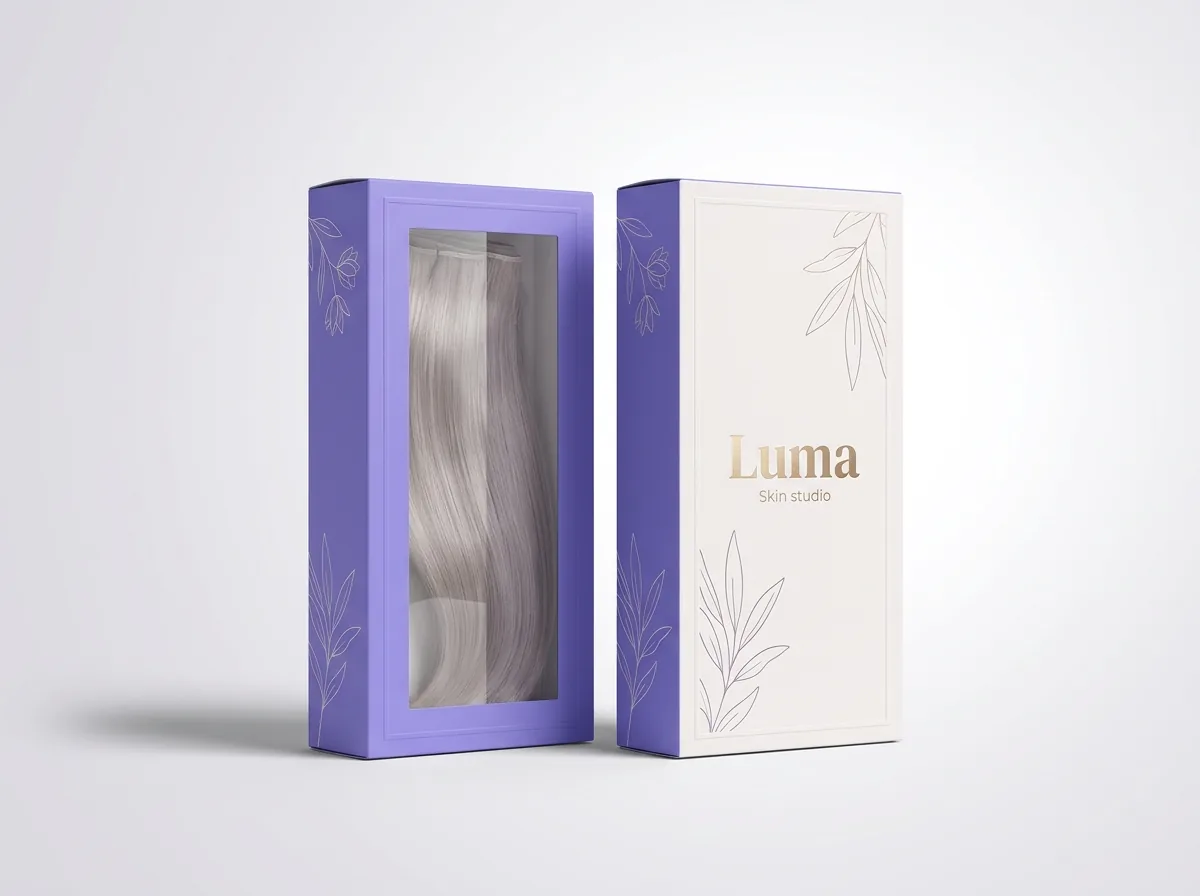
Ready to order beard oil boxes? Compare up to 3 quantities with a free 3D mockup.
Request a Quote →Questions about beard oil boxes
Does matte lamination cost more than unbleached kraft board?
Adding matte or soft-touch lamination adds a finishing step compared with unlaminated natural kraft board, though at 1,000 to 5,000 units the per-box difference is small. You can ask your account manager to quote both kraft and matte-laminated white card side by side.
Can I put metallic foil stamping on both kraft and matte-laminated beard oil boxes?
Yes. Hot foil stamping in gold, copper, silver or gunmetal adheres cleanly to both natural brown kraft board and matte or soft-touch laminated white card. Copper and antique gold foil are especially popular on men's beard care packaging.
Will bottle labels peel off inside the box if a drop of beard oil leaks?
If you also order bottle labels from CubitPack, tell us they are for beard oil dropper bottles. Pairing a laminated outer carton with oil-resistant bottle labels keeps both the glass bottle and the box clean.
Is recycled board available for custom beard oil cartons?
Yes. We offer recycled paperboard as well as unbleached kraft board, and FSC-certified paperboard is available on request through our partner facilities. Both options work with vegetable-based CMYK and Pantone inks.
Can I see and feel kraft, matte and soft-touch finishes before placing my order?
Yes. Our $50 sample kit includes real printed examples of kraft board, white card, matte lamination, gloss lamination, soft-touch film, foil stamping and embossing, and the $50 cost is credited toward your first order.
Which board is better for barbershop counter display boxes?
For counter display trays that hold six to twelve beard oil bottles near busy barber stations, white card or E-flute corrugated board with matte lamination holds its shape and wipes clean of hair products and oils.
Still have a question? Ask a packaging specialist.
Request a Quote →Request your beard oil boxes quote
Tell us your size and quantities, and one dedicated account manager prepares pricing for each tier.
- Free design & AI-to-print studio + 3D mockup
- No die or plate charges · 4–5 day rush available
- Free shipping to all 50 states
- 10% off your first order
This material comparison is based on CubitPack's board and finish options in our published product specifications and standard paperboard lamination barrier properties from TAPPI guidelines. A packaging specialist reviewed every section. Spot something to improve? Tell us and we will fix it.
Sources
What changed
- October 22, 2026: First published.
- October 22, 2026: Updated specifications, terminology, and verified source links.
More guides
New packaging guides by email
Sizes, materials and design tips. Unsubscribe anytime.