
Pinch-and-slide vs press-to-lock child-resistant mylar bags: which closure should you choose?
Short answer: Choose pinch-and-slide custom child-resistant mylar bags for stand-up multi-serving pouches where adults want an intuitive two-thumb shearing motion, or choose dual-track press-to-lock zippers for flat pouches that need a slimmer profile with a concealed inner pull tab. Pinch-and-slide or press-to-lock zippers are available on request.
On this page
- How do pinch-and-slide and press-to-lock zippers differ mechanically
- How do the main child-resistant mylar bag closures compare side by side
- Which closure is easiest for adults and older shoppers to open and reclose
- How do these closures behave on your filling and heat-sealing line
- When can you skip the zipper and use a single-use heat-sealed pouch
- Common mistakes
- FAQs
Request a custom quoteFree dieline & 3D mockup
Every reclosable child-resistant flexible pouch replaces the simple top pull lip of an everyday snack bag with a two-step mechanical action that young children struggle to coordinate, while adults follow printed header icons to open the track. In flexible barrier converting, buyers typically compare three closure styles - pinch-and-slide zippers, dual-track press-to-lock zippers with a hidden inner tab, and single-use notchless heat-sealed sachets that require household scissors - all available through certified partner facilities on request. Pinch-and-slide closures use textured thumb grips below the track so adults press and shear the front and back films horizontally; they excel on stand-up bottom-gusset bags for gummies, botanicals and detergent pods. Press-to-lock dual-track closures keep the top edge flush and rely on an internal flange tab, making them popular on flat 3-side-seal pouches.
How do pinch-and-slide and press-to-lock zippers differ mechanically?
An ordinary resealable pouch zipper has two exposed top lips above the plastic rib: anyone can pinch the left and right lips and pull them apart in a single motion. To turn a flexible pouch into a two-step closure on printed child-resistant mylar bags, converters remove or block that direct top-lip pull and require two distinct forces applied in different directions at the same time. A pinch-and-slide zipper welds flush near the top lip so there are no loose outer flaps to grab above the track. Instead, the adult places a thumb and index finger on embossed grip pads just below the zipper rib, pinches the two panels firmly together, and slides one hand forward while sliding the other hand backward. That horizontal shearing force pops the interlocking profile open from the center outward. By contrast, a press-to-lock (or hidden-tab pull) closure uses a deep dual-ribbed hook profile where the outer lips are trimmed short or sealed down, and a narrow secondary pull tab is tucked inside the front wall. To open it, the adult reaches between the outer lip and the inner flange, lifts the hidden tab upward, and peels the double track apart.
- Pinch-and-slide action: press the textured thumb pads together and slide the front and back walls horizontally in opposite directions.
- Press-to-lock / hidden-tab action: separate the outer top edge to locate the recessed inner pull tab, then lift and pull the dual ribs apart.
- Single-use notchless heat seal: omit both the zipper and the V-cut tear notches so the thick laminated film can only be opened with scissors.
- Partner documentation: pinch-and-slide or press-to-lock zippers and certified partner facilities are available on request.
How do the main child-resistant mylar bag closures compare side by side?
When selecting a closure for a new product line, weigh four operational factors: whether your product is consumed in one sitting or across multiple days, how easily adult and senior customers can operate the track, how fast your packing crew can open the mouth during hand or semi-automatic filling, and how much vertical header height the flange consumes. Use the comparison matrix below to match the closure style to your pouch format and product category. If your brand sells both multi-serving jars or stand-up bags and single-serving sample packs, you can pair a reclosable pinch-and-slide stand-up bag for your main SKU with a notchless flat 3-side-seal sachet for single doses.
| Closure type (on request) | Opening motion | Header height used | Best pouch format | Ideal product applications |
|---|---|---|---|---|
| Pinch-and-slide zipper | Pinch thumb pads + slide horizontally | 1.75 – 2.25 in | Stand-up bottom-gusset bag | 10–30 count gummies, botanicals, laundry pods, pet chews |
| Press-to-lock dual track | Lift concealed inner tab + pull apart | 1.5 – 1.85 in | Flat 3-side-seal or slim stand-up | Flat lozenge packs, travel supplements, slim botanical bags |
| Single-use notchless weld | Cut top heat-seal band with scissors | 0.75 – 1.0 in weld zone | Flat 3-side-seal sachet | Single-dose powders, one-time bath packs, unit-dose tablets |
| Standard press-to-close (non-CR) | Pull top lips apart in one step | 1.25 – 1.5 in | Any stand-up or flat pouch | Everyday snacks, coffee, tea and non-regulated retail goods |
Which closure is easiest for adults and older shoppers to open and reclose?
Special packaging standards under the Poison Prevention Packaging Act (16 CFR 1700.20) evaluate two sides of performance at once: keeping young children out while ensuring normal adults (including older adults aged 50 to 70) can open and properly reclose the package within the test window. A bag that is so frustrating to open that an adult customer slices the front panel off with a kitchen knife defeats the entire purpose of a reclosable barrier pouch. For products opened daily over two to four weeks - such as nightly sleep gummies, canine mobility chews or household laundry pods - many brands favor the pinch-and-slide track because it relies on gross palm and thumb friction rather than fingernail precision. Adults with wet hands in a laundry room or limited fingernail dexterity can press the textured grip ribs with both thumbs and shear the track open smoothly. Press-to-lock inner-tab zippers have a cleaner, flatter exterior silhouette, but they require the user to pinch a narrow internal plastic flange with their fingertips.
Know your size? Compare pricing across up to 3 quantities.
Request a Quote →How do these closures behave on your filling and heat-sealing line?
How a pouch arrives at your facility affects your pack-out labor every day. If you order reclosable child-resistant pouches with the locking zipper pre-closed, your filling operators would have to perform the two-step pinch-and-slide motion on every single bag before dropping in product. Instead, converters can supply open-top pouches with the zipper track left unlocked or pre-parted at the throat so your crew can pop the mouth open over a filling funnel, load the product, press the locking track shut, and run the top header through an impulse or continuous band heat sealer. If you pack powdery supplements, sugar-sanded gummies or crumbly botanicals, pay close attention to dust control during filling. A dual-track press-to-lock profile has two narrow parallel channels; if fine powder settles into those grooves before the first closure, the ribs may not click home cleanly. Pinch-and-slide single-interlock tracks are slightly more forgiving of minor surface dust, though keeping your fill level at least ½ inch below the flange is wise on every custom mylar bag and custom cannabis mylar bag.
- Pre-opened throat delivery: ask on your quote whether bags arrive with the zipper unlocked for faster hand or machine filling.
- Top tamper heat seal: both pinch-and-slide and press-to-lock bags include an unsealed top film lip above the zipper for your impulse or band sealer.
- Powder and sugar protection: use a long-spout filling funnel that reaches past the locking zipper flange so dust never coats the interlocking ribs.
- Quality check at pack-out: squeeze the lower body of every fifth sealed bag gently to confirm both the zipper track and top impulse weld hold air.
When can you skip the zipper and use a single-use heat-sealed pouch?
Not every regulated or household-safety product needs a reclosable plastic zipper. Whether a single-use pouch is acceptable depends on your state and product category; check your rules before choosing whether your package needs a reclosable two-step zipper. When a pouch holds a single unit dose - such as one dissolvable bath treatment, a single-serving chew, or a one-time plant food packet - a non-reclosable heat-sealed barrier sachet is often simpler and less expensive. To make a single-use flat 3-side-seal pouch resistant to tearing by small hands, the converter laminates a puncture-resistant multi-layer foil film stack and omits the V-cut tear notches on the left and right edges. Without a tear notch, the thick film is hard to tear by hand and is opened with scissors along a printed line. Whether this counts as child-resistant depends on partner testing and your state's rules. If you also pack bottles or blister packs, compare our custom CBD boxes and custom flat pouches for secondary retail cartons.
- Multi-serving products (10+ gummies, loose botanicals, 20 laundry pods): usually paired with a reclosable two-step zipper. Check your state's and category's rules.
- Single-serving / unit-dose items: can often use a heavy-gauge notchless heat-sealed flat pouch with a printed 'Cut here with scissors' line.
- Unit cost savings: eliminating the extruded CR zipper flange reduces both material cost and top header height by nearly 1 inch.
What are the most common mistakes when choosing a child-resistant pouch closure?
Matching the wrong closure mechanism to your product or filling line creates avoidable pack-out slowdowns. Watch out for these five mistakes
- Choosing a single-use notchless heat-seal pouch for a multi-serving product that regulations require to remain child-resistant after first opening.
- Ordering a fine dual-track press-to-lock zipper for dusty powders without a long filling spout that bypasses the zipper grooves.
- Forgetting to print clear two-step opening icons on the header, leaving adult buyers to yank the top seam as if it were a chip bag.
- Adding V-cut tear notches below the locking zipper track instead of above it, which lets the user rip off the entire locking mechanism.
- Assuming every stock zipper carries test documentation for your specific state without requesting partner closure certificates on your quote.
Packaging for this
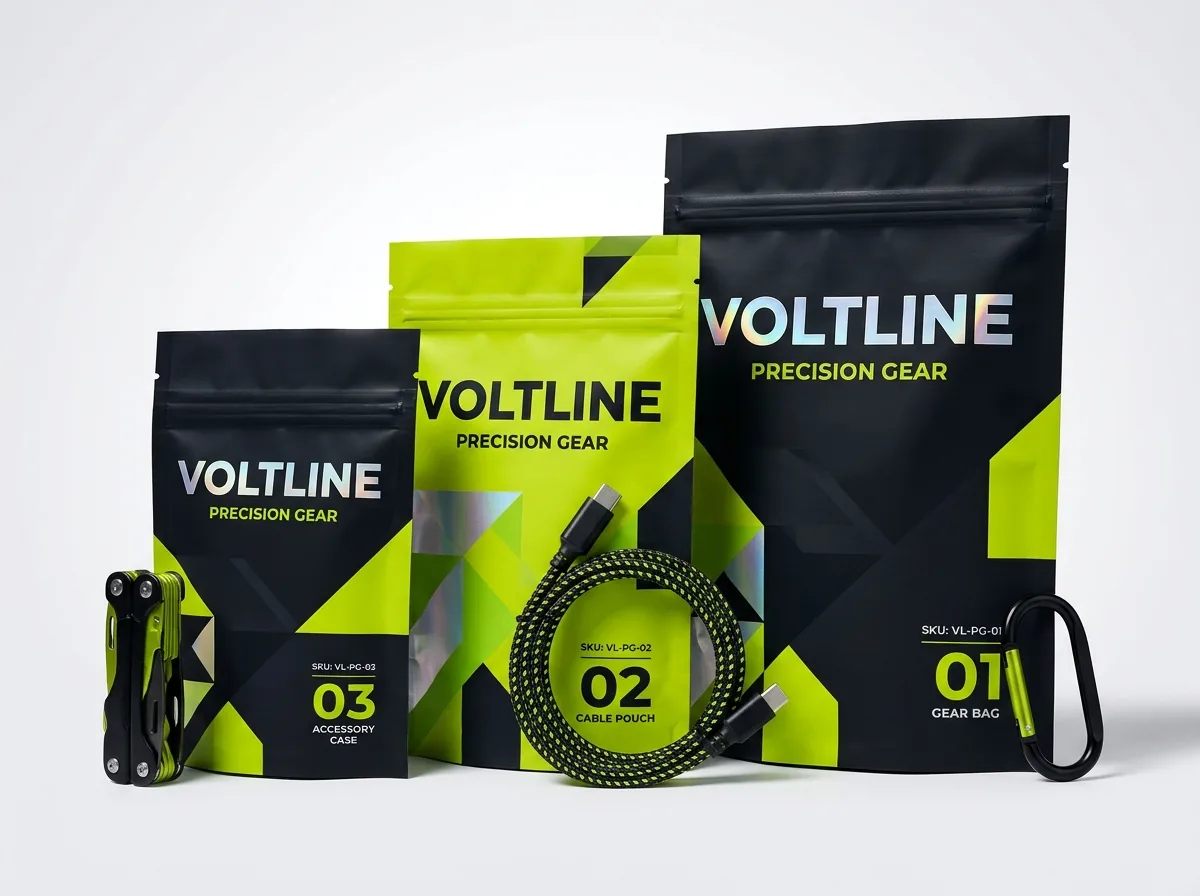
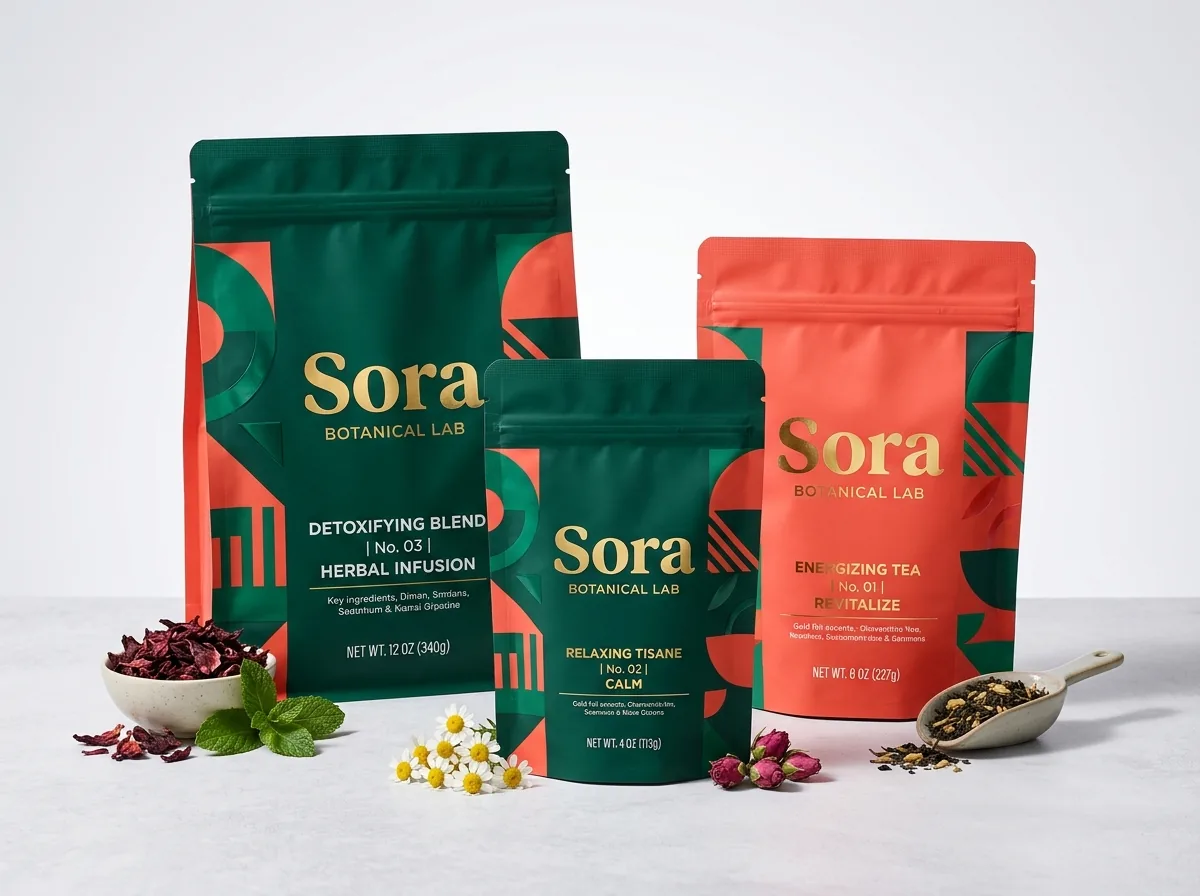
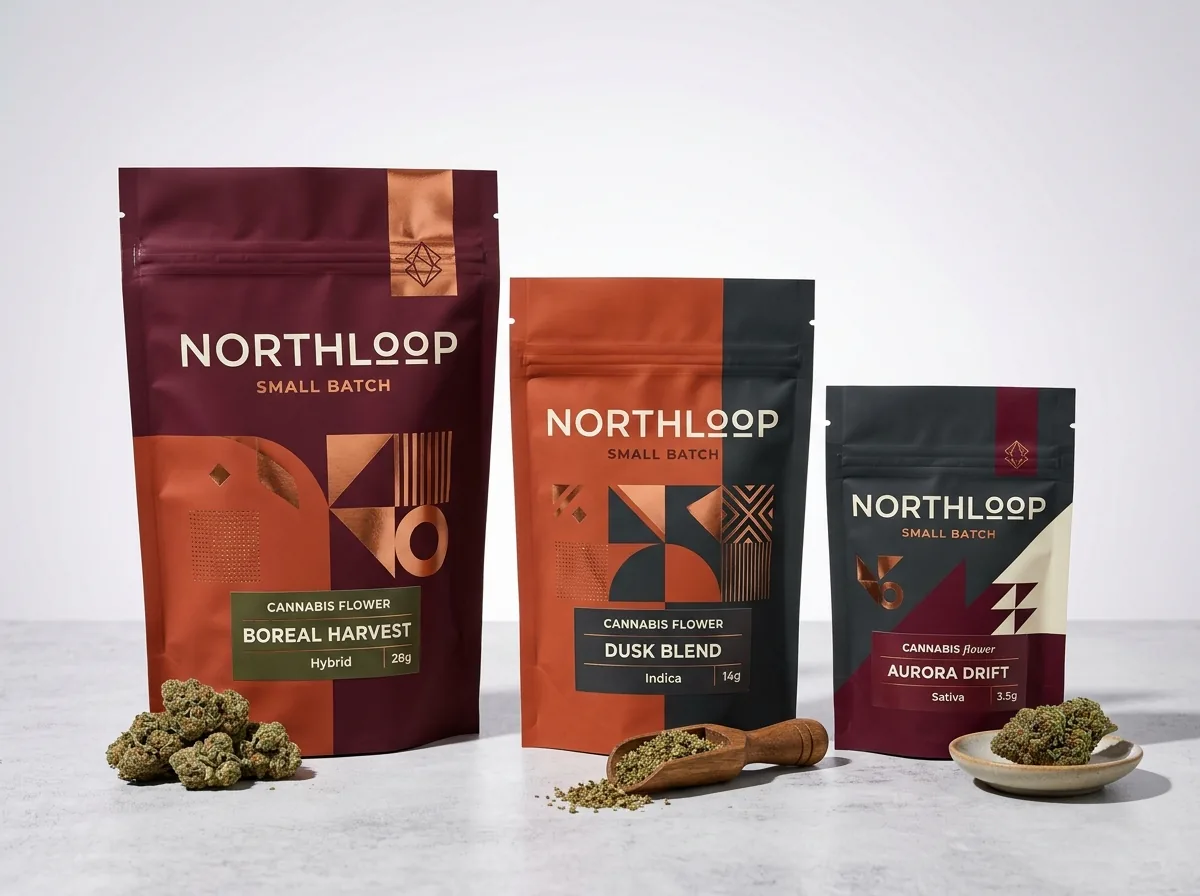
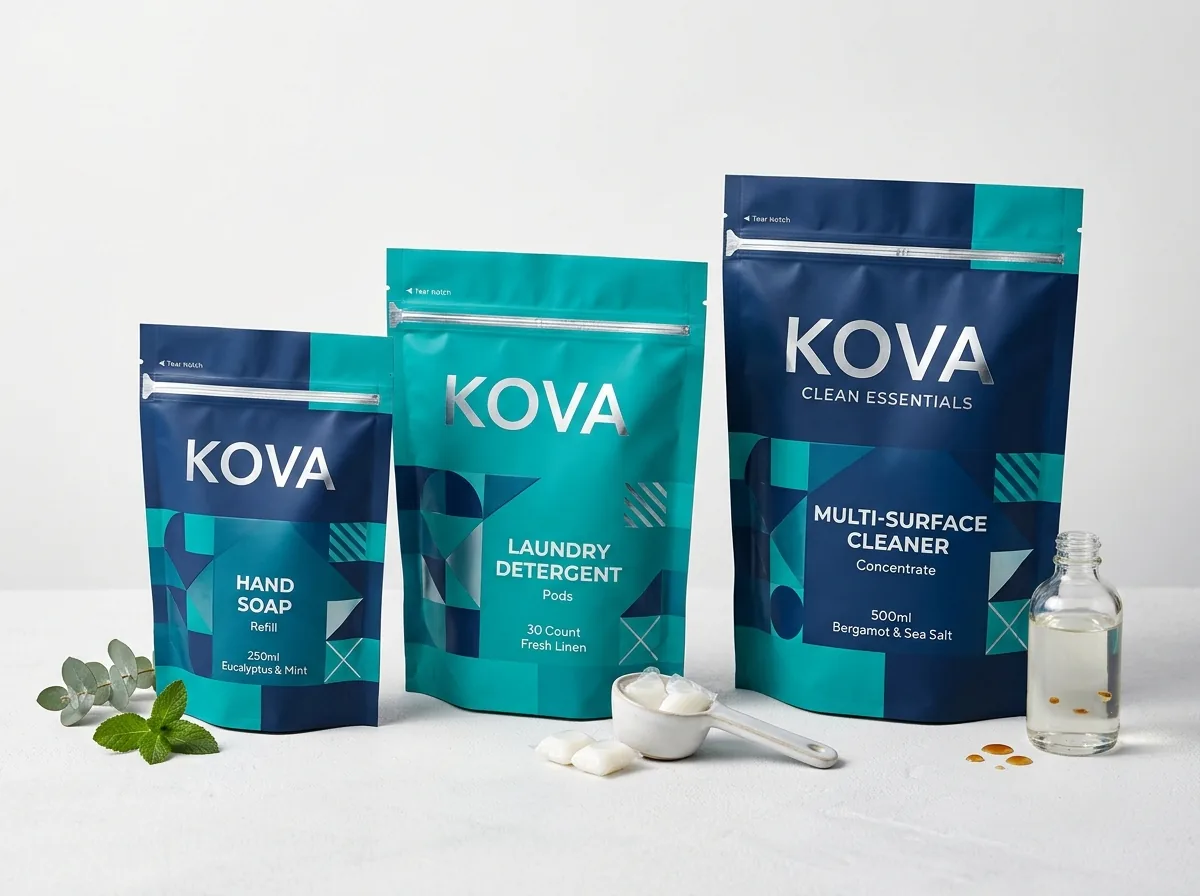
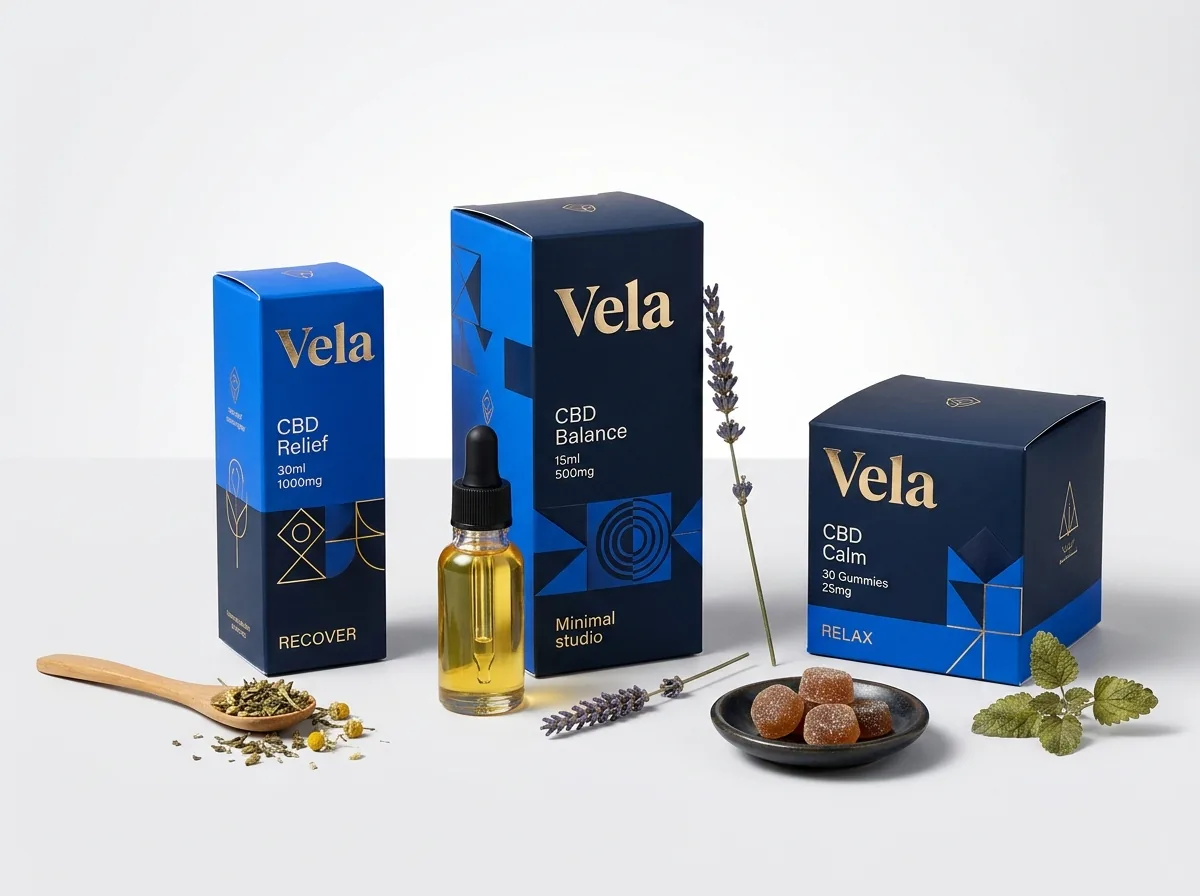
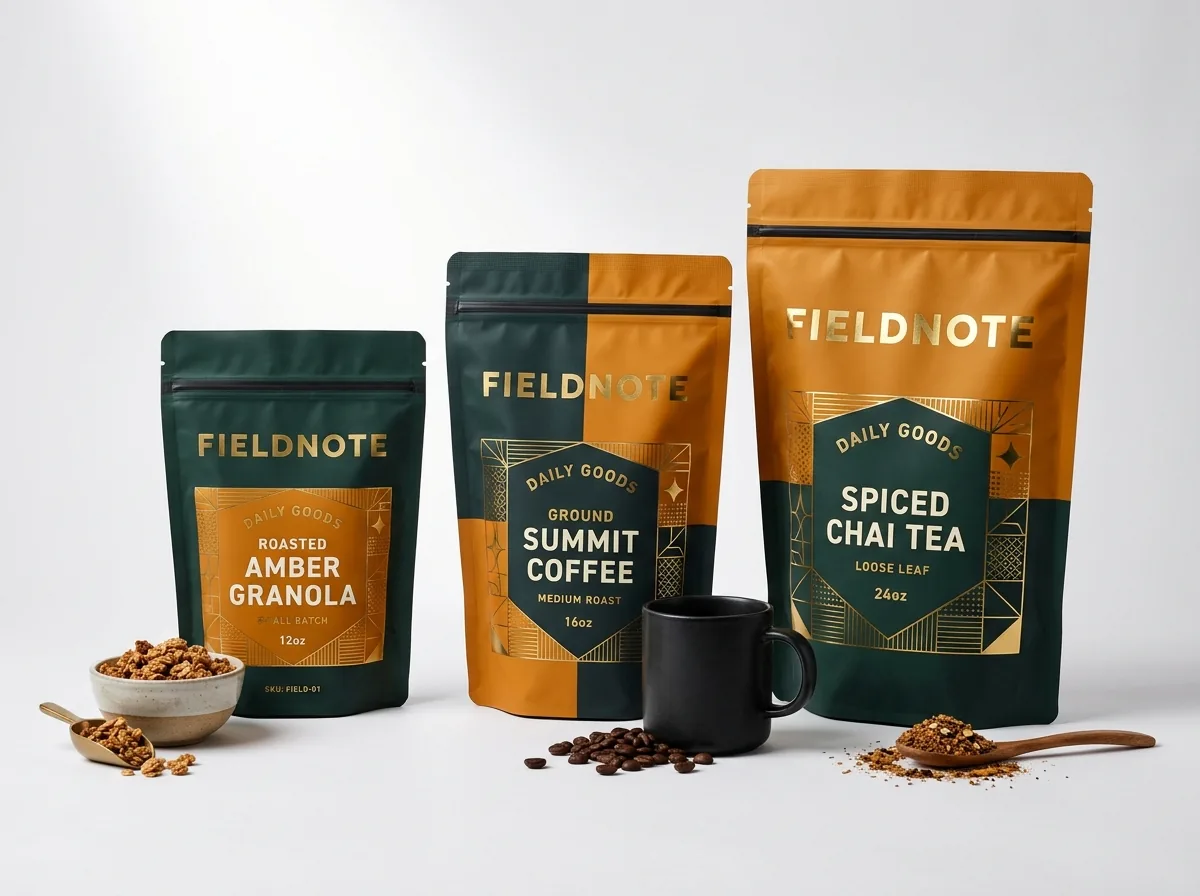
Ready to order child resistant mylar bags? Compare up to 3 quantities with a free 3D mockup.
Request a Quote →Questions about child resistant mylar bags
How do you open a pinch-and-slide child-resistant mylar bag?
First, tear or cut off the tamper-evident heat-seal strip at the very top of the bag along the tear notches. Next, place your thumb and index finger on the textured grip zone just below the zipper line, press the front and back walls firmly together, and slide your fingers horizontally in opposite directions until the track pops open.
How does a press-to-lock hidden-tab zipper work?
After removing the top tamper-evident heat seal, separate the short outer top lips slightly to reveal a recessed inner plastic pull tab welded inside the front wall. Grip that inner tab and pull upward to disengage the dual interlocking ribs, then press firmly along the entire track to lock it shut again.
Do pinch-and-slide bags still have tear notches at the top?
Yes, reclosable pinch-and-slide and press-to-lock pouches usually include V-cut tear notches positioned above the locking zipper track. Those notches only remove the initial tamper-evident impulse heat seal; the two-step locking zipper remains intact below the tear line for every subsequent opening.
Which closure is better for humid rooms like laundry areas or bathrooms?
Both pinch-and-slide and dual-track press-to-lock zippers form a tight moisture seal when pressed shut across a metallized or foil barrier bag. For wet or soapy hands in a laundry room, a pinch-and-slide bag with a soft-touch or spot-UV textured grip pad is usually easier for adults to slide open.
Can I request partner lab test certificates for these closures?
Yes. Pinch-and-slide or press-to-lock zippers and certified partner facilities are available on request. Note your target states and product category on your quote so your account manager can match a tested partner closure and share documentation.
Can I test both closure styles before placing my production order?
Yes. You can order our $50 sample kit or request a paid custom sample of your pouch to test the opening motion and filling speed with your team, and both are credited toward your full order. Every order also includes a free 2D proof and 3D mockup before payment.
Still have a question? Ask a packaging specialist.
Request a Quote →Request your child resistant mylar bags quote
Tell us your size and quantities, and one dedicated account manager prepares pricing for each tier.
- Free design & AI-to-print studio + 3D mockup
- No die or plate charges · 4–5 day rush available
- Free shipping to all 50 states
- 10% off your first order
This comparison of pinch-and-slide, dual-track press-to-lock and notchless single-use heat-seal closures was compiled from flexible packaging converting specifications and ASTM D3475 / 16 CFR 1700.20 context, and checked by a CubitPack packaging specialist. Spot something wrong? Tell us and we will fix it.
Sources
- Poison Prevention Packaging Act (16 CFR 1700.20) context for two-step special packaging and adult opening effectiveness
- ASTM D3475 classification context for reclosable flexible zipper mechanisms and unit-dose pouches
- Flexible pouch closure flange geometry, open-top filling and impulse heat-sealing practices
What changed
- October 22, 2026: First published.
- October 22, 2026: Updated specifications, terminology, and verified source links.
More guides
New packaging guides by email
Sizes, materials and design tips. Unsubscribe anytime.