
Open-window cartons vs hang-tab header boxes for pet toys: which sells better?
Short answer: Choose open-window touch cartons for plush squeaker dog toys where shoppers want to feel the fabric and press the squeaker, film-window hang-tab boxes for catnip toys that must retain scent, and tie-back cradle custom pet toy boxes for heavy rubber chews that need both shelf standing and pegboard hanging.
On this page
- How do the four main pet toy box styles compare side by side
- When should a pet toy box use an open squeeze cutout vs a clear film window
- How do 3-sided tie-back cradle boxes compare with header cards for heavy chew toys
- Which pet toy box style performs best in Amazon FBA and direct-to-consumer shipping
- How do these styles compare on unit cost and co-packer assembly time
- Common mistakes
- FAQs
Request a custom quoteFree dieline & 3D mockup
Pet aisle shoppers buy with their hands as much as their eyes: dog owners press plush bellies to hear the pitch of the squeaker and rub their thumb across rubber dental nubs, while cat owners check the size of catnip mice and teaser feathers. Because no single carton structure fits every toy weight and retail fixture, pet brands choose between four main formats: open-window folding cartons, film-patched hang-tab boxes, 3-sided tie-back cradles and fold-over header cards. Full-frame window cartons stand upright on flat shelves and stack cleanly inside master shipping cases, whereas header cards cut board usage to a minimum for peg-only items. When you order custom printed pet toy boxes from CubitPack, folding cartons start at 1,000 units (and mailer boxes at 250) with free design help, zero die charges and free shipping across all 50 US states.
How do the four main pet toy box styles compare side by side?
Choosing between an open-front window carton, a film-window hang-tab box, a 3-sided tie-back cradle and a fold-over header card comes down to four practical questions: does the shopper need to touch the toy, does the toy shed catnip or have small loose pieces, does the package need to stand upright on a flat shelf as well as hang on a pegboard hook, and will the item ship loose through e-commerce fulfillment? Review the side-by-side comparison below before locking in your structural dieline. Notice how adding a flat bottom tray (on window cartons and tie-back cradles) lets the exact same SKU sell on both wire peg hooks and flat shelf gondolas.
| Packaging structure | Best pet toy match | Shelf + peg versatility | Touch test vs scent seal |
|---|---|---|---|
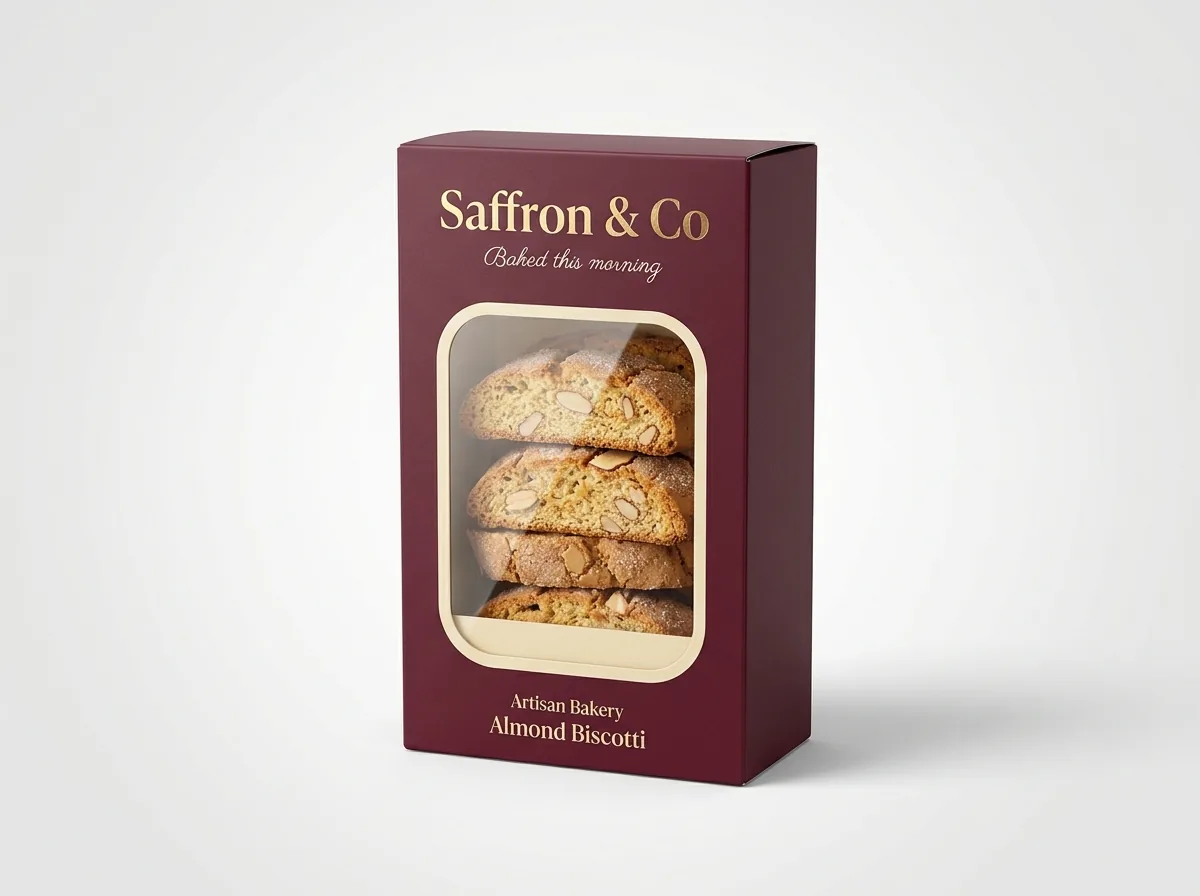
| Open-front window carton | Plush dog squeakers, crinkle characters & fleece tugs | Stands on flat shelf + hangs via top tab | Direct thumb access to squeaker & plush fabric |
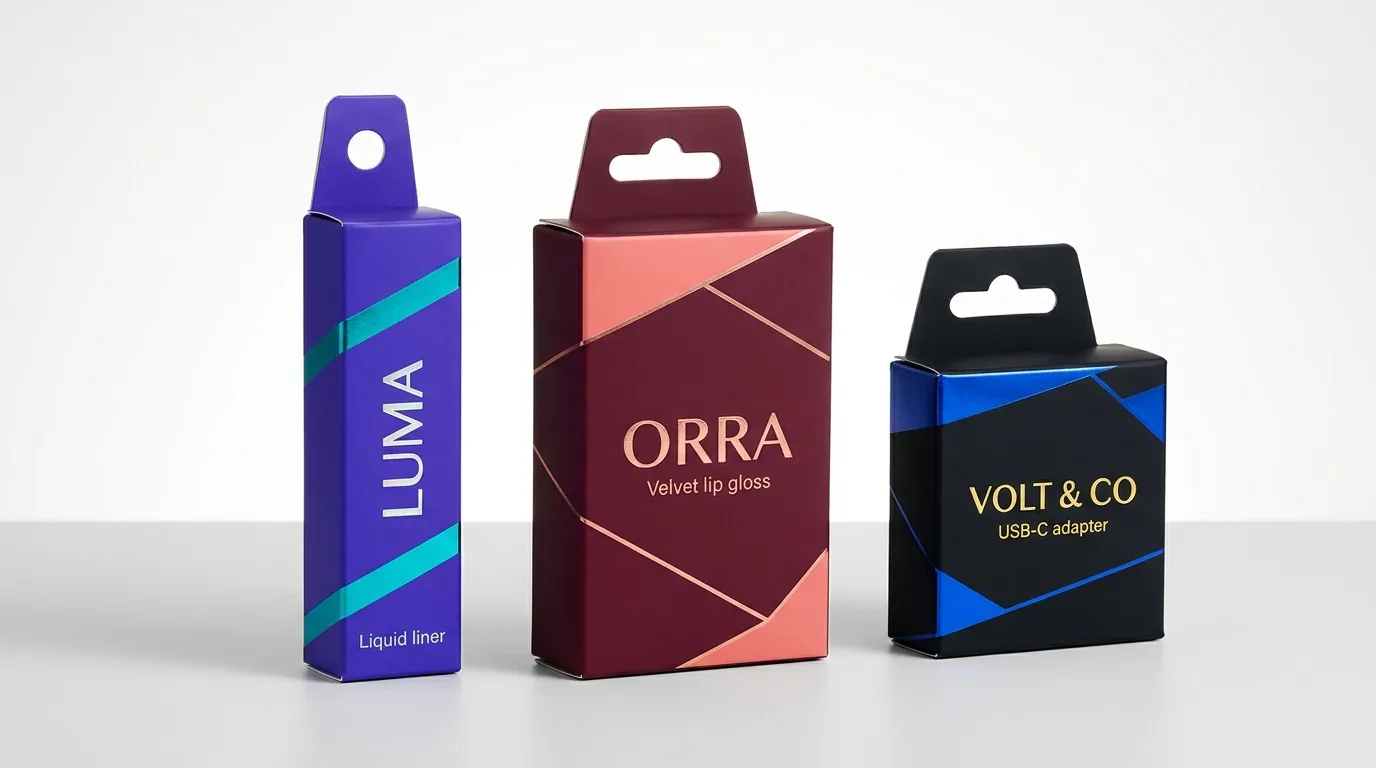
| Film-window hang-tab box | Catnip mice, silvervine sticks, multi-ball sets | Stands on flat shelf + hangs via top tab | Sealed window traps catnip flakes & herbal aroma |
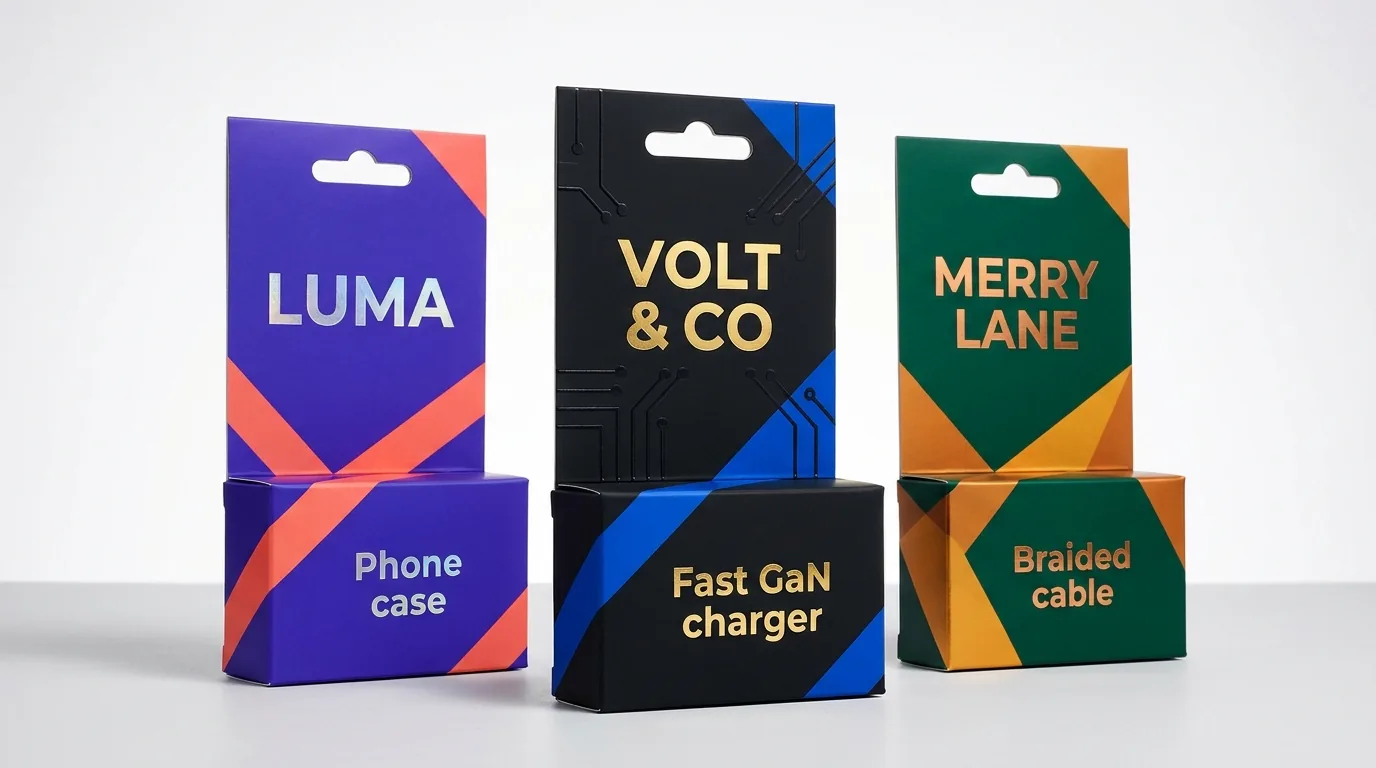
| 3-sided tie-back cradle box | Heavy natural-rubber chew bones, rings & treat cones | Auto-lock base stands flat + double back hangs | 180-degree open front for feeling rubber texture |
| Fold-over header card / belly band | Braided cotton ropes, frisbees & flat rubber flyers | Pegboard hook or dump bin only (cannot stand) | Toy is 90% exposed; lowest board footprint |
| Full enclosed E-flute carton | Plastic dog puzzle feeders & motorized ball throwers | Stacks flat on shelves & ships FBA without overbox | Closed walls protect multi-piece plastic trays |
When should a pet toy box use an open squeeze cutout vs a clear film window?
On a plush dog toy or textured rubber chew, gluing a sheet of clear plastic film across the window actually hurts retail conversion and costs more to produce. Dog owners want to squeeze the belly of a plush character to verify whether it has a high-pitched squeaker, a deep grunter or quiet crinkle paper inside, and they want to flex a rubber toy with their fingers to judge how tough it is for a power chewer. An open die-cut window in custom window boxes gives shoppers immediate tactile access and eliminates the window-patching step entirely. The rule flips completely for catnip toys and multi-piece kitten sets. Dried North American catnip and silvervine powder sift through fabric seams during transit, and exposure to open air dulls the nepetalactone aroma that attracts cats. For 2-packs and 3-packs of catnip mice, wool felt balls or bell rollers, a sealed clear film window patch keeps every flake inside the box, prevents small balls from being pilfered in the store, and keeps the box dust-free.
How do 3-sided tie-back cradle boxes compare with header cards for heavy chew toys?
Solid rubber chew bones, dental rings and knotted cotton ropes are heavy and awkward to balance. Many new pet brands try to staple or zip-tie a 12-ounce rubber bone to a simple fold-over custom header card. While a header card works well for lightweight rope tugs or flat flying discs hung strictly on peg hooks, a heavy bottom-weighted rubber bone pulls the card forward at a 45-degree angle and cannot stand upright if a retailer places your SKU on a flat shelf. A 3-sided tie-back cradle box solves both merchandising problems for pennies more per unit. The lower auto lock bottom tray supports the full weight of the rubber bone from underneath so it stands straight on any flat shelf or checkout counter, while the tall back wall features pre-punched twist-tie holes and a reinforced sombrero hang slot for pegboard displays. Even better, the three-dimensional side wings give you space to print your chew-strength scale, breed size recommendations and UPC barcode without crowding the front face.
- Tie-back cradle box: best for 6 oz to 20 oz rubber chew bones, treat-stuffing cones and nylon wishbones that sell on both shelves and pegs.
- Fold-over header card: best for light braided ropes, flat frisbees and plush characters hung exclusively on pegboard hooks.
- Wrap-around belly band: best for bundling snuffle mats, fleece tug ropes or multi-ring chew sets that already hold their own shape.
- Counter display PDQ tray: best for unboxed single tennis balls, rubber fetch balls and checkout impulse cat toys.
Know your size? Compare pricing across up to 3 quantities.
Request a Quote →Which pet toy box style performs best in Amazon FBA and direct-to-consumer shipping?
If you sell the same pet toy SKU in brick-and-mortar pet boutiques and through Amazon FBA or your own online store, your packaging has to survive two very different journeys. In a pet boutique, open exposure sells the toy; in an automated e-commerce fulfillment center, a toy tied loosely to a bare header card can catch on conveyor belts, pick up warehouse dust on plush fabric, or lose its barcode tag if the zip tie snaps. A 4-walled open-window folding carton bridges both channels cleanly. The surrounding paperboard walls square up the irregular toy into a rectangular block that stacks neatly in master cases, scans easily at fulfillment stations and keeps plush limbs from snagging on sorting chutes. For interactive plastic dog puzzle games and electronic ball launchers, a fully enclosed E-flute corrugated carton protects internal plastic sliders and instruction booklets from parcel drops without needing an extra overbox.
How do these styles compare on unit cost and co-packer assembly time?
When comparing quotes across different custom pet toy packaging structures, look at both the printed carton price and how many seconds it takes your assembly team to pack each toy. A reverse-tuck window box with an open cutout pops open in two seconds: the packer drops the plush toy inside, tucks the top and bottom flaps, and slides it into the master case without threading any twist ties. A tie-back cradle box or header card uses slightly less paperboard surface area, but requires threading a paper twist tie, cotton cord or zip tie through the back-panel anchor holes to lock a heavy rubber chew in place. If you are packing plush toys that fill the interior cavity snugly, a 4-walled open-window carton is usually faster to pack by hand than a tie-back cradle, whereas dense rubber bones and narrow rope tugs require the tie-down security of a cradle or header card so they stay upright during parcel transit and retail restocking.
What are the most common mistakes when choosing a pet toy box style?
Picking the wrong structural style leads to crooked pegboard displays or damaged toys in transit. Watch out for these five mistakes
- Putting a plastic film window over a plush squeaker dog toy, which blocks shoppers from pressing the squeaker and adds unnecessary cost.
- Using an open unpatched cutout on loose catnip toys, allowing catnip flakes to spill out and the herbal scent to fade on store shelves.
- Hanging a heavy 12 oz rubber chew bone on a single-layer header card that curls forward and cannot stand upright on a flat shelf.
- Shipping plush toys attached only to a small hang tag through e-commerce fulfillment without a protective box or bag to block warehouse dust.
- Ordering adhesive stick-on plastic hang tabs instead of an integrated paperboard sombrero hang tab that is die-cut as part of the back wall.
Find your size
Suggested inside size: 3.5 × 1.75 × 5 in
A starting point. Your account manager confirms the size with you before the proof.
Quote this size →Packaging for this
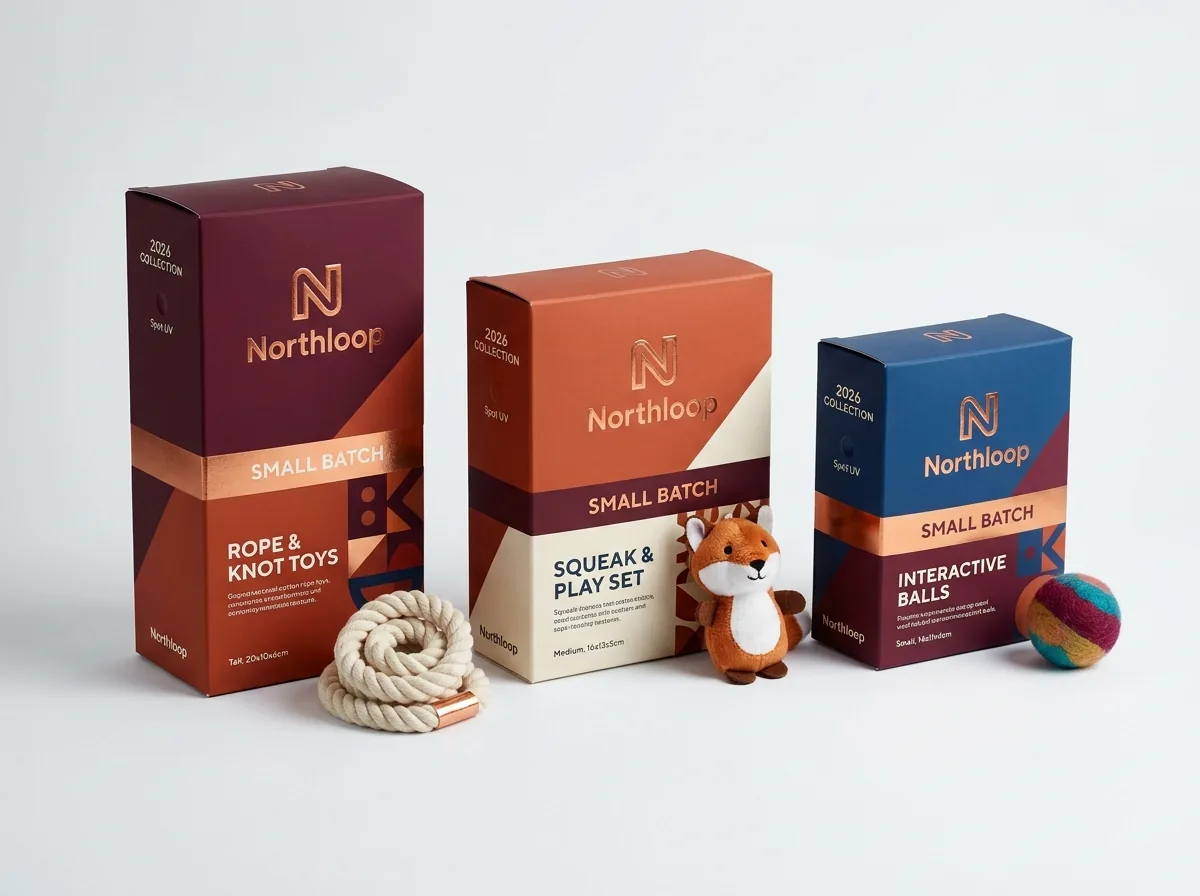
Ready to order pet toy boxes? Compare up to 3 quantities with a free 3D mockup.
Request a Quote →Questions about pet toy boxes
Can one custom pet toy box both stand on a flat shelf and hang on a pegboard?
Yes. Both an open-window folding carton and a 3-sided tie-back cradle box have a flat bottom base for standing upright on shelves plus an integrated sombrero hang tab extending from the top back panel for hanging on wire peg hooks.
Does an open squeeze window cost less than a clear plastic film window?
Yes. Because CubitPack charges zero die fees, an open die-cut window is cut at the same time as the outer box outline at no extra charge, whereas a clear film window requires an extra window-patching material and gluing step.
What is the best way to tie a rubber chew toy into an open cradle box without plastic zip ties?
We die-cut twin holes in the back panel and can pair them with an interlocking die-cut cardboard neck collar that traps the narrow waist of a bone or dumbbell toy, or you can use Kraft paper-wrapped wire twist ties or natural cotton twine.
What board weight keeps a hang-tab pet toy box from tearing on metal hooks?
For toys up to 8 ounces, we recommend 20 pt to 24 pt SBS white card or unbleached kraft board with matte or gloss lamination and a double-folded top hang tab. For heavier chews, step up to E-flute corrugated board.
What is the minimum order quantity for window cartons, cradles and header boxes?
All custom folding carton pet toy styles (including open-window boxes, film-window hang-tab boxes, tie-back cradles and header card boxes) start at 1,000 units, while corrugated subscription mailers start at 250 units.
Can I see a 3D mockup of both an open-window box and a tie-back cradle before choosing?
Yes. Design help and custom dielines are free at CubitPack, and you approve a digital proof and 3D mockup before paying. You can also order a paid physical sample to test your toy on a peg hook, credited toward your full order.
Still have a question? Ask a packaging specialist.
Request a Quote →Request your pet toy boxes quote
Tell us your size and quantities, and one dedicated account manager prepares pricing for each tier.
- Free design & AI-to-print studio + 3D mockup
- No die or plate charges · 4–5 day rush available
- Free shipping to all 50 states
- 10% off your first order
This comparison draws on structural merchandising tests across open-window folding cartons, film-patched catnip boxes, auto-lock tie-back cradles and header cards, and was verified by a CubitPack packaging specialist against our published product specifications. Spot something wrong? Tell us and we will fix it.
Sources
What changed
- October 22, 2026: First published.
- October 22, 2026: Updated specifications, terminology, and verified source links.
More guides
New packaging guides by email
Sizes, materials and design tips. Unsubscribe anytime.