
How do I measure and choose grayboard thickness for custom two-piece rigid boxes?
Short answer: Always specify custom two-piece rigid boxes by the usable interior cavity of the lower rigid base: Inside Length (L) × Inside Width (W) × Inside Depth (D). Prepress adds twice your 1.5–2.5 mm grayboard caliper, paper wrap thickness, and a +1.0 to +1.5 mm air-glide gap to size the separate lid.
On this page
- Do you measure the inside of the base or the outside of the lid when ordering
- How does prepress calculate Lid Inside Dimensions for a 3-second vacuum slow drop
- Should you choose 1.5 mm, 2.0 mm, or 2.5 mm solid grayboard for your product
- How do you choose between a full-depth telescope lid and a partial-depth lid
- How do you test slow-drop friction and outer shipper fit before ordering 50+ boxes
- Common mistakes
- FAQs
Request a custom quoteFree dieline & 3D mockup
Because solid chipboard setup boxes never flex like thin folding cartons, ordering custom two-piece rigid boxes starts with three exact inside base numbers: usable Base Inside Length (L), usable Base Inside Width (W), and usable Base Inside Depth (D), measured after adding any custom EVA foam, watch pillow, tissue, or chocolate divider. From your usable base cavity, prepress calculates Base Outside Dimensions by adding two grayboard walls plus two layers of 128–157 gsm turned-edge wrap paper, then builds the separate rigid lid +1.0 to +1.5 mm larger overall (+0.5 to +0.75 mm per side). That calibrated clearance meters escaping air for a damped 2 to 4 second vacuum slow drop without binding at the corners. Pair 1.5 mm grayboard with small jewelry boxes, 2.0 mm with watches and candles, and 2.5 mm with wide shoe, hat, and corporate gift boxes starting at 50 units.
Do you measure the inside of the base or the outside of the lid when ordering?
Packaging factories always build rigid setup tooling from the inside out so your product and custom insert never sit too tight or rattle in transit. Measuring an existing box around the outside of its telescoping lid overstates your usable product space by four board walls, four paper wrap layers, and the air-release gap, which adds up to 9 to 12 mm (nearly half an inch) on a heavy shoe or candle box. Grab a millimeter caliper or steel ruler and record these three interior base dimensions in strict L × W × D order
- Base Inside Length (L): The longest horizontal interior span across the open mouth of the lower rigid base from left inner liner to right inner liner. Add 2 to 3 mm of finger or tissue clearance around folded apparel, or 15 to 20 mm per side around recessed EVA foam cavities.
- Base Inside Width (W): The front-to-back horizontal interior span across the open base mouth, perpendicular to Length.
- Base Inside Depth (D): The vertical interior wall height from the base floor (or top of a bottom cushion pad) up to the turned-edge top rim. Leave 2 to 3 mm of headroom above your tallest cap, watch crown, or sneaker collar so the lid ceiling rests flat without resting directly on the product.
- Lid Skirt Height (H_lid): Decide whether your separate rigid lid covers 95 to 100% of the base height (full-telescope) or 35 to 65% of the base height (partial-telescope).
How does prepress calculate Lid Inside Dimensions for a 3-second vacuum slow drop?
Everyone recognizes the unhurried, cushioned slow-drop lid release made famous by flagship smartphone, watch, and boutique shoe boxes. That tactile ceremony is pure air-channel physics rather than hidden hardware. When a rigid lid slides over a rigid base, four walls of board and four layers of turned-edge paper wrap pass one another at 90-degree corners. If total horizontal clearance drops below +0.6 mm, paper overlap at the four corners binds during humid weather; if clearance exceeds +2.2 mm, air escapes instantly and the lid clatters loosely. Here is the exact dimensional stack our prepress team applies to your Base Inside L × W
- Wrap stock surface friction adjustment: Smooth matte BOPP and soft-touch films glide cleanly at +1.0 to +1.2 mm total clearance, whereas coarse woven linen, buckram cloth, or flocked velvet wraps need +1.4 to +1.8 mm so textured fibers never catch.
- Corner wrap buildup relief: Because turned-edge wrapping folds slight corner overlaps over all four 90-degree vertical edges, prepress trims wrap corner miters at 45 degrees so the lid descends evenly from top to bottom.
| Grayboard caliper | 2× Board + 2× 157 gsm Wrap | Base OD from 200 × 150 mm Base ID | Calibrated Slow-Drop Gap | Target Lid Inside L × W |
|---|---|---|---|---|
| 1.5 mm (60 pt / ~1000 gsm) | +3.0 mm board + 0.5 mm wrap | 203.5 × 153.5 mm | +1.0 to +1.2 mm total | 204.6 × 154.6 mm |
| 2.0 mm (80 pt / ~1300 gsm) | +4.0 mm board + 0.6 mm wrap | 204.6 × 154.6 mm | +1.2 to +1.4 mm total | 205.9 × 155.9 mm |
| 2.5 mm (100 pt / ~1600 gsm) | +5.0 mm board + 0.6 mm wrap | 205.6 × 155.6 mm | +1.3 to +1.5 mm total | 207.0 × 157.0 mm |
Should you choose 1.5 mm, 2.0 mm, or 2.5 mm solid grayboard for your product?
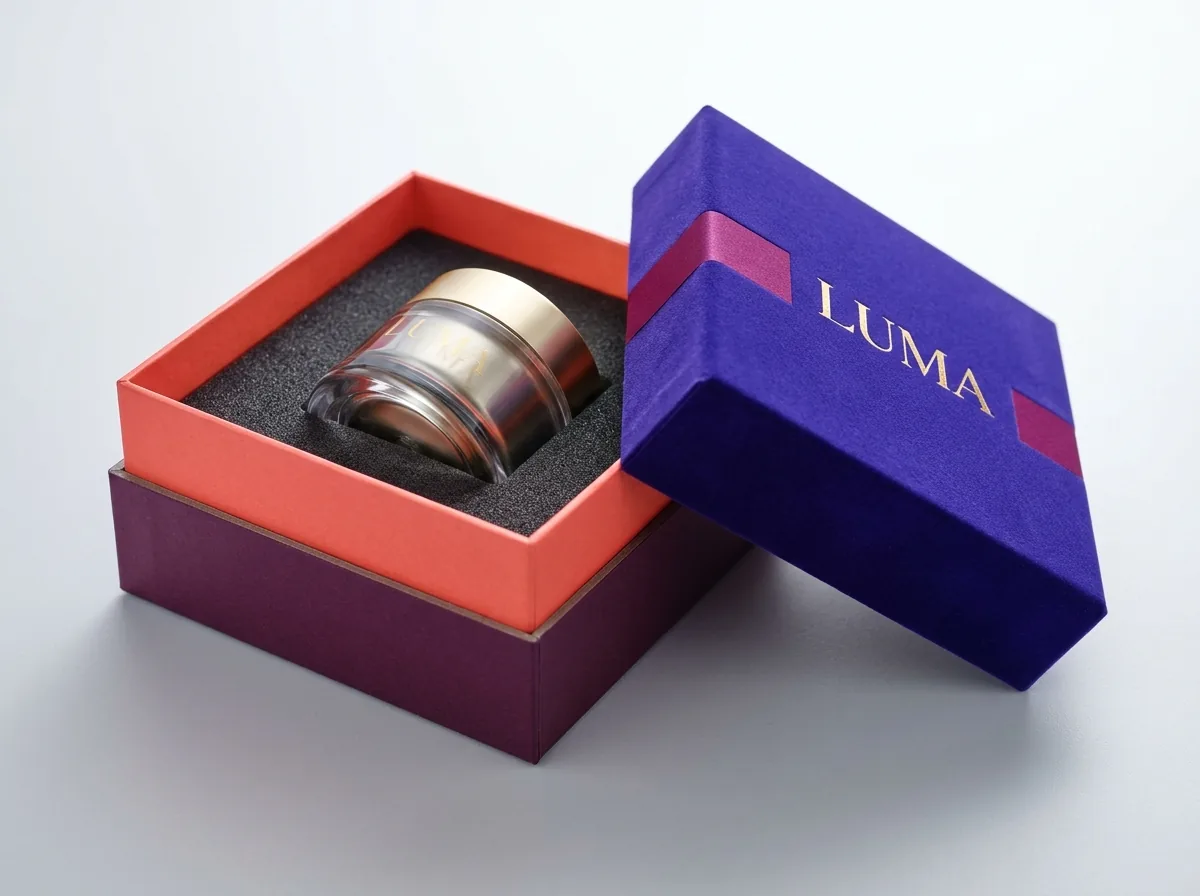
Longer rigid lid skirts naturally want to bow outward by half a millimeter along wide spans unless the core grayboard is thick enough to hold crisp architectural lines. Matching board caliper to box span and product weight keeps your custom two-piece rigid setup boxes rock-solid whether you are building custom shoe boxes, custom apparel boxes, custom watch boxes, custom candle boxes, or custom chocolate boxes
| Product category | Benchmark Base Inside L × W × D | Recommended grayboard | Recommended lid skirt style |
|---|---|---|---|
| Fine rings, earrings & pendants | 3.5 × 3.5 × 2.0 in (89 × 89 × 51 mm) | 1.5 mm (60 pt) grayboard | Partial lid (65% depth) for easy fingertip lift |
| Artisan 16-pc chocolate bonbons | 7.5 × 7.5 × 1.8 in (190 × 190 × 46 mm) | 1.8 mm (70 pt) grayboard | Partial or 85% lid + food-safe PET blister |
| Mechanical wristwatch + pillow | 4.5 × 4.5 × 3.5 in (114 × 114 × 89 mm) | 2.0 mm (80 pt) grayboard | Partial 70% lid (magnet-free horology build) |
| Heavy 10–12 oz glass jar candle | 4.2 × 4.2 × 4.8 in (107 × 107 × 122 mm) | 2.0 mm (80 pt) grayboard | Full-telescope lid (100% depth) + thumb cuts |
| Cashmere knitwear / corporate kit | 11.5 × 8.5 × 4.0 in (292 × 216 × 102 mm) | 2.0–2.2 mm grayboard | Partial 55% lid showing contrasting base rim |
| Luxury sneakers, dress shoes & hats | 13.5 × 8.0 × 5.0 in (343 × 203 × 127 mm) | 2.2–2.5 mm (90–100 pt) board | Full-telescope lid for 2× side stacking load |
Know your size? Compare pricing across up to 3 quantities.
Request a Quote →How do you choose between a full-depth telescope lid and a partial-depth lid?
Once your Base Inside L × W × D and grayboard caliper are locked in, choosing the vertical height of the lid skirt determines both the visual color-blocking proportions and the warehouse stacking strength of the closed package. Because the vertical skirt overlap controls air escape speed as well as side-wall rigidity, matching skirt depth to your retail display plan keeps unboxing effortless
- Full-telescope lids (95 to 100% of base height): The lid skirt travels nearly all the way to the table surface, creating two concentric rigid grayboard walls along all four sides (4.0 to 5.0 mm of combined solid board). Choose full-telescope lids for heavy footwear, stoneware, candles, and closet-stacked keepsakes, and always pair them with semicircular thumb-cut notches so customers can grip the lower base rim.
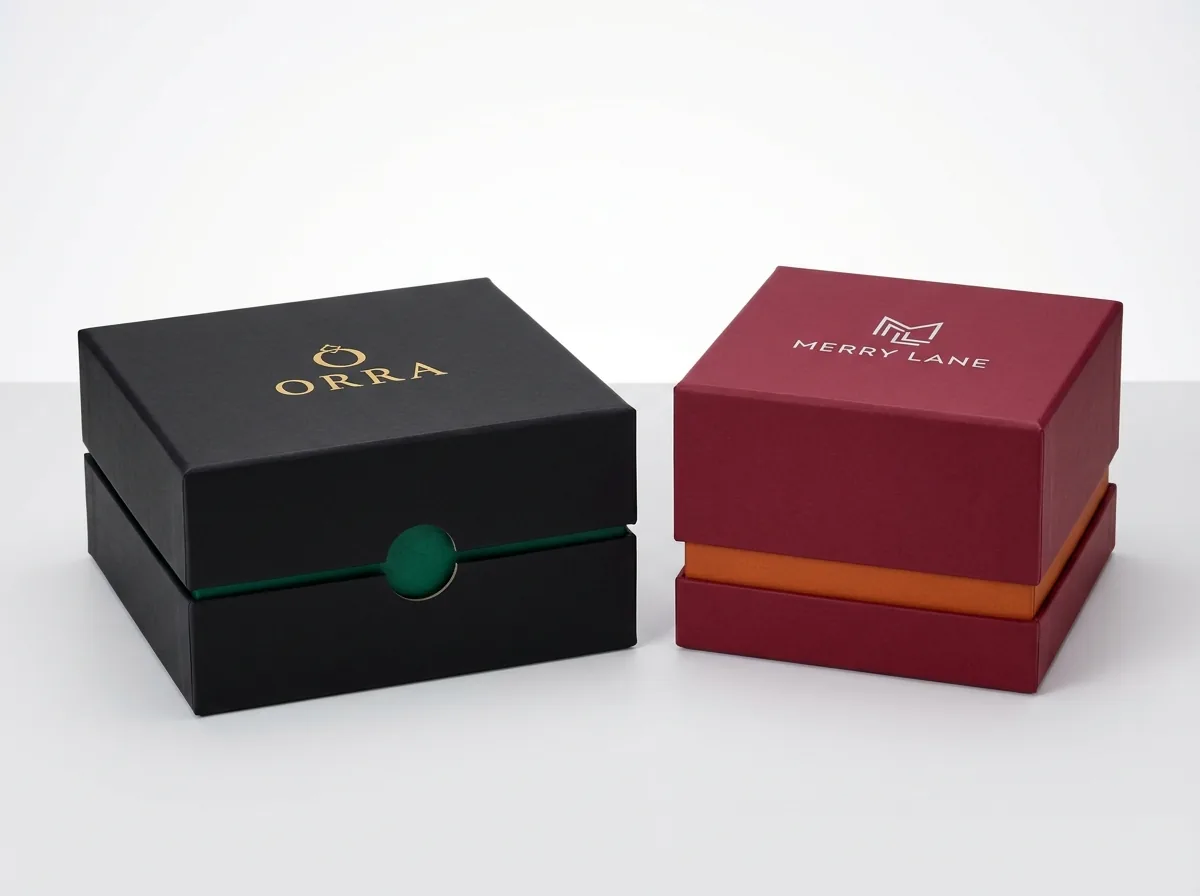
- Mid-partial lids (60 to 75% of base height): Leaves a clean 20 to 35 mm color-blocked band of the rigid base exposed along the bottom perimeter. Customers can hold the lower base with one hand and lift the lid effortlessly without needing thumb notches, while the exposed base rim frames a contrasting wrap stock or metallic foil border.
- Shallow cap lids (30 to 45% of base height): Ideal for tall millinery hat boxes, tall candle vessels, and multi-tier chocolate boxes where a compact top cap frames a tall printed base cylinder or cube and lifts clear in a single quick motion.
How do you test slow-drop friction and outer shipper fit before ordering 50+ boxes?
Every CubitPack rigid order starts at 50 boxes and includes a free 2D vector dieline proof, a free 3D digital mockup before payment, and free US shipping. Compare your structural options further in two-piece rigid boxes vs shoulder-neck and magnetic closure boxes and two-piece rigid box dieline, turn-in wraps, and thumb cuts explained
- Verify insert compression and top clearance: Confirm that watch crowns, perfume sprayers, or rigid card belly bands sit at least 2 mm below the base rim.
- Time the physical sample drop: When ordering a pre-production physical prototype (credited toward production), hold the box 6 inches above a table by its lid alone; a well-tuned +1.2 mm clearance lets the weighted base glide out smoothly over 2 to 4 seconds rather than dropping instantly or sticking fast.
- Size outer e-commerce corrugated mailers around Lid OD: Remember that the outer footprint of a closed two-piece rigid box equals Lid Outside L × W (roughly 10 to 13 mm wider than Base Inside L × W on 2.0 mm board), so size any outer corrugated shipper +5 mm beyond Lid OD.
What sizing and board mistakes ruin custom two-piece rigid boxes?
Check your spec sheet against these five dimensional errors before approving your dieline
- Sending outside lid measurements as if they were usable inside base dimensions, shrinking interior product room by 9 to 12 mm.
- Designing Lid ID equal to Base OD with zero air-escape clearance, which jams the lid halfway down at the wrapped corners.
- Ordering a 100% full-depth lid on a tall square box without semicircular thumb notches, forcing shoppers to pry the bottom rim apart with fingernails.
- Specifying 1.5 mm light grayboard on a 14-inch shoe or apparel lid where 2.2 to 2.5 mm board is required to prevent skirt bowing.
- Sizing outer e-commerce shipping cartons to Base ID instead of Lid OD, leaving the wrapped rigid lid too wide to fit inside the corrugated mailer.
Packaging for this
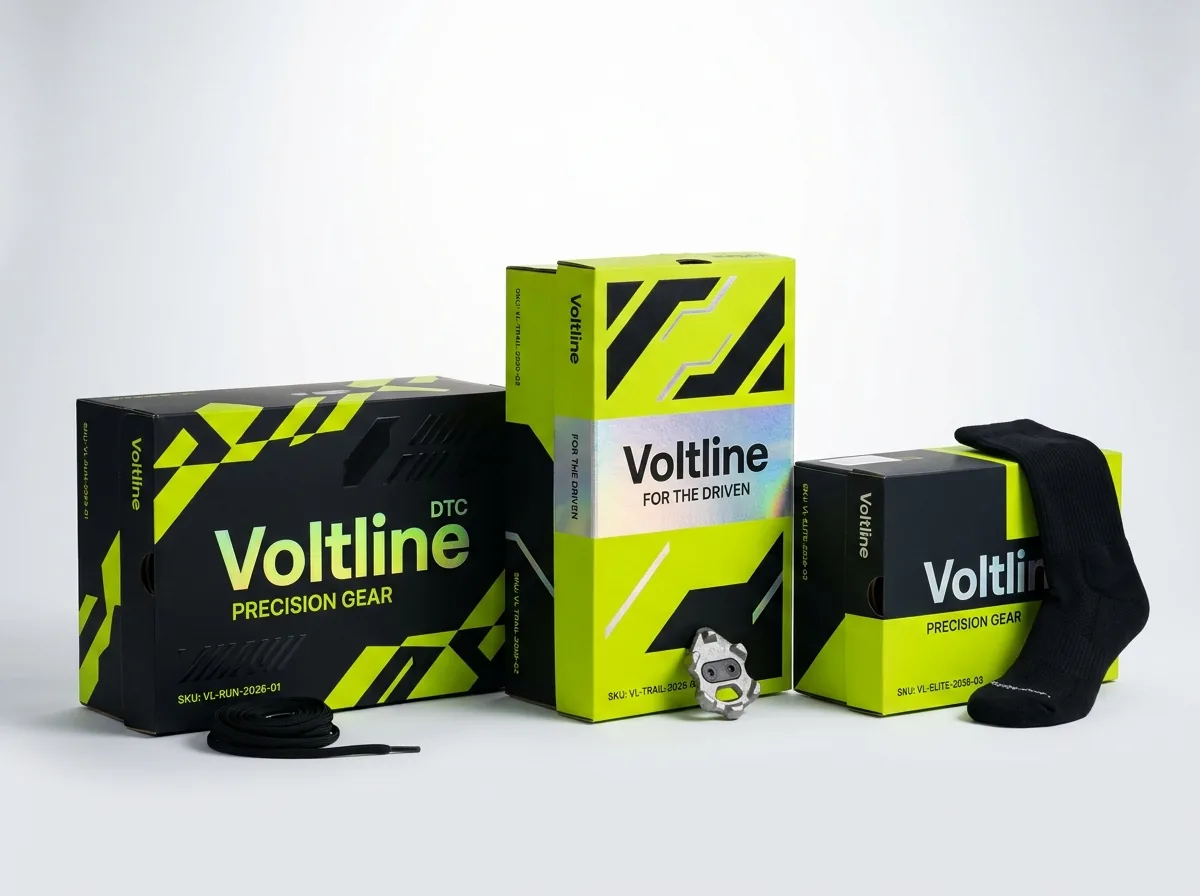
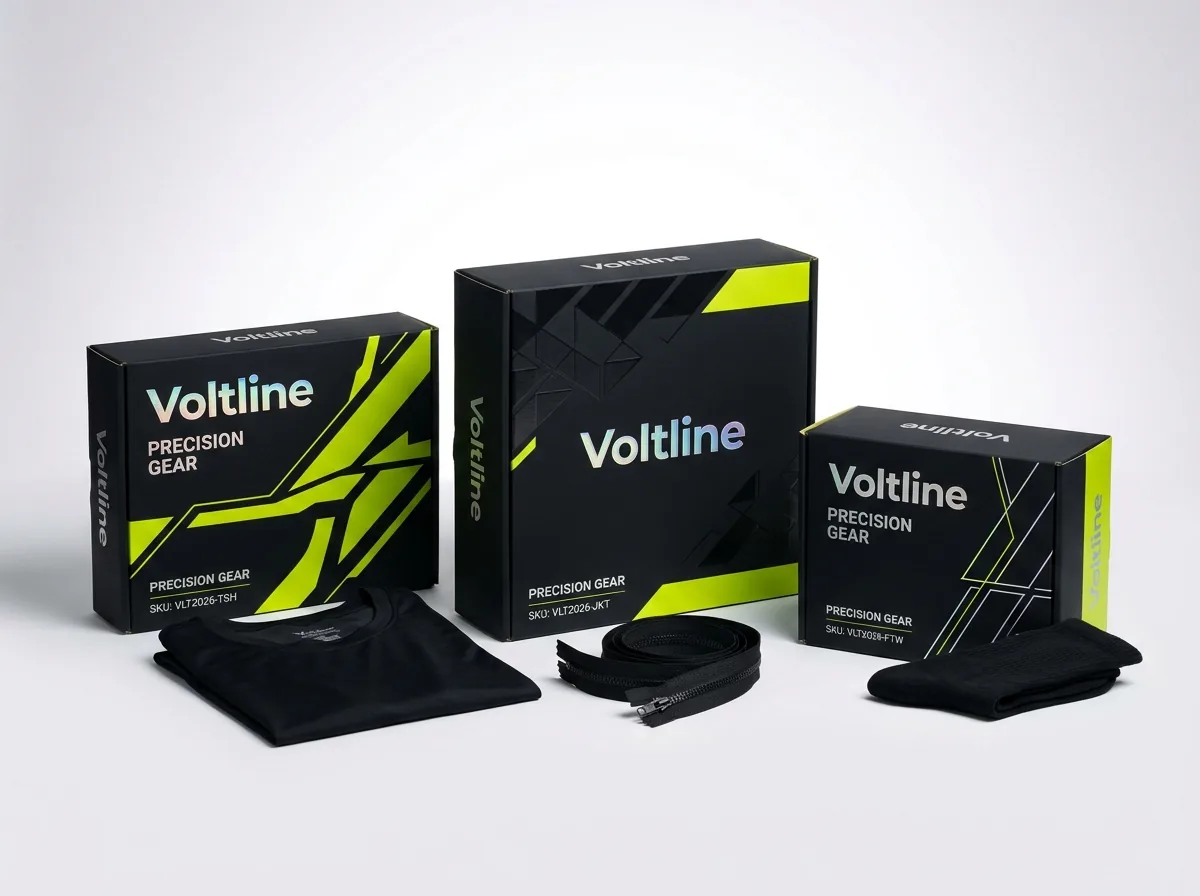

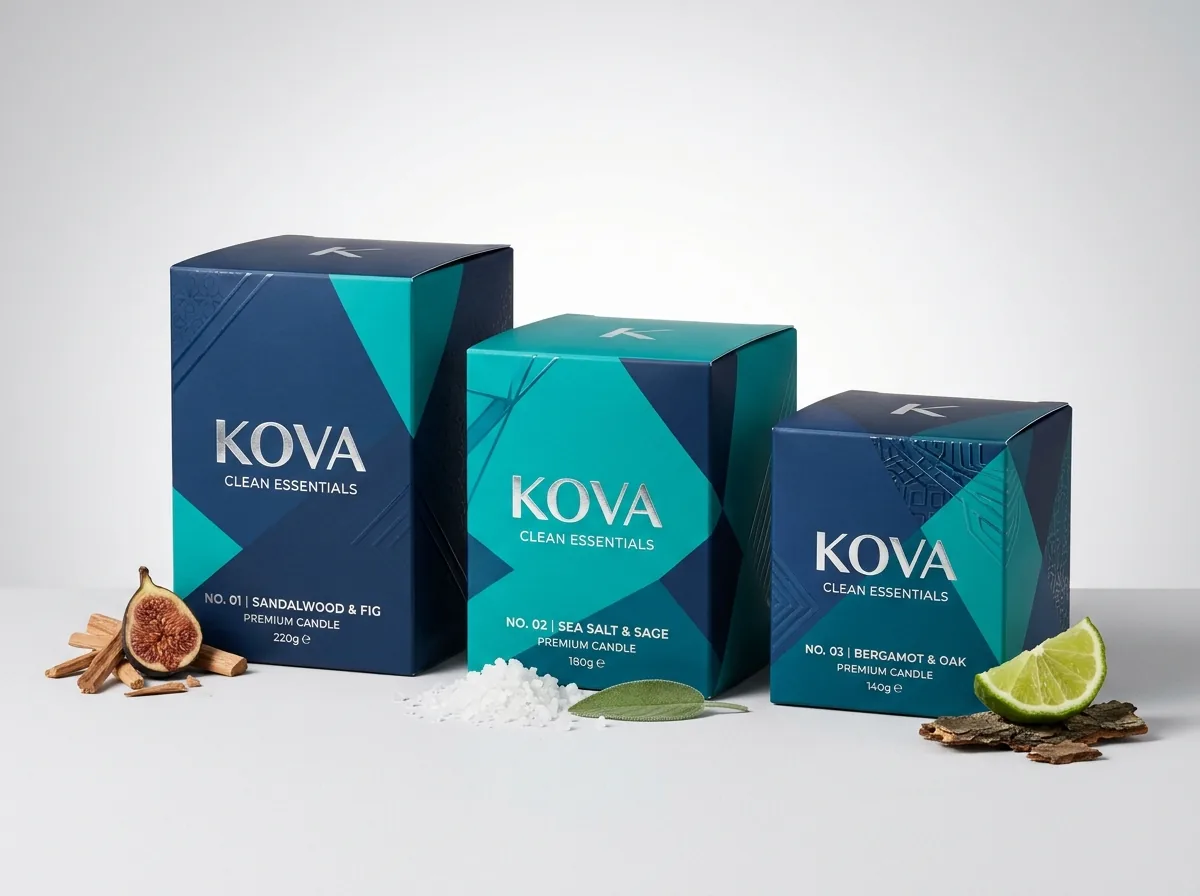

Ready to order two-piece rigid boxes? Compare up to 3 quantities with a free 3D mockup.
Request a Quote →Questions about two-piece rigid boxes
Do I need to calculate the lid dimensions myself when requesting a quote?
No. Simply enter your usable Base Inside Length × Width × Depth (plus any insert details) in the CubitPack quote form, and our prepress specialists calculate Base OD, paper wrap buildup, and the +1.0 to +1.5 mm Lid ID slow-drop clearance for free.
Why does paper texture affect lid-to-base clearance on a two-piece rigid box?
Smooth matte or gloss laminated art paper creates predictable low friction at +1.0 to +1.2 mm total clearance, whereas embossed linen, cotton canvas, or velvet-flocked papers have raised surface fibers that need +1.4 to +1.8 mm to telescope smoothly without scuffing.
How thick is 2.0 mm rigid grayboard in points and GSM?
A 2.0 mm solid grayboard core equals roughly 78 to 80 pt (0.079 inches) and approximately 1,250 to 1,350 gsm depending on board density, making it more than four times thicker than a standard 18 pt folding retail carton.
What is the minimum order quantity for custom-sized two-piece rigid boxes?
CubitPack builds custom-sized turned-edge two-piece rigid boxes starting at 50 units in any custom L × W × D footprint, with zero die or plate charges and free shipping across the US.
Should a shoe box lid cover the full height of the base or only partway?
Most luxury sneaker, boot, and dress shoe brands specify either a 35 to 45 mm partial-telescope lid for effortless retail try-ons or a 95% full-telescope lid with dual thumb notches when maximum closet-stacking crush strength is the priority.
Still have a question? Ask a packaging specialist.
Request a Quote →Request your two-piece rigid boxes quote
Tell us your size and quantities, and one dedicated account manager prepares pricing for each tier.
- Free design & AI-to-print studio + 3D mockup
- No die or plate charges · 4–5 day rush available
- Free shipping to all 50 states
- 10% off your first order
We verified Base Inside L × W × D measurement conventions, four-wall grayboard and 157 gsm paper wrap buildup formulas, +1.0 to +1.5 mm air-cushioned telescope clearances, and 1.5–2.5 mm solid grayboard calipers against National Paperbox Association (NPA), Paperboard Packaging Council (PPC), and TAPPI T 411 references, plus CubitPack minimums and turnaround rules. Spot something wrong? Tell us and we fix it.
Sources
- Base ID to Lid ID telescoping slow-drop clearance (+1.0 to +1.5 mm) and full vs partial skirt proportions.
- Matching 1.5 mm, 2.0 mm, and 2.5 mm solid grayboard calipers to footwear, apparel, watch, candle, and jewelry spans.
- Board and 157 gsm paper wrap caliper buildup tolerances across four turned-edge walls.
What changed
- November 5, 2026: First published with Base ID to Lid ID slow-drop clearance table, 6-product grayboard sizing benchmark chart, and full vs partial lid skirt guide.
More guides
New packaging guides by email
Sizes, materials and design tips. Unsubscribe anytime.