
How do I design tealight sampler and scent flight boxes?
Short answer: Build your sampler around a 4-cell, 6-cell or 9-cell divided tray that isolates each fragrance cup, print an aligned scent map with top/middle/base notes and a reorder QR code inside the lid, and place ASTM F2058 fire-safety pictograms on the bottom panel of your custom tealight boxes.
On this page
- How do I stop volatile fragrance oils from mixing inside a sampler box
- Where should scent maps, QR codes and ASTM warnings go on a tealight box
- How do I design an inside-lid scent map that drives full-jar reorders
- How do I fit ASTM F2058 fire-safety warnings on a tealight carton
- What drives the cost of custom tealight boxes and how do gang runs save money
- Common mistakes
- FAQs
Request a custom quoteFree dieline & 3D mockup
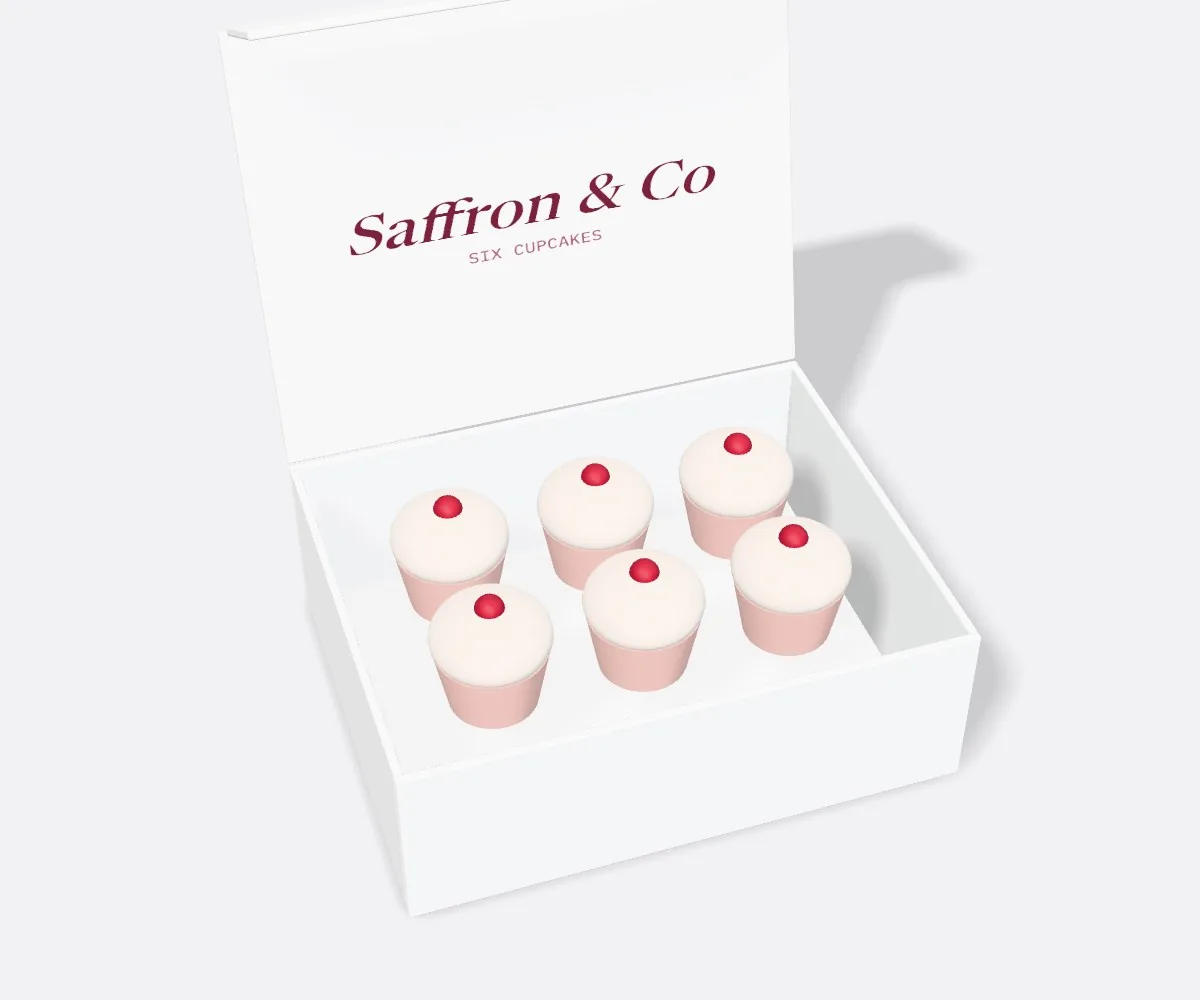
For online and boutique candle brands, a multi-scent tealight discovery box is your most effective customer acquisition tool: it lets hesitant shoppers smell and burn four to nine fragrances at home before committing to a full-size 9 oz or 12 oz jar. Designing a high-converting scent flight requires solving three practical details that single-scent packs never face. First, you must separate each 1.5 inch cup with full-height paperboard partitions or individual die-cut cavities so potent essential oils like eucalyptus, peppermint or smoked cedar do not migrate into delicate vanilla or floral wax next door. Second, you must map each fragrance name and note profile directly to its grid position on the inside lid or window frame so customers never lose track of which cup they are burning. Third, you should include a reorder QR code or discount code inside the box that links straight to your full-size candle collection.
How do I stop volatile fragrance oils from mixing inside a sampler box?
When six bare tealights sit side by side in an undivided carton for several weeks in a warm warehouse, head-space aroma molecules from high-throw spicy, citrus or pine fragrances absorb into the top wax layer of neighboring floral or unscented cups. By the time the customer opens the box, all six cups smell like a single muddled blend on cold throw. To preserve distinct cold throw across a discovery flight in custom printed tealight boxes, give every cup its own physical wall. A full-height 0.85 inch slotted cardboard insert that touches the underside of the closed lid creates six sealed micro-chambers inside a 2×3 tray. For even stronger scent separation, pair a die-cut multi-cavity platform with polycarbonate cups topped by individual thin card scent discs, or group complementary scent families (such as a Woods Flight vs a Botanicals Flight) into separate 4-pack or 6-pack boxes.
- Full-height slotted dividers: size partition walls to within 1/32 in of the closed lid so air does not circulate freely between cells.
- Individual circular apertures: die-cut separate 1.35 in holes over each cup so the top bridge presses down around each rim.
- Scent-family grouping: separate heavy resin, smoke and mint scents from light linen, tea and white floral scents.
- Bottom cup stickers: apply a 1.25 in circle label under each cup in case the customer removes all six tealights from the tray.
Where should scent maps, QR codes and ASTM warnings go on a tealight box?
A low-profile 0.875 inch tall tealight carton has narrow side walls, which means your front lid, inside lid and bottom panel do all the visual heavy lifting. Use the panel-by-panel layout guide below to organize your fragrance storytelling, conversion callouts and safety icons without cluttering the top face. Notice how moving the detailed fragrance note breakdowns and the reorder QR code to the inside lid (or the back of the outer sleeve on a tray and sleeve box) keeps the exterior clean and boutique-ready while guaranteeing the customer sees your full-jar offer every time they light a sample.
| Carton panel or zone | What to print in this zone | Design & prepress tip |
|---|---|---|
| Top lid / outer sleeve face | Brand logo, collection title, cup count & net weight | Frame the window or circular cutouts with a 3/8 in border |
| Window border or aperture rings | Short 1-2 word scent names aligned over each cup | Keep text 1/8 in away from die-cut window edges |
| Inside top lid (or insert card) | 2×3 or 3×3 scent grid map + top/heart/base notes | Align grid cells 1:1 with the physical cups below |
| Inside flap or tray wall | Reorder QR code + bounce-back credit toward a full jar | Use high-contrast dark ink on light card for phone scans |
| 0.875 in side & end panels | Website URL, batch/lot stamp zone & Pantone accent band | Use minimum 7 pt sans-serif type on shallow 0.875 in walls |
| Bottom outer panel | ASTM F2058 fire-safety pictograms, barcode & holder warning | Leave a 1.5 × 1.0 in high-contrast white box for UPC scans |
How do I design an inside-lid scent map that drives full-jar reorders?
The single highest-ROI upgrade on a tealight discovery set is inside printing. On a hinged tuck box or a two-piece box, the inside of the top lid sits directly above the 2×3 or 3×3 cup grid when the customer opens the box. By printing a mirrored 2×3 diagram inside the lid with the fragrance title, three key scent notes (for example, 'Fig Leaf · Green Coconut · Cedarwood') and the matching full-size jar SKU in each box, you turn a simple carton into an interactive fragrance menu. Pair that scent map with a clear call to action and a dynamic QR code printed on the inside tuck flap or inner tray wall - such as 'Found your favorite? Scan to apply the cost of this flight toward any 9 oz candle jar.' If you prefer a slide-out tray-and-sleeve structure where the sleeve does not flip open, either print the scent names along the top paperboard bridges between circular cutouts, or lay a translucent vellum or printed insert card directly over the cups inside the drawer.
Know your size? Compare pricing across up to 3 quantities.
Request a Quote →How do I fit ASTM F2058 fire-safety warnings on a tealight carton?
A standard 1.5 inch tealight cup has very little room on its bottom sticker for lengthy cautionary text, making the bottom panel of your outer tealight box critical for clear fire-safety communication. Under ASTM F2058 candle fire-safety labeling guidelines, every tealight pack should display the general warning triangle alongside the three core safety rules: burn within sight, keep away from things that catch fire, and keep away from children and pets. In addition to the three core pictograms, tealight cartons should include two product-specific instructions on the bottom panel: always place tealights on a heat-resistant holder or coaster (since aluminum cups conduct heat directly to wooden tables once the wax fully liquefies), and keep burning tealights at least 2 to 4 inches apart so rising heat from clustered cups does not overheat adjacent wax pools. Our prepress team checks icon legibility and contrast on your free digital proof before production.
What drives the cost of custom tealight boxes and how do gang runs save money?
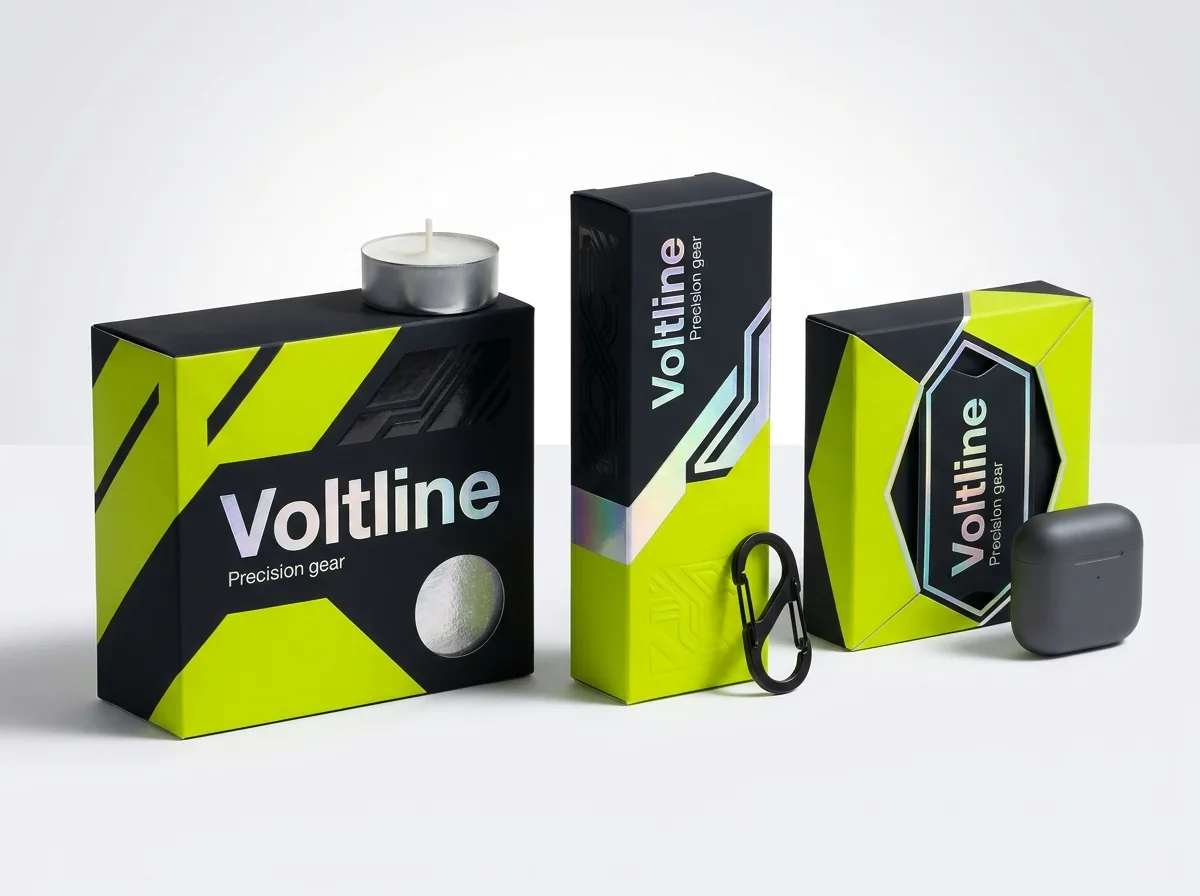
Four factors shape the per-unit cost of custom tealight packaging: carton style (a one-piece window tuck box vs a multi-piece tray, sleeve and divider set), total flat board area, order quantity, and specialty finishes like metallic foil stamping or soft-touch lamination. Because CubitPack never charges cutting die or printing plate fees, adding circular scent apertures or a custom window shape does not add tooling setup costs. To maximize your budget across a full product line, standardize on one master 6-pack dieline (such as 4.75 × 3.25 × 0.875 inches) for both your single-scent retail packs and your 6-scent discovery flight. You can gang-run multiple single-scent colorways and your sampler box artwork in a single combined production run to reach the 2,500 or 5,000 quantity price break. You can also order matching 1.25 inch round bottom candle labels starting at 500 pieces so every cup carries its scent name and warning icon. Another smart way to stretch your packaging budget is to design one universal unbranded or master-branded inner tray and pair it with seasonal outer sleeves. For example, your year-round 6-cell kraft or white card tray stays identical across every production run, while you print a Spring Botanicals sleeve, a Fall Woods sleeve and a Holiday Spice sleeve that slide over the same drawer. First orders at CubitPack receive 10% off, and we beat written quotes from US competitors for matching specs.
What are the most common tealight sampler box design mistakes?
A discovery flight only converts shoppers into full-jar buyers if the scents stay pure and easy to identify. Avoid these five artwork and structural errors
- Printing a 6-scent map on the box lid without labeling the bottom of each tealight cup, leaving customers guessing once they lift two cups out.
- Reversing the top and bottom rows on an inside-lid scent map so the back row of cups is labeled as the front row when the lid flips open.
- Packing strong mint, eucalyptus or smoke tealights beside light floral cups without full-height slotted dividers.
- Setting side-panel typography smaller than 6 pt on a shallow 0.875 inch carton wall, making scent notes illegible on retail shelves.
- Omitting the heat-resistant holder instruction and minimum spacing distance between burning tealights from the bottom ASTM safety panel.
Find your size
Suggested inside size: 6.25 × 1.625 × 0.875 in
A starting point. Your account manager confirms the size with you before the proof.
Quote this size →Packaging for this
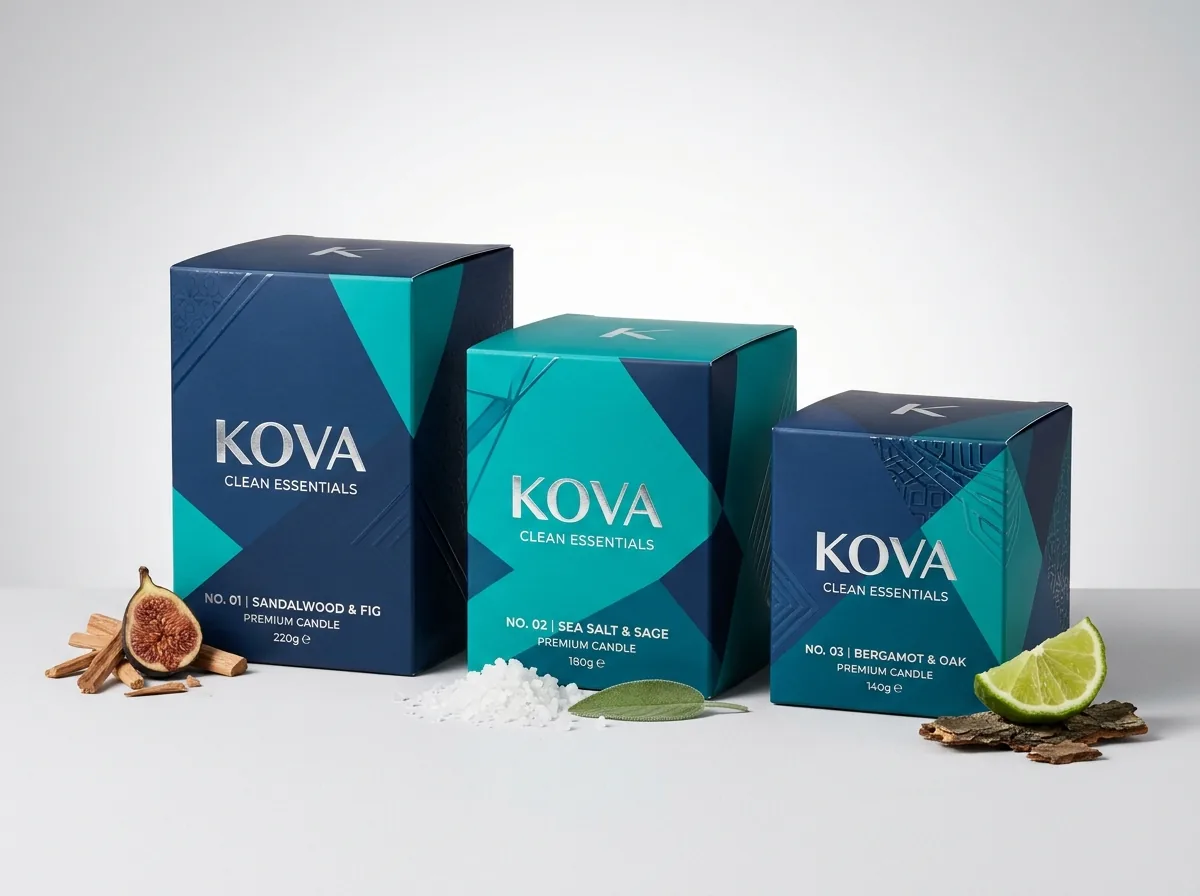
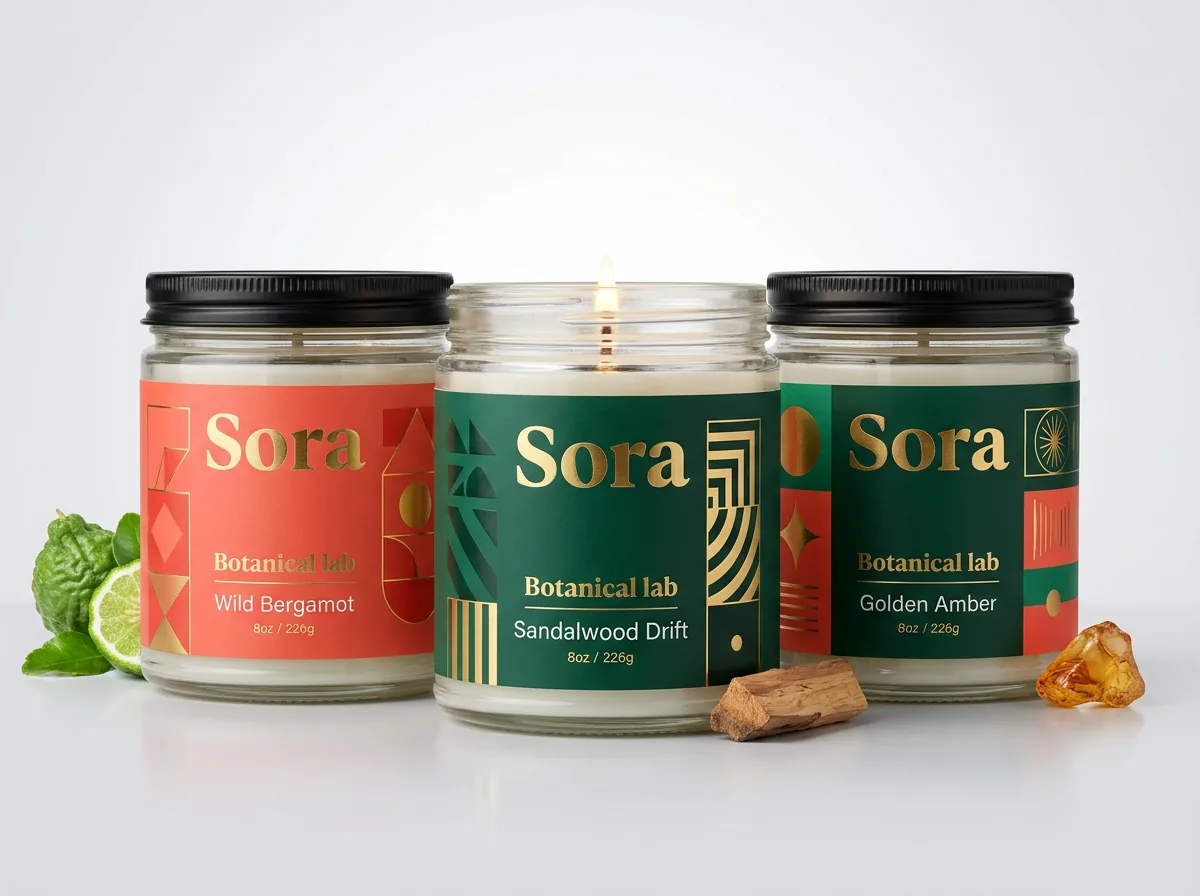
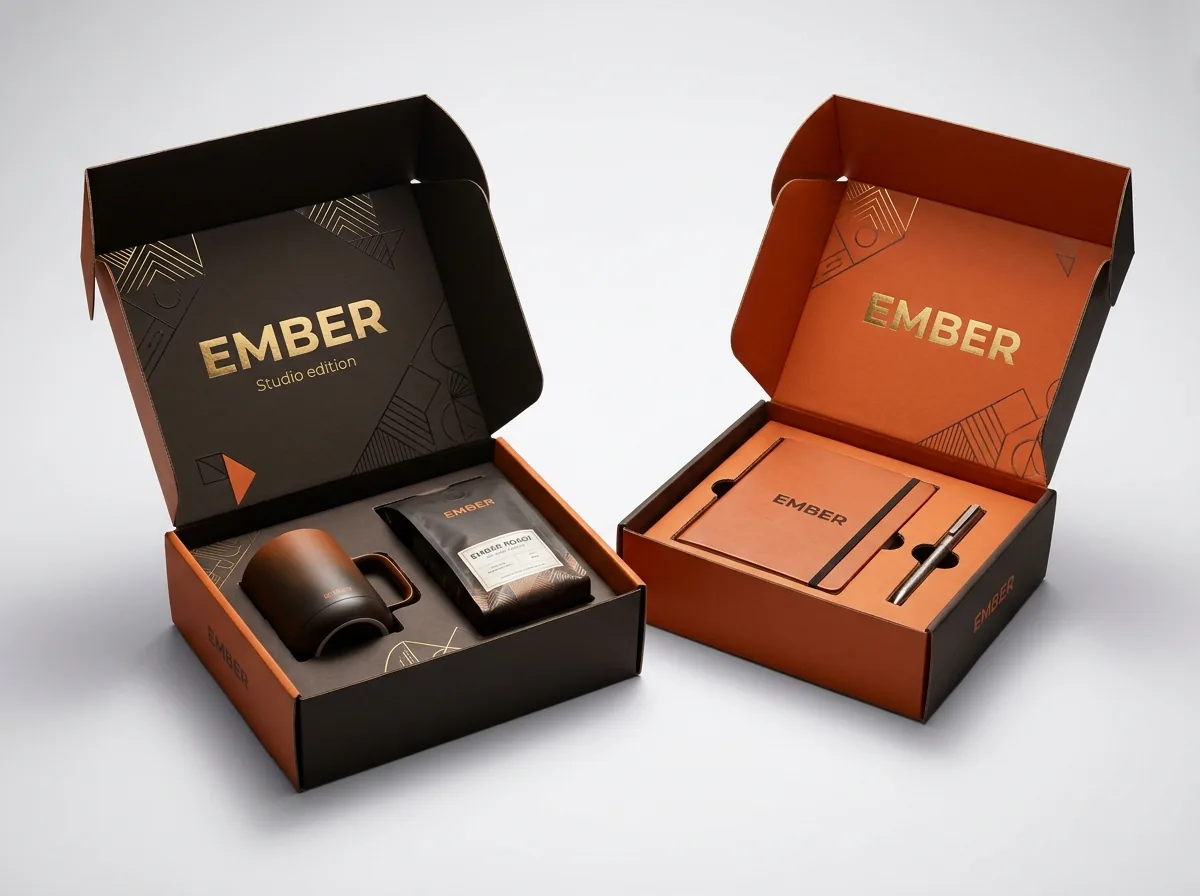
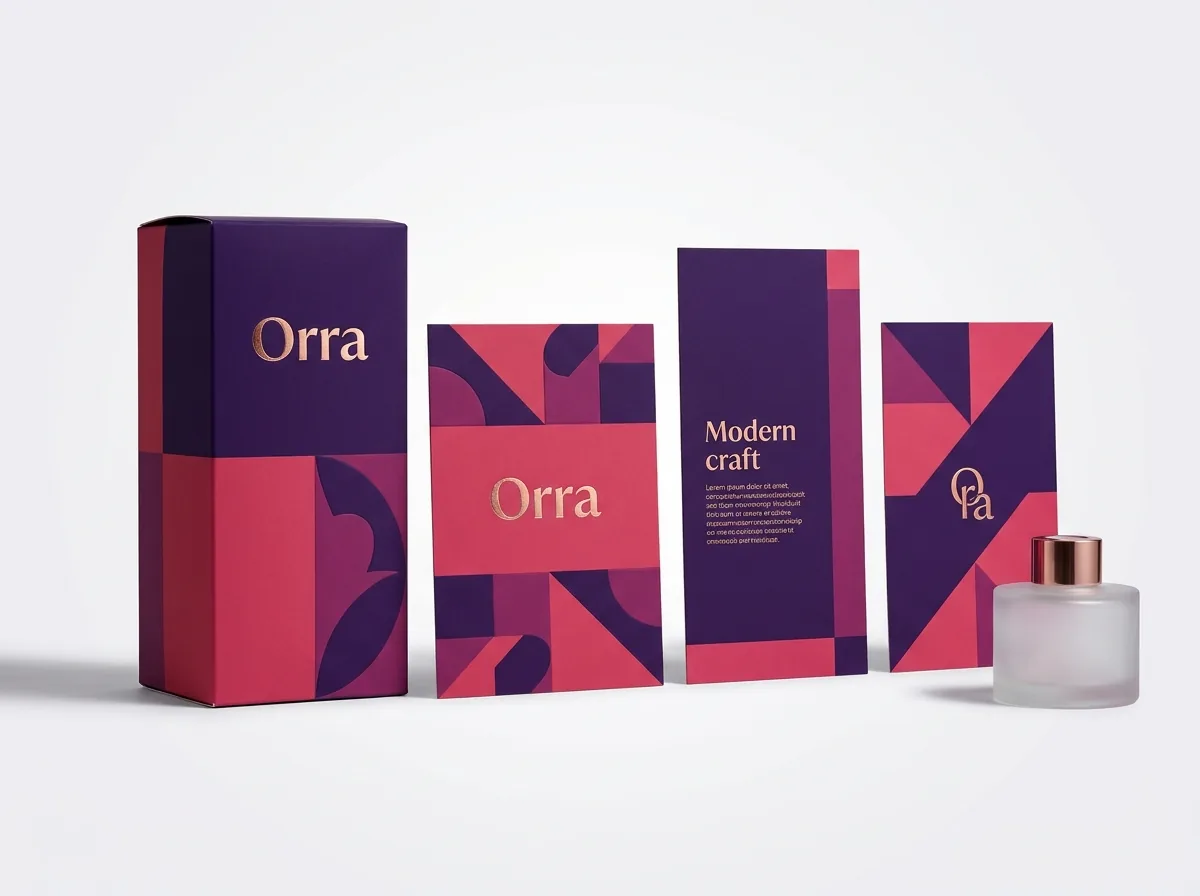
Ready to order tealight boxes? Compare up to 3 quantities with a free 3D mockup.
Request a Quote →Questions about tealight boxes
Can I split a 1,000-box minimum across multiple tealight scent designs?
Yes. When your 6-pack or 12-pack tealight cartons share the exact same dieline dimensions and board stock, we can gang-run multiple scent designs plus a multi-scent discovery box in one combined order. Select 2 designs or 3+ designs in the quote form.
Does inside-lid printing for a scent map cost much more than outside-only printing?
Inside printing adds a second press pass to the interior side of the paperboard sheet, which adds a modest per-unit increment while eliminating the cost and packing labor of a separate printed insert card. Request both options on your quote to compare.
What size round sticker fits the bottom of a standard 1.5 inch tealight cup?
A standard 1.5 inch (38 mm) aluminum or polycarbonate tealight cup takes a 1.25 inch (31.75 mm) circle label on the flat bottom base. Leaving 1/8 inch of clearance inside the bottom rim stops the sticker edge from lifting.
How do I prepare artwork for circular die-cut holes on a tealight sleeve?
Place your circular aperture cut lines on a separate vector dieline layer in Adobe Illustrator, extend background colors 1/8 inch (0.125 in) into the hole for bleed, and keep scent titles at least 1/8 inch outside the cut edge. Or send your logo and let our team lay it out for free.
Can you print a unique QR code inside my tealight discovery boxes?
Yes. We can print a static or dynamic QR code inside the lid, on the inner tuck flap or on the bottom panel at 300 DPI so customers can scan with their phone camera to redeem a voucher toward a full-size candle.
What if I only have a logo or an AI concept for my tealight sampler box?
CubitPack includes free design help and free custom dielines on every order. Send us your logo, scent names or an AI concept image, and our designers will build your print-ready dieline, inside scent map and 3D mockup before you pay.
Still have a question? Ask a packaging specialist.
Request a Quote →Request your tealight boxes quote
Tell us your size and quantities, and one dedicated account manager prepares pricing for each tier.
- Free design & AI-to-print studio + 3D mockup
- No die or plate charges · 4–5 day rush available
- Free shipping to all 50 states
- 10% off your first order
This design guide combines ASTM F2058 candle fire-safety labeling standards with CubitPack prepress dieline rules for 0.875 in low-profile cartons, inside-lid scent maps and multi-cell dividers. A packaging specialist verified every section. Spot an error? Tell us and we will fix it.
Sources
What changed
- October 22, 2026: First published.
- October 22, 2026: Updated specifications, terminology, and verified source links.
More guides
New packaging guides by email
Sizes, materials and design tips. Unsubscribe anytime.