
How do you design moisture-resistant shampoo bar and bottle boxes?
Short answer: Pair an exterior matte, gloss, or soft-touch lamination with either an interior grease-resistant barrier or a glassine inner wrap for oil-rich solid bars. When planning custom shampoo boxes, use color-coded top bands for hair types and reserve the back panel for legible INCI ingredients.
On this page
- Which finishes protect shampoo boxes from humidity, wet hands, and oils
- How do you stop solid shampoo bars from leaving grease spots on boxes
- Open sniff cutout vs patched film window: which sells more shampoo bars
- How do salon brands organize hair-type color coding and INCI text
- What regulatory details belong on a US cosmetic shampoo carton
- Common mistakes
- FAQs
Request a custom quoteFree dieline & 3D mockup
Designing hair care cartons that stay crisp from warehouse to bathroom counter requires solving two practical problems: moisture or oil migration and dense regulatory text. Solid shampoo and conditioner bars packed with shea butter, cocoa butter, and essential oils can wick into raw uncoated paperboard during warm summer transit, leaving dark grease halos on the front panel unless you wrap the bar in butter paper or specify an interior barrier coating. On the outside of both bar and bottle cartons, a protective lamination (matte, gloss, or soft-touch) seals the printed ink against damp hands, salon backbar splashes, and carton-to-carton rub in shipping cases. Meanwhile, the four flat walls of the carton let you separate clean front-panel branding and hair-type color coding from the mandatory INCI ingredient list, usage directions, and net contents declaration required on US retail shelves.
Which finishes protect shampoo boxes from humidity, wet hands, and oils?
Unlaminated paperboard acts like a sponge around water droplets and botanical oils. Whether your cartons sit near salon wash bowls, travel to humid outdoor markets, or hold superfatted conditioner bars, choosing the right surface treatment keeps dark ink from rubbing off and stops oil spots from bleeding through. Use the table below to match your formula and brand aesthetic to the right board and coating combination when ordering printed shampoo bar and bottle cartons. Remember that you can combine a protective overall lamination with a decorative spot finish like metallic foil or raised Spot UV.
| Coating or barrier setup | What it protects against | Best hair care match |
|---|---|---|
| Exterior matte lamination | Water splashes, fingerprints, transit scuffing | Modern salon bottle cartons & dark solid colors |
| Exterior soft-touch lamination | Scuffing, damp handling, corner cracking | Prestige scalp serums, clinical hair repair lines |
| Exterior gloss lamination | Moisture droplets, shelf dust, color fading | Vibrant fruit or botanical photography & curl lines |
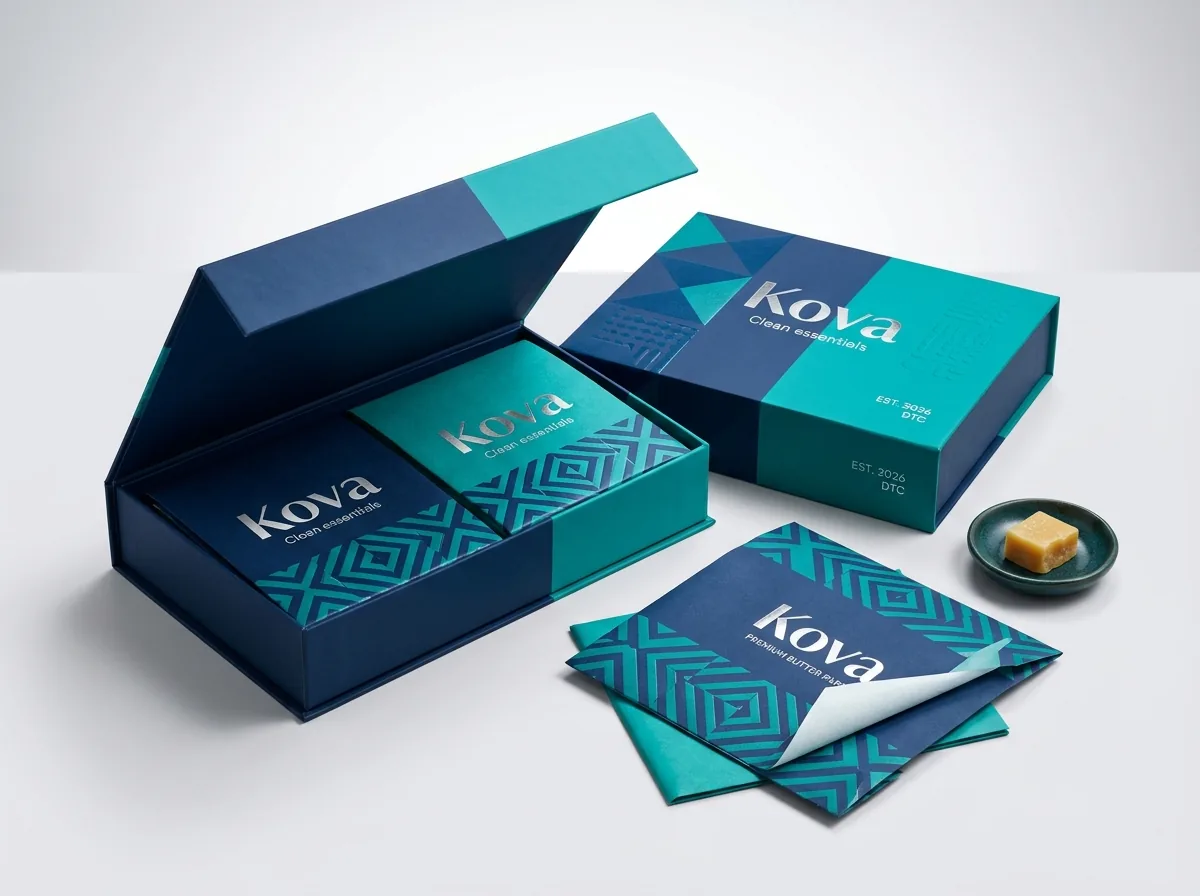
| Unbleached kraft + inner butter paper wrap | Shea/cocoa butter & essential oil wicking | Plastic-free syndet shampoo and conditioner bars |
| White card + internal barrier coating | Direct oil transfer from unwrapped solid bars | High-volume retail shampoo bar cartons |
How do you stop solid shampoo bars from leaving grease spots on boxes?
Waterless shampoo and conditioner bars contain concentrated conditioning emollients like argan oil, cetyl alcohol, cocoa butter, and volatile essential oils. In a climate-controlled studio at 68°F, an unwrapped bar sitting inside a raw kraft or uncoated white box may look fine for a week. Once a pallet sits in a 95°F delivery truck, those plant butters soften and migrate into the paper fibers where the bar touches the carton wall, creating a translucent stain right through the front logo. You have two reliable ways to prevent oil wicking. First, wrap the bar in a sheet of custom butter paper or glassine before sliding it into an unbleached kraft carton; that keeps the outer box completely plastic-free while blocking direct fat contact. Second, if you load bars naked into the box on a fast packing line, ask your account manager to specify an internal grease-resistant barrier on the inside of the board alongside exterior lamination.
Open sniff cutout vs patched film window: which sells more shampoo bars?
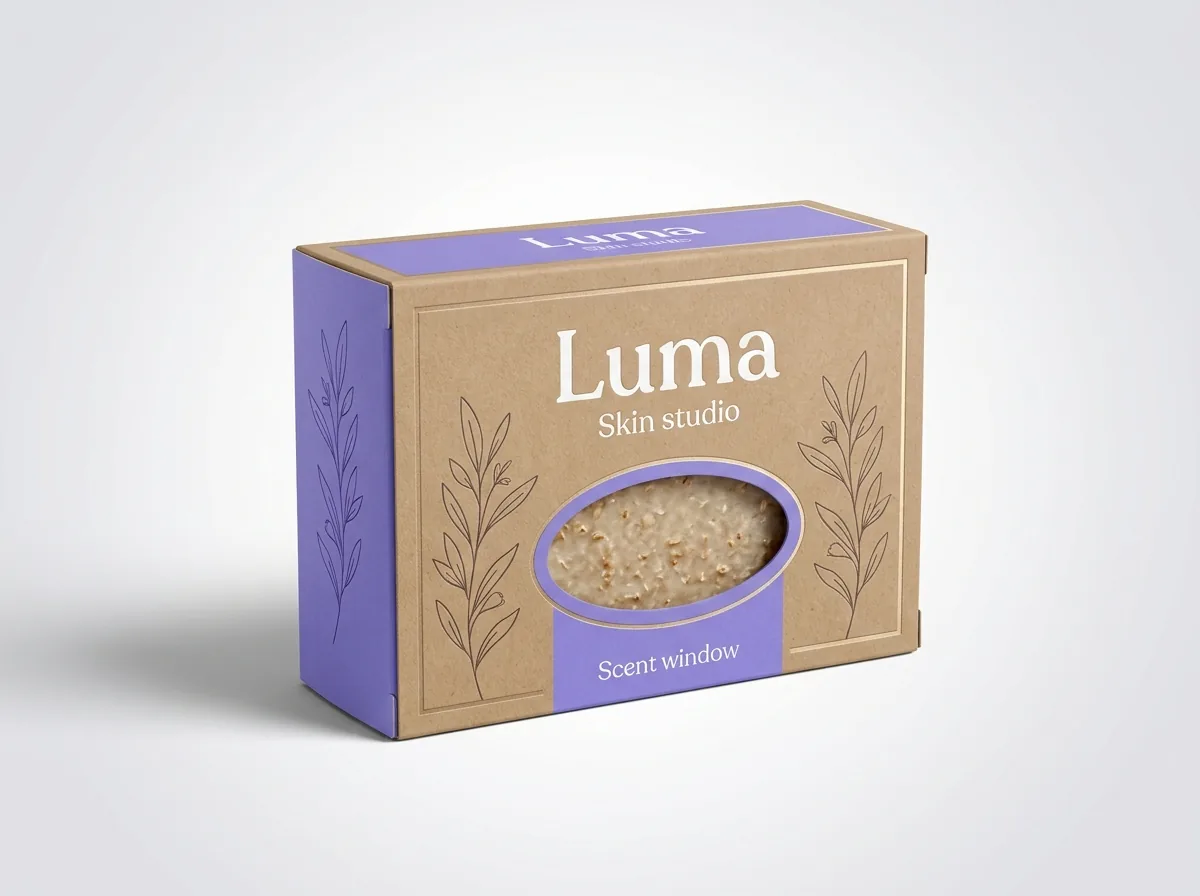
Fragrance is the number-one trigger for in-store hair care purchases. Because a solid shampoo bar is dry and firm, you do not need a plastic film barrier over the cutout unless your retail buyer requires a fully enclosed carton for dusty shelves. An open die-cut sniff window - shaped like a circle, leaf, water droplet, or arch - lets shoppers smell peppermint, rosemary, or citrus oils directly and see the natural clay or botanical flecks in the bar. Even better, because every custom window box is cut on the same steel-rule die that cuts the outer carton outline, adding an open sniff hole adds zero die cost and keeps the box easy to recycle. If you sell liquid shampoo in a tinted or clear bottle and want to show the formula level, choose a patched clear film window instead.
- Open sniff cutout: best for solid shampoo bars; zero film, direct scent access, no extra die fee.
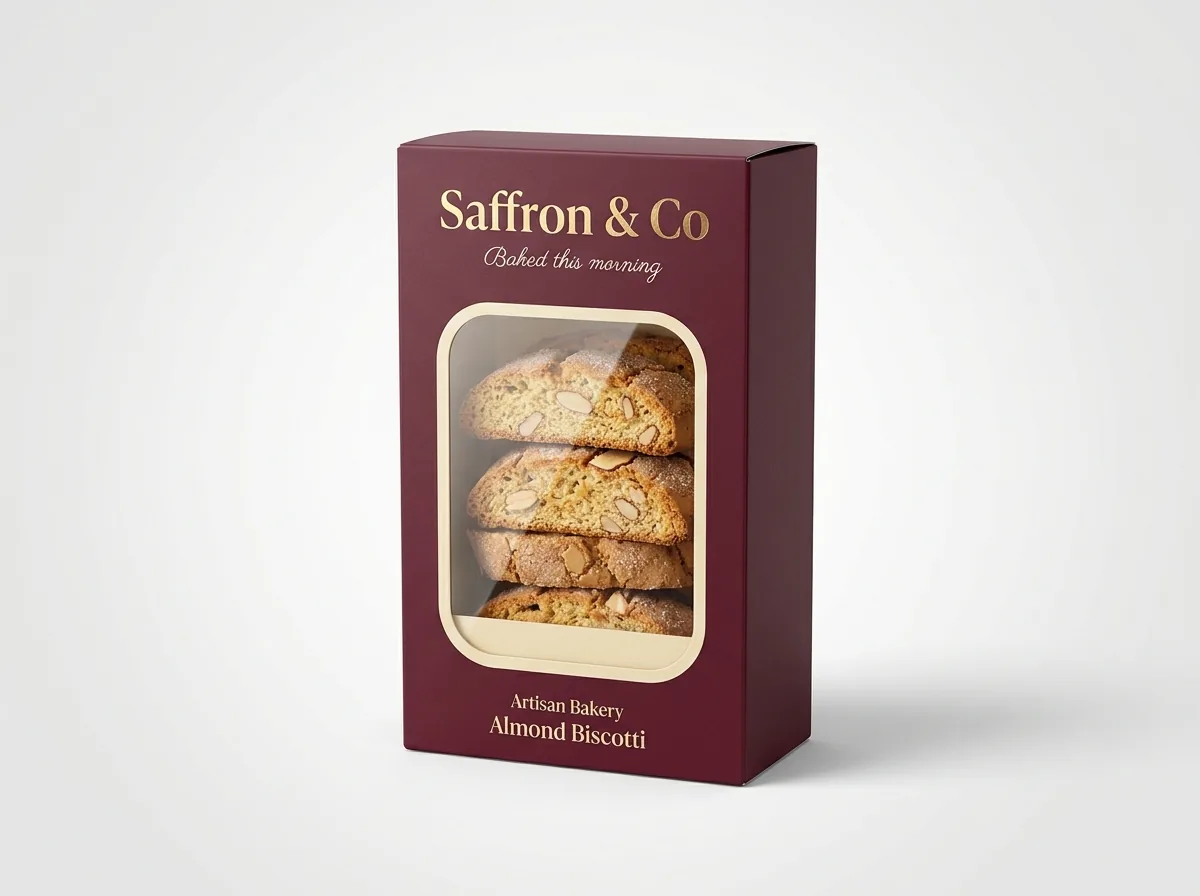
- Patched clear window: best for liquid bottles or dusty warehouse clubs where the bar must stay sealed.
- Window margin rule: keep any cutout at least 3/8 inch (9.5 mm) away from fold scores so the front wall stays rigid.
- Back-panel ventilation: never put a second cutout on the back panel where it would interrupt your INCI ingredient block.
Know your size? Compare pricing across up to 3 quantities.
Request a Quote →How do salon brands organize hair-type color coding and INCI text?
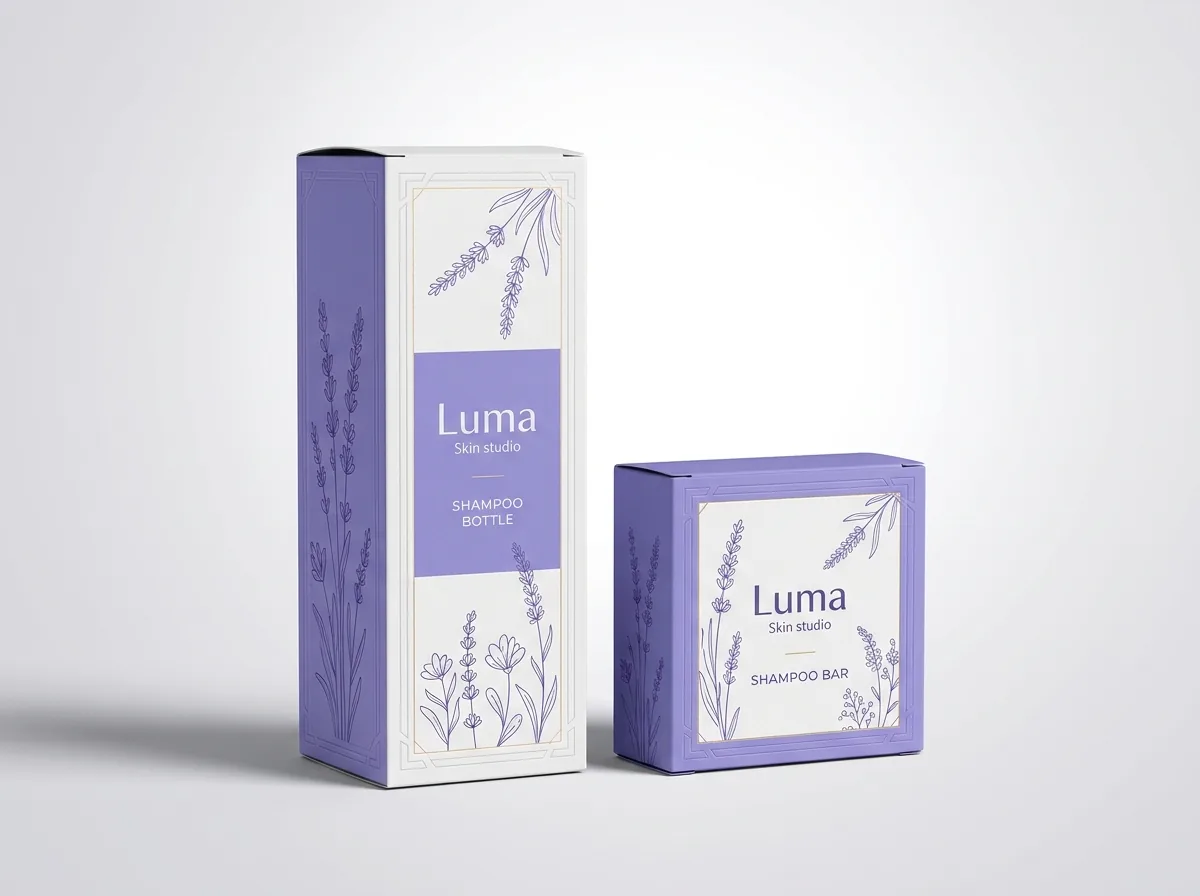
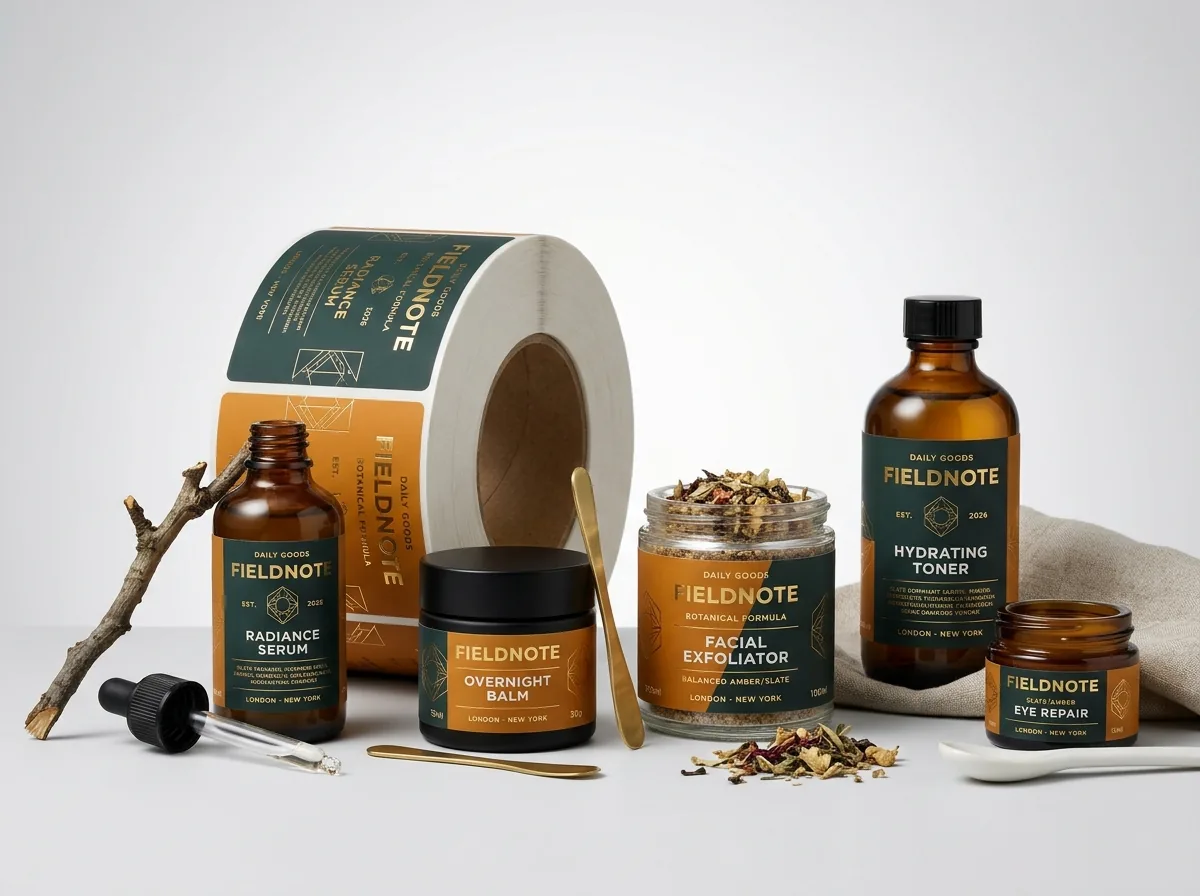
Most hair care brands launch at least three to six SKUs - such as Hydrate, Volume, Curl Define, Blonde Toning, and Scalp Detox - all in the exact same bottle and carton size. If every box looks nearly identical from six feet away, salon stylists and warehouse pickers grab the wrong formula. Use a disciplined four-panel layout across your line. Keep the brand logo and layout grid identical on every SKU, and assign one distinct Pantone color band or foil accent to each hair benefit on the top third of the front panel and the top tuck flap. Place a 3-icon benefit strip (for example: Sulfate-Free, Color-Safe, Keratin-Safe) on the left side panel, usage directions on the right side panel, and the full INCI ingredient declaration and barcode on the back panel. When you print all your hair-type variants on the same structural dieline size, your prepress team can lock the logo, net weight line, and fold margins in a master template while swapping only the formula name, Pantone color band, and ingredient list. That keeps every carton aligned to the millimeter when lined up on a salon retail display.
- Front Principal Display Panel: brand logo, formula name, hair-type color band, and net contents in the bottom 30%.
- Top tuck flap: repeat the formula name or Pantone color band so stylists can identify boxes stored in drawers.
- Left and right side panels: 3-step wash-day routine, hair porosity guide, and sustainability or refill icons.
- Back panel: full INCI ingredient list in 100% black ink, distributor address, lot code zone, and white barcode box.
What regulatory details belong on a US cosmetic shampoo carton?
Under US FDA cosmetic labeling rules (21 CFR Part 701), if a shampoo bottle is sold inside a retail carton, the outer carton is what shoppers inspect at the point of purchase - so required disclosures must appear on the outside of the box, not just hidden on the bottle inside. Note that if your shampoo makes anti-dandruff or seborrheic dermatitis claims using active ingredients like pyrithione zinc, salicylic acid, or ketoconazole, it is regulated as an over-the-counter (OTC) drug and must also carry a standardized Drug Facts table. When laying out your artwork file (or handing your copy to our free design team), make sure the Principal Display Panel (front face) states the product identity and the net quantity of contents in both US customary and metric units (for example, 10 FL OZ (295 mL) for liquids or NET WT 3.5 OZ (100 g) for solid bars) in the bottom 30% of the panel. Place the descending INCI ingredient list, any required warning statements, and your business name and address on the rear or side information panels in high-contrast type at least 1/16 inch tall.
What are the most common shampoo box design and prepress mistakes?
Catching these five artwork and coating issues before printing saves costly reprints and retail compliance delays
- Packing oil-rich shampoo or conditioner bars directly into uncoated paperboard without an inner wrap or barrier coating.
- Printing required INCI ingredients and net contents only on the bottle inside while leaving them off the outer retail carton.
- Placing a die-cut sniff window closer than 3/8 inch to a vertical fold score, causing the front edges to cave inward.
- Using rich 4-color CMYK black for 6 pt ingredient text instead of 100% K (black-only) ink, which blurs fine serifs.
- Forgetting to add 1/8 inch exterior bleed and a 1/8 inch interior safe zone around every panel crease on the dieline.
Find your size
Suggested inside size: 2.75 × 2.75 × 1.25 in
A starting point. Your account manager confirms the size with you before the proof.
Quote this size →Packaging for this
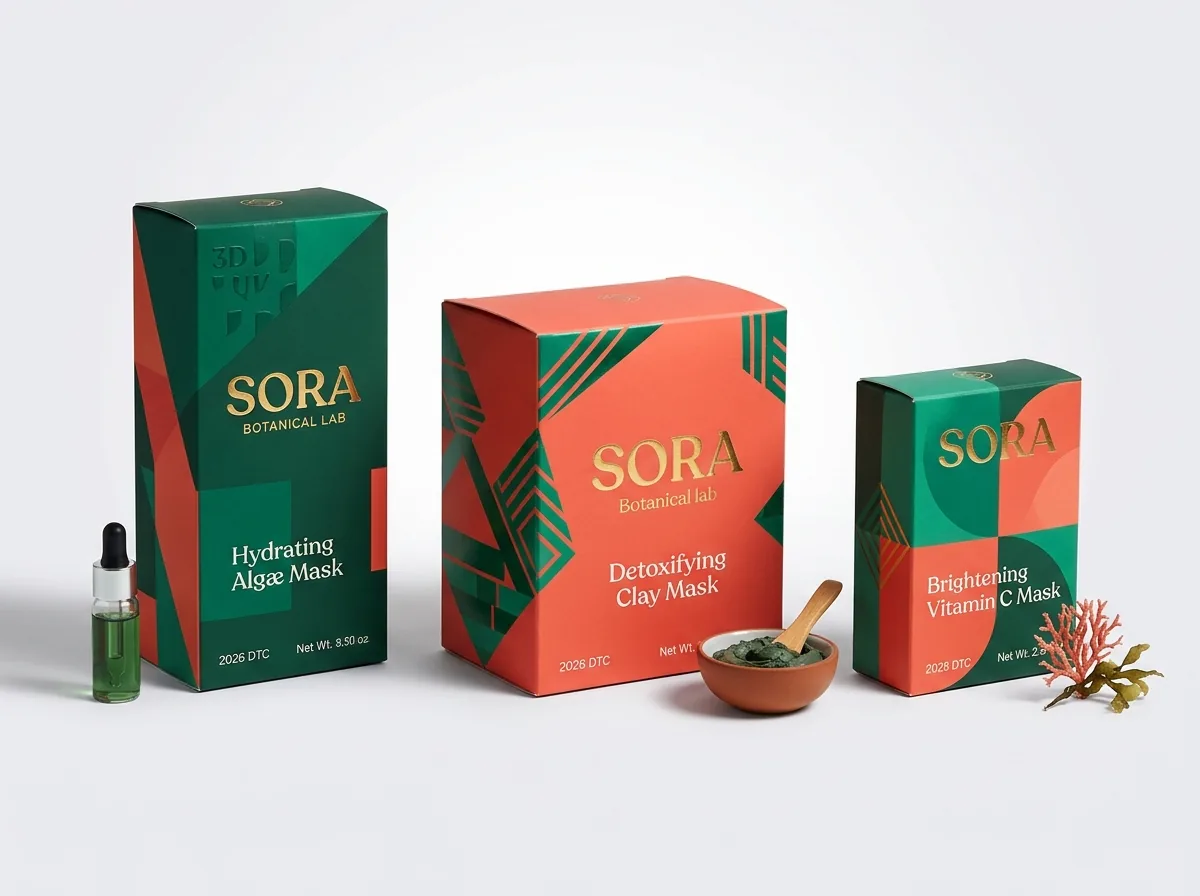
Ready to order shampoo boxes? Compare up to 3 quantities with a free 3D mockup.
Request a Quote →Questions about shampoo boxes
Do I need to print the ingredient list on the shampoo box if it is already on the bottle?
Yes. Under US cosmetic labeling rules, required information - including the INCI ingredient declaration, net contents, product identity, and distributor name and address - must appear on the outer retail container that shoppers see on the store shelf.
Which lamination holds up best against damp hands in a salon or bathroom?
Matte lamination, gloss lamination, and soft-touch lamination all seal the paperboard surface with a protective film that repels water splashes and stops ink from rubbing off on damp fingers. Matte and soft-touch are the most popular for salon brands.
Can CubitPack set up the dieline and layout for my shampoo line for free?
Yes. Free design help, custom dielines, digital proofs, and 3D mockups are included with every order. Send us your logos, Pantone colors, and ingredient text, or upload an AI concept for our prepress team to rebuild cleanly.
Does an open sniff cutout on a shampoo bar box cost extra for a custom shape?
No. There are no die or plate charges at CubitPack. Whether you want a simple round sniff hole or a custom leaf, wave, or droplet cutout on the front panel, it is cut in the same pass as the box outline.
Can I print white ink on unbleached brown kraft shampoo bar boxes?
Yes. Opaque white ink on unbleached kraft board is a favorite look for botanical shampoo bars. You can print all-white typography for a minimal apothecary style, or lay a white ink underbase beneath Pantone colors so they stay bright.
How do I keep barcodes scannable on dark or metallic shampoo cartons?
Always place your UPC or EAN barcode inside a solid white knockout rectangle at least 1.5 × 1.0 inches wide, and print the bars in 100% black (K) ink. Never print barcodes in metallic foil, red ink, or inverted white-on-black.
Still have a question? Ask a packaging specialist.
Request a Quote →Request your shampoo boxes quote
Tell us your size and quantities, and one dedicated account manager prepares pricing for each tier.
- Free design & AI-to-print studio + 3D mockup
- No die or plate charges · 4–5 day rush available
- Free shipping to all 50 states
- 10% off your first order
The coating recommendations and cosmetic outer-carton layout rules in this guide draw from standard folding carton prepress specifications and US FDA cosmetic labeling regulations (21 CFR Part 701). A CubitPack packaging specialist reviewed every section. Spot an issue? Let us know and we will fix it.
Sources
What changed
- October 22, 2026: First published.
- October 22, 2026: Updated specifications, terminology, and verified source links.
More guides
New packaging guides by email
Sizes, materials and design tips. Unsubscribe anytime.