
How do I design makeup palette boxes, back-panel shade maps and multi-pan INCI matrices?
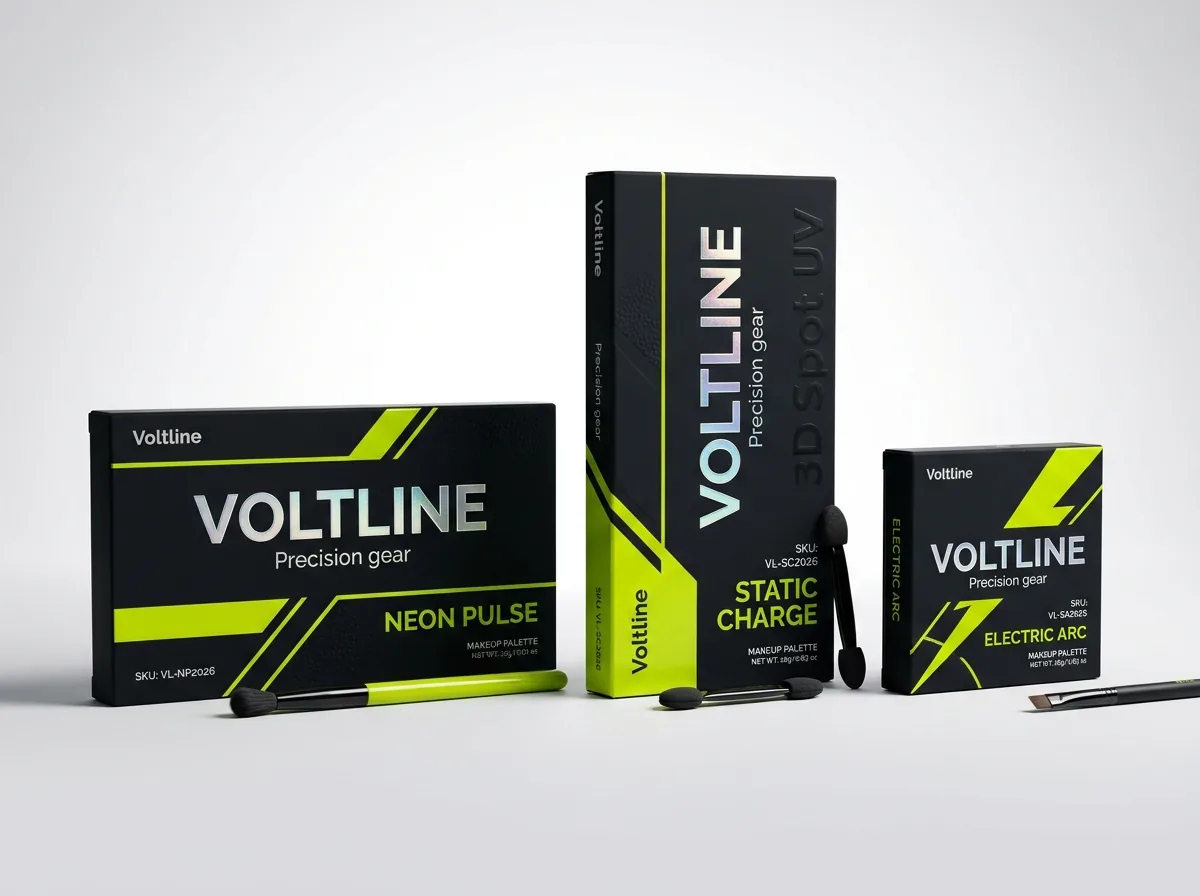
Short answer: Dedicate the front cover to your palette title and metallic foil crest, and place a scaled pan-by-pan shade map above your multi-pan INCI ingredient matrix on the back panel. You can order custom makeup palette boxes with Pantone swatch matching and free design help from 1,000 cartons.
On this page
- How do I align the back-panel shade map with the pans inside the palette
- How can I use matte, spot UV and metallic foil to show pan finishes on the box
- How do I format the US FDA INCI ingredient matrix for 6 to 35 pans
- How should net weight be written on a multi-pan makeup palette box
- How can I run multiple palette color stories on one shared dieline
- Common mistakes
- FAQs
Request a custom quoteFree dieline & 3D mockup
On a multi-pan face, contour or artistry palette, the back panel of the outer unit carton or slipcase works harder than any other surface in color cosmetics. Because shoppers cannot open a sealed palette on the shelf to see the pans inside, the back panel must show a true-to-life geometric shade map, signal which pans are matte, shimmer or metallic, list every pan's net weight in grams and ounces, and organize the US FDA INCI ingredient list for up to 35 distinct shades without looking cluttered. Color cosmetics brands solve this by printing a numbered pan grid at 50% to 75% scale on the upper half of the back panel, using selective spot UV and hot foil over the shimmer pan squares, and grouping shared base formulas in a clean two-column INCI block below. At CubitPack, custom dielines, prepress help, dies and plates are all free.
How do I align the back-panel shade map with the pans inside the palette?
The single most frustrating mistake in makeup palette packaging happens when a customer flips the palette over to check a shade name and discovers the back-panel diagram is mirrored left-to-right compared with the open pan deck. That happens when designers copy the front-facing pan CAD grid directly onto the back panel without accounting for how the customer physically turns the box over in their hands. Instead of relying on left-right spatial guessing alone, number every pan well in reading order (1 through 6, or Row A / Row B) both beneath the physical pan wells inside the palette and inside the matching squares on the back of the outer carton. Print the shade name (for example 01 Cashmere Matte or 04 Champagne Glow), a short two-word finish descriptor and a Pantone-controlled color swatch inside each box of the diagram. When you order printed makeup palette cartons, our prepress specialists verify the orientation of your back shade map on an interactive 3D mockup before you pay.
- Draw the back-panel pan grid in the exact aspect ratio and shape (round, square or rectangular) of the real pans.
- Number every pan square (1 to 12) so the diagram links unambiguously to the INCI ingredient block below.
- Include a one-word or two-word finish callout (Matte, Satin, Shimmer, Metallic or Cream) under each shade name.
- Specify Pantone (PMS) spot codes for hero bronzer, blush and contour swatches so undertones never drift on press.
- Keep a 1/8 inch (3 mm) quiet safe margin between the shade map and the outer fold score lines.
How can I use matte, spot UV and metallic foil to show pan finishes on the box?
Flat CMYK ink alone cannot show the difference between a velvety matte contour powder, a wet-look cream highlighter and a foiled metallic bronzer. By wrapping the entire outer palette carton in soft-touch or matte lamination first, you create a dead-matte baseline across the whole box. From there, you can layer selective surface finishes directly onto the individual pan squares of your back-panel shade map. Use the finishing matrix below to turn your back-panel shade map into a tactile swatch board that shoppers can feel with their fingertips.
| Palette pan formula | Base carton lamination | Swatch square finish on back map |
|---|---|---|
| Matte contour, bronzer or setting powder | Soft-touch or matte lamination | Unvarnished flat Pantone or CMYK ink (stays velvety matte) |
| Satin blush or luminous finishing powder | Soft-touch lamination | Satin aqueous spot coat or fine pearlescent ink highlight |
| High-shine shimmer or baked highlighter | Soft-touch or matte lamination | Raised high-gloss spot UV over the printed swatch square |
| Foiled metallic or chrome topper pan | Soft-touch or matte lamination | Hot metallic foil stamping (gold, rose gold, silver or bronze) |
| Cream lip, cheek or color-corrector pan | Matte lamination (wipe-clean) | Gloss spot UV square with debossed pan rim outline |
| Pressed glitter or multichrome pan | Soft-touch lamination | Holographic foil stamp or textured spot UV pattern |
How do I format the US FDA INCI ingredient matrix for 6 to 35 pans?
A 12-pan or 24-pan makeup palette contains a lot of mandatory regulatory text, and squeezing 12 separate paragraph-long ingredient lists onto the back of a 6.5 × 4.25 inch carton can quickly turn into an unreadable wall of 4 pt type. Fortunately, cosmetic labeling conventions give you two clean ways to organize multi-pan INCI declarations depending on how your chemist formulated the shades. First, if several pans share the exact same base formula (for example, Shades 1, 2, 4 and 5 are matte pressed powders that differ only in their iron oxide and lake pigments, while Shades 3 and 6 are shimmer highlighters with a different binder base), group the shared base ingredients by formula group: "Matte Shades (1, 2, 4, 5) Ingredients... May Contain (+/-)..." followed by "Shimmer Shades (3, 6) Ingredients...". Second, if a palette mixes eye-safe eyeshadows with pressed pigments not intended for the immediate eye area in the US, mark those specific pan numbers with an asterisk (*) on both the shade map and the warning line so the distinction is crystal clear.
Know your size? Compare pricing across up to 3 quantities.
Request a Quote →How should net weight be written on a multi-pan makeup palette box?
On the front bottom panel of a multi-pan makeup palette carton, US Fair Packaging and Labeling Act (FPLA) guidelines require a clear declaration of net quantity of contents in both US customary units (oz) and metric units (g). How you write that line depends on whether every pan inside the palette holds the same fill weight or mixed pan weights. If all six pans in a face palette hold 4.5 grams each, write either the total combined weight and the per-pan breakdown: "Net Wt. 27 g / 0.95 oz (6 × 4.5 g / 0.16 oz)". If your palette mixes two large 8 g bronzer pans with four smaller 3.5 g blush pans, group them clearly by pan count: "2 × 8.0 g (0.28 oz) + 4 × 3.5 g (0.12 oz) · Total Net Wt. 30 g / 1.05 oz". Keeping that line in the lower 30% of the principal display panel ensures smooth retail compliance checks.
How can I run multiple palette color stories on one shared dieline?
Many beauty brands launch palettes in coordinated duos or trios, such as Light/Medium vs Medium/Deep contour palettes, or Vol. 1 Warm Neutrals vs Vol. 2 Cool Berries. Because all editions use the exact same pan count and compact mold, they can share one structural dieline for both the inner rigid book palette and the outer unit carton or custom sleeve box. At CubitPack, you can split our 1,000-unit folding carton minimum (or 50-unit rigid book minimum) across multiple palette color stories in a single production run. Keep your foil stamping brand logo and embossing frame in the same coordinates across all editions so one metal stamping die covers the entire collection, and swap only the CMYK/Pantone background colors, shade map and barcode. You also get 10% off your first order, zero die or plate charges, and our price-beat guarantee.
- Share one structural dieline across Light, Medium and Deep face palette editions.
- Lock your front brand logo foil plate in one position across all color stories.
- Group shared base formulas in your back-panel INCI matrix to keep text at a legible 6 pt+ size.
- Request a free 2D proof and 3D mockup (plus an optional paid printed sample credited to your order) before full production.
What are the most common makeup palette box artwork and prepress mistakes?
A multi-pan palette box has more moving parts than any single-product carton. Check these five prepress traps before sending files to print
- Mirroring the back-panel shade map left-to-right relative to the open palette without numbering the pans, leaving customers confused about which shade is which.
- Repeating the full base INCI list 12 separate times instead of grouping shared base formulas with a May Contain (+/-) color additive list.
- Using glossy lamination over the entire back panel when trying to use spot UV on shimmer swatch squares, which erases the matte-vs-gloss contrast.
- Forgetting to mark pressed pigments with an asterisk (*) on both the pan diagram and the regulatory caution line when mixing eye shadows and cheek pigments.
- Running dark solid ink across unlaminated spine fold scores on a wide palette carton, causing white paper fiber cracking along the hinge.
Find your size
Suggested inside size: 4.25 × 4.25 × 0.625 in
A starting point. Your account manager confirms the size with you before the proof.
Quote this size →Packaging for this
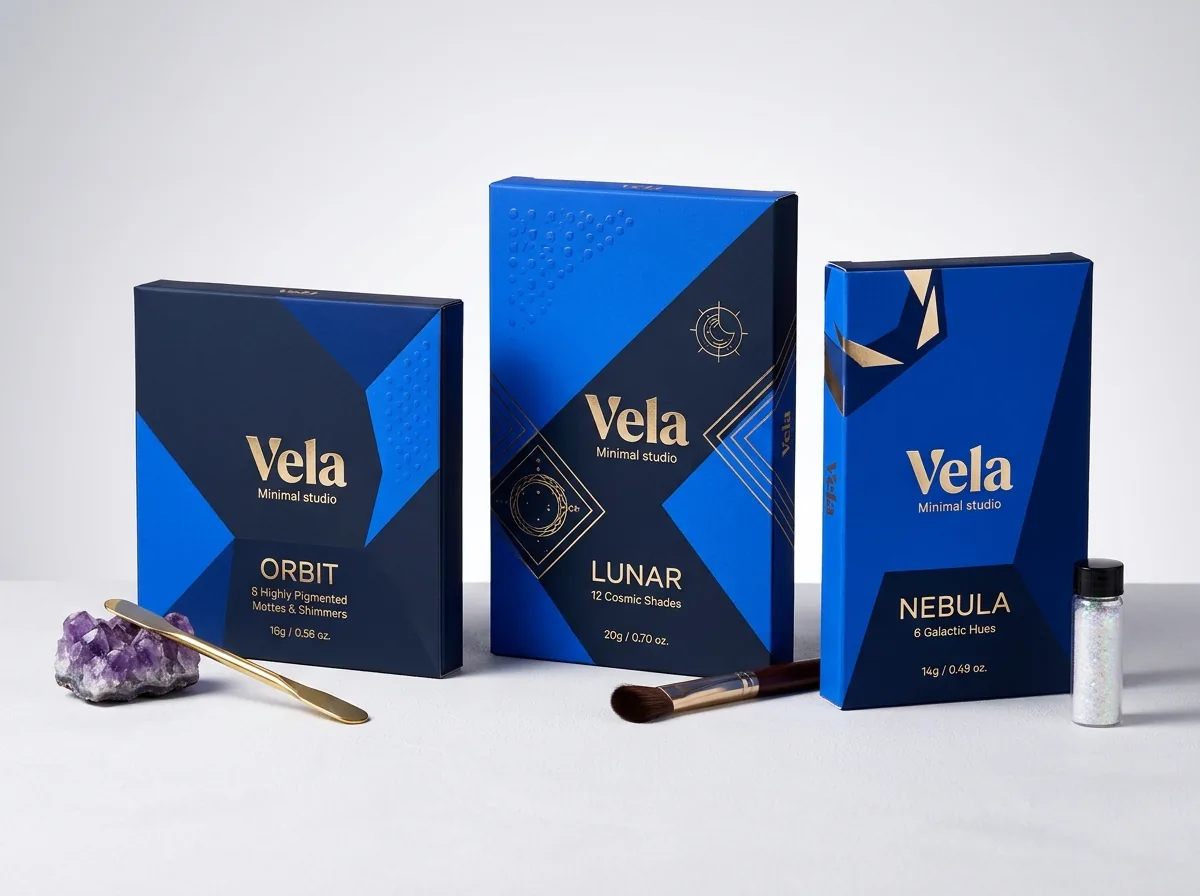
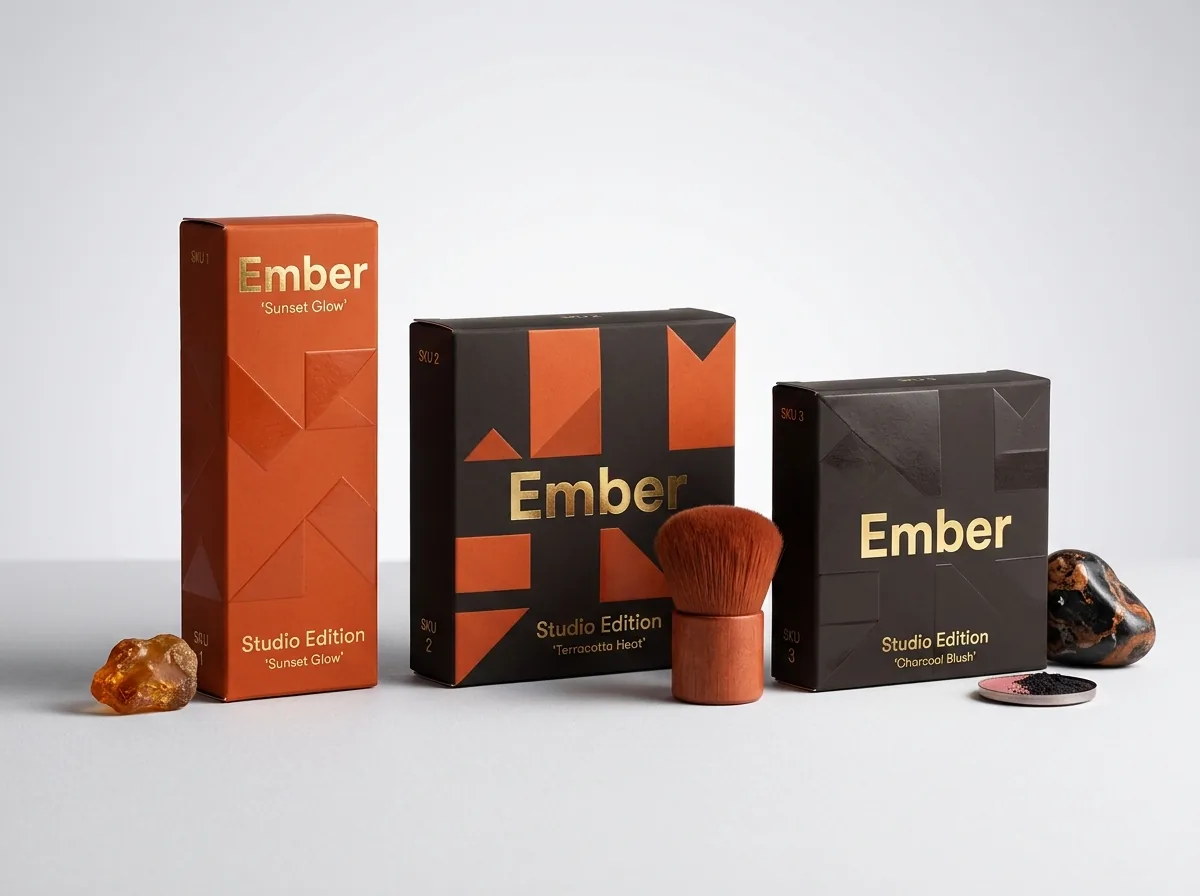
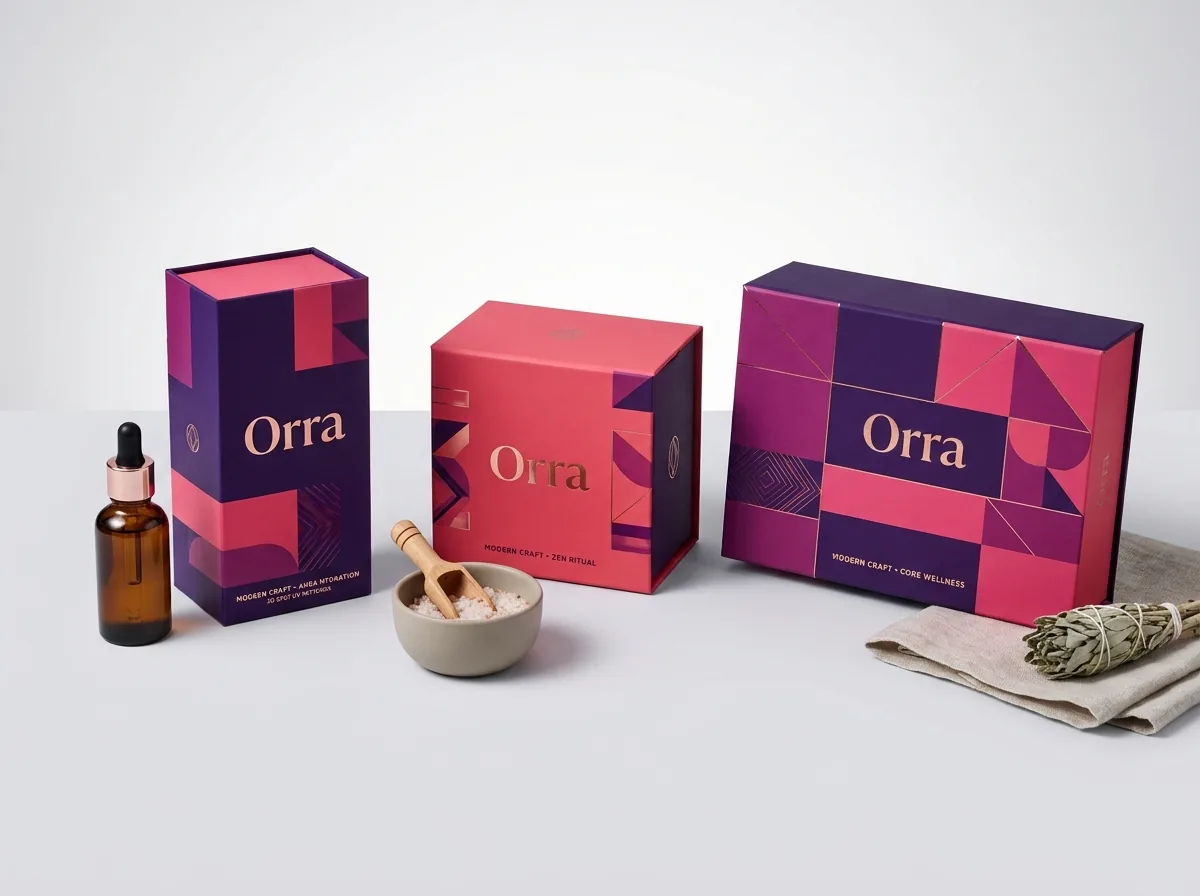
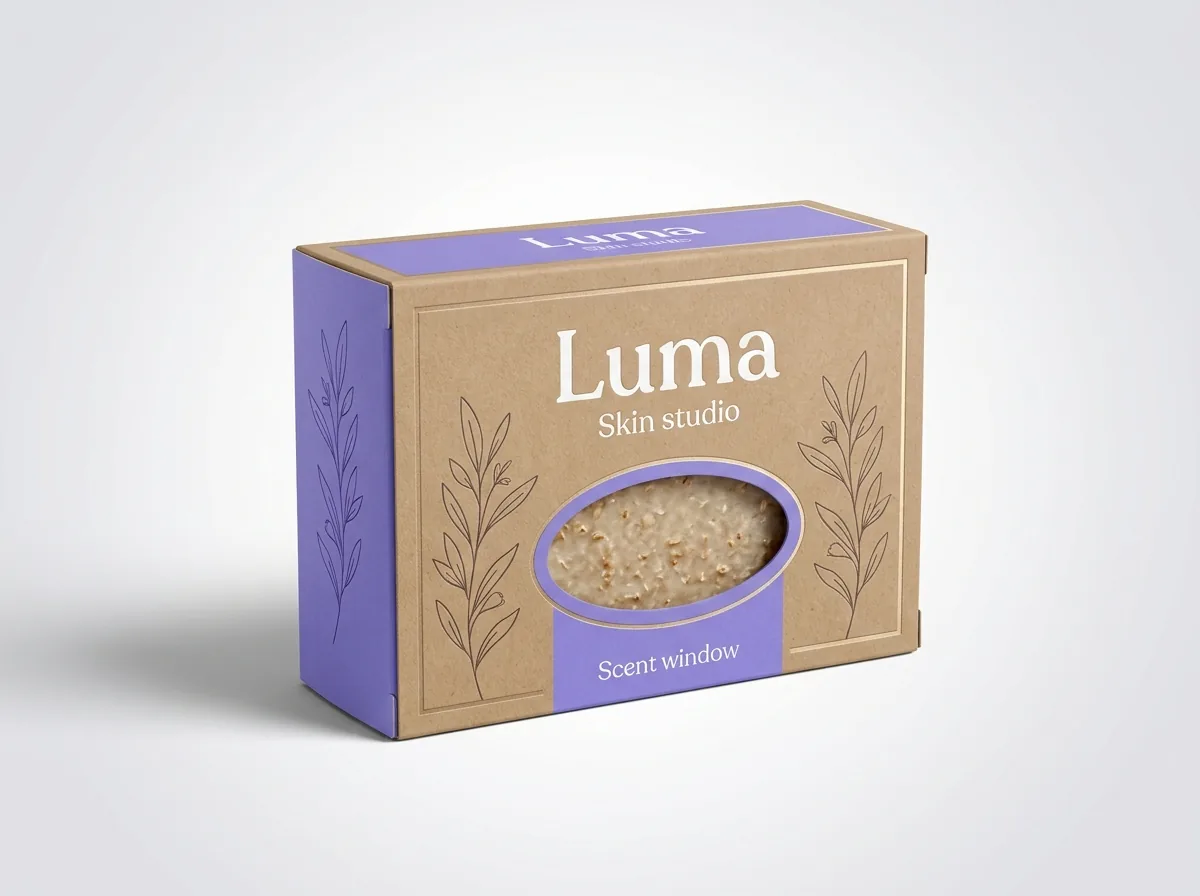
Ready to order makeup palette boxes? Compare up to 3 quantities with a free 3D mockup.
Request a Quote →Questions about makeup palette boxes
Should the back-panel shade map match the palette as viewed from the front or flipped over?
Most major beauty brands draw the back-panel shade map in the exact same left-to-right orientation as the open palette when the user looks into the mirror, and number every pan (1, 2, 3...) on both the inner pan deck and the back diagram so there is zero ambiguity.
Can I combine soft-touch lamination, gold foil and spot UV on the same palette carton?
Yes. Wrapping the carton in soft-touch lamination gives you a velvety matte base across the whole box. We then apply hot metallic foil stamping to your cover title and metallic pan icons, and raised high-gloss spot UV to your shimmer swatch squares.
How do I fit the INCI ingredient list for a 24-pan or 35-pan palette on the box?
On large 24-to-35 pan palettes, the back panel is also wide (around 8 × 5.5 to 9.5 × 6.75 inches). Grouping pans that share the same base formula (such as all matte shades together and all shimmer shades together) cuts the total word count by 60% to 70%.
Can I print makeup tutorials or brush diagrams inside the palette box or book lid?
Yes. You can print step-by-step contouring diagrams inside the outer folding carton (select Outside + inside under printing options) or print lookbook tutorials on the inside cover of a rigid magnetic book palette around the vanity mirror.
Can I split a 1,000-carton order across Light, Medium and Deep face palettes?
Yes. When all three face palettes share the exact same box dimensions and structural dieline, you can split a 1,000-unit folding carton order (or a 50-unit rigid book order) across multiple color stories with no extra die charges.
What if I need help laying out my back-panel shade map and dieline?
Every CubitPack order includes free design help and free custom dielines. Send us your pan layout, shade names, Pantone references and ingredient text, and our prepress team will build your 2D proof and 3D mockup before you pay.
Still have a question? Ask a packaging specialist.
Request a Quote →Request your makeup palette boxes quote
Tell us your size and quantities, and one dedicated account manager prepares pricing for each tier.
- Free design & AI-to-print studio + 3D mockup
- No die or plate charges · 4–5 day rush available
- Free shipping to all 50 states
- 10% off your first order
This design and prepress guide is based on US FDA cosmetic labeling guidelines for multi-shade assortments, Pantone color control practices and CubitPack's decided specs in our published product specifications, reviewed by a packaging specialist. Spot something off? Tell us and we will fix it.
Sources
What changed
- October 22, 2026: First published.
- October 22, 2026: Updated specifications, terminology, and verified source links.
More guides
New packaging guides by email
Sizes, materials and design tips. Unsubscribe anytime.