
How do I design custom tea boxes for multiple blends?
Short answer: Build one master box dieline sized around your fluffiest herbal blend, lock your logo and FDA panels in fixed grid zones, and swap only the botanical illustration, Pantone flavor band and barcode per SKU. That lets you gang-run multiple blends in one custom tea boxes production order.
On this page
- How do I build a master dieline and visual grid across 6+ tea SKUs
- What belongs on each panel of a retail tea carton
- How do I handle FDA tea labeling and essential oil aroma barriers
- Which board stocks and finishes make botanical artwork pop
- What drives custom tea box cost and how do gang runs save money
- Common mistakes
- FAQs
Request a custom quoteFree dieline & 3D mockup
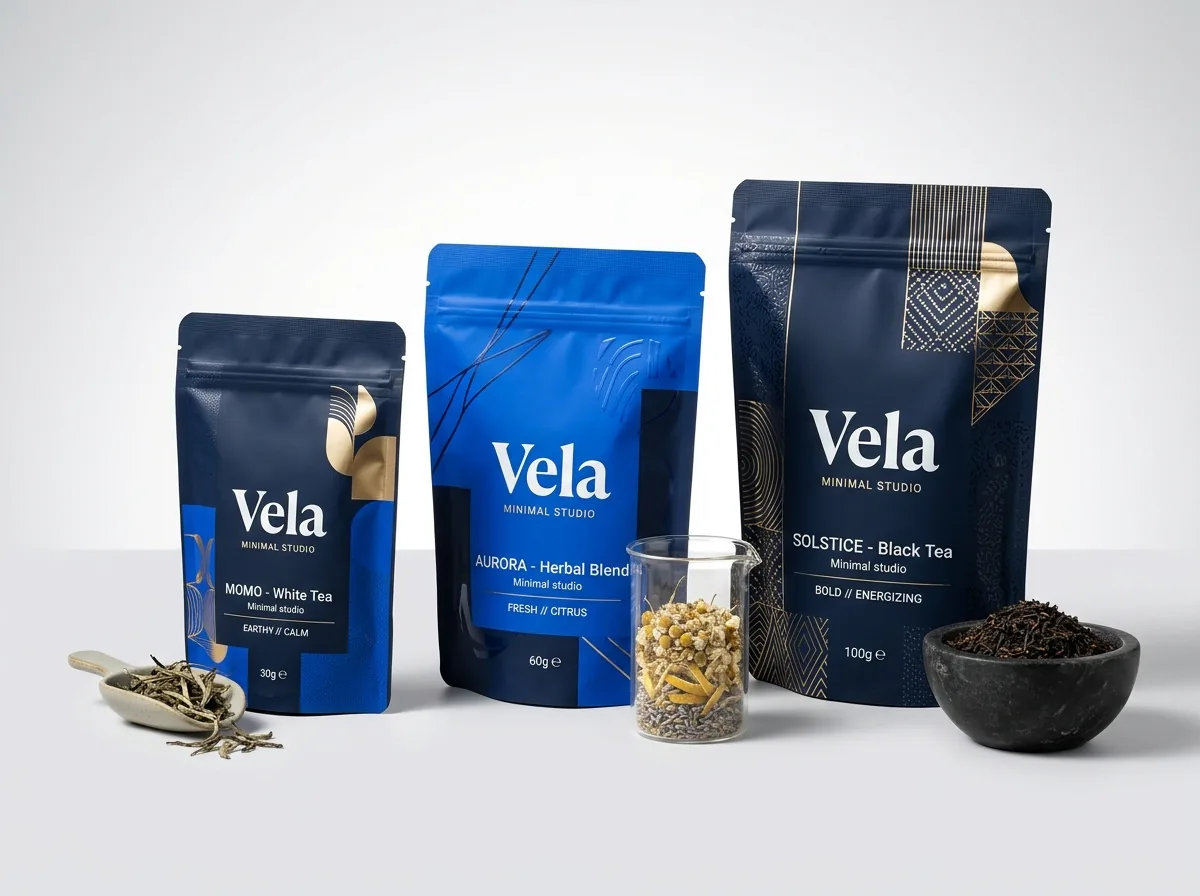
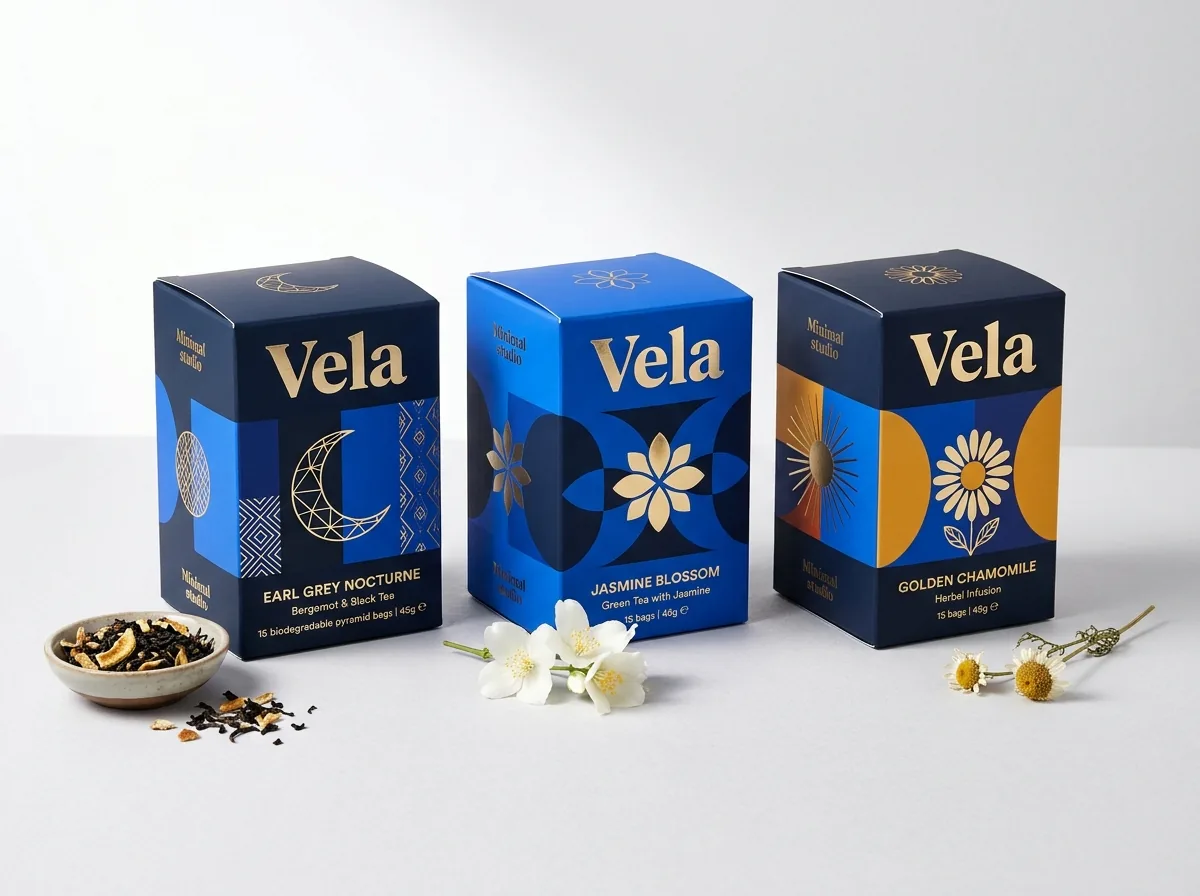
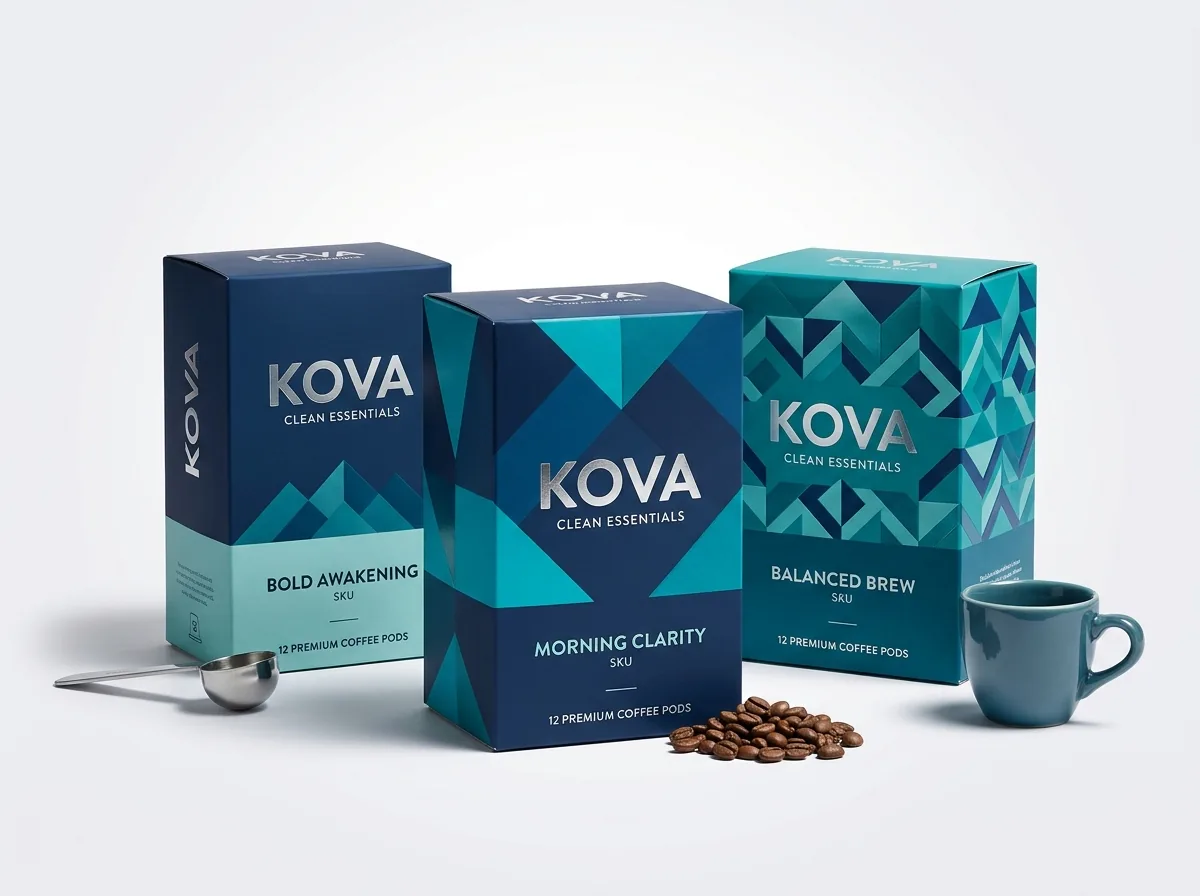
Designing a multi-blend tea lineup starts with structural standardization before any artwork is drawn. Most specialty tea brands launch between four and ten varieties - such as Earl Gray, English Breakfast, Jasmine Green, Peppermint and Chamomile - and ordering separate box sizes for each flavor splits your purchasing volume. By sizing one master dieline around your lowest-density herbal tisane, every SKU shares the exact same folding carton footprint and can be gang-run together for volume pricing. On the visual grid, keep your brand crest, sachet count and net weight locked in identical positions across the top and bottom of the front panel so a row of boxes creates a unified shelf billboard. Then differentiate each blend with a bold Pantone color wrap band, a botanical illustration, caffeine level dots, and an inside-lid steeping chart. At CubitPack, design help, dielines and 3D mockups are free.
How do I build a master dieline and visual grid across 6+ tea SKUs?
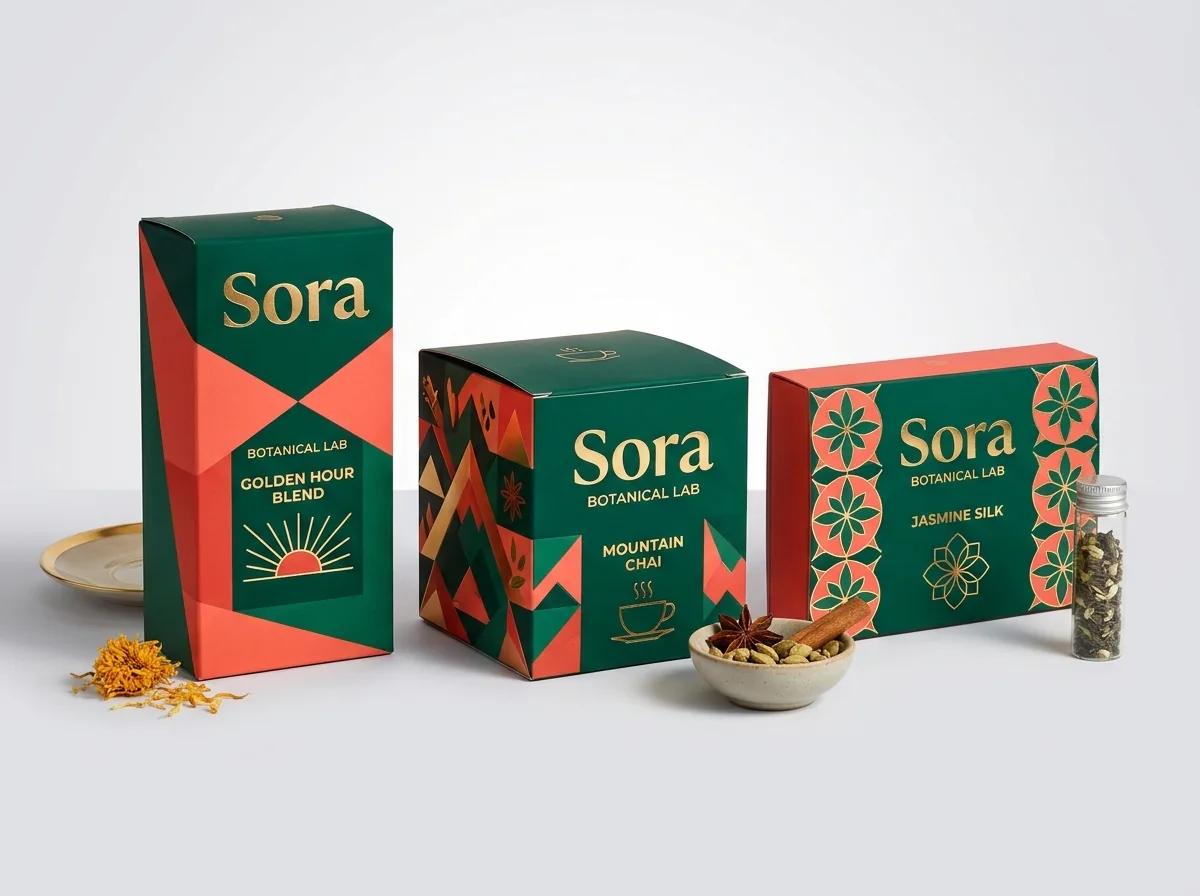
When shoppers scan a specialty grocery shelf holding eighty different tea cartons, they look first for a brand block and second for a flavor cue. If your logo jumps around or your boxes vary in height from blend to blend, your lineup disappears into visual noise. Start by requesting a single master dieline for your custom printed tea cartons sized to hold your bulkiest herbal infusion. Next, divide the front panel into three horizontal zones: a fixed header zone for your brand wordmark and foil crest, a central changeable zone for the blend name and botanical artwork, and a fixed footer zone for tea format (such as '15 Pyramid Sachets'), caffeine level and dual net weight in ounces and grams. When five or six SKUs stand side by side on a shelf, the aligned headers and footers form an unmistakable horizontal stripe across the aisle.
- Zone 1 (Top 25% of front face): Fixed brand logo, metallic foil emblem and origin badge in the exact same position on every SKU.
- Zone 2 (Center 50% of front face): Variable Pantone color band, blend title, flavor notes and botanical illustration.
- Zone 3 (Bottom 25% of front face): Fixed caffeine indicator, sachet count and net weight statement.
- Top tuck flap: Print the blend name and color band on the top lid too so customers storing boxes upright in a drawer can identify each tea from above.
What belongs on each panel of a retail tea carton?
A vertical tea carton gives you six exterior faces plus the inside of the top lid. Giving each panel a dedicated job prevents front-panel clutter and ensures grocery buyers, baristas and FDA inspectors find every required detail immediately. Notice how moving the step-by-step brewing instructions (water temperature in Fahrenheit and Celsius, steeping minutes and cup volume) onto the inside of the top tuck flap frees up an entire exterior side panel for your farm origin story or organic certification marks.
| Carton panel | Primary elements to include | Prepress & compliance tip |
|---|---|---|
| Front panel (Principal Display Panel) | Brand logo, blend name, botanical art, bag count, net weight (oz & g) | Keep net weight in the bottom 30% of the panel in bold, high-contrast type |
| Inside of top tuck lid | Water temperature icon (°F/°C), steep timer, cup size, re-steep tip | Customers see this every morning without turning the box around |
| Left side panel | FDA Nutrition Facts (if required), botanical ingredient list, allergen note | Set ingredients at 6.5 pt or larger dark text on a light background |
| Right side panel | Origin region, tasting notes, caffeine meter (none / low / medium / high) | Use 3 or 4 filled leaf icons so shoppers gauge caffeine in one second |
| Back panel | Brand story, sustainability notes, companion blends in your collection | Show small thumbnails of 2 or 3 sibling blends to encourage cross-buying |
| Bottom flap | UPC-A barcode, SKU number, and unvarnished white box for lot / best-by stamp | Leave a 1.5 × 0.75 in unlaminated white rectangle so date ink dries cleanly |
How do I handle FDA tea labeling and essential oil aroma barriers?
Under US FDA food labeling rules, plain unsweetened Camellia sinensis teas and single-ingredient herbal infusions that contain insignificant amounts of calories and nutrients are often exempt from carrying a full Nutrition Facts box on small packages - unless you make a nutrient claim or add caloric ingredients like dried fruit pieces, cocoa nibs or sweetener. However, every retail tea carton must display the statement of identity, net quantity of contents in both US avoirdupois ounces and metric grams (for example, 'Net Wt 1.32 oz (37.5 g)'), a descending-order ingredient list using common botanical names, and your business name and address. Always verify your exact label text against current FDA food labeling regulations. Just as important is aroma containment. Strongly scented blends flavored with bergamot oil (Earl Gray), peppermint oil, cinnamon bark or cardamom will rapidly permeate plain paperboard and scent neighboring boxes of delicate white or sencha green tea in a master shipping case. Seal your scented blends inside foil-laminated sachet envelopes or an inner metallized custom tea pouch before placing them in the carton.
Know your size? Compare pricing across up to 3 quantities.
Request a Quote →Which board stocks and finishes make botanical artwork pop?
Your choice between coated white paperboard and unbleached brown kraft sets the personality of your entire tea collection. Coated white card gives you a bright, smooth canvas for delicate botanical watercolors, rich jewel-toned Pantone backgrounds (deep navy for Earl Gray, emerald for Sencha, ruby for Hibiscus) and metallic gold or copper foil stamping around your estate crest. Unbleached brown kraft board communicates a warm, apothecary feel for organic herbal tisanes and wellness blends. Because brown kraft fibers absorb translucent CMYK inks and shift bright yellows or pinks toward muddy earth tones, ask our prepress team to lay down an opaque white ink underbase beneath your flavor bands or botanical illustrations so each blend color stays vivid and easy to distinguish across the retail shelf.
What drives custom tea box cost and how do gang runs save money?
Four main factors determine your per-carton price: flat dieline surface area, total order quantity, board stock, and special finishing steps. Because CubitPack never charges cutting die or printing plate fees, you can combine multiple tea flavors into a single gang-run production order as long as every SKU uses the identical box dimensions, board stock and exterior lamination. Instead of ordering 1,000 boxes of one flavor at a time, grouping four blends of 1,000 boxes each (or five blends of 500 boxes each once you meet the 1,000-unit run minimum) moves your entire order into a higher volume tier while ensuring every carton matches in height and finish on the shelf. On press, our production team arranges multiple flavor designs side by side on the master parent sheet so one press make-ready, one lamination pass and one cutting die produce several SKUs simultaneously. If you do not have a designer on staff, our team lays out all your flavor variations for free, or can build a complete brand identity package for $250 (or $50 with an order).
- Share one dieline: keep Length × Width × Height identical across all black, green and herbal blends.
- Share one board & lamination: run all SKUs on the same white card or kraft stock with matte or soft-touch lamination.
- Share foil & emboss positions: lock your foil logo or embossed leaf border in one fixed spot across every artwork file.
- Leave an unvarnished date-code box: avoid printing separate runs for each harvest lot by stamping best-by dates on the bottom flap.
- Standardize inside-lid print: use a single multi-blend steeping chart inside the lid so every SKU shares the same inner plate.
What are the most common multi-blend tea box design mistakes?
Most prepress delays and shelf-appeal issues happen when brands treat each tea flavor as a separate structural project. Avoid these five mistakes
- Changing the box height by 1/4 inch from flavor to flavor, which prevents gang-running and makes your retail shelf row look uneven.
- Shifting the position of your gold foil logo or embossed crest between SKUs, which requires separate stamping setups for each blend.
- Printing pastel yellow or lavender flavor bands directly on brown kraft board without an opaque white ink underbase.
- Forgetting to include an unvarnished white rectangle on the bottom flap, causing inkjet lot numbers and best-by dates to smear on matte lamination.
- Using the exact same UPC barcode across six different tea flavors instead of assigning a unique GTIN barcode to each blend.
Find your size
Suggested inside size: 5.25 × 2.75 × 3.25 in
A starting point. Your account manager confirms the size with you before the proof.
Quote this size →Packaging for this
Ready to order tea boxes? Compare up to 3 quantities with a free 3D mockup.
Request a Quote →Questions about tea boxes
Can I split a 1,000-box minimum order across multiple tea flavors?
Yes. As long as all your tea blends share the exact same box dieline, dimensions and board stock, you can split your production run across multiple artwork designs. List your total quantity and the number of blend designs in the quote form notes so your account manager can price them together.
Does printing a steeping guide inside the tea box lid cost much more?
Adding a single-color or full-color print pass on the inside of the carton adds only a modest setup step, especially when shared across a multi-blend run. If you use identical steeping icons across all your blends, the interior print plate stays the same across every SKU.
Do I need a Nutrition Facts panel on a box of plain herbal or black tea?
Under FDA regulations, plain unsweetened teas and herbal tisanes that provide insignificant nutrients are often exempt from mandatory Nutrition Facts labeling unless you make a nutrient or health claim, or add caloric ingredients like dried fruit or sugar. Always confirm your specific blend against FDA food labeling rules.
How do you keep brand colors consistent across reorders of 8 tea blends?
CubitPack guarantees Pantone (PMS) color matching. When you specify Pantone spot colors for your brand logo and flavor wrap bands, we mix and verify each ink against the physical Pantone book on press and keep your approved standards on file for every reorder.
Can you print my AI-generated botanical illustrations on custom tea boxes?
Yes. Through our free design help and Print Your AI Design service, our prepress specialists upscale your AI botanical artwork to 300 DPI, convert RGB colors to CMYK or Pantone, add 1/8 inch bleed, and place crisp vector typography and barcodes on your dieline.
Will I see a 3D mockup of every tea blend before I pay?
Yes. Every order includes a free 2D dieline proof and interactive 3D mockup for your artwork before you pay a cent. You can check the panel alignment, color bands, ingredient text size and inside-lid brewing chart before production starts.
Still have a question? Ask a packaging specialist.
Request a Quote →Request your tea boxes quote
Tell us your size and quantities, and one dedicated account manager prepares pricing for each tier.
- Free design & AI-to-print studio + 3D mockup
- No die or plate charges · 4–5 day rush available
- Free shipping to all 50 states
- 10% off your first order
This design guide combines US FDA food packaging declaration standards (21 CFR 101) with offset press gang-run layout practices and botanical aroma barrier requirements. A CubitPack packaging specialist reviewed every section. Spot something that needs fixing? Tell us and we will update it.
Sources
What changed
- October 22, 2026: First published.
- October 22, 2026: Updated specifications, terminology, and verified source links.
More guides
New packaging guides by email
Sizes, materials and design tips. Unsubscribe anytime.