
How do I design custom seed packet boxes with planting zones and lot stamps?
Short answer: Dedicate the front panel to botanical art and variety counts, place your sow-depth table and USDA hardiness zone map on the back panel, and leave an unvarnished 1.5 × 0.75 inch knock-out box for stamping seasonal lot numbers and germination dates on custom seed packet boxes.
On this page
- What belongs on each panel of a custom seed packet box
- Why do seed boxes need an unvarnished knock-out window for lot stamps
- How do I keep USDA hardiness zone maps and sow charts legible on small boxes
- Should I print seed boxes on unbleached kraft board or coated white card
- How do I gang-run multiple garden collection themes in one order
- Common mistakes
- FAQs
Request a custom quoteFree dieline & 3D mockup
Great seed packaging balances gift-worthy botanical art on the front with practical, compliant agronomy data on the back. Because gardeners rely on the box for sowing instructions, and US Federal Seed Act rules require variety names, lot identifiers, germination test dates, and 'Packed for [Year]' season marks, your artwork layout has to work harder than an ordinary gift carton. The most reliable production setup uses a shared master dieline where your front illustration, side-panel sowing icons, and back-panel USDA hardiness zone map are printed in crisp CMYK or Pantone inks, while a rectangular knock-out window on the lower back or bottom flap stays completely free of film lamination so your packing line can stamp or inkjet annual lot codes without smearing. CubitPack helps you lay out and gang-run custom printed seed packet boxes across all your garden themes with free design help and zero die fees.
What belongs on each panel of a custom seed packet box?
Whether you are designing a single-variety retail carton or a 10-packet heirloom vegetable collection box, organizing your copy across all six surfaces keeps the front face clean while giving gardeners every planting detail they need at the potting bench. Many first-time seed brands crowd the front panel with sowing depth numbers and frost dates, leaving too little room for the botanical artwork that actually catches a shopper's eye across a nursery aisle. Use the panel checklist below to map your artwork across the front, back, sides, and interior of your seed packet packaging boxes before our prepress team generates your 2D proof and 3D mockup. Moving variety-by-variety depth, spacing, and sun requirements into a structured grid on the back panel lets the front face focus on your brand crest, collection theme, and packet count.
| Carton panel or zone | Recommended content & graphics | Prepress & production tip |
|---|---|---|
| Front panel | Brand logo, collection title, botanical illustration or window, packet count | Keep text 1/8 in inside fold scores; use Pantone spot ink for brand greens |
| Back panel (upper two-thirds) | Variety table (sow depth, plant spacing, days to maturity, sun, germination %) | Set table text at 6 pt or larger in high-contrast dark ink on light stock |
| Back panel (lower third) | Color-coded USDA Plant Hardiness Zone Map & frost-window guide | Use 4 to 6 distinct high-contrast colors so small map zones stay readable |
| Lot & date knock-out box | 'Packed for [Year]', lot number, germination test date, origin | Mask out lamination and UV varnish so rubber stamps or inkjet ink dry fast |
| Left & right side spines | Collection title for bookshelf storage, indoor vs outdoor sow icons | On 0.75 in spines, run title text vertically so kits read like books |
| Bottom panel | UPC retail barcode, distributor address, recycling & board marks | Print barcode black on white (or white underbase on kraft) |
| Inside lid or inner tray | Companion planting chart, seedling identification guide, or gift note | Use inside printing to avoid paper instruction leaflets |
Why do seed boxes need an unvarnished knock-out window for lot stamps?
Unlike candles or soap, agricultural, vegetable, and herb seeds are living organisms regulated under the US Federal Seed Act and state seed laws. Retail seed containers must display the kind and variety of seed, the lot number, the calendar month and year the germination test was completed, or the year for which the seed was packaged ('Packed for [Year]'), along with the name and address of the shipper. Because your boxes are printed in runs of 1,000 to 10,000+ units and filled across multiple seed lots or planting seasons, you should never hard-code a single lot number or test month into the main CMYK press plates. Instead, ask our designers to place a 1.5 × 0.75 inch knock-out rectangle on the back or bottom panel where matte lamination or varnish is masked away, leaving bare absorbent paperboard ready for your thermal inkjet coder, date stamp, or thermal transfer label. Leaving that raw paperboard patch open lets water-based stamp pad ink and high-speed warehouse inkjet droplets absorb into the paper fibers in less than a second so stacked cartons never offset.
How do I keep USDA hardiness zone maps and sow charts legible on small boxes?
A 3.5 × 4.75 inch or 3.75 × 5.25 inch back panel has limited real estate when a box holds six or ten different vegetable or flower varieties. Trying to squeeze a full 13-zone USDA map plus ten paragraphs of growing prose onto the back panel leads to tiny, unreadable 4 pt type. The cleanest solution is to replace prose paragraphs with a structured grid table and move extended growing tips to the inside of the carton using inside printing. On the back panel, group the US map into four or five broad planting bands (for example, Zones 3–4, 5–6, 7–8, and 9–10) using distinct Pantone or CMYK shades rather than 26 nearly identical pastel greens. Then list each variety in a compact table showing five columns: Variety Name, Sow Depth (e.g., 1/4 in), Spacing (e.g., 12 in), Sun (Full/Part), and Days to Harvest.
Know your size? Compare pricing across up to 3 quantities.
Request a Quote →Should I print seed boxes on unbleached kraft board or coated white card?
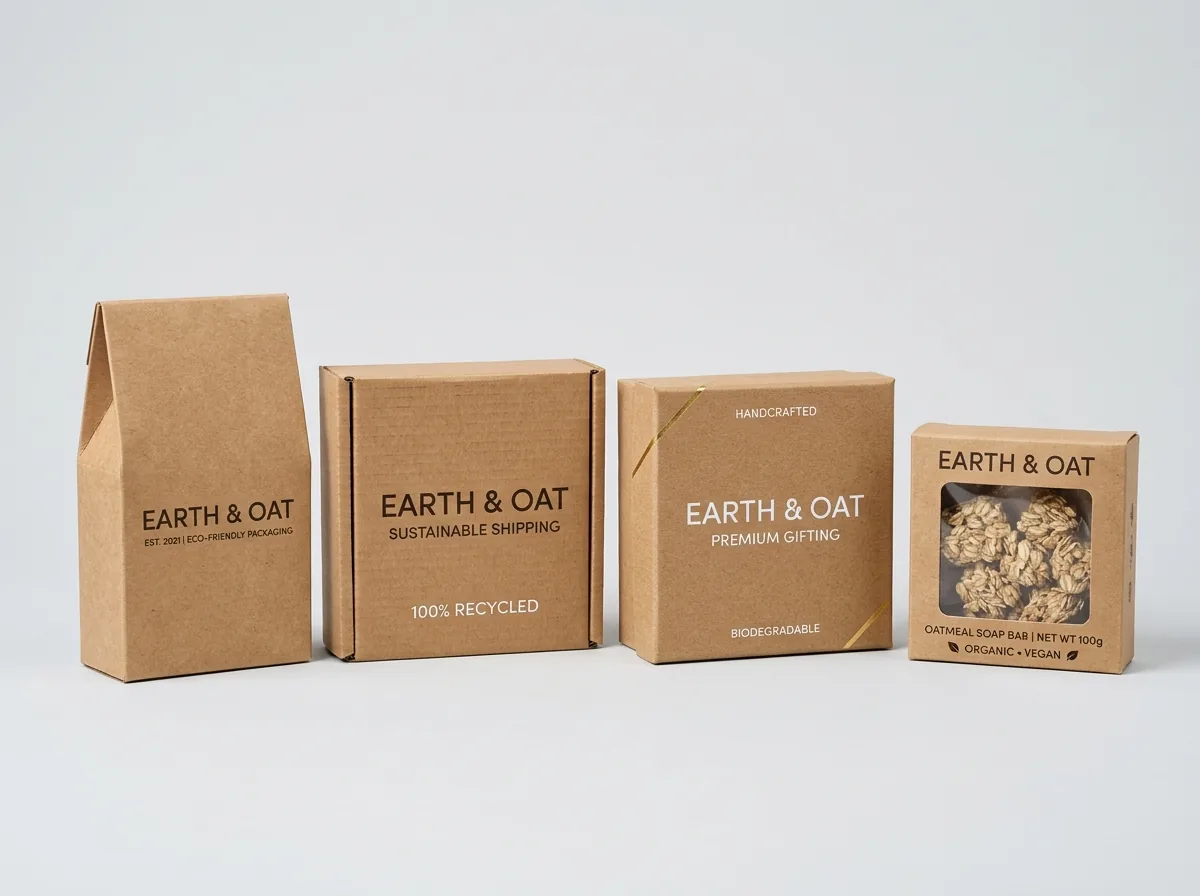
Seed brands gravitate toward two paperboard stocks: natural brown kraft board and coated white card. Unbleached kraft board has visible wood fibers and a warm, earthy tone that immediately signals heirloom, organic, or native pollinator seeds. Because brown kraft absorbs transparent CMYK inks and shifts pale yellows or pinks toward sepia, the sharpest kraft seed boxes use rich dark inks (forest green, burgundy, charcoal) paired with an opaque white ink underbase beneath botanical illustrations and zone maps. If your seed packets are merchandised in humid greenhouse nurseries where benches get misted, or if your brand relies on vibrant watercolor flower paintings and full-color harvest photography, choose white card finished with scuff-resistant matte lamination. Matte-laminated white card shrugs off damp fingertips and soil dust while keeping delicate petal gradients and Pantone spot colors true to life.
- Unbleached kraft + white & black ink: classic apothecary and heirloom homestead look for dry gift shops and DTC.
- White card + matte lamination: moisture-resistant surface for greenhouse benches and detailed watercolor florals.
- Recycled paperboard: ideal for Earth Day corporate giveaways, museum shops, and conservation wildflower kits.
- Gold or copper foil stamping: highlights Latin botanical names and heirloom seals on gift drawers.
How do I gang-run multiple garden collection themes in one order?
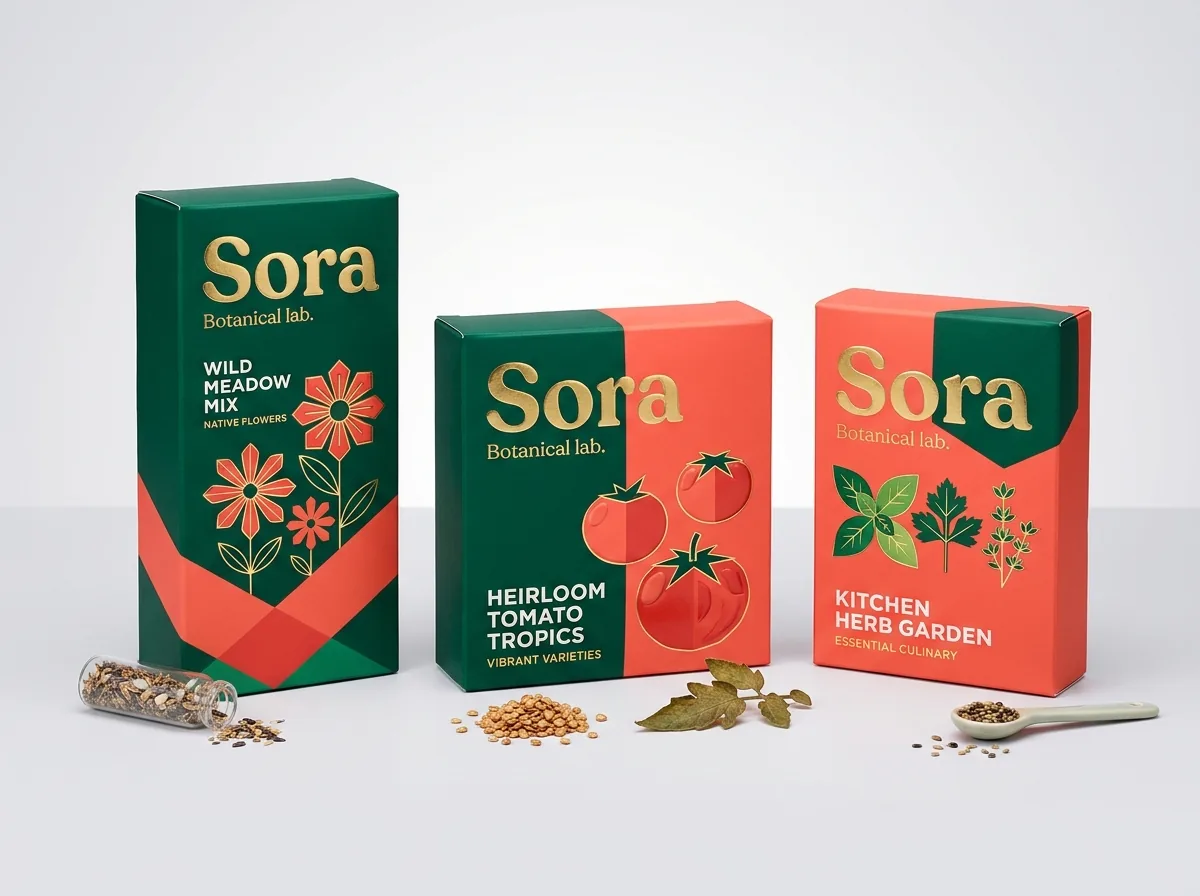
Most seed catalogs launch several themed collections at once, such as a Salsa Garden Kit, Culinary Herb Kit, Cut-Flower Bouquet Kit, Tea Garden Kit, and Native Bee Pollinator Kit. If every theme holds six 3.5 × 5.0 inch envelopes inside the exact same 3.75 × 0.875 × 5.25 inch straight tuck end box or tray and sleeve box, all five kits share one master dieline. Because CubitPack never charges die or plate fees and gangs shared-size designs on press, you can combine all of your themed collections into a single 1,000-box or 2,500-box production run. You can also coordinate your collection cartons with a matching counter display box or live custom plant boxes so your entire spring nursery line shares the exact same Pantone greens and botanical typography. When preparing your Adobe Illustrator or vector PDF artwork for a multi-theme gang run, keep the shared dieline, USDA zone map, and unvarnished lot-stamp knock-out window in identical positions across every artboard. That way, your packing line can run every collection theme through the exact same date stamper or inkjet conveyor without readjusting the printhead height between varieties.
What are the most common seed packet box design and prepress mistakes?
Seed packaging combines botanical artwork with seasonal regulatory dates and outdoor retail conditions. Avoid these five prepress mistakes
- Laminating over the 'Packed for [Year]' and lot-number stamp zone on the back panel, causing date-stamp and thermal inkjet ink to smear off.
- Printing pale pastel CMYK colors directly onto brown kraft board without a white ink underbase, which turns yellow and pink flowers muddy brown.
- Using 10 or 12 nearly identical shades of green on a miniature 1.5 inch wide USDA hardiness zone map so gardeners cannot tell Zone 5 from Zone 7.
- Hard-coding a single germination test date and lot number into the main artwork plate when the cartons will be filled across two planting seasons.
- Placing small 5 pt sowing instructions right over a fold score or inside the dust-flap glue area where the text gets creased or covered.
Find your size
Suggested inside size: 3.5 × 0.375 × 4.75 in
A starting point. Your account manager confirms the size with you before the proof.
Quote this size →Packaging for this
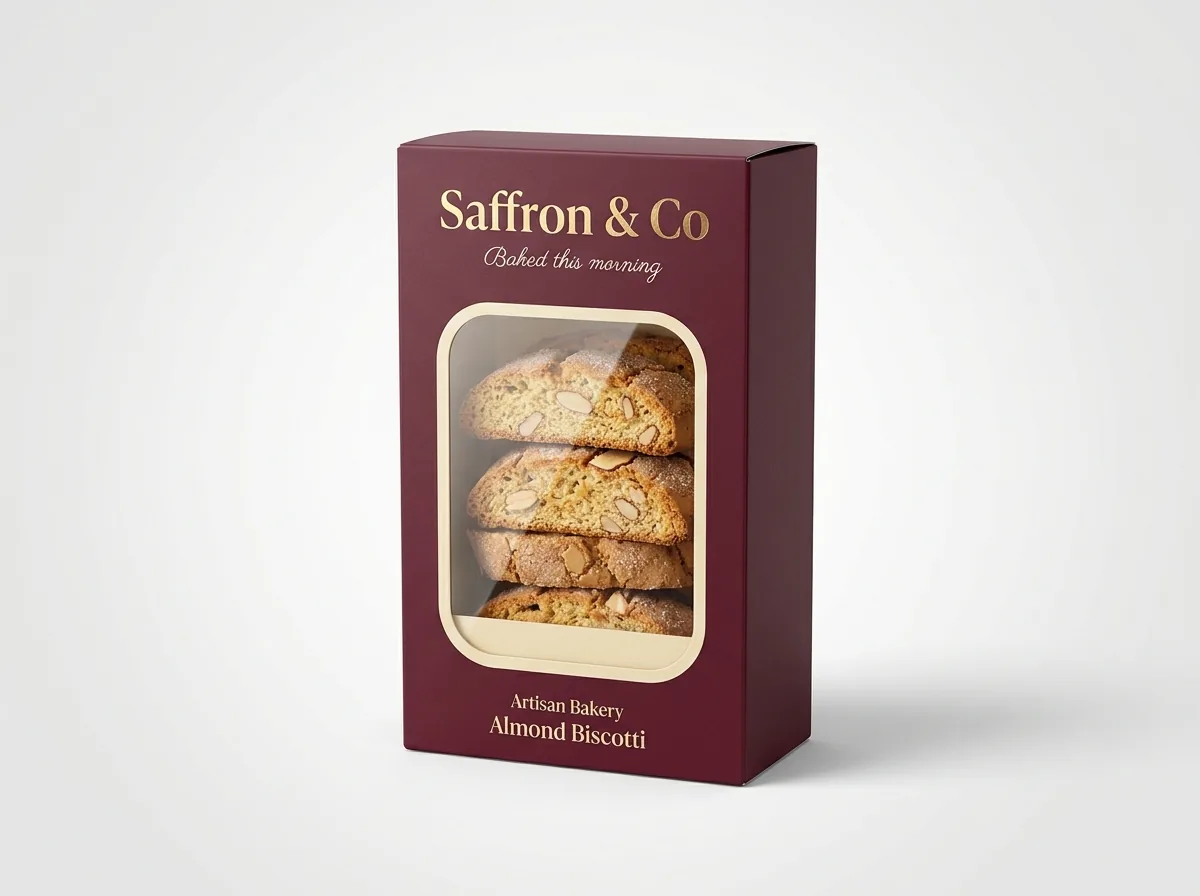
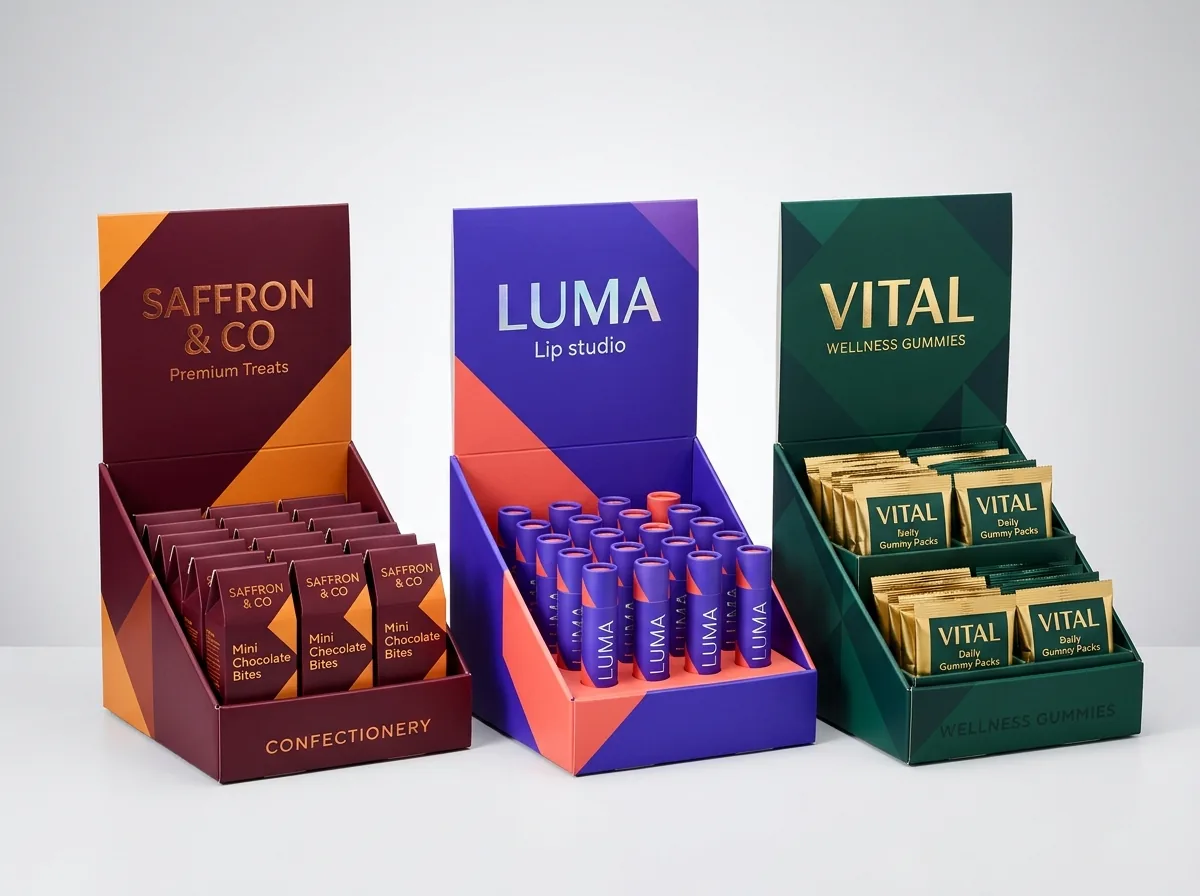
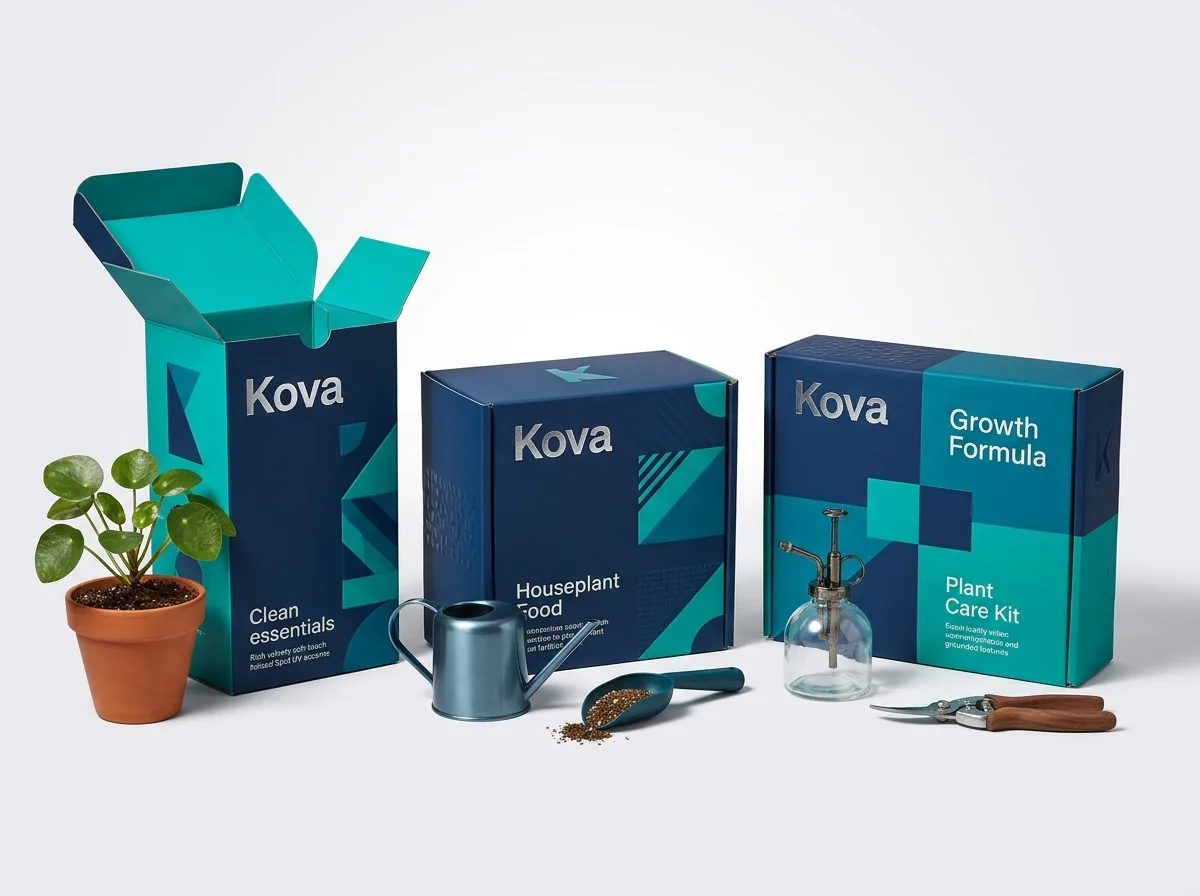
Ready to order seed packet boxes? Compare up to 3 quantities with a free 3D mockup.
Request a Quote →Questions about seed packet boxes
Can CubitPack leave an unlaminated area on my seed boxes for lot stamping?
Yes. Just draw a rectangle on a separate layer labeled 'No Lamination / Stamp Zone' on your dieline, or ask our free design team to add it for you, and we will mask film lamination or UV coating out of that zone so stamps and inkjet coders dry instantly.
How do you print bright flower colors and white text on brown kraft seed boxes?
We print an opaque white ink underbase on natural brown kraft board before laying down your CMYK or Pantone colors, or use crisp standalone white ink alongside black and forest green for a classic botanical apothecary look.
Can I print planting instructions or seedling guides on the inside of the box?
Yes. Inside printing is available on all folding cartons and tray-and-sleeve boxes. Printing your sowing calendar, companion planting chart, or seedling leaf guide on the inside lid eliminates the cost and packing step of a separate paper insert.
Do I pay extra setup fees to print 4 or 6 different garden collection themes?
No. CubitPack never charges die or plate fees, and when all of your garden themes share the same box dimensions, we gang-run your artwork files across the press sheet so you get multi-theme variety in one production run.
What coating protects seed packet boxes best in humid garden centers?
Matte lamination or gloss lamination over white card provides the best moisture and soil-smudge resistance for boxes displayed near greenhouse misting tables, while keeping a masked knock-out window on the back for date stamping.
Will your designers check my zone map and sow table legibility before printing?
Yes. Every order includes a free prepress check, a flat 2D dieline proof, and an interactive 3D mockup before payment. Our team checks font sizes, barcode quiet zones, white ink masks, and knock-out stamp windows on every SKU.
Still have a question? Ask a packaging specialist.
Request a Quote →Request your seed packet boxes quote
Tell us your size and quantities, and one dedicated account manager prepares pricing for each tier.
- Free design & AI-to-print studio + 3D mockup
- No die or plate charges · 4–5 day rush available
- Free shipping to all 50 states
- 10% off your first order
This prepress guide combines US Federal Seed Act (7 U.S.C. 1551) outer container labeling practices, USDA Plant Hardiness Zone Map graphic standards, and paperboard lamination masking workflows. Checked by a CubitPack packaging specialist. Spot something wrong? Tell us and we will fix it.
Sources
What changed
- October 22, 2026: First published.
- October 22, 2026: Updated specifications, terminology, and verified source links.
More guides
New packaging guides by email
Sizes, materials and design tips. Unsubscribe anytime.