
Seed packet gift boxes vs nursery counter display boxes: which fits your seeds?
Short answer: Choose tuck or tray-and-sleeve gift boxes when selling curated 6-to-24 packet themed collections online and in gift boutiques, and choose stepped 2-tier counter display boxes when merchandising individual seed envelopes at garden center, bookstore, and hardware checkouts. Both styles of custom seed packet boxes start at 1,000 units.
On this page
- How do seed packet gift boxes and nursery display boxes compare
- When should I use a tuck carton vs a tray and sleeve drawer for seed sets
- How do stepped counter display boxes keep thin seed packets from slumping
- What box structure works best for 24-packet seed vaults and soil grow kits
- Can I combine boxed seed collections inside a master counter display tray
- Common mistakes
- FAQs
Request a custom quoteFree dieline & 3D mockup
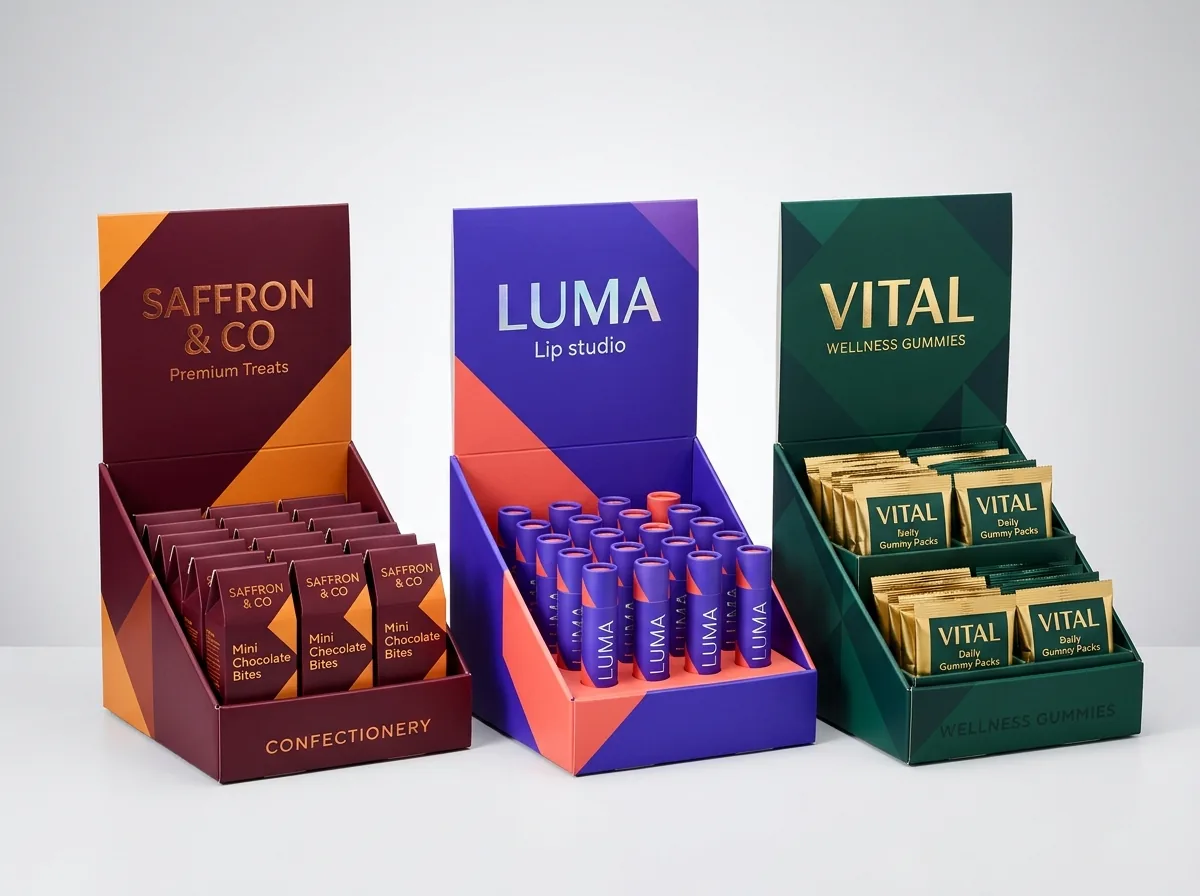
Seed brands sell through two very different formats: multi-variety gift kits bought as a single item, and individual seed envelopes browsed one by one at retail counters. Multi-packet gift boxes, built as straight tuck end cartons, arched window boxes, or slide-out tray and sleeve drawers, bundle 6, 12, or 24 complementary varieties (such as a Kitchen Herb Garden, Cut-Flower Bouquet, or Pollinator Meadow) into a sturdy, stackable retail package that ships cleanly in e-commerce mailers and sits neatly on boutique tables. By contrast, nursery counter display (POP) boxes are open-top merchandising caddies engineered with vertical pocket dividers, angled risers, and a fold-up header sign to hold 24 to 72 individual seed packets upright by the cash register. CubitPack manufactures both gift cartons and stepped POP displays for custom printed seed boxes starting at 1,000 units with zero die or plate charges.
How do seed packet gift boxes and nursery display boxes compare?
Whether you run an heirloom seed catalog, a botanical museum shop, or a promotional giveaway campaign, matching the carton structure to how shoppers handle your seeds prevents crushed envelopes and messy retail shelves. A collection box that ships directly to a home gardener in a padded envelope needs multi-wall corner strength, whereas a checkout caddy in a busy garden center needs open top visibility and divided pockets. Use the comparison table below to evaluate the six structural styles we build for seed packaging boxes across direct-to-consumer, boutique gift, and garden center channels.
| Box style | Best seed use case | Key advantage & trade-off |
|---|---|---|
| Straight tuck end carton | Single foil sachets or 5–8 packet herb/flower starter sets | Ships flat, pops open fast, stands or hangs on pegs; top-load access |
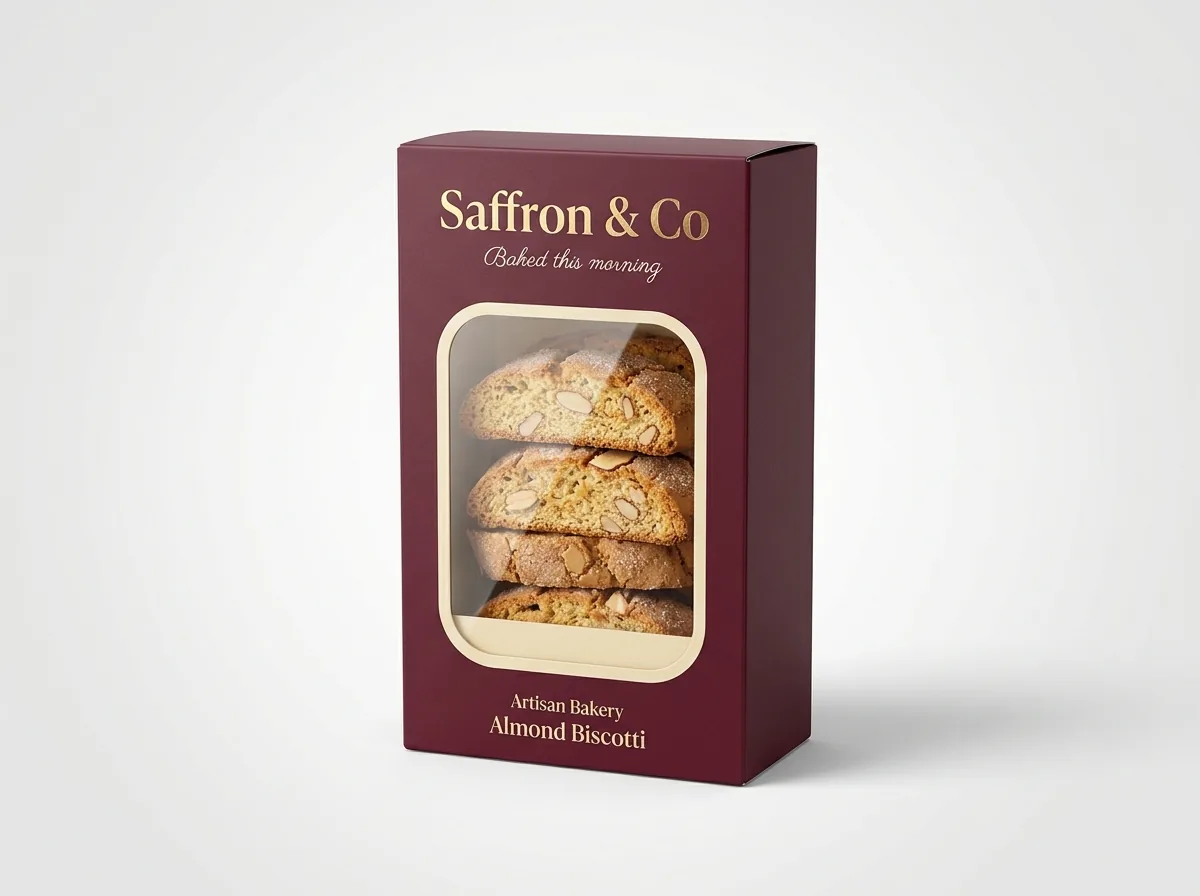
| Window tuck box | Illustrated botanical envelopes & 4–9 clay wildflower seed bombs | Frames packet art or clay spheres on shelf; cutout reduces front copy space |
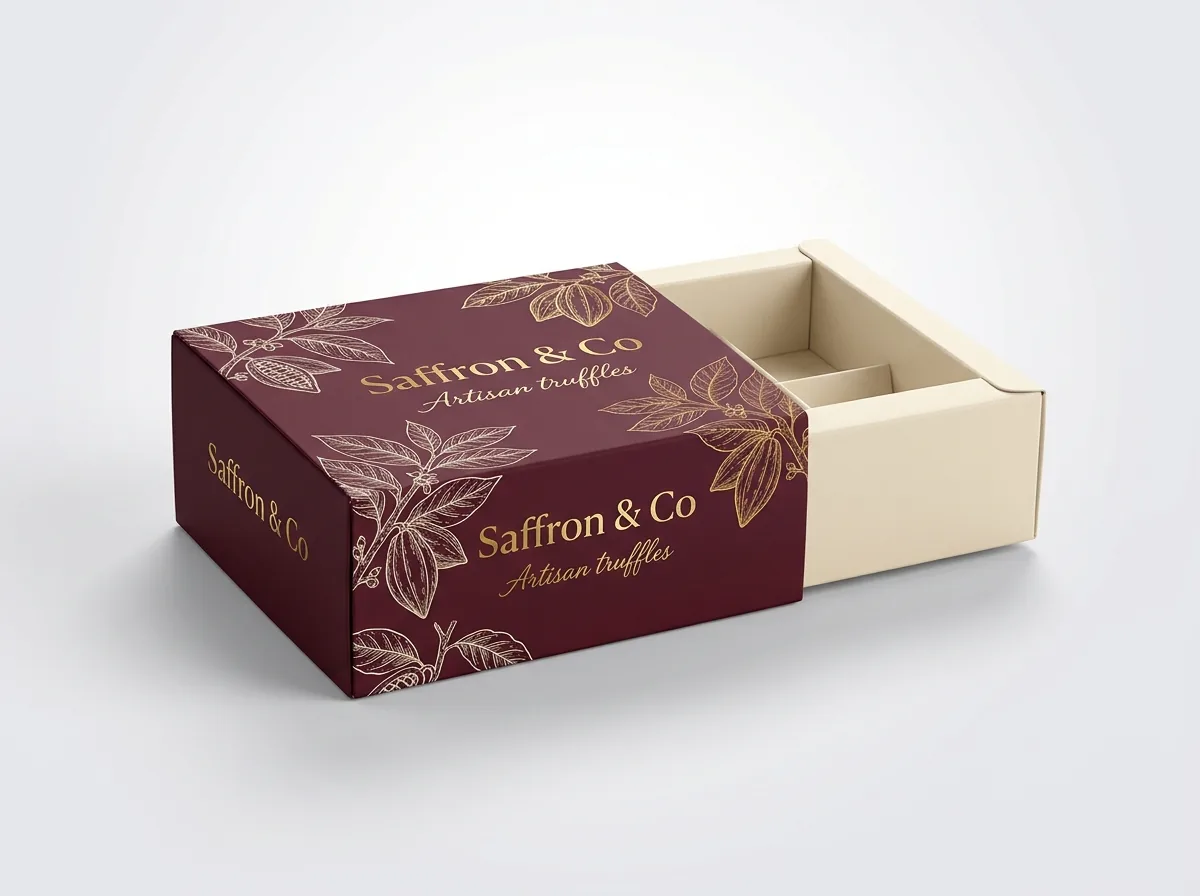
| Tray and sleeve drawer | 10–15 packet heirloom collections & keepsake gift sets | Slide-out drawer reveal & double-wall crush strength; two pieces to fold |
| Index seed vault box | 20–30 packet seasonal libraries with spring/summer/fall tabs | Organizes packets like recipe cards for year-round storage; larger footprint |
| Stepped counter display (POP) | 24 to 72 loose seed packets at nursery and bookstore registers | Tiered risers keep thin envelopes upright; outer display unit, not unit box |
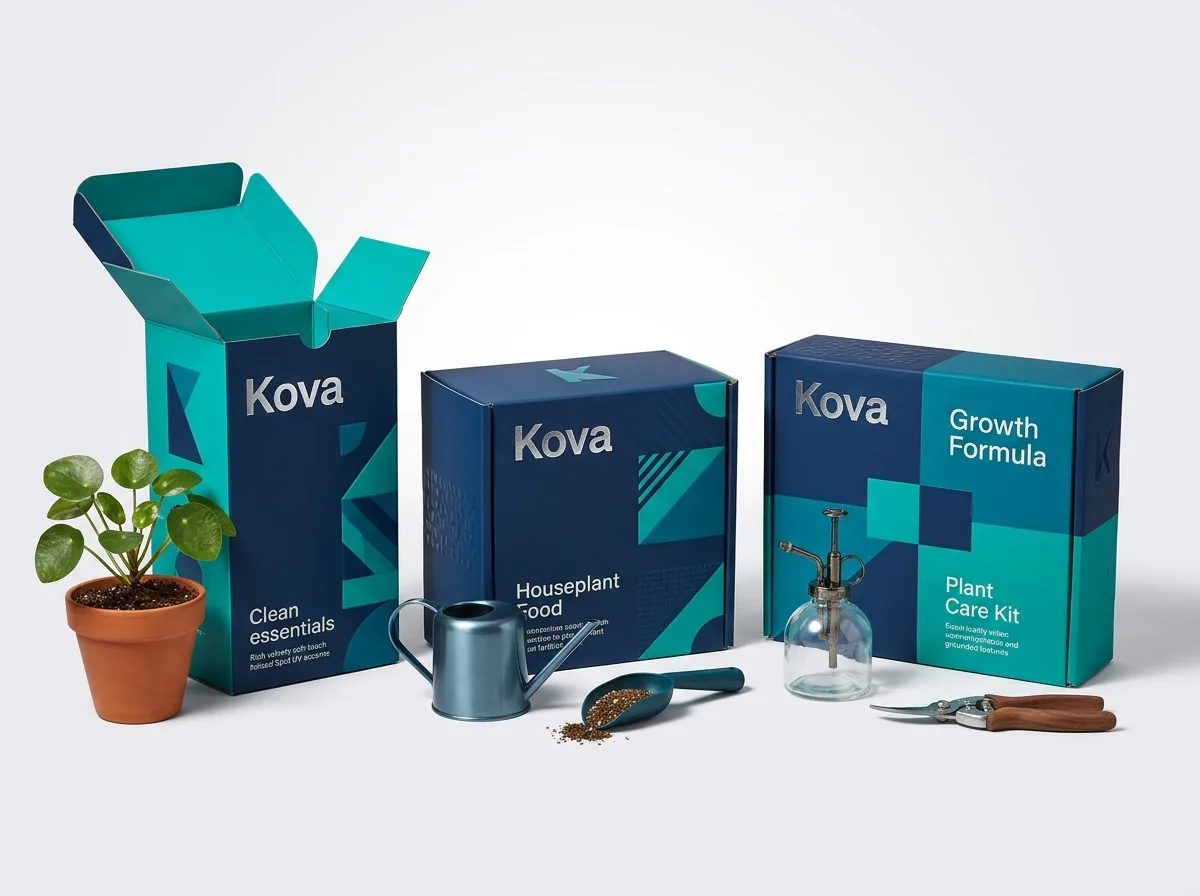
| Auto-lock bottom grow kit | Seed packets bundled with coco coir soil discs & fiber pots | Pre-glued crash bottom holds heavier soil pellets; deeper square profile |
When should I use a tuck carton vs a tray and sleeve drawer for seed sets?
For curated 5-pack to 12-pack seed collections, your main structural choice is between a one-piece straight tuck end box (with or without a window) and a two-piece tray and sleeve box. A straight tuck end carton is the most economical and compact way to bundle five or six standard 3.25 × 4.5 inch or 3.5 × 5.0 inch envelopes. Adding an arched or rectangular cutout on a custom window box lets the front seed packet's watercolor illustration show right through the carton face. When your collection steps up to 10, 12, or 15 seed varieties, or when you are packaging 9 fragile clay wildflower seed balls in a 3 × 3 divider grid, a slide-out tray and sleeve box delivers a much better customer experience. Instead of tipping a deep box upside down to shake out the middle seed packet, the gardener slides the inner drawer tray out horizontally to see all packets or seed bombs arranged neatly in view. The overlapping tray and sleeve walls also double the side-wall rigidity when shipping kits in padded mailers.
How do stepped counter display boxes keep thin seed packets from slumping?
Individual paper seed envelopes are light and flexible, which makes them notoriously difficult to display in standard open counter bins. If you place 50 flat seed packets into a deep undivided box, the stack stays upright only while the bin is 100% full; as soon as five or ten packets sell, the rest slide down into a flat pile. A purpose-built seed counter display box fixes that geometry with two internal components: vertical pocket partitions and a stepped paperboard riser. By dividing a 7.75 × 5.5 inch display base into four 3.75 × 2.5 inch pockets (two in front and two elevated 1.75 inches higher in back), each pocket holds a tight group of 12 to 15 envelopes at a gentle backward lean. Shoppers can see all four variety headers at once, and the last three packets in a pocket stand just as tall as the first.
Know your size? Compare pricing across up to 3 quantities.
Request a Quote →What box structure works best for 24-packet seed vaults and soil grow kits?
Heirloom seed companies and botanical gift brands increasingly offer two higher-ticket formats: 20-to-30 variety homestead seed libraries and all-in-one indoor windowsill grow kits. Because a 24-packet library stays in the gardener's potting shed for multiple seasons, we build it as a heavy card or E-flute corrugated two-piece or hinged-lid box where envelopes stand horizontally behind printed seasonal index tabs. Windowsill grow kits combine lightweight seed packets with dense compressed coco coir soil wafers, wooden plant labels, and terracotta or molded peat pots. Those heavier components will push open a standard friction-tuck bottom flap if dropped. Using an auto-lock bottom box fitted with a die-cut custom cardboard insert locks the pot and soil pellets in place while keeping the delicate seed envelopes dry and uncrushed in their own side slot. If you sell corporate Earth Day favors or wedding seed balls, a square tray and sleeve box with an interlocking 9-cell paperboard grid gives each clay sphere its own compartment so the dried compost and clay binder never rub together during parcel transit.
- 5–8 packet themed set: Straight tuck end or window carton (3.75 × 0.875 × 5.25 in).
- 10–15 packet deluxe gift set or 9 seed bombs: Slide-out tray and sleeve box with optional divider.
- 20–30 packet heirloom seed library: Corrugated or heavy card index box with seasonal tab cards.
- Windowsill grow kit (seeds + coir pellets + pot): Auto-lock bottom box with custom die-cut insert.
- Retail checkout assortment (24–72 packets): Stepped 2-tier or 3-tier counter display box with header.
Can I combine boxed seed collections inside a master counter display tray?
Many seed brands get the best of both worlds by pairing unit tuck cartons with a matching outer counter display tray. Instead of placing loose paper envelopes in the display, you pack 6-packet themed tuck boxes, such as two rows of Kitchen Herb Kits, two rows of Cut-Flower Kits, and two rows of Pollinator Kits, upright inside a 12-count counter display box. Because each 3.75 × 0.875 × 5.25 inch tuck carton is a rigid rectangular block, twelve boxed kits stand rock-solid inside a 7.75 × 5.5 × 5.25 inch display tray without needing internal pocket dividers. Bookstore, museum shop, and gift boutique buyers love this nested setup because a single impulse purchase rings up as a multi-packet gift set rather than a single seed envelope, and the entire display ships ready to place on the table alongside our custom plant boxes. You can also ship the 12-count counter display pre-packed inside a fitted corrugated outer carton so independent garden centers simply lift off the shipping cover, fold up the printed botanical header sign, and set the display right by the register.
What are the most common mistakes when choosing a seed box style?
Matching the right structure to your seed format keeps envelopes crisp at retail and in the mail. Avoid these five structural mistakes
- Using an undivided single-cavity counter tray for loose seed envelopes, which lets thin packets slide flat as soon as the first few sell.
- Putting 15 or 20 seed packets into a tall top-opening tuck box where gardeners have to dump the whole stack out to find one variety.
- Using a standard friction-tuck bottom for a windowsill grow kit that contains heavy compressed coco coir soil discs and ceramic or terracotta pots.
- Forgetting to add a euro hang tab on single-variety or 3-pack seed cartons sold to hardware stores that display seeds on pegboard hooks.
- Making the front lip of a counter display tray higher than 2.25 inches, which hides the variety name and illustration on 4.5 inch tall seed packets.
Find your size
Suggested inside size: 3.5 × 0.375 × 4.75 in
A starting point. Your account manager confirms the size with you before the proof.
Quote this size →Packaging for this
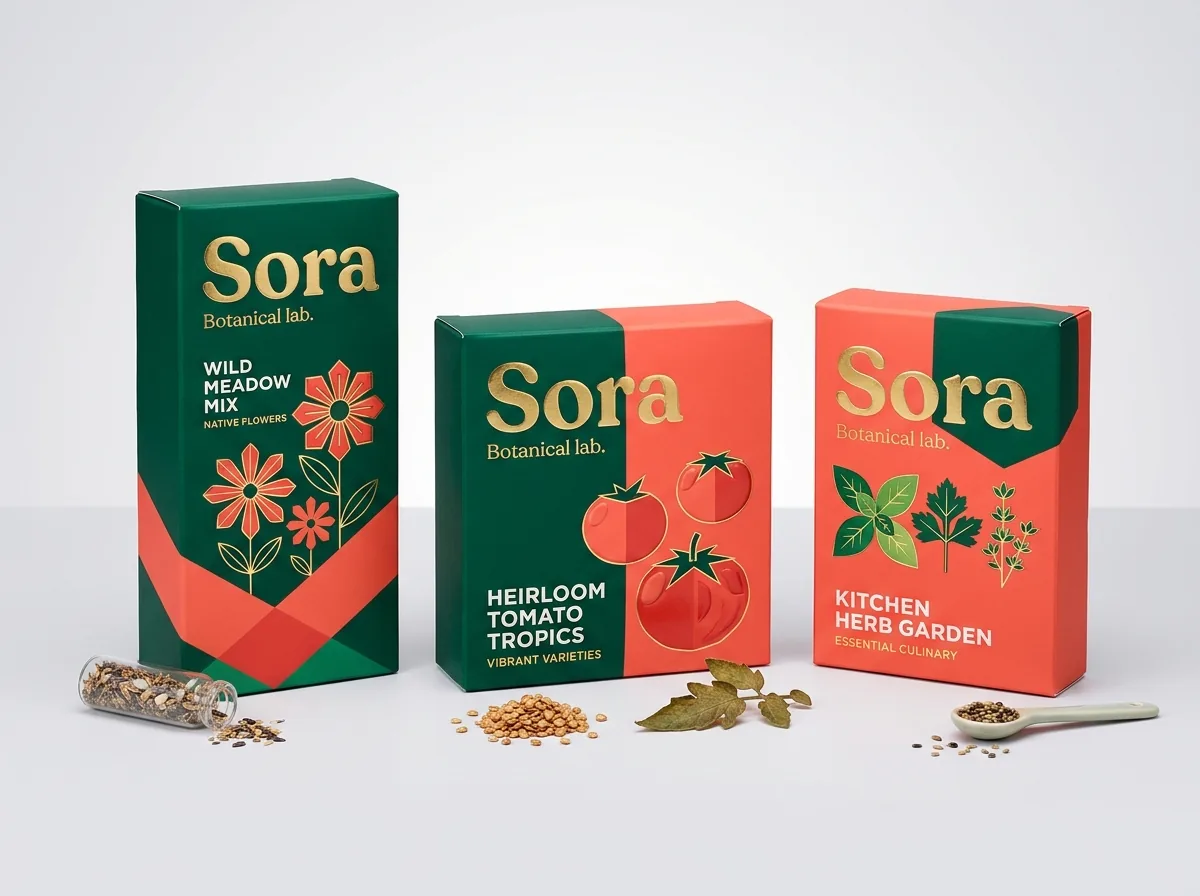
Ready to order seed packet boxes? Compare up to 3 quantities with a free 3D mockup.
Request a Quote →Questions about seed packet boxes
Do stepped 2-tier seed packet counter displays ship flat?
Yes. Both the outer counter display tray (with its integrated fold-up header card) and the internal stepped riser and pocket divider ship die-cut and scored flat. Your team or retail store staff can fold and lock the display in under a minute without glue or tape.
Can I order 6-pack seed gift boxes and counter display boxes in the same run?
Yes. Many botanical brands order 6-pack straight tuck cartons for their themed gift collections alongside stepped counter display boxes for their individual seed packets, or size the counter display to hold 12 of the boxed 6-packs.
Which box style is best for mailing seed collections to online customers?
For e-commerce orders shipped in padded mailers, a slide-out tray and sleeve box or an E-flute corrugated mailer box offers the highest crush protection so bulky pea, corn, and bean seeds cannot get crushed by postal sorting rollers.
Can you add a hang tab to a 3-pack or 6-pack seed packet box?
Yes, and there are no die or plate charges for adding an integrated euro-slot or round hang tab extending from the rear panel. Hang tab boxes are standard for hardware checkout aisles and end-cap seed racks.
What is the best structure for packaging clay wildflower seed bombs?
Use a shallow square tray and sleeve box or window tuck carton (such as 3.75 × 3.75 × 1.25 inches) paired with an interlocking 4-cell, 6-cell, or 9-cell paperboard grid divider so the dried clay balls stay separated.
Will I see a 3D mockup of my seed gift box or counter display before paying?
Yes. Before you pay a cent, our design team prepares a flat 2D dieline proof and an interactive 3D mockup showing the exact pocket tiers, window cutouts, or drawer fit of your seed packaging.
Still have a question? Ask a packaging specialist.
Request a Quote →Request your seed packet boxes quote
Tell us your size and quantities, and one dedicated account manager prepares pricing for each tier.
- Free design & AI-to-print studio + 3D mockup
- No die or plate charges · 4–5 day rush available
- Free shipping to all 50 states
- 10% off your first order
This structural comparison is based on standard folding carton and POP counter display geometry used across US independent garden centers, hardware checkouts, museum shops, and DTC seed brands. Checked by a CubitPack packaging specialist. Spot something wrong? Tell us and we will fix it.
Sources
What changed
- October 22, 2026: First published.
- October 22, 2026: Updated specifications, terminology, and verified source links.
More guides
New packaging guides by email
Sizes, materials and design tips. Unsubscribe anytime.