
How do jewelry brands design custom necklace boxes that keep chains from knotting?
Short answer: Combine 45-degree angled corner notches on a velvet-flocked EVA pad with a 3 mm rear clasp pocket and a soft top lid pillow so the pendant stays centered and loose links cannot cross. Our team engineers the insert and exterior print on custom necklace boxes with zero die or plate charges.
On this page
- How do 45-degree corner slits and rear pockets stop chains from tangling
- Which insert materials, paper wraps and foil finishes work best for necklaces
- How do you prepare small logos and foil stamping for a 3.5 inch necklace lid
- What drives the price of custom necklace boxes and how can jewelers save
- Can I turn an AI-generated crest or botanical sketch into a necklace box design
- Common mistakes
- FAQs
Request a custom quoteFree dieline & 3D mockup
Nothing ruins a fine jewelry unboxing faster than a customer spending ten minutes picking a tight knot out of an 18-inch cable chain with a safety pin. Chains knot in the mail for a simple physical reason: when the lobster clasp tail and the focal pendant share the same open cavity, courier vibration shakes the heavy clasp through the loose chain loops. Designing a tangle-free necklace box means separating the display face from the storage pocket underneath. By cutting two 45-degree diagonal slits into the upper corners of an EVA foam or paperboard pad, leaving a 3 mm space under the pad for the clasp and extender chain, and pressing a soft pillow against the top slits when the lid closes, the necklace arrives in the exact V-drape it left your studio. At CubitPack, our designers build your insert dieline and 3D mockup for free.
How do 45-degree corner slits and rear pockets stop chains from tangling?
Look closely at a cheap stock jewelry pad and you will often see two short vertical cuts straight down from the top edge. Because a necklace hangs inward toward the center pendant at an angle, a vertical cut fights the natural pull of the chain and gapes open when the pad is flexed, letting 1 mm cable chains slip out. When we engineer custom printed necklace boxes at CubitPack, we angle the two upper die-cut slits at 45 degrees pointing toward the center pendant seat, and we terminate each slit with a tiny pinhole relief cut so the foam grips the links without tearing. Underneath the removable pad, a 3 mm clearance cavity (or a small paper/elastic catch flap) holds the lobster clasp and jump-ring extender flat.
- 45-degree diagonal notches: align with the natural V-drape of the chain and lock links under light foam tension.
- Center pendant recess: a shallow die-cut well in the middle of the EVA pad stops heavy lockets or bezels from swinging.
- 3 mm under-pad clasp space: keeps bulky lobster clasps, spring rings and branding tags hidden behind the board.
- Top compression pillow: a removable velvet or satin cushion under the lid presses gently on the slits during shipping.
Which insert materials, paper wraps and foil finishes work best for necklaces?
Because a customer holds a 3.5 inch necklace box right in the palm of their hand under close indoor light, surface texture and interior contrast matter more on jewelry packaging than almost any other box category. High-karat yellow gold and vermeil pop against deep forest green, burgundy, navy or warm cream velvet, while sterling silver, platinum and white gold shine against charcoal, slate or blush suede. You can also contrast your exterior wrap paper with a different interior pad texture: for example, a natural linen-textured cream lid on the outside paired with a rich espresso brown or forest green velvet pad inside. Use the design matrix below to pair your necklace metal and brand aesthetic with the right interior insert, exterior wrap paper and lid finishing pass.
| Design element | Options at CubitPack | Best jewelry match & practical tip |
|---|---|---|
| Velvet-flocked EVA foam | Die-cut closed-cell foam with velvet top | Grips fine chains securely; top choice for fine & demi-fine |
| Paper-topped EVA foam | Smooth matte or linen paper laminated to EVA | Clean modern gallery look; allows foil logo directly on pad |
| Die-cut paperboard card | Folding card insert with chain tabs & collar | 100% paperboard interior for 1,000+ unit fashion lines |
| Soft-touch & matte wraps | Velvety soft-touch or scratch-free matte film | Prevents fingerprints and stockroom scuffs on dark lids |
| Hot foil stamping | Gold, rose gold, silver, copper or pigment foil | Keep stroke weights >= 0.5 pt on small 3.5 in lids |
| Blind emboss / deboss | Raised or pressed emblem on cotton/linen wrap | Quiet luxury texture that pairs cleanly with foil |
How do you prepare small logos and foil stamping for a 3.5 inch necklace lid?
A wordmark that looks crisp on a 12-inch apparel mailer box can fill in or blur when scaled down to 1.25 inches wide on a 3.5 × 3.5 inch necklace box lid. When hot foil stamping metallic gold, rose gold or silver onto textured linen wrap paper, ultra-thin hairline serifs and tightly tracked subtext can bridge together under heat and pressure. For the sharpest micro-foil impression on a small jewelry lid, keep minimum stroke thickness at 0.5 pt (or 0.75 pt for reverse knockouts), add slightly wider letter spacing (tracking) on small uppercase taglines like "FINE JEWELRY", and pair fine line art with smooth soft-touch or matte laminated paper wraps. Our prepress team checks every vector path on your free 2D proof before making the stamping die.
- Logo width on a 3.5 in lid: typically 1.25 to 1.75 inches wide so at least 0.85 inch of quiet margin frames the mark.
- Minimum foil line weight: 0.5 pt for positive lines and 0.75 pt for reverse gaps to prevent foil bridging.
- Inside-lid or pad branding: stamp a secondary monogram inside the lid roof or across the upper third of the display pad.
Know your size? Compare pricing across up to 3 quantities.
Request a Quote →What drives the price of custom necklace boxes and how can jewelers save?
Four variables determine the unit price of custom necklace packaging: the construction family (50-unit rigid chipboard vs 1,000-unit folding card), the overall box footprint, the insert build (velvet EVA vs die-cut card), and the number of foil or embossing passes. For emerging jewelry brands, the smartest cost-saving move is designing one universal 3.5 × 3.5 × 1.25 inch rigid box with a multi-purpose insert pad. By combining two 45-degree upper chain notches, a horizontal center ring/earring slit, and two stud pinholes on the same custom EVA foam insert, one 250-unit or 500-unit box run can pack pendant necklaces, drop earrings, stud pairs and rings. Pooling your volume into a single box footprint unlocks lower per-unit pricing while keeping your shelf presentation unified. CubitPack charges zero die or plate fees, gives 10% off your first order, and beats written US competitor quotes for identical specs.
- Multi-use insert pad: cut chain slits and earring/ring slots into one pad so a single box SKU serves your whole line.
- Quantity tier jumps: compare 100, 250 and 500 rigid boxes on one free quote to see where unit cost drops.
- Zero tooling fees: custom slit geometry, recessed wells and foil dies carry no die or plate charges at CubitPack.
Can I turn an AI-generated crest or botanical sketch into a necklace box design?
Yes. Many independent jewelers use AI image tools to draft vintage botanical engravings, celestial sunburst crests, or art-deco border patterns for their necklace boxes and outer gift sleeves. Raw AI exports are flat RGB bitmaps that cannot drive a metal foil-stamping die or match a specific Pantone box wrap out of the box. With CubitPack's free print your AI design service, our prepress artists trace your AI crest into clean vector line art, check minimum foil stroke weights for a 3.5 inch lid, match your background wrap to guaranteed spot Pantone inks, and send you a 2D dieline proof and interactive 3D mockup before you pay. If a printed Pantone shade ever comes back clearly off from the approved specification, we reprint at no cost.
- Upload your AI crest, monogram sketch or reference photo in Step 2 of the quote form.
- We vectorize fine line work so it stamps crisply in metallic foil or prints cleanly in spot Pantone ink.
- You review the exact slit positions, lid proportions and foil placement on a free 3D mockup before payment.
What are the most common custom necklace box design mistakes?
Even a gorgeous rigid box fails if the chain knots in transit or the foil monogram blurs on the lid. Check these five details on your proof
- Using straight vertical cuts instead of 45-degree corner slits with pinhole relief stops, letting fine chains slip loose.
- Gluing the EVA foam pad permanently to the bottom of the base tray so the packer cannot tuck the clasp and excess chain underneath.
- Skipping the top compression pillow in e-commerce boxes, allowing heavy pendants to jump out of their center recess when dropped.
- Scaling a detailed crest down to 0.75 inches wide in hot foil with strokes under 0.5 pt that plug up on textured wrap paper.
- Printing dark unlaminated ink on the inside lid roof where a high-set pendant can rub against the lid and pick up ink smudges.
Find your size
Suggested inside size: 3 × 3 × 1.25 in
A starting point. Your account manager confirms the size with you before the proof.
Quote this size →Packaging for this
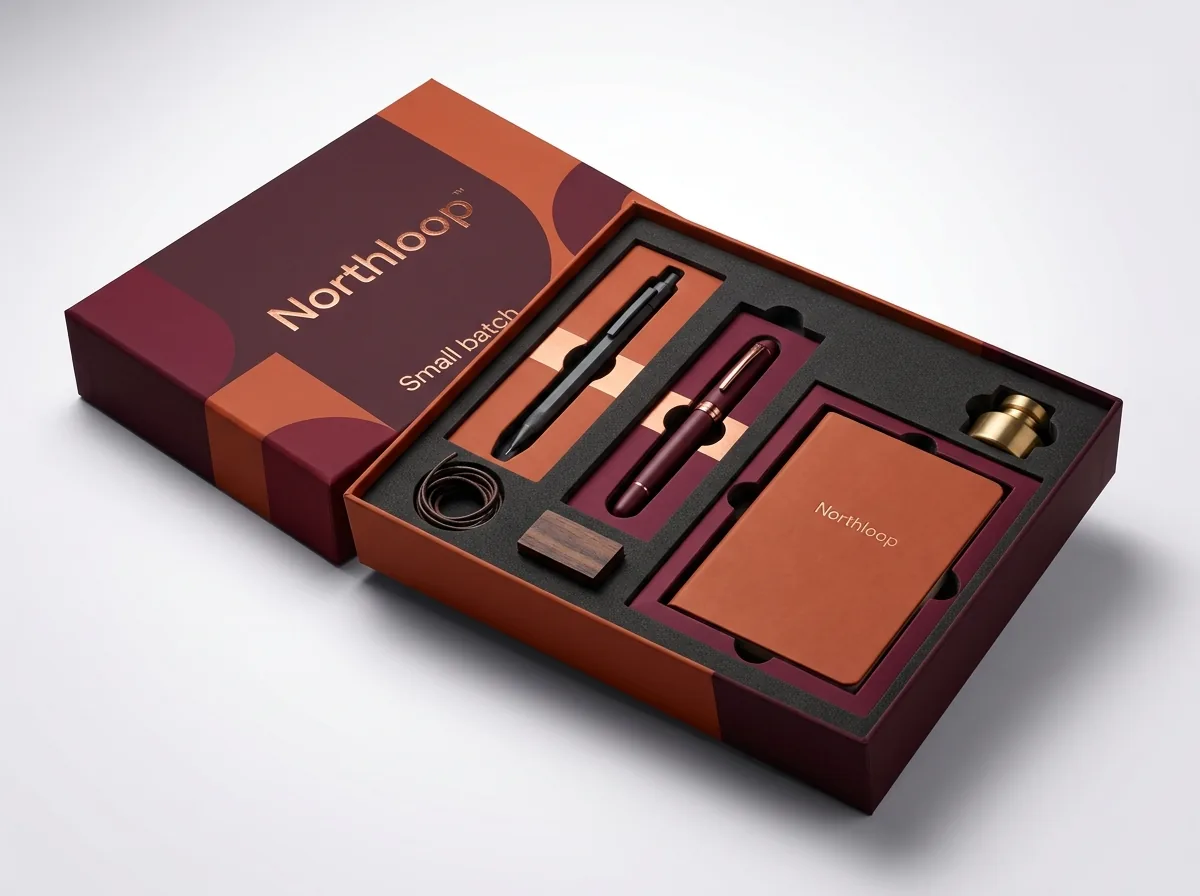
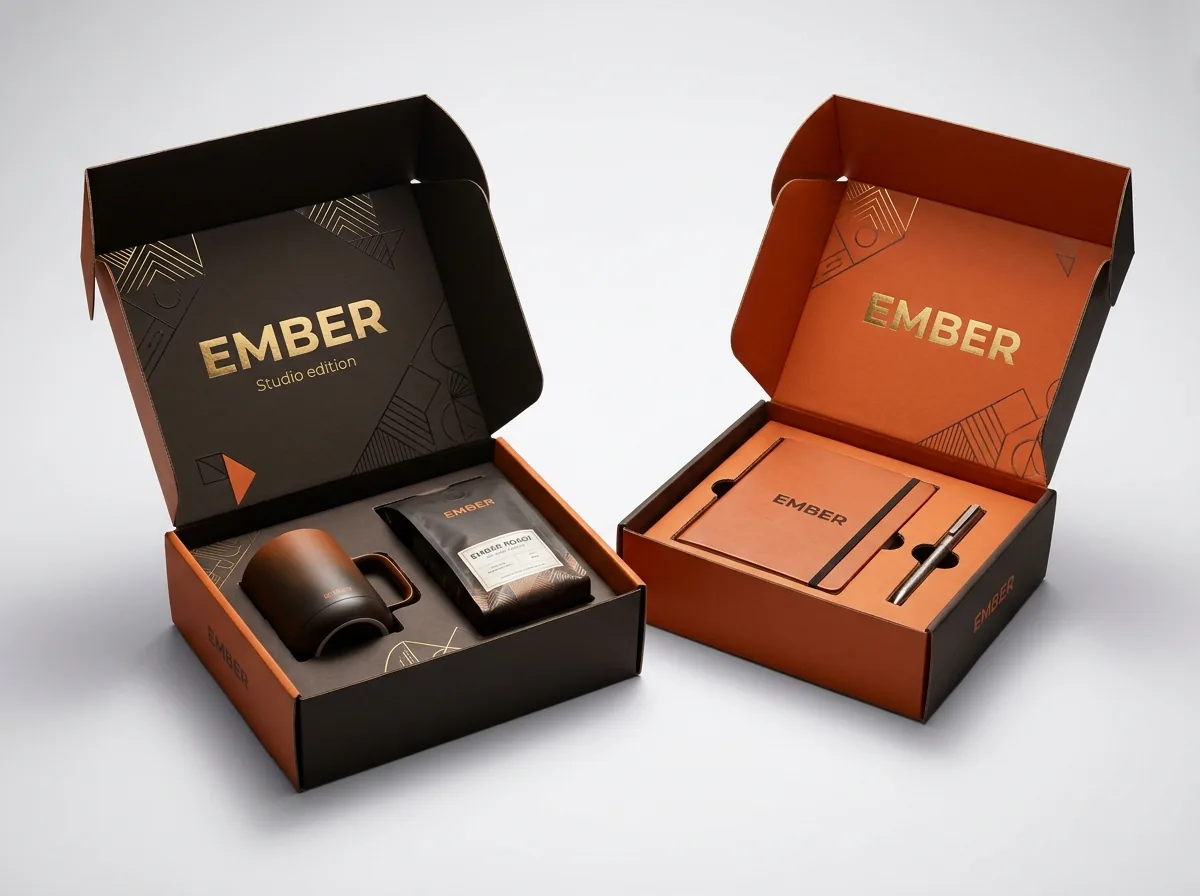
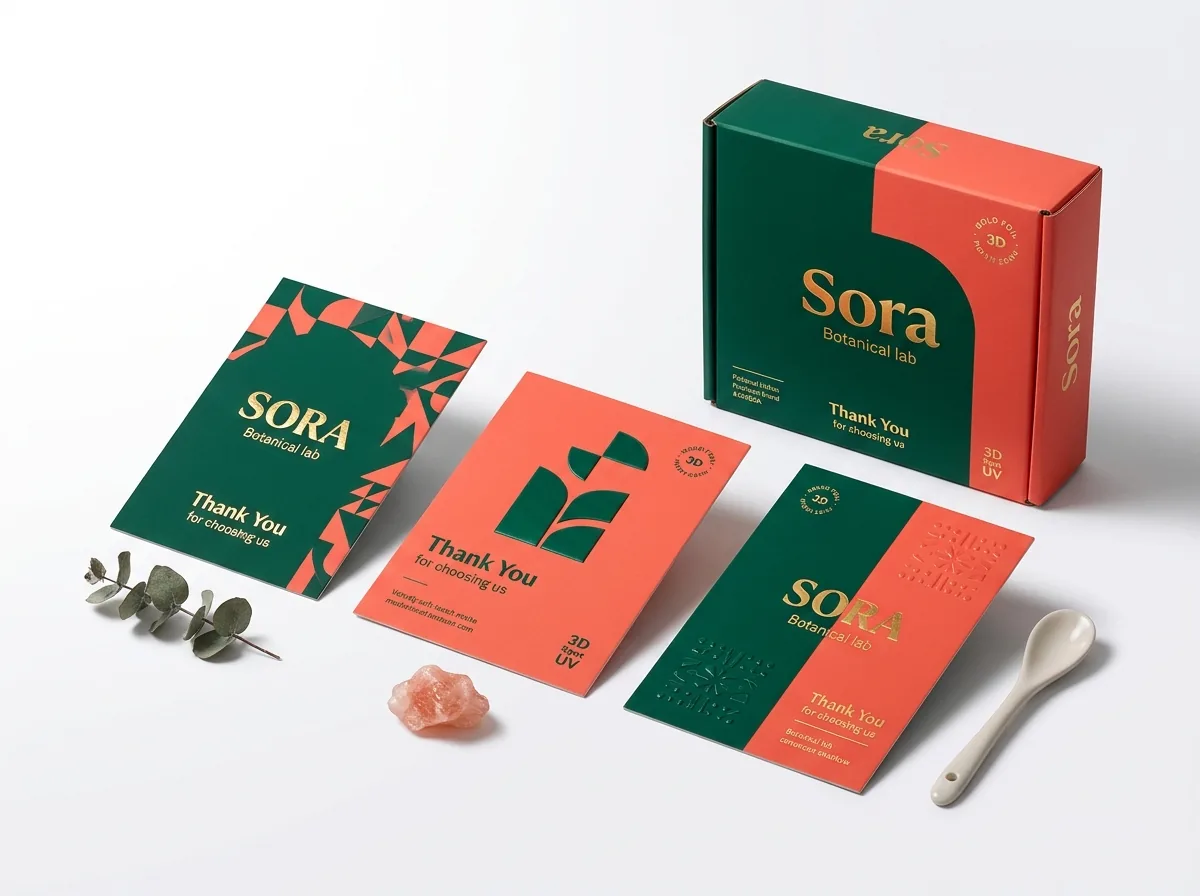
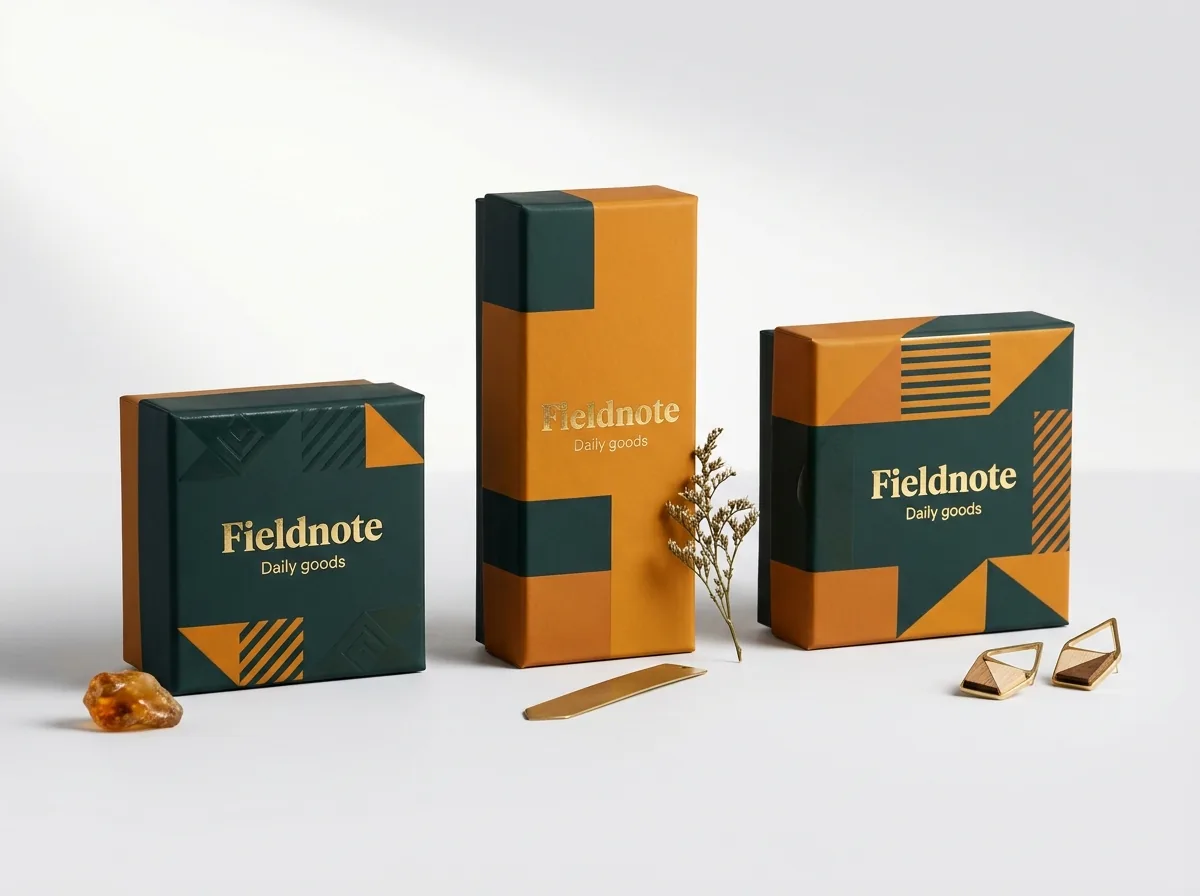
Ready to order necklace boxes? Compare up to 3 quantities with a free 3D mockup.
Request a Quote →Questions about necklace boxes
Do custom angled slits or multi-item cutouts in the EVA foam pad cost extra in die fees?
No. CubitPack never charges cutting die or printing plate fees. We can die-cut 45-degree chain notches, center pendant recesses, earring post pinholes and ring slots into your EVA foam or paperboard pad with zero tooling charges.
Should the EVA foam necklace pad be glued down or removable?
Always make the necklace display pad removable (friction-fitted into the base tray with a 3 mm pocket underneath). Your packer lifts the pad out, hooks the chain through the two corner slits, tucks the clasp behind the pad, and presses the pad back in.
Can you print or foil stamp my logo on the interior necklace pad as well as the lid?
Yes. You can hot-foil stamp or print your brand mark on the upper center of a paper-topped or smooth-flocked display pad, just above the pendant V-drape, so your logo appears in every close-up jewelry photo.
What materials are best if I worry about sterling silver tarnishing in storage?
Tell your account manager you are packing sterling silver or gold vermeil. We can source low-sulfur paperboard wraps, neutral-pH adhesives and tested EVA foam pads through our partner facilities.
How do you guarantee my necklace box color matches my brand palette?
Send us your Pantone (PMS) color codes when requesting your quote. CubitPack guarantees Pantone color matching: if a printed Pantone shade is clearly off from the approved specification, we reprint your boxes for free.
Can I order matching jewelry care cards, pouches and gift bags with my necklace boxes?
Yes. CubitPack produces custom thank-you and care insert cards, tissue paper, seal stickers and boutique gift bags alongside custom necklace boxes so your entire jewelry unboxing suite shares exact Pantone colors.
Still have a question? Ask a packaging specialist.
Request a Quote →Request your necklace boxes quote
Tell us your size and quantities, and one dedicated account manager prepares pricing for each tier.
- Free design & AI-to-print studio + 3D mockup
- No die or plate charges · 4–5 day rush available
- Free shipping to all 50 states
- 10% off your first order
This necklace box design guide combines CubitPack's decided printing, finish and insert rules in our published product specifications with ISTA parcel vibration safeguards and micro-foil prepress standards. A CubitPack packaging specialist verified every detail. Spot something wrong? Tell us and we will fix it.
Sources
What changed
- October 22, 2026: First published.
- October 22, 2026: Updated specifications, terminology, and verified source links.
More guides
New packaging guides by email
Sizes, materials and design tips. Unsubscribe anytime.