
Foil-lined vs kraft vs window pet treat pouches: which locks in grease and odor?
Short answer: Choose opaque foil or metallized pouches for freeze-dried raw meats, oily salmon bites and smelly bully sticks; choose grease-proof barrier-lined kraft pouches for wholesome bakery dog biscuits; and choose clear-window custom pet treat pouches for low-fat decorated bones and sweet potato chews.
On this page
- Why do animal fats, freeze-dried raw meats and semi-moist chews need different barriers
- How do aluminum foil, metallized, kraft and clear-window pet treat pouches compare
- When should I choose an opaque foil or metallized liner for pet treats
- How do natural kraft pet treat pouches stop animal fat from blotching the paper
- When is a bone-shaped or paw-shaped clear window safe to use on a pet pouch
- Common mistakes
- FAQs
Request a custom quoteFree dieline & 3D mockup
Pet treats challenge packaging films far harder than human snacks because palatability depends on sprayed animal fats (poultry fat, beef tallow, salmon oil), intense volatile aromas (green tripe, bully sticks, bonito fish) and strict internal moisture balance. Single-wall paper bags absorb animal fats within days, leaving dark grease stains across the front label, while low-barrier poly bags let fishy odors leak into retail stores and allow ambient humidity to ruin freeze-dried raw meats. Multi-layer pet treat pouches solve all three problems by pairing a tough outer print web with a specialized middle barrier core (aluminum foil, vacuum-metallized polyester or clear EVOH high-barrier film) and a heat-sealable, oil-resistant inner food-contact sealant layer available on request. Matching your treat recipe to the right barrier structure keeps baked biscuits crunchy, soft training bites tender, and pet-boutique shelves completely free of grease spots.
Why do animal fats, freeze-dried raw meats and semi-moist chews need different barriers?
Every pet treat format fails in a different way when packed in the wrong film. Freeze-dried raw beef liver, chicken hearts, duck necks and whole minnows leave the sublimation chamber with less than 3% to 5% residual moisture and a porous sponge-like interior. If ambient room humidity creeps through a weak bag wall, freeze-dried nuggets turn rubbery and can support mold growth without preservatives. Semi-moist training bites and veterinary hip-and-joint soft chews have the opposite problem: they are formulated with vegetable glycerin, molasses or sorbitol at 18% to 28% moisture so dogs can swallow them quickly during training. In a dry warehouse, a thin film lets water vapor escape until the chews harden into pebbles. Meanwhile, baked biscuits, jerky tenders and dental chews coated with 12% to 22% crude fat require an inner sealant layer that resists animal-fat wicking and blocks oxygen so unsaturated omega-3 fish oils never turn rancid inside printed dog treat bags.
- Freeze-dried raw meats & organs (<5% moisture): need near-zero moisture vapor transmission (WVTR) and 100% light block.
- Soft-moist training bites & vet chews (18% to 28% moisture): need moisture-retaining barrier plus tight reclosable zipper.
- High-fat biscuits, salmon skin & marrow chews (12% to 22% fat): need grease-proof inner sealant plus UV/oxygen block.
- Bully sticks, green tripe & fish treats (high odor): need EVOH or metallized aroma-lock core and wide heat seals.
How do aluminum foil, metallized, kraft and clear-window pet treat pouches compare?
Each custom pet pouch is laminated from three functional layers: an outer print substrate (matte film, gloss film or natural kraft paper), a middle barrier layer (aluminum foil, metallized film or clear barrier coating), and a heat-sealable inner food-contact sealant available on request. Compare the five primary pet treat laminate options below before choosing your structure.
| Pet pouch barrier structure | Grease, moisture & odor defense | Best pet treat applications |
|---|---|---|
| Aluminum foil laminate (AL) | 100% light, moisture & odor block; 12-18 mo shelf life | Freeze-dried raw liver, probiotic vet chews, catnip |
| Metallized barrier film (VMPET) | 99% light block; strong grease, moisture & aroma lock | Soft training bites, salmon jerky, smelly bully sticks |
| Kraft + metallized inner liner | Opaque paper look; complete internal grease & moisture shield | Wholesome baked dog biscuits, grain-free meat toppers |
| Clear window EVOH/barrier film | Shows treats clearly; strong oxygen, odor & oil resistance | Carob-iced bakery bones, sweet potato fillets, tendons |
| Kraft + clear barrier patch window | Natural bakery paper with bone or paw viewing window | Low-oil peanut butter biscuits, crunchy training bones |
When should I choose an opaque foil or metallized liner for pet treats?
Choose a 100% opaque aluminum foil or vacuum-metallized polyester (VMPET) inner barrier whenever your treat is freeze-dried raw, rich in omega-3 marine oils, or packed with active veterinary ingredients. Wild salmon oil, krill oil, flaxseed and poultry fat contain polyunsaturated fatty acids that oxidize rapidly under pet-store LED lighting. An opaque metallic core blocks light completely while preventing oxygen from reaching the fat. Opaque metallized and foil laminates are also the gold standard for strong-smelling single-ingredient chews like beef pizzle (bully sticks), lamb tripe, cod skins and dried minnows. By trapping volatile sulfur and amine compounds inside the sealed bag, they keep boutique retail shelves odor-free while preserving the meaty scent that dogs love when the bag is opened. You can pair a shiny foil interior with a flat matte or velvety soft-touch exterior on custom mylar bags and custom stand up pouches.
- 100% UV & store-light block: stops omega-3 salmon oil, krill oil and poultry fat from turning rancid on shelves.
- Hygroscopic moisture lock: keeps freeze-dried beef liver cubes, chicken hearts and minnows below 5% moisture.
- Volatile aroma containment: seals smoky bully stick, green tripe and dried fish odors inside the pouch.
Know your size? Compare pricing across up to 3 quantities.
Request a Quote →How do natural kraft pet treat pouches stop animal fat from blotching the paper?
Pet parents associate unbleached brown kraft paper with kitchen-baked, human-grade ingredients. Yet if you pack peanut-butter dog biscuits, bacon training treats or marrow bones into a plain paper bakery bag, the fat migrates into the paper fibers within 48 hours and leaves dark translucent oil rings around the bottom gusset. Our custom kraft stand up pouches eliminate grease staining by laminating the outer brown or white kraft paper web to an internal metallized or clear barrier core and a food-contact inner sealant layer on request. The inner sealant isolates 100% of the animal fat, peanut oil and glycerin moisture from the outer paper. We print an opaque white ink underbase beneath your CMYK or Pantone artwork so breed illustrations, flavor badges and AAFCO tables stay sharp against the natural kraft background.
- Kraft + foil/metallized core (no window): best for high-fat meat jerky, bacon biscuits and freeze-dried toppers.
- Kraft + clear barrier core + bone window: best for dry oven-baked biscuits, pretzels and sweet potato chews.
- Grease-proof heat-seal inner layer: prevents oil delamination along the bottom gusset and zipper weld.
When is a bone-shaped or paw-shaped clear window safe to use on a pet pouch?
Showing real bone-shaped biscuits, carob-drizzled cookies, braided collagen chews or golden sweet potato slices through a clear front window builds immediate trust with pet owners who want to inspect treat size and color before buying. On printed clear-barrier film pouches, we create custom window shapes (such as a dog bone, paw print, cat head, fish silhouette or lower oval) by simply knocking out the white ink layer in that zone, with zero custom die fees. Use custom stand up pouches with window for low-moisture, low-fat baked biscuits, dehydrated sweet potato or pumpkin chews, dental sticks and carob bakery treats. Avoid clear windows on freeze-dried raw organ meats, probiotic soft chews or salmon-oil treats that degrade under store lighting, and always position the window in the lower half of the front panel where treats settle naturally during shipping. If you also sell gift assortments or multi-bag subscription kits, pair your windowed pouches with custom pet treat boxes.
- Zero-die custom window shapes: dog bone, paw print, fish, cat ear or oval knocked out of the white ink layer.
- Best window candidates: dry oven-baked biscuits, carob cookies, dehydrated sweet potato slices and dental chews.
- Keep opaque for light-sensitive treats: freeze-dried raw liver, salmon-oil bites and probiotic soft chews.
What are the most common pet treat pouch material and barrier mistakes?
Picking a pouch film by look alone without testing crude fat content, moisture sensitivity and odor intensity causes costly retail returns. Avoid these five mistakes
- Packing freeze-dried beef liver or minnows in a clear window pouch where store light and moisture ruin the porous raw meat.
- Putting bacon-, salmon-oil- or peanut-butter-basted dog biscuits into an unlined kraft bag that develops grease spots in days.
- Using a low-barrier poly bag for smelly bully sticks, green tripe or cod skins, causing pet-store aisles to smell fishy.
- Packing glycerin-based soft puppy training bites in a breathable paper sack where the treats dry into hard rocks.
- Placing a bone-shaped window in the upper third of the pouch where settled treats leave the window looking empty.
Packaging for this
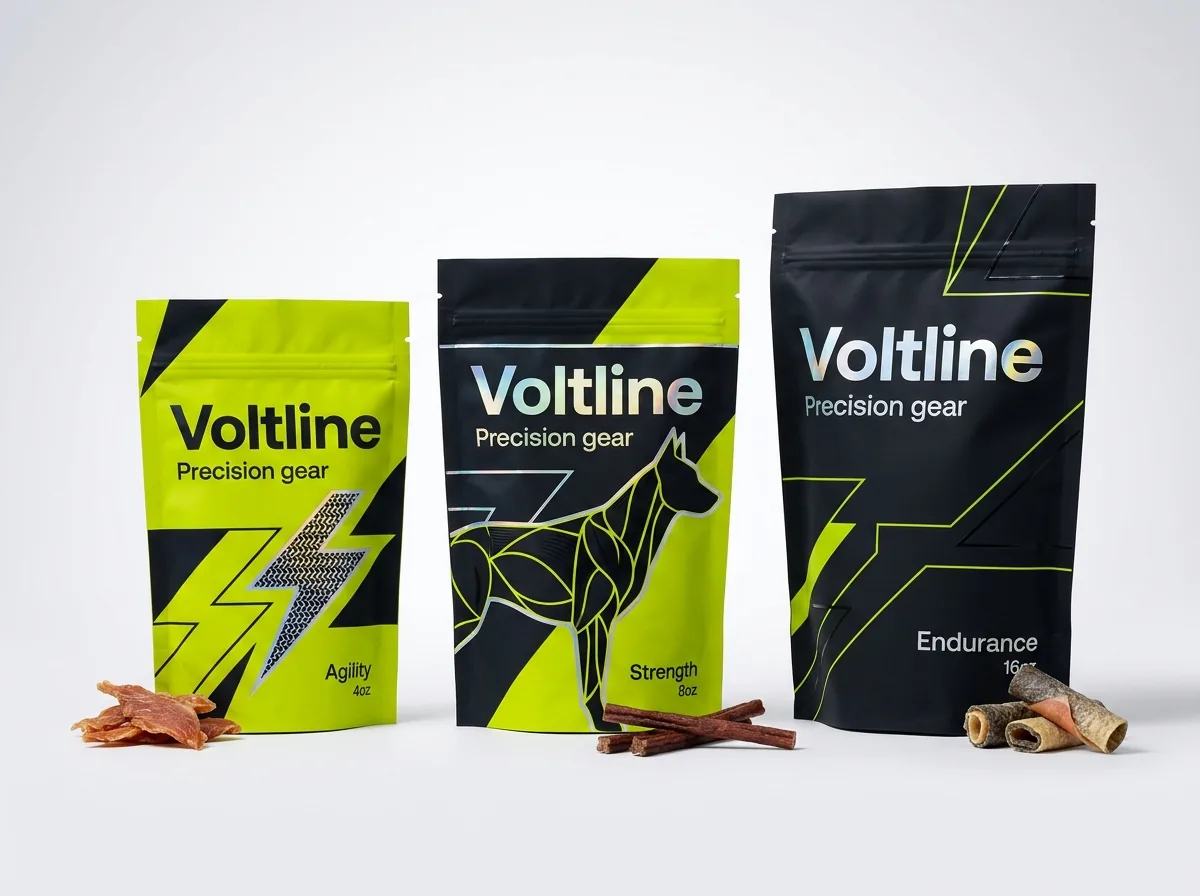
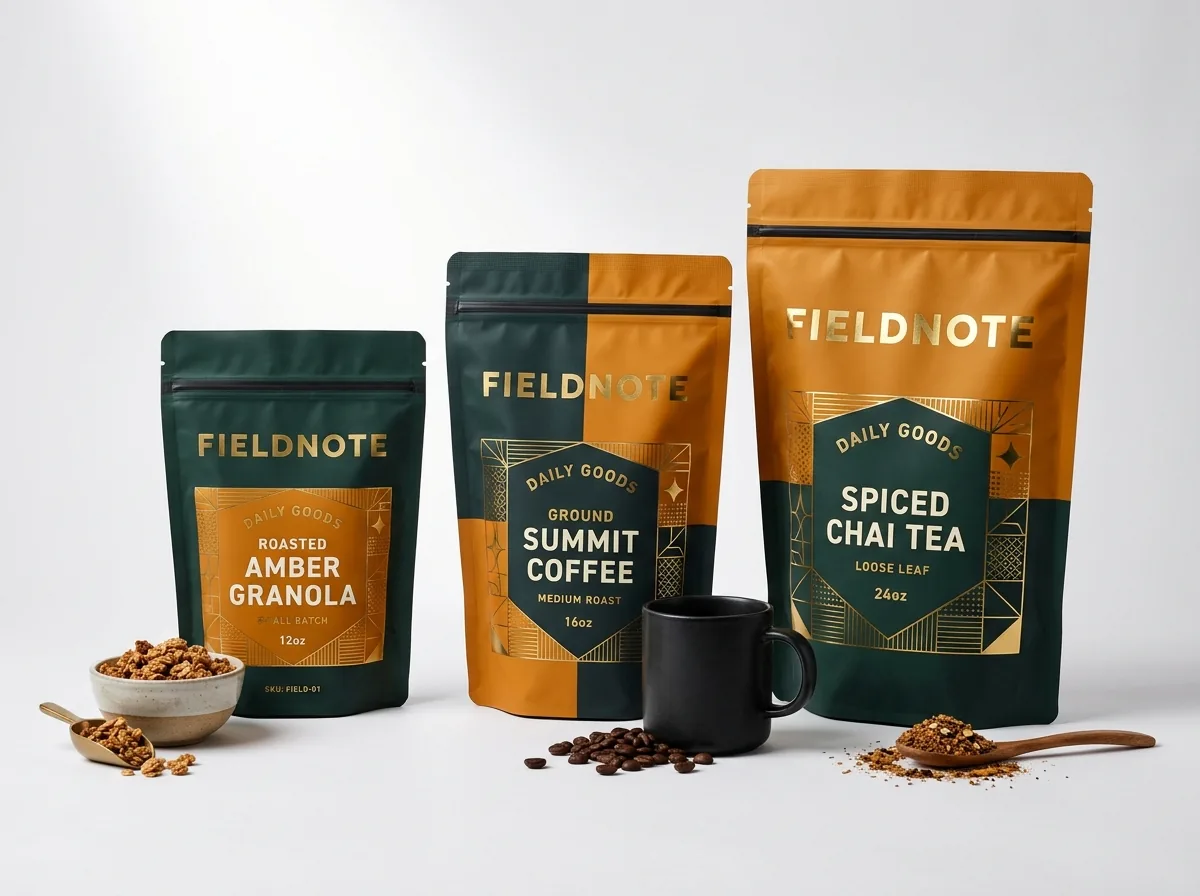
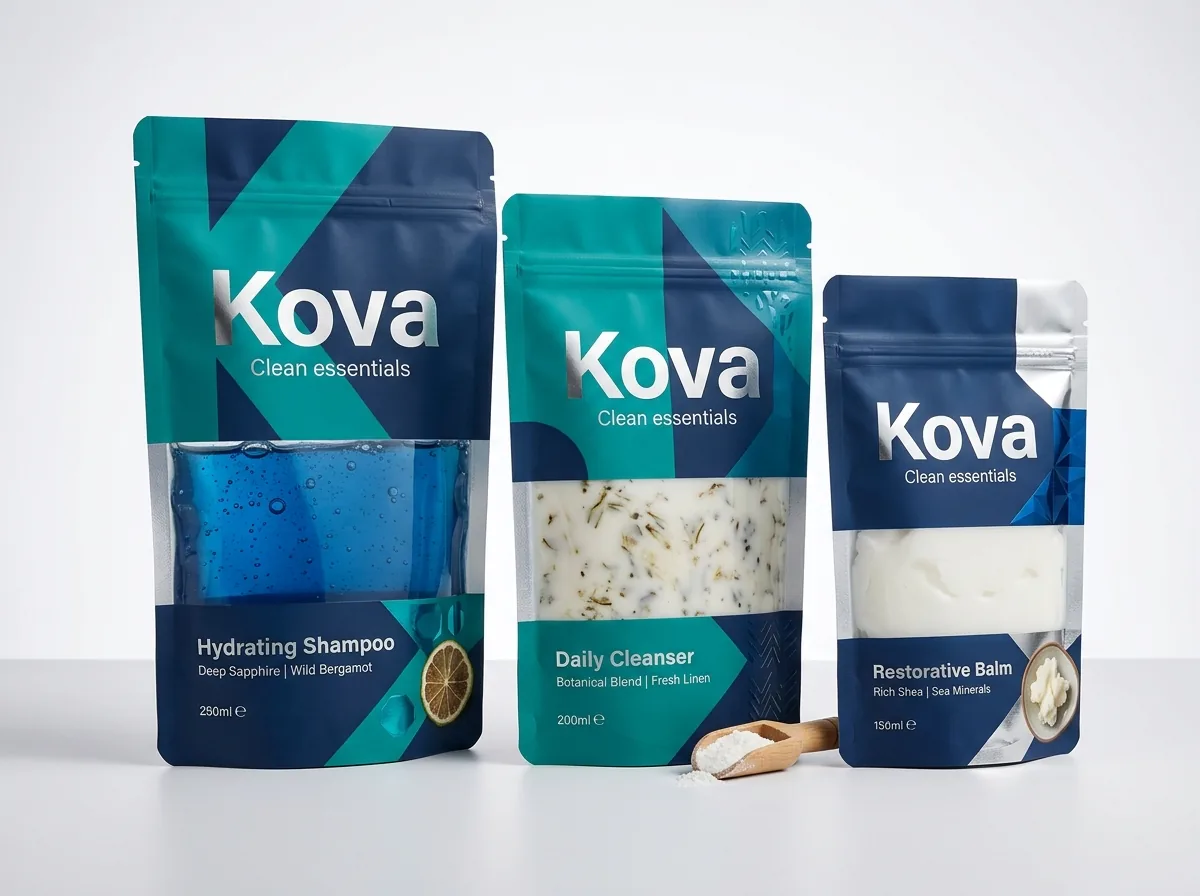
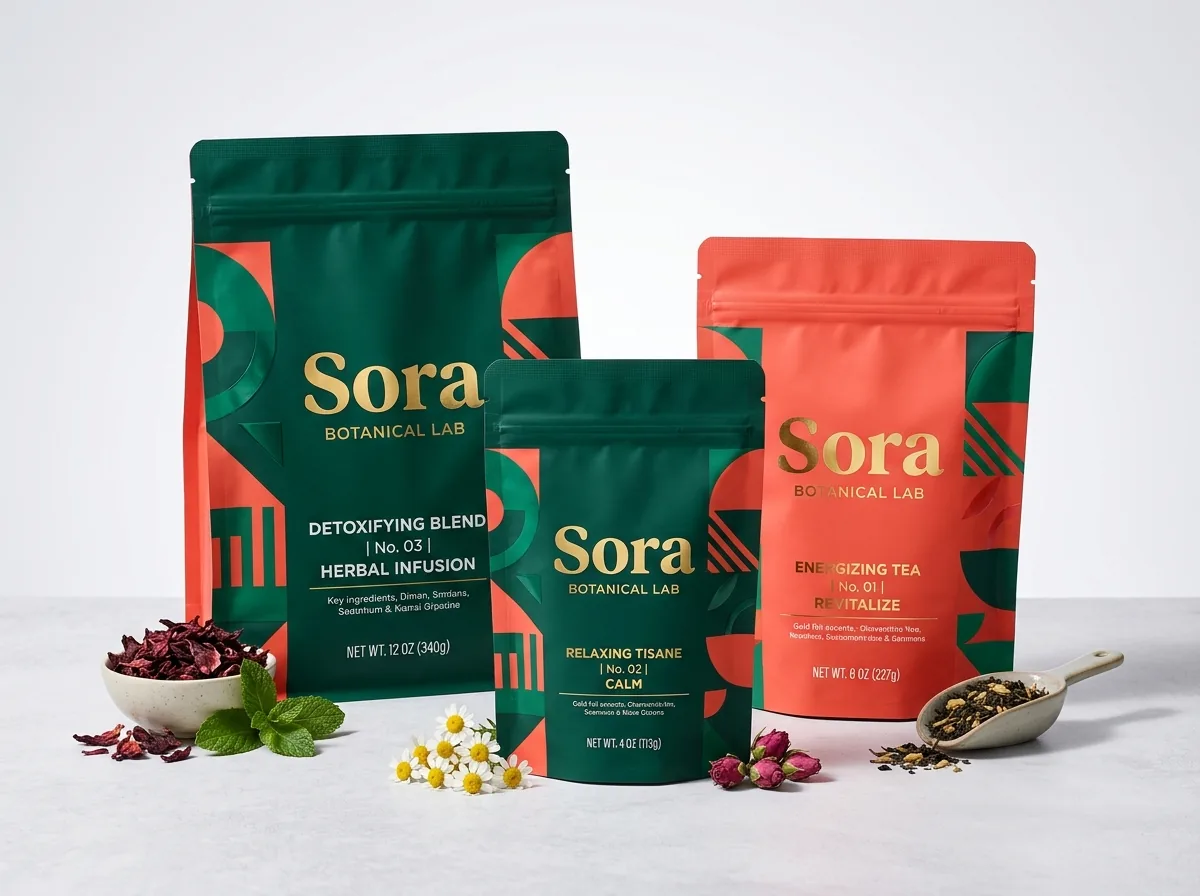
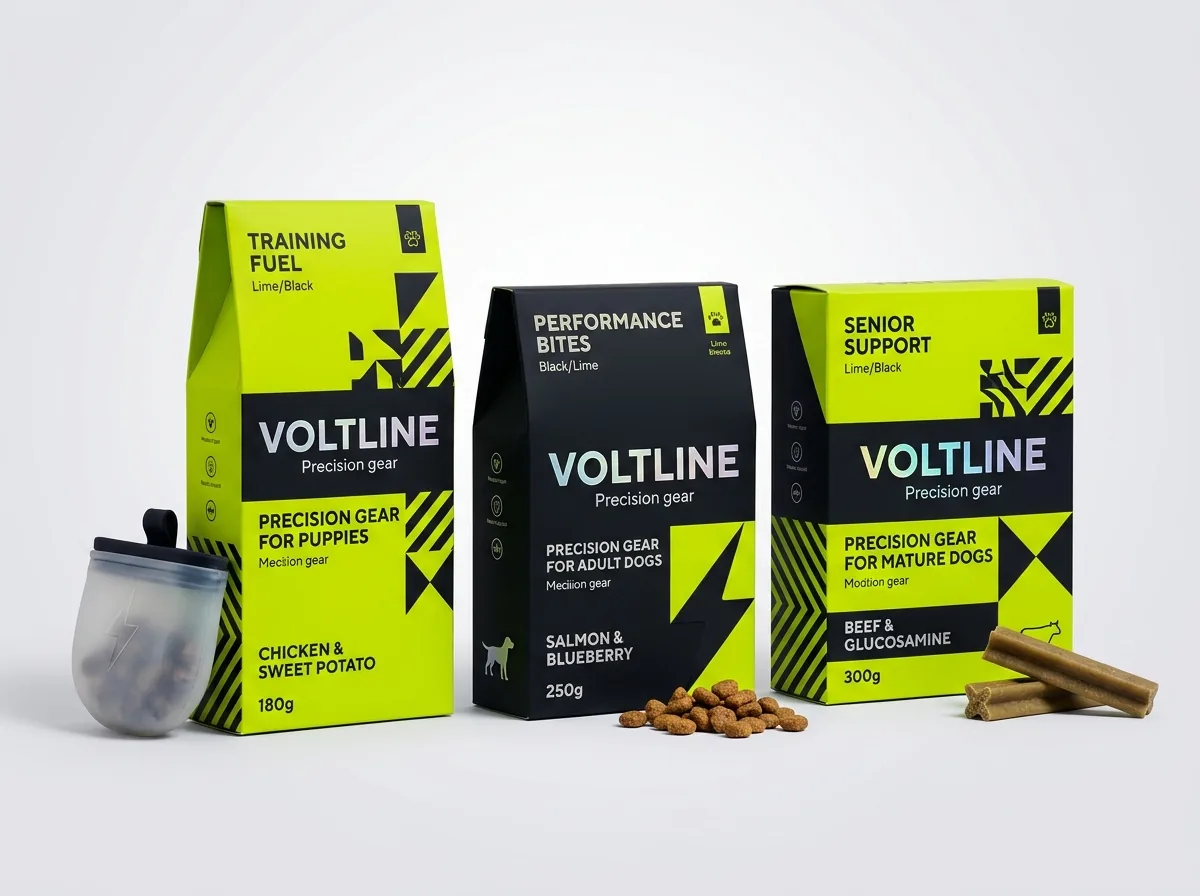
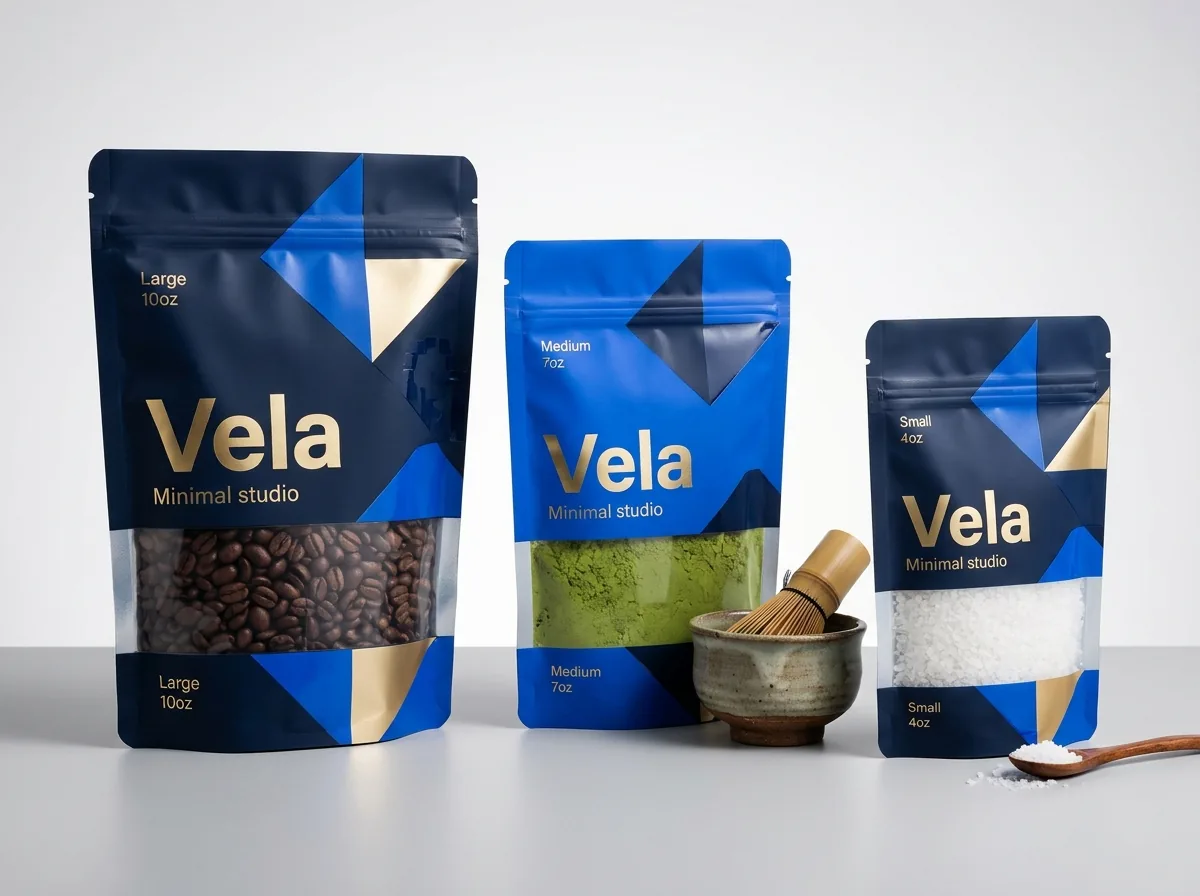
Ready to order pet treat pouches? Compare up to 3 quantities with a free 3D mockup.
Request a Quote →Questions about pet treat pouches
Which pouch barrier is best for freeze-dried raw dog and cat treats?
Freeze-dried raw liver, hearts, salmon and minnows require an opaque aluminum foil or vacuum-metallized barrier laminate with zero window to block 100% of store light and keep moisture vapor transmission near zero.
Will salmon oil or poultry fat stain a custom kraft pet treat pouch?
No. Unlike single-ply bakery bags, our custom kraft pet treat pouches laminate the outer paper to an internal barrier core and grease-resistant food-contact sealant layer on request so oils never touch the paper.
Can I get a custom bone-shaped or paw-shaped window without paying die charges?
Yes. On printed clear-barrier pet pouches, the window is created by leaving an unprinted clear knockout in the white ink layer, so bone, paw, fish or heart windows carry zero die or plate charges.
How do I keep smelly bully sticks and fish treats from stinking through the bag?
Specify a multi-layer metallized, foil or clear EVOH high-oxygen-barrier laminate with wide heat seals and a tight press-to-close zipper. That locks volatile sulfur and fish aromas inside until opened.
What zipper type works best when freeze-dried meat dust gets in the track?
Ask for a crumb- and powder-shedding multi-rib press-to-close zipper or front pocket zipper. Its wider channel clears liver dust and biscuit crumbs so the bag still clicks shut on dog walks.
Can I feel foil-lined, kraft and soft-touch pet pouch samples before ordering?
Yes. Order our $50 sample kit (credited toward your first order) to compare barrier films and finishes in person. Every order includes free design help, a free digital proof and 3D mockup, and free 50-state shipping.
Still have a question? Ask a packaging specialist.
Request a Quote →Request your pet treat pouches quote
Tell us your size and quantities, and one dedicated account manager prepares pricing for each tier.
- Free design & AI-to-print studio + 3D mockup
- No die or plate charges · 4–5 day rush available
- Free shipping to all 50 states
- 10% off your first order
The barrier comparisons in this guide are based on pet treat crude fat levels, freeze-dried vs semi-moist water activity ranges, and flexible laminate converter specifications, verified by a CubitPack packaging specialist. Spot something off? Tell us and we will fix it.
Sources
What changed
- October 22, 2026: First published.
- October 22, 2026: Updated specifications, terminology, and verified source links.
More guides
New packaging guides by email
Sizes, materials and design tips. Unsubscribe anytime.