
Custom thank you stickers vs printed thank you cards: which should you use?
Short answer: Choose custom thank you stickers when you want a dual-purpose seal that holds tissue paper or bags closed and guarantees 100% customer visibility at a lower cost per order. Choose printed thank you cards when you need space for multi-step care instructions or a handwritten paragraph.
On this page
- Why do thank you stickers get 100% visibility during unboxing
- How do custom thank you stickers and thank you cards compare side by side
- When do custom thank you stickers outperform loose insert cards
- When is a printed thank you card worth adding to your box
- How do boutique and subscription brands pair stickers and cards together
- Common mistakes
- FAQs
Request a custom quoteFree dieline & 3D mockup
Both custom thank you stickers and printed thank you cards express gratitude and invite buyers to come back, but they play very different physical roles inside a package. A custom thank you sticker is a structural part of the unboxing sequence: because it fastens the outer poly mailer flap, seals the bakery bag or holds the inner tissue paper wrap shut, the customer must look right at it and touch it to reach their purchase. A printed thank you card (typically a 4 × 6 inch or 3.5 × 5 inch cardstock postcard) sits loose inside the box or bag, offering ten times more surface area for founder stories, detailed skincare routines, recipe ideas or handwritten notes. Many growing brands start with roll-fed thank-you stickers from 500 units for everyday efficiency, then add insert cards for gift orders or high-ticket bundles.
Why do thank you stickers get 100% visibility during unboxing?
Think about what happens when a customer slices open an e-commerce shipping box or poly mailer. Their eyes lock immediately onto the product wrapped inside, and they often lift the item straight out while leaving loose packing slips and flyers at the bottom of the carton under crinkle paper. When a loose postcard is buried under void fill, a surprising share of shoppers recycle the box without ever reading the card. A branded thank you sticker eliminates that blind spot because it is physically attached to the threshold of the package. When you place a 2 inch round seal across the folded seam of inner tissue paper, or stick a 2 × 3.5 inch thank-you badge right inside the top lid of a mailer box, every single buyer sees your logo, thank-you message and QR code before they even touch the product.
- Tissue seam placement: the customer has to peel or break the thank-you seal to unwrap their item.
- Outer poly mailer placement: greets the buyer at the mailbox and marks the package as a special delivery.
- Inner box lid placement: turns an unprinted kraft mailer lid into a permanent branded message board.
- Primary product placement: sticks right on a coffee bag, pastry box or jar lid so your reorder QR stays in the kitchen.
How do custom thank you stickers and thank you cards compare side by side?
CubitPack makes both custom thank you stickers and custom thank you cards under one roof with guaranteed Pantone color matching. Use the comparison table below to decide which format (or combination) fits your average order value, copy length and packing workflow. Notice how stickers do two jobs at once (sealing + messaging) in a single one-second peel at the packing bench, whereas cards are dedicated to longer storytelling, multi-step instructions and handwritten messages.
| Comparison factor | Custom thank you stickers | Printed thank you insert cards |
|---|---|---|
| Typical dimensions | 1.5 in to 2.5 in circle or 2 × 3.5 in rectangle | 4 × 6 in, 4 × 4 in or 3.5 × 5 in flat card |
| Physical packaging role | Seals tissue paper, closes bags & brands lids | Placed loose inside the box, bag or mailer |
| Customer read rate | Near 100% (must interact with seal to open) | High when placed on top; lower if buried in fill |
| Space for copy & instructions | 10 to 30 words + logo + @handle + 1 QR code | 100 to 300 words across front and back panels |
| Handwritten note space | Room for packer initials or a 3-word note on matte | Full blank back or lined zone for a personal note |
| Shipping weight added | Virtually zero (fractions of a gram) | Adds 3 to 7 grams per card (matters near USPS tiers) |
| Storage footprint at bench | 500 to 1,000 stickers fit on one compact roll | Stacks of thick cardstock boxes on the shelf |
| Unit cost per order | Lowest cost per package (replaces tape too) | Higher paperboard area per unit |
When do custom thank you stickers outperform loose insert cards?
Custom thank you stickers are the clear winner in four everyday scenarios. First, if you ship soft goods, accessories or small items in custom poly mailers, padded envelopes or glassine bags, a loose cardstock postcard can bend or get creased in mail sorting machines, whereas a 2 inch sticker applied to the inner tissue wrap or outer mailer arrives crisp. Second, for bakeries, cafes, florists and local food brands, a sticker seals the takeaway pastry box or paper bag shut while thanking the customer, whereas a loose card would slip right out or touch food. Third, for lightweight first-class parcels hovering right near a 4 oz, 8 oz or 16 oz postal rate threshold, a roll sticker adds zero measurable weight. Fourth, because a sticker replaces the strip of plastic tape you would otherwise buy to hold tissue paper or bag folds shut, it upgrades your presentation while reducing packing supplies.
Know your size? Compare pricing across up to 3 quantities.
Request a Quote →When is a printed thank you card worth adding to your box?
A standalone custom thank you card or custom insert card earns its keep whenever your product needs more explanation than a 2 inch badge can hold. If you sell a ceramic pour-over coffee dripper that requires a 4-step brewing guide, a piece of jewelry that comes with tarnish-care instructions, or a luxury gift box where the buyer requested a handwritten gift message, a 4 × 6 inch card on thick cardstock feels like a keepsake. Cards are also useful when you want to cross-sell three or four companion products with lifestyle photography on the back panel. If you want the storytelling room of a card without printing separate cardstock inserts for small poly-mailer orders, consider a hybrid: order a 3 × 4 inch rectangular sticker and link its QR code to a mobile welcome video or care guide.
How do boutique and subscription brands pair stickers and cards together?
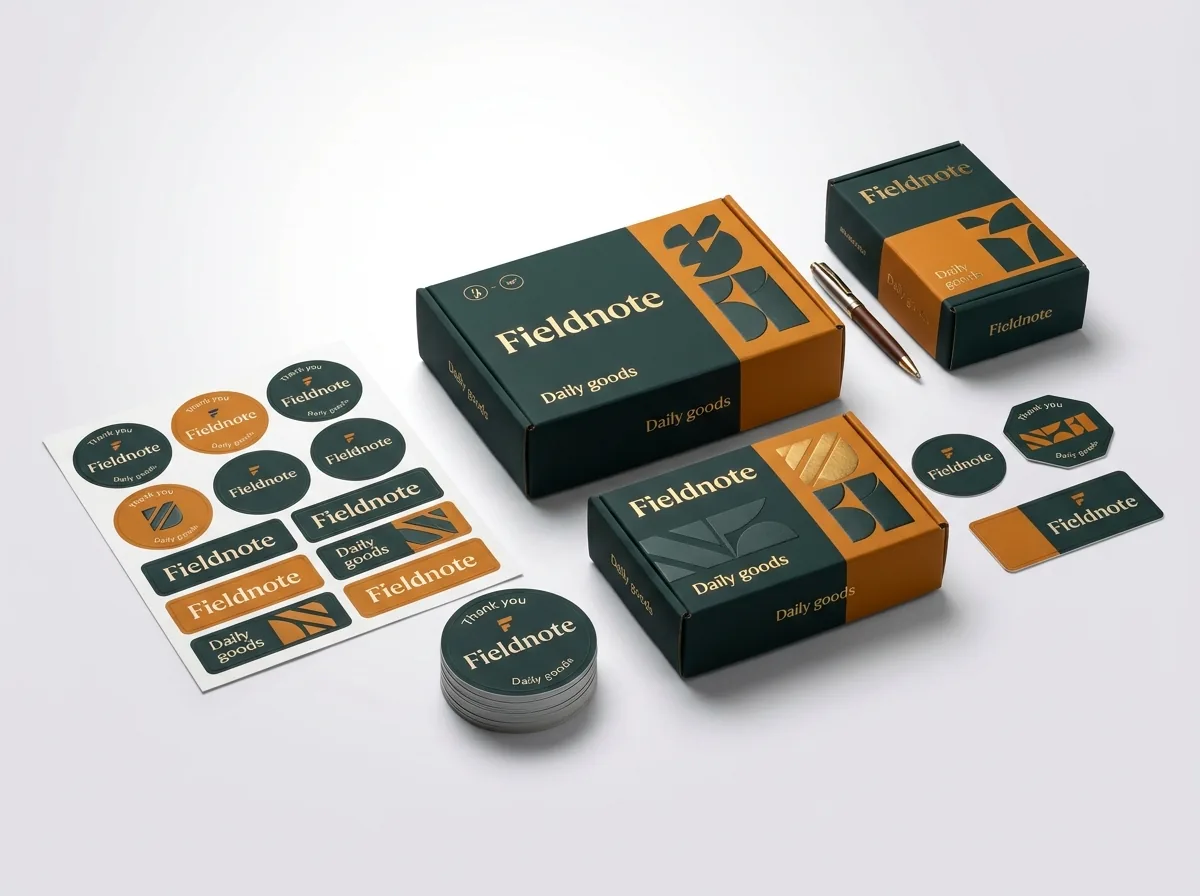
The most memorable unboxing experiences in beauty, apparel, candles and subscription boxes use a two-step reveal. When the customer opens the outer custom mailer boxes, the purchase sits wrapped in folded tissue paper fastened at the center with a 1.5 inch or 2 inch matte or gold-foil thank-you seal. Sitting right on top of that sealed tissue wrap, or tucked under the edge of the sticker itself, is the printed welcome card. Because CubitPack produces custom boxes, tissue paper, stickers and cards under one roof with your dedicated account manager, we can print your entire unboxing suite to the exact same Pantone (PMS) color code. Whether you start with 500 roll stickers on their own or bundle them with boxes and cards, you get free design help, zero die fees and free US shipping across all 50 states.
- Solo poly mailer setup: wrap the item in tissue paper and seal it with a 2 in thank-you + QR code sticker.
- Takeout & bakery setup: fold the top of the kraft bag and seal it shut with a 2 × 2 in or 1.5 × 3 in thank-you tab.
- Full gift box reveal: seal the inner tissue with a 1.5 in gold foil medallion and place a 4 × 6 in card on top.
- Test three quantities: enter 500, 1,000 and 2,500 in the quote form to compare unit price breaks.
What mistakes do brands make when choosing between thank you stickers and cards?
Wasted print budgets usually happen when a brand prints too much copy on a tiny sticker or drops loose cards into packages where they get lost. Avoid these five mistakes
- Tossing a loose thank-you card into the bottom of a crinkle-filled shipping box where buyers never see it before recycling the carton.
- Using plain clear plastic tape on your tissue paper when a custom thank-you sticker would seal the tissue and brand the package at the same time.
- Trying to squeeze a 60-word founder story onto a 1.5 inch round sticker instead of linking a crisp QR code to your story page.
- Putting a reorder discount code on a loose card for a 60-day supplement bottle instead of sticking a reorder QR badge right on the bottle.
- Ordering stickers and cards from two different printers whose inks clash instead of matching both to the same Pantone code.
Find your label size
Suggested label size: 9⅛ × 2¾ in (width × height)
A typical starting point. Your account manager confirms the size on the proof.
Quote this size →Packaging for this
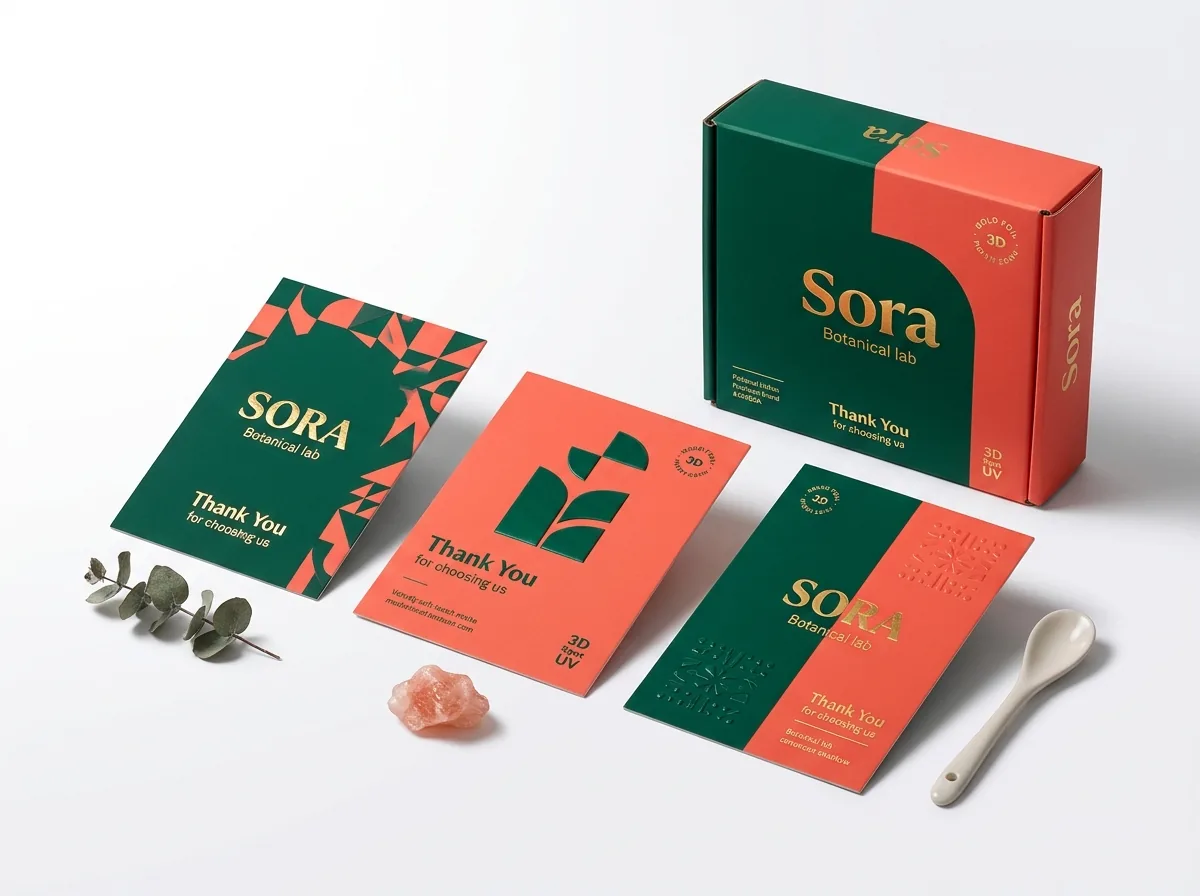
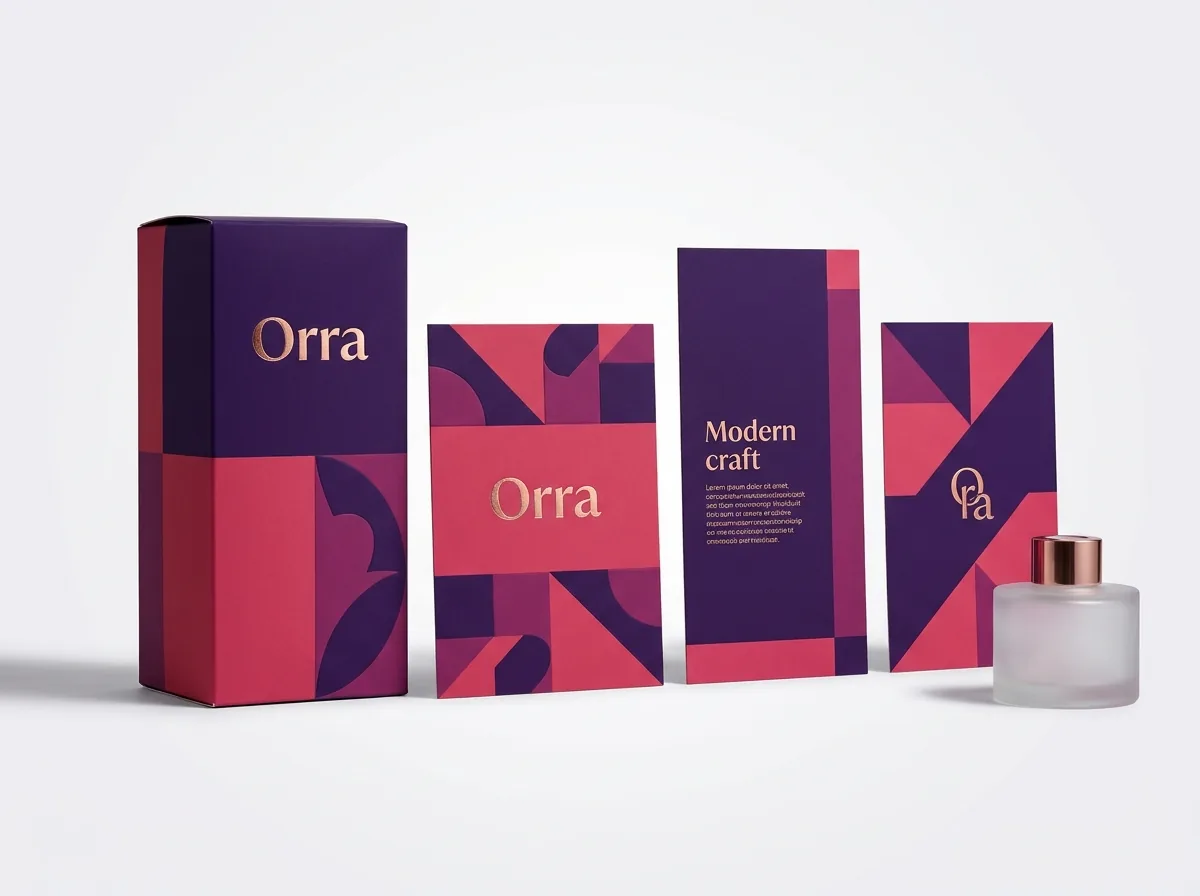
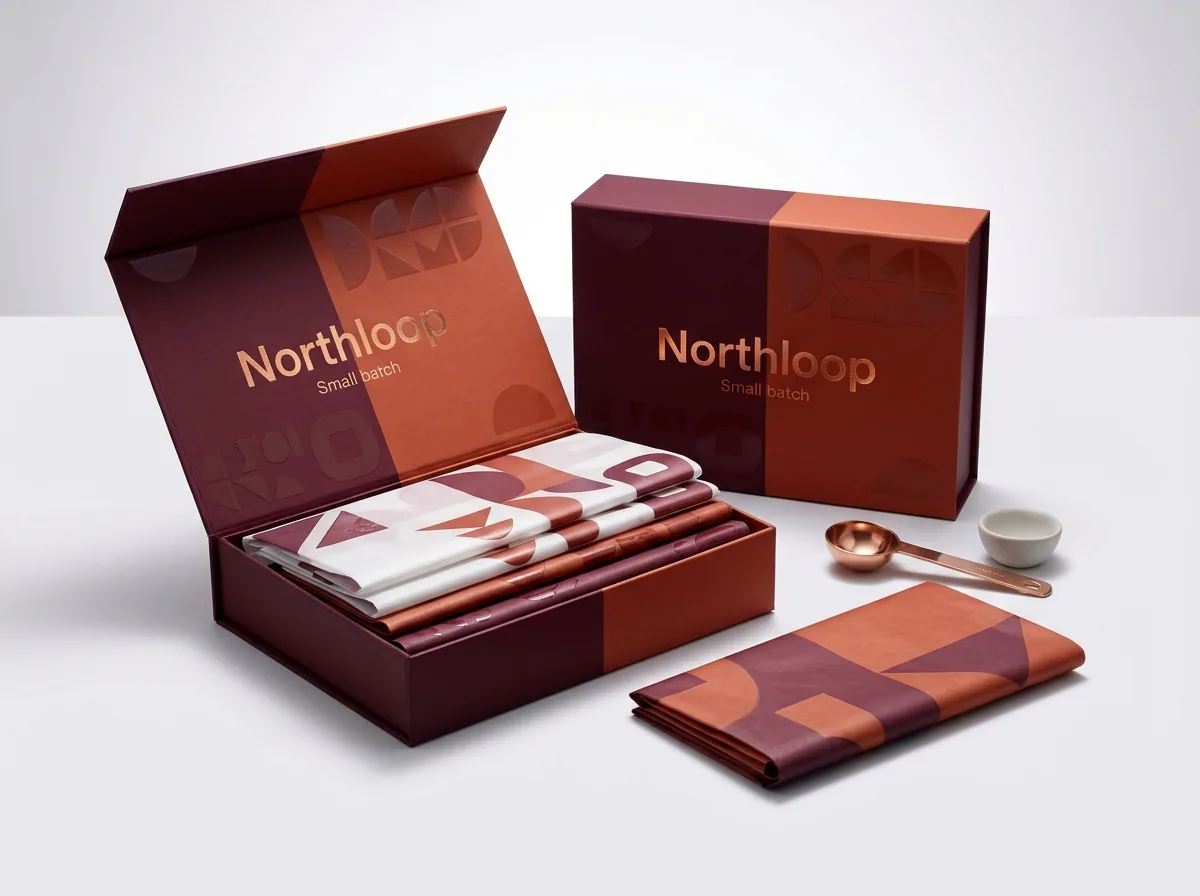
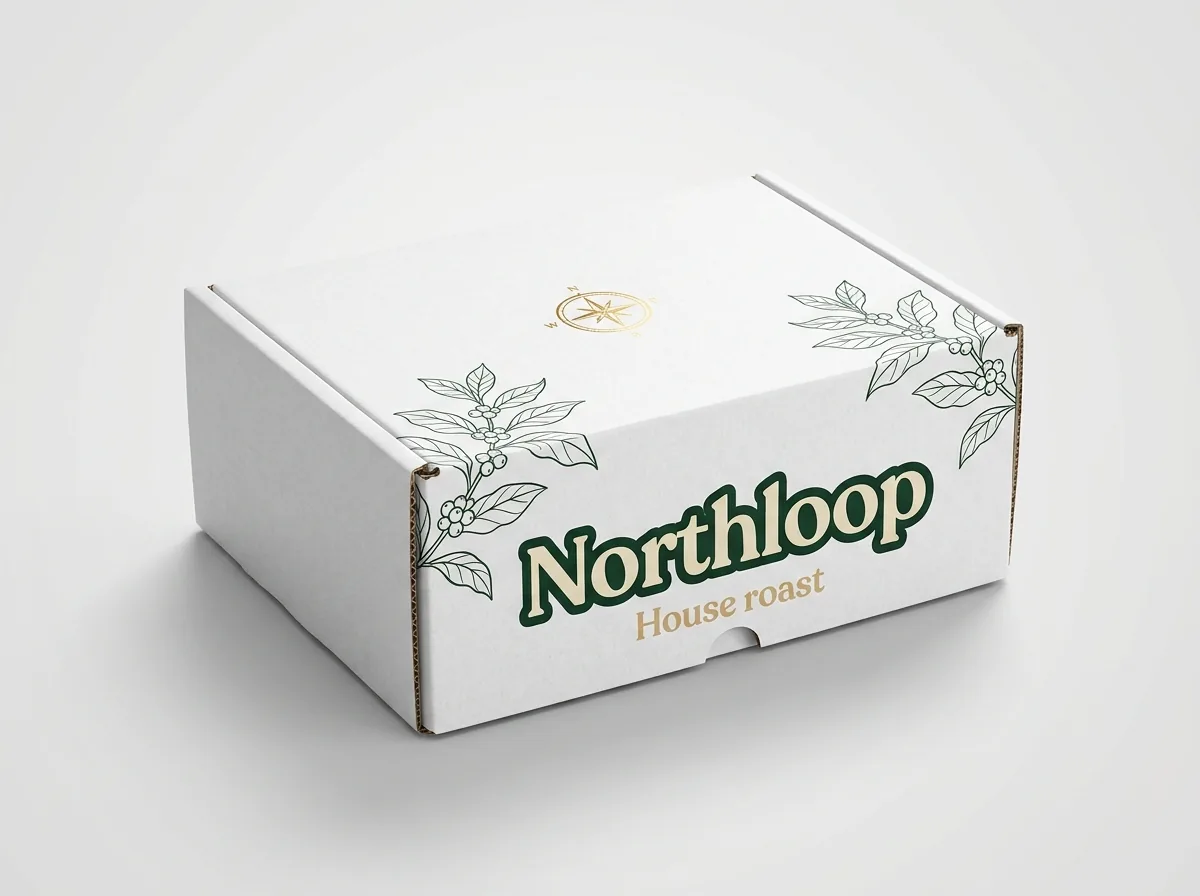
Ready to order thank you stickers? Compare up to 3 quantities with a free 3D mockup.
Request a Quote →Questions about thank you stickers
Are custom thank you stickers more affordable than printed thank you cards?
Yes. A 1.5 inch or 2 inch roll sticker uses a fraction of the material of a 4 × 6 inch heavy cardstock postcard, adds zero shipping weight, and doubles as the tape or seal that holds your tissue paper or bag closed.
Can a custom thank you sticker hold the same information as a thank you card?
A 2 inch or 2.5 inch sticker comfortably holds your logo, a warm thank-you line, your @handle, a discount code and a scannable QR code. By linking that QR code to a landing page or video, you can share unlimited care tips without cluttering the sticker.
Where should I stick a thank you sticker if I do not use tissue paper?
Stick it right on the inside center of your mailer box lid, on the outside of your poly mailer next to the shipping label, across the top fold of a paper bag, or directly onto the lid of your product container.
Can I use a thank you sticker to hold a thank you card in place?
Yes. Many subscription and gift brands lay their printed card on top of the folded tissue paper and use a round or heart-shaped thank-you sticker to tack one corner of the card to the tissue so it stays centered during shipping.
Can CubitPack print both my custom thank you stickers and my thank you cards?
Yes. We make custom thank you stickers, thank you cards, insert cards, tissue paper and boxes under one roof with guaranteed Pantone color matching and free shipping across all 50 US states.
What is the minimum order quantity for custom thank you stickers?
Our standard minimum order is 500 custom thank you stickers, with production in 10-14 business days (or 4-5 business days with rush). Trial orders below 500 are considered case by case.
Still have a question? Ask a packaging specialist.
Request a Quote →Request your thank you stickers quote
Tell us your size and quantities, and one dedicated account manager prepares pricing for each tier.
- Free design & AI-to-print studio + 3D mockup
- No die or plate charges · 4–5 day rush available
- Free shipping to all 50 states
- 10% off your first order
This comparison of custom thank-you stickers versus printed thank-you insert cards was compiled and checked by a CubitPack packaging specialist based on e-commerce fulfillment workflows and decided product specs in our published product specifications. Spot something wrong? Tell us and we will fix it.
Sources
What changed
- October 22, 2026: First published.
- October 22, 2026: Updated specifications, terminology, and verified source links.
More guides
New packaging guides by email
Sizes, materials and design tips. Unsubscribe anytime.