
How do cube box CAD dielines, dust-flap tolerances, and six-face artwork work?
Short answer: An unfolded Straight Tuck End cube box of side S spans roughly (4S + glue lap) wide by (3S + 2 tuck tongues) tall, with side dust flaps cut to 48% of S so opposing flaps never collide. Keep all four vertical walls upright (0 deg), rotate top-lid logos 180 deg, and add 0.125 in bleed.
On this page
- What flat press-sheet math governs an S × S × S cube box CAD dieline
- How do you orient 6-face artwork and design modular 2×2 stacked retail murals
- What safe margins protect windows, dark corner folds, and foil stamping on cubes
- What 5 checks prepare your cube artwork for CubitPack's free 3D digital proof
- Common mistakes
- FAQs
Request a custom quoteFree dieline & 3D mockup
Preparing print-ready files on a custom cube box CAD template unlocks creative possibilities that rectangular cartons cannot match, because every wall, lid, and base shares an exact 1:1 aspect ratio. At the same time, scaling a carton to equal Length, Width, and Height changes two critical steel-rule dieline mechanics. First, unlike a slim cosmetic dropper carton whose dust flaps are tiny half-inch tabs, a cube's side dust flaps project nearly half the full width of the box, requiring exact 48% depth trimming and 15-degree relief shoulders so opposing flaps fold flat without buckling the square top lid. Second, rotating logos cleanly across the rear-hinged top square and aligning continuous geometric bands across four vertical corner creases demands strict bleed, crease-allowance, and window-bridge margins. CubitPack generates exact caliper-compensated 2D vector CAD dielines and interactive 3D proofs free starting at 1,000 units.
What flat press-sheet math governs an S × S × S cube box CAD dieline?
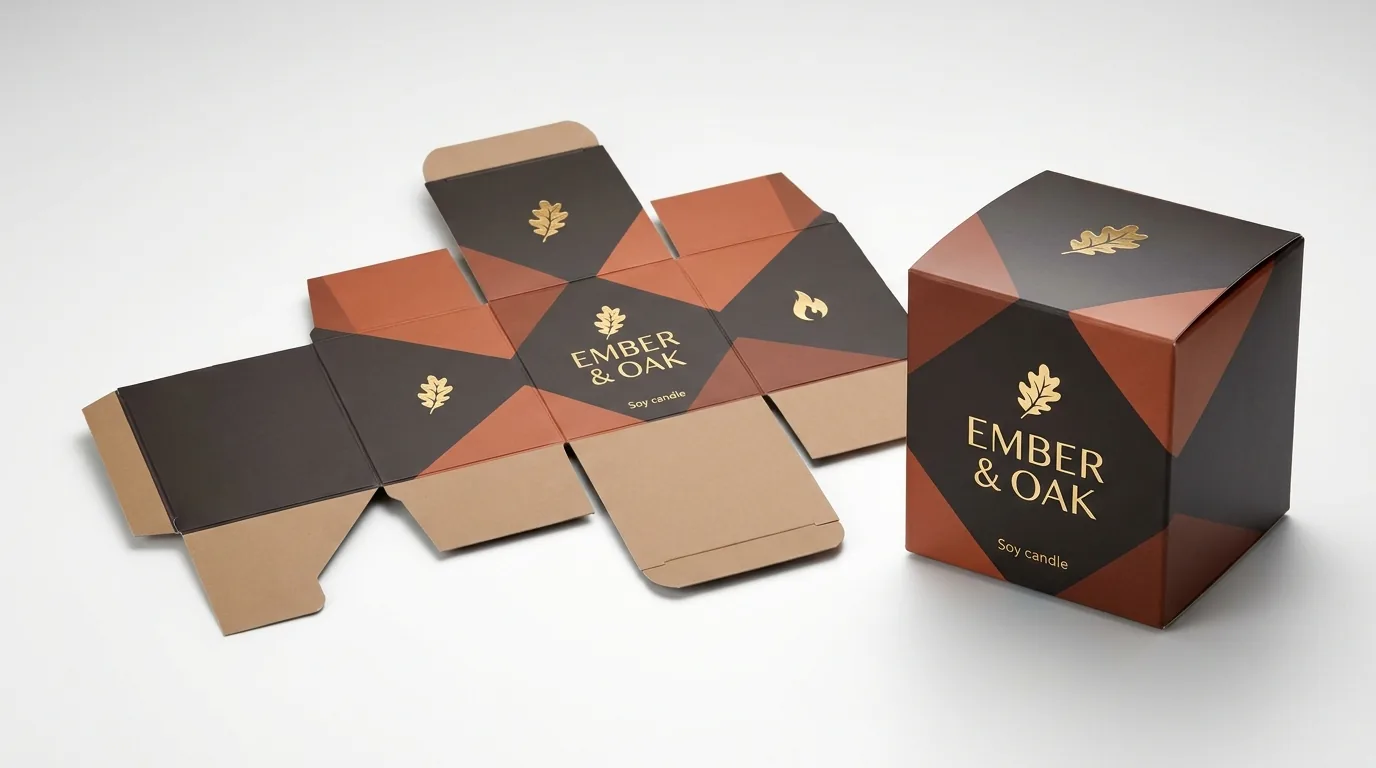
When our structural specialists generate a parametric Straight Tuck End template for equilateral custom cube boxes, the four vertical walls are not drawn to identical dead-even mathematical inches down to the thousandth: minuscule board-thickness folding allowances (0.5x to 1.5x caliper depending on 18 pt, 24 pt, or 1.5 mm E-flute) are added between the Rear wall and hinged Top/Bottom lids so the square lid wraps smoothly over the folded side dust flaps without bowing outward. Skipping those caliper offsets on heavy 24 pt or micro-fluted board forces the top tuck crease forward by nearly two millimeters and leaves an uneven gap along the front rim. Use the flat blank dimensions below to estimate press-sheet imposition and window margins before requesting your exact vector file
- Why dust flaps stop at 48% of S: If left and right dust flaps were each cut to 50% of a 4-inch cube (2.00 inches each), board thickness at the corner folds would push their inner edges into each other at the center line; 48% leaves a clean 3 to 4 mm center gap.
- Slit-lock shoulder relief: Tiny 1.5 mm slit notches at both ends of the top tuck crease catch the bevels of the side dust flaps so the square lid stays flat without popping upward under warm display lights.
- Glue-free side lap mask: Keep ink, Spot UV, and film lamination masked 0.125 inches back from the glue zone on the left glue lap so cold-set PVA adhesive bonds directly into raw paper fibers.
| Interior cube (S) | Side glue lap | Dust flap depth (0.48 S) | Tuck tongue depth | Flat STE blank (W × H) |
|---|---|---|---|---|
| 3.0 × 3.0 × 3.0 in | 0.50 in (12.7 mm) | 1.45 in | 0.625 in | 12.50 × 10.25 in |
| 4.0 × 4.0 × 4.0 in | 0.625 in (16 mm) | 1.92 in | 0.750 in | 16.63 × 13.50 in |
| 4.5 × 4.5 × 4.5 in | 0.625 in (16 mm) | 2.16 in | 0.750 in | 18.63 × 15.00 in |
| 5.0 × 5.0 × 5.0 in | 0.75 in (19 mm) | 2.40 in | 0.813 in | 20.75 × 16.63 in |
| 6.0 × 6.0 × 6.0 in | 0.75 in (19 mm) | 2.88 in | 0.875 in | 24.75 × 19.75 in |
How do you orient 6-face artwork and design modular 2×2 stacked retail murals?
Across an unfolded Straight Tuck End cube sheet, Left, Front, Right, and Rear body squares sit horizontally in one row with identical 0-degree upright orientation. Because the Top Tuck Lid hinges off the Rear square and folds forward toward the shopper, any monogram or tagline on that Top Lid must be rotated 180 degrees on the flat Illustrator artboard so it reads right-side up when viewed from the Front hero face. Even better, true 1:1:1 symmetry lets brands across custom candle boxes, custom soap boxes, and custom birthday boxes turn a single print plate into a multi-box architectural display
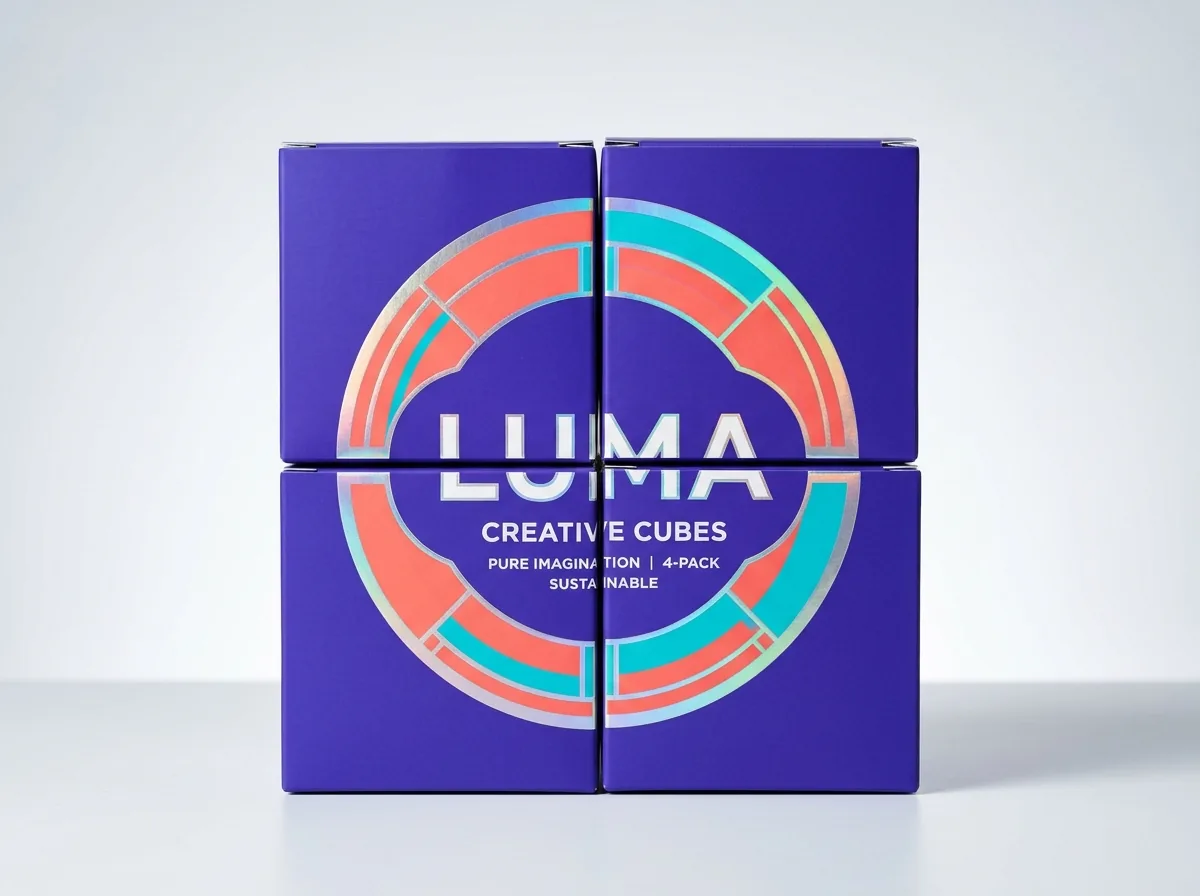
- Four-wall 2×2 mural trick: By placing one quarter of a giant circle, arch, or botanical motif onto each of the four vertical square walls (Left, Front, Right, Rear), store merchandisers can stack four boxes from the exact same SKU in a 2×2 grid to complete a 8-to-10-inch centerpiece emblem.
- Continuous horizon bands: Wrap color-block stripes straight across all four vertical crease lines plus 0.125 inches of bleed onto the glue lap margin so zero white gaps appear at the rear seam.
- Surprise dust-flap print: Because cube dust flaps are nearly two inches wide, printing a short scent ritual note or social handle on the right top dust flap greets customers the instant they lift the lid.
What safe margins protect windows, dark corner folds, and foil stamping on cubes?
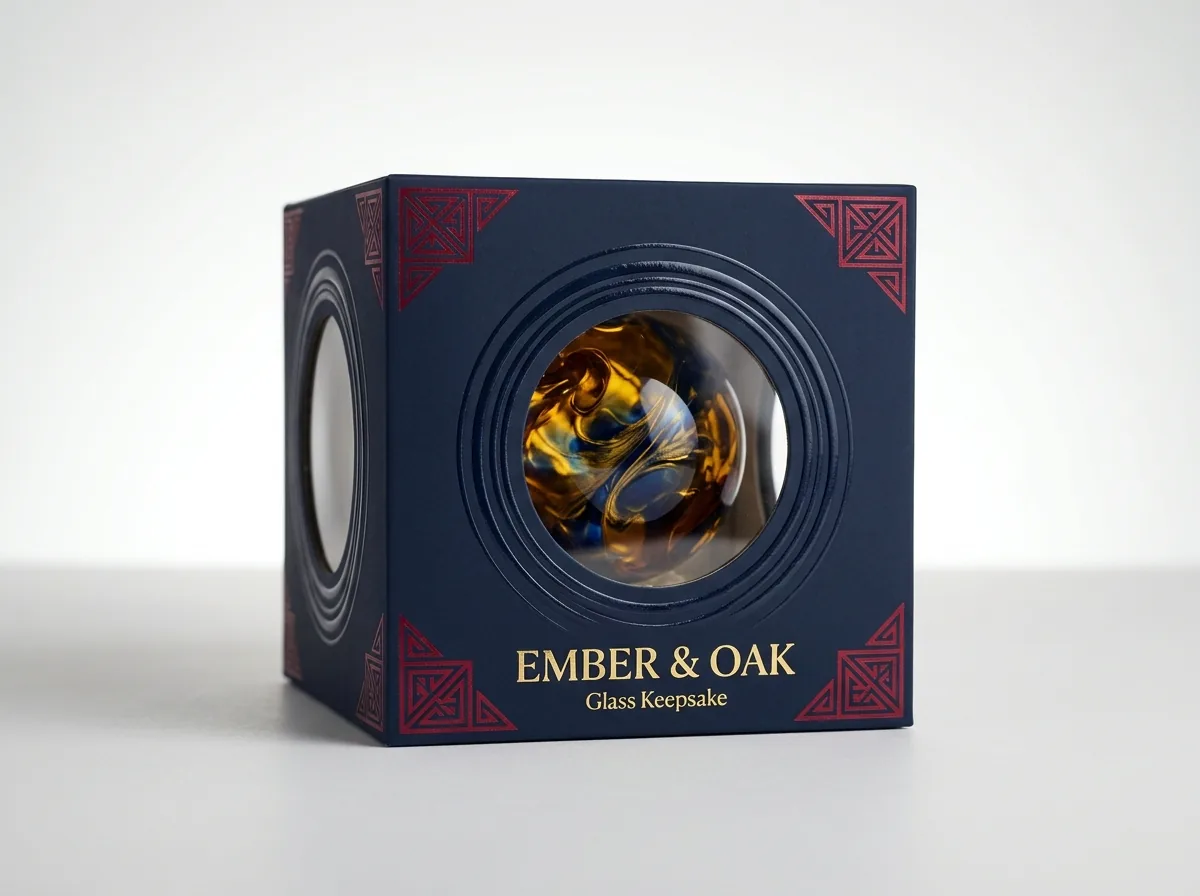
Square cubes showcase centered geometric die-cuts beautifully on custom ornament boxes, custom mug boxes, and custom plant boxes, provided window edges stay far enough inside the vertical score lines to preserve corner column compression strength. Remember that nearly 80% of a folding carton's top-to-bottom stacking strength lives within half an inch of its four vertical corner creases, so cutting an oversized window right up to the fold edges weakens the entire tower when retailers stack candle or mug cubes three layers high. Follow these four prepress finishing tolerances
- Keep window cutouts 0.50 to 0.625 in inside score lines: On a 4.0 × 4.0 in cube, maximum centered window size is 2.75 to 3.00 in wide; on 4.5 to 6.0 in cubes, leave at least a 0.625 to 0.75 in frame around all four edges.
- Corner wraparound window option: If you want a two-panel L-shaped corner window displaying a blown-glass ornament or stoneware mug glaze at 45 degrees, we pre-score the clear PET window patch along the vertical corner crease.
- Prevent white crease cracking on dark cubes: Always pair deep charcoal, obsidian black, midnight navy, or burgundy flood coverage with exterior matte, gloss, or velvety soft-touch BOPP film lamination.
- Foil & emboss clearance: Keep hot-stamped metallic foil and 3D embossing dies at least 0.1875 in clear of fold creases and window cutouts.
Know your size? Compare pricing across up to 3 quantities.
Request a Quote →What 5 checks prepare your cube artwork for CubitPack's free 3D digital proof?
Pair this dieline checklist with our sizing guide on custom cube box sizes, clearances, and weight limits and our closure comparison on straight tuck vs auto-lock bottom vs two-piece cube boxes, plus our design guide on custom candle boxes and warning labels. Even if you do not have an in-house structural engineer, starting directly inside CubitPack's locked vector PDF/AI template guarantees every panel width, dust-flap bevel, and slit-lock ear matches our steel-rule die press. Before uploading your Illustrator or PDF file for custom tumbler boxes or gift cubes, run these five checks
- 1. Lock the vector CAD dieline on its own non-printing top layer (solid lines = cut, dashed lines = crease) without scaling or ungrouping panel widths.
- 2. Extend exterior background artwork +0.125 in (3.175 mm) past every outer cut line, and keep body copy at least 0.125 in inside every crease.
- 3. Confirm Top Lid logo orientation (rotated 180 deg on the flat sheet) by spinning CubitPack's interactive 3D digital proof before payment.
- 4. Supply Spot UV, hot foil stamping, and embossing masks as crisp 100% K vector spot layers named clearly by finish.
- 5. Convert all fonts to outlines, embed 300+ DPI CMYK or Pantone PMS links, and place your UPC barcode + candle warning icon on the Bottom square panel.
What prepress dieline mistakes happen most often on custom cube boxes?
Catch these five CAD and artwork errors during proof review before going to press
- Drawing DIY dust flaps at 50% or 60% of cube width without angled relief shoulders, causing the flaps to overlap and bow the top lid upward.
- Placing the Top Lid monogram at 0 degrees on the flat template so it reads upside down when a customer faces the Front square on a shelf.
- Cutting a 3.5-inch square window inside a 4.0-inch front panel, leaving fragile 0.25-inch side pillars that buckle under stacked cubes.
- Printing heavy unlaminated black CMYK ink across 24 pt board creases without matte or soft-touch film lamination.
- Placing small ingredient text right across the slit-lock shoulder cuts at the outer corners of the top tuck crease.
Packaging for this

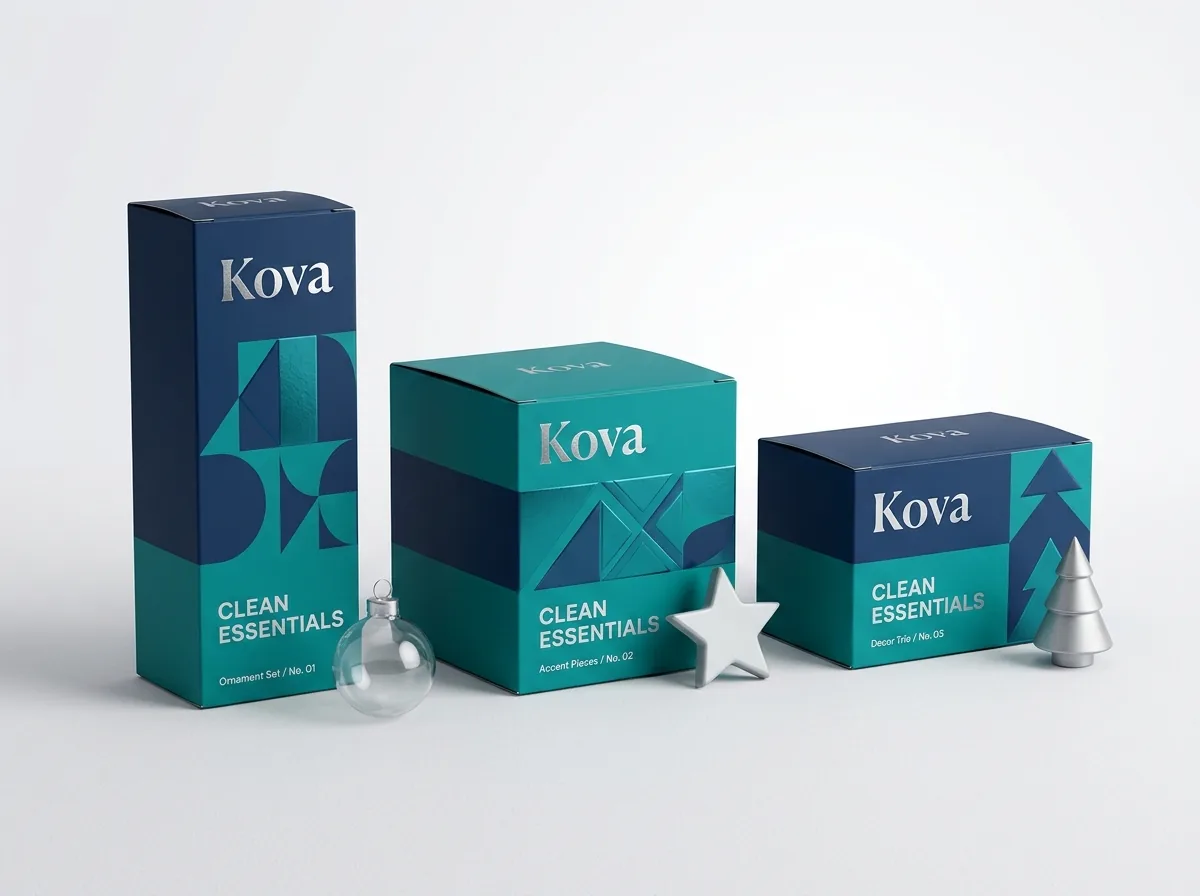
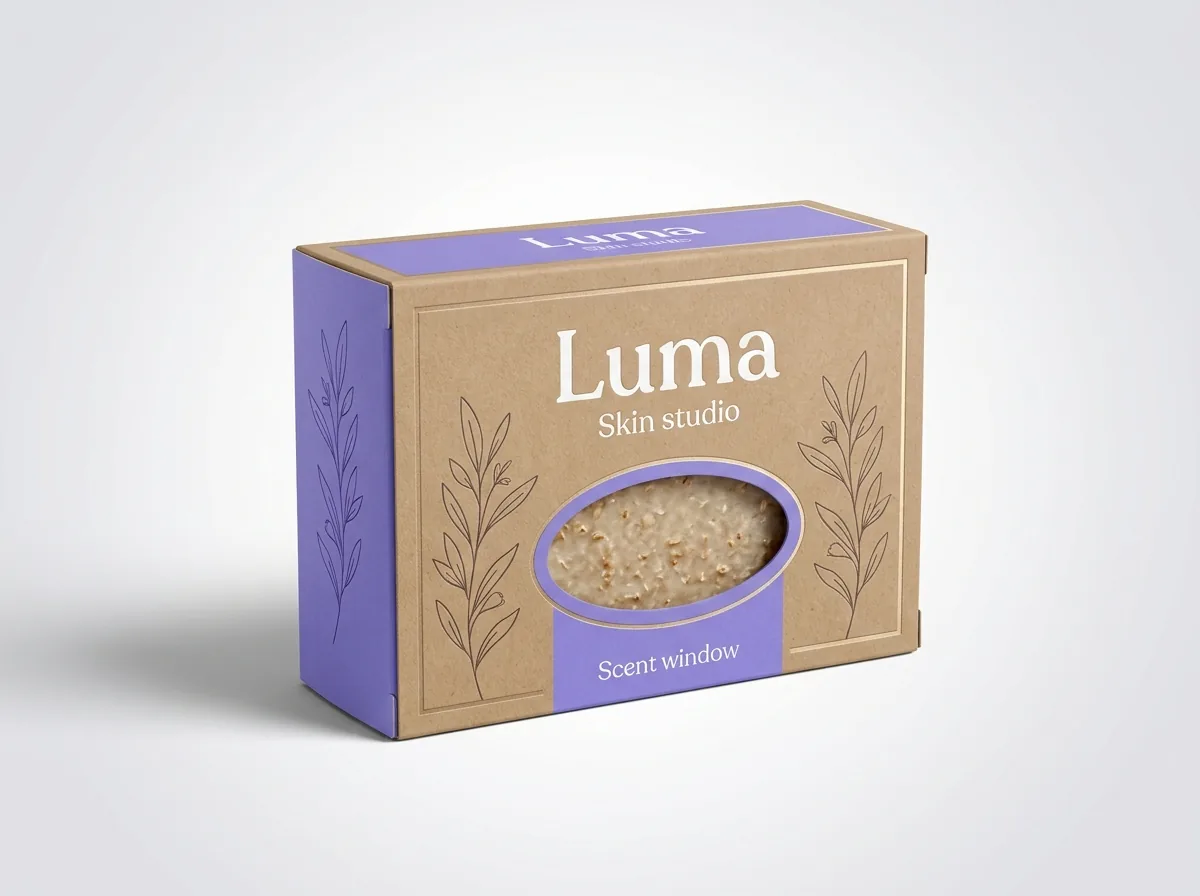

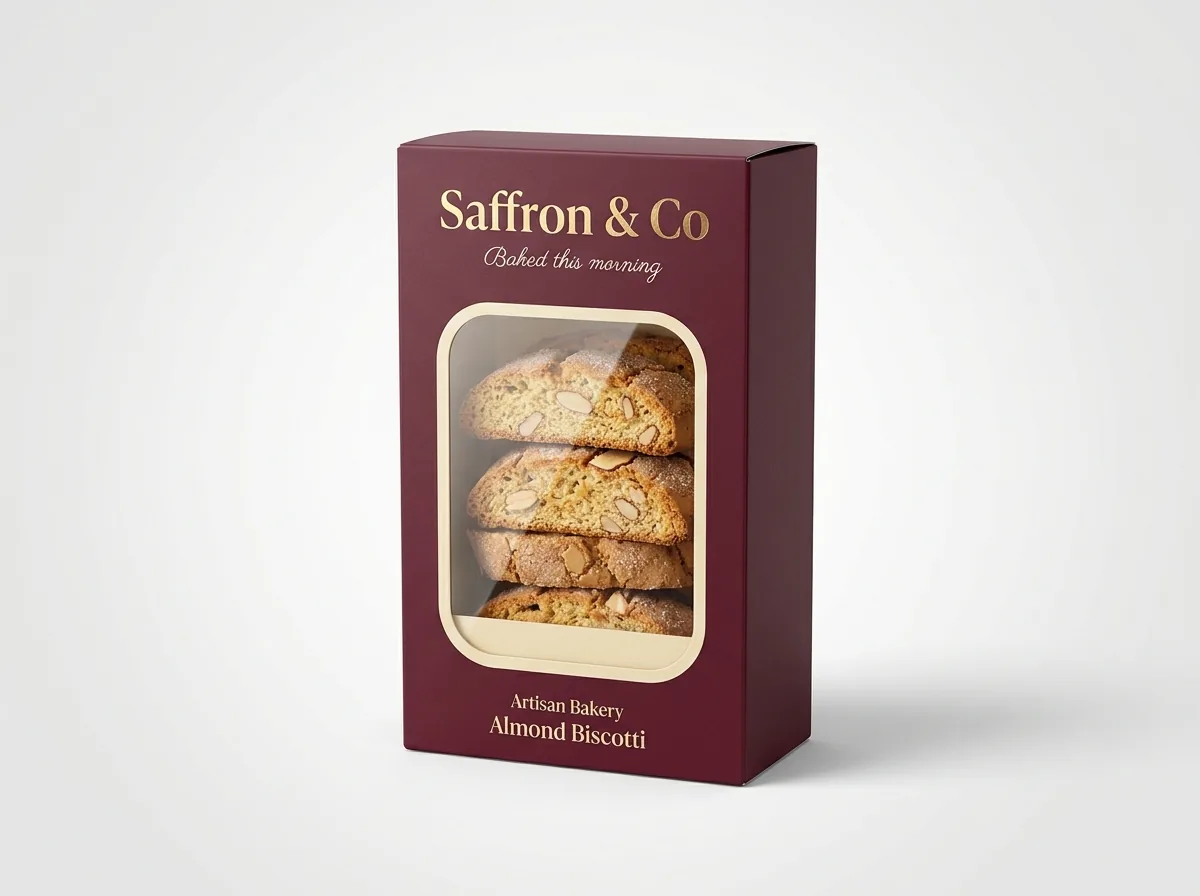
Ready to order cube boxes? Compare up to 3 quantities with a free 3D mockup.
Request a Quote →Questions about cube boxes
Can I download or request a custom S x S x S cube box vector dieline for free?
Yes. Enter your interior cube size (such as 3.75 × 3.75 × 3.75 in or 4.5 × 4.5 × 4.5 in) and product weight in CubitPack's quote form (from 1,000 units), and we send a custom caliper-compensated 2D vector PDF/AI CAD dieline and 3D proof free before payment.
Why are the four square panels on a CAD dieline slightly different by a millimeter?
In real steel-rule die making, the Rear wall and hinged Top Lid include tiny board-thickness wrap allowances (typically 0.5 to 1.5 mm) so that once 18 pt, 24 pt, or E-flute board folds 90 degrees around the dust flaps, the finished exterior cube measures dead square.
Can CubitPack print inside all 6 panels of a custom cube box?
Yes. Two-sided offset or digital printing lets you flood the interior walls, inside top lid, and dust flaps with contrasting brand colors or patterns while keeping glue laps masked raw for a strong bond.
What is the minimum safe frame around a circular or square window on a cube box?
Keep window die-cuts at least 0.50 inches inside all four edges on 3 to 4 inch cubes, and at least 0.625 to 0.75 inches inside the score lines on 4.5 to 6 inch cubes so corner stacking strength stays intact.
Does CubitPack check my artwork alignment across all 6 cube faces before printing?
Yes. Every order includes a free prepress file audit and an interactive 3D digital proof you can rotate 360 degrees to verify continuous stripes, top-lid orientation, foil masks, and window clearances before paying.
Still have a question? Ask a packaging specialist.
Request a Quote →Request your cube boxes quote
Tell us your size and quantities, and one dedicated account manager prepares pricing for each tier.
- Free design & AI-to-print studio + 3D mockup
- No die or plate charges · 4–5 day rush available
- Free shipping to all 50 states
- 10% off your first order
We verified flat STE cube blank formulas, 48% dust-flap relief shoulders, caliper crease allowances, window-to-score bridge minimums, and score-line BOPP lamination standards against ECMA Folding Carton Design Codes, Paperboard Packaging Council (PPC) structural design manuals, and TAPPI prepress guidelines. Spot something wrong? Tell us and we fix it.
Sources
What changed
- November 6, 2026: First published with S×S×S flat blank table, 6-face artwork orientation map, and 2×2 modular mural design guide.
More guides
New packaging guides by email
Sizes, materials and design tips. Unsubscribe anytime.